Yoga Poses for Constipation — Explained by Medical Evidence, Not Myths

Yoga may help mild constipation, but it is not a substitute for diagnosis or treatment when symptoms continue. The most plausible benefits come from movement, breathing, stress reduction, and routine rather than from myths about twisting out toxins.
Key Takeaways
- Yoga may help mild constipation, but it is not a substitute for diagnosis or treatment when symptoms continue.
- The most plausible benefits come from movement, breathing, stress reduction, and routine rather than from myths about twisting out toxins.
- Gentle poses are generally safer than intense stretches, especially for older adults, pregnant people, or anyone with back, hip, or abdominal conditions.
- Constipation can also be linked to diet, dehydration, medications, bowel disorders, pelvic floor dysfunction, or other medical conditions.
- Medical care is important if constipation is new, persistent, painful, associated with bleeding, weight loss, vomiting, or inability to pass gas.
Yoga poses for constipation may offer gentle symptom relief for some people, mainly by encouraging abdominal movement, relaxation, and regular habits rather than “detoxifying” the body. The best evidence-based approach combines movement with hydration, fiber, toilet routine, and medical evaluation when symptoms are persistent or severe.
Overview: Can yoga help constipation?
Yoga poses for constipation may help some people, especially when constipation is mild, related to stress, inactivity, or an irregular bowel routine. Medical evidence does not show that yoga “cures” constipation or removes toxins, but it does suggest that gentle movement, breathing exercises, and relaxation can support normal bowel function in certain individuals.
The likely reasons are practical rather than mystical. Changing body position, engaging the abdominal wall, walking to and from practice, and reducing stress may all help the colon move stool more effectively. Yoga can also encourage body awareness, which may make it easier to respond to the urge to have a bowel movement instead of delaying it.
Still, constipation has many possible causes. It may result from too little fiber or fluid, side effects of medicines, travel, pregnancy, pelvic floor dysfunction, or digestive conditions such as chronic constipation. For that reason, yoga is best viewed as one supportive tool within a broader plan rather than a stand-alone treatment.
What constipation means medically
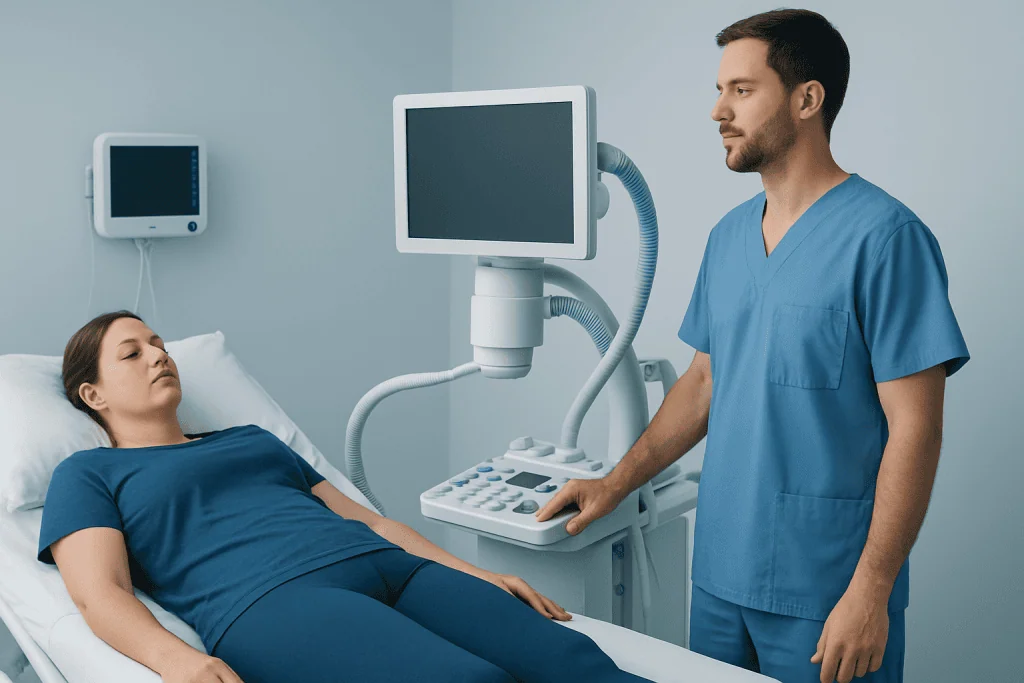
Constipation is not defined only by how often a person has a bowel movement. Doctors also consider stool consistency, straining, the feeling of incomplete emptying, and difficulty passing stool. Some people move their bowels daily and still feel constipated, while others naturally have fewer bowel movements without discomfort.
Common symptoms include hard or lumpy stools, straining, abdominal bloating, a sense of blockage, and needing a long time in the bathroom. Symptoms that come and go are often related to lifestyle factors, while symptoms that persist for weeks or return frequently may need further evaluation.
Constipation can happen on its own or alongside other symptoms such as abdominal pain, nausea, reflux, or hemorrhoids. In some cases, it may overlap with irritable bowel syndrome, particularly when bowel changes occur with abdominal discomfort. A careful assessment helps distinguish temporary constipation from chronic or more complex problems.
What the evidence says about yoga poses for constipation

Research on yoga and constipation is promising but still limited. Studies in adults with digestive symptoms suggest that yoga programs may improve bowel regularity, quality of life, bloating, and stress in some groups. However, many studies are small, use different yoga routines, and combine postures with breathing or relaxation, which makes it hard to know which element helps most.
From a medical perspective, the most credible explanation is that yoga supports bowel function indirectly. Gentle movement may help stimulate gut motility, breathing may reduce stress-related muscle tension, and a regular self-care routine may improve sleep, hydration, and bathroom habits. These effects can be useful, particularly for people whose symptoms are made worse by stress or sedentary lifestyle.
Evidence is weaker for claims that certain twists mechanically squeeze stool through the intestines. The bowel does not work like a tube that can simply be wrung out. That is why realistic expectations matter: yoga may reduce discomfort and support regularity, but it should not delay proper testing or treatment if constipation is persistent, severe, or associated with warning signs.
People who have ongoing symptoms may benefit from a broader digestive assessment. Depending on the pattern of symptoms, doctors may consider dietary advice, medication review, testing, or specialist care in gastroenterology evaluation.
Which poses may be most helpful
The most reasonable choices are gentle, comfortable poses that combine movement with relaxed breathing. There is no single medically proven “best” pose, but certain categories are commonly used because they may ease bloating, reduce muscle tension, and promote abdominal movement without strain.
Examples often recommended for otherwise healthy adults include:
- Child’s pose for relaxation and diaphragmatic breathing
- Knees-to-chest pose to gently compress the abdomen
- Supine spinal twist performed slowly and within comfort
- Cat-cow movements to mobilize the spine and abdomen
- Low squat or supported squat, if comfortable for the knees and hips
- Seated forward fold or seated side bends done gently
Breathing matters as much as the posture. Slow diaphragmatic breathing can help the abdominal wall and pelvic floor coordinate more naturally. For many people, a short daily routine of five to fifteen minutes is more realistic and possibly more useful than occasional intense sessions.
Comfort and safety are more important than flexibility. A pose should never cause sharp pain, dizziness, nausea, or breath-holding. Props, a chair, or a bed-based version can make yoga more accessible for older adults or for people with limited mobility.
What yoga cannot replace
Even if yoga helps, it does not replace the basics of constipation care. Adequate fluid intake, enough dietary fiber, regular meals, daily movement, and a consistent toilet routine remain the foundations for many people. Ignoring the urge to pass stool, frequently rushing, or sitting for long periods can make constipation harder to manage.
It is also important to review possible triggers. Iron supplements, opioid pain medicines, some antacids, certain antidepressants, and other drugs can slow bowel movements. Hormonal and metabolic conditions, neurological disorders, and pelvic floor problems can also play a role. In these situations, yoga may improve comfort but will not correct the underlying cause.
Some people need additional treatment such as stool-softening strategies, medicines that help bowel motility, pelvic floor therapy, or further testing. If a doctor suspects structural or inflammatory bowel disease, endoscopic testing such as colonoscopy may be recommended. In selected cases with abdominal pain, prolonged symptoms, or unexplained changes in bowel habits, endoscopic evaluation may help identify the cause.
How to practice safely
Yoga for constipation should be gentle and adapted to the individual. A warm room, comfortable clothing, and a quiet setting can make it easier to relax the abdominal wall and breathe normally. It is usually best not to practice immediately after a large meal, and not to force deep twists or long holds.
People with back pain, spinal problems, recent surgery, abdominal hernia, severe osteoporosis, glaucoma, advanced pregnancy, hip or knee limitations, or balance difficulties should use extra caution and seek professional advice before trying unfamiliar poses. A certified instructor can modify movements, but medical guidance is especially important when constipation is chronic or accompanied by pain.
Hydration and routine often matter as much as the poses themselves. A practical approach is to pair a brief yoga session with a regular time for toileting, often after breakfast when the body’s natural bowel reflex is more active. This can help build a healthier pattern without strain.
For people with persistent digestive symptoms, coordinated care may be helpful. Near the end of the evaluation process, some patients seek support from multidisciplinary teams; Acibadem International’s JCI-accredited hospitals diagnose and treat digestive conditions for international patients with input from gastroenterology and other specialists when needed.
When to seek medical care
Medical care is important if constipation lasts more than a few weeks, keeps returning, or no longer responds to usual measures such as fluids, fiber, movement, and over-the-counter guidance from a clinician or pharmacist. New constipation in an older adult, or a marked change from a person’s usual bowel pattern, also deserves attention.
Prompt medical evaluation is recommended if constipation occurs with rectal bleeding, black stools, unexplained weight loss, vomiting, fever, severe abdominal pain, progressive bloating, or inability to pass gas. These symptoms can point to a problem that should not be managed with home remedies alone.
A doctor may ask about medications, hydration, diet, toilet habits, stress, activity level, and symptoms such as straining or a feeling of blockage. Depending on the findings, treatment may focus on lifestyle changes, medication adjustments, pelvic floor assessment, or specialist referral.
Frequently asked questions
Do yoga poses for constipation work right away?
Some people feel less bloated or more comfortable after a short session, but bowel movements do not always happen immediately. The benefit, when it occurs, is often gradual and related to regular practice, hydration, meals, and bathroom routine.
Which yoga pose is best for constipation?
There is no single medically proven best pose. Gentle options such as knees-to-chest, child’s pose, cat-cow, and a comfortable supine twist are commonly used because they are accessible and low strain for many people.
Can yoga replace laxatives or medical treatment?
No. Yoga may be a helpful supportive measure, but it does not replace medical evaluation or treatment when constipation is persistent, severe, or caused by an underlying condition or medication.
Is twisting necessary to relieve constipation?
No. Twists are often included in yoga routines, but there is no strong evidence that twisting physically pushes stool through the bowel. Relaxed breathing, gentle movement, walking, and regular habits may be just as important.
Is yoga safe for everyone with constipation?
Not always. People with recent surgery, severe pain, hernia, pregnancy-related concerns, major joint limitations, or spinal conditions may need modified movements or medical advice before practicing.
How often should yoga be practiced for constipation?
A short daily routine is usually more practical than occasional long sessions. Even five to fifteen minutes of gentle movement and breathing, done consistently, may be easier to maintain and more helpful for overall bowel routine.
This article is for general information only and is not a substitute for professional medical advice. Please consult a qualified doctor about your individual situation.
Persistent digestive symptoms? Get evaluated in Turkey
JCI-accredited · board-certified surgeons · reply within 24h
Add us as a Preferred Source to see more of our trusted health content across Google Search, AI Overviews and Discover.

More from the Health Library

Black Spot on Inside Cheek of Mouth: A Complete Medical Overview

Chronic Dehydration — Explained by Medical Evidence, Not Myths

COPD — Explained by Medical Evidence, Not Myths

Alfalfa: What Patients Need to Know

Minoxidil Hair Fall: An Evidence-Based Guide for Patients