Arm Lift
Arm lift, or brachioplasty, removes excess skin and fat from the upper arms to create a firmer, more defined contour after weight loss or aging.

Quick answer
An arm lift, or brachioplasty, is a surgical procedure that removes excess skin, and sometimes localised fat, from the upper arms to create a firmer, smoother contour. It is usually performed under general anaesthesia, takes a few hours, and leaves a scar along the inner arm or in the armpit. It suits adults at a stable weight whose loose skin does not respond to exercise.
What Is an Arm Lift (Brachioplasty)?
An arm lift, known medically as brachioplasty, is a body-contouring operation that removes excess skin, and, where needed, localised fat, from the upper arms. It is designed for people whose upper-arm skin hangs, folds or moves noticeably despite a stable weight, most often after major weight loss, pregnancy or age-related changes in skin elasticity. The aim is a firmer, smoother arm that sits in better proportion with the shoulder, chest and the rest of the body.
An arm lift is not a weight-loss operation, and it does not replace healthy nutrition, physical activity or weight management. What it addresses is the problem those things cannot fix: skin that has stretched beyond its ability to retract. Once weight has stabilised and muscle tone has improved, any remaining laxity is a structural issue of the skin envelope itself. Exercise can strengthen the muscle underneath, but it cannot shrink skin that has lost its elastic recoil. That is the specific gap an arm lift fills. Depending on your anatomy, the surgeon may combine skin removal with liposuction to reduce localised fat and refine the transition between the arm, armpit, chest wall and shoulder.
The arm lift is also one of the body-contouring procedures that international patients regularly travel to Turkey to have, often as part of a broader plan after significant weight loss. If you are weighing that decision, the questions that matter are the same ones that matter anywhere: whether the operation suits your anatomy, where the scar will sit, how recovery fits around travel, and how follow-up will work once you are home. This page works through each of those in turn.
Which arm lift technique fits which arm?
There is no single incision pattern; the technique follows the anatomy. If your laxity is mild and concentrated near the armpit, a limited-incision approach may be possible, with the scar placed mainly in or near the axillary fold where it is largely hidden. If you have more significant excess skin, which is typical after major weight loss, the incision usually runs along the inner or back side of the upper arm, from the armpit towards the elbow. In some patients with extensive laxity, the incision may extend into the armpit or towards the chest wall to correct folds that continue beyond the arm itself. The trade-off is straightforward and worth stating plainly: a shorter incision means a shorter scar but less skin removed; a longer incision allows meaningful correction at the cost of a longer scar. The surgeon’s job is to select the pattern that removes enough skin to justify the operation while placing the scar in the least conspicuous and safest position for your arm.
 Dr. Şule ErenMDBoard Commentary
Arm lift planning should be based primarily on the distribution of excess skin, residual fat, skin quality and weight stability, because the same technique is not appropriate for every upper-arm deformity. Recent systematic reviews of post-weight-loss brachioplasty support choosing between limited excision, conventional or extended brachioplasty and liposuction-assisted approaches according to anatomy, while emphasizing that scar position and wound tension are important parts of the surgical trade-off. A meta-analysis of 29 studies involving 1,578 patients also confirms that abnormal scarring, wound separation, seroma and recurrent laxity are among the more relevant postoperative concerns. For patients after major weight loss, current consensus recommends stable weight, correction of nutritional deficiencies and smoking cessation before body-contouring surgery. These data support the page’s emphasis on individualized technique selection, realistic scar expectations and medical optimization before elective arm lift surgery.
Deciding Whether an Arm Lift Is Right for You
Loose skin on the upper arms is difficult to improve with exercise alone, and most people notice it first after significant weight loss, pregnancy, ageing or changes in body composition. The skin may hang from the underside of the upper arm, swing with movement, or make fitted clothing, sleeveless tops and certain professional attire uncomfortable to wear. For some patients the concern is mainly cosmetic. For others, the excess skin causes rubbing, irritation, moisture trapping in the folds, difficulty with hygiene, or a persistent sense that the arms no longer match the rest of the body.
Patients considering an arm lift usually arrive with thoughtful, specific concerns: where the scar will be placed, how visible it may become, how long recovery takes, whether the arms will look natural, and how soon travel home is realistic. These are the right questions. A well-planned arm lift balances contour improvement against scar placement, tissue preservation and safety, and it is honest about the trade-offs before you commit. The best result is not simply a tighter arm. It is an arm shape that feels balanced with the shoulders, chest, back and overall body frame, achieved with a scar you understood and accepted in advance.
For international patients the decision carries extra layers: comparing surgeons across borders, reviewing credentials, planning travel, and understanding how care continues after you return home. None of that changes the medical fundamentals. A responsible surgical team will assess your suitability first and discuss logistics second, because an operation that is wrong for your anatomy does not become right by being conveniently scheduled.
Who Is a Good Candidate for an Arm Lift?
An arm lift may be appropriate for adults with loose upper-arm skin that has not responded to exercise, skin care or weight stabilisation. Many candidates have lost substantial weight through lifestyle change, medical weight management or bariatric surgery. Others have upper-arm laxity driven by ageing, genetics or declining skin elasticity. The procedure also helps patients with persistent fatty fullness combined with loose skin: the situation where liposuction alone would reduce volume but leave the skin hanging more loosely than before.
The concerns that typically bring patients to consultation are consistent: visible hanging skin on the underside of the arm, a “bat wing” appearance when the arms are raised, discomfort from skin rubbing, recurrent irritation in the folds, difficulty finding clothing that fits both arm and torso, and dissatisfaction with arm shape despite genuinely healthy habits. Some patients describe avoiding exercise clothing, warm-weather clothing or social occasions because of their arms. These are legitimate reasons to seek an opinion, which is not the same thing as a guarantee that surgery is the answer.
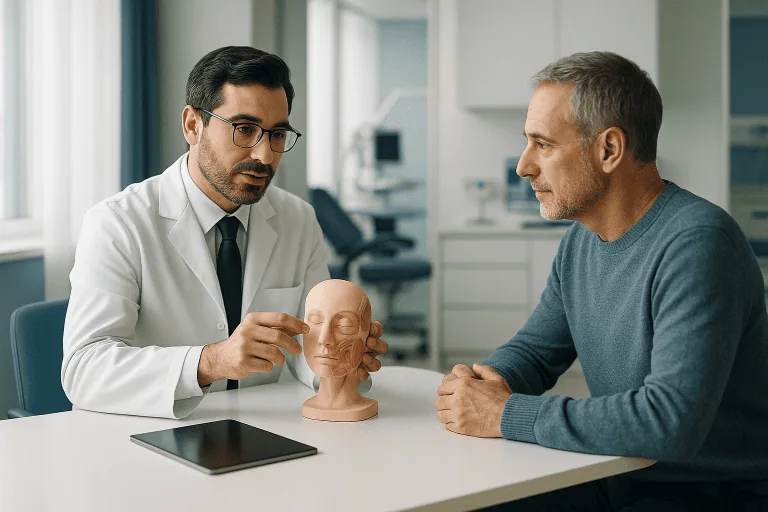
Assessment is primarily clinical. The plastic surgeon examines the quality and quantity of skin, the thickness and distribution of fat, where the laxity sits, shoulder and chest-wall proportions, and any asymmetry between the arms. The surgeon also reviews your medical history, medications, allergies, previous operations, smoking status and weight history, and photographs are usually taken for planning and documentation. For patients travelling from abroad, evaluation often begins remotely with medical records and standardised photographs, followed by a mandatory in-person examination before any surgery is confirmed. A remote review can screen for suitability; it cannot replace hands-on assessment of skin elasticity.
A good candidate is at or near a stable weight, in overall good health, and able to follow postoperative instructions for several weeks. Patients who smoke or use nicotine products are generally asked to stop well before and after surgery, because nicotine impairs blood flow to healing skin and raises wound-healing risk on an incision that is already under tension. Patients with uncontrolled diabetes, significant anaemia, active infection, untreated nutritional deficiencies or major medical conditions may need optimisation first, or may be advised against elective surgery until those risks are reduced. Your surgical team will review everything you take, including supplements, because some substances affect bleeding and healing, but any change to your medicines is a decision for your treating doctor, never something to do on your own.
Emotional readiness matters as much as physical readiness. An arm lift improves contour, but it leaves a permanent scar. Patients who understand that trade clearly, and who want a better arm shape more than they fear a visible line, tend to be satisfied. Patients hoping for a tightened arm with no visible trace tend not to be. A good consultation puts the likely scar position, the recovery restrictions, the possible need for drains and compression garments, and the months-long timeline of scar maturation on the table before you decide, not after.
What an Arm Lift Treats: Skin Laxity, Arm Fat and Function
Arm lift surgery is most often performed for upper-arm skin laxity, but the causes behind that laxity vary, and the cause shapes the plan. The most common scenario is major weight loss, particularly after bariatric surgery or sustained long-term weight reduction. Even when fat volume falls dramatically, skin that has been stretched for years frequently cannot retract, and the remaining envelope hangs, folds or creates an uneven contour. In these patients the arms are usually evaluated in context with the chest, back, abdomen and thighs, because staged body-contouring over time may be safer and more coherent than trying to correct everything at once.
Age-related laxity is the second common indication. Collagen and elastin decline over time, and the soft tissues of the upper arm lose firmness, often most visibly when the arms are raised. Genetics influences how early and how noticeably this happens; sun exposure and smoking history accelerate it. Some patients have a third pattern: a combination of excess skin and localised fat. Here liposuction may be built into the arm lift to reduce heaviness and smooth transitions, while the skin excision handles what liposuction cannot.
Functional indications deserve equal weight. Friction, recurrent rashes, skin breakdown in the folds, hygiene difficulty and discomfort during exercise are real medical problems, not vanity. If you have them, say so at consultation: they change how the surgeon weighs the benefit of removing redundant tissue against the risks of surgery, and they may point towards an arm lift, liposuction, dermatological care or simply waiting, depending on the findings.
How to get rid of arm fat: exercise, liposuction or surgery?
How to get rid of arm fat is one of the most searched questions in this area, and the honest answer depends on what is actually there. If the problem is genuinely fat with good skin elasticity, weight management and targeted liposuction can work well, because the skin will contract over the reduced volume. If the problem is loose skin, no amount of fat reduction will fix it, removing fat from under an inelastic skin envelope tends to make the hanging worse, not better. Most patients over a certain degree of laxity have a mixture of both, which is why examination matters more than any rule of thumb. Exercise builds the muscle beneath and improves overall composition, and it remains worth doing regardless; it simply has no mechanism for shrinking stretched skin.
Arm liposuction or an arm lift: which do you need?
Arm liposuctionoften shortened to arm lipo, removes fat through thin cannulas with small entry points, but it removes no skin at all. It suits patients with fatty fullness and skin that still snaps back. An arm lift removes the skin itself and is the only option once elasticity is gone. Between the two sits the combined approach: liposuction to debulk and refine, excision to tighten. Techniques such as Vaser liposuction may be used in selected cases to assist fat removal; the choice of method is technical and follows the tissue, not the trend. If you are researching the broader topic, the liposuction in Turkey treatment guide explains how liposuction procedures are planned and what they can and cannot achieve.
How the Arm Lift Operation Is Performed
The arm lift operation begins well before the operating room, with a detailed consultation and surgical plan. Your surgeon evaluates the degree of skin excess, fat distribution, arm circumference, skin quality and symmetry, and discusses your goals, scar tolerance, travel schedule, recovery support and any previous weight-loss or plastic surgery. For international patients, the team may request laboratory tests, medication lists, relevant imaging and medical clearance before travel or after arrival.
Preparation typically covers several fronts: a full review of your medications and supplements by the surgical and anaesthesia teams, with any adjustments decided by your doctors; stopping nicotine in all forms; optimising nutrition, which matters particularly after bariatric surgery where protein, vitamin and mineral levels may need checking; holding a stable weight; and arranging practical help for the first days after surgery, when your arms will be genuinely limited. You will receive specific instructions about fasting, bathing, garments and hospital arrival.
On the day of surgery, the surgeon marks your arms while you stand or sit upright. This step matters more than it looks: loose skin shifts position when you raise your arms or lie down, so markings made in a natural posture are the only reliable guide to what should be removed. The operation itself is most commonly performed under general anaesthesia, confirmed by the anaesthesiology team after their own assessment. A typical sequence runs as follows:
- Incision. The planned incision is made, in the armpit fold for limited laxity, or along the inner or slightly posterior upper arm for more extensive excess, where the line is least visible in most natural arm positions.
- Liposuction, if planned. Selected areas may be suctioned to reduce fullness and smooth transitions, performed conservatively to protect blood supply and avoid irregularities.
- Skin removal. The measured excess of skin, and where appropriate the underlying fat, is excised according to the preoperative markings.
- Layered closure. The deeper tissue layers are secured with sutures that carry the tension of the new shape, so the skin edge itself closes without strain. This layered technique is one of the main determinants of scar quality.
- Drains, if needed. Thin drains may be placed to prevent fluid accumulating under the closure. Not every patient needs them; the decision follows the extent of dissection.
- Dressing and compression. The incision is dressed and a compression garment or supportive wrap is applied to control swelling and support the tissues.
The operation usually takes a few hours, depending on the extent of correction and whether other procedures are combined. Some patients return to their accommodation the same day after appropriate observation; others stay overnight in hospital, particularly after more extensive or combined surgery. That recommendation is individual: it follows safety and comfort, not a fixed schedule.
Modern surgical care supports the operation at every stage. Digital imaging documents anatomy and anchors the discussion of expected scar position. Advanced anaesthesia monitoring runs throughout. Energy-based instruments control bleeding and assist dissection. Sterile theatres, structured safety checklists, clot-risk assessment and postoperative monitoring protocols all contribute to safer care, none of them glamorous, all of them consequential.
How painful is brachioplasty surgery?
Most patients describe brachioplasty surgery as producing tightness, soreness and a pulling sensation rather than sharp pain, and discomfort is generally most noticeable in the first days before easing steadily. Pain is managed with prescribed medication, and keeping the arms elevated and avoiding strain reduces it further. Two honest caveats: pain tolerance varies genuinely between people, and combining procedures usually means more overall discomfort and a slower first week. Expect a recovery you can manage, not one you will not notice.
Can an arm lift be combined with other procedures?
Yes, when medically appropriate, commonly with breast surgery, tummy tuck, thigh lift or additional liposuction. Combination surgery is planned carefully because longer operations carry higher risks and heavier recovery demands. Your surgeon weighs your overall health, blood counts, nutritional status, weight stability, previous surgeries and travel plans before recommending it, and for post-weight-loss patients will often prefer staging procedures over time rather than compressing everything into one long operation.
Recovery After an Arm Lift
Recovery starts immediately. Expect tightness, swelling, bruising and mild to moderate discomfort in the upper arms. You will be asked to keep the arms elevated when possible, avoid lifting, and limit shoulder and elbow strain, while starting gentle walking early to support circulation. Strenuous exercise and heavy arm activity wait for your surgeon’s clearance, not for the moment you feel ready: the two are not the same, and stretching a fresh closure prematurely is one of the avoidable ways to compromise a scar.
| Time Period | What Patients Can Expect |
|---|---|
| Day 1 | Swelling, tightness, dressings and arm support are expected. You begin gentle walking and receive instructions for arm positioning, medications and wound care. |
| First Week | Bruising and swelling are common. Light daily activity may be possible, but lifting, reaching and strenuous arm movement are restricted. Follow-up visits assess early healing. |
| First Month | Many patients return to non-strenuous routines as comfort improves. Compression may continue. Exercise and heavier activity resume only when the surgeon approves. |
| Longer Term | Swelling continues to settle, scars mature, and the final contour becomes clearer over several months. Scar care and sun protection remain important. |
Compression garments are worn to reduce swelling and support the tissues while they heal; your team will tell you how long, since the duration depends on the extent of surgery. If drains were placed, you will be shown how they are managed and when they can come out, usually once output falls to a low level. Follow-up visits check wound healing, swelling, arm mobility and any early concerns, and they are where small problems get caught while they are still small.
For international patients, the flight home is planned around the extent of surgery and the need for early postoperative review. Long flights shortly after any operation increase swelling and carry clot considerations, so your surgeon will advise on timing and on precautions during travel: walking the aisle regularly, staying hydrated, and following the specific clot-prevention guidance given for your case.
Scars deserve their own timeline. They typically appear firm and pink at first, then flatten and fade over months as they mature, but they do not disappear. Your surgeon may recommend silicone-based scar products, massage once the wound is ready, and strict sun protection on the healing line, since ultraviolet exposure darkens immature scars. The final contour of the arm becomes clear only as swelling resolves and the tissues settle; judging the result in the first weeks is judging it too early.
Benefits of Arm Lift Surgery
The benefits of an arm lift are both physical and practical, and they scale with the degree of skin excess you started with. What follows is what appropriately selected patients can reasonably look for, not a promise of a particular outcome, because skin quality, healing and weight stability all vary.
| Benefit | What It Means for You |
|---|---|
| Improved upper-arm contour | Excess hanging skin is reduced, creating a firmer and more proportionate arm shape. |
| Better clothing fit | Sleeves may feel more comfortable, and patients often have more options with fitted or sleeveless clothing. |
| Reduced rubbing and irritation | Removing redundant skin can decrease friction, moisture trapping and discomfort in the upper-arm area. |
| More balanced body proportions | The arms may better match the body after weight loss or ageing-related changes. |
| Long-lasting contour improvement | Results can be durable when weight remains stable and healthy habits are maintained. |
Risks, Scars and What Shapes Your Result
A good arm lift result rests on several interconnected factors, and it is worth understanding each before you commit. The first is patient selection. The operation works best when the core problem is loose skin, with or without localised fat, in a patient fit for elective surgery. Weight stability sits at the centre of this: if you are still losing weight, continued loss can create new laxity after surgery, and if weight is regained, the arms enlarge and stretch again. Patients still mid-journey are usually advised to wait until their weight has plateaued.
Skin quality shapes what the operation can deliver. Younger skin with better elasticity tends to heal into a smoother contour; thin, sun-damaged or severely stretched skin is more prone to residual laxity and scar widening. Previous surgery, scarring tendencies, medical conditions and nutrition all feed into wound healing. Adequate protein intake, correction of vitamin and mineral deficiencies, a particular consideration after bariatric surgery, and good control of conditions such as diabetes all support recovery.
Technique must match anatomy. A short scar is appealing, but a limited incision cannot correct extensive laxity running the length of the upper arm, and pretending otherwise produces a disappointed patient with a scar and an unchanged arm. Conversely, a longer incision buys meaningful improvement after major weight loss. The surgeon’s judgment lies in removing as much as is safe without excessive tension, contour distortion or wound-healing trouble.
Scars themselves vary from person to person. Early scars may be raised, pink or firm; most flatten and fade over time, but none vanish. Following scar-care instructions, protecting the line from sun, and attending follow-up all help the maturation process along. If you have a history of thick or keloid scarring, raise it before surgery: it changes the conversation about whether the trade is worth it for you.
Your own behaviour after surgery carries real weight. Lifting too early, stretching the arms aggressively, smoking, skipping compression or missing follow-up visits can each increase complication risk or degrade the final contour. Recovery rewards patience: the arms feel tight at first, swelling blurs the result for weeks, and the refinement you paid for emerges gradually.
Finally, the risks, stated plainly: bleeding, infection, fluid collection (seroma), delayed wound healing, unfavourable scarring, asymmetry, numbness or altered sensation along the inner arm, contour irregularities, blood clots, and anaesthesia-related risks. Some patients need revision surgery if healing, scarring or contour falls short of expectations. A thorough consultation exists precisely to reduce the avoidable risks and to make sure you accept the unavoidable ones with open eyes.
Arm Lift Cost: What Determines the Price
How much is an arm lift?
There is no single price, because the operation itself is not single: the cost of an arm lift follows the extent of surgery. The main drivers are the technique required (a limited axillary incision involves less operating time than a full-length arm lift), whether liposuction or other procedures are combined, the type of anaesthesia, whether an overnight hospital stay is recommended, the surgeon’s assessment of complexity, and the follow-up care included. Two patients asking for “an arm lift” can need meaningfully different operations, which is why serious quotes come after assessment, not before it.
How much does an arm lift cost in Turkey?
For treatment in Turkey, the honest answer is the same: the figure is individual and is confirmed after your case has been reviewed. What you can and should establish before committing is what a quote covers. A properly itemised plan states whether it includes the surgeon’s and anaesthesiologist’s fees, hospital or theatre charges, the overnight stay if one is planned, compression garments, medications during the stay, and postoperative reviews before you fly home. A quote that leaves those items vague is not cheaper: it is merely incomplete. Treat completeness and transparency as part of what you are buying.
Having an Arm Lift in Turkey: Planning as an International Patient
If you are considering travelling to Turkey for brachioplasty, the pathway usually begins remotely. You share medical records, your weight history, current medications, previous surgeries and standardised photographs; the clinical team reviews them and gives an initial view on whether you are likely to be a candidate and which technique would probably suit. This remote stage screens and plans: the binding decisions are made at the in-person examination after you arrive, when the surgeon can actually assess your skin.
A typical care pathway for a travelling patient covers preoperative testing and anaesthesiology review after arrival, the marking and consent process, the operation itself, observation or an overnight hospital stay as recommended, early wound checks and drain management if drains were used, and at least one postoperative review before you are cleared to fly. Build your itinerary around that clinical sequence rather than compressing the clinical sequence into a cheap flight window. You will also want accommodation where you can rest with your arms supported, loose front-opening clothing, and ideally a companion for the first days, since reaching, carrying and pulling are all restricted.
Plan the return journey with your surgeon rather than the airline. The right time to fly depends on the extent of your surgery and how your early healing goes; long-haul travel too soon increases swelling and requires specific clot precautions. Once home, follow-up continues at a distance: photographs and written updates let the surgical team monitor healing, and your plan should name who you contact clinically and how reviews will be handled across the months of scar maturation. Ask for your operation notes and discharge summary in writing before you leave: your local doctor will need them.
Which country is the best for getting an arm lift?
No country is inherently best, and any page telling you otherwise is selling something. What predicts a good outcome is not geography but specifics: a qualified plastic surgeon who examines you before quoting, a full hospital environment with anaesthesiology and monitoring behind the operating room, transparent inclusion of aftercare in the plan, and a workable arrangement for follow-up once you are home. Turkey has become a major destination for body-contouring surgery, and the sensible way to use that fact is to apply the same scrutiny you would apply anywhere, to the individual surgeon, the individual hospital and the individual plan.
How Acibadem Approaches Arm Lift Surgery
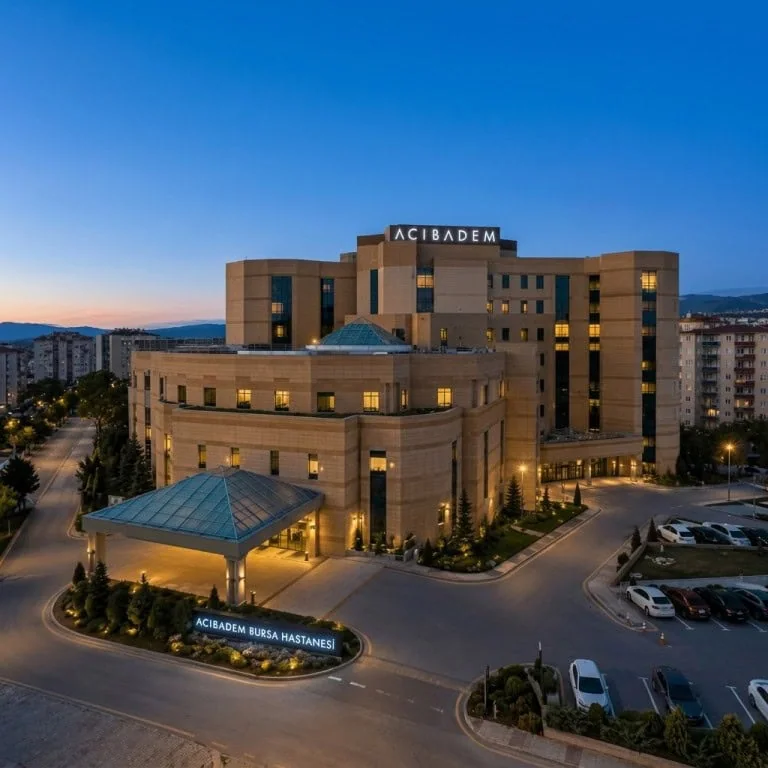
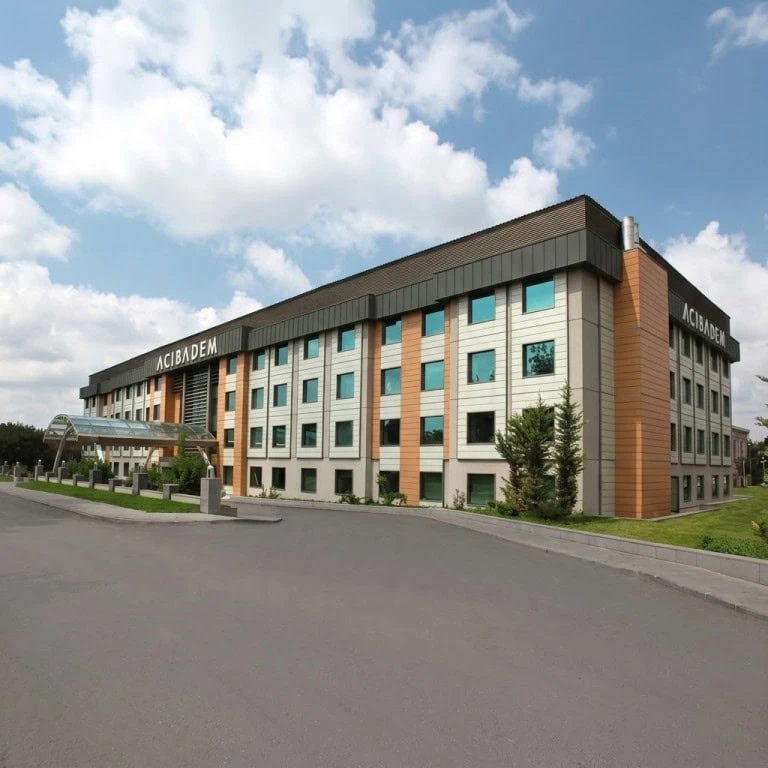
Patients travelling abroad for plastic surgery need more than an operation: they need careful evaluation, clear communication, hospital-based safety standards and a realistic follow-up plan. At Acibadem hospitals in Turkey, arm lift surgery sits within the Plastic, Reconstructive & Aesthetic Surgery department, with surgeons, anaesthesiology teams, nursing staff and international patient services working around each case. The process starts by determining whether an arm lift is actually the right procedure for your anatomy, some patients are better served by liposuction alone, some need a full arm lift, and some post-weight-loss patients are best served by staged body-contouring planned across the whole trunk and limbs.
The hospital setting matters most for patients combining procedures or carrying medical histories that need closer assessment. Preoperative evaluation can include laboratory testing, anaesthesiology review, imaging where relevant, and medical consultations for existing conditions. Surgical planning follows evidence-based safety principles: infection prevention, anaesthesia monitoring, blood-clot risk assessment and structured postoperative observation. Where a patient’s background calls for it, input is available from nutrition specialists, bariatric teams, internal medicine physicians or dermatologists, so the arm is treated as part of a whole patient rather than an isolated contour problem.
For patients coming from abroad, Acibadem International coordinates appointments, reviews medical documents ahead of travel, provides interpreter support in more than 20 languages, and manages hospital admission and communication with the clinical teams. The principle underneath all of it is straightforward: surgery is recommended only when the expected benefit is reasonable in relation to the risk, and the pathway is explained, diagnosis of the contour issue, honest discussion of options, and a plan that reflects your health, anatomy and priorities.
Timing: When to Have an Arm Lift
An arm lift is elective, so there is rarely urgency, but timing still shapes the result. The best moment is usually after your weight has stabilised and any medical concerns have been optimised. Operate too early, while weight is still falling, and continued loss can create fresh laxity over the corrected arm. Regain weight afterwards and the skin stretches again. Neither scenario means the surgery failed; both mean it was mistimed, which is a cheaper lesson to learn on paper than in theatre.
That said, waiting indefinitely has costs of its own. If excess skin is causing recurrent rashes, skin breakdown, pain or genuine limitation in daily activity, an early surgical opinion is worthwhile even if the operation itself waits: a surgeon can establish whether an arm lift, liposuction, dermatological care or simply time is the right next step. Early evaluation also gives travelling patients room to prepare properly: gathering records, planning leave from work, arranging support at home and sequencing the trip around healing rather than around a deadline. Patients who have completed major weight loss often say that loose arm skin keeps them from feeling the full benefit of what they achieved; for them, the right timing is a genuine part of the reward.
Questions Worth Asking Before You Decide
Whoever operates on you, in whichever country, the quality of your decision depends on the quality of the answers you get first. Before consenting to an arm lift, make sure you can answer these for your own case:
- Which incision pattern does my degree of laxity actually require, and exactly where will the scar run?
- Would liposuction alone, or a combined approach, serve my anatomy better than skin excision by itself?
- Is my weight stable enough for the result to last, and is my nutrition adequate for healing?
- What does the quoted plan include, hospital stay, garments, medications, follow-up reviews, and what does it leave out?
- How long before I can fly, drive, work, lift and exercise, and who reviews my healing once I am home?
- What would a revision involve if my scar or contour heals less favourably than expected?
An arm lift is a personal decision with a permanent trade at its core: a scar in exchange for a contour. Made at the right time, for the right anatomy, with a surgeon who has been honest about the limits, an arm lift can meaningfully improve upper-arm shape and comfort for appropriately selected patients. Made in a hurry, it is still surgery. Take the time the decision deserves.
Preparation
- A plastic surgeon evaluates skin laxity, arm contour, scars, medical history, and expectations. Blood tests and anesthesia assessment may be required, and patients are usually advised to stop smoking and avoid blood-thinning medicines before surgery.
Aftercare
- A compression garment is commonly worn to reduce swelling and support healing. Keep the arms elevated when advised, avoid heavy lifting and strenuous exercise for several weeks, and attend follow-up visits for incision and scar care.
Frequently Asked Questions
What affects the cost of an arm lift?
The final cost depends on the amount of excess skin, whether liposuction is needed, the incision plan, anaesthesia, hospital setting, surgeon expertise, medical tests, garments and follow-up care. Travel and accommodation may also affect the overall budget for international patients.
How can I get a personalised quote for brachioplasty in Turkey?
You can request a free consultation by sharing medical history, current photos, previous surgery details and your goals. A plastic surgery specialist can then assess suitability and provide a tailored treatment plan and quote.
Are arm lift packages all-inclusive?
Package content varies by hospital and patient needs. Some may include consultation, surgery, anaesthesia, hospital services, selected transfers and follow-up guidance, while medications, extra tests, accommodation or additional procedures may be quoted separately.
Does combining liposuction with an arm lift change the cost?
Yes. Combining liposuction may change operating time, anaesthesia planning, garment needs and surgical complexity. A specialist will decide whether it is appropriate after assessing skin elasticity and fat distribution.
Is travelling for an arm lift safe?
Many international patients travel for plastic surgery, but safety depends on medical suitability, proper planning, accredited facilities, clear aftercare instructions and enough time for early recovery before returning home. This information is general and does not replace medical advice.
Why choose a JCI-accredited hospital for an arm lift?
JCI accreditation indicates that a hospital follows internationally recognised quality and patient safety standards. For international patients, coordinated services such as interpretation, scheduling and follow-up communication may also improve the treatment experience.
Medically reviewed by the Acıbadem International Medical Board September 1, 2026
See our medical review board →
Update history
- PublishedJune 8, 2026
- Medical review approvedSeptember 1, 2026
- Board commentary addedSeptember 1, 2026
- Last content updateSeptember 1, 2026
References5
- Susini P, Marcaccini G, Diluiso G, Cuomo R, Grimaldi L, Nisi G. Brachioplasty in the Post-bariatric Patient-A Systematic Review. Aesthetic Plast Surg. Published online July 21, 2026. doi:10.1007/s00266-026-06164-9. PMID: 42481790. (Systematic review – Analysis of 39 publications and 1,972 post-bariatric patients; directly supports individualized technique selection according to the extent of deformity, use of liposuction-assisted brachioplasty, scar placement and the need for more extensive treatment in selected patients.) PubMed
- Bishara A, Chalhoub R, Chrabieh E, Daoud F, Greige G, El Hachem T, Emsieh S. Arm Contouring in Patients With Massive Weight Loss: A Literature Review. Plast Reconstr Surg Glob Open. 2025;13(9):e7126. doi:10.1097/GOX.0000000000007126. PMID: 41000426. (Literature review – Review of 15 clinical studies directly supporting the page’s discussion of liposuction-assisted versus excisional brachioplasty, scar position, post-weight-loss skin excess and technique selection according to anatomy.) PubMed
- Aljerian A, Abi-Rafeh J, Ramirez-GarciaLuna J, Hemmerling T, Gilardino MS. Complications in Brachioplasty: A Systematic Review and Meta-Analysis. Plast Reconstr Surg. 2022;149(1):83-95. doi:10.1097/PRS.0000000000008652. PMID: 34936607. (Systematic review and meta-analysis – Analysis of 29 studies and 1,578 patients; reported abnormal scarring 9.9%, recurrent ptosis/laxity 7.79%, wound dehiscence 6.81%, seroma 5.91% and infection 3.64%, directly supporting the page’s risk and informed-consent sections.) PubMed
- Major P, Orłowski M, Małczak P, Dowgiałło-Gornowicz N, Binda A, Bogdański P, et al. Polish Expert Consensus on Metabolic and Bariatric Surgery: 2025 update. Wideochir Inne Tech Maloinwazyjne. 2025;20(2):125-143. doi:10.20452/wiitm.2025.17950. PMID: 40785740. (Expert consensus – Current post-bariatric guidance recommends stable weight before body-contouring surgery, absence of untreated nutritional deficiencies and avoidance of elective contouring surgery in active smokers; directly supports the page’s patient-selection and preoperative-optimization sections.) PubMed
- Miotto G, Ortiz-Pomales Y. Arm Contouring: Review and Current Concepts. Aesthet Surg J. 2018;38(8):850-860. doi:10.1093/asj/sjx218. PMID: 29546270. (Clinical review – Directly supports the page’s comparison of liposuction alone, limited-incision brachioplasty, conventional/extended skin excision and nonsurgical options according to the amount and location of skin and fat excess.)
Trusted care for international patients
From the Acibadem Blog

When an Arm Lift Needs Revision: Widened Scars, Residual Laxity and a Second Procedure
An arm lift revision is a second operation, or sometimes a smaller office procedure, that addresses problems left after a brachioplasty: scars that have…

Arm Lift Cost: What Brachioplasty Pricing Covers, Explained Honestly
An arm lift (brachioplasty) typically costs EUR 3,900–5,850 within our guide range for international patients, compared with roughly GBP 4,000–9,000 in the UK and…
Doctors Performing This Treatment


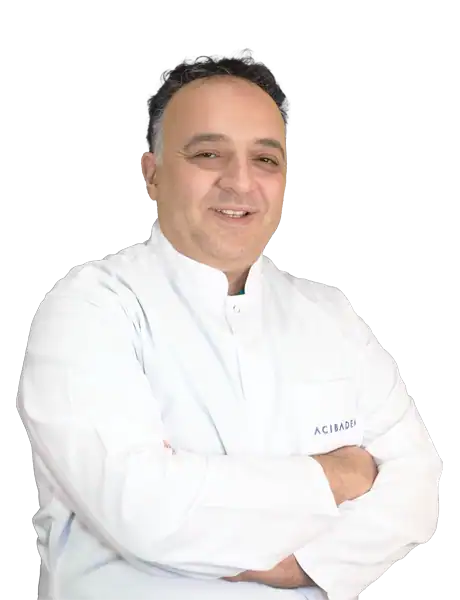
Aesthetic Plastic & Reconstructive Surgery
Prof. Mehmet Veli Karaaltın, MD

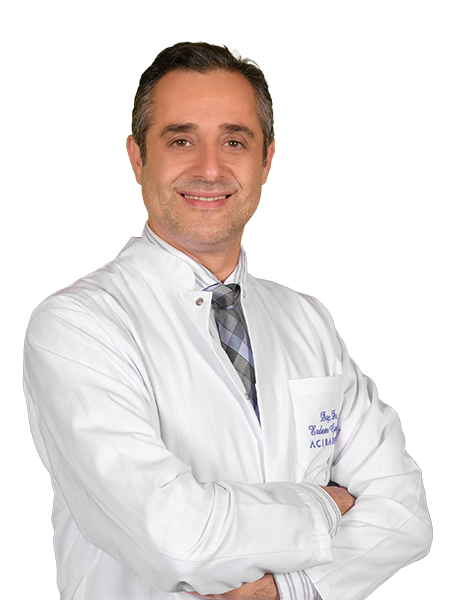
Aesthetic Plastic & Reconstructive Surgery
Assoc. Prof. Erdem Güven, MD

Aesthetic Plastic & Reconstructive Surgery
Assoc. Prof. Ahmet Küçükçelebi, MD

Aesthetic Plastic & Reconstructive Surgery
Assoc. Prof. Mehmet Altıparmak, MD

Aesthetic Plastic & Reconstructive Surgery