Face Aesthetics
Face aesthetics includes personalized surgical procedures to rejuvenate, reshape, or balance facial features for a natural-looking appearance. Treatment plans may address the eyelids, cheeks, jawline, neck, or overall facial contours.
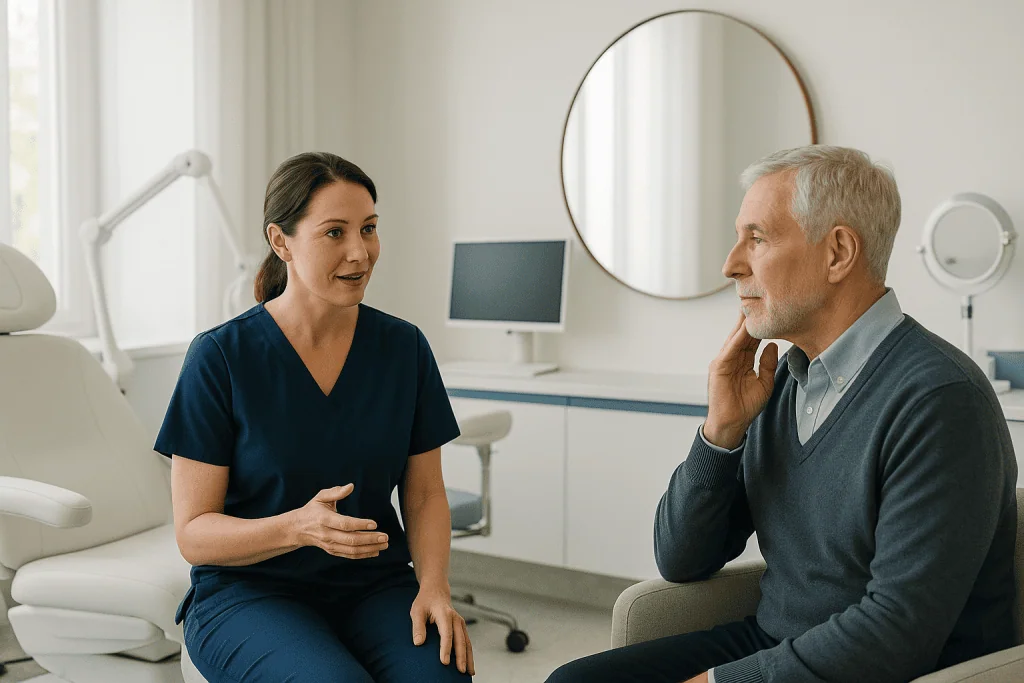
Quick answer
Face esthetics (face aesthetics) is a group of surgical and nonsurgical procedures that rejuvenate, reshape or balance facial features, including eyelid surgery, facelift, neck lift, brow lift, fat grafting and chin or jawline contouring. Treatment starts with an anatomical assessment, may combine several areas in one plan, and involves a staged recovery in which swelling settles over weeks and final refinement develops over months.
What Is Face Esthetics?
Face esthetics, written face aesthetics in British English, is the group of surgical and, in selected cases, nonsurgical procedures used to rejuvenate, reshape or harmonise the features of the face. It covers operations such as eyelid surgery, facelift, neck lift, brow lift, fat grafting, facial implant surgery and chin or jawline contouring, alongside supportive treatments for skin quality. It is intended for people whose facial appearance no longer matches how they feel: because of ageing, inherited proportions, weight change, previous procedures or asymmetry that has always bothered them.
A note on spelling, because it matters when you research this subject. In the United States the field is usually spelled esthetics, while British English uses aesthetics; both words describe the same clinical discipline. Whichever spelling you use, the substance is identical: a planning process that examines the whole face before recommending any procedure, rather than a fixed menu of operations applied to everyone.
Choosing face aesthetics is rarely about changing who you are. For most people it is about looking more rested, more balanced, or more aligned with how they feel inside. You may have noticed that your eyelids look heavy in photographs, that your jawline has softened, that your cheeks have lost volume, or that your neck no longer matches the rest of your face. Others seek facial reshaping because certain features have always felt out of proportion. Whatever the reason, the decision is personal, and it deserves careful, unhurried planning.
If you are researching face aesthetics in Turkey as an international patient, your questions are probably practical as much as medical. What is possible, and what is realistic? How natural will the result look? Will you appear “overdone”? How do you judge a surgeon? How long will swelling last, and how does recovery fit around flights, work and family life? What happens if more than one area of the face needs attention? This page addresses each of those questions in turn, and it is honest about limits: no ethical surgeon can promise a specific appearance, and not every concern needs an operation.
The face is dynamic. Skin quality, bone structure, facial muscles, fat distribution, age-related change and personal expression all influence what a treatment plan should contain. Good esthetics depends less on any single procedure than on proportion, on how the eyes, brow, cheeks, jawline, chin and neck relate to one another. A thoughtful plan therefore considers not only the concern you name, such as drooping eyelids or sagging cheeks, but also how each facial region affects its neighbours.
What procedures does face aesthetics include?
Face aesthetics includes eyelid surgery (blepharoplasty), facelift, neck lift, brow lift, fat grafting, chin or jawline contouring, facial implant surgery and selected reshaping procedures such as prominent ear correction. Some patients need a single, focused operation. Others benefit from a combined plan that addresses several related areas in the same surgical session, or in carefully staged steps when that is safer or more predictable. Nonsurgical options, injectables, skin quality treatments and energy-based procedures, may be recommended as complementary measures before surgery, after healing, or as an alternative for patients who do not need an operation at all.
The central principle is facial harmony. A patient concerned about tired-looking eyes may in fact have excess upper eyelid skin, eyebrow descent, volume loss around the temples and cheeks, or a combination of all three. Treating only the eyelid skin without considering brow position may not produce a balanced result. Similarly, a softened jawline may be caused by skin laxity, neck muscle bands, fat deposits under the chin, or reduced chin projection. The esthetics of the lower face involve skin, muscle, fat and bone together, so a well-designed plan identifies the underlying cause before recommending a technique. The best results tend to be noticeable in quality but not obvious as surgery: friends and colleagues observe that you look healthier, more rested or more confident, without identifying that a procedure was performed.
How is hospital care different from a skin clinic or a face to face spa?
A skin clinic or skin care clinic concentrates on the surface of the face: cleansing, pigmentation, texture, fine lines and maintenance treatments. That work is valuable, but it operates at a different anatomical level from surgery. A face to face spa appointment or salon facial can support skin condition and relaxation; it cannot reposition descended deep tissue, remove structural skin excess, or change the projection of the chin. Surgical face aesthetics addresses the framework beneath the skin, which is why it is performed in a hospital environment with anaesthesia services, sterile operating rooms and postoperative observation. The two levels of care are complementary rather than interchangeable: many patients combine a surgical correction of structure with ongoing surface care afterwards, and some discover during consultation that surface treatment alone will meet their goals.
Who May Need Face Aesthetic Treatment?
People consider face aesthetics for different reasons. Some are bothered by age-related changes that have developed gradually. Others are younger patients seeking better proportion or definition in specific areas. Some have asymmetry, inherited facial characteristics, or changes after weight loss, pregnancy, illness or previous procedures. The appropriate treatment depends on what is causing the concern, not simply on the visible symptom, two people with the same complaint may need entirely different plans.
Typical concerns that lead to a face aesthetic consultation include upper eyelid hooding, under-eye puffiness, sagging cheeks, deep folds around the mouth, jowls, neck laxity, a double chin, loss of facial volume, a poorly defined jawline, facial asymmetry, or an overall tired expression. Patients often describe looking older than they feel, or noticing that their face appears different in video calls and photographs than it does in the mirror. Neither observation is trivial: both are common triggers for seeking a professional opinion, and both deserve a proper anatomical explanation rather than a quick fix.
How can you get a more aesthetic face?
There is no single formula for a more aesthetic face, because attractiveness is built on proportion, balance and healthy tissue rather than any one feature. What medicine can honestly offer is an assessment of which elements are pulling your appearance out of balance, a heavy brow, deflated cheeks, a receding chin, lax neck skin, and which interventions, surgical or nonsurgical, address those specific elements. Skin health, sun protection, stable weight and not smoking all support facial appearance regardless of whether you ever have a procedure. Beyond that, the honest answer is individual: what improves one face may be unnecessary or even unflattering on another. A consultation that studies your anatomy is more useful than any general template, and a responsible surgeon will tell you when the most aesthetic choice is to do less, or nothing at all.
How is candidacy assessed?
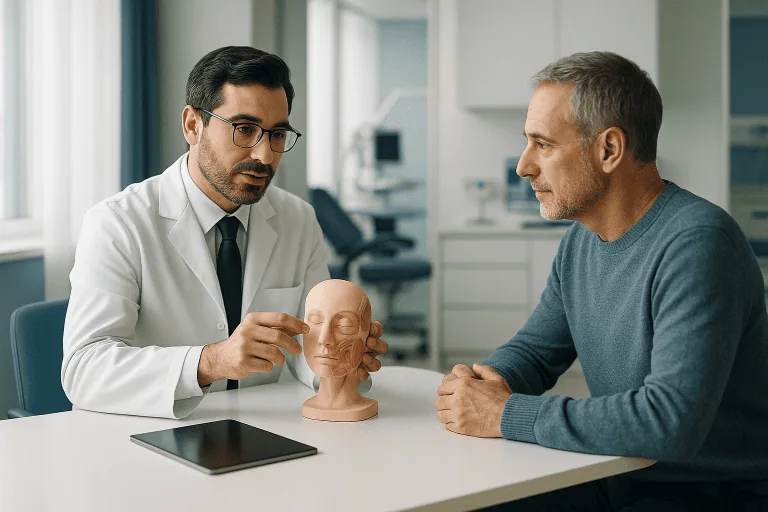
Assessment begins with a specialist consultation. The physician evaluates the skin, soft tissues, facial skeleton, symmetry, muscle activity, scars, prior treatments and general medical history. Photographs are taken from standardised angles to support planning and to help you understand what can and cannot be changed. The consultation also covers medications, allergies, smoking or nicotine use, previous surgeries, healing history and any medical conditions that could affect anaesthesia or recovery.
For international patients, the first step may be an online medical review: clear photographs, medical history and a description of your goals allow the team to form an initial opinion. The final treatment plan is always made after in-person examination, because facial movement, tissue quality and three-dimensional structure are best assessed directly. Good candidates are generally in stable health, hold realistic expectations, and understand that facial aesthetic surgery improves proportion or ageing changes rather than creating perfection. You should be willing to follow preoperative and postoperative instructions, including avoiding nicotine, attending follow-up visits and allowing sufficient time for recovery before long-distance travel or major social events.
Conditions and Indications Face Aesthetics Can Address
Face aesthetic procedures may address both cosmetic concerns and, in selected cases, functional issues. Heavy upper eyelid skin can interfere with the visual field; excess neck tissue can cause discomfort or self-consciousness. Many indications relate to natural ageing, but facial aesthetics can also be appropriate for inherited proportions or for changes after significant weight loss: a situation that sometimes involves the rest of the body as well, which is why some patients also explore body aesthetics as part of a broader plan.
- Upper eyelid heaviness: Excess skin or tissue can make the eyes appear tired and, in some patients, may narrow the peripheral visual field.
- Lower eyelid bags or hollowness: Fat repositioning, skin tightening or volume restoration may improve the transition between the eyelid and the cheek.
- Brow descent: A lowered brow contributes to eyelid hooding and a fatigued expression, and sometimes explains why eyelid surgery alone would fall short.
- Midface volume loss: Flattening of the cheeks deepens facial folds and changes the youthful contour of the face.
- Jowls and jawline softening: Skin and soft tissue laxity reduce definition along the lower face.
- Neck laxity or bands: Loose skin, muscle banding or under-chin fullness can make the neck appear older than the face above it.
- Facial asymmetry: Differences between the two sides of the face may be softened with surgical or supportive techniques, though perfect symmetry is not an achievable goal for anyone.
- Chin or jawline imbalance: Adjusting projection or contour can improve the relationship between the lower face, the neck and the profile.
- Post-weight-loss facial changes: Volume loss and skin laxity after major weight reduction usually require tailored correction rather than standard techniques.
- Revision concerns: Patients who have had previous facial procedures may seek expert assessment for refinement, correction or staged improvement.
Not every concern requires surgery. Some patients are better served by nonsurgical treatments, skin therapies, or a deliberately conservative approach. A responsible consultation explains when surgery is appropriate, when it should be postponed, and when it is unlikely to meet your expectations, and treats each of those answers as equally legitimate.
How Face Aesthetic Treatment Is Performed
Face aesthetic treatment begins well before the day of surgery. Preparation is a core part of safety and outcome planning, particularly for international patients with limited time in the destination country. The process typically includes medical evaluation, a review of current medicines and supplements, blood tests or other investigations when needed, an anaesthesia assessment and detailed surgical planning. If any medicine or supplement affects bleeding or healing, your treating doctor decides whether and how it should be adjusted; no change is made without that medical direction. Smoking and nicotine products are usually stopped well in advance because they impair blood flow and wound healing: this matters most in procedures that involve lifting skin.
A typical care pathway runs as follows:
- Initial review: your history, photographs and goals are assessed, remotely if you live abroad.
- In-person consultation: the surgeon examines facial structure, movement and tissue quality, then explains which procedures are recommended and why.
- Informed consent: the discussion covers incision placement, anaesthesia type, expected swelling and bruising, possible scars, recovery limitations and potential risks.
- Preoperative work-up: tests and anaesthesia assessment appropriate to your health and the planned surgery.
- Surgery: performed as a single session or staged, depending on scope and safety.
- Early follow-up: dressing checks, drain removal if drains were used, and wound review before you are cleared to travel.
- Longer-term follow-up: healing review and, where relevant, planning for maintenance or complementary treatments.
What happens on the day of surgery?
On the day of surgery you are admitted to the hospital or surgical unit and meet the care team. The surgeon usually marks the planned treatment areas while you are sitting or standing, because facial tissues shift when you lie down and markings made upright are more accurate. Anaesthesia is then administered, and the operation proceeds according to the agreed plan. For combined facial procedures, the surgeon has already weighed total operating time, tissue safety and whether staging across two sessions would be more predictable than doing everything at once: a judgement that occasionally changes the schedule even for patients who initially hoped for a single operation.
What type of anaesthesia is used for face aesthetic surgery?
Face aesthetic procedures may be performed under local anaesthesia with sedation or under general anaesthesia, depending on the extent of treatment. The choice reflects your health, your comfort, the complexity of the procedure, and the joint assessment of the surgeon and the anaesthesiologist. A limited eyelid procedure often needs less than a comprehensive facelift with neck work; the anaesthesia plan is matched to the operation rather than fixed in advance.
The surgical techniques themselves vary with the plan. In eyelid surgery, incisions are placed in natural eyelid creases or in discreet positions near the lash line, allowing excess skin, muscle or fat to be adjusted. In facelift and neck lift surgery, incisions are designed around the ears and hairline so that scars mature in less visible locations; critically, the surgeon repositions the deeper supporting tissues rather than relying on skin tension alone, because deep support is what produces a natural expression and a longer-lasting contour. In fat grafting, carefully processed fat taken from another area of your body restores selected facial volume. Chin and jawline procedures may involve reshaping, implants or soft tissue refinement depending on the underlying anatomy.
Technology supports planning and precision throughout. Standardised medical photography documents facial structure and anchors the discussion; digital imaging can aid communication about goals, although it is never a prediction of the exact result. Modern operating rooms use advanced monitoring systems to support anaesthesia safety. Fine surgical instruments, magnification where appropriate, meticulous lighting and energy-based tools for tissue control help reduce bleeding and support precise dissection. Additional imaging or laboratory testing is used when your medical history indicates a need for it. Technology does not replace surgical judgement; it helps the team plan accurately, operate carefully and monitor you properly.
How long does face aesthetic surgery take?
Duration depends on the number and complexity of procedures. A limited eyelid operation takes considerably less time than a combined facelift, neck lift and fat grafting plan. Some surgeries are completed within a few hours, while comprehensive facial rejuvenation requires a longer operating session. You may return to your hotel the same day after selected minor procedures; more extensive surgery usually involves an overnight hospital stay for observation.
After surgery, dressings, cold compresses, drains or supportive garments may be used depending on the procedure. You receive instructions on head elevation, wound care, medication use as prescribed, activity restrictions, nutrition and follow-up visits. Swelling and bruising are expected: they usually peak in the early days before gradually improving. Mild tightness, numbness or altered sensation may occur and often improves with time. Discomfort is typically manageable with the medication your team prescribes, though every patient’s experience differs. Walking is encouraged early to support circulation, while strenuous exercise, heavy lifting, alcohol, smoking and sun exposure are limited during the initial healing period.
How Do Skin Treatments Fit Into a Face Aesthetics Plan?
Skin treatments address the surface layer that surgery deliberately leaves alone: texture, pigmentation, sun damage, fine lines and overall skin quality. Surgery repositions and reshapes tissue, but it does not change what the skin itself looks like, which is why the two approaches are often planned together. Depending on your skin and your goals, options may include medical skincare programmes, resurfacing procedures, injectables or laser treatments, used before an operation to optimise the skin, after healing to refine the result, or on their own when structural surgery is not needed. Sequencing matters: energy-based and resurfacing procedures are timed around surgical healing rather than layered on top of it, and your surgeon will explain what belongs before, what belongs after, and what should wait. For patients whose main concern is skin quality rather than tissue descent, a surface-focused plan may be the whole answer, and recognising that early avoids unnecessary surgery.
Why Acting Early Can Matter
Face aesthetic concerns do not usually require urgent treatment. Timing can, however, influence the type of procedure needed and the quality of the result. Early consultation lets you understand whether your concern is best managed with skincare, nonsurgical treatments, minor surgery or a more comprehensive plan. It can also prevent a cycle of repeated short-term treatments that never address the underlying anatomical issue: a pattern many patients only recognise in hindsight.
Some examples make the point concrete. Early eyelid heaviness may be corrected with a focused eyelid or brow procedure before skin excess becomes more pronounced. Mild jawline laxity is often easier to improve than advanced tissue descent. Neck fullness caused mainly by localised fat responds differently from neck changes that involve loose skin and muscle banding. When patients wait until changes are more advanced, surgery can still be effective, but it may require a broader procedure, a longer recovery or more complex planning.
Timing also matters when the concern has a functional component: upper eyelid skin can narrow the peripheral visual field, persistent skin folds can cause chronic irritation, and neck tissue changes can cause physical discomfort, situations in which the question is medical as well as cosmetic. Timing around life events deserves the same realism: facial tissues need time to heal, and final refinement continues long after the early swelling has improved, so surgery scheduled close to an important occasion rarely shows its best result on the day itself. Acting early does not mean rushing into surgery. It means obtaining expert assessment at the right time, understanding your options, and deciding on the basis of anatomy, health, priorities and realistic expectations.
Potential Benefits of Face Aesthetic Treatment
The benefits of face aesthetic treatment depend on the procedure performed and your individual anatomy, but the goals usually include improved balance, rejuvenation and greater confidence in your facial appearance.
| Benefit | What It Means for You |
|---|---|
| More rested facial appearance | Procedures such as eyelid surgery, brow lift or midface support may reduce heaviness, puffiness or tired-looking features. |
| Improved facial balance | Reshaping or contouring selected areas can help the eyes, cheeks, jawline, chin and neck appear more proportionate to one another. |
| Sharper jawline and neck definition | Facelift, neck lift or under-chin contouring may improve soft tissue laxity and create a clearer transition between face and neck. |
| Natural-looking rejuvenation | When deeper structures are repositioned thoughtfully, the result may look refreshed rather than tight or artificial. |
| Longer-lasting correction than temporary treatments | Surgery can address structural changes that creams or injectables cannot fully correct, although ageing continues over time. |
| Personalised treatment planning | A tailored approach avoids unnecessary procedures and focuses on the areas most likely to improve your specific concern. |
Recovery Timeline After Face Aesthetic Procedures
Recovery varies by procedure and by patient, but the following timeline describes what many patients can generally expect after common surgical face aesthetic treatments. Your own team will give you a schedule specific to your operation.
| Time Period | What Patients Can Expect |
|---|---|
| Day 1 | Monitoring after anaesthesia. Swelling, tightness, mild discomfort and dressings are common. Head elevation and rest are important. |
| First week | Bruising and swelling are usually at their most visible. Follow-up visits may include dressing checks, drain removal if drains were used, and review of wound care. |
| First month | Many patients feel comfortable resuming light social activities as bruising improves. Residual swelling, firmness or numbness may still be present. |
| Two to three months | Contours continue to settle. Exercise is often gradually resumed after medical approval. Scars begin to mature but may remain pink or firm. |
| Longer term | Final refinement develops gradually. Scar maturation and tissue settling can continue for many months, especially after facelift or neck lift procedures. |
When can you fly home after facial surgery?
You can fly home once your surgeon has assessed early healing and confirmed that travel is appropriate: the recommended stay varies by procedure, and no one should plan to board a long flight immediately after significant facial surgery. Travel planning is treated as part of the medical process, not an afterthought: your itinerary should include enough time in Turkey for the early postoperative visits, and your surgeon will tell you at consultation how many days to allow for the specific operation you are considering, so that flights are booked around the medicine rather than the other way round.
What Influences Outcomes and a Natural Result?
Face aesthetic outcomes are shaped by several factors: your anatomy, skin quality, age, bone structure, degree of tissue laxity, healing response, medical history and lifestyle. Surgical technique matters, but it is only one part of the result. Careful planning, safe anaesthesia, postoperative discipline and realistic expectations all contribute to a good experience, and the absence of any one of them can undermine the others.
A natural result depends on respecting facial identity. Overcorrection creates an artificial appearance; undercorrection leaves the patient disappointed. The surgeon’s judgement is to find the balance: enough correction to make a meaningful difference, but not so much that expression or individuality is lost. This is especially delicate around the eyes and mouth, where small changes significantly affect how expression reads.
Skin quality also matters. Surgery repositions tissue and removes selected excess skin, but it does not stop ageing, and it does not by itself change sun damage, pigmentation, fine lines or texture. If skin quality is a significant part of your concern, a combined long-term plan, medical skincare, resurfacing procedures, sun protection and maintenance treatments after surgical healing, is more honest than expecting an operation to do work it cannot do.
Health and lifestyle are central as well. Smoking and nicotine use are associated with a higher chance of wound healing problems, particularly in procedures that involve lifting skin. Diabetes that is poorly controlled, bleeding disorders, certain medicines, and previous radiation or surgery all affect planning. Weight stability matters too, because major weight change after surgery can alter facial contours.
In general, face aesthetic surgery can produce meaningful and durable improvement when the procedure matches the underlying concern and the patient follows medical advice. Results vary between individuals, and no ethical surgeon promises an exact appearance. The most reliable path is detailed evaluation, clear communication, and a plan that prioritises safety and proportion over maximal change.
Face Aesthetics in Turkey: Planning as an International Patient
Travelling to Turkey for face aesthetics adds a planning layer on top of the medical decision, and it works best when both layers are organised together. Before you travel, the clinical side typically begins with a remote review of your photographs, medical history and goals, so that the in-person consultation confirms and refines a plan rather than starting from zero. You can read more about how this works in practice in the guide to how doctors and clinical teams plan care before you travel.
A typical care pathway for a visiting patient covers the in-person examination, any preoperative tests and the anaesthesia assessment, the surgery itself, the hospital stay where one is needed, and the early follow-up visits at which dressings are checked, drains removed if used, and healing reviewed before you are cleared to fly. Build your itinerary around that sequence rather than compressing it: facial surgery rewards patients who give the early healing phase the days it needs. If you are considering combined procedures, allow for the possibility that the safest plan is a staged one across more than one visit.
Continuity of care after you return home deserves equal attention. Ask how your operative notes, photographs and follow-up instructions will be documented and shared, and how remote review will work once you are back: the guide to clinical handover in Turkey explains how care teams share information across that transition. Interpreters and international patient coordinators can support the conversations that matter most: consent, postoperative instructions and follow-up planning. Practical matters such as transfers, accommodation near the hospital and companion arrangements are easier to organise in advance than on arrival, and a travelling companion is genuinely useful in the first days after facial surgery, when dressings, head elevation and limited activity make ordinary tasks harder.
How Acibadem Approaches Face Aesthetic Care
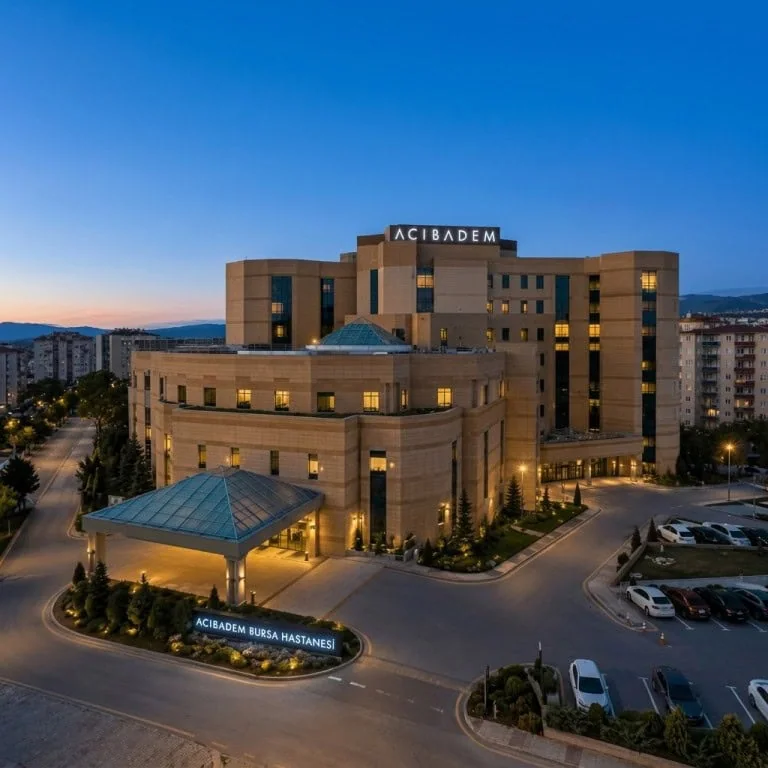
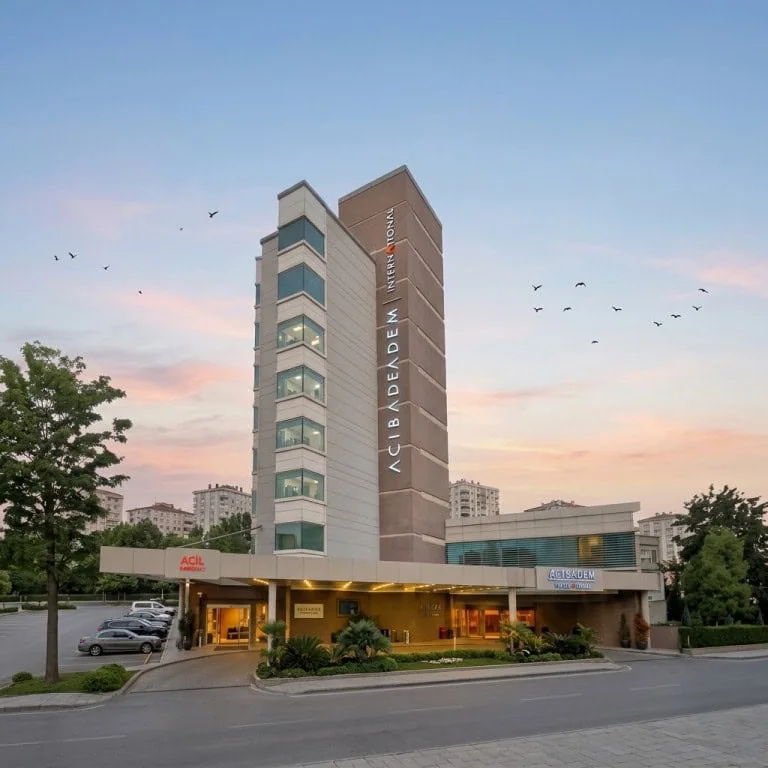
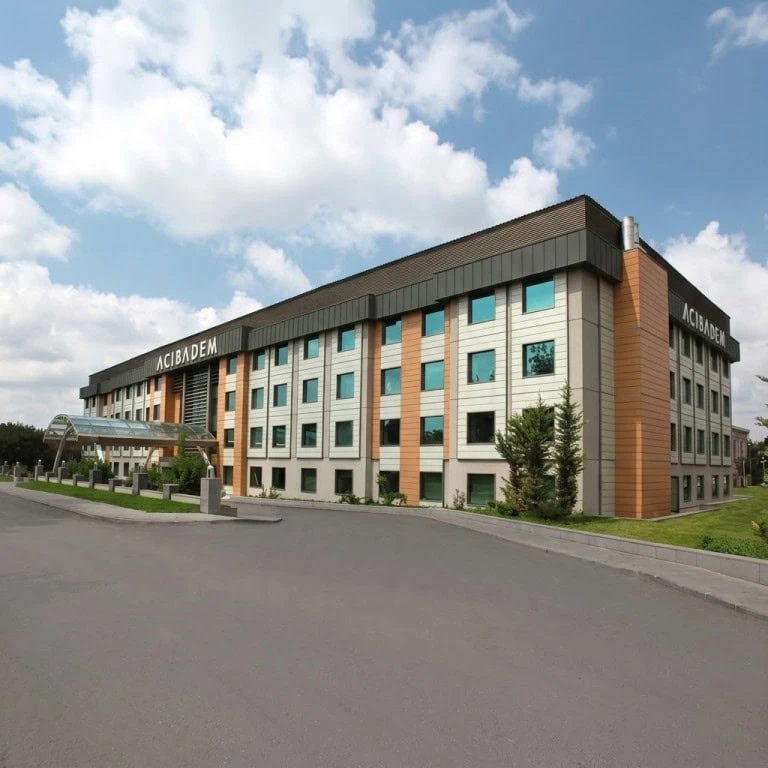
Patients travelling for face aesthetics need more than a surgical appointment. They need a medical environment that can evaluate them carefully, communicate clearly, and support them before, during and after treatment. At Acibadem hospitals in Turkey, facial aesthetic planning is individualised: specialists assess facial anatomy, health status, prior procedures, expectations and travel schedule before any recommendation is made. Where a case is complex, collaboration with other specialties is part of the process, patients with eye-related functional concerns may need ophthalmologic input, while those with sleep apnoea, heart disease or other conditions may need additional preoperative assessment. This multidisciplinary culture supports safer decision-making and more appropriate treatment selection.
Care follows structured, evidence-based protocols: preoperative testing when indicated, anaesthesia assessment, infection prevention measures, postoperative monitoring and follow-up planning. You can read separately about how JCI accreditation and clinical standards support safe care at Acibademuseful background when you are comparing providers from abroad, alongside how surgeon credentials, clinical teams and care responsibilities are explained during the planning process itself.
International patient services assist in more than 20 languages with appointment coordination, transfer arrangements, hospital admission and communication with care teams; medical interpreters support the key conversations, including consent and postoperative instructions. One further point matters for elective facial surgery: it is still surgery. Receiving it in a hospital setting, with anaesthesia services, postoperative observation and access to other specialties when needed, is a meaningful consideration, especially for combined procedures or for patients travelling long distances. And the most appropriate treatment is not always the most extensive one. A careful evaluation may recommend a smaller procedure, a staged plan, or postponement until health factors are optimised. That measured approach matters most for international patients, who can feel pressure to complete everything in a single trip; the priority is a safe, well-considered plan with timing that respects both medical needs and recovery realities.
Making an Informed Decision
Face aesthetics is a personal decision, and the best starting point is a thorough consultation that answers the questions that actually matter: what is causing the concern, which options are appropriate, what recovery will involve, and what kind of result is realistic for your face. A second opinion is a legitimate part of that process, particularly if you have already received a recommendation elsewhere and want it examined in more detail. The goal of face aesthetic treatment is not to create a different person. It is to help your appearance reflect your features, age and personality in a balanced, natural way, and with careful planning, experienced surgical care and a clear-eyed understanding of recovery, that is a decision you can make with confidence.
Preparation
- A plastic surgeon evaluates facial anatomy, skin quality, expectations, and medical history before creating a tailored plan. Patients may need blood tests, anesthesia assessment, and medication adjustments. Smoking and blood-thinning medicines are usually stopped before surgery if medically appropriate.
Aftercare
- Swelling, bruising, and mild discomfort are common in the first days and are managed with prescribed care. Patients should keep the head elevated, avoid strenuous activity, and attend follow-up visits. Sun protection and careful skin care help support healing and long-term results.
Frequently Asked Questions
What affects the cost of face aesthetics?
The final cost depends on the areas treated, procedure complexity, surgeon and hospital factors, anesthesia, tests, medications, garments, aftercare, and travel related services. A specialist assessment is needed before a personalised quote can be prepared.
How can I get a personalised quote?
You can request a free consultation by sharing your medical history, expectations, and clear facial photos if requested by the clinical team. The care team can then advise which options may be suitable and what the package may include.
Is a package quote the same for every patient?
No. Face aesthetics is highly individual, so the quote may change depending on whether treatment involves the eyelids, cheeks, jawline, neck, or combined procedures. Any additional tests or specialist recommendations can also affect the plan.
What is usually included in an international patient package?
A package may include consultation, preoperative checks, surgeon and hospital services, anesthesia, postoperative visits, medications, garments, interpreter support, transfers, and accommodation guidance. Inclusions vary, so they should be confirmed in writing before travel.
Can I compare face aesthetics quotes from different countries?
Yes, but it is important to compare what is included, the surgeon’s credentials, hospital accreditation, anesthesia arrangements, follow up care, revision policy, and travel logistics rather than looking only at the headline price.
Is the lowest quote the best option?
Not necessarily. Safety, realistic planning, hospital standards, surgeon experience, aftercare, and communication are important factors. This information is general and not medical or financial advice; a free consultation can help clarify your personalised options.
Medically reviewed by the Acıbadem International Medical Board September 13, 2026
See our medical review board →
Update history
- PublishedJune 8, 2026
- Medical review approvedSeptember 13, 2026
- Last content updateSeptember 12, 2026
References1
- Facelift (Rhytidectomy) my.clevelandclinic.org
Trusted care for international patients
From the Acibadem Blog

Natural-Looking Face Aesthetics Results: What Surgeons Mean by Balance Rather Than Change
Natural looking facial surgery results come from restoring a face's own proportions rather than reshaping them. Surgeons study how skin, fat, muscle and bone…
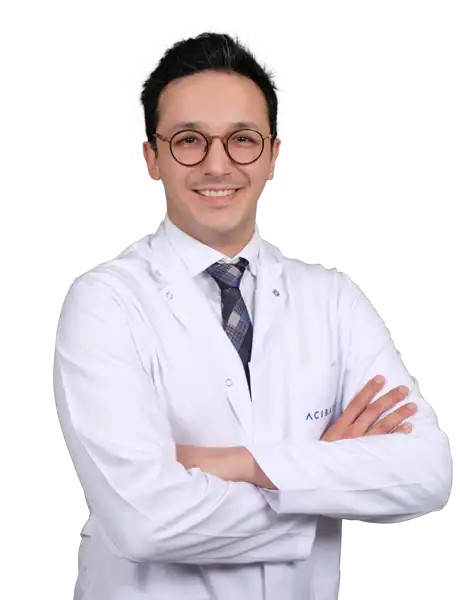
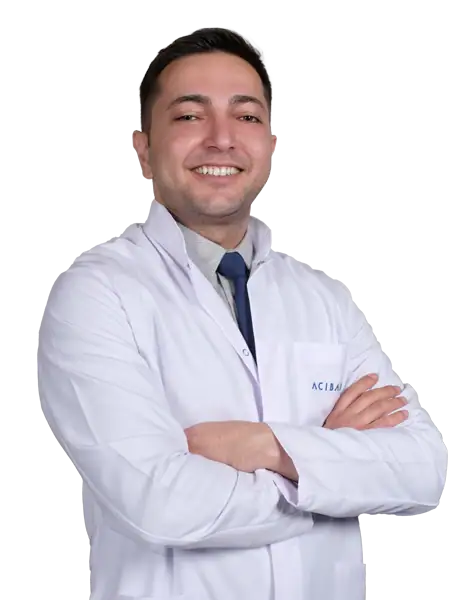
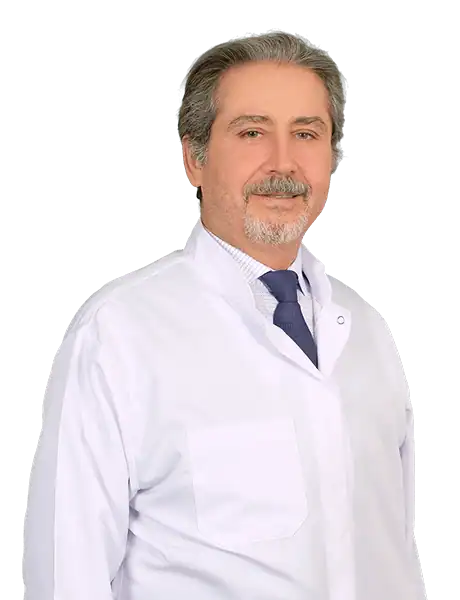
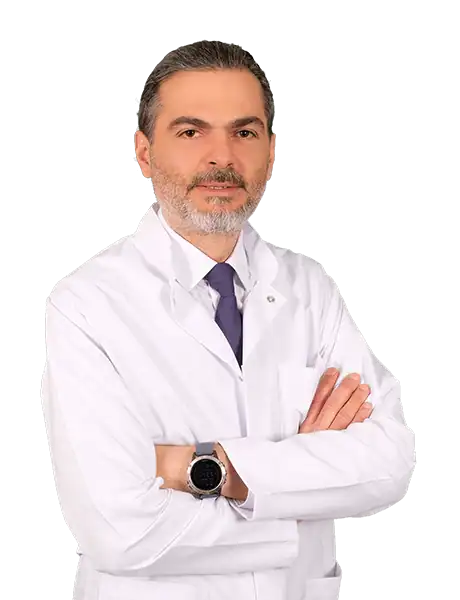
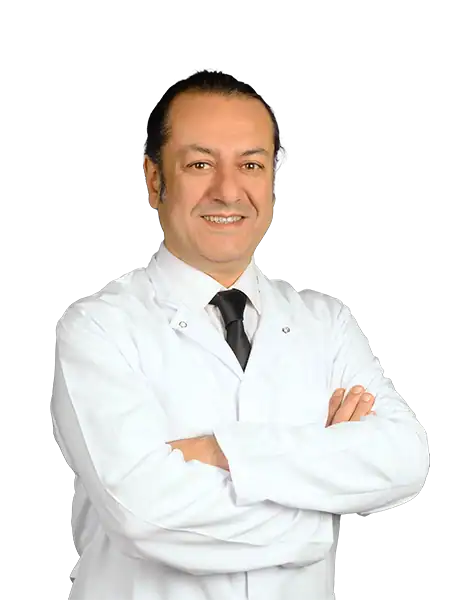
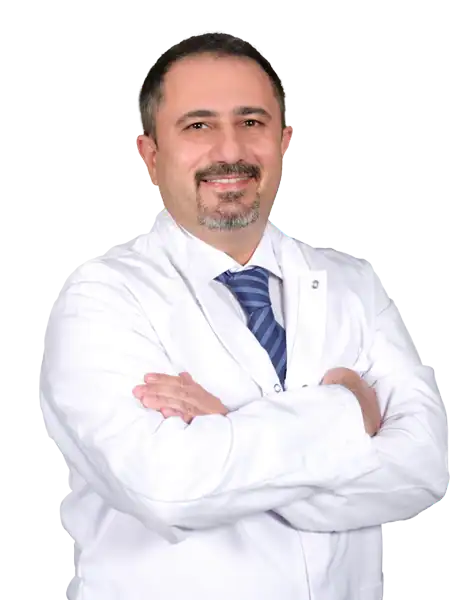
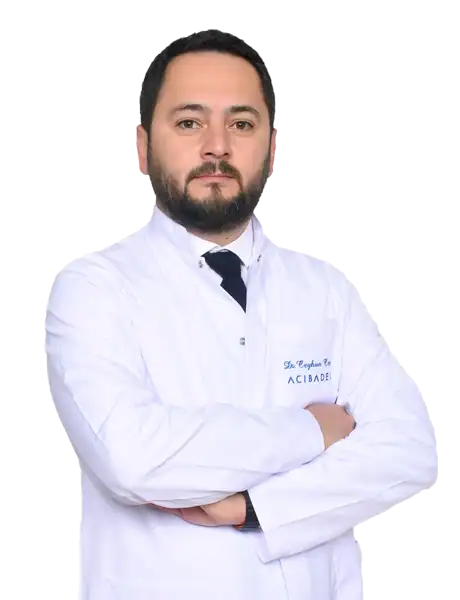
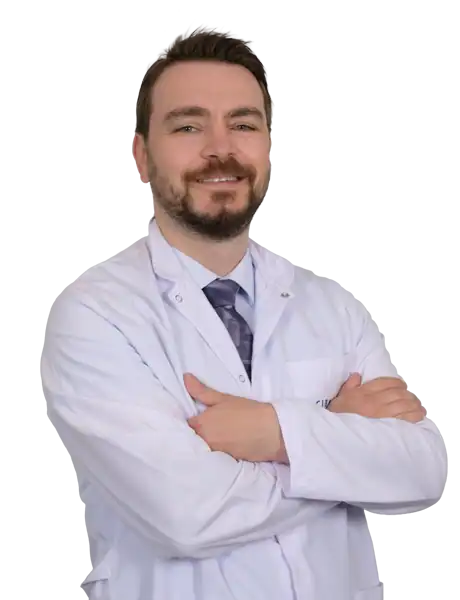
Doctors Performing This Treatment


Aesthetic Plastic & Reconstructive Surgery
Prof. Mehmet Veli Karaaltın, MD


Aesthetic Plastic & Reconstructive Surgery
Assoc. Prof. Erdem Güven, MD

Aesthetic Plastic & Reconstructive Surgery
Assoc. Prof. Ahmet Küçükçelebi, MD
Aesthetic Plastic & Reconstructive Surgery
Assoc. Prof. Mehmet Altıparmak, MD

Aesthetic Plastic & Reconstructive Surgery