Monsplasty
Monsplasty is a cosmetic surgical procedure that reduces, lifts, or reshapes excess skin and fat over the mons pubis for improved contour and comfort.

Quick answer
Monsplasty is a surgical procedure that reduces, lifts or reshapes the mons pubis, the pad of soft tissue over the pubic bone. Depending on your anatomy, the surgeon removes excess fat by liposuction, excess skin by direct excision, or both, then repositions the remaining tissue for a smoother contour between the lower abdomen and genital area. It is usually performed as a day-case or one-night procedure.
What Is a Monsplasty?
Monsplasty is a surgical procedure that reduces, lifts or reshapes the mons pubis: the soft pad of tissue that sits directly over the pubic bone. Depending on your anatomy, the operation removes excess fat, excess skin, or both, and repositions the remaining tissue so the area sits smoothly between the lower abdomen and the genital region. It is intended for adults whose mons pubis remains disproportionately full or droopy despite a stable weight, and whose concern has not improved with exercise, weight management or time after pregnancy.
The procedure belongs to the wider field of body contouring, and it is frequently planned alongside abdominoplasty or post-weight-loss surgery rather than in isolation. A number of international patients arrange monsplasty in Turkey for exactly this reason: the operation often forms one part of a broader contouring plan, and it is practical to have the assessment, the surgery and the early follow-up handled by a single hospital team in one place. How that pathway typically works for visiting patients is covered further down this page.
Two points are worth stating plainly at the outset. First, monsplasty is not a weight-loss operation. It is a contouring procedure for one specific area that tends to resist lifestyle change. Second, it is an exercise in judgement as much as technique. Removing too much tissue can flatten the area, create dents, tightness or visible irregularity, or pull on surrounding structures. Removing too little leaves the original concern in place. The surgeon has to weigh scar placement, skin elasticity, lymphatic drainage, symmetry, and the way the mons pubis relates to the abdomen, the genitals and the upper thighs. That is why the procedure should be performed by a surgeon experienced in body contouring and soft-tissue work, not treated as a minor add-on.
What is the mons pubis (pubic mound)?
The mons pubis, often called the pubic mound, and sometimes written as “mon pubis” in online searches, is the rounded cushion of fatty tissue that lies over the pubic bone in both women and men. It is normal anatomy, and its size and shape vary widely between people. The tissue here has a specific job: it cushions the pubic bone during movement and intimacy. For many people it is simply part of their build and never causes a second thought. For others, excess fullness, sagging skin or an uneven contour in this area becomes a source of physical discomfort or self-consciousness, particularly because it sits exactly where fitted clothing, swimwear and activewear draw the eye.
Why does the mons pubis become full or saggy?
The mons pubis can enlarge or descend for several distinct reasons, and identifying which applies to you shapes the entire surgical plan. Some people naturally store more fat in this area because of genetics and body shape, even at a healthy weight. Others develop fullness after weight gain, pregnancy, hormonal changes or ageing. After major weight loss, including after bariatric surgery, the fat volume may shrink, but the stretched skin often remains and folds or hangs. Previous lower abdominal surgery matters too: a caesarean section scar can tether the tissue above it so the mons appears heavier below the scar line, and an abdominoplasty can leave the abdomen flat while the untreated mons pubis suddenly looks more prominent by comparison. Each of these causes looks similar from the outside but calls for a different operation.
Is monsplasty the same as FUPA surgery?
Yes, “FUPA surgery” is an informal, non-medical name for the same group of procedures. FUPA is a slang acronym for the fatty area above the pubic bone, and when people search for surgery to correct it, the clinical answer is monsplasty in one of its forms: liposuction of the mons, direct removal of skin and tissue, a lift, or a combination. Surgeons do not use the term in clinical notes, but they understand exactly what patients mean by it, and there is no separate operation hiding behind the phrase. If a clinic advertises “FUPA removal” as something distinct from monsplasty, ask precisely which technique they intend to use, because the label tells you nothing about the plan.
Who Is a Good Candidate for Monsplasty?
People seek monsplasty for different reasons, and most describe practical problems before cosmetic ones. Some have a prominent mons pubis despite a healthy, stable body weight. Others notice the area has changed after pregnancy, menopause, weight fluctuation, bariatric surgery or ageing. Patients who have already had an abdominoplasty sometimes find that the flatter abdomen makes the mons pubis more noticeable, not less. Patients who have lost a large amount of weight, whether through lifestyle change or with support from a bariatric and metabolic surgery programme, often find the mons is one of the last areas where loose tissue persists.
Typical concerns include:
- A visible bulge in fitted trousers, leggings, underwear or swimwear
- Sagging or hanging tissue above the genital area
- A fold that traps sweat, causes chafing or leads to recurrent skin irritation
- Asymmetry or an irregular contour, sometimes related to an old scar
- An abrupt or mismatched transition between the lower abdomen and pubic region
- Discomfort during cycling, running, exercise or sexual activity
- Difficulty with personal grooming or hygiene because of excess tissue
Diagnosis is clinical. There is no scan or blood test that decides whether you need a monsplasty; the decision rests on a careful physical examination and a detailed history. During consultation, the surgeon works out whether the concern is driven mainly by fat, by loose skin, by laxity of the abdominal wall behind the tissue, by scar tethering, by swelling, or by something else entirely. This distinction matters because each cause has a different answer. Localised fat with good skin tone may respond to liposuction alone. Significant skin laxity needs excision and lifting. If the lower abdominal wall is also loose, an abdominoplasty may be the more honest recommendation.
Expect the consultation to cover previous operations, pregnancies, weight history, current medications and supplements, allergies, smoking or nicotine use, any history of blood clots or wound-healing problems, and underlying conditions such as diabetes or autoimmune disease. The surgeon may also ask about pain, recurrent infections, skin irritation, urinary symptoms or changes in the genital area. If the examination raises the possibility of a hernia, a mass or lymphatic swelling, the correct next step is medical evaluation, sometimes involving colleagues in general surgerybefore any elective contouring procedure is considered. A responsible consultation includes recognising when cosmetic surgery is not the first step.
Good candidates are generally adults who are healthy enough for elective surgery, are at or near a stable weight, understand the likely scar pattern, and have a specific, realistic goal. If you are planning major weight loss or a future pregnancy, you will usually be advised to wait, because those changes can undo or distort the result. If you smoke or use nicotine in any form, the surgeon will typically ask you to stop for a defined period before and after surgery, because nicotine restricts blood flow to healing tissue and raises the risk of wound complications.
A second opinion is worth considering in three situations in particular: when you are contemplating revision of a previous operation, when several procedures might be combined, and when you plan to travel internationally for surgery. A second surgeon can confirm whether monsplasty alone is the right operation or whether a broader contouring plan would serve you better.
How do you fix a saggy mons pubis?
A genuinely saggy mons pubis is fixed surgically, by removing the excess skin and lifting the remaining tissue into a higher position, liposuction alone will not correct it and can make laxity look worse by deflating tissue that has already lost its support. Non-surgical skin-tightening devices produce, at best, modest change in this area and cannot address true redundancy. Weight loss reduces volume but frequently increases looseness, which is why many patients notice sagging for the first time after losing weight rather than before. The honest sequence is: stabilise your weight first, then have the skin quality and the amount of descent assessed, and let those findings, not marketing, determine whether a lift, an excision, liposuction or a combination is appropriate.
Conditions and Indications Monsplasty Can Address
Monsplasty addresses excess skin, excess fat or sagging in the mons pubis region. It may be suitable when the area looks disproportionately full compared with the abdomen, hips or thighs, or when the tissue has descended and become lax after weight loss, pregnancy or ageing.
Common indications include localised fat deposits over the pubic bone, redundant skin folds, a low or heavy mons, and contour imbalance after abdominoplasty or lower body contouring. In post-bariatric patients, monsplasty is often one element of a staged body-contouring plan carried out after weight has stabilised. In patients with a caesarean scar or other lower abdominal surgery, scar tethering and tissue overhang can make the mons look heavier than it is; surgical planning can sometimes improve both the contour and the way the old scar area transitions into the lower abdomen.
The procedure may also be considered when excess tissue contributes to repeated skin irritation, trapped moisture, hygiene difficulty or physical discomfort during movement. There is an important caveat: if there is an active infection, unexplained swelling, chronic pain or a suspected mass, the priority is medical evaluation and treatment of the underlying issue before any elective contouring surgery.
It is equally important to understand what monsplasty does not do. It does not treat internal gynaecological or urological conditions, and it does not change sexual function directly. It is not a labiaplasty, not a vaginoplasty, not an abdominoplasty and not weight-loss surgery, each of those addresses different anatomy and different goals. In some patients these procedures are sensibly discussed together, but combining operations requires careful assessment of safety, total operating time, recovery burden and wound healing.
Because the mons pubis sits at the junction of the abdomen, the genital area and the upper thighs, the best indication is never simply “too much tissue”. It is a specific mismatch between your anatomy and the contour you want, one that can be improved safely through reduction, lifting or reshaping. That precision is what separates a considered surgical plan from a generic one.
How Monsplasty Is Performed
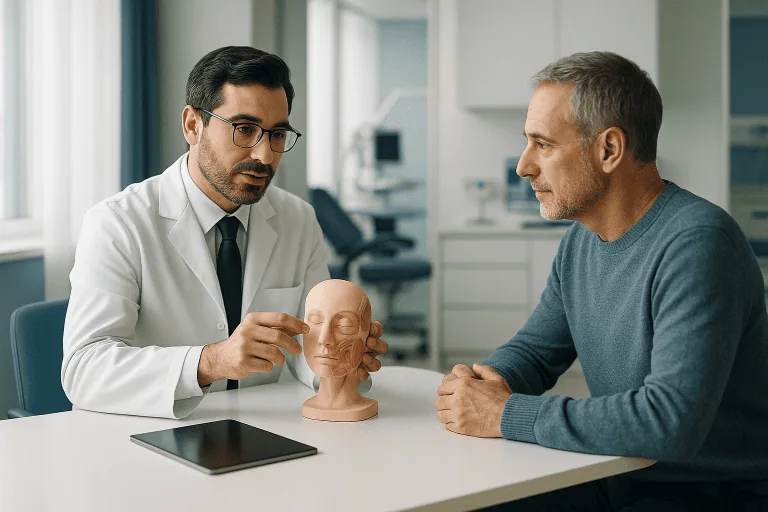
Monsplasty begins well before the operating room. At consultation, the surgeon listens to your concerns, reviews your medical history, examines the lower abdomen and mons pubis, and explains which anatomical factors are producing the appearance you dislike. Medical photographs are usually taken for planning, documentation and later comparison. The surgeon should also walk you through scar placement, expected swelling, the recovery timeline and whether combining monsplasty with another procedure makes sense in your case.
Preparation depends on your health and the planned extent of surgery. Preoperative work-up may include blood tests, an anaesthesia assessment and further investigations where clinically indicated. Your surgeon and anaesthesia team will review every medication and supplement you take and tell you whether anything needs to be adjusted before surgery: that decision sits with them, not with a checklist, because it depends on your individual bleeding and clotting risk. Nicotine in all forms is discontinued according to the surgeon’s instructions. Stable weight, good nutrition and well-controlled blood sugar all support healing.
On the day of surgery, the surgeon marks the area while you are standing, because gravity changes where skin and tissue sit, markings made lying down would mislead the plan. These markings define how much fat or skin will be removed and where the incision will run. Privacy and dignity matter at every stage of this process: careful draping, professional communication and clear consent are part of good surgical practice in an intimate area, not optional extras.
Anaesthesia may be local anaesthesia with sedation or general anaesthesia, depending on the extent of the procedure, whether other operations are being performed at the same time, and your medical profile. The anaesthesia team monitors you throughout, and hospital perioperative protocols are designed to reduce risks such as infection, bleeding, nausea and blood clots.
The operation itself follows a broadly consistent sequence:
- Marking while standing, defining the tissue to be removed and the incision line.
- Anaesthesialocal with sedation or general, as planned with the anaesthesia team.
- Infiltration of a fluid solution into the tissue when liposuction is planned, to reduce bleeding and ease fat removal.
- Fat reduction with a thin cannula through small incisions, where liposuction is part of the plan.
- Skin and tissue excision where laxity is present, removing a measured segment and lifting the remaining tissue into a higher, smoother position.
- Layered closure with internal sutures that support the lifted tissue and take tension off the skin, so the scar can mature as finely as possible.
- Dressing and, in selected cases, a small drainmore likely after extensive tissue removal or combined procedures.
When fat is the main issue and skin elasticity is good, liposuction may be all that is required. The surgeon removes fat in a controlled, even pattern rather than chasing maximum volume. Over-resection here is a genuine hazard: it produces dents, irregularity and poor support for the overlying skin, and it is far harder to correct than to avoid.
When loose or sagging skin is present, direct excision is usually necessary. The surgeon removes a planned ellipse of skin and underlying tissue, then anchors the remaining tissue at a higher level. The incision is commonly placed low on the abdomen or within a natural crease so that underwear or swimwear can conceal it. When monsplasty is combined with abdominoplasty, the same lower abdominal incision can often serve both procedures, which is one of the practical arguments for planning them together rather than sequentially.
Many patients need both elements: liposuction to reduce bulk and excision to deal with redundancy and descent. The technology used is chosen for precision and safety rather than spectacle, high-resolution clinical photography for planning, modern anaesthesia monitoring, electrosurgical instruments to control bleeding, specialised cannulas and suction systems for controlled fat removal, and strict sterilisation and operating-theatre protocols to reduce infection risk. Where the examination raises concern about a hernia or deeper structural issue, diagnostic imaging is arranged before surgery, not improvised during it.
Duration varies with the plan. A limited liposuction-based monsplasty can be relatively brief; a procedure involving excision, lifting, scar revision or combination with abdominoplasty takes considerably longer. Many patients return to their home or hotel the same day after an observation period; others stay overnight, particularly after combined procedures or where a medical condition warrants closer monitoring.
What is a mons lift?
A mons lift is the version of monsplasty that concentrates on raising and tightening descended tissue rather than simply reducing volume. It suits patients whose main complaint is that the mons has dropped, often after major weight loss or pregnancy, leaving a heavy, low-hanging pad even when the fat volume is unremarkable. The surgeon excises the redundant skin, elevates the remaining tissue and secures it internally so the lift holds under gravity rather than depending on the skin closure alone. In practice, most operations described as a mons lift also involve some fat reduction, because volume and descent usually arrive together.
When is mons pubis liposuction enough on its own?
Mons pubis liposuction is usually sufficient on its own when the main problem is localised fat and the overlying skin still has good elasticity, typically in younger patients, patients without major weight fluctuation, and those without pregnancies or previous surgery affecting the area. Elastic skin can contract over the reduced volume and settle smoothly. Where the skin is stretched, thin or already loose, liposuction alone removes the filling without shrinking the envelope, and the result can be more sagging, not less. This is the single most common planning error patients bring to consultation: asking for liposuction when the honest answer is excision.
How much bigger can a monoplasty make your penis?
It cannot make the penis itself any bigger, “monoplasty” is a common misspelling of monsplasty, and the operation changes the tissue around the penis, not the penis. What it can genuinely do, in men with a heavy fat pad over the pubic bone, is uncover length that already exists but is buried in the surrounding tissue: a situation surgeons describe as a hidden or buried penis. Reducing the overlying fat and, where needed, the excess skin allows more of the existing shaft to sit visibly outside the body. How much becomes visible depends entirely on how much tissue was concealing it, which varies from man to man, and no responsible surgeon will promise a measurement in advance. If your goal is a change in the penis itself, monsplasty is the wrong operation and you should say so plainly at consultation, so the surgeon can discuss what is and is not achievable.
Recovery After Monsplasty: What to Expect and When
Recovery depends on the technique used, how much tissue was removed, whether liposuction or excision was performed, and whether the monsplasty was combined with another procedure. The outline below describes a typical standalone case; a combined operation follows the recovery of the larger procedure.
| Time Period | What Patients Can Expect |
|---|---|
| Day 1 | Swelling, tightness, bruising, and mild to moderate discomfort are common. Patients are usually encouraged to walk gently and follow wound care instructions closely. |
| First Week | Most patients focus on rest, short walks, garment use if prescribed, and avoiding pressure or strain. Follow-up may include wound assessment and drain removal if a drain was placed. |
| First Month | Bruising usually fades, and swelling gradually improves. Many patients return to desk-based work and light daily activity earlier, but strenuous exercise and sexual activity remain restricted until cleared. |
| Two to Three Months | Contour becomes more visible as swelling decreases. Numbness or firmness may persist but often continues to improve. Scar care may be discussed once the incision is fully healed. |
| Longer Term | Final contour and scar maturation can take several months or longer. Maintaining stable weight supports durability of the result. |
After surgery, the area is dressed and a compression garment is often recommended to control swelling and support comfort. Wear it exactly as instructed: the garment does part of the surgical work in the first weeks, holding the lifted tissue in position while internal healing takes hold. You will receive specific instructions on walking, showering, wound care, medications and follow-up visits; those instructions come from your surgical team and take precedence over anything you read online, including this page.
Early walking is actively encouraged because it supports circulation. Strenuous exercise, heavy lifting, cycling, sexual activity and direct pressure on the surgical area are restricted until the surgeon confirms healing is adequate. Discomfort, swelling, bruising, tightness and patches of numbness are all normal early on; swelling in this area is notoriously slow to settle because the mons sits low in the body and fluid drains there, so judge the result at months, not weeks. Sleeping slightly flexed at the hips for the first days can reduce tension on the incision: your team will tell you what applies to your closure.
Scar care starts only once the incision has fully closed. Most surgeons discuss silicone-based products, sun protection and massage at the appropriate follow-up visit; the scar typically fades and flattens over many months. Because the incision usually sits at or below the underwear line, it is concealed in daily life for most patients once matured.
If you are flying home after surgery, the flight itself needs planning: mobility in the cabin, hydration, and, depending on your individual risk profile, preventive measures against blood clots that your medical team will decide with you before travel. This is one reason surgeons ask visiting patients not to fly until after the first postoperative review.
Benefits of Monsplasty
The potential benefits are best understood in practical terms, what the procedure may change about appearance, comfort, clothing fit and hygiene. None of these is promised; each depends on your starting anatomy and the surgical plan.
| Benefit | What It Means for You |
|---|---|
| Improved lower body contour | The mons pubis may look more proportionate in relation to the lower abdomen, hips, and thighs, especially in fitted clothing or swimwear. |
| Reduction of excess fullness | When localized fat is the main concern, careful liposuction or tissue reduction can decrease a visible bulge over the pubic bone. |
| Lifting of sagging tissue | When skin laxity is present, surgical lifting can reduce drooping and create a smoother transition from the abdomen to the pubic region. |
| Greater physical comfort | Some patients experience less rubbing, sweating, or discomfort during exercise, walking, sitting, or intimacy after excess tissue is reduced. |
| Improved hygiene in selected cases | Reducing redundant folds may make cleansing and grooming easier and may help decrease moisture-related irritation. |
| Better balance after body contouring | When combined appropriately with abdominoplasty or post-weight-loss surgery, monsplasty can help avoid a mismatch between a flatter abdomen and a prominent mons pubis. |
What Influences the Outcome of Monsplasty?
A good result comes from matching the right procedure to the right patient, and the single most important factor is accurate diagnosis of the underlying problem. Fat fullness, loose skin, tissue descent, scar tethering and abdominal wall laxity can all look similar to the person in the mirror, yet each demands a different surgical answer. A careful examination determines whether liposuction alone is enough or whether excision and lifting are required, and getting that call wrong is the most common route to a disappointing outcome.
Skin quality comes next. Elastic skin contracts smoothly after liposuction; stretched, thin or damaged skin does not, and usually needs excision to avoid worsening looseness. Pregnancies, major weight swings, ageing, sun exposure, genetics and smoking history all influence how your skin will behave after surgery, and an experienced surgeon reads these factors before choosing a technique.
Weight stability strongly influences how long the result holds. Weight gain can refill the mons pubis with fat; further weight loss can create new laxity. If you are actively losing weight, you will usually be advised to wait until it has stabilised, and post-bariatric patients are generally treated within a staged contouring plan rather than as an isolated decision.
Surgical planning shapes both contour and scar. Incision placement should account for underwear lines, existing scars, the lower abdominal anatomy and the amount of lift required. Tissue removal needs to be conservative enough to preserve natural softness and avoid distortion, yet sufficient to solve the problem you came with. Internal support and tension management protect the closure and give the scar its best chance of healing finely.
Your general health matters as much as the technique. Diabetes, anaemia, immune conditions, clotting disorders, certain medications and nutritional deficiencies can all affect surgical safety and healing. Nicotine deserves particular emphasis because it restricts blood flow to healing tissue and raises the risk of wound complications. Be candid about every medication, supplement and form of nicotine exposure: the team can only plan around what it knows.
Aftercare discipline is the part you control. Wearing compression if recommended, avoiding early strain, protecting the incision, attending follow-up visits and raising any concern with your surgical team promptly all reduce the chance of complications.
As with any operation, monsplasty carries risks. These may include bleeding, infection, fluid collection (seroma), delayed wound healing, unfavourable scarring, asymmetry, contour irregularity, numbness or altered skin sensation, blood clots, anaesthesia-related risks, and the possibility of revision surgery. Your surgeon should discuss these in detail during informed consent: a thoughtful plan reduces risk, but no elective procedure is free of it, and a consultation that skips this conversation is a warning sign in itself.
Finally, emotional readiness is part of a good outcome. Monsplasty can improve contour; it cannot create perfection or resolve broader body-image concerns on its own. The most satisfied patients have a specific anatomical concern, understand the trade-offs, and are comfortable with the recovery period and the scar they are accepting in exchange.
How long do monsplasty results last?
The results are long-lasting provided your weight stays stable, because fat cells and skin removed at surgery do not grow back. What surgery cannot do is freeze the remaining tissue in time: it will still respond to significant weight gain or loss, future pregnancy, hormonal change and ordinary ageing, any of which can alter the contour again. In practice, patients who maintain a steady weight tend to keep the improvement for many years, while large weight fluctuations are the most common reason a result deteriorates. This is exactly why surgeons insist on weight stability before operating: the durability of the result is decided as much before surgery as during it.
Timing: Why Early Assessment Matters
Monsplasty is elective, so there is rarely urgency about the operation itself. Timely evaluation is a different matter. If your concern is cosmetic and stable, an early consultation clarifies your realistic options before you invest in procedures that may not address the true cause, believing you need liposuction when loose skin is the real issue, for example, or pursuing monsplasty when lower abdominal laxity would make abdominoplasty the more effective answer.
Assessment also matters when excess tissue causes repeated irritation, rashes, folliculitis, discomfort or hygiene difficulty. Persistent friction and trapped moisture aggravate skin problems and wear away at quality of life. When symptoms persist despite conservative care, surgical correction can reasonably be considered as part of a broader treatment plan.
There is a diagnostic reason not to sit on the question indefinitely: what looks like fullness of the mons pubis is occasionally swelling, a hernia, lymphatic change, a cyst or another medical condition. Delaying evaluation can delay the diagnosis of an underlying issue that has nothing to do with cosmetics.
For patients after major weight loss, the right timing is after weight has stabilised. Operating too early, before the body has settled, increases the likelihood of recurrent laxity and revision. Waiting indefinitely, on the other hand, prolongs physical discomfort while skin elasticity gradually declines with age, weight fluctuation, pregnancy and hormonal change, meaning the operation eventually required to achieve balance may be more extensive than it would be today. Discussing options early lets you make an informed choice, even if you decide to schedule surgery for later.
How Much Does a Monsplasty Cost?
There is no single answer, because “monsplasty” describes a range of operations rather than one fixed procedure, and the price follows the plan, not the name. A brief liposuction-only treatment under local anaesthesia with sedation is a fundamentally different undertaking from an excision and lift under general anaesthesia combined with abdominoplasty, and quoting one figure for both would be meaningless.
The factors that move the cost of a monsplasty are consistent wherever you have surgery:
- Techniqueliposuction alone, skin excision and lift, or both
- Anaesthesia typelocal with sedation versus general anaesthesia
- Standalone or combinedpairing with abdominoplasty or other contouring changes theatre time, anaesthesia and recovery significantly
- Hospital stayday case versus overnight monitoring
- Preoperative work-uptests, anaesthesia assessment and any imaging required
- Aftercaregarments, dressings, follow-up visits and, for visiting patients, what the package includes around the surgery itself
When you compare quotes, compare what each one contains rather than the headline number. An itemised quote should state which technique is planned, which anaesthesia, whether the hospital stay is included, and what follow-up is covered. Our guide on what makes a cosmetic surgery quote higher than expected explains the line items that most often surprise patients.
How much does monsplasty cost in Turkey?
The same principle applies: there is no universal figure, because the price depends on the technique, the anaesthesia, whether the procedure is combined with other contouring surgery, and the length of hospital stay. Quotes for international patients in Turkey are frequently structured as packages that bundle the operation with hospital care and elements of the visit, which is precisely why two quotes with different totals may describe two genuinely different plans rather than two prices for the same thing. The reliable approach is to obtain a personalised, itemised quote after your case has actually been assessed: a price offered before anyone has reviewed your anatomy and history describes an average patient, not you.
Coming to Turkey for Monsplasty: Planning, Pathway and Follow-Up
Having monsplasty abroad adds a layer of logistics to the medical decision, and it works best when the whole pathway, not just the operation, is planned in advance. A typical care pathway for an international patient looks like this:
- Remote evaluation. Hospitals usually begin with a review of your medical history and photographs before you travel, so the surgical team can form a preliminary view of whether monsplasty is appropriate, which technique is likely, and whether combining procedures deserves discussion. This stage is normal practice, not a formality: it also identifies patients who should be evaluated for other conditions first.
- In-person consultation and work-up. After arrival, the surgeon examines you, confirms or revises the preliminary plan, and completes preoperative tests and the anaesthesia assessment. Nothing decided remotely is final until this examination has happened.
- Surgery. Performed as planned, day case or with an overnight stay, standalone or combined.
- Recovery in Turkey. You remain nearby for early recovery, wound review and drain removal if a drain was placed. Your surgeon decides when you are fit to fly based on how you are healing, not on a standard number of days.
- Follow-up from home. Before departure, you should leave with written aftercare instructions, information about your operation for your own doctor, and a clear channel for remote follow-up, including how photographs of the healing incision will be reviewed.
Plan your trip around the surgeon’s timeline rather than a fixed holiday itinerary. Liposuction-only cases generally need a shorter stay than excision and lift cases; combined procedures need longer still. Build in margin, flying earlier than advised to save hotel nights is a false economy if it compromises wound review.
Practicalities are worth taking seriously. Bring loose, high-waisted clothing that will not press on the incision, arrange accommodation where you can rest comfortably in the first days, and consider travelling with a companion if your mobility will be limited early on. Our guide on how to pack for recovery after surgery in Turkey covers the small items that make daily life easier while you heal away from home.
Think about the return journey before you book it. Long flights after surgery call for planning around mobility, hydration and, depending on your individual risk, clot-prevention measures that your medical team will discuss with you. Once home, keep your written instructions to hand, follow the agreed remote follow-up schedule, and make sure your local doctor knows what was done, where the incisions are and what normal healing should look like at each stage.
Monsplasty at Acibadem
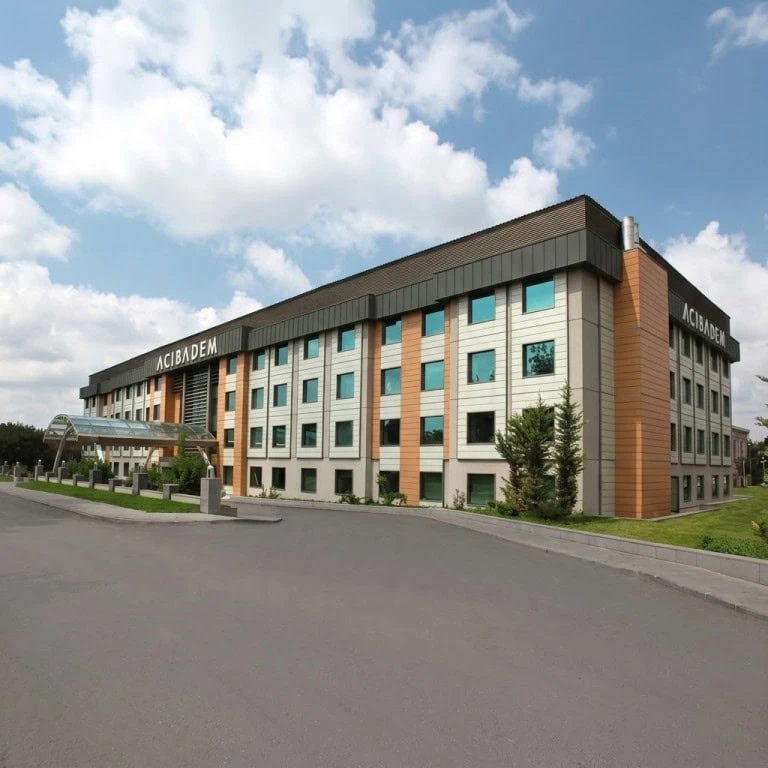
At Acibadem, monsplasty is planned and performed within a hospital environment rather than a standalone clinic, by physicians in plastic, reconstructive and aesthetic surgery. That setting matters for an operation that, while often focused, still involves anaesthesia, wound healing and postoperative monitoring: it means access to experienced anaesthesia teams, modern operating theatres, laboratory services and imaging when the examination calls for it, and medical support for patients whose health background is not straightforward.
Planning is individualised. In straightforward cases, monsplasty is prepared as a standalone contouring procedure. In more complex cases, after significant weight loss, previous abdominal surgery or earlier contouring, the surgeon evaluates whether it should be coordinated with abdominoplasty, a body lift or scar revision, and whether specialist input from gynaecology, urology, dermatology, endocrinology or weight management would sharpen the plan. When a consultation reveals that a concern is not purely cosmetic, referral within the same healthcare group can be arranged. Sometimes the honest recommendation is not to operate yet: to wait for weight stability, to choose a different procedure, or to treat a skin condition first. A recommendation should fit your anatomy, your safety profile and your circumstances, not a template.
Because monsplasty involves an intimate area of the body, privacy and dignity are treated as clinical requirements. Professional communication, appropriate draping, respectful examination and unhurried consent are part of the standard of care, and you should feel able to ask direct questions about scars, swelling, intimacy, hygiene and realistic outcomes without embarrassment. For patients travelling from abroad, international patient services coordinate scheduling, medical record transfer, interpreter support and follow-up instructions, so that each stage of care, from remote evaluation through surgery to the return home, is understood before it happens.
Questions Worth Asking Before You Decide
Monsplasty is a discreet but meaningful procedure for people whose mons pubis affects contour, comfort, clothing fit or confidence. The strongest results begin with an accurate diagnosis, fat, loose skin, descent, scarring or something else, followed by a plan that improves proportion while keeping the area looking natural. Whoever you consult, in whichever country, these questions will tell you whether the plan in front of you is a considered one:
- Which technique do you recommend for my anatomy, liposuction, excision, a lift, or a combination, and why?
- Exactly where will the incision sit, and what will the scar look like at maturity?
- Would combining this with abdominoplasty or other contouring serve me better, or add unnecessary risk?
- What downtime should I plan, and when can I fly, exercise and resume intimacy?
- Which risks apply specifically to my health profile, and how would a complication be managed?
- What happens if I gain or lose weight, or become pregnant, after the operation?
- How will follow-up be handled after I return home, and who reviews my healing remotely?
A surgeon who answers these questions specifically, with reference to your examination rather than in generalities, is telling you something important about how your operation will be planned. Take the time to ask them, compare the answers, and decide on the strength of what you hear rather than what you hope.
Preparation
- A plastic surgeon evaluates anatomy, goals, skin quality, and any prior abdominal or pelvic surgery. Patients may need blood tests and should stop smoking and avoid blood-thinning medicines or supplements as advised before surgery.
Aftercare
- Mild swelling, bruising, and tightness are common in the first days after monsplasty. Patients should wear any recommended compression garment, avoid strenuous activity and sexual intercourse until cleared, and attend follow-up visits to monitor healing.
Frequently Asked Questions
What affects the cost of monsplasty?
Cost is influenced by the technique used, the amount of tissue to be treated, anaesthesia, hospital setting, surgeon experience, required tests, garments, medicines, and whether other procedures are performed at the same time.
How can I get a personalised quote for monsplasty in Turkey?
You can request a free consultation by sharing your medical history, photos if requested, previous surgery details, and your goals. A specialist review is needed before a personalised treatment plan and quote can be prepared.
Is monsplasty usually included in a cosmetic surgery package?
Package content varies by hospital and patient plan. It may include consultation coordination, surgery, anaesthesia, hospital services, follow-up planning, translation support, transfers, and accommodation guidance, but inclusions should always be confirmed in writing.
Will combining monsplasty with another procedure change the cost?
Yes. Combining monsplasty with procedures such as abdominoplasty or liposuction can change operating time, anaesthesia needs, recovery planning, and aftercare requirements. A specialist will advise whether a combined approach is appropriate.
Is this information medical or financial advice?
No. This is general educational information. A personalised recommendation and quote require consultation with a qualified specialist, review of your health status, and confirmation of your treatment goals.
Medically reviewed by the Acıbadem International Medical Board September 13, 2026
See our medical review board →
Update history
- PublishedJune 8, 2026
- Medical review approvedSeptember 13, 2026
- Last content updateSeptember 12, 2026
Trusted care for international patients
From the Acibadem Blog
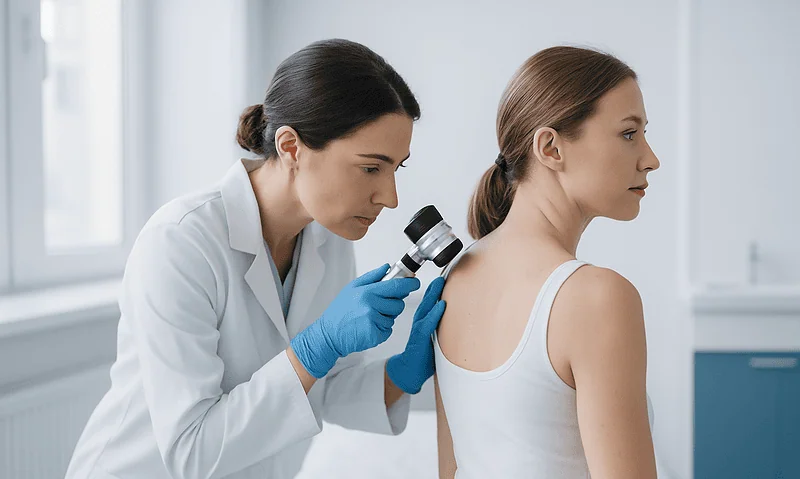
Monsplasty Candidacy: Excess Mons Pubis Skin, Fat and What Surgeons Assess First
A typical monsplasty candidate is an adult whose mons pubis (the soft mound over the pubic bone) has loose, sagging skin, stubborn fat, or…

Monsplasty Recovery: Swelling, Compression and When Normal Activity Can Resume
Monsplasty recovery time is usually measured in weeks, not days. Most people are up and walking the same day, back to a desk job…
Doctors Performing This Treatment


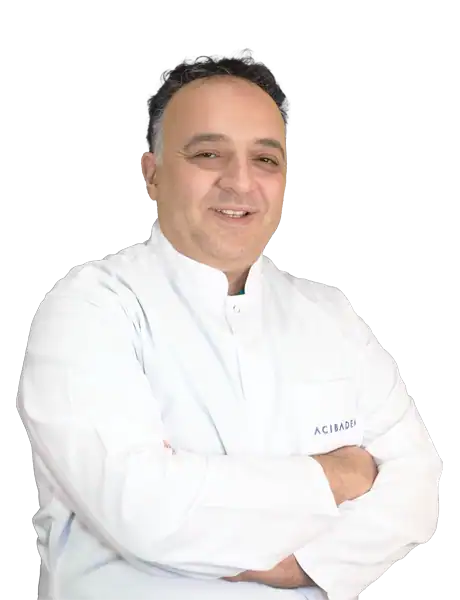
Aesthetic Plastic & Reconstructive Surgery
Prof. Mehmet Veli Karaaltın, MD

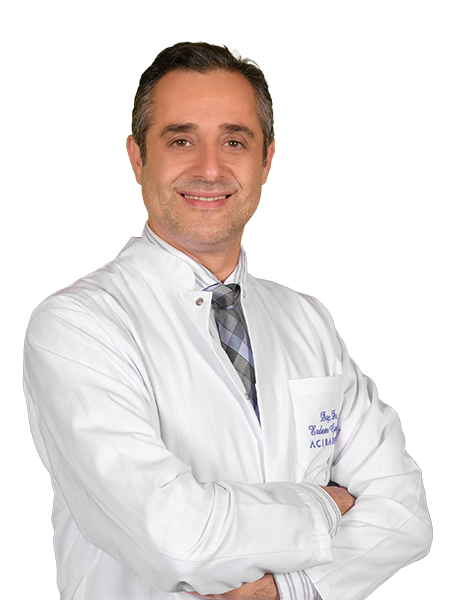
Aesthetic Plastic & Reconstructive Surgery
Assoc. Prof. Erdem Güven, MD

Aesthetic Plastic & Reconstructive Surgery
Assoc. Prof. Ahmet Küçükçelebi, MD

Aesthetic Plastic & Reconstructive Surgery
Assoc. Prof. Mehmet Altıparmak, MD

Aesthetic Plastic & Reconstructive Surgery