Neck And Face Lift
Neck and face lift surgery tightens sagging facial and neck tissues to restore a smoother, younger-looking contour. It is personalized to skin quality, anatomy, and aesthetic goals.

Quick answer
A neck and face lift is a surgical procedure that lifts and repositions the deeper supporting tissues of the lower face and neck, then removes excess skin. It improves jowls, loose neck skin, vertical neck bands and jawline definition. Performed under general anaesthesia or deep sedation, it usually takes several hours. Bruising and swelling settle over the first weeks, and the final result develops over months.
Neck and Face Lift Surgery: What a Facelift Can and Cannot Do
A neck and face lift is a surgical procedure, a facelift extended to include the neck, that lifts and repositions the deeper supporting tissues of the lower face and neck, then removes the skin excess that remains. It is designed for people whose main concern is structural: jowls along the jawline, loose skin under the chin, vertical neck bands and a blurred angle between chin and neck. It is not a treatment for skin surface problems such as fine wrinkles or pigmentation, and it does not stop the ageing process.
Changes in the face and neck tend to appear gradually, then seem to arrive all at once. The jawline looks less defined. Skin under the chin loosens. The cheeks descend and the folds around the mouth deepen. You may feel healthy and energetic while your reflection suggests fatigue that does not match how you feel. For most people who research this surgery, the goal is not to look different. It is to look more like themselves again.
The questions people ask before a facelift are practical, and they deserve direct answers. Will the result look natural? How much downtime is realistic? What technique is appropriate for my anatomy? What can go wrong, and how often does surgery need to be repeated? This page works through those questions honestly. A neck and face lift is a sophisticated operation that rewards careful planning and a realistic understanding of its limits. The aim is not to erase every line or produce a tightened appearance. It is to restore support to tissues that have descended, improve contour and create a refreshed look that stays in harmony with your features.
At Acibadem, neck and face lift surgery is planned as an individualised procedure. The surgical plan is built around your facial anatomy, skin quality, bone structure, degree of tissue laxity, previous procedures, medical history and personal goals. Two patients can describe the same complaint and need quite different operations. That is why nothing on this page replaces a direct examination: skin mobility, tissue thickness and facial proportion can only be assessed properly in person.
What Is a Neck and Face Lift?
A neck and face lift, known clinically as cervicofacial rhytidectomy, is a surgical procedure that improves visible signs of ageing in the lower face, jawline and neck. It addresses sagging tissues, loose skin, jowls, neck banding and loss of definition between the chin and neck. Depending on your anatomy, the operation may concentrate on the lower face, on the neck, or treat both together, which is the most common approach, because the two regions age as a unit and rarely look right when only one is corrected.
Modern facelift surgery is not a skin-tightening exercise. Excess skin is removed, but the most important work happens in the deeper layers. The surgeon repositions and supports the superficial musculoaponeurotic system, the SMAS, a firm connective tissue layer beneath the facial skin, and, in the neck, the platysma muscle. When these deeper structures carry the lift, the skin can be redraped without tension. That is what separates a natural result from the pulled, wind-swept appearance most patients are anxious to avoid. The facial component of the operation is described in more clinical detail on our rhytidectomy (facelift) page.
You may also come across informal terms such as face tucks, which usually describe more limited skin-tightening procedures. The terminology in aesthetic surgery is loose, and marketing names multiply every year. What matters is not the label but what the surgeon actually does to the deeper tissue layers, through which incisions, and with how much skin removal.
What is the difference between a facelift and a neck lift?
A neck lift concentrates on the tissues below the jawline, the platysma muscle, fat above and below it, and the neck skin, while a face lift addresses the cheeks, jowls and lower face. In practice the boundary is artificial. Jowls sit on the jawline, the platysma extends up into the lower face, and the same incisions around the ear give access to both regions. Some patients with isolated neck concerns do well with a neck lift alone, sometimes combined with aesthetic neck contouring techniques such as liposuction under the chin. Patients with visible jowling almost always need the facial component as well, because tightening the neck under a sagging lower face produces an unbalanced result.
What is a deep plane face and neck lift?
A deep plane face and neck lift is a technique in which the surgeon releases and lifts the SMAS layer together with the skin as a single unit, rather than lifting the skin separately and tightening the SMAS beneath it. Releasing the retaining ligaments that tether the deeper tissue allows the midface, jowls and neck to be repositioned with very little tension on the skin itself. Advocates argue this gives a more natural movement of the lifted tissue; the trade-off is a technically more demanding dissection closer to the facial nerve branches, which is why surgeon experience matters more than the name of the technique. No single method is right for every face. A surgeon should be able to explain why a particular plane of dissection suits your anatomy, not simply offer the technique they market.
What is the new facelift everyone is getting?
The technique most often described this way in recent years is the deep plane facelift, sometimes combined with an extended neck dissection under the chin. It is worth saying plainly that the deep plane approach is not new, it has been described and refined over decades, and that its recent popularity owes as much to social media as to surgical evidence. Fashions in aesthetic surgery change quickly. What does not change is the underlying principle: lasting, natural results come from repositioning deep tissue and removing skin without tension. A well-executed SMAS lift and a well-executed deep plane lift both respect that principle; a badly planned operation of either type does not.
What is a mini facelift?
A mini facelift is a shorter-incision, more limited version of the operation, usually confined to the lower face with modest SMAS tightening and less skin removal. It suits patients with early jowling and reasonable skin elasticity, often younger patients, and offers a shorter recovery. Its limits are equally clear: it does little for the neck, it cannot correct significant laxity, and patients with advanced tissue descent who choose a mini procedure are often disappointed. A limited operation is a legitimate choice for a limited problem; it is a poor substitute for a comprehensive one.
A face and neck lift can be performed on its own or combined with other facial procedures. Some patients benefit from eyelid surgery, a brow lift, fat grafting or skin resurfacing, either in the same operation or staged later. Combination is not automatically better. A responsible plan weighs safety, operative time, recovery capacity and proportion: a rejuvenated lower face beside an untouched, heavy brow can look inconsistent, but so can an over-treated face. The right combination is the one your anatomy justifies.
Who Is a Good Candidate for a Neck and Face Lift?
Good candidates for a neck and face lift are healthy adults with visible tissue descent, jowls, loose lower-face skin, neck laxity, who understand what surgery can and cannot achieve. Chronological age matters less than tissue quality, facial structure, general health and expectations. Some people notice early jowling and neck looseness in their 40s or 50s; others seek correction later, when skin laxity, deep folds and neck bands are more advanced. Both groups can be suitable candidates, though the operation and the achievable result differ.
Typical concerns that lead people to consider surgery include sagging along the jawline, jowls, loose skin in the lower face, deepening folds from nose to mouth, marionette lines at the corners of the mouth, vertical bands in the neck, fullness under the chin, or a lost angle between chin and neck. Many patients simply describe looking tired, heavy or older than they feel, despite adequate rest and good skin care.
Assessment begins with a detailed consultation. The surgeon evaluates the face at rest and in expression, tests skin thickness and elasticity, examines the neck muscles and fat distribution, and considers facial proportion, particularly chin projection and the position of the hyoid bone, which set the limits of what any neck lift can achieve. Standardised photographs support planning and discussion. The consultation also reviews medical history, medications, allergies, smoking status, prior surgery, healing tendencies and any history of bleeding or problematic scarring.
Not everyone bothered by facial ageing needs surgery, and a trustworthy consultation will say so. Patients with mild skin changes may be better served by non-surgical tightening, injectables, resurfacing or simply waiting, options covered across our face aesthetics services. Conversely, patients with significant tissue descent rarely get meaningful or lasting improvement from non-surgical treatments alone; for them, repeated non-surgical spending often delays the operation that would actually address the problem.
Some factors argue for caution or delay. Active smoking impairs blood supply to the skin flaps and raises the risk of wound healing problems, so patients are usually asked to stop nicotine in all forms well before and after surgery. Uncontrolled blood pressure, poorly managed diabetes, bleeding disorders and some autoimmune conditions need optimising first. Patients taking blood-thinning medication need a coordinated plan between their surgeon and the doctor who prescribed it: this is never something to change on your own. And anyone unable to commit to a genuine recovery period, or hoping surgery will resolve a life problem rather than a contour problem, is better advised to wait.
For patients travelling from abroad, candidacy also includes practical questions: flight duration, planned length of stay, whether a companion will travel with you, and what medical follow-up you can access at home. These details shape a plan that is medically workable, not just aesthetically appropriate.
What a Neck and Face Lift Treats, and What It Does Not
A neck and face lift treats age-related descent and laxity of the soft tissues of the lower face and neck. These changes are driven by genetics, sun exposure, weight fluctuation, skin quality, facial bone structure and lifestyle. Surgery is the right tool when the visible problem is caused by loose, descended tissue rather than by changes in the skin surface itself.
Specifically, the operation can improve jowls that soften the jawline, loose lower-face skin, descended cheeks that deepen the nasolabial folds, lax neck skin, vertical platysmal bands and the blunted chin-to-neck angle. It can also improve submental fullness, fullness under the chin, when the cause is loose tissue, localised fat or muscle laxity. Where the fullness sits beneath the platysma muscle or reflects a low hyoid position, the achievable improvement is more limited, and an honest surgeon will show you why during the examination.
What the operation does not do is equally important. It does not treat fine wrinkles, crepey skin texture, sun spots or uneven pigmentation; those need resurfacing, peels or medical skin care. It does not lift the brow or change the eyelids unless those procedures are added: a forehead lift or eyelid surgery addresses the upper third of the face separately. It does not add volume to a deflated midface unless fat grafting is included. And it does not change the fundamental architecture of your face: a lift repositions what has descended; it does not redesign what was always there.
Some patients come to this operation after major weight loss, when skin and soft tissue have lost support faster than usual. Others develop early laxity because of inherited neck anatomy or a naturally less defined jawline. A smaller group seeks revision or secondary surgery after a previous lift. Secondary cases demand particular expertise: scar tissue, altered tissue planes and the effects of earlier techniques all change the anatomy, and the surgeon must establish what was done before, what can safely be improved and how to protect blood supply and natural facial movement.
How Neck and Face Lift Surgery Is Performed
Preparation before surgery
Preparation begins with the consultation and a full medical evaluation. The surgeon discusses your goals, examines the face and neck, reviews your history and sets out the surgical options, including the option of not operating. This is the point to establish what degree of change is possible and what would look natural on your face, using your own photographs rather than someone else’s results.
Preoperative workup typically includes blood tests, an electrocardiogram and an anaesthesia review, with additional testing depending on age and medical background. Smoking must stop well in advance, because nicotine narrows the small blood vessels the healing skin depends on. Medications and supplements that increase bleeding risk, aspirin, some anti-inflammatory drugs, vitamin E, various herbal products and prescribed blood thinners, may need adjusting, but any change is decided and directed by the treating doctors, never by the patient alone. Bring a complete list of everything you take, including doses, ideally in English or with translation.
Patients travelling internationally usually share photographs and medical information before arrival, followed by an in-person evaluation before surgery. Advance review establishes feasibility and the sensible length of stay; final surgical decisions are made only after direct examination, because skin quality and tissue mobility cannot be judged from photographs. It helps to prepare recent photographs taken in even, neutral lighting, a written summary of any previous facial procedures, and a complete medication and supplement list before the advance review, and to plan the trip so that consultation, surgery and the early follow-up visits fit inside a single, unhurried stay.
Anaesthesia and surgical planning
Neck and face lift surgery is performed under general anaesthesia or deep sedation with full monitoring. The choice depends on the extent of surgery, your medical profile and the surgeon’s recommendation. Before the operation, the surgeon marks the key landmarks with you sitting upright, because tissue falls differently when you lie down. These markings guide incision placement, the zones of tissue repositioning and any areas where fat will be removed or added. Careful measurement helps keep both sides balanced, though every face carries natural asymmetries that surgery cannot, and should not try to, eliminate completely.
The operation, step by step
- Incisions. Incisions follow natural creases: typically beginning near the temple hairline, running in front of the ear (or just inside its cartilage edge), curving behind the earlobe and extending into the hairline behind the ear. For the neck, a short incision hidden under the chin gives access to the platysma muscle and central neck fat.
- Access to the deep layer. The surgeon lifts the skin to reach the SMAS in the face and the platysma in the neck. In a deep plane technique, skin and SMAS are released and lifted together after freeing the retaining ligaments.
- Deep tissue repositioning. The SMAS is lifted, tightened or repositioned to restore the jawline and lower face. The platysma is tightened or its edges sutured together at the midline to correct banding and sharpen the neck angle.
- Fat management. Localised fat under the chin may be removed by liposuction or direct excision; in patients with deflation, fat grafting may restore volume to the cheeks or temples.
- Redraping and closure. The skin is laid back without tension, the true excess is trimmed, and incisions are closed with fine sutures. Dressings, and in some cases small temporary drains, support the tissues.
The exact sequence and extent vary. One patient needs a limited lower face lift; another needs comprehensive platysma work through the chin incision; a third needs volume restoration as much as lifting. The best results correct both descent and deflation while preserving natural expression, which is a matter of surgical restraint as much as surgical technique.
Technology used in planning and treatment
Technology supports safety and precision, but it does not replace judgement. Standardised medical photography, digital imaging, modern anaesthesia monitoring and refined instruments all contribute to planning and execution; laboratory testing and cardiac assessment establish fitness for surgery where needed. Energy-based devices are sometimes used in selected patients to support skin quality, either within a broader plan or at a separate stage, decisions that depend on skin type, pigmentation risk and healing profile. Be sceptical of any clinic that leads with a device rather than a diagnosis.
How long does the surgery take?
Operative time depends on complexity. A limited procedure takes less time; a comprehensive face and neck lift, particularly when combined with other procedures, can take several hours. Your surgeon will give you an expected range during planning. Speed is not a virtue here: careful tissue handling and precise, tension-free closure matter far more than a short operating time.
Recovery After a Neck and Face Lift
Recovery from a neck and face lift is measured in stages: days of rest, weeks of visible settling, and months of quiet refinement. Immediately after surgery you are monitored in a recovery area, and depending on the extent of the operation you may stay in hospital overnight. Dressings support the tissues; drains, if placed, are usually removed within the first days. Swelling, bruising, tightness and mild to moderate discomfort are expected: the face may feel firm, numb or uneven, and these sensations improve gradually. Discomfort is generally managed with prescribed medication, and you will be instructed to keep the head elevated, avoid bending and lifting, and follow wound care instructions precisely.
| Time Period | What Patients Can Expect |
|---|---|
| Day 1 | Monitoring after surgery, dressings in place, swelling and tightness expected. Rest with the head elevated and follow medication instructions. |
| First Week | Bruising and swelling at their most noticeable. Drains, if used, removed early. Light walking encouraged; bending, straining and exertion avoided. Sutures may be removed in stages. |
| First Month | Most visible bruising resolves and many patients return to normal daily routines. Exercise and social activities resume gradually with the surgeon’s approval. |
| Longer Term | Residual swelling settles, tissues soften and incision lines mature. Final refinement develops over several months. |
When can you return to work and normal life?
Most patients need a genuinely quiet first week. Many feel able to manage light daily activity after the first several days, but social recovery takes longer, because bruising and swelling remain visible even when you feel well. Return to work depends on what your work involves: people working remotely or privately often resume limited duties earlier, while those in public-facing roles usually prefer more time. Strenuous exercise, heavy lifting and anything that raises blood pressure are restricted for several weeks. Your surgeon adjusts these limits to your actual healing rather than a fixed calendar.
Be patient with the mirror. Early swelling hides the result, and it is common to feel uncertain or even regretful in the first weeks, before the tissues settle and the outcome becomes visible. Incision lines fade over time, though scar quality varies between individuals; sun protection and consistent skin care support both scar appearance and overall skin health.
Practical habits make the early weeks easier. Sleep on your back with the head elevated for as long as your surgeon advises, avoid sharp turning of the neck while the tissues are healing, and keep the incisions out of direct sun. Numbness around the ears, cheeks and neck is expected and typically recovers gradually over months as the small sensory nerves regenerate; itching, tightness and occasional brief shooting sensations along the way are usually part of that process rather than a sign of trouble. Scar care, gentle cleansing, sun protection and any products your surgical team specifically recommends, continues well after the visible bruising has gone.
How long does a facelift usually last?
A facelift resets the position of the facial tissues; it does not stop them ageing. The correction achieved in surgery is permanent in the sense that your face will always be ahead of where it would have been without the operation, but skin continues to lose elasticity, tissues continue to descend, and gravity does not retire. How long the result remains satisfying depends on your skin quality, genetics, sun exposure, weight stability, smoking status and the technique used: lifts that reposition the deep layer tend to hold their result better than skin-only tightening. Some patients never operate again; others choose a secondary procedure many years later. Anyone quoting you a fixed lifespan for a facelift is simplifying past the point of honesty.
Benefits of Neck and Face Lift Surgery
When performed for the right patient with an individualised plan, a neck and face lift offers benefits that non-surgical treatments cannot reproduce, because it corrects the structural cause of the changes rather than their surface appearance.
| Benefit | What It Means for You |
|---|---|
| Improved jawline definition | Jowls and lower facial sagging may be reduced, helping the jawline appear smoother and more clearly contoured. |
| More refined neck contour | Loose neck skin, neck bands and fullness under the chin may be improved, creating a cleaner transition from chin to neck. |
| Natural-looking rejuvenation | Because the deeper tissues carry the lift rather than the skin, the face can look refreshed while keeping its individual character and expression. |
| Longer-lasting correction than most non-surgical options | Surgery addresses structural laxity, so results generally outlast treatments that affect only the skin surface or add temporary volume. |
| Personalised planning | The procedure adapts to your anatomy, skin quality, degree of ageing and preferences for recovery and overall change. |
Factors That Influence the Result
The quality of a neck and face lift result depends on more than the operation itself. Surgical skill is essential, but your anatomy, healing biology and habits set the frame within which any surgeon works. A good result improves contour, respects natural proportion, preserves expression and fits your age and features: it does not aim to make you unrecognisable.
Skin quality. Thicker, elastic skin redrapes and holds differently from thin or sun-damaged skin. Patients with marked pigmentation, fine wrinkling or texture change may need skin-focused treatments alongside surgery, because a lift moves skin: it does not resurface it.
Bone structure. A strong chin and jaw support a defined contour; a small chin or low hyoid bone limits how sharp a neck angle lifting alone can create. In selected patients chin augmentation or other contouring is discussed, but only where the anatomy genuinely calls for it.
Degree of descent. Mild to moderate laxity may respond to a focused approach; advanced laxity needs wider dissection and more extensive neck work, with a correspondingly longer recovery. Previous procedures, earlier lifts, thread lifts, energy-based treatments, injections, alter scarring, blood supply and tissue mobility, and must be disclosed at consultation.
General health. Uncontrolled diabetes, high blood pressure, bleeding disorders and autoimmune disease all raise risk and need optimising first. Smoking remains the single most important modifiable risk factor, because it starves the healing skin of blood flow; stopping all nicotine before and after surgery is a standard requirement, not a suggestion. Medication and supplement use affects bleeding and bruising and is reviewed in full by the medical team, prescribed medication is never stopped or changed except under the direction of the doctor responsible for it.
Expectations. A neck and face lift improves sagging and contour. It cannot make skin biologically young, remove every line, or give you a different face. Natural asymmetries remain. The most satisfied patients are those who arrived with a specific, realistic goal that the surgeon confirmed was achievable, and the most disappointed are usually those who expected surgery to deliver something it was never designed to do.
Aftercare. Head elevation, wound care, activity limits, sun protection and attending follow-up visits all influence healing and scar quality. The surgical team explains what is normal during recovery, which changes deserve review, and how follow-up is organised, including after you have returned home.
How Much Does a Face and Neck Lift Cost?
The cost of a face and neck lift is set individually, after examination, because the price reflects the operation you actually need, and that cannot be known from a photograph or a phone description. There is no meaningful single figure for “a facelift”: a short-incision mini facelift, a comprehensive deep plane face and neck lift, and a secondary revision are three different operations with different operative times, teams and hospital stays.
The factors that drive the cost are consistent everywhere in the world:
- Extent of surgerylower face only, neck only, or the full face and neck; whether the platysma needs direct work through a chin incision.
- Technique and operative timedeeper-plane and revision procedures take longer and demand more of the surgical team.
- Combined procedureseyelid surgery, brow lifting, fat grafting or resurfacing added to the same operation change both time and resources.
- Anaesthesia and hospital staygeneral anaesthesia, overnight monitoring and nursing care are part of the true cost of doing this safely.
- Preoperative workup and follow-upblood tests, cardiac assessment, dressings, suture removal and review visits.
- Surgeon experiencefacial surgery is one area where the operator matters more than the facility’s price list.
When comparing quotes, for a deep plane face and neck lift, a lower face and neck lift or any variant, the useful question is not the headline number but what it includes: anaesthesia, hospital stay, all follow-up, and the policy if a revision or complication management is needed. A quote given without an examination, or one that undercuts every other by a wide margin, deserves scrutiny rather than celebration.
Risks, Downsides and Informed Decision-Making
What are the downsides of a face lift?
The downsides of a face lift fall into three groups: the certainties, the possibilities and the limits. The certainties are scars, permanent, though usually well hidden around the ear and in the hairline, plus weeks of swelling and bruising, a period of numbness in the cheeks and neck, and real restrictions on activity during recovery. The possibilities are surgical complications: bleeding and haematoma, infection, delayed wound healing, skin irregularity, asymmetry, fluid accumulation, hairline changes, unfavourable scar formation and anaesthesia-related risks. Facial nerve injury is uncommon but possible, and can affect movement temporarily or, rarely, longer term. Temporary or occasionally persistent numbness is among the more frequent sequelae. The limits are the honest ones already described: surgery does not stop ageing, does not treat skin surface quality, and cannot manufacture proportions your skeleton does not support.
Risk is not evenly distributed. It rises with smoking, uncontrolled medical conditions, extensive or combined surgery and previous procedures in the same tissue planes. A thorough consultation exists precisely to find and reduce these risks, by optimising blood pressure, coordinating medication plans with the prescribing doctors, requiring nicotine cessation, treating skin conditions first, or staging procedures rather than combining too much in one operation.
Informed consent is a conversation, not a signature. You should leave it understanding the expected benefit, the realistic alternatives (including doing nothing), the recovery requirements, the complications that matter and how they would be managed, and how follow-up will work once you are home. For patients travelling for surgery, that last point should be settled before travel, not after.
Emotional readiness belongs in the same discussion. Early recovery can be unsettling: swelling and bruising make the face temporarily unfamiliar, and impatience in the first weeks is normal. Patients who understand the healing curve in advance tolerate it far better than those who expected to see the final result at the first dressing change.
Does Timing Matter? Why Acting Earlier Can Help
A neck and face lift is elective, so the timing is yours: there is rarely any medical urgency. But timing still matters for the result. Operating while the skin retains reasonable elasticity and tissue descent is moderate often allows a more balanced, less extensive correction. Waiting until laxity is very advanced does not make surgery impossible, but it may mean a broader operation, a longer recovery and more visible limits on what surgery can achieve. Ongoing sun damage, repeated weight fluctuation and continued smoking all erode skin quality in the meantime.
There are practical reasons to plan deliberately rather than postpone indefinitely. Some patients schedule surgery ahead of a period when they can genuinely take recovery time; others sensibly wait until a health condition is optimised or travel support is arranged. Both are good decisions when they are decisions, drift is not. The cost of long delay is measurable in the mirror: progressive jowling, deeper neck bands, increasing skin redundancy, and a widening gap between what non-surgical treatments can deliver and what you hope to see. A consultation can establish whether surgery makes sense now, later, or not at all, and “not at all” is a legitimate answer that a good surgeon will give when it is true.
How Neck and Face Lift Care Is Organised at Acibadem
Neck and face lift surgery at Acibadem is planned by experienced physicians who assess each patient individually rather than applying a template. Depending on your situation, the process can involve plastic, reconstructive and aesthetic surgery specialists, anaesthesiology teams, nursing staff and other medical consultants: a multidisciplinary structure that matters most for patients with medical conditions, prior surgery or complex goals. Evidence-based protocols shape each stage: appropriate preoperative testing, anaesthesia assessment, sterile operating practice, postoperative monitoring and clear discharge instructions. Aesthetic surgery is still surgery, and it is performed here inside a hospital environment where the medical side of care carries the same weight as the aesthetic side.
Personalised planning is the core of it. Two patients with the same complaint may need different operations: one needs platysma tightening and limited skin redraping; another needs lower-face support, fat adjustment and jowl correction; a third is better served by postponing surgery in favour of non-surgical treatment first. A sound recommendation explains not only what can be done, but why that particular approach fits your face.
For patients arriving from abroad, Acibadem International provides dedicated support in multiple languages, covering appointment coordination, medical document review, admission guidance and communication with the clinical teams. Travel planning follows medical logic: enough time before surgery for consultation and evaluation, and enough time afterwards for early recovery and surgeon review before flying home. The sensible length of stay depends on the extent of surgery, healing progress and flight distance: a return flight booked too early works against you, because early swelling and the postoperative review both matter. Privacy is handled with the discretion aesthetic patients reasonably expect, from scheduling through to recovery.
Trust is built by answering questions, and you should ask them: about the surgeon’s approach and incision placement, anaesthesia, risks, recovery, scar care, revision policy and the alternatives to operating. A responsible team answers clearly, discusses the limits openly and gives you room to decide. A decision about your face should never feel rushed, by a clinic, a discount or a calendar.
Making the Decision
A neck and face lift is a meaningful option for people who want to correct sagging in the lower face and neck while keeping a natural appearance. The best outcomes start with careful evaluation, an honest discussion of limits and a plan built around your anatomy rather than a technique’s marketing name. You do not need to know which procedure you need before speaking with a specialist, establishing that is precisely what the evaluation is for. What you can do in advance is what this page has tried to support: understand what the operation does, what it costs you in recovery, where its risks lie, and what a realistic result looks like. Patients who arrive with that understanding make better decisions, and are the most likely to be glad of the one they made.
Preparation
- A plastic surgeon evaluates facial anatomy, skin elasticity, medical history, and expectations before planning the procedure. Patients may need blood tests, anesthesia assessment, and temporary adjustment of smoking, alcohol, and blood-thinning medicines. Preoperative photos are usually taken for surgical planning.
Aftercare
- Swelling, bruising, and tightness are expected in the first days and improve gradually. Patients should keep the head elevated, avoid strenuous activity, and attend follow-up visits for dressing and suture checks. Sun protection and scar care support healing and long-term results.
Frequently Asked Questions
What affects the cost of a neck and face lift?
The main factors are the surgical scope, degree of skin and tissue laxity, whether the neck and face are treated together, anaesthesia needs, hospital stay, surgeon experience, preoperative tests and aftercare. Travel, accommodation and interpreter support may also affect the total plan for international patients.
How can I get a personalised quote from Acibadem?
You can request a free consultation and share recent photographs, medical history, previous surgery details and your aesthetic goals. A specialist review is needed before a personalised treatment plan and quote can be prepared.
Does a package usually include everything I need?
Package content varies by treatment plan. It may include consultation, preoperative tests, surgery, hospital stay, medication, transfers and follow-up coordination, but this should be confirmed in writing before travel.
Why can quotes differ between patients?
Neck and face lift surgery is customised. Differences in anatomy, skin quality, neck bands, jowls, previous procedures, combined treatments and medical safety requirements can change the surgical plan and therefore the cost.
Is the cheapest quote the best choice?
Cost should be considered together with surgeon qualifications, hospital standards, anaesthesia safety, follow-up care, communication support and realistic planning. This information is general and not medical or financial advice, so a specialist consultation is recommended.
Medically reviewed by the Acıbadem International Medical Board September 14, 2026
See our medical review board →
Update history
- PublishedJune 8, 2026
- Medical review approvedSeptember 14, 2026
- Last content updateSeptember 14, 2026
References1
- Facelift (Rhytidectomy) my.clevelandclinic.org
Planning tools for this treatment
Indicative figures for orientation only: your written plan and quote follow a free medical review.
Trusted care for international patients
From the Acibadem Blog

Neck and Face Lift Warning Signs: Hematoma, Numbness and Swelling That Needs a Call
After a neck and face lift, the warning signs that need a same-day call are sudden swelling or tightness on one side, pain that…
Doctors Performing This Treatment



Aesthetic Plastic & Reconstructive Surgery
Prof. Mehmet Veli Karaaltın, MD

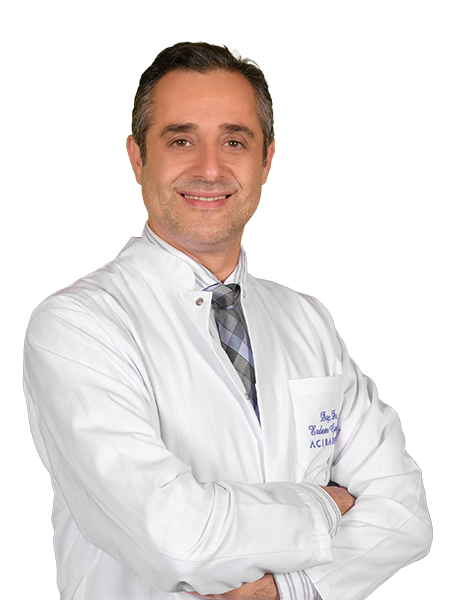
Aesthetic Plastic & Reconstructive Surgery
Assoc. Prof. Erdem Güven, MD

Aesthetic Plastic & Reconstructive Surgery
Assoc. Prof. Ahmet Küçükçelebi, MD

Aesthetic Plastic & Reconstructive Surgery
Assoc. Prof. Mehmet Altıparmak, MD

Aesthetic Plastic & Reconstructive Surgery