

Ophthalmic Genetics
Ophthalmic genetics evaluates inherited eye diseases through specialist eye examination, family history review, and genetic testing to guide diagnosis, monitoring, and family counseling.
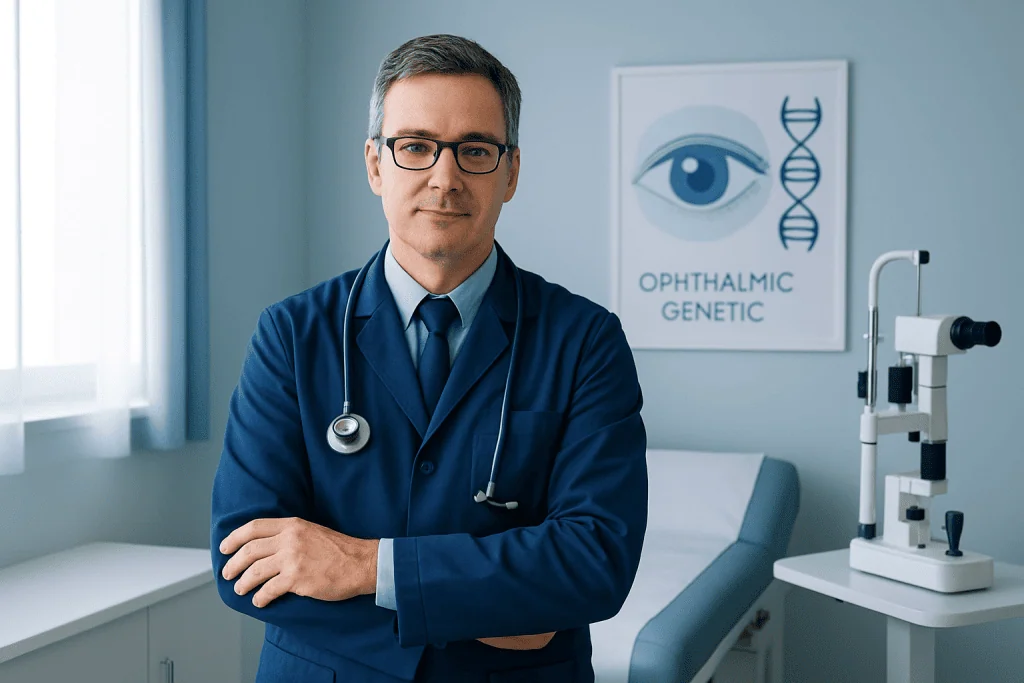
Quick answer
Ophthalmic genetics is the assessment of inherited eye conditions using detailed eye examination, family history, and genetic testing to clarify diagnosis and future risk. At Acibadem in Turkey, this process is used to guide monitoring, support family counseling, and help plan care when a genetic eye disorder is suspected or confirmed.
When Vision Changes May Run in the Family
Learning that an eye condition may be inherited can feel different from receiving an ordinary diagnosis. It may raise questions not only about your own vision, but also about your children, siblings, parents, and future family planning. Many people come to ophthalmic genetics after years of uncertainty: blurred or reduced vision that slowly progresses, difficulty seeing at night, unexplained loss of central vision, unusual eye findings in childhood, or a diagnosis such as retinitis pigmentosa, Stargardt disease, inherited optic neuropathy, congenital cataract, or glaucoma at an unusually young age.
For international patients, the decision to seek expert care abroad can add another layer of concern. You may be comparing medical systems, wondering whether genetic testing will truly change your care, or trying to understand what a result might mean for relatives in another country. Ophthalmic genetics is designed to bring clarity to these questions. It combines specialized eye examination, detailed family history analysis, modern imaging, and genetic testing to identify whether an eye disease has an inherited cause and how that information can guide care.
Not every genetic eye condition has a curative treatment today. However, a precise diagnosis can still be highly valuable. It can help confirm the nature of the condition, guide monitoring, identify associated health risks, determine whether a person may be eligible for emerging therapies or clinical studies, and support informed family counseling. In some conditions, genetic results can directly affect treatment choices or help avoid interventions that are unlikely to help.
At Acibadem, ophthalmic genetics is approached as a specialist diagnostic and care-planning service. Patients are evaluated by experienced eye physicians and, when appropriate, by related specialists who understand the medical, emotional, and family implications of inherited eye disease. The goal is to provide careful answers, realistic guidance, and a plan that reflects both current medical evidence and the patient’s personal priorities.
What Ophthalmic Genetics Is
Ophthalmic genetics is the medical field that evaluates eye diseases caused or influenced by changes in genes. Genes carry instructions for how cells develop and function. The eye is one of the most genetically complex organs in the body, and inherited changes can affect the retina, optic nerve, cornea, lens, eye pressure regulation, eye development, or the muscles and tissues around the eye.
An ophthalmic genetics evaluation does not rely on genetic testing alone. It begins with a specialist eye assessment and a careful review of the patient’s symptoms, age of onset, progression, previous medical records, imaging, and family history. Genetic testing is then selected when it is likely to answer a clinically meaningful question. The test may look at a panel of genes known to be associated with a suspected condition, or it may use broader sequencing methods when the diagnosis is unclear or when multiple genes could be involved.
The results are interpreted in the context of the patient’s eye findings. This is essential because genetic results can be complex. A test may identify a clearly disease-causing variant, a variant that is uncertain, or no identifiable genetic change despite strong clinical evidence of inherited disease. A positive result may confirm a diagnosis, but a negative result does not always exclude a genetic condition. Some gene changes are difficult to detect with standard methods, and scientific knowledge continues to evolve.
Ophthalmic genetics also includes counseling. Patients need to understand what the findings mean for themselves and for relatives. Inheritance patterns can vary: some conditions are autosomal dominant, meaning one altered copy of a gene may be enough to cause disease; others are autosomal recessive, requiring altered copies from both parents; some are X-linked and may affect males and females differently; and some arise from new variants not previously known in the family. Mitochondrial inheritance is another pattern relevant to certain optic nerve disorders.
In practical terms, ophthalmic genetics helps answer several important questions: What is the most accurate diagnosis? How might the condition progress? Are other parts of the body at risk? Should relatives be tested or examined? Are there treatments, protective strategies, or trials to consider? How should vision, daily function, and long-term planning be supported?
Who May Need Ophthalmic Genetics
Patients may be referred for ophthalmic genetics when an eye doctor suspects that a condition is inherited, when several family members have similar vision problems, or when a patient has an eye disease that began unusually early in life. Children and adults can both benefit from evaluation. Some inherited eye diseases appear in infancy or childhood; others first become noticeable in adolescence or adulthood.
Common symptoms that may lead to an ophthalmic genetics evaluation include night blindness, progressive narrowing of peripheral vision, reduced central vision, difficulty reading, distorted vision, sensitivity to light, color vision changes, unexplained optic nerve damage, early-onset cataracts, corneal clouding, nystagmus, poor visual development in a child, or eye findings associated with a broader genetic syndrome. Some patients do not have obvious symptoms but are found to have retinal, optic nerve, or structural abnormalities during a routine examination.
Diagnosis usually begins with a comprehensive eye examination. This may include visual acuity testing, refraction, eye pressure measurement, slit-lamp examination, dilated retinal examination, visual field testing, retinal imaging, optical coherence tomography, fundus autofluorescence imaging, electrophysiology tests that measure retinal function, and other investigations selected for the suspected condition. These tests help define which part of the eye is affected and whether the pattern is consistent with a known inherited disease.
Family history is equally important. A specialist may ask whether relatives have low vision, blindness, night blindness, early cataracts, glaucoma, retinal disease, hearing loss, kidney disease, neurologic symptoms, developmental differences, or consanguinity in the family. Building a family tree can help identify an inheritance pattern and guide the most appropriate genetic test.
Patients may also seek ophthalmic genetics after receiving an inconclusive diagnosis elsewhere. For example, a person may have been told they have macular degeneration, but the age of onset, imaging pattern, and family history suggest an inherited macular dystrophy instead. Another patient may have progressive retinal degeneration and wish to know whether a specific gene is involved. Parents of a child with congenital eye abnormalities may need a coordinated plan that explains the diagnosis, the chance of recurrence in future pregnancies, and whether other organs should be evaluated.
For international patients, ophthalmic genetics can be especially useful as a second opinion service. Bringing previous reports, imaging files, genetic test results, and family information allows the medical team to review what has already been done and determine whether further testing, reinterpretation, or follow-up is needed.
Conditions and Indications Addressed by Ophthalmic Genetics
Ophthalmic genetics covers a wide range of inherited eye conditions. One major group is inherited retinal diseases, which affect the light-sensitive tissue at the back of the eye. These include retinitis pigmentosa, cone-rod dystrophy, Leber congenital amaurosis, Stargardt disease, Best disease, choroideremia, achromatopsia, X-linked retinoschisis, and other retinal dystrophies. Symptoms may include night blindness, loss of side vision, decreased central vision, difficulty with bright light, or progressive visual decline.
Inherited macular diseases are another important area. The macula controls fine central vision needed for reading, driving, recognizing faces, and detailed work. Genetic evaluation can help distinguish inherited macular dystrophies from more common age-related disorders, especially when symptoms begin early or there is a strong family pattern.
Ophthalmic genetics also evaluates inherited optic nerve disorders such as Leber hereditary optic neuropathy and dominant optic atrophy. These conditions can cause central vision loss and may have specific inheritance patterns and counseling implications. In some cases, systemic evaluation may be recommended because optic nerve disease can be part of a broader neurologic or mitochondrial condition.
Genetic causes may also contribute to congenital cataracts, early-onset glaucoma, aniridia, microphthalmia, coloboma, corneal dystrophies, keratoconus in selected familial cases, albinism, ocular movement disorders, and syndromes that affect both the eyes and other organs. Some inherited eye diseases are isolated to the eye, while others may be associated with hearing loss, kidney disease, heart findings, endocrine issues, neurologic symptoms, or developmental concerns.
The indications for testing are strongest when the result can clarify diagnosis, influence monitoring, guide treatment decisions, identify relatives at risk, or support reproductive counseling. Testing may also be considered when a patient may be eligible for gene-specific therapies or research opportunities. Because not every patient needs the same test, careful pre-test evaluation is an important part of the process.
How Ophthalmic Genetics Evaluation Is Performed
An ophthalmic genetics evaluation is usually organized in stages. The first stage is preparation. International patients are often asked to send previous eye examination records, retinal photographs, optical coherence tomography images, visual field tests, electrophysiology reports, prior genetic test results, and a list of medications or relevant medical diagnoses. If family members have been diagnosed with similar conditions, their reports can be helpful as well. These documents allow the team to understand what has already been evaluated and to plan the visit efficiently.
During the consultation, the ophthalmologist reviews the patient’s symptoms in detail. The timing of onset matters: a condition present from birth may suggest a different group of diagnoses than vision loss beginning in the teenage years or later adulthood. The pace of progression, whether one or both eyes are affected, and whether symptoms include night blindness, glare, color vision changes, or peripheral vision loss all help narrow the possibilities.
A detailed family history is then obtained. The physician may ask about several generations, including parents, siblings, children, grandparents, aunts, uncles, and cousins. It is common for families to have incomplete information, especially if relatives live in different countries or were never given a precise diagnosis. Even partial details can be useful. The team may create a pedigree, which is a visual map of family relationships and health patterns.
The eye examination is tailored to the suspected condition. It may include visual acuity testing, pupil assessment, color vision testing, refraction, eye pressure measurement, anterior segment examination, and a dilated retinal examination. Advanced imaging may be used to document the retina, optic nerve, macula, cornea, or lens in detail. Optical coherence tomography provides cross-sectional images of retinal layers and can show structural patterns typical of certain inherited diseases. Fundus autofluorescence can highlight metabolic stress in retinal pigment cells. Wide-field retinal imaging may help identify peripheral retinal changes that are not visible in a narrow photograph. Visual field testing measures functional vision across central and peripheral areas. Electrophysiology tests, such as electroretinography, may be used to assess how well the retina responds to light.
After clinical evaluation, the physician discusses whether genetic testing is appropriate and which type is most suitable. Testing is usually performed from a blood sample or saliva sample. The laboratory analyzes selected genes or broader genomic regions depending on the clinical question. A targeted gene panel may be preferred when the suspected condition is well defined. Broader sequencing may be considered when the findings are complex, when previous testing was negative, or when many genes could explain the presentation.
Before testing, patients should understand the possible results. A pathogenic or likely pathogenic variant can confirm a diagnosis. A variant of uncertain significance means that a gene change was found, but current evidence is not enough to determine whether it causes disease. A negative result means no relevant variant was identified with the test used, but it may not fully rule out inherited disease. Sometimes testing relatives helps clarify whether a variant tracks with disease in the family.
The time required for results varies according to the type of test and laboratory workflow. The clinical visit itself may take several hours if multiple eye tests are needed. Genetic analysis typically takes longer because sequencing, quality control, interpretation, and report preparation require careful review. Once results are available, a follow-up consultation is arranged to explain the findings in clear language and connect them to the patient’s care plan.
The care plan may include scheduled monitoring, low-vision rehabilitation, protective recommendations such as avoiding smoking or unnecessary retinal stress in selected conditions, treatment of associated eye problems, referral to other specialties when a syndrome is suspected, or discussion of gene-specific options if relevant. In some inherited retinal diseases, approved or investigational therapies may be considered only for patients with particular genetic findings. For many patients, the most important outcome is a more accurate diagnosis and a clearer plan for surveillance and family counseling.
Recovery in ophthalmic genetics is different from recovery after surgery. Most parts of the evaluation are noninvasive. Dilating eye drops may cause temporary light sensitivity and blurred near vision for several hours. Blood sampling may cause brief soreness or bruising. If electrophysiology testing is performed, patients may experience mild temporary eye irritation depending on the technique used. Most people can return to routine activities the same day, although driving immediately after dilation may not be advisable.
Why Acting Early Matters
Early evaluation is important because inherited eye diseases can be easier to manage when the diagnosis is understood before advanced vision loss occurs. Even when a disease cannot be stopped completely, timely diagnosis allows physicians to monitor the right structures, recognize complications, and plan interventions when they are most useful. Some inherited retinal conditions can be associated with treatable complications such as cataracts, macular edema, or abnormal blood vessel growth. Detecting these problems early may help preserve function.
Early diagnosis also helps avoid unnecessary or ineffective treatments. Without a precise diagnosis, inherited eye diseases may be mistaken for inflammatory, age-related, or acquired conditions. Patients may undergo repeated testing, receive medications that do not address the underlying cause, or miss the opportunity for gene-specific counseling. A genetic diagnosis can refine expectations and prevent years of uncertainty.
Family implications are another reason not to delay. If an inherited condition is identified, relatives may benefit from eye examinations, genetic counseling, or testing. Some family members may carry a variant without symptoms, while others may be at risk of developing disease later. In families planning children, understanding inheritance patterns can support informed reproductive discussions with qualified specialists.
In selected conditions, early genetic confirmation may also affect access to therapies or clinical trials. The field of inherited eye disease is changing rapidly, but eligibility for many advanced treatments depends on the exact gene involved, the stage of disease, and remaining retinal structure or function. Waiting until vision is severely reduced may limit options in some situations. While not every patient will qualify for a specific therapy, early evaluation keeps the care plan aligned with current evidence.
Delaying assessment can also affect daily life planning. Vision changes influence education, work, driving, mobility, technology use, and independence. Low-vision services and adaptive tools can be introduced earlier when patients know what to expect. This support is not only practical; it can reduce the emotional burden of living with an uncertain diagnosis.
Benefits of Ophthalmic Genetics
The value of ophthalmic genetics is best understood as a combination of diagnostic clarity, personalized monitoring, and informed family guidance.
| Benefit | What It Means for You |
|---|---|
| More precise diagnosis | Genetic testing combined with specialist eye examination can confirm or refine the cause of vision problems, especially when symptoms overlap with other eye diseases. |
| Personalized monitoring plan | Your follow-up schedule and imaging tests can be matched to the condition, the gene involved, and the parts of the eye most at risk. |
| Better family counseling | Understanding inheritance patterns can help relatives decide whether they need eye examinations, genetic counseling, or testing. |
| Identification of associated health risks | Some inherited eye conditions are part of broader syndromes. Diagnosis may prompt evaluation by other specialists when appropriate. |
| Access to gene-specific options | For selected patients, genetic confirmation may help determine eligibility for approved therapies, advanced monitoring, or research-based treatment pathways. |
| Reduced uncertainty | A clear explanation of the condition can help patients plan for education, work, driving, low-vision support, and long-term care needs. |
Recovery and Follow-Up Timeline
Because ophthalmic genetics is primarily a diagnostic and care-planning service, recovery is usually brief, while follow-up focuses on interpreting results and creating a long-term plan.
| Time Period | What Patients Can Expect |
|---|---|
| Day 1 | You may have a detailed eye examination, imaging, visual function tests, family history review, and blood or saliva sampling if genetic testing is recommended. Dilated pupils can cause temporary blurred near vision and light sensitivity. |
| First Week | Most patients resume normal activities immediately. The medical team may review imaging, previous records, and family information to refine the suspected diagnosis and testing strategy. |
| Several Weeks | Genetic test analysis and interpretation are completed according to the selected test. Timing can vary. You may be asked for additional family information or prior reports if needed. |
| First Month and Beyond | A follow-up consultation explains the results, their level of certainty, and how they affect monitoring, treatment options, and family counseling. |
| Longer Term | Ongoing care may include periodic imaging, visual field testing, retinal or optic nerve monitoring, low-vision support, and updates if new gene-specific knowledge becomes relevant. |
Factors That Influence Outcomes
In ophthalmic genetics, a good outcome is not defined only by whether a genetic variant is found. It is defined by whether the evaluation leads to a more accurate diagnosis, a meaningful care plan, and clear guidance for the patient and family. Several factors influence this process.
The first factor is the quality of the clinical diagnosis. Genetic testing is most useful when guided by a careful eye examination and appropriate imaging. Many genes can cause similar symptoms, and the same gene can sometimes cause different patterns of disease. A specialist interpretation of retinal structure, optic nerve appearance, visual field patterns, and electrophysiology findings helps the team choose the right test and interpret results correctly.
The second factor is the completeness of the family history. A strong pattern across generations may point toward dominant inheritance, while affected siblings with unaffected parents may suggest recessive inheritance. However, families are often small, records may be unavailable, and some relatives may have mild or undiagnosed disease. In such cases, the physician may recommend examination or testing of selected relatives if they are willing and available.
The third factor is the type and scope of genetic testing. A narrow test may be efficient when a specific diagnosis is likely, while a broader test may be necessary for complex or atypical presentations. No single test detects every possible genetic cause. Some variants may involve regions of DNA that are difficult to analyze, structural changes, mitochondrial DNA, or genes not yet known to be associated with disease. For this reason, negative or uncertain results sometimes require periodic reinterpretation as medical knowledge advances.
The stage of disease also matters. In inherited retinal disease, for example, the amount of remaining retinal structure and function may influence monitoring, rehabilitation planning, and eligibility for certain therapies. Early diagnosis may provide a wider window for surveillance and potential intervention, while advanced disease may shift the focus toward low-vision support, safety, mobility, and quality of life.
Associated medical conditions can influence care as well. Some eye findings are part of syndromes that affect hearing, kidneys, metabolism, the nervous system, or other organs. Identifying these associations allows patients to receive appropriate referrals and screening. A multidisciplinary approach is particularly important when the eye is one part of a broader genetic condition.
Finally, patient goals are central. Some patients primarily want to understand prognosis. Others want to know whether their children are at risk, whether relatives should be tested, or whether a therapy or trial is relevant. A high-quality ophthalmic genetics consultation should address these goals directly and explain uncertainty honestly when science does not yet provide a complete answer.
Why International Patients Choose Acibadem for Ophthalmic Genetics
International patients often seek ophthalmic genetics at Acibadem because inherited eye disease requires both detailed medical expertise and careful coordination. The evaluation may involve ophthalmology, medical genetics, pediatrics, neurology, internal medicine, reproductive counseling, or low-vision rehabilitation, depending on the diagnosis. At Acibadem, care is organized around the patient’s clinical question rather than a single test. This is important because genetic information is most useful when it is interpreted within the full medical picture.
Acibadem hospitals are JCI-accredited, reflecting established standards for patient safety, clinical processes, and quality systems. For patients traveling from the United States, Europe, the Middle East, Africa, or other regions, this structure can make it easier to understand how care is delivered and how records, appointments, testing, and follow-up are coordinated. International patients may need support before arrival, during the hospital visit, and after returning home. Acibadem International provides dedicated services in more than 20 languages to help with appointment planning, medical record transfer, interpretation, and communication with care teams.
The clinical approach is multidisciplinary when needed. Complex cases may be reviewed with input from relevant specialists, particularly when an inherited eye disease may be part of a systemic syndrome or when previous results are uncertain. Specialist boards and collaborative review can help align diagnostic testing, imaging interpretation, and follow-up recommendations. This is especially valuable for patients seeking a second opinion after inconclusive evaluations elsewhere.
Advanced diagnostic pathways support the evaluation. Modern ophthalmic imaging can document fine retinal layers, macular architecture, optic nerve structure, peripheral retinal changes, and functional vision patterns. These technologies do not replace clinical judgment, but they make the diagnosis more precise and provide a baseline for future comparison. When genetic testing is indicated, the choice of test is guided by the suspected condition, the patient’s history, and the medical question being asked.
Experienced physicians play a central role in helping patients understand what results mean. Genetic reports can be technical and may include terms such as pathogenic variant, likely pathogenic variant, carrier status, variant of uncertain significance, or negative result. The practical meaning of these results depends on the eye examination, family history, and current scientific evidence. A patient may need to know whether a result changes follow-up, whether children should be examined, whether relatives abroad should seek testing, or whether the finding is uncertain and should be revisited later. Clear interpretation is part of responsible care.
Personalized treatment planning is also important. For some patients, the plan may involve monitoring and education. For others, it may include management of complications, referral to another specialty, low-vision support, or discussion of gene-specific treatments where medically appropriate. Children may need coordination with pediatric specialists and family counseling. Adults may need guidance about driving, occupational demands, fertility planning, or progressive vision changes. The plan should match the patient’s diagnosis, stage of disease, family situation, and life goals.
For people traveling for care, continuity matters. Acibadem can help prepare a summary of findings and recommendations that patients may share with their local ophthalmologist or genetic counselor after returning home. In some cases, follow-up may be coordinated remotely for report review or future planning, depending on the medical situation. This is particularly helpful for inherited eye diseases, which often require long-term monitoring rather than a single hospital visit.
Choosing care abroad is a significant decision. Patients need more than a test; they need a careful explanation, reliable documentation, and a team that respects both the medical complexity and the emotional weight of hereditary disease. Ophthalmic genetics at Acibadem is designed to provide that level of structured, evidence-based evaluation for patients and families seeking clarity about inherited eye conditions.
Moving Forward With Clarity
If you or a family member has unexplained vision loss, a known inherited eye disease, early-onset retinal or optic nerve changes, or a family history of blindness or significant eye disease, an ophthalmic genetics consultation may help clarify the diagnosis and guide the next steps. The evaluation can support more informed monitoring, identify relatives who may benefit from assessment, and help you understand whether gene-specific options are relevant to your situation.
You do not need to have all the answers before seeking care. Many patients arrive with incomplete records, uncertain diagnoses, or genetic results that have not been clearly explained. A specialist review can help organize the information, determine what is missing, and create a plan that is medically appropriate and practical for your circumstances.
To learn more, you may request a consultation or second opinion with Acibadem’s ophthalmology and genetics teams. Sharing previous eye reports, imaging, family history details, and any genetic test results in advance can help the team provide a more focused recommendation.
This information is general and is not a substitute for professional medical advice. Diagnosis, testing, and treatment decisions should be made after consultation with qualified healthcare professionals who can evaluate your individual condition.
Preparation
- Bring previous eye reports, imaging, genetic test results, and a list of medications. Patients may be asked about personal and family history of vision loss or inherited disease. Pupil dilation may be needed, so arranging transportation can be helpful.
Aftercare
- Results are reviewed by ophthalmology and medical genetics specialists to explain the diagnosis and inheritance pattern. Follow-up may include retinal monitoring, preventive guidance, family screening, or referral for supportive treatments. Genetic counseling helps patients understand reproductive and family implications.
Turkey vs UK, Germany & USA
Ophthalmic genetics combines specialist eye assessment, family history review, and genetic testing to help clarify inherited eye conditions. Costs and patient experience can vary depending on the scope of testing, the hospital setting, and the need for genetic counseling or follow-up.
International patients often compare destinations based on access to specialist clinics, testing pathways, coordination of care, and the support included in the service package.
| Factor | Turkey | UK | Germany | USA |
|---|---|---|---|---|
| Price drivers | Consultation level, imaging, laboratory test type, counseling, and follow-up planning usually shape the final quote. | Private care costs may vary by clinic, consultant fees, test scope, and laboratory pathway. | Costs are influenced by specialist fees, diagnostic imaging, molecular testing, and whether university hospital services are involved. | Costs can vary widely due to provider fees, laboratory billing, insurance arrangements, and additional specialist visits. |
| Hospital and specialist factors | Care may be coordinated through multidisciplinary eye teams with access to genetic counseling and international patient support. | Specialist inherited eye disease clinics are available, with private access depending on consultant and facility availability. | Academic and specialist centers may offer comprehensive diagnostics, often with structured referral pathways. | Large specialist centers may provide advanced diagnostics, though navigation and billing can be complex. |
| Accreditation and quality | Patients may choose internationally accredited hospitals, including JCI-accredited facilities, with coordinated clinical pathways. | Quality oversight is well established, with standards varying between public, private, and academic settings. | Quality systems are strong in specialist and university settings, with emphasis on protocol-driven diagnostics. | Quality can be high in leading centers, but experience may differ by provider network and insurance access. |
| Waiting times | Private appointments for international patients may often be coordinated more quickly, depending on specialist and laboratory availability. | Public pathways may involve longer waits; private access may shorten scheduling depending on availability. | Specialist clinic access may require referral and scheduling, especially for complex inherited conditions. | Appointment timing depends on provider availability, insurance authorization, and testing coordination. |
| Travel and language logistics | International patient departments can assist with scheduling, translation, airport or hotel coordination, and medical documentation. | English-language care is standard, with less need for translation but travel support varies by provider. | Translation may be needed for some patients; larger centers may offer international coordination services. | English-language care is standard, but travel, insurance communication, and billing coordination may require additional planning. |
| Typical package elements | Packages may include specialist consultation, ophthalmic imaging, test coordination, genetic counseling, interpreter support, and follow-up planning. | Private packages may separate consultant fees, testing, imaging, and counseling depending on provider policy. | Services may be itemized across consultation, diagnostics, laboratory analysis, and counseling. | Billing is often separated between physician, facility, laboratory, and counseling services. |
What affects your final cost
- The type and complexity of the inherited eye condition being investigated.
- The level of ophthalmic imaging and functional testing required.
- Whether targeted testing, broader gene panel testing, or more extensive sequencing is recommended.
- The need for genetic counseling for the patient and relatives.
- Whether previous medical records and test results are available for review.
- Interpreter support, travel coordination, and follow-up arrangements for international patients.
Compare your options
Ophthalmic genetics is not a single test but a pathway that may combine clinical assessment, laboratory testing, imaging, and counseling. Suitability for each option is decided by a specialist after reviewing the patient’s symptoms, examination findings, and family history.
| Option | What it is | Typical use | Key considerations |
|---|---|---|---|
| Specialist ophthalmic genetics consultation | A detailed review by an eye specialist with experience in inherited eye diseases. | Used to assess symptoms, examine the eyes, review family history, and decide whether genetic testing is appropriate. | Accurate clinical diagnosis helps guide the most suitable test and avoids unnecessary investigations. |
| Retinal imaging and functional eye tests | Advanced eye scans and tests that assess retinal structure and visual function. | Commonly used for inherited retinal diseases, optic nerve conditions, and unexplained visual loss. | Findings may support the clinical diagnosis and help monitor disease progression over time. |
| Targeted genetic testing | Testing focused on a specific gene or known familial variant. | Used when a condition or family mutation is already known. | It may be more focused, but it is only suitable when the suspected genetic cause is clear. |
| Inherited eye disease gene panel | A laboratory test that analyzes a group of genes linked to eye conditions. | Often used when clinical findings suggest an inherited disease but the exact gene is unknown. | Results may be diagnostic, uncertain, or negative, so interpretation by specialists and genetic counselors is important. |
| Exome or genome sequencing | Broader genetic analysis used when standard testing does not identify a cause. | Considered for complex, atypical, or previously unresolved cases. | It may reveal uncertain or incidental findings, so pre-test and post-test counseling are essential. |
| Genetic counseling and family testing | Professional counseling to explain inheritance, test results, reproductive implications, and testing options for relatives. | Used after a diagnosis or when family members may be at risk. | Confidentiality, consent, and careful interpretation are central to the process. |
Trusted care for international patients
General information only — not medical or financial advice. Final costs depend on the factors above and your individual case; request a free, personalised quote.
Doctors Performing This Treatment

Prof. Dr. Altan Göktaş
Ophthalmology
Prof. Dr. Ayşe Öner
Ophthalmology
Prof. Dr. Banu Coşar
Ophthalmology
Prof. Dr. Berna Özkan
Ophthalmology
Prof. Dr. Dilaver Erşanlı
Ophthalmology
Prof. Dr. Dilek Güven
Ophthalmology
Prof. Dr. G. Ertuğrul Mirza
Ophthalmology
Prof. Dr. Gökhan Pekel
Ophthalmology
Prof. Dr. Haluk Esgin
Ophthalmology
Prof. Dr. Mehdi S.Öğüt
Ophthalmology
Prof. Dr. Muhsin Eraslan
Ophthalmology
Prof. Dr. Müslime Akbaba
Ophthalmology
Prof. Dr. Nazan Bengüdeniz Erda
Ophthalmology
Prof. Dr. Sarper Karaküçük
Ophthalmology
Prof. Dr. Selçuk Sızmaz
Ophthalmology
Prof. Dr. Seyhan Topbaş
Ophthalmology
Prof. Dr. Solmaz Balcı Akar
Ophthalmology
Prof. Dr. Özgül Altıntaş
Ophthalmology
Prof. Dr. Özlem Şahin
Ophthalmology
Assoc. Prof. Dr. Özgür Çakıcı
Ophthalmology
Dr. Akın Banaz
Ophthalmology
Dr. Alpaslan Koç
Ophthalmology
Dr. Buket Ayoğlu
Ophthalmology
Dr. Esen Canbaz
OphthalmologyMedical Units
Available at These Hospitals












Frequently Asked Questions
What affects the cost of ophthalmic genetics evaluation?
The cost depends on the specialist consultation, the eye imaging or functional tests needed, the type of genetic test recommended, laboratory processing, counseling, and follow-up planning. A personalised quote can be prepared after reviewing medical records and the clinical question.
How can I get a quote before travelling to Turkey?
You can request a free consultation by sharing available eye reports, imaging, previous genetic test results, family history details, and a summary of symptoms. The team can then advise which evaluations may be needed and provide a personalised estimate.
Is genetic testing always required?
Not always. A specialist may first review the eye examination, imaging, and family history to decide whether testing is useful. In some cases, previous results or clinical findings may guide monitoring without immediate additional testing.
What is usually included in an international patient package?
Depending on the case, a package may include specialist consultation, diagnostic eye tests, genetic test coordination, genetic counseling, interpreter assistance, medical report preparation, and follow-up recommendations. The exact contents should be confirmed in the personalised quote.
Will the result change treatment or monitoring?
A genetic result may help confirm a diagnosis, guide monitoring, inform family counseling, and identify whether the patient may be suitable for specific therapies or research pathways. Suitability is always assessed by the relevant specialist.