Orchitis Treatment
Orchitis is inflammation of one or both testicles, often caused by infection or mumps. Treatment focuses on identifying the cause, relieving pain, and preventing complications.
Quick answer
Orchitis is inflammation of one or both testicles, caused by a viral infection such as mumps or by bacteria spreading from the urinary tract or epididymis. Treatment depends on the cause: bacterial cases receive targeted antibiotics, viral cases receive supportive care with pain relief, rest and scrotal support. Most men improve without surgery. Ultrasound is used when the diagnosis is uncertain or torsion must be excluded.
Epididymitis, Orchitis and Testicular Pain: Understanding the Condition
Orchitis is inflammation of one or both testicles, most often caused by a viral infection such as mumps or by bacteria spreading from the urinary tract or the epididymis. Treatment aims to relieve pain, clear infection where one is present, and protect the testicle from lasting damage. It is relevant to adolescents and adult men of any age who develop testicular pain, swelling or tenderness, whether the discomfort came on gradually over days or arrived suddenly and severely.
In everyday clinical practice, orchitis rarely travels alone. Most bacterial cases begin as epididymitis, inflammation of the coiled tube that sits behind each testicle, and spread inward from there. That is why doctors and treatment guidelines usually discuss the two conditions together, and why the combined picture, epididymo-orchitis, is what urologists actually see most often. If you have been searching for information on epididymitis and found your way to a page about orchitis, you are in the right place: the causes, tests and treatments overlap almost completely.
Testicular pain or swelling can be alarming. Many men worry first about fertility, sexual function, cancer or the possibility of needing surgery. Others delay seeking care out of embarrassment, particularly if the symptoms might be linked to a sexually transmitted infection. Prompt medical evaluation matters here for two reasons. First, the condition itself can be genuinely painful and disruptive. Second, several urgent problems, above all testicular torsion, can look almost identical in the early hours, and clinicians need to tell them apart before settling on a diagnosis of orchitis or epididymitis.
The goal of treatment is straightforward: identify the cause, relieve pain, treat infection when present, and reduce the risk of complications such as abscess formation, testicular atrophy or fertility problems. Most cases improve with medication, scrotal support, rest and careful follow-up. Surgery is uncommon. But a safe treatment plan always starts with an accurate diagnosis, because getting the diagnosis wrong is the single biggest avoidable risk with scrotal pain.
What is orchitis disease?
Orchitis disease is simply another name for orchitis itself: inflammation of the testicle, the organ that produces sperm and testosterone. The word comes from the Greek orchis, meaning testicle, and the suffix -itis, meaning inflammation. When people search for “orchitis disease”, they are usually asking whether it is an illness in its own right or a symptom of something else, and the honest answer is both. Orchitis describes what is happening in the testicle, but it always has an underlying cause: a virus, a bacterial infection, spread from a neighbouring structure or, rarely, a non-infectious inflammatory process.
Understanding this distinction shapes treatment. Reducing the swelling matters, but so does identifying and addressing what triggered it. A man with mumps-related orchitis, a man with a urinary tract infection tracking into the testicle, and a man with a sexually transmitted infection all have “orchitis”, yet each needs a different plan.
What does the epididymis do?
The epididymis is a tightly coiled tube, several metres long if unwound, that sits along the back of each testicle. Sperm produced in the testicle pass into the epididymis, where they mature and are stored before travelling onward through the vas deferens at ejaculation. Because the epididymis connects the testicle to the urinary and reproductive tract, it is also the corridor along which bacteria most often travel. Organisms from the urethra, bladder or prostate can move backward along this pathway, settle in the epididymis and set off inflammation there.
Epididymis disease: how trouble in the tube reaches the testicle
Epididymis disease, infection or inflammation of this coiled tube, is the most common starting point for bacterial testicular inflammation in adults. When inflammation begins in the epididymis, the structure swells, becomes tender and may feel like a firm, painful cord behind the testicle. If the infection is not controlled, it can extend into the testicle itself, converting isolated epididymitis into epididymo-orchitis. This is why treatment for orchitis so often focuses on the entire infection pathway, urethra, prostate, epididymis and testicle, rather than the testicle alone. Chronic problems of the epididymis, including persistent low-grade inflammation and cysts, exist as well, but they behave differently from the acute infections this page describes and are assessed separately.
What is epididymo-orchitis?
Epididymo-orchitis is the medical term used when both the epididymis and the testicle are inflamed at the same time. It is the pattern urologists encounter most frequently, because infection that starts in one structure tends to involve its neighbour. The symptoms: a swollen, hot, tender half of the scrotum, often with fever or urinary complaints, reflect inflammation of the whole unit. Treatment follows the same logic as for orchitis or epididymitis alone: work out the likely organism, treat it, support the scrotum and monitor until the inflammation settles. The presence of both structures in the diagnosis does not automatically mean the illness is more dangerous; it mainly tells the clinician how far the inflammation has spread.
What Orchitis Treatment Is
Orchitis treatment is a medical approach to reduce inflammation in the testicle, address the underlying cause and protect testicular health. It is not one single procedure. Depending on the cause and severity, treatment may include antibiotics, anti-inflammatory medication, pain control, fever management, scrotal elevation, hydration, rest and, when complications develop, additional interventions such as drainage of an abscess.
The first step is determining whether the inflammation is most likely viral, bacterial or related to another condition. Viral orchitis is classically associated with mumps, particularly in males after puberty, and is managed with supportive care because antibiotics do not treat viruses. Bacterial orchitis is treated with antibiotics selected according to the suspected source of infection, the patient’s age, sexual history, urine findings and local antimicrobial guidance. If a sexually transmitted infection is possible, treatment usually includes antibiotic coverage for the common organisms, and partner evaluation may be recommended.
Many cases are linked to epididymitis, meaning the inflammation began in the epididymis and extended into the testicle. This pattern occurs in two quite different groups: younger sexually active men, where sexually transmitted organisms dominate, and older men with urinary tract issues, prostate enlargement or recent urinary instrumentation, where ordinary urinary bacteria are the usual culprits. Recognising which group a patient belongs to is one of the most useful things a clinician does, because it directly shapes the antibiotic choice.
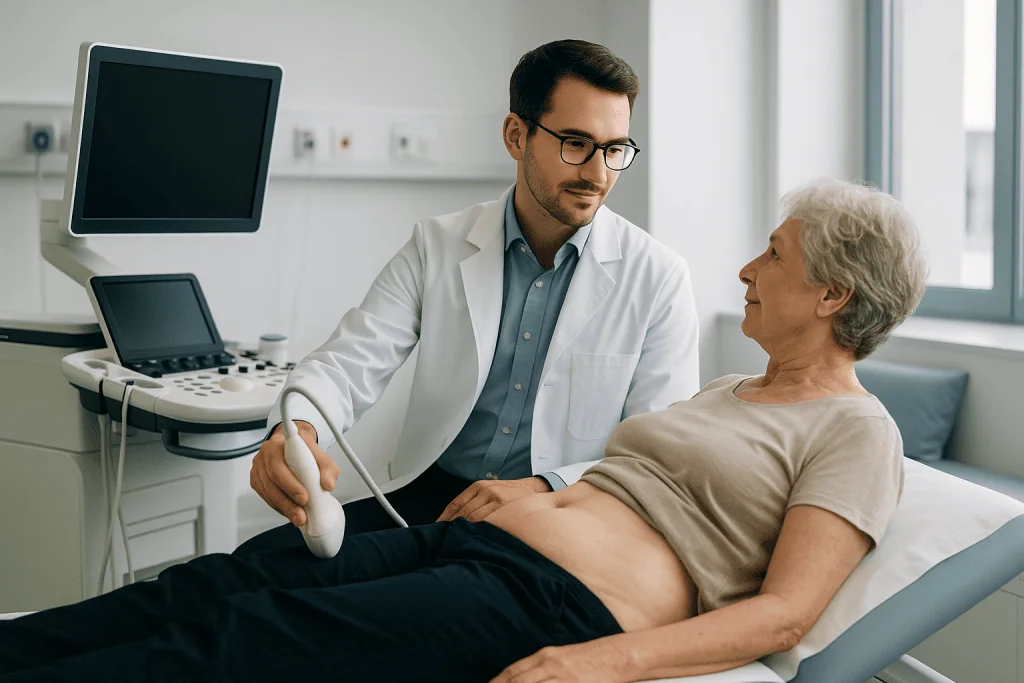
In selected patients, imaging and laboratory testing guide the plan. A scrotal ultrasound with Doppler blood-flow assessment is commonly used when the diagnosis is uncertain, pain is severe, swelling is significant or torsion needs to be excluded. Urine testing, urine culture and testing for sexually transmitted infections may be recommended. Blood tests can be useful when fever or systemic infection is suspected. Most men recover without surgery. Surgical treatment is uncommon but may be needed if an abscess forms, if tissue damage is suspected, or if the diagnosis changes to another urgent condition. Good orchitis care is therefore both focused and vigilant: it treats the likely cause while watching for signs that the plan should change.
What Causes Orchitis and Epididymitis?
The causes divide into a small number of recognisable patterns, and identifying the pattern is more useful than memorising a list of organisms.
What causes orchitis?
Orchitis is caused either by viruses that reach the testicle through the bloodstream or by bacteria that spread from a nearby structure. The classic viral cause is mumps: in males who contract mumps after puberty, the virus can settle in testicular tissue and produce painful swelling, typically starting several days after the facial gland swelling. Other viral infections can occasionally do the same. Bacterial orchitis usually arrives by extension from the epididymis, but bacteria can also reach the testicle through the bloodstream during a severe infection elsewhere in the body. Rarely, orchitis has a non-infectious cause, such as an inflammatory or autoimmune process, which is one of the reasons careful assessment matters when a case does not behave as expected. Widespread mumps vaccination has made viral orchitis far less common than it once was, which is why cases today tend to cluster among unvaccinated individuals and during outbreaks, one of several reasons vaccination status is a routine question during assessment.
What causes epididymitis?
Epididymitis is most often caused by bacteria travelling backward from the urethra, prostate or bladder into the epididymis. In sexually active younger men, the organisms most frequently involved are those associated with sexually transmitted infections, particularly chlamydia and gonorrhoea. In older men, and in men with prostate enlargement, incomplete bladder emptying, urinary catheters or recent urological procedures, ordinary urinary tract bacteria are the usual cause. Physical strain that forces urine backward into the ejaculatory ducts, sometimes called chemical epididymitis, can produce inflammation without any infection at all. Certain medicines have also been linked to non-infectious epididymal inflammation; whether a specific medicine is relevant in an individual case is a question for the treating doctor. In boys before puberty, epididymitis is uncommon and can occasionally point to an underlying structural problem of the urinary tract, including congenital disease, which is why paediatric cases are assessed more broadly.
Can I get epididymitis without an STD?
Yes. Although sexually transmitted infections are a common cause in younger men, epididymitis frequently occurs without any sexual transmission at all. Urinary tract infections, prostate problems, catheter use, recent urological surgery or instrumentation, reflux of sterile urine into the epididymis during heavy lifting or straining, mumps and other viral infections, and non-infectious inflammatory causes can all produce the same clinical picture. This matters for two reasons. Practically, it changes which antibiotic, if any, is appropriate. Personally, it means that a diagnosis of epididymitis says nothing by itself about sexual behaviour, and men in monogamous relationships or with no sexual activity develop it regularly. Testing, not assumption, establishes the cause.
Symptoms: How Testicular Inflammation Shows Itself
Orchitis typically produces pain, swelling and tenderness in one or both testicles. Fever, urinary burning, frequent urination, penile discharge, groin discomfort or a recent viral illness may accompany it. Some men also notice heaviness in the scrotum, pain during ejaculation, blood in the semen or discomfort that worsens when standing or walking. The scrotal skin over the affected side may look red and feel warm. In some patients the pain builds gradually over a day or two; in others it feels sudden and severe, and sudden, severe pain is precisely the pattern that clinicians take most seriously, because it overlaps with torsion.
Epididymitis symptoms and how they differ from orchitis
Epididymitis symptoms usually build over a day or two rather than appearing in minutes, and the tenderness is often felt most sharply along the back of the testicle, where the epididymis lies, rather than in the body of the testicle itself. Early on, a careful examiner may be able to feel a swollen, cord-like epididymis behind a relatively normal testicle. As inflammation spreads, the whole side of the scrotum swells and the two structures become impossible to distinguish by touch: the point at which epididymitis has effectively become epididymo-orchitis. Urinary symptoms such as burning and frequency are more typical of epididymitis than of purely viral orchitis, while mumps orchitis characteristically follows swelling of the glands at the angle of the jaw. These distinctions help clinicians, but no one should attempt to make the differentiation alone: examination and, where needed, ultrasound settle the question far more reliably than symptom patterns do.
Who May Need Orchitis Treatment
You may need evaluation and treatment for orchitis if you have pain, swelling or tenderness in one or both testicles, especially when fever, urinary symptoms, discharge, groin discomfort or a recent viral illness accompanies it. Orchitis can affect adolescents and adults, but the likely cause varies by age and circumstances. In younger sexually active men, bacterial infection is often associated with sexually transmitted organisms. In older men, orchitis or epididymo-orchitis is more often related to urinary tract infection, prostate problems, bladder outlet obstruction or recent catheterisation. Viral orchitis may occur after mumps, particularly in unvaccinated individuals or in regions where mumps outbreaks still occur.
Diagnosis begins with a careful medical history and physical examination. A urologist will typically ask when the pain began, whether it was sudden or gradual, whether swelling is increasing, whether there are urinary or sexual symptoms, and whether there have been recent infections, trauma, procedures or travel. These questions are not asked to judge; they narrow the list of likely causes and help select the safest, most effective treatment. Honest answers, including about sexual history, directly improve the accuracy of the plan.
Testing is usually straightforward. Urine analysis looks for signs of infection. Urine culture may identify the specific bacteria and refine antibiotic choice. Swabs or urine-based molecular tests detect the common sexually transmitted organisms. Blood tests assess inflammation or systemic infection when fever is present. Ultrasound evaluates blood flow, inflammation, fluid collections, masses and trauma, and can identify other causes of scrotal pain that mimic orchitis.
One point deserves emphasis. Sudden, severe testicular pain, particularly with nausea, vomiting or a testicle that sits abnormally high, is treated by clinicians as testicular torsion until proven otherwise. Torsion is a time-sensitive condition in which the spermatic cord twists and cuts off the testicle’s blood supply, and the window in which the testicle can be saved is measured in hours. This is why the diagnostic pathway for suspected orchitis always begins by excluding torsion, and why examination and Doppler ultrasound are arranged urgently when the presentation is sudden.
Conditions and Indications Orchitis Treatment Addresses
Orchitis treatment covers several related conditions. The plan is tailored to the cause, severity, patient age, test results and the presence of complications.
- Viral orchitis: Often associated with mumps, especially after puberty. Treatment is supportive and focuses on pain, swelling, fever control and monitoring while the inflammation runs its course.
- Bacterial orchitis: Caused by bacterial infection, sometimes reaching the testicle from the urinary tract or bloodstream. Antibiotics are chosen according to the suspected organism and clinical picture.
- Epididymo-orchitis: The common pattern in which inflammation involves both the epididymis and the testicle. Treatment usually combines antibiotics, rest and scrotal support.
- Sexually transmitted infection-related inflammation: May involve organisms such as chlamydia or gonorrhoea. Treatment includes specific antibiotics, and partner testing and temporary sexual abstinence are usually recommended.
- Urinary tract-related orchitis: More common in older men and in those with urinary obstruction, prostate enlargement, catheter use or recent urological procedures.
- Post-procedure inflammation: Testicular or epididymal inflammation can occasionally follow urinary tract instrumentation or surgery, and requires evaluation to distinguish infection from non-infectious inflammation.
- Complicated orchitis: Includes suspected abscess, persistent fever, severe swelling, immunocompromised status or failure to improve on initial treatment, situations that call for closer monitoring and sometimes hospital care.
Treatment also addresses symptom burden. Even when orchitis is not dangerous, the pain can interfere with walking, sleeping, work, sexual activity and travel. Proper treatment shortens the disruptive phase and helps patients return to normal activity safely rather than simply waiting the illness out.
How Orchitis Treatment Is Performed
Initial assessment and preparation
Treatment begins with timely evaluation. The care team reviews symptoms, medical history, current medications, allergies, vaccination history, sexual history where relevant, prior urinary tract problems and any recent procedures. A focused physical examination assesses the scrotum, testicles, epididymis, groin and abdomen. The aim is to identify the most likely cause while ruling out urgent conditions that would change the plan entirely.
Before treatment starts, clinicians usually collect urine samples and, when indicated, samples for sexually transmitted infection testing, ideally before the first antibiotic dose, because cultures taken afterward are less reliable. If fever, chills or significant illness are present, blood tests may be added. If pain is severe, swelling is marked or the diagnosis is uncertain, scrotal ultrasound is arranged promptly. Patients are generally advised to avoid strenuous activity and sexual activity until the diagnosis is clearer and treatment has taken effect. Where a sexually transmitted infection is suspected, partners need evaluation too, and sexual contact is deferred until the treating clinician confirms it is safe: a practical measure against reinfection, not a moral judgement.
Medical treatment
If bacterial infection is suspected, antibiotics are typically started without unnecessary delay, clinicians do not wait days for culture results before beginning treatment, because early antibiotic cover limits the spread of inflammation. Once culture or molecular test results return, the antibiotic may be adjusted to match the identified organism. For viral orchitis, including mumps-related orchitis, treatment is supportive because antibiotics do not work against viruses: anti-inflammatory medication, pain relief, hydration, fever control, scrotal elevation, cloth-wrapped cold packs and rest carry the patient through while the immune system clears the infection.
Pain control is a substantial part of care in its own right. Nonsteroidal anti-inflammatory medicines reduce both pain and inflammation for many patients, although they are not appropriate for everyone, particularly people with certain kidney, stomach, bleeding or cardiovascular conditions, so the clinician weighs the individual’s history before recommending them. In severe cases, short-term stronger pain relief may be prescribed.
Epididymitis antibiotics: how the right drug is chosen
Epididymitis antibiotics are selected by matching the drug to the most likely source of infection, not by using a single standard prescription for every man. When a sexually transmitted cause is likely, treatment targets chlamydia and gonorrhoea specifically. When the source is the urinary tract, the usual situation in older men or after catheterisation, the choice shifts toward antibiotics that cover common urinary organisms and penetrate the tissues of the epididymis and prostate well. When the picture is mixed or unclear, clinicians may cover both possibilities until test results narrow things down. Doctors generally ask patients to complete the entire prescribed course even when pain eases within days, because stopping early can leave surviving bacteria behind and invite relapse. Any adjustment to the drug, dose or duration is a decision for the treating physician, guided by culture results and the patient’s response.
Supportive care at home or in hospital
Many patients are treated as outpatients, and supportive measures make a genuine difference to comfort. Scrotal support, supportive underwear or a medical support garment, reduces pulling and movement on the inflamed structures. Resting with the scrotum elevated relieves pressure. Cold packs, always wrapped in cloth and used for limited periods, can ease swelling during the early painful phase. Hospital treatment is reserved for patients with high fever, severe pain, vomiting, inability to take oral medication, suspected abscess, significant immune suppression, complicated urinary infection or concern about sepsis. In hospital, antibiotics can be given intravenously, pain managed more closely, and imaging or specialist review coordinated quickly.
Can ejaculating help epididymitis?
No: there is no evidence that ejaculating treats epididymitis or speeds its resolution, and during the acute phase ejaculation is often distinctly uncomfortable. The idea circulates online because ejaculation “empties” the reproductive tract, but the inflammation sits in the tissue of the epididymis itself and is not flushed out this way. More importantly, when a sexually transmitted infection is suspected, doctors usually advise avoiding sexual contact altogether until treatment is complete and partners have been assessed, so that the infection is not passed on or passed back. Once the acute inflammation has settled and the treating clinician has confirmed recovery is on track, normal sexual activity can resume.
Technology and diagnostic tools used
Modern care for testicular inflammation relies on accurate diagnostics rather than guesswork. Ultrasound with Doppler assessment evaluates testicular blood flow, swelling, fluid collections and alternative diagnoses in a single, non-invasive scan of the scrotum. Laboratory platforms support urine testing, cultures and molecular detection of the common sexually transmitted organisms. In selected cases, additional imaging is used if infection extends beyond the scrotum or if another pelvic or urinary tract condition is suspected. These tools help in practical ways: they shorten the time to diagnosis, reduce unnecessary treatment, guide antibiotic selection and identify complications that need closer follow-up. They are also valuable when a patient arrives with partial testing done elsewhere and needs a coordinated reassessment rather than starting from zero.
How long treatment and recovery take
The length of treatment depends on the cause. Antibiotic courses commonly run from days to a few weeks, depending on the organism, the severity and whether the epididymis, prostate or wider urinary tract is involved. Pain often begins improving within several days of appropriate treatment, but swelling and tenderness can persist considerably longer: the epididymis in particular can remain firm and mildly sensitive for weeks after the infection itself has cleared. Viral orchitis follows its own timetable, and several weeks may pass before comfort returns. Follow-up matters if symptoms do not improve, if swelling persists, or if a lump remains after the acute inflammation settles; repeat examination or ultrasound confirms resolution and excludes other conditions. Men concerned about fertility may be advised to discuss semen analysis after recovery, particularly if both testicles were affected or symptoms were severe.
Will epididymitis ever go away?
Yes, with appropriate treatment, acute epididymitis and epididymo-orchitis resolve in the great majority of men, and the same is true of acute orchitis. What patients should expect, however, is a two-speed recovery: the pain and fever respond relatively quickly, while the residual swelling and firmness fade slowly over weeks. A minority of men develop chronic epididymal discomfort that lingers after the infection has cleared; this is managed differently, usually with anti-inflammatory strategies and specialist review rather than repeated antibiotics. Recurrence is possible when an underlying driver, prostate enlargement, incomplete bladder emptying, an untreated partner, remains in place, which is why good care looks beyond the acute episode to the reason it happened.
Why Acting Early Matters
Early evaluation matters because testicular pain is not always orchitis. Torsion, trauma, incarcerated hernia, abscess, tumour and referred pain from a kidney stone can all produce overlapping symptoms, and some of these require urgent treatment. A rapid, accurate diagnosis protects patients from both undertreatment and unnecessary anxiety.
When orchitis is infectious, delay allows inflammation to worsen. Bacterial infection may spread, become more painful or progress to abscess formation. Severe inflammation can damage testicular tissue and, in some cases, contribute to shrinkage of the testicle over time. Bilateral involvement or severe mumps orchitis may affect sperm production in some patients. Many men recover well even after a rocky start, but timely treatment remains one of the most effective ways to reduce avoidable risk.
Delayed diagnosis also prolongs the disruptive phase. The longer inflammation persists, the harder it is to return quickly to work, exercise and normal life, and an episode that could have settled within days can instead dominate several weeks. Untreated or partially treated infection can also settle into a smouldering, chronic form of epididymal discomfort that is considerably harder to resolve than the original episode. For sexually transmitted causes, prompt diagnosis serves an additional purpose: preventing transmission and reinfection. Treating the patient while ignoring partner evaluation is a reliable recipe for a repeat episode, whereas a confidential, medically respectful approach lets both partners receive appropriate care without stigma.
Benefits of Orchitis Treatment
The main benefits of treatment are symptom relief, infection control and protection of long-term testicular health.
| Benefit | What It Means for You |
|---|---|
| Relief of pain and swelling | Medication, scrotal support and rest reduce discomfort, making it easier to walk, sleep and return gradually to daily activity. |
| Treatment of the underlying cause | Testing distinguishes viral, bacterial, urinary tract-related and sexually transmitted causes so treatment can be targeted rather than guessed. |
| Reduced risk of complications | Early care lowers the likelihood of worsening infection, abscess formation, prolonged inflammation and avoidable tissue damage. |
| Protection of reproductive health | Timely treatment and follow-up matter most when both testicles are involved or when fertility is a personal concern. |
| Clear guidance for safe activity | Your clinician advises when to resume exercise, travel and sexual activity based on the diagnosis and your response to treatment. |
Orchitis Recovery Timeline
Recovery varies by cause and severity, but many patients follow a broadly similar pattern when treatment starts promptly.
| Time Period | What Patients Can Expect |
|---|---|
| Day 1 | Evaluation with examination, urine testing, infection testing and ultrasound where needed. Pain relief and supportive care begin immediately; antibiotics start if bacterial infection is suspected. |
| First week | Pain and fever usually begin improving with appropriate treatment, although tenderness and swelling continue. Rest, scrotal support and completing the prescribed medication remain important. |
| First month | Steady improvement for most patients. Residual swelling or sensitivity may persist, particularly after severe or viral orchitis. Follow-up is arranged if symptoms are slow to resolve. |
| Longer term | Patients with bilateral disease, severe inflammation or fertility concerns may need further assessment. A persistent lump, ongoing pain or lasting swelling always warrants re-evaluation. |
Factors That Influence Outcomes
Outcomes are shaped by the cause, how quickly treatment begins, the patient’s general health and whether complications develop. Bacterial orchitis usually responds well when the antibiotic matches the organism and the course is completed as prescribed. Viral orchitis improves with supportive care, though swelling and tenderness take longer to settle. Where mumps is the cause, age, severity and whether one or both testicles are affected influence the course of recovery.
Accurate diagnosis is the single most important factor. Treating presumed orchitis without considering torsion, abscess or other diagnoses delays essential care. Equally, giving antibiotics when the cause is clearly viral does not help and exposes patients to unnecessary side effects. A disciplined diagnostic pathway, history, examination, targeted tests, supports better decisions at every step.
Adherence matters too. Doctors generally advise finishing the prescribed antibiotic course, attending follow-up when recommended, and avoiding strenuous exercise until pain and swelling have clearly improved, because excessive movement aggravates the inflamed structures. If sexual transmission is possible, partner evaluation and temporary abstinence prevent the frustrating cycle of treatment followed by reinfection.
Underlying urinary tract conditions affect recovery. Men with prostate enlargement, recurrent urinary tract infections, urinary retention, kidney stones or catheter use may need evaluation that goes beyond the acute episode; if these drivers are not addressed, inflammation can recur. In older men especially, a urological assessment can establish whether bladder-emptying problems or prostate-related issues contributed to the infection in the first place.
Immune status is relevant as well. Patients with diabetes, immune suppression, chronic kidney disease or other complex conditions may need closer monitoring and, at times, hospital-based treatment, and their clinicians watch more carefully for slow response or spreading infection.
Fertility deserves an open conversation rather than silent worry. Many men recover without long-term fertility problems, especially when one testicle was affected and treatment was timely. Severe inflammation, bilateral orchitis, abscess or mumps-related orchitis after puberty can affect sperm production in some cases. Where concerns remain after recovery, semen analysis and specialist counselling provide clearer, individual answers than general statements ever can.
How Acibadem Approaches Orchitis and Epididymo-orchitis
Orchitis care at Acibadem hospitals is organised so that urologists, radiologists, laboratory teams and, where needed, the Infectious Diseases Department can assess a patient together rather than in sequence. This matters most when symptoms are ambiguous: a man may arrive with scrotal pain that could represent orchitis, epididymitis, torsion, abscess, trauma or a mass, and coordinated imaging, laboratory testing and specialist interpretation determine the next step efficiently. In complicated infections, infectious disease input helps guide antimicrobial choices; where urinary tract problems are contributing, urological evaluation addresses the broader cause rather than treating only the immediate episode.
Treatment plans are individual. A young man with suspected sexually transmitted epididymo-orchitis needs a different approach from an older man with a urinary infection and prostate enlargement, or from a patient with mumps-related viral orchitis. Medication choices, follow-up timing, activity restrictions and travel advice are adapted accordingly. When a patient has already received antibiotics elsewhere, clinicians review the prior treatment, test results and response before deciding whether to continue, change or expand care: a structured second look rather than a fresh guess.
Discretion is treated as part of the medicine. Conditions involving genital pain or possible sexually transmitted infection feel private, and confidential, professional care lets patients speak honestly, which, in turn, makes the diagnosis more accurate and the treatment safer. Follow-up is planned rather than left to chance: patients leave with a clear picture of what improvement should look like week by week, which findings would warrant an earlier review, and when a repeat examination or ultrasound will confirm that the inflammation has fully resolved. The clinical goal stays simple throughout: understand the cause, relieve the symptoms and reduce the risk of recurrence or complications.
A Realistic Path Forward
Orchitis and epididymitis are painful and worrying, but most patients improve steadily with timely evaluation and appropriate treatment. The essential points are worth restating plainly. Testicular pain and swelling deserve medical assessment rather than self-diagnosis, because several conditions share the same early symptoms and one of them, torsion, is a genuine emergency that clinicians rule out first. Once the diagnosis is established, the treatment logic is clear: antibiotics matched to the likely organism for bacterial cases, supportive care for viral ones, scrotal support and rest for everyone, and follow-up to confirm the inflammation has resolved.
Recovery is usually a matter of weeks rather than days, with pain improving before swelling does, and a small number of men need further evaluation for underlying urinary tract problems or fertility questions afterwards. Understanding this timeline in advance turns a frightening symptom into a manageable illness, one with a known cause, a known treatment and a well-mapped road back to normal life.
Preparation
- A urologist reviews symptoms, sexual health history, medications, and recent infections. Urine tests, blood tests, STI screening, and scrotal ultrasound may be requested. Patients should avoid self-medication and bring previous test results if available.
Aftercare
- Treatment may include antibiotics or antivirals, pain relief, rest, hydration, and scrotal support. Patients should avoid strenuous activity and sexual contact until cleared by the doctor. Follow-up is important if swelling, fever, or pain persists.
Frequently Asked Questions
What affects the cost of orchitis treatment?
Cost is mainly affected by the cause of inflammation, the need for laboratory tests or ultrasound, specialist involvement, medication type, and whether care is outpatient or hospital based.
How can I get a personalised quote from Acibadem?
You can request a free consultation by sharing your symptoms, previous test results, current medications, and any ultrasound or laboratory reports. The medical team can then advise which assessments may be needed and provide a tailored estimate.
Is orchitis usually treated with surgery?
Most cases are managed with medication and supportive care, depending on the cause. Surgery is not typical, but urgent assessment is important because some conditions that mimic orchitis require immediate treatment.
Will the package include tests and medication?
Package content depends on the hospital plan and the patient’s needs. It may include consultation, selected tests, imaging if indicated, medication planning, and follow-up guidance, but inclusions should be confirmed before travel.
Can international patients be treated quickly?
Private hospital pathways can often arrange specialist review and diagnostics promptly, especially when symptoms are active. Timing depends on urgency, appointment availability, and the information shared before arrival.
Medically reviewed by the Acıbadem International Medical Board September 13, 2026
See our medical review board →
Update history
- PublishedJune 8, 2026
- Medical review approvedSeptember 13, 2026
- Last content updateSeptember 12, 2026
References1
- Orchitis ncbi.nlm.nih.gov
Trusted care for international patients
From the Acibadem Blog

Recovering From Orchitis: Activity, Rest and Returning to Exercise Once Cleared
Orchitis recovery time depends on the cause. With bacterial infection, pain and fever usually start easing within about three days of beginning antibiotics, and…

Orchitis That Is Not Settling: When to Call Your Urologist About Fever or Worsening Swelling
Orchitis that is not getting better usually deserves a same-day call to your urologist or the clinician who prescribed treatment. Bacterial epididymo-orchitis typically begins…