Post-Bariatric Body Lift
Post-Bariatric Body Lift is a contouring surgery that removes excess skin and reshapes the body after major weight loss, helping improve comfort, mobility, hygiene, and body proportions.
Quick answer
A post-bariatric body lift is reconstructive surgery performed after major weight loss to remove excess, inelastic skin and reshape the body, most often the abdomen, flanks, lower back, buttocks and outer thighs in one circumferential operation. It is done under general anaesthesia, usually takes several hours, and may be staged with arm, thigh or breast procedures. It reshapes the body; it does not cause weight loss.
What Is a Post-Bariatric Body Lift?
A post-bariatric body lift is a group of reconstructive body-contouring operations performed after major weight loss to remove excess skin, reduce residual soft-tissue fullness in selected areas and reshape the body’s overall proportions. It is most often performed for people who have lost weight through bariatric surgery, though it can be equally appropriate after substantial weight loss achieved through diet, exercise or medical treatment. Its purpose is not to make you lose weight. It addresses the skin and tissue changes that remain once the weight has already gone.
The term body lift usually describes surgery that improves the lower trunk in a circumferential way: the abdomen, flanks, lower back, outer thighs and buttocks, treated in one connected operation that runs around the body like a belt. In practice, post-bariatric contouring is rarely limited to a single region. Major weight loss changes the whole body, and it changes different regions in different ways. Depending on how much loose skin you have and where it sits, your surgeon may recommend a staged plan that combines the lower body lift with related procedures such as an arm lift, a thigh lift, a breast lift or a buttock lift.
The operation removes skin that has lost its elasticity and repositions the remaining tissue so that the transitions between regions become smoother and better proportioned. In selected patients, liposuction is used as an adjunct to refine the shape, but skin removal and tissue tightening do most of the work. That distinction matters, because it explains why a post-bariatric body lift is best understood as reconstructive body contouring rather than routine cosmetic surgery. Appearance matters, of course. But the goals are often practical: less friction, easier hygiene, clothing that fits, exercise that feels possible, and a body shape that reflects the effort you have already put into losing the weight.
It is also worth being clear about what the surgery is not. A body lift does not replace healthy eating, physical activity or ongoing obesity care. It does not tighten skin without scars, and it does not return the body to the state it would have been in without years of prior weight gain. What it can do, for the right patient at the right time, is remove the redundant tissue that no amount of diet or exercise will shift, and rebuild a contour that is easier to live in.
Why Excess Skin Remains After Major Weight Loss
Losing a significant amount of weight is often life-changing. It can improve blood sugar control, blood pressure, joint strain, sleep quality and overall health. Yet many people discover that the physical changes do not end when the scale reaches a healthier number. Skin that has been stretched for years does not simply shrink back. The collagen and elastin fibres that give skin its recoil are damaged by prolonged stretching, and once that damage is established, the skin behaves more like an envelope that is now too large for its contents.
How much skin remains varies from person to person. The amount of weight lost, how long the excess weight was carried, your age, your genetics, your skin type, sun exposure and smoking history all influence elasticity. Younger patients with shorter histories of obesity sometimes retract reasonably well. Patients who have carried substantial weight for many years, or who have lost a very large amount, are usually left with folds of loose tissue across several regions, most commonly the abdomen, lower back, thighs, buttocks, arms and breasts.
For many people this is more than a cosmetic concern. Overhanging skin traps moisture and rubs against itself, which can lead to chafing, recurrent rashes, fungal overgrowth, odour and repeated superficial infections in the folds. It can make exercise physically uncomfortable, complicate hygiene, and turn buying clothes into a frustrating exercise in hiding rather than fitting. Patients often describe a sense that their health journey is incomplete: they have done the hard work of losing weight, yet still do not feel physically at ease in their own body. That gap, between the achievement and the daily experience, is precisely what post-bariatric contouring exists to address.
Who May Be a Candidate for a Post-Bariatric Body Lift
A post-bariatric body lift may be considered once you have reached a reasonably stable weight after significant weight loss and are left with hanging or redundant skin that causes symptoms or limits your daily life. Many people seek an assessment many months after bariatric surgery, or after a prolonged period of successful non-surgical weight loss, once their weight has plateaued and their nutrition has settled.
Typical symptoms and concerns include:
- Loose, overhanging skin of the abdomen, waist, back, thighs or buttocks
- Recurrent skin irritation, intertrigo, rashes or fungal infections in skin folds
- Chafing, rubbing and discomfort during walking or exercise
- Difficulty keeping deep skin folds clean and dry
- Trouble fitting into clothing despite substantial weight loss
- A persistent heaviness or pulling sensation in the lower trunk
- Contour disproportion, such as flattened buttocks or tissue overhang around the waist
- Emotional distress related to body image after a major health improvement
Assessment is primarily clinical. A plastic surgeon examines the pattern of excess skin, tissue quality, previous scars, body proportions and the areas where function is impaired, usually with you both standing and lying down, because loose tissue behaves differently in each position. Photographs are often part of surgical planning. The consultation also covers your weight history, any prior bariatric procedures, nutritional status, medication use, smoking history and any medical conditions that could affect healing.
Laboratory testing is often needed, particularly after bariatric surgery, because nutritional deficiencies directly affect wound healing. Common areas of attention include protein status, iron, vitamin B12, folate, vitamin D and other micronutrients, depending on the type of weight loss operation you had. Ongoing medical issues such as diabetes, anaemia or cardiovascular disease are assessed and optimised before any contouring surgery is planned.
How do you get rid of saggy skin after bariatric surgery?
Once skin has been significantly overstretched, surgery is the only reliable way to remove it. Building muscle, staying well hydrated and caring for the skin can improve how the area looks and feels at the margins, and mild laxity may settle somewhat over the first year or two after weight loss. But no cream, supplement, exercise programme or non-invasive device removes genuinely redundant skin, because the problem is structural: the skin envelope is physically too large. That is why body lift surgery focuses on excising the excess and re-draping what remains, rather than trying to shrink tissue that has lost its elasticity.
When is the right time to have a body lift after weight loss?
The right time is when your weight has been stable for a meaningful period, you are past the phase of rapid loss, and your nutrition can support major healing. There is no universal calendar date, and the best timing varies from person to person. Operating during ongoing weight loss risks a result that loosens again as the body continues to change; operating before deficiencies are corrected risks wound problems. Many patients also assume they must reach a perfect target weight first. In reality, the more relevant goal is a stable, sustainable weight and genuine medical readiness: a judgement made together with your surgical team, not against a chart.
Problems a Body Lift Is Designed to Address
Post-bariatric body lift surgery addresses the physical consequences of major weight loss rather than obesity itself. The most common indications include circumferential excess skin of the lower body, an abdominal pannus, laxity of the flanks and lower back, descent or flattening of the buttocks, and upper-thigh redundancy that contributes to friction and contour imbalance.
It is also used when excess skin drives recurrent skin problems. Moisture and friction inside folds can cause repeated irritation, odour, fungal overgrowth, superficial infection and persistent difficulty keeping the area dry. In some patients these problems continue despite careful skin care and topical treatment, because the underlying cause is the overhanging fold itself. Removing the fold removes the environment in which the problem keeps recurring.
Functional impairment is another important indication. Some patients find that loose tissue shifts during movement, interferes with exercise, causes discomfort when sitting, or narrows clothing options to the point that work and social life are affected. Others struggle with intimacy, or simply feel unable to engage fully in daily life after a dramatic weight reduction that was supposed to open those doors.
Finally, a body lift can form part of a broader reconstructive plan after bariatric treatment. The lower trunk is often the first priority because it has the greatest effect on comfort and mobility, but the arms, breasts and inner thighs can be addressed in later stages if needed. The exact combination and sequence of procedures depends on your anatomy, your symptoms and, above all, on what can be done safely.
How a Post-Bariatric Body Lift Is Performed
The process begins well before the day of surgery. Planning matters more in post-bariatric patients than in almost any other group having contouring surgery, because attention must be paid not only to shape, but to nutrition, healing capacity, scar placement and overall surgical risk.
Preoperative Assessment and Preparation
During consultation, the surgeon maps where the skin hangs, where tissues have descended and how much correction is realistic. The conversation covers your goals, the expected scars, the recovery period, and whether surgery should be done in one stage or divided into separate operations. This is also where honest limits are set: some contours cannot be recreated, some scars will always be visible in certain clothing, and a plan that sounds ambitious is not always the plan that heals well.
Preparation usually includes blood tests and sometimes additional medical clearance, depending on your age, medical history and previous bariatric procedures. If you smoke or use nicotine in any form, stopping well in advance is strongly advised, because nicotine impairs the blood supply that the re-draped skin depends on and raises the risk of wound problems. Your surgical and anaesthetic team will also review every medication and supplement you take; any adjustment around the time of surgery is decided and supervised by your treating doctors, not managed on your own.
Nutrition deserves particular attention. After bariatric procedures, some patients absorb nutrients differently or struggle to meet protein needs, and healing after a large excisional operation demands both. Deficiencies are identified and corrected where possible before surgery. Stable weight matters too: significant weight change after contouring can loosen or distort the result, which is one reason surgeons look at weight trajectory as closely as the number itself.
The Operation, Step by Step
A post-bariatric body lift is performed under general anaesthesia. The sequence of a typical circumferential lower body lift looks like this:
- Marking before anaesthesia. Surgical markings are made while you are standing, because tissue descent and skin excess are easiest to judge in that position. These markings define what will be removed and where the final scar will sit, usually planned so that underwear or swimwear can conceal much of it, though the scar itself is permanent.
- Circumferential excision. The surgeon removes a belt-like segment of excess skin and soft tissue from around the lower trunk. The front portion addresses abdominal overhang and waist contour; the sides and back improve the flanks, lower back, outer thighs and buttock position.
- Repositioning and tightening. As the excess is removed, the remaining tissues are lifted, tightened and re-draped to create smoother transitions and better proportion. If the buttocks have flattened, tissue can be repositioned to restore projection.
- Abdominal wall assessment. If there is muscle separation, common after pregnancy or long-standing abdominal distension, the muscles may be repaired and tightened as part of the abdominal component.
- Selective refinement. Liposuction may be used in specific zones where residual fat deposits distort the contour. It is not applied everywhere, because preserving blood supply to the remaining skin is essential for safe healing.
- Closure and support. Temporary drains may be placed to remove fluid from the healing spaces beneath the skin. Incisions are closed in layers to support wound strength and contour, and dressings and a compression garment are applied.
Technology and Surgical Support
Modern body-contouring surgery relies on more than the excision itself. Routine preoperative assessment and imaging, where indicated, help define anatomy and identify risks before the first incision. In the operating room, advanced anaesthesia monitoring supports safety through longer procedures, alongside careful fluid management, temperature control, blood-clot prevention strategies and meticulous bleeding control. Specialised instruments assist with precise dissection and tissue handling. Afterwards, compression garments, drainage systems where needed and structured wound-care protocols support the healing phase. None of this is glamorous, and all of it shapes how safely you recover.
How Long Does the Surgery Take?
A circumferential lower body lift generally takes several hours; combined or more extensive surgery takes longer. Duration depends on the extent of correction and on whether additional procedures are performed at the same time. This is one reason case selection matters: in some patients a single combined operation is reasonable, while in others a staged approach is safer than attempting to correct too many regions under one anaesthetic. Longer operating time is not a badge of ambition: it is a risk factor to be managed.
Hospital Stay and the First Days
Most patients stay in hospital for monitoring after a body lift, particularly when the surgery is extensive. Early care focuses on pain control, walking with assistance, hydration, wound assessment, drain management where drains are used, and prevention of complications such as blood clots. You will usually be encouraged to begin gentle movement soon after surgery, because early mobilisation supports circulation and recovery. Swelling, bruising, tightness and fatigue are expected in the first days and weeks; the body needs time to adjust to tissue removal and to the tension along the incision lines.
Recovery After a Body Lift
How long does it take to heal from a full body lift?
Most patients return to light daily tasks within weeks, while strenuous activity is restricted for longer, and scars continue to mature over many months. Healing from a full body lift is a staged process rather than a single milestone: the incisions close first, the swelling settles gradually, the contour defines itself over time, and the scars fade slowly as they mature. The pace depends on the extent of your surgery, your nutrition, your general health and how closely the postoperative plan is followed. Your surgeon will set your specific activity limits; the outline below is a general guide.
| Time Period | What Patients Can Expect |
|---|---|
| Day 1 | Monitoring in hospital, assistance with walking, discomfort and tightness, dressings and possibly drains in place. |
| First week | Swelling, fatigue and limited mobility; gradual increase in walking; close follow-up for wounds and drain care; compression garments worn as advised. |
| First month | Steady improvement in movement and comfort, fading bruising, return to light daily tasks for many patients; strenuous exercise usually still restricted for part of this period. |
| Longer term | Scars mature over months, residual swelling settles, contour becomes more defined, and activity levels increase progressively as healing allows. |
Follow-up visits matter throughout this period. They allow the team to monitor healing, remove drains at the right moment and manage any areas of delayed wound healing, which can occur along long incision lines even when surgery is planned carefully. Compression garments are typically worn for a period defined by your surgical team, and returning to exercise happens in steps rather than all at once.
Potential Benefits of a Post-Bariatric Body Lift
The benefits of this surgery extend well beyond shape alone. For appropriately selected patients, the operation addresses problems that diet and exercise cannot reach.
| Benefit | What It Means for You |
|---|---|
| Removal of excess skin | Reduces overhang, heaviness and the practical burden of loose tissue after major weight loss. |
| Improved comfort and mobility | Walking, exercising and daily activities may feel easier with less pulling, rubbing and shifting of tissue. |
| Better skin hygiene | Fewer deep folds make it easier to keep the skin clean and dry, helping reduce irritation and recurrent rashes. |
| More balanced body contour | The waist, abdomen, lower back, buttocks and thighs can look more proportionate to your weight loss. |
| Improved clothing fit | Garments sit more comfortably, and many patients find they have far more freedom in what they can wear. |
| Psychological and social benefit | For selected patients, contouring helps the outward appearance feel more aligned with the effort and health gains of weight loss. |
Scars, Risks and Honest Limitations
A body lift trades excess skin for permanent scars. Surgeons plan incision lines thoughtfully so that much of the scar can sit where underwear conceals it, and scars typically fade as they mature, but they never disappear. You should be able to picture the scar clearly, and accept it, before deciding to proceed. Patients who understand this trade-off in advance are consistently more satisfied with the exchange.
As with any major operation, complications are possible. Fluid collections beneath the skin, delayed healing along parts of the incision, infection, bleeding, asymmetry, changes in skin sensation and unfavourable scarring can all occur, and some patients later choose a smaller revision procedure to refine an area. The risk profile depends heavily on the factors discussed throughout this page: nutrition, nicotine exposure, weight stability, the extent of surgery attempted in one stage, and general health. This is why a cautious, well-staged plan can be a sign of good judgement rather than timidity.
There are limits to what the surgery can achieve. Skin quality after massive weight loss is different from skin quality in patients seeking routine body aesthetics procedures: tissues can be thin and inelastic, and some contours cannot be made identical to those of a person who never carried significant excess weight. A good result meaningfully improves function and proportion while respecting what the tissues can safely tolerate, not one that chases an ideal at the cost of reliable healing.
What Influences the Quality of the Result
Much of what determines the outcome of a post-bariatric body lift is decided before the operation begins. Stable weight is one of the most important factors. If your weight changes significantly after surgery, the contour changes with it, loosening if weight falls further, stretching if it rises. Patients who have reached a weight they can sustain tend to achieve the most durable improvement.
Nutrition is the second pillar. Adequate protein intake, corrected vitamin and mineral levels and general medical optimisation all support healing. This is especially relevant after bariatric surgery, where absorption and dietary tolerance may be altered for life. Smoking status matters just as much: nicotine exposure is strongly associated with wound-healing problems and poorer scars, which is why surgeons take it so seriously.
The pattern and extent of your excess skin shape what is achievable, and so does staging. Combining too many procedures in one sitting can increase risk without improving the overall experience; in other patients, a single combined operation is entirely appropriate. Experienced surgical judgement, knowing when to do more and when to do less, is one of the most valuable things you are choosing when you choose a surgeon.
Finally, your own part in recovery has a direct effect. Walking as advised, wearing compression garments, attending follow-up visits, protecting the incisions, avoiding early strain and raising concerns promptly with your care team all contribute to a smoother course and a better final contour.
Cost Considerations
How much does a full body lift after weight loss cost?
There is no single answer, because the cost of a full body lift depends on the scope of your individual plan. The main drivers are the extent of the surgery: a circumferential lower body lift is a larger undertaking than an isolated abdominal procedure, whether additional operations such as an arm, thigh or breast lift are combined or staged separately, the length of operating time under general anaesthesia, the duration of the hospital stay, and the follow-up care involved, including garments and postoperative visits. Because the operation often addresses functional problems such as recurrent skin infections rather than appearance alone, some health systems and insurers treat parts of it differently from purely cosmetic surgery; whether that applies to you depends on your insurer and your documented medical history. The most reliable way to understand cost is through a written, itemised plan prepared after a clinical assessment, so that you are comparing a real surgical plan rather than a generic estimate.
Why Timing and Early Evaluation Matter
A body lift is rarely urgent, but leaving the problem unexamined for years can prolong avoidable difficulties. Chronic rashes, skin breakdown, hygiene struggles and exercise limitation can persist long after the weight itself has gone. Some patients avoid physical activity because excess skin makes it uncomfortable, and reduced activity, in turn, makes long-term weight maintenance harder. In that sense, untreated excess skin can quietly work against the very achievement it followed.
There is also a planning advantage in being assessed at the right time. Patients who endure years of recurrent irritation may develop more troublesome skin changes within the folds. Others delay because they believe they must first reach a perfect number on the scale or an ideal body mass index, when the more relevant milestones are stability, corrected nutrition and medical readiness. An early specialist assessment clarifies whether now is the right time, what preparation is needed, and whether a staged plan would serve you better than waiting without a plan at all.
Acting early does not mean rushing into surgery. It means understanding your options once your weight has stabilised and the excess skin is clearly affecting comfort, function or quality of life, so that whatever you decide, you decide it with full information.
Post-Bariatric Body Contouring at Acibadem
Post-bariatric contouring requires more than technical skill in the operating room. Well-run care involves coordination between plastic surgeons, anaesthesiologists, dietitians or nutrition-focused physicians, wound-care teams and, where needed, specialists in internal medicine or bariatric follow-up. This multidisciplinary approach matters most for patients with complex medical histories after weight loss surgery, which describes many people considering this operation.
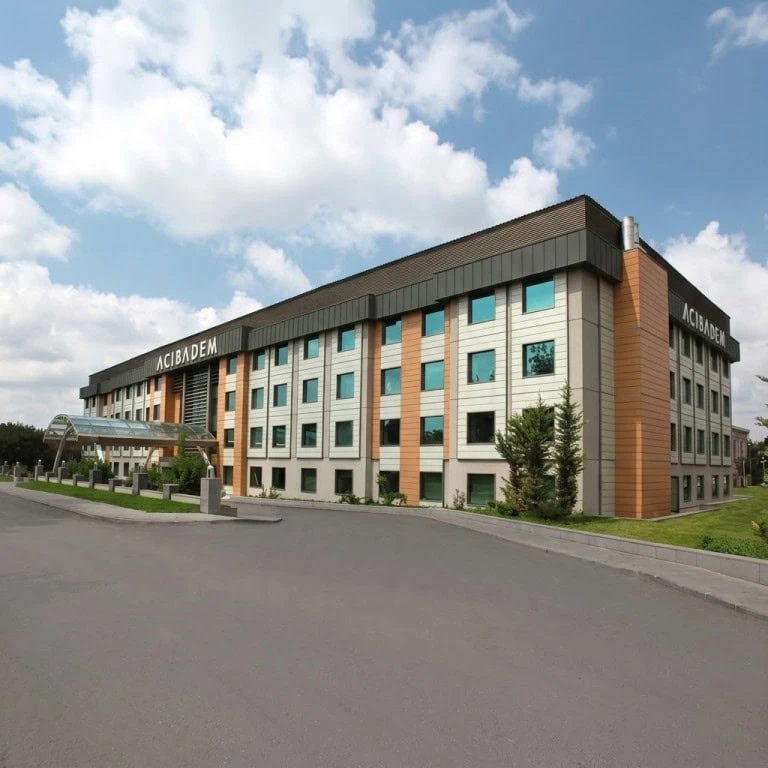
At Acibadem, treatment planning is built on detailed preoperative assessment and structured surgical pathways within a modern hospital environment. Diagnostics identify nutritional deficiencies and medical issues before surgery. Operating room systems and patient monitoring support precision and perioperative safety through what can be lengthy procedures. Recovery protocols emphasise early mobilisation, wound observation, pain control and the prevention of complications such as fluid collections and venous thromboembolism. These unglamorous details often matter as much as the excision itself.
Personalisation is central. No two post-bariatric patients share the same anatomy, weight-loss history, skin quality or goals. Some need a circumferential lower body lift as the main event; others are better served by a staged plan that addresses the trunk first and leaves the arms, breasts or thighs for later. Aligning surgical ambition with safety and recovery capacity is the core of good planning here.
Making the Decision
Deciding whether to have a body lift is rarely straightforward, and it should not be. This is major reconstructive surgery, with permanent scars, a real recovery period and demands on your preparation and patience. Weigh those against what the excess skin currently costs you: the daily discomfort, the skin problems, the limits on movement and clothing, and the persistent sense of unfinished business after an enormous health achievement.
A thorough specialist assessment is the point at which this becomes concrete rather than abstract. It examines your weight history, your nutritional health, the regions that trouble you most and the trade-offs of each surgical option, and it produces an individualised plan, including whether the timing is right at all, and whether one operation or several stages would serve you best. For many patients, simply understanding what is genuinely possible, what recovery involves and what the scars will look like is what turns a difficult question into a clear, unhurried decision.
Preparation
- Patients usually undergo a full surgical assessment, including weight stability review, medical history, and routine blood tests. Smoking cessation and avoiding certain medications or supplements may be required before surgery. Your surgeon may also recommend nutritional optimization and compression garments in advance.
Aftercare
- After surgery, drains, dressings, and compression garments may be used to support healing and reduce swelling. Patients should walk early but avoid strenuous activity and heavy lifting for several weeks. Follow-up visits are important to monitor wound healing, scar care, and overall recovery.
Frequently Asked Questions
What is a post-bariatric body lift and who is it for?
A post-bariatric body lift is a body contouring procedure for people who have lost a significant amount of weight and are left with loose, hanging skin. It can target the abdomen, waist, hips, thighs, buttocks, arms, or breasts, depending on your needs. The goal is to improve body shape, comfort, hygiene, and mobility. At Acibadem, plastic and aesthetic surgery specialists provide a personalized assessment to decide whether this surgery matches your goals and overall health.
When is the best time to have body lift surgery after major weight loss?
Most surgeons recommend waiting until your weight has been stable for several months before having a post-bariatric body lift. This helps create a more predictable contour and supports better healing. Your nutrition, general health, and any medical conditions also matter. If you had bariatric surgery, your team may check for vitamin or protein deficiencies first. At Acibadem, specialists evaluate your weight history, skin quality, and recovery readiness before planning surgery.
What areas can be treated during a post-bariatric body lift?
A post-bariatric body lift can address several areas affected by excess skin after massive weight loss. Common treatment zones include the abdomen, flanks, lower back, buttocks, outer thighs, upper arms, and breasts. Some patients need a lower body lift, while others benefit from staged procedures such as an arm lift or thigh lift later. The best plan depends on your anatomy, priorities, scars from previous surgery, and how much correction is needed in each area.
Can a post-bariatric body lift be combined with other procedures?
Yes, a post-bariatric body lift is often combined with other contouring procedures, but it depends on your health, surgical safety, and recovery capacity. Common combinations may include abdominoplasty, thigh lift, arm lift, breast lift, or liposuction in selected areas. Some people are better suited to a single-stage operation, while others do better with surgery in stages. Acibadem specialists create a personalized treatment plan designed to balance aesthetic goals with safety and healing.
How long is recovery after post-bariatric body lift surgery?
Recovery varies depending on how many areas are treated and your general health. Most patients need several weeks for the early healing phase, with swelling, bruising, and limited movement at first. Compression garments, drains in some cases, walking, and careful wound care may be part of recovery. Returning to work and exercise depends on the extent of surgery. Your surgeon will explain what to expect and provide a personalized timeline based on your procedure.
Will I have visible scars after a post-bariatric body lift?
Yes, scarring is an expected part of post-bariatric body lift surgery because removing large amounts of excess skin requires longer incisions. Surgeons place scars as strategically as possible, often where they can be covered by underwear or clothing, but they will still be noticeable to some degree. Scars usually fade over time, although they do not disappear completely. Acibadem specialists discuss scar placement carefully and recommend aftercare steps to support the best possible healing.
Is post-bariatric body lift surgery painful?
Most patients describe discomfort, tightness, soreness, and fatigue rather than severe pain, especially in the first days after surgery. Pain control is an important part of your care and may include medication, early walking, and supportive garments. The intensity depends on the number of areas treated and your individual pain tolerance. Your surgical team will monitor you closely and explain how to move, rest, and care for your incisions so recovery is more manageable.
What are the risks and possible complications of a post-bariatric body lift?
Like any major surgery, a post-bariatric body lift carries risks such as bleeding, infection, delayed wound healing, fluid collection, blood clots, numbness, asymmetry, and more visible scarring. These risks can be higher in people with smoking history, diabetes, poor nutrition, or unstable weight. Careful planning and follow-up are important. At Acibadem, plastic surgeons review your medical history in detail and provide a personalized assessment to reduce risks as much as possible.
How should I prepare for post-bariatric body lift surgery in Turkey?
Preparation usually includes a consultation, medical tests, review of medications, and evaluation of your weight stability and nutritional status. You may be advised to stop smoking, avoid certain supplements or blood-thinning medicines, and arrange support for the first recovery period. International patients should also plan enough time in Turkey for preoperative assessment and follow-up visits before flying home. Acibadem teams help coordinate the process so you can prepare with more confidence.
How much does a post-bariatric body lift cost in Turkey?
The cost of a post-bariatric body lift in Turkey can vary widely because every case is different. The final price depends on the number of areas treated, the complexity of surgery, hospital stay, anesthesia, and whether procedures are combined or staged. A proper estimate requires a surgeon’s evaluation and treatment plan. At Acibadem, international patients receive a personalized assessment so the proposed approach, expected recovery, and overall costs are clearly explained in advance.
Medically reviewed by the Acıbadem International Medical Board September 1, 2026
See our medical review board →
Update history
- PublishedJuly 19, 2026
- Medical review approvedSeptember 1, 2026
- Last content updateSeptember 1, 2026
Tummy tuck costsledger-based guide ranges, or browse the full Turkey Medical Price Index.
From the Acibadem Blog

Preparing for a Post-Bariatric Body Lift: Weight Stability, Smoking and What to Pause
Preparing for a post-bariatric body lift usually means holding a steady weight for many months, stopping every form of nicotine well before surgery, correcting…
Doctors Performing This Treatment



Aesthetic Plastic & Reconstructive Surgery
Prof. Mehmet Veli Karaaltın, MD

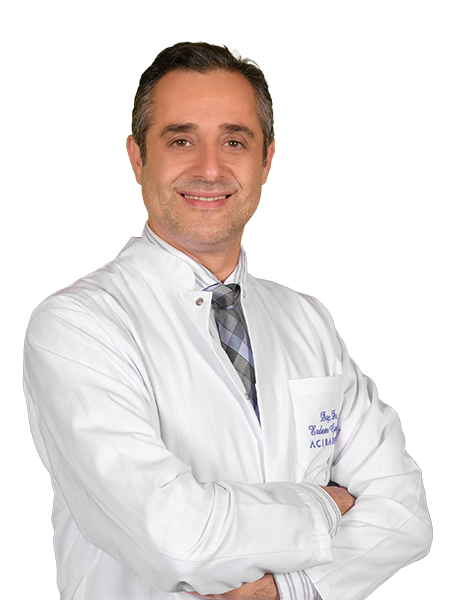
Aesthetic Plastic & Reconstructive Surgery
Assoc. Prof. Erdem Güven, MD

Aesthetic Plastic & Reconstructive Surgery
Assoc. Prof. Ahmet Küçükçelebi, MD
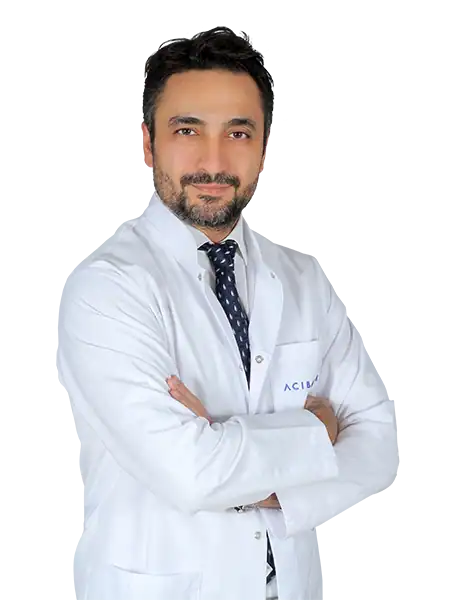
Aesthetic Plastic & Reconstructive Surgery
Assoc. Prof. Mehmet Altıparmak, MD

Aesthetic Plastic & Reconstructive Surgery