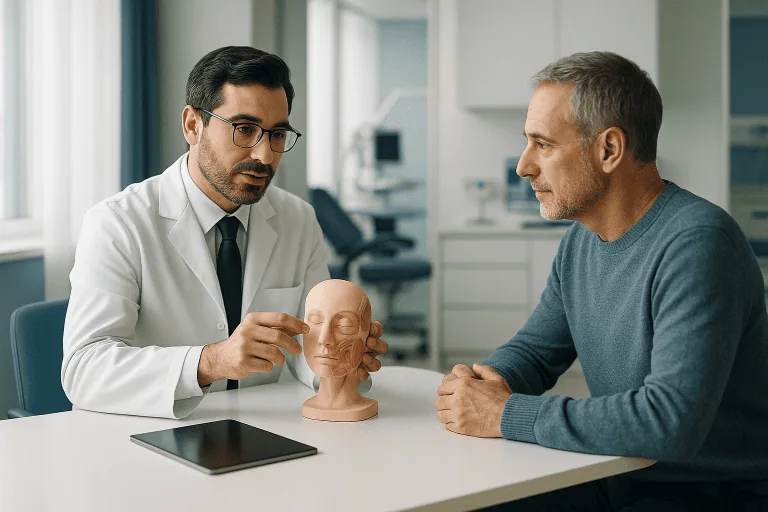
Scar Treatment
Scar treatment improves the appearance, texture and comfort of scars caused by surgery, injury, burns or acne using personalized non-surgical or minor surgical methods.

Quick answer
Scar treatment is a group of medical, dermatological and minor surgical procedures that improve the appearance, texture, colour, comfort or function of scar tissue. Options range from silicone gels, injections and laser sessions to microneedling, subcision and surgical scar revision. Treatment cannot erase a scar completely, but it can make it flatter, softer, less visible and less symptomatic, often over a staged series of sessions.
Scar Treatment: Improving How a Scar Looks, Feels and Moves
Scar treatment is a group of medical, dermatological and minor surgical procedures designed to improve the appearance, texture, colour, thickness, comfort or function of scar tissue. It ranges from conservative care such as silicone gels and pressure therapy, through injections, laser and microneedling, to surgical scar revision and reconstruction. It is intended for anyone whose scar is prominent, symptomatic, still growing, or restricting movement, whether the scar came from surgery, an accident, a burn or acne.
A scar can be much more than a visible mark on the skin. For many people, it is a daily reminder of surgery, an injury, a burn, acne, or a difficult medical experience. Some scars are flat and pale and fade quietly into the background. Others are raised, red, itchy, painful, tight, sunken or widened, or sit in an area that draws unwanted attention. A scar on the face, neck, chest or hands may affect how you feel in social or professional situations. A scar over a joint may restrict movement. A scar that continues to thicken, itch or hurt can become a genuine source of discomfort rather than just a cosmetic concern.
If you are researching scar treatment, you probably have a mix of practical and emotional questions. Can this scar be improved? Is it too old to treat? Will treatment hurt? How many sessions will I need? Is surgery necessary, or can it be managed without an operation? The honest answer is that it depends, on the type of scar, its age, your skin type, your medical history and your goals. Scar treatment is rarely a one-size-fits-all process. The best results usually come from careful assessment and a personalised plan that may combine several methods over time.
At Acibadem, scar treatment is approached as both a medical and an aesthetic concern. It is worth being clear about the objective from the start: the aim is not to erase a scar completely, because normal skin cannot always be fully restored after deep injury. Instead, treatment aims to make the scar less noticeable, smoother, softer, more comfortable and better blended with the surrounding skin. In some cases, treatment can also improve movement, reduce pain or itching, and stop abnormal scar growth from progressing.
Expert evaluation matters because different scars respond to different treatments. A raised keloid needs a different strategy from a depressed acne scar. A burn contracture requires a different plan from a fine surgical scar that has widened. A scar that is still actively changing should be managed differently from a mature scar that has been stable for years. Understanding these distinctions helps you make informed decisions and avoid treatments that are poorly matched to your scar, or simply unnecessary.
What Is a Scar?
A scar is the fibrous tissue the body produces to repair skin after the deeper layers have been injured. When a wound reaches beyond the surface of the skin, the body closes and strengthens it by laying down collagen. This new collagen is different from normal skin: it is often denser and less organised, which is why scar tissue can look and feel different from the skin around it. It usually has no hair follicles or sweat glands, and its colour and texture can differ noticeably. Over time, some scars flatten and lighten on their own. Others stay prominent, or become more noticeable as the months pass.
What does ‘scar’ mean?
In medicine, a scar means the permanent mark left in the skin or other tissue after a wound has healed. The word is also used as a verb, skin that has healed with a visible mark is said to have scarred, spelt with a double ‘r’ in the past tense. Scarring is a normal and necessary part of healing; without it, wounds would not close. The problem is not that scarring happens, but that it sometimes produces tissue that is thicker, tighter, darker or more sensitive than anyone would want.
What is a scar called in medical terms?
The formal medical term for a scar is a cicatrix. You may see this word, or the adjective ‘cicatricial’, in operation notes, pathology reports or dermatology letters. In everyday clinical practice, though, most physicians simply say scar, and describe its type: hypertrophic, keloid, atrophic, contracture and so on. These labels matter, because the type of scar largely determines which treatments are likely to help.
What is the difference between a lesion and a scar?
A lesion is any abnormal area of tissue, while a scar is one specific kind of mark: the healed end-product of a wound. A mole, a cyst, a patch of eczema, an ulcer and a skin cancer are all lesions; a scar is what may remain after a lesion or wound has healed or been removed. The distinction matters in practice. A stable scar is healed tissue, whereas an active lesion may need diagnosis before anything else. If a mark on your skin was never preceded by an injury, or if it is growing, ulcerating or changing in colour or surface, it should be assessed as a lesion first: the pathway for something like mole removal, for example, is quite different from the pathway for treating scar tissue.
Types of Scars and What Each One Needs
Scar treatment can be used for many types of scars, and each type behaves differently. A careful diagnosis identifies which methods are most likely to help and, just as importantly, which should be avoided. The main categories are:
- Surgical scars: these may follow general surgery, orthopaedic surgery, caesarean section, breast surgery, thyroid surgery, cardiac surgery, cosmetic surgery or other procedures. Treatment may focus on redness, thickness, widening, contour or discomfort, depending on how the scar has matured.
- Traumatic scars: scars after cuts, lacerations, abrasions or accidents can be irregular, discoloured, raised or depressed. Depending on the pattern, they may need resurfacing, injections or surgical revision.
- Burn scars: burns can create thick, tight, itchy or function-limiting scars. Management often combines topical care, pressure therapy, laser procedures, rehabilitation, injections and, where needed, reconstructive surgery.
- Acne scars: acne can leave depressed, pitted, rolling, boxcar or ice-pick scars, as well as lingering discolouration. Treatment may include resurfacing, microneedling, subcision, chemical techniques or fillers in selected cases.
- Hypertrophic scars: these raised scars stay within the boundaries of the original wound and may be red, thick, itchy or tender. They often respond to a combination of silicone care, injections and energy-based treatments.
- Keloid scars: a keloid grows beyond the edges of the original wound and may keep enlarging over time. Keloids need careful planning, because simple removal alone can lead to recurrence in some patients.
- Contracture scars: these scars tighten the skin and underlying tissue, sometimes limiting movement. They are more common after burns or deep injuries and may need surgical release followed by rehabilitation.
- Discoloured scars: some scars remain red, brown, dark or pale compared with the surrounding skin. Treatment depends on whether the colour change comes from blood vessels, excess pigment or loss of pigment.
- Depressed or tethered scars: these scars look sunken because the scar is attached to deeper tissue, or because tissue volume was lost. Subcision, resurfacing or volume restoration may be considered.
Not every scar needs treatment. Some improve naturally over 12 to 18 months, particularly when they are flat, flexible and gradually fading. Treatment becomes more appropriate when a scar is symptomatic, cosmetically significant, functionally limiting, or at risk of becoming more prominent. A specialist evaluation clarifies whether observation, prevention, non-surgical therapy or a procedure is the sensible next step, and ‘wait and protect’ is sometimes the correct medical answer.
Who May Benefit from Scar Treatment
You may consider scar treatment if a scar bothers you cosmetically, causes symptoms, limits movement, or keeps changing in a way that concerns you. Some patients seek care soon after surgery to reduce the chance of a thick or widened scar. Others come months or years later because a mature scar has stayed raised, depressed, dark, pale, tight or uncomfortable. Both recent and long-standing scars can be treated, although the approach differs according to the scar’s stage of healing.
Typical concerns include a scar that stays red or dark for longer than expected, a raised scar growing beyond the original wound, a firm or itchy scar, a widened surgical scar, an uneven scar after trauma, pitted acne scars, burn scars, and scars that pull on nearby skin. Scars across joints, the neck, the hands or the mouth may restrict motion or create tension. Some scars are sensitive to touch, painful under clothing friction, or emotionally distressing simply because of where they sit.
People who commonly benefit include adults and adolescents with acne scars, patients with surgical scars after medical or cosmetic procedures, people with traumatic scars from accidents, patients with burn scars, and individuals with hypertrophic or keloid scars. Treatment planning can also be useful before a future operation for people who know they heal with prominent scars, because preventive measures around the time of surgery can reduce risk in selected cases. The same logic applies to procedures that inevitably leave a marksurgical tattoo removal, for instance, trades a tattoo for a surgical scar, and how that scar is managed afterwards shapes the final result.
How Scars Are Assessed
Diagnosis begins with a detailed clinical assessment rather than a device or a test. Your physician examines the scar’s size, shape, colour, thickness, elasticity, texture and symptoms, and its relationship to surrounding structures. The history matters as much as the examination: how the scar occurred, when it formed, whether the wound became infected, what treatments have already been tried, whether you have a tendency towards keloids, and whether any medical conditions may affect healing. Previous operation notes, wound-care records, photographs taken over time and pathology reports are all useful when they are available.
The scar is examined in good lighting and is usually photographed for medical documentation, so that changes can be compared objectively at follow-up. The physician assesses the direction of the scar in relation to natural skin lines, whether it is still active or already mature, and whether it is raised, depressed, tight, red, pigmented or painful. This assessment also determines something practical: whether treatment can realistically be completed in one visit, or whether staged care over several months is the more honest plan.
In most cases, scar diagnosis does not require complex testing. However, if a scar is unusual, rapidly changing, ulcerated, or associated with a previous skin lesion, further evaluation may be needed to rule out other skin conditions. For burn scars, post-traumatic scars, or scars affecting function, assessment may involve reconstructive surgery, dermatology, physiotherapy or other specialties, particularly when scar management is one part of a broader recovery after injury, surgery or burns.
Scar Treatment Options and How They Are Performed
Scar treatment begins with a consultation, not a procedure. This first step is essential, because the safest and most effective plan depends on correctly identifying the scar type. During the consultation, your physician reviews your medical history, allergies, medications, previous surgeries, wound-healing history, skin type and personal goals. You may be asked whether you have had keloids, abnormal bleeding, poor wound healing, autoimmune disease, diabetes, or recent isotretinoin use for acne, all of these can influence timing and treatment selection. Preparation then depends on the method chosen: some treatments need only simple skin-care adjustments beforehand, while surgical revision may involve standard preoperative assessment, including blood tests or an anaesthesia review, depending on the size and location of the procedure and your overall health. Patients with a history of cold sores may need preventive antiviral cover before procedures around the lips or face, arranged by the treating team.
Silicone therapy, pressure garments and scar cream
A scar cream, silicone gel or silicone sheet is often the starting point for conservative scar management. Used consistently over weeks to months, silicone products may help flatten and soften selected scars, particularly newer ones. Silicone works best when it is worn or applied for most of the day, every day, and reviewed after a set period rather than judged week by week; irregular use is the most common reason it appears not to work. Scar massage, where recommended by the treating team, uses firm, regular pressure across the healed scar to soften firm tissue and reduce tethering, and should only begin once the wound is fully closed and comfortable to touch. Pressure garments may be recommended for certain burn scars or high-risk scars. Sun protection is important for every scar, because ultraviolet exposure can darken healing skin and make discolouration more persistent. Topical treatments may also be used for pigmentation, redness or texture concerns, although their effects are gradual and depend heavily on the scar type. Conservative care asks for patience and consistency rather than downtime, which is exactly why it suits early, actively remodelling scars.
Corticosteroid and other therapeutic injections
Injections are commonly used for raised hypertrophic scars and keloids. Corticosteroid injections calm inflammation and excess collagen activity, helping the scar become flatter, softer and less symptomatic. In selected cases, other injectable medicines may be combined with steroids or used instead of them. Sessions are short, sometimes performed with local anaesthetic or cooling to reduce discomfort, and are typically repeated at intervals determined by how the scar responds. Several sessions are usual rather than exceptional.
Does laser treatment remove scars?
No, laser treatment does not remove a scar completely; it remodels scar tissue so the scar becomes flatter, softer, less red and less visible. Different laser and light-based systems target different scar features. Vascular lasers reduce redness by targeting the small blood vessels within a scar. Fractional resurfacing lasers create controlled micro-injuries in the scar, encouraging remodelling and improving texture, firmness and surface irregularity over time. Pigment-focused treatments may be considered for selected dark scars, with extra care in darker skin tones to reduce the risk of unwanted pigmentation changes. Sessions are usually brief to moderate in length depending on the area treated. Some laser treatments involve little downtime; deeper resurfacing needs more healing time and stricter aftercare. Understanding this distinction, improvement, not erasure, is the single most useful expectation to carry into laser treatment.
Microneedling and radiofrequency microneedling
Microneedling and radiofrequency-assisted microneedling are used for acne scars, surgical scars and certain texture irregularities. These procedures create controlled channels in the skin and stimulate collagen remodelling from within. Radiofrequency devices add controlled energy below the surface for selected scars. Both are usually performed as a series of sessions, with numbing cream beforehand and short-lived redness afterwards. Results build gradually as collagen reorganises over the following months.
Subcision and dermal fillers for depressed scars
Subcision treats scars that are pulled downwards by fibrous bands beneath the skin. Using a small needle or cannula, the physician releases the bands tethering the scar to deeper tissue, allowing the surface to lift. In selected patients, subcision is combined with dermal fillers or other methods to restore contour where tissue volume has been lost. It is often one component of a combined plan for depressed acne or traumatic scars rather than a standalone fix.
Chemical resurfacing
Chemical resurfacing can help certain acne scars, surface irregularities and discolouration. The type and strength of the chemical agent are chosen carefully according to skin type, scar depth and treatment goals: a decision where experience matters, particularly in darker skin tones. These treatments require disciplined aftercare, especially sun avoidance and skin-barrier protection while the skin heals.
Scar revision surgery
Scar revision surgery may be recommended when a scar is wide, poorly aligned, tethered, irregular or functionally limiting. The procedure usually involves removing the old scar and closing the skin in a more refined way, often along natural skin tension lines, with layered closure techniques to reduce tension on the surface. Tissue-rearrangement methods such as Z-plasty or W-plasty may be used to redirect a scar, break up a straight line, or release tightness. For contractures, the surgeon may need to release scar bands and reconstruct the area with local tissue, skin grafts or flap techniques. These procedures may be done under local anaesthesia, sedation or general anaesthesia depending on complexity. Afterwards, wound care and suture management follow a set schedule: absorbable sutures dissolve on their own, while non-absorbable sutures or staples are removed at a timing the surgeon sets according to the wound’s location and tension. It is worth knowing that revision replaces one scar with another, hopefully better one; the new scar still needs months to mature before the final result can be judged.
Keloid removal
Keloid removal is rarely a matter of simple excision, because a keloid that is cut out and left untreated can grow back, sometimes larger than before. For this reason, keloid management usually combines approaches: injections to calm collagen overproduction, careful surgical technique where excision is appropriate, silicone or pressure therapy afterwards, and long-term follow-up. Earlobe keloids after piercings, chest keloids after acne or surgery, and shoulder keloids each have their own patterns and their own plans. The goal is durable improvement with a realistic prevention strategy built in from the start, not a quick removal that invites recurrence.
Treating Acne Scars
Acne scars deserve their own discussion, because they are among the most common reasons people seek scar treatment and because they come in distinct patterns. Ice-pick scars are narrow and deep; boxcar scars have sharp, defined edges; rolling scars create a soft, undulating surface; and post-acne discolouration is not true scarring at all, but a pigment change that often fades with time and protection. Most people have a mixture, which is why single-method treatment often disappoints.
What is the best treatment for acne scars?
There is no single best treatment for acne scars: the most effective plan matches methods to scar patterns, usually in combination. Rolling scars often respond to subcision and microneedling; boxcar scars to fractional resurfacing; ice-pick scars to focused chemical techniques; residual redness to vascular lasers; and selected depressions to fillers. Active acne is usually brought under control first, because treating scars while new ones are forming makes little sense. A dedicated programme, planned over several sessions, generally achieves more than any one procedure: you can read more about how this works on our acne scarring treatment page.
When to Start Scar Treatment
Timing influences scar quality. In the early weeks and months after injury or surgery, a scar is still actively remodelling: it may be red, firm, raised or itchy. This is also the period when preventive measures do the most good. Proper wound care, tension reduction, silicone therapy, sun protection and timely medical review can reduce the likelihood of a scar becoming thicker, darker or more symptomatic.
When should you start scar treatment after surgery?
Gentle preventive care usually begins once the wound has fully closed and the surgical team confirms it is safe, often within a few weeks of surgery. Silicone products, sun protection and, where appropriate, massage are typical early measures, always guided by the operating surgeon’s advice, because timing depends on the wound, the location and how healing is progressing. Procedural treatments such as laser or injections are introduced later if the scar shows signs of thickening or staying red. Surgical revision is usually deferred until the scar has matured and stabilised, unless function is affected or abnormal growth is under way. Starting early does not mean doing everything early: it means monitoring the scar during its most changeable phase and intervening at the right moments.
Delaying care does not mean a scar can no longer be improved. Mature scars are treated successfully with appropriate methods every day. But waiting too long can allow certain problems to become established: a hypertrophic scar may firm up, a keloid may enlarge beyond the original wound, a burn scar may tighten and restrict movement, and pigmentation may become more persistent with repeated sun exposure. A scar across a joint can contribute to stiffness and compensation patterns if mobility is not addressed. Early evaluation matters most for scars that are growing, painful, intensely itchy, restricting motion, repeatedly breaking down, or changing in colour or surface, and for anyone with a personal or family history of keloids, because preventive planning after injuries, piercings, acne flares or surgery can reduce risk. If the scar is new, the goal is to guide healing. If it is older, the goal is to remodel, revise, or improve comfort and appearance.
Benefits of Scar Treatment
The benefits depend on the scar type and the chosen method, but these are the improvements patients most commonly seek, and what each one means in daily life.
| Benefit | What It Means for You |
|---|---|
| Improved appearance | The scar may become flatter, smoother, softer, less red, less dark, or better blended with the surrounding skin. |
| Reduced discomfort | Treatment may decrease itching, tenderness, tightness, irritation from clothing, or sensitivity to touch. |
| Better movement | For contracture scars or scars over joints, treatment may improve flexibility and make daily activities easier. |
| More refined texture | Resurfacing, microneedling, subcision or revision can improve irregular, pitted, raised or uneven scar surfaces. |
| Prevention of worsening | Early care for high-risk scars may reduce the chance of excessive thickening or continued scar growth. |
| Personal confidence | When a visible scar becomes less noticeable or less symptomatic, many patients feel more comfortable in daily life. |
Recovery Timeline After Scar Treatment
Recovery varies by treatment type, scar location, skin type and the size of the treated area, but the following timeline gives a realistic general framework.
| Time Period | What Patients Can Expect |
|---|---|
| Day 1 | After injections, there may be mild swelling or tenderness. After laser, microneedling or resurfacing, redness and warmth are common. After surgical revision, the area is dressed and wound-care instructions are reviewed. |
| First Week | Redness, swelling, bruising, peeling or crusting gradually settles depending on the treatment. Patients follow specific cleansing, moisturising, sun-protection and activity instructions. |
| First Month | The treated scar may begin to soften or look calmer, although collagen remodelling is still early. Further sessions may be scheduled for injections, laser, microneedling or staged scar management. |
| Three to Six Months | Texture, thickness, colour and flexibility may continue to improve. Scars from surgical revision begin to mature but may still be pink or firm during this period. |
| Longer Term | Final scar maturation can take many months. Maintenance care, sun protection and follow-up may be recommended, especially for keloids, burn scars, or scars with a higher recurrence risk. |
Two habits protect your result more than anything else during recovery: leaving the healing skin alone, and shielding it from the sun. Ultraviolet light darkens immature scar tissue and can undo weeks of progress, which is why disciplined sun protection: a broad-spectrum sunscreen reapplied through the day, plus clothing or dressings that physically cover the area, is part of every plan for at least the first year of scar maturation. After deeper resurfacing, expect crusting or peeling as the surface renews. After surgical revision, expect wound care, activity modification and follow-up for suture management if non-absorbable sutures were used. In every case, the final appearance is judged gradually, over months, not in the mirror the following week.
What Does Scar Treatment Cost?
There is no single price for scar treatment, because the cost is driven almost entirely by what your particular scar needs. A short course of injections is a different undertaking from a series of fractional laser sessions, which is different again from surgical revision under general anaesthesia. The main cost drivers are the scar’s size and location, the treatment modality, the number of sessions required, whether methods are combined, the type of anaesthesia, and whether reconstruction is involved. A written, itemised plan after examination is the only honest way to know what your treatment would involve, any figure quoted before a physician has actually seen the scar is a guess.
How much is laser treatment for scars?
The cost of laser treatment depends on the size of the treated area, the type of laser used, and, most of all, the number of sessions your scar needs, which cannot be known precisely until it has been examined and its response to the first sessions observed. Vascular laser sessions for redness are usually shorter and simpler than deep fractional resurfacing. The same logic applies to laser treatment for acne scars, where a planned course of several sessions, sometimes combined with subcision or microneedling, is the norm rather than a one-off treatment. When comparing quotes, look at what is included: the number of sessions, aftercare products, follow-up reviews and any combined procedures. A low per-session price for a plan that quietly needs many more sessions is not a saving.
Factors That Influence Outcomes
A good scar treatment result depends on several factors, beginning with an accurate diagnosis. The type of scar is one of the strongest predictors of treatment response. Raised hypertrophic scars, keloids, depressed acne scars, burn contractures, widened surgical scars and pigment changes all behave differently. A treatment that works for one scar type may be ineffective, or actively counterproductive, for another.
What is the best scar treatment?
There is no universally best scar treatment; the best treatment is the one correctly matched to your scar type, its age, your skin, and your goals. For a fresh surgical scar, the best treatment may be silicone and sun protection. For a keloid, it may be a combination of injections and long-term prevention. For pitted acne scars, it may be subcision plus resurfacing over several sessions. For a tight burn contracture, it may be surgery and physiotherapy. Anyone promising one method as the answer for every scar is selling the method, not solving the problem.
The age of the scar matters. New scars are biologically active and may respond well to prevention and early intervention. Older scars may need more intensive remodelling, resurfacing or revision. Maturity is not necessarily a disadvantage, though: in many cases surgeons prefer to wait until a scar has stabilised before revising it, unless function is affected or abnormal growth is under way.
Skin type and pigmentation tendency are important, particularly for energy-based treatments and chemical resurfacing. Patients with darker skin tones can be treated, but settings and methods must be chosen carefully to reduce the risk of post-inflammatory hyperpigmentation or lightening. Sun exposure before and after treatment affects results significantly, consistent sun protection is one of the simplest and most important parts of scar care.
Genetics influence scar behaviour. Some people naturally form thick or raised scars, and keloid tendency can run in families. Body location matters too: the chest, shoulders, upper back, jawline and earlobes are more keloid-prone in susceptible individuals, and areas under tension, chest, knees, shoulders, back, tend to develop wider scars because movement pulls on the healing skin.
General health affects healing. Smoking, poorly controlled diabetes, poor nutrition, certain medications, infection and repeated wound trauma can all interfere with scar quality. Before revision or more intensive procedures, your physician may discuss optimising medical conditions and lifestyle factors as part of preparation; any changes to medication belong to that conversation with your treating doctor, not to a plan you make alone. Good wound care afterwards is equally essential, even an expertly performed procedure heals poorly if the area is exposed to friction, sun, infection or excessive tension too early.
Finally, expectations and consistency shape satisfaction as much as technique does. Scar treatment can produce meaningful improvement, but it usually cannot make skin look as though an injury never occurred. Many plans involve a series of sessions, with results developing gradually as collagen remodels. Following instructions for silicone therapy, sun protection, massage where recommended, wound care, pressure therapy or rehabilitation makes a measurable difference. Patients who understand the staged nature of scar remodelling tend to be the most satisfied, because they know what changes to expect and when to expect them. If you are travelling for treatment, the plan should be built around your schedule honestly: what can be completed during your stay, and what will need to continue after you return home.
Scar Treatment at Acibadem
Scar care frequently benefits from more than one specialty, and this is how it is organised at Acibadem. A small acne scar may be managed with dermatological methods, while a burn contracture may require reconstructive planning and physiotherapy. A keloid may need a combination of injections, procedural care and long-term follow-up. A surgical scar after cancer treatment may need review in the context of previous operations, radiotherapy or ongoing surveillance. Specialist collaboration across dermatology, plastic and reconstructive surgery, aesthetic medicine, burn care and rehabilitation allows the plan to be shaped around the full medical picture rather than the scar alone. The same principle applies where scar management follows another procedure, after breast prosthesis removal, for example, the existing surgical scars and any capsular changes are considered together rather than in isolation.
Diagnostic pathways are deliberately unglamorous: clinical examination, standardised photography, review of prior records and careful skin-type assessment guide the planning. For patients who have had complex trauma, burns, cancer surgery or reconstruction, the relevant specialists review the case and coordinate recommendations; where a scar is part of a larger medical history, multidisciplinary meetings support the decision-making.
Technology is used with a specific purpose each time, not for its own sake. Depending on the indication, physicians may use laser and light-based systems for redness and texture, controlled resurfacing for scar remodelling, microneedling or radiofrequency-assisted methods for selected scars, injection techniques for raised scars, and refined surgical instruments and magnification for revision. Fractional delivery systems treat portions of the skin while leaving surrounding tissue to support healing; digital photography tracks change objectively over time. The value lies not in the device, but in matching the right modality to the right scar and using it safely for the patient’s skin type.
Experienced judgement matters in scar treatment more than in many fields, because the same tool produces different results depending on diagnosis, technique and patient selection. A keloid can worsen if excised without a broader prevention strategy. A depressed acne scar may need its fibrous bands released before resurfacing can achieve anything. A darker skin type may need modified energy settings and stricter aftercare. A contracture may need surgery and rehabilitation rather than any surface treatment at all. Acibadem physicians work to international treatment standards and evidence-based practice, and they are direct about limits: the focus is realistic improvement in visibility, texture, colour, comfort and function, not promises of complete scar removal, which scar biology does not support.
For international patients, Acibadem International provides coordination support in more than 20 languages, covering appointments, medical record transfer, interpretation, hospital navigation and coordination between departments. Clear communication matters in scar care specifically because plans often involve multiple sessions, staged procedures and follow-up after returning home. An individualised plan takes account of the scar’s biology, your skin type, your travel schedule and your tolerance for downtime, which also protects you from overtreatment, because some scars genuinely need nothing more than time, protection and monitoring.
Living With a Scar, and Deciding What to Do About It
If a scar affects how you look, feel, move or heal, understanding your options is worth the effort, and you do not need to know which treatment you need before seeking an evaluation. The first step is always the same: identifying the scar type, understanding its behaviour, and establishing what level of improvement is realistic for your situation.
For most people, scar treatment is not about perfection. It is about reducing visibility, improving comfort, restoring flexibility, or feeling less defined by a past injury or procedure. With a carefully selected plan, many scars become softer, flatter, less symptomatic and easier to live with. Some patients need only conservative care and monitoring; others benefit from a combination of injections, resurfacing, microneedling, laser-based treatment or surgical revision, staged over time. What separates good outcomes from disappointing ones is rarely a single procedure: it is accurate diagnosis, honest expectations, the right sequence of methods, and disciplined aftercare, session after session, month after month.
Preparation
- A specialist assesses the scar type, skin quality, medical history and previous treatments. Patients may be asked to avoid sun exposure, tanning, irritating skin products and blood-thinning medications before the session. Photos may be taken to plan treatment and monitor progress.
Aftercare
- Keep the treated area clean, protected and moisturized as instructed by your doctor. Avoid direct sun exposure and use high-SPF sunscreen to reduce discoloration risk. Multiple sessions may be needed, and follow-up visits help adjust the plan safely.
Frequently Asked Questions
What affects the cost of scar treatment?
Cost depends on the scar type, size, location, symptoms, treatment method, specialist expertise, technology used and the follow-up plan. A personalised assessment is needed before a reliable quote can be prepared.
Can I receive a quote before travelling to Turkey?
Yes. You can request a free consultation by sharing clear scar photos, medical history and previous treatments. The care team can then guide you on suitable options and provide a personalised cost estimate.
Is scar treatment usually done in one visit?
Some minor procedures can be completed during a planned appointment, while many non-surgical treatments work best as a treatment course. The recommended schedule depends on your scar and the specialist’s assessment.
Does the package include follow-up care?
Package inclusions vary by provider. A quote may include consultation, the planned procedure, basic aftercare instructions and coordination support, while medications, dressings or extra sessions may be listed separately.
Will treatment remove my scar completely?
Scar treatment aims to improve appearance, texture, colour, comfort or flexibility, but complete removal is not usually realistic. Your specialist will explain expected improvement based on your scar type and skin characteristics.
Is this information medical or financial advice?
No. This is general educational information only. For medical suitability and an accurate cost estimate, it is best to book a free consultation with a qualified specialist team.
Medically reviewed by the Acıbadem International Medical Board September 1, 2026
See our medical review board →
Update history
- PublishedJune 8, 2026
- Medical review approvedSeptember 1, 2026
- Last content updateSeptember 1, 2026
Trusted care for international patients
From the Acibadem Blog
Scar Treatment Side Effects: Temporary Darkening, Redness and What to Report to Your Doctor
Most scar treatment side effects are temporary: redness, swelling, tenderness, itching and a period of darkening (post-inflammatory hyperpigmentation) that usually fades over weeks to…

Laser, Injections or Minor Surgery for Scars: Comparing the Main Treatment Routes
No single scar treatment suits every scar. Lasers reshape scar texture, color and surface by delivering controlled heat or light; corticosteroid injections soften and…
Burn Scars and Scar Treatment: Why Contracture and Texture Need a Different Plan
Burn scar treatment is usually split into two plans because burn scars cause two different problems. Contracture, the tightening that limits movement, is treated…
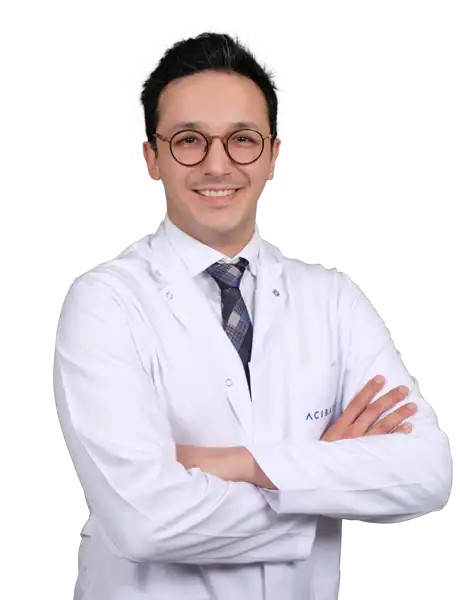
Doctors Performing This Treatment


Aesthetic Plastic & Reconstructive Surgery
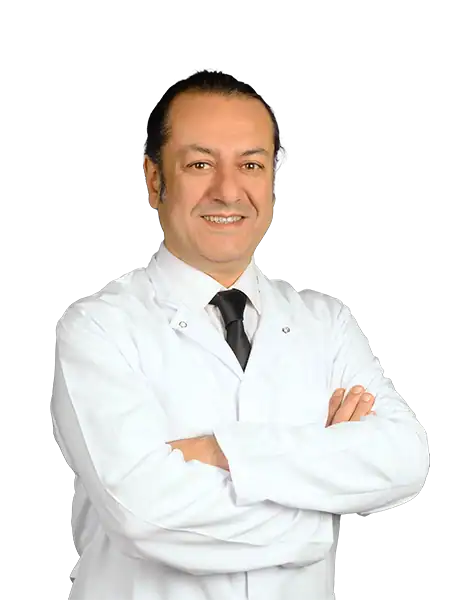
Prof. Mehmet Veli Karaaltın, MD

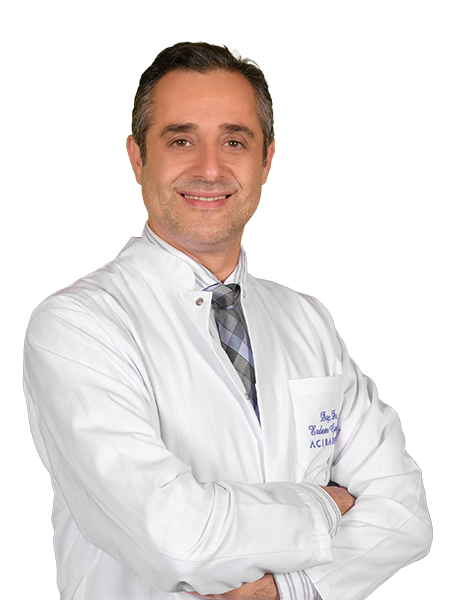
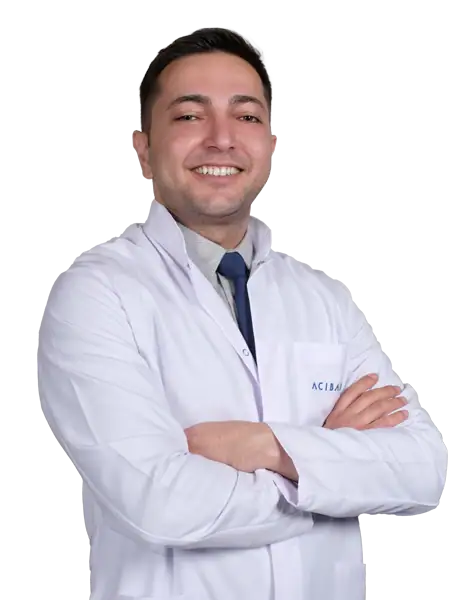
Aesthetic Plastic & Reconstructive Surgery
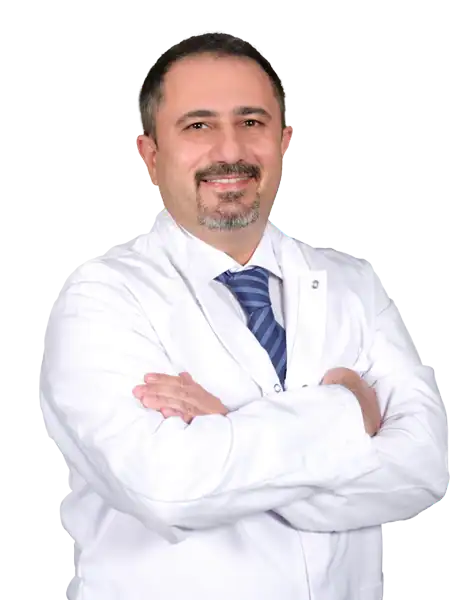
Assoc. Prof. Erdem Güven, MD

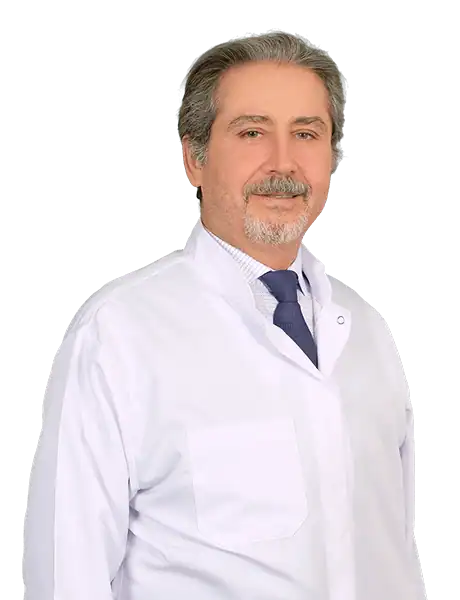
Aesthetic Plastic & Reconstructive Surgery
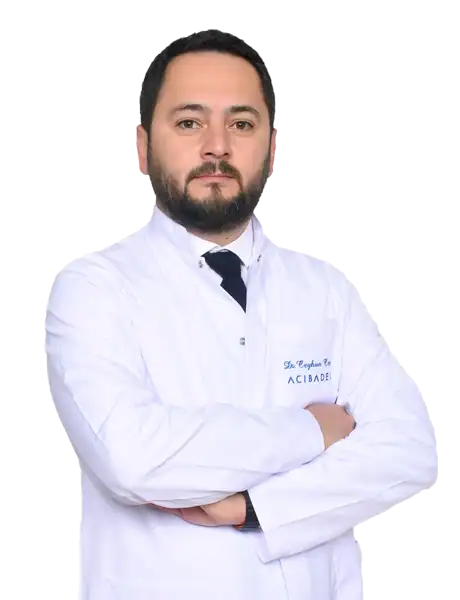
Assoc. Prof. Ahmet Küçükçelebi, MD
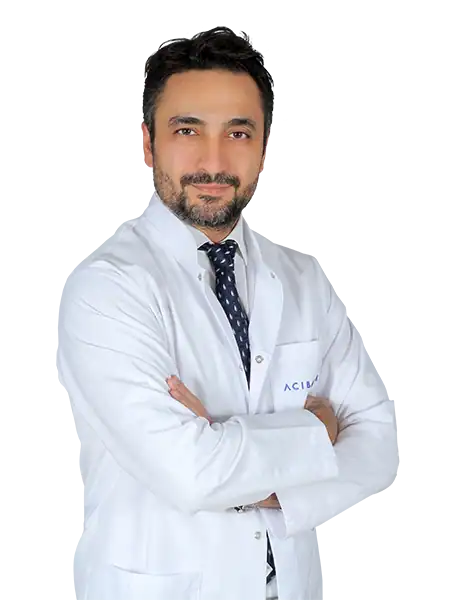
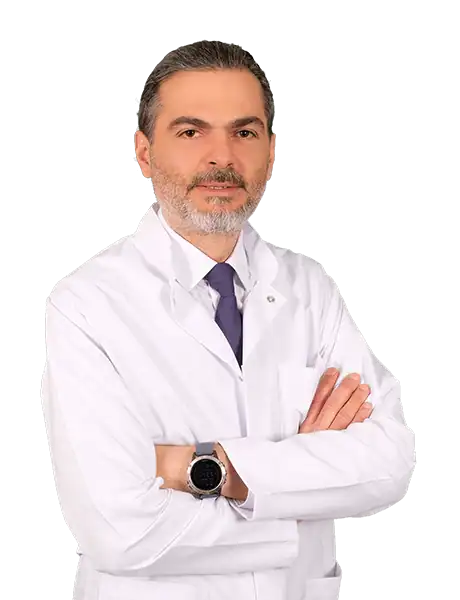
Aesthetic Plastic & Reconstructive Surgery
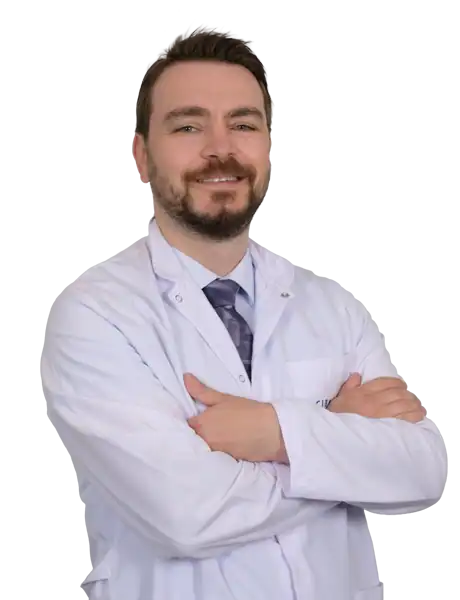
Assoc. Prof. Mehmet Altıparmak, MD

Aesthetic Plastic & Reconstructive Surgery