Surgical Tattoo Removal
Surgical tattoo removal excises tattooed skin and closes the area with sutures, usually for small tattoos or cases unsuitable for laser treatment. Scarring and skin laxity are carefully assessed.
Quick answer
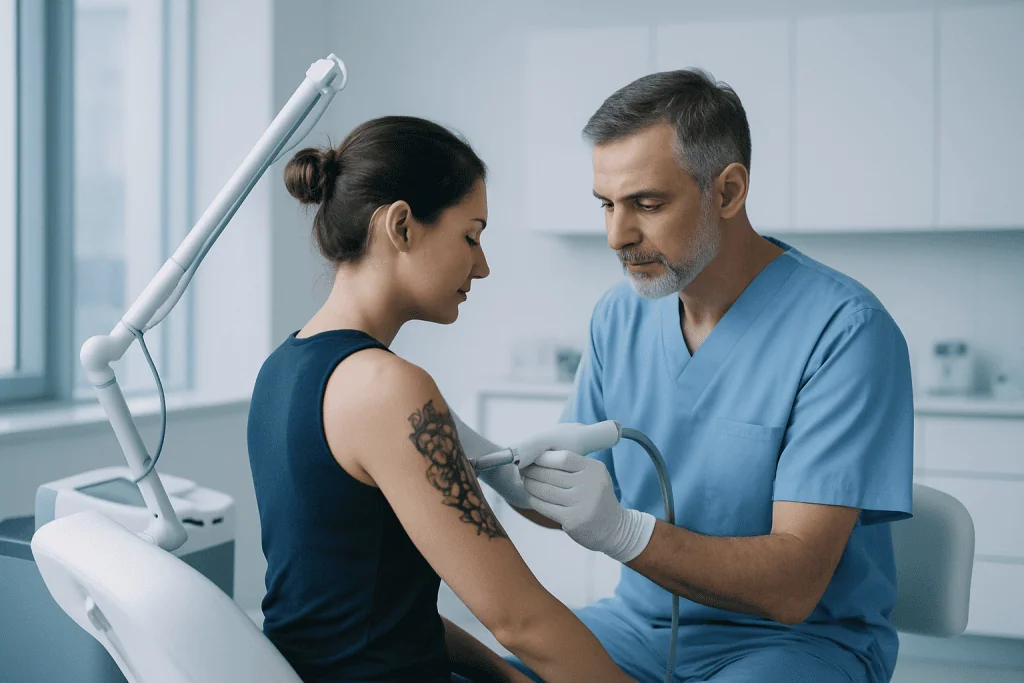
Surgical tattoo removal, often searched as detatoo, is a procedure that cuts out the tattooed skin and closes the wound with sutures. Small tattoos can often be removed in one session; wider tattoos may need staged excision over several months. The ink is removed permanently, but every excision leaves a surgical scar, so careful planning of size, location and closure matters as much as the removal itself.
Surgical Tattoo Removal: The Decision Behind the Detatoo Search
Surgical tattoo removal is a procedure in which the tattooed skin is cut away and the wound is closed with sutures. Because the ink leaves the body with the skin that carries it, a suitable tattoo can be removed in one planned operation rather than fading gradually over many months of laser sessions. It is most useful for small tattoos, resistant pigments and skin that has not responded to other methods, and it always exchanges the tattoo for a surgical scar. That trade-off sits at the centre of every decision described on this page.
If you arrived here after searching for detatoo, you are using a word that has travelled from the French détatouage into everyday international use as shorthand for tattoo removal of every kind. Detatoo covers laser fading, surgical excision and everything in between, so the first task is not choosing a clinic: it is working out which method your tattoo, your skin and your timetable actually call for. Many people typing it into a search bar assume that laser is the only serious option and that surgery is an extreme measure. In reality, for the right tattoo in the right location, excision can be the quicker, more decisive and more predictable choice. For the wrong tattoo, it can create a scar more noticeable than the ink it replaced. Knowing which situation is yours is what this page is for.
A tattoo can carry a history, an identity, a relationship, a cosmetic preference or a moment in life that no longer feels aligned with the present. For some people, the decision to remove it is practical: a visible tattoo may conflict with professional requirements, military eligibility, a planned reconstruction or a future cosmetic procedure. For others, it is entirely personal. Whatever the reason, most people arrive with the same cluster of questions. Can it be removed completely? Will it leave a scar? How long will healing take? Is surgery safer or more effective than laser in my particular case? Honest answers depend on details, size, location, pigment, skin type, healing history, which is why generic promises found online are worth treating with caution.
The central question is not simply whether the tattoo can be removed. It is whether the tattoo can be removed in a way that respects the surrounding skin, the natural tension lines of the body, your skin type, your healing tendencies and your expectations. A good surgical plan evaluates the size, location and shape of the tattoo; the elasticity of the skin around it; the likely direction and length of the scar; and whether removal should happen in one stage or gradually over time. Tattoo removal and scar management are not two separate subjects: they are the same plan viewed from two ends, and a plan that considers only the first half tends to disappoint.
At Acibadem, surgical tattoo removal is approached as a minor but highly individualised plastic and reconstructive procedure. The aim is to remove the unwanted pigment while placing and managing the resulting scar as carefully as the anatomy allows. The process is built around thorough medical review and clear communication before anything is scheduled, so that decisions are made with full information rather than under time pressure.
What Is Surgical Tattoo Removal?
Surgical tattoo removal, also called tattoo excision, removes the tattooed skin itself using standard surgical technique. The tattooed area is cut out, usually in an elliptical shape that allows the edges to come together smoothly, and the skin is closed with sutures. In many small tattoos, the entire design can be removed in a single session. Where the tattoo is wider, or the surrounding skin is tight, staged excision may be recommended instead: part of the tattoo is removed first, the skin is allowed to heal and stretch over several months, and the remainder is removed in one or more later procedures. Staged excision takes longer, but it keeps closure tension under control, and controlled tension is one of the strongest predictors of a fine final scar.
The procedure may be performed under local anaesthesia for many small tattoos, meaning you are awake while the area itself is numbed. Larger or more complex cases may call for sedation or general anaesthesia, depending on the location, the anticipated closure, patient comfort and overall health. It is usually performed by a physician trained in skin surgery, plastic surgery or reconstructive techniques. The technical goals are consistent: complete removal of the tattooed skin at full depth, a tension-conscious closure often supported by deeper sutures beneath the surface, careful alignment of the skin edges, and an aftercare plan that supports the scar as it matures over the following months.
What is tattoo removal?
Tattoo removal is any medical procedure that eliminates or fades tattoo pigment from the skin, and the two established approaches work in opposite ways. Laser treatment leaves the skin in place and breaks the pigment particles into fragments small enough for the body to clear gradually; it typically needs multiple sessions spaced weeks apart. Surgical excision removes the skin containing the pigment in a single planned step, replacing it with a sutured wound that heals into a scar. Older methods such as dermabrasion and chemical destruction have largely fallen out of favour because they damage skin unpredictably. When people search for detatoo, they are usually comparing these two modern routes without yet knowing which one their tattoo suits, and the honest answer is that the tattoo, not the patient’s preference alone, often decides.
Can tattoos be surgically removed?
Yes, tattoos can be surgically removed, provided the tattooed skin can be excised and the surrounding skin closed without excessive tension. That condition is the whole story. A small symbol on the forearm, a narrow line of lettering, initials on the wrist or a compact cosmetic tattoo can often be removed in one sitting. A broad piece across the shoulder blade, a circular design over the ankle or a sleeve covering the arm cannot be closed directly, and forcing the attempt would distort the surrounding tissue or leave a wound under damaging tension. For those tattoos, the realistic surgical options are staged excision over time, tissue rearrangement, or, in selected reconstructive cases, skin grafting or tissue expansion, each with its own trade-offs. In practice, the question is rarely whether a surgeon can remove a tattoo; it is whether the scar that results would be a good exchange.
How does excision differ from laser tattoo removal?
Laser tattoo removal fades a tattoo gradually by fragmenting ink particles with pulses of light, while excision removes the inked skin outright. Laser results depend on pigment colour, ink depth, ink composition and skin type. Multiple sessions can erase tattoo laser-responsive pigments such as black and dark blue fairly predictably, while greens, yellows, whites and some cosmetic inks are more stubborn and may leave a residual shadow even after a long course of laser treatments. Laser leaves no incision, but it is not effortless either: it can cause blistering, texture change and pigment alteration, particularly in darker skin tones, and its total treatment time is measured in months rather than weeks.
Excision reverses the equation. It works regardless of ink colour, because the ink leaves with the skin. It compresses the timeline into one or a small number of procedures. Its cost is fixed and visible from the start: a surgical scar whose final appearance depends on location, closure tension, biology and aftercare. Neither method is universally better. Small tattoo plus available skin generally favours surgery; large tattoo plus laser-responsive pigment generally favours laser; many real cases sit between the two and are best served by a combined plan, with laser reducing pigment density first and surgery addressing what remains.
Can we remove a tattoo permanently?
A surgically excised tattoo is removed permanently in the plainest sense: the skin that held the ink is gone and the pigment cannot return. What remains permanently in its place is a scar, and its final look is not fully predictable for any individual. Laser removal can also be effectively permanent for responsive inks, though some tattoos retain a faint ghost of pigment even after a complete course, and some pigments darken paradoxically under laser light before they fade. So the accurate answer is: yes, permanent removal is achievable, but “removed” never means “restored to untouched skin”, with surgery you keep a scar, and with laser you may keep a shadow or a texture change. Choosing between them means choosing which residue you would rather live with.
Who May Consider Surgical Tattoo Removal?
People consider excision for many reasons. Some have a small tattoo on the wrist, hand, neck, ankle or behind the ear that no longer fits their professional or personal life. Some have a tattoo that did not respond well to laser, particularly if it contains resistant pigments or was placed deeply. Others carry a traumatic tattoo, pigment embedded in the skin after a road accident or injury, where the particles sit irregularly and respond poorly to light-based treatment. In certain cases, tattooed skin needs to be removed as part of another operation, such as scar revision, reconstruction, or excision of a suspicious skin lesion lying near or within the tattoo.
Most tattoos cause no physical symptoms at all; the “problem” is cosmetic, emotional, social or occupational, and that is a legitimate reason for treatment. Medical assessment becomes important, however, when the tattooed skin itself changes: chronic irritation, a raised or shifting area within the design, inflammation, allergic reaction to a pigment, infection, scarring from previous removal attempts, or concern about a lesion hidden by the ink. Tattoo pigment makes it harder to monitor moles visually, because the colour changes and border irregularities a dermatologist relies on can be masked by ink. A new, growing, bleeding or irregular lesion within a tattoo warrants proper dermatological examination, sometimes with dermatoscopy, sometimes with biopsy, before any cosmetic decision is made. Information about how pigmented lesions are assessed and excised is covered on our mole removal page.
Treatment planning begins with a physical examination. The clinician assesses the tattoo’s size, shape, depth, colour density, location and relation to nearby structures such as joints, tendons, nerves and important facial or body contours. Skin laxity is evaluated carefully, because the surrounding skin must close without excessive tension. The upper arm, abdomen, thigh and back often offer more available skin; the fingers, hands, ankles, chest, shin and parts of the face are far less forgiving. The surgeon also studies the likely direction of the scar and whether it can be hidden along natural skin lines or within an existing crease: a detail that can matter more to the final result than the excision itself.
Your medical history shapes both candidacy and design. Diabetes, immune suppression, bleeding disorders, smoking, previous wound-healing problems and a personal or family tendency toward keloid scarring all influence the plan. Any decision about pausing or continuing a medicine before surgery belongs strictly to your treating doctor; what you can do is disclose everything you take, including supplements, so that the decision is an informed one. A full account of previous treatments to the tattoo itself, laser sessions, creams, home remedies, also belongs in this history, because previously treated skin heals and scars differently from untouched skin. Patients who are pregnant, who have an active skin infection in the area, or who have recently completed certain acne treatments are commonly advised to postpone elective removal until conditions are favourable.
Excision may be appropriate when the tattoo is small enough to remove safely, the skin can close with acceptable tension, and you understand that removal produces a scar. It may not be the preferred approach when the tattoo is very large, when it sits where closure could distort nearby anatomy, or when the expected scar would trouble you more than the tattoo does. In those situations, laser, staged excision, tissue expansion, resurfacing or a combined plan is discussed instead, and sometimes the soundest advice is to choose one of the non-surgical procedures or to leave the tattoo alone.
Conditions and Indications Excision Can Address
Surgical tattoo removal is used for selected tattoo-related situations rather than for every unwanted tattoo. It is most often recommended when the design is limited in size and sits where the skin can be closed safely. Small initials, symbols, micro tattoos, narrow lettering, certain cosmetic tattoos and traumatic pigment marks are frequently good candidates, always depending on exact location and individual skin characteristics.
It is also considered after incomplete laser removal. Some pigments fade slowly, unevenly or insufficiently, and some tattoos leave a residual shadow that remains cosmetically unacceptable to the patient even after a full laser course. If that residual area is small and closure is feasible, surgery can remove it definitively. In other patients the sequence runs the opposite way: laser first, to shrink the pigmented area or lighten its density, then a smaller excision to finish. The order depends on the tattoo, the condition of the skin between treatments and the patient’s goals and timetable.
A further indication is a tattoo associated with scarring or textural change. If a tattoo was placed over an existing scar, or previous removal attempts created irregular scar tissue, surgical revision can remove pigment and damaged skin together. Expectations need particular care here: surgery cannot create untouched skin. It replaces the existing tattoo-plus-scar with a single planned surgical scar, which is usually easier to conceal, treat and live with, but it is still a scar.
In medical situations, excision may be advised because of a concerning lesion within tattooed skin. Pigment can obscure the visual features of moles and skin cancers, and when a dermatologist or surgeon identifies a suspicious area, biopsy or excision becomes a diagnostic necessity rather than a cosmetic choice. In those cases medical safety leads and cosmetic planning is integrated around it; where a malignancy is confirmed, care continues within surgical oncology pathways rather than as an aesthetic procedure.
Finally, excision is sometimes requested against a deadline, employment screening, public service or military application processes, or a personal milestone. When months of laser sessions are not practical, a single surgical procedure can be. The physician still weighs whether a scar in that location is an acceptable outcome and whether healing can complete safely within the available time, because a wound that is rushed through recovery tends to announce itself later as a wider, angrier scar.
How Surgical Tattoo Removal Is Performed
Preparation and Consultation
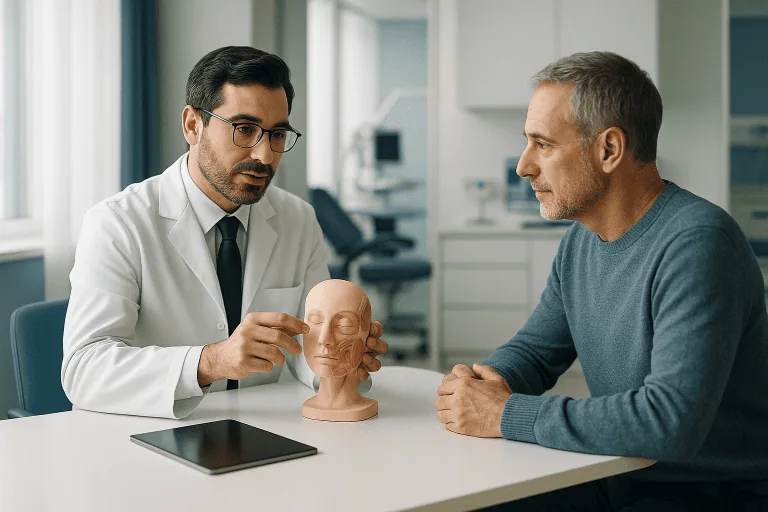
The process begins with a detailed consultation. Your physician examines the tattoo in person, sometimes after first reviewing high-quality photographs and medical information. Photographs are genuinely useful, but they cannot measure skin laxity, thickness or tension, the properties that determine whether a wound will close well, so the final plan is confirmed only after direct examination.
During consultation, the surgeon decides whether single-stage excision is realistic or staged removal is safer. A narrow tattoo is typically removed as an ellipse, a shape that lets the wound close smoothly without puckering at the ends. A round or irregular tattoo may need a modified design so the final scar lies in a favourable direction. Near a joint, the surgeon accounts for movement and the risk of scar widening; near the eye, mouth, nose, ear or hand, the plan must protect function and avoid pulling on structures that show every millimetre of distortion.
You will be asked about allergies, previous anaesthesia reactions, current medications, supplements, smoking and medical conditions. Blood thinners, anti-inflammatory medicines and certain supplements affect bleeding and healing, which is precisely why any adjustment is a decision for your treating doctor and never something to attempt on your own. Smoking and nicotine exposure impair blood flow and wound healing, and patients are commonly advised to stop for a period before and after the procedure. If there is an active rash, infection or irritation in the treatment area, surgery is delayed until the skin is healthy.
Expectation-setting is part of preparation, not an afterthought. The clinician should tell you the likely scar length, and here many patients are surprised, because a safe elliptical closure usually requires an incision longer than the tattoo itself. Removing a little healthy skin at each end is what allows the wound to lie flat instead of bunching. The scar’s final appearance then develops over months, not days, and scar care is a meaningful part of the treatment rather than an optional extra.
The Procedure, Step by Step
The operation itself is methodical. For a typical small tattoo it follows this sequence:
- Marking. The area is cleaned and the excision is drawn on the skin. You may be asked to sit, stand or move the area during marking so natural skin lines and tension patterns can be read accurately.
- Anaesthesia. For most small tattoos, local anaesthetic numbs the area while you stay awake. Larger, more sensitive or more complex cases may use sedation or general anaesthesia, chosen on grounds of safety, complexity and comfort.
- Excision. The tattooed skin is removed with precise technique. Because pigment can extend deeply, the excision must include the full depth of the tattooed tissue, not just the visible surface.
- Deep closure. Where tension exists, dissolving sutures are placed in the deeper layers to carry the load, so the surface edges meet without strain.
- Surface closure. Fine sutures align the skin edges exactly. This layered approach distributes tension and supports a finer scar, although individual healing always remains variable.
- Dressing and instructions. A dressing is applied and you receive written guidance on wound care, activity limits, showering, medications and follow-up.
For larger tattoos, direct closure may be impossible without harmful tightness. The options then include staged excision, local tissue rearrangement or, less commonly, skin grafting, which covers a defect but can leave a patch-like appearance plus a donor-site scar, so it is reserved for selected cases. Tissue expansion, in which nearby skin is gradually stretched with an implanted expander before excision, exists for complex reconstructive defects but is not typical for small cosmetic tattoo removal. Procedure length varies with size, location and closure method: a small excision may be finished quickly, while staged or rearranged closures take longer.
How painful is tattoo removal?
With local anaesthesia, the excision itself should not hurt: you feel the initial injections and then pressure or movement rather than pain while the area is numb. Afterwards, discomfort is usually described as tightness, soreness or a pulling sensation for the first days, commonly managed with simple medication recommended by your physician. Laser tattoo removal feels different, most patients compare each pulse to the snap of an elastic band against the skin, repeated across the tattoo and again at every session. Neither method is comfortable in the absolute sense, but for a small excision the discomfort is concentrated into one short procedure and one recovery, rather than spread across months of appointments. Pain that worsens after the first days, rather than easing, is not part of normal healing.
Can I get a tattoo removed immediately?
No: a fresh tattoo cannot be removed immediately by any method, because tattooed skin is a healing wound in its own right. The skin needs to settle fully, typically over a couple of months, before laser or excision can be planned; operating on inflamed, freshly pigmented skin raises the risk of poor healing and a worse scar. The same logic applies between treatments: surgery soon after aggressive laser work is unwise while the skin is still fragile, and staged excisions are separated by months so the skin can recover and stretch. “Immediately” in tattoo removal realistically means: as soon as the skin is calm, healthy and examined, not the week after you change your mind.
Technology and Surgical Planning Tools
Excision relies chiefly on clinical judgement, but modern support tools sharpen both planning and safety. High-resolution photography documents the tattoo and guides incision design. Dermatoscopic evaluation is used when lesions or pigment changes need closer inspection before the knife is committed. In selected medical cases, the excised tissue is sent for pathological examination, routine when there is a suspicious lesion, chronic inflammation or diagnostic uncertainty. In the procedure room, magnification, precise instruments, controlled lighting and fine suture materials support accurate tissue handling; for patients with previous scarring or complex anatomy, additional imaging or specialist consultation can be brought in. The most valuable “technology” in this operation, though, is the combination of anatomical planning, tension management and scar-prevention strategy tailored to one particular patient and one particular tattoo.
Recovery After Surgery
Recovery from a small tattoo excision is usually manageable. Mild discomfort, tightness, bruising and swelling are expected in the first days, controlled with simple medication your physician recommends. The dressing stays in place for a specified period, and the wound is kept clean and protected. You will typically be advised to avoid stretching the area, heavy exercise, swimming, sauna, direct sun and friction over the incision while early healing takes place: an incision over a joint or a frequently used muscle needs particular respect during this window.
Sutures may be absorbable or non-absorbable. If non-absorbable sutures are used, removal timing depends on the body area and the surgeon’s preference: facial sutures usually come out earlier, while wounds on the trunk or limbs need support for longer. Follow-up timing is set at the end of the procedure, and the treating team documents exactly what was done, suture type, closure technique and the planned schedule for wound review, so that each step of aftercare builds on an accurate record rather than guesswork.
Scar maturation takes time, and expecting otherwise is the most common source of early disappointment. In the first weeks, the scar can look pink, firm or slightly raised; over months it usually softens and fades, to a degree that varies between individuals. Scar care may include silicone gel or sheets, disciplined sun protection, massage once the surgeon approves it, and further treatment if a scar becomes thick, itchy or raised, options ranging from injections to laser resurfacing in selected mature scars. Patients with darker skin tones are more prone to pigment changes at the scar line, which makes sun protection and early scar management especially important for them.
Why Acting Early Can Matter
There is rarely any urgency in removing a purely cosmetic tattoo, and no one should feel rushed into skin surgery. Acting early can still matter, for practical reasons. Tattoos do not become easier to remove with time: skin quality changes with age, weight fluctuation, sun exposure and scarring from prior treatments, and a small tattoo that is straightforward to excise today can become more awkward if the area accumulates additional scarring, irritation or tissue change. When skin laxity is favourable and the tattoo is small, the surgical problem is at its simplest.
Early medical evaluation matters far more when the tattooed skin itself is behaving abnormally. Persistent redness, swelling, drainage, pain, ulceration, bleeding, rapid growth, a changing mole or a new lump within a tattoo can reflect infection, allergic reaction, chronic inflammation or, rarely, a skin cancer concealed by pigment. Findings like these turn the question from cosmetic to diagnostic, and a diagnosis delayed is a treatment made more complex.
Timing also governs how methods combine. Repeated laser sessions alter the texture and elasticity of skin; operating on inflamed post-laser skin invites poor healing. A physician can sequence and space laser and surgery to protect wound healing and scar quality, which is one more reason the plan should exist before the first treatment, not emerge afterwards.
Benefits of Surgical Tattoo Removal
For appropriately selected patients, excision offers concrete, practical advantages over leaving the tattoo untreated or committing to a long course of non-surgical sessions.
| Benefit | What It Means for You |
|---|---|
| Direct removal of tattooed skin | The pigment-containing skin is excised rather than gradually faded, which suits small tattoos or residual pigment left after other treatments. |
| Potentially fewer treatment sessions | Some small tattoos can be removed in one procedure, although larger or tighter areas may require staged excision. |
| Useful when laser is not ideal | Surgery can address resistant colours, dense pigment, allergic reactions, traumatic tattoos and cases where laser has not achieved the desired result. |
| Planned scar placement | The surgeon designs the incision to follow favourable skin lines where possible, helping the final scar blend with the body’s natural contours. |
| Opportunity for tissue analysis when needed | If a suspicious lesion or chronic skin change sits within the tattoo, the excised tissue can be examined by pathology. |
Recovery Timeline After Surgical Tattoo Removal
Recovery varies with tattoo size, location, closure tension, general health and suture type, but most patients follow a recognisable pattern.
| Time Period | What Patients Can Expect |
|---|---|
| Day 1 | The area is dressed and may feel tight, tender or mildly swollen. Rest the treated area and follow the instructions for medication and wound protection. |
| First Week | Bruising and swelling usually begin to improve. Activity limits remain important, avoid stretching, friction and soaking the incision. |
| First Month | The incision is usually closed, but the scar may look pink, firm or raised. Scar care begins once the surgeon confirms the wound is ready. |
| Three to Six Months | The scar gradually softens and matures. Sun protection matters throughout, to reduce the risk of darkening or uneven pigmentation. |
| Longer Term | The final scar appearance continues to evolve. If thickening, widening or pigment change occurs, additional scar management may be recommended. |
How Much Does It Cost to Surgically Remove a Tattoo?
There is no single honest number for the cost of surgical tattoo removal, because the fee is built from variables that differ for every patient. What can be explained plainly is what drives it. Size comes first: a larger excision means more operating time, more suturing and sometimes a more complex closure. Anaesthesia is second: a procedure under local anaesthetic costs a facility far less to run than one requiring sedation or general anaesthesia with an anaesthesiology team. Staging multiplies both, each stage of a serial excision is its own procedure with its own preparation, theatre time and follow-up. Location on the body matters too, since tattoos near functionally or cosmetically sensitive structures demand more elaborate planning. Finally, add-ons appear case by case: pathological examination of excised tissue when a lesion is involved, and scar-care products or treatments during the months of maturation.
Comparing surgery with laser on price is where most people go wrong. The laser removal of tattoo price figures published online are almost always quoted per session, while a full laser course means multiple sessions whose number cannot be promised in advance: it depends on how the pigment responds. Surgery, by contrast, is usually quoted per procedure, with the number of procedures known from the outset for a single-stage excision. A per-session laser quote and a per-procedure surgical quote are therefore not the same kind of number, and lining them up side by side without accounting for session count tells you very little. If you are gathering quotes under the general banner of detatoo, ask each provider the same questions: what exactly does the quoted figure include, how many sessions or stages does the complete plan assume, and what happens to the total if the plan changes. A trustworthy answer to those three questions is worth more than any headline figure.
Factors That Influence the Final Result
The quality of a surgical tattoo removal result depends on a handful of factors, and understanding them before surgery is the best protection against disappointment afterwards. The first is tattoo size. Small, narrow tattoos are easier to remove and close than broad or circular ones; a wide tattoo may need a longer scar, staged excision or a more complex reconstruction. The second is location. Skin with generous laxity closes with little tension, while areas over joints, the chest, shoulders, lower legs, hands and feet are prone to movement, tension and scar widening no matter how carefully the surgeon works.
Skin type and healing biology come next, and they are the factors nobody can fully control. Some people naturally form fine, pale scars; others develop darker, thicker or raised ones. A history of keloids or hypertrophic scars calls for individualised counselling, because even a technically excellent excision can heal with a prominent scar in a keloid-prone patient. Skin tone influences the risk of post-inflammatory hyperpigmentation or hypopigmentation along the scar line, and ultraviolet exposure after surgery makes any scar more visible, which is why sun protection is not a suggestion but a core part of the treatment.
The direction of the incision strongly affects appearance. Wherever possible, surgeons place scars along relaxed skin tension lines or inside natural creases, where they read as part of the body’s own architecture. This is not always achievable, an unusually shaped tattoo in a tight area may leave no elegant option, and good planning sometimes means removing additional non-tattooed skin to build a closure that heals more smoothly. That sounds counterintuitive, but it prevents bunching at the ends of the incision and improves the final contour.
Closure tension is the single most important technical variable. Skin pulled together too tightly produces a widened scar, a wound that separates, or distortion of nearby structures. Layered suturing reduces surface tension but cannot conjure skin that is not there, which is exactly why staged excision exists. Removing less now, letting the skin heal and stretch, and finishing later frequently produces a more controlled result than removing too much at once ever could.
General health carries real weight. Smoking, uncontrolled diabetes, nutritional deficiencies, immune suppression and certain medications raise the risk of delayed healing, infection or poor scarring; full disclosure of your history and everything you take, supplements included, lets the team plan around these risks. And aftercare closes the loop: even a beautifully designed incision heals poorly when exposed to tension, sun, contamination or premature strenuous activity. Half the result is made in the operating room; the other half is made in the weeks that follow, largely by you.
Finally, the definition of a good result must be realistic and genuinely shared between patient and surgeon before anyone operates. Excision does not restore skin to an unmarked state: it replaces a tattoo with a scar. For many patients a planned, well-placed scar is clearly preferable to the tattoo. For others, laser or simply leaving the tattoo alone is the wiser choice. A consultation that ends with “in your case, I would not operate” is not a failure; it is the system working.
Surgical Tattoo Removal at Acibadem
Patients considering tattoo removal usually want more than the procedure itself: a careful assessment, transparent communication, medically sound recommendations and organised follow-up. Excision may be minor in operating time, but it still demands judgement, sterile technique, scar-conscious planning and appropriate aftercare, details that separate a well-managed excision from one the patient regrets.
At Acibadem hospitals, tattoo excision is evaluated by physicians who weigh both the cosmetic and functional implications of removal. Where the case requires it, dermatology, plastic and reconstructive surgery, pathology and other specialties are involved together. This multidisciplinary structure is particularly relevant when the tattoo involves scar tissue, a suspicious skin lesion, a complex anatomical area, or a history of complications from earlier removal attempts.
Planning is personalised rather than automatic. A small linear tattoo on the forearm calls for a very different plan from a circular tattoo over the ankle, a keloid tendency, or residual pigment after multiple laser sessions. The physician assesses whether excision is appropriate at all, whether staged removal would be safer, whether laser should come first, and what scar-management plan is reasonable for that patient’s skin. Clinical photography, dermatoscopic evaluation when indicated, careful surgical marking, refined suture materials and pathology services for selected cases support the pathway, not technology for its own sake, but the right tools applied to understand the skin, remove the tattoo appropriately and support healing. Broader information about how surgical procedures are organised across the group is available on our laser surgery and related treatment pages.
Clear communication matters most at the points where misunderstanding is costly: consent, scar expectations, wound care and follow-up instructions. The consultation is structured so that each of these is discussed explicitly rather than assumed, and patients are encouraged to ask exactly what the scar is likely to look like, where it will sit and how it will be cared for before agreeing to anything.
Continuity of care is built into the plan rather than left to chance. Patients receive guidance about dressing changes, warning signs, suture removal where needed, scar care and when to resume exercise. When ongoing care is required, especially in staged excision, where each future stage depends on how the previous one healed: the medical team provides thorough documentation so that every stage builds on an accurate record of the last. And if you have been told elsewhere that laser is your only option, or advised to have surgery while remaining uncertain about scarring, it is entirely reasonable to seek a second specialist opinion before committing; a responsible recommendation matches the procedure to the patient, never the patient to the procedure.
Realistic Expectations, Clearly Held
Surgical tattoo removal is an effective option for selected patients: those with a small or laser-unsuitable tattoo who accept a surgical scar as the price of decisive removal. The procedure is never merely about cutting out pigment. It is about how the skin will close, where the scar will sit, how healing will be managed and whether the outcome is likely to meet your own definition of success. The best results begin with an honest assessment of what is possible for your skin, your tattoo and your circumstances, and the discipline to walk away from surgery when that assessment says so.
Whether you first framed your search as detatoo, tattoo excision or simply getting rid of a tattoo, the decision comes down to the same trade: ink for a scar, months of laser for a single operation, or acceptance of the tattoo as it is. Understand the exchange fully, insist on a plan that treats removal and scar management as one subject, and expect your surgeon to be as precise about limits as about possibilities. Precision about what cannot be promised is, in this field, the most reliable sign that you are in the right hands.
Preparation
- A plastic surgeon evaluates tattoo size, location, skin elasticity, scar tendency, and whether staged excision is needed. Patients should share medical history, allergies, medications, and previous tattoo removal treatments. Blood-thinning medicines and smoking may need to be stopped as advised before the procedure.
Aftercare
- The incision is dressed and kept clean and dry according to the surgeon’s instructions. Sutures are usually removed after about 1 to 2 weeks, depending on the treated area. Sun protection and scar care are important, and strenuous activity should be avoided until healing is secure.
Frequently Asked Questions
What affects the cost of surgical tattoo removal?
The main factors are tattoo size, location, skin laxity, scar risk, the closure technique, anaesthesia needs, hospital or clinic setting, surgeon expertise and aftercare requirements.
How can I get a personalised quote?
You can request a free consultation and share clear photos of the tattoo, its location, your medical history and any previous tattoo removal treatments. A specialist can then advise whether surgery is suitable and what the package may include.
Is surgical tattoo removal always cheaper than laser removal?
Not always. Surgery may be suitable for selected small tattoos or tattoos that are difficult to treat with laser, but the final cost depends on closure complexity, scarring risk, anaesthesia and whether staged treatment is needed.
What is usually included in an international patient package in Turkey?
Depending on the hospital, a package may include specialist consultation, the procedure, anaesthesia if required, dressings, follow-up planning, translation support and travel coordination. Inclusions should be confirmed before booking.
Will I need more than one procedure?
Some tattoos can be removed with direct excision, while larger tattoos or areas with limited skin laxity may require staged excision or a more complex closure. The specialist will decide this after examination.
Does surgical removal leave a scar?
Yes. Surgical tattoo removal replaces the tattoo with a surgical scar. The final appearance depends on location, skin type, closure tension, healing pattern, aftercare and the surgeon’s planning.
Medically reviewed by the Acıbadem International Medical Board September 1, 2026
See our medical review board →
Update history
- PublishedJune 8, 2026
- Medical review approvedSeptember 1, 2026
- Last content updateSeptember 1, 2026
References1
- Tattoo removal nhs.uk
Trusted care for international patients
From the Acibadem Blog
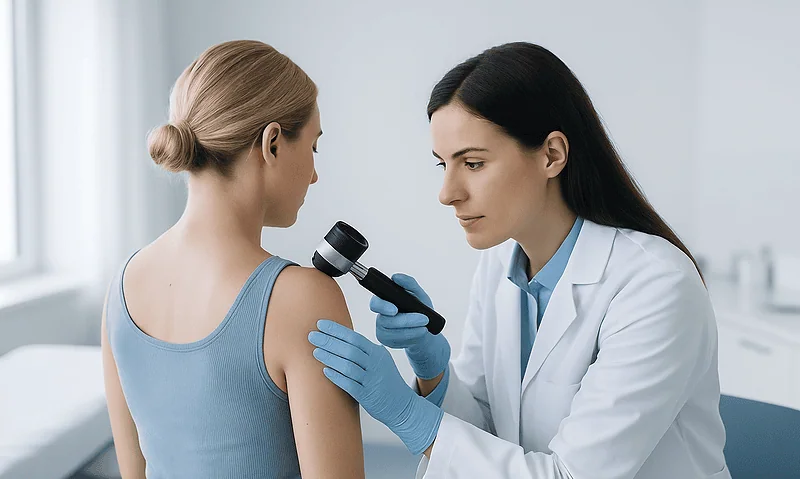
Staged Excision for Larger Tattoos: How Surgeons Remove Tattooed Skin in Steps
Staged tattoo excision is a surgical approach in which a larger tattoo is cut out in two or more planned operations, spaced weeks to…
Doctors Performing This Treatment



Aesthetic Plastic & Reconstructive Surgery
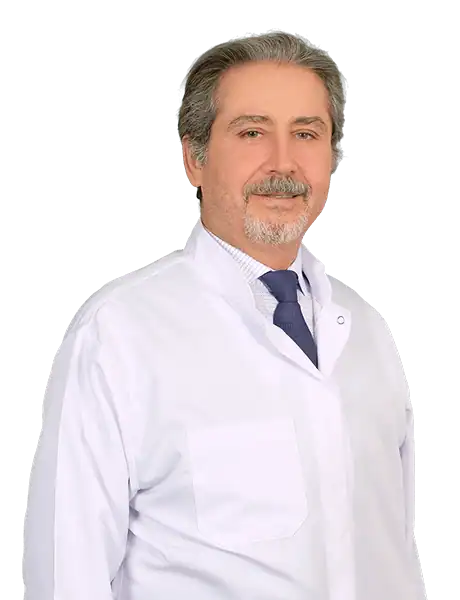
Prof. Mehmet Veli Karaaltın, MD

Aesthetic Plastic & Reconstructive Surgery
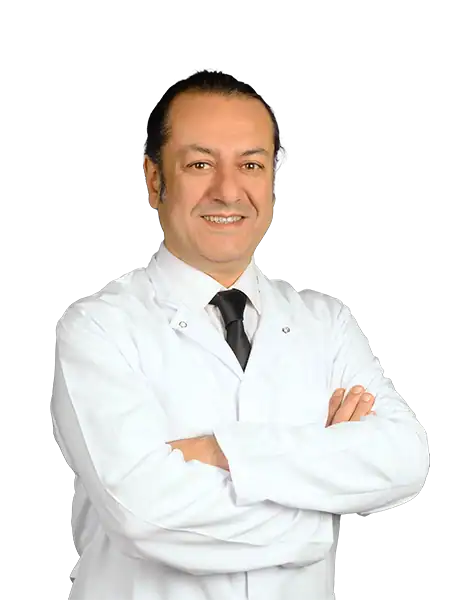
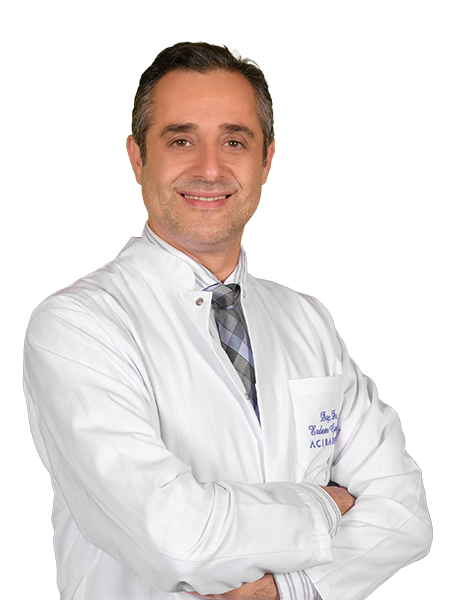
Assoc. Prof. Erdem Güven, MD

Aesthetic Plastic & Reconstructive Surgery
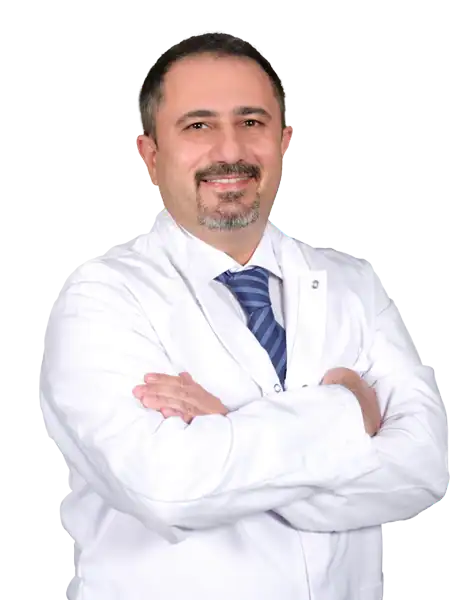
Assoc. Prof. Ahmet Küçükçelebi, MD
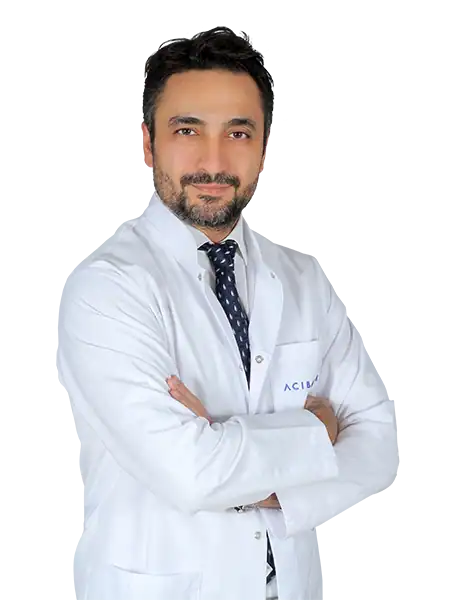
Aesthetic Plastic & Reconstructive Surgery
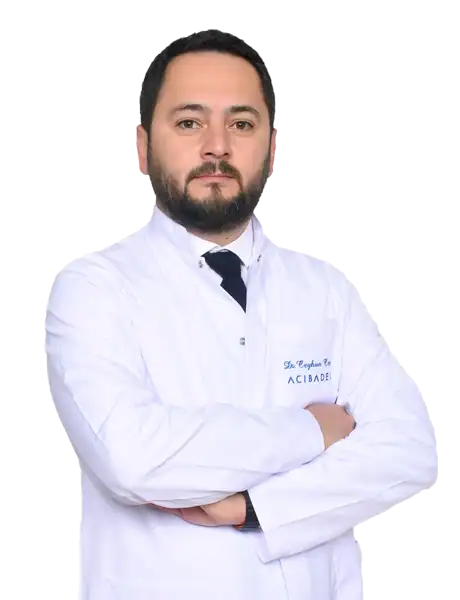
Assoc. Prof. Mehmet Altıparmak, MD

Aesthetic Plastic & Reconstructive Surgery