Skin Grafting
Skin grafting transfers healthy skin from one body area to cover damaged or missing skin, helping restore protection, healing and appearance after burns, trauma, wounds or surgery.
Quick answer
Skin grafting is a surgical procedure that moves healthy skin from one part of your body (the donor site) to cover a wound that cannot heal on its own, typically after burns, trauma, infection, chronic ulcers or cancer surgery. The graft attaches to the wound bed and develops a new blood supply over the first one to two weeks. Split-thickness and full-thickness grafts are the two main types.
What Is a Skin Graft?
A skin graft is a piece of healthy skin removed from one part of your body and placed over a wound that cannot close reliably on its own. Skin grafting is the operation that makes this transfer happen: the surgeon takes skin from a donor site, secures it over the damaged area: the recipient siteand the graft then attaches to the tissue beneath it and grows a new blood supply. It is one of the oldest and most widely used techniques in reconstructive surgery, and it remains standard treatment after burns, trauma, infection, chronic wounds and cancer surgery.
A graft is not a patch in the everyday sense. Once healed, it becomes living skin: it protects the tissue beneath it, holds in fluid, keeps bacteria out and, over time, regains a degree of sensation. That is why surgeons take the decision seriously. A graft placed on the wrong wound, or at the wrong time, will not survive. A graft placed on a clean, well-prepared wound can turn a fragile open area into stable, durable coverage.
What does “graft” mean in medicine?
In medicine, a graft is any piece of living tissue moved from one place to another without carrying its own blood vessels with it. The tissue survives only if the area receiving it can supply blood, which is the central challenge of all grafting. Skin is the most familiar example, but the same principle applies to dental bone grafts used to rebuild the jaw, to fat grafting used to restore volume and contour, and to tendon, cartilage, cornea and vessel grafts used across surgical specialties. A graft differs from a flap, which is tissue transferred together with its own blood supply. The word has other meanings outside hospitals, in British slang it means hard work, and in politics it means corruption, but in a surgical setting, graft always refers to transplanted tissue.
How does skin grafting work?
Skin grafting works because a thin layer of living skin can survive temporarily without its own circulation, long enough for new blood vessels to grow into it from the wound below. In the first day or two, the graft is kept alive by fluid seeping up from the wound bed: a stage surgeons call plasmatic imbibition. Over the following days, small blood vessels in the wound bed begin to connect with vessels in the graft, and new capillaries grow directly into the transplanted skin. Within roughly one to two weeks, a healthy graft has “taken”: it is attached, pink and receiving its own blood supply.
Everything about the procedure is designed to protect this fragile process. The wound bed must be clean and well vascularised, because a graft cannot survive on dead tissue, exposed bare bone or infected tissue. The graft must be held completely still, because even small shearing movements tear the new vessels as they form. And fluid must not be allowed to pool underneath, because a layer of blood or serum lifts the graft away from the tissue that is trying to feed it. Once you understand these three requirements, a healthy bed, no movement, no fluid, most of the instructions you receive before and after surgery make immediate sense.
Is a skin graft the same as skin transplantation?
Skin transplantation is a broader term, and in most cases it describes exactly what a skin graft is: skin transplanted from one site to another on the same person. This is called an autograft, and it is the standard approach, because your own skin heals in permanently without any risk of rejection. Skin from a donor (an allograft) or processed animal-derived skin (a xenograft) is sometimes used in major burns as a temporary biological dressing while the patient’s own donor sites recover, but this coverage is not permanent: the body eventually rejects it. Laboratory-grown skin substitutes and dermal matrices exist as well, and in selected complex wounds they are used to prepare the bed or supplement an autograft. For lasting coverage, however, your own skin remains the material of choice.
Why Losing Skin Is a Serious Problem
Skin is often described as the body’s largest organ, and when part of it is lost you feel why very quickly. Intact skin keeps bacteria out, holds fluid in, helps regulate temperature and lets you sense the world through touch. An open wound does none of this. It leaks fluid and protein, it is painful, it is an open door for infection, and it ties you to dressings, restrictions and repeated clinic visits until it closes.
Small, shallow wounds close themselves. Skin regenerates from its edges and from structures deep in the dermis, hair follicles and glands, that act as reservoirs of new skin cells. But when a wound is too large, too deep or too complicated, those reservoirs are gone or overwhelmed. The wound may slowly contract and scar, which can pull on joints and distort nearby features, or it may simply stay open for months. A graft short-circuits this problem: instead of asking the body to regenerate skin it cannot regenerate, the surgeon supplies healthy skin from somewhere else.
If you are researching this procedure, your concerns are probably practical: how much it will hurt, what the graft and the donor site will look like, how long recovery takes, and whether one operation will be enough. Those are the right questions, and the honest answers depend on the type of graft, the size and location of the wound, and your general health. This page sets out what is known, what varies, and what your surgical team will weigh up.
What Are the Different Types of Skin Grafts?
Skin grafts are classified mainly by how much of the skin’s depth they include, and the choice shapes almost everything else, how large an area can be covered, how the donor site heals, and how the grafted skin looks and behaves in the long term.
Split-thickness skin grafts
A split-thickness skin graft includes the epidermis, the outer layer, and part of the dermis beneath it. Because only part of the dermis is taken, the donor site keeps its deep skin structures and heals on its own, usually within a few weeks, much like a graze. This makes split-thickness grafts the workhorse for large wounds: broad burns, extensive trauma and sizeable chronic ulcers. The trade-offs are cosmetic and functional. Thinner grafts contract more as they heal, match the surrounding skin less closely in colour and texture, and can look shiny or slightly sunken. They are chosen when coverage and reliability matter more than appearance.
Full-thickness skin grafts
A full-thickness skin graft includes the entire depth of the skin, epidermis and full dermis. Because the whole thickness is removed, the donor site cannot regenerate itself and is closed with stitches instead, which limits how much skin can be taken. In return, a full-thickness graft offers better colour match, more natural texture, greater durability and much less contraction. That makes it the preferred option for smaller defects in visible or mobile areas: the face, eyelids, nose, hands and fingers. Donor skin is usually taken from somewhere the resulting scar hides easily, such as behind the ear, the neck crease, the inner arm or the groin.
Meshed grafts and sheet grafts
A meshed graft is a split-thickness graft passed through a device that cuts a pattern of small slits into it, letting it expand like a net. Meshing does two useful things: it stretches a limited amount of donor skin over a larger wound, and the openings let blood and fluid drain through rather than collecting underneath and lifting the graft. The cost is appearance: the mesh pattern often remains visible permanently as a faint lattice texture. A sheet graft, applied unmeshed, gives a smoother result and is generally favoured for the face, neck and hands, where the surgeon accepts more careful fluid management in exchange for a better cosmetic outcome.
When a graft alone is not enough
A graft has no blood supply of its own, so it cannot survive on anything that cannot feed it. Exposed bone without its covering membrane, bare tendon, cartilage, radiation-damaged tissue and surgical hardware will not support a graft. In these situations the surgeon considers a flap, tissue moved with its own circulation, or a staged approach in which a dermal matrix or specialised dressing builds up a graftable layer first. Choosing between a graft, a flap or a combination is one of the core judgements of reconstructive surgery, and it is a major reason to have complex wounds assessed by an experienced team rather than assuming a graft is always the answer.
Who May Need Skin Grafting?
You may be considered for a skin graft when your body cannot close a wound safely or effectively by itself. That can happen suddenly, after a burn, an accident or an operation, or slowly, when a wound fails to heal over weeks or months despite proper wound care. Whether grafting is appropriate depends on the size, depth, location and cleanliness of the wound, and just as much on your circulation, immune status, nutrition and overall health.
Typical findings that lead towards grafting include an open wound that remains unhealed, exposed deeper tissue, skin loss after a deep burn, a surgical defect left after removal of a skin cancer or soft tissue tumour, or extensive scarring that restricts movement. Some patients have persistent drainage, pain, swelling or repeated breakdown of a wound that never quite closes. Others have skin that has technically healed but is so thin and fragile that it splits with normal movement, clothing or daily activity.
Assessment begins with a careful physical examination of the wound and the skin around it. The physician evaluates depth, tissue quality, signs of infection, blood supply, sensation and whether any vital structure is exposed. In chronic wounds, further tests are often needed to explain why healing has stalled: blood tests, wound cultures, vascular studies, imaging, diabetes assessment, or input from infectious disease, endocrinology, vascular surgery, orthopaedics, plastic surgery, dermatology or specialist wound care teams. A wound that will not heal always has a reason, and finding that reason matters more than any single procedure.
For burns, depth and extent are assessed carefully, because they decide the treatment. Superficial burns usually heal without surgery. Deep burns destroy the regenerative layer of the skin, and typically need surgical removal of the dead tissue followed by grafting. For trauma, grafting is often one stage in a longer reconstruction, performed once the wound is clean and stable. For cancer patients, a graft may close the defect left after excision when stitching the edges together directly is impossible or would distort nearby structures such as an eyelid or the nose.
Many patients arrive at this point with a specific question: is a graft actually the right operation for this wound, or would a flap, staged reconstruction or continued wound care serve better? A useful second opinion rests on detail, medical records, wound photographs, imaging, pathology reports and the history of previous treatment all shape what a surgeon can honestly recommend.
Conditions Treated With Skin Grafting
The situations that call for a graft share one feature: skin loss or damage that prevents reliable natural healing. The surgery may be urgent, semi-urgent or planned, depending on the cause.
Burn injuries are among the most common reasons for skin grafting. Deep second-degree and third-degree burns destroy the skin’s capacity to regenerate. After the nonviable tissue is removed, grafting closes the burn wound, reduces fluid loss, lowers infection risk and allows functional rehabilitation to begin. In extensive burns, grafting is often staged over several operations as donor sites recover between procedures.
Traumatic injuriesroad traffic accidents, crush injuries, degloving injuries, deep lacerations and other soft tissue loss, may need grafting once the wound is clean and has an adequate blood supply. Grafting here is frequently combined with orthopaedic, vascular or microsurgical procedures, and the sequence is planned as a whole rather than wound by wound.
Chronic wounds are considered for grafting when they fail to heal with good wound care alone: diabetic foot wounds, venous leg ulcers, pressure injuries and wounds caused by poor circulation. Grafting a chronic wound without first correcting its underlying cause, infection, pressure, uncontrolled blood sugar, inadequate blood flow, usually fails, so the preparatory work is treated as part of the operation, not a preliminary to it.
Defects after tumour removal are reconstructed with a graft when the gap is too large to close directly. This applies after excision of skin cancers, including melanoma, and after removal of soft tissue tumours. In cancer care the reconstruction is coordinated with pathology results and margin status, so that closing the wound never compromises the cancer treatment itself. Sometimes reconstruction is deliberately delayed until margins are confirmed clear.
Infection with tissue loss can leave areas of missing skin after debridement: the surgical removal of infected or dead tissue. Severe soft tissue infections sometimes require repeated debridement before the wound is clean. Grafting is considered only once infection is controlled and the wound bed is healthy enough to accept and feed a graft.
Scar contracturestight, healed scars that restrict movement, are also treated with grafting, particularly after burns. A contracture across a joint, the neck, the hand, an eyelid or the mouth can limit motion or function significantly. Releasing the scar surgically leaves a gap, and a graft (often full-thickness, to minimise re-contraction) fills it. Rehabilitation and splinting afterwards are usually essential to keep the movement that surgery restores.
How Skin Graft Surgery Is Performed
Skin graft surgery is a planned process rather than a single event. The operation itself can be technically straightforward, but the result depends heavily on what happens before and after it: how the wound is prepared, how the graft is protected, and how honestly the timing is judged. The pathway is tailored to your diagnosis, the wound’s location and your general health.
Preoperative evaluation and wound preparation
Before surgery, the team evaluates both the wound and you as a whole. That review typically covers previous treatments, medications, allergies, medical conditions, smoking status, diabetes control, circulation, nutritional markers and infection risk. Photographs document the wound for planning. If the wound relates to cancer, pathology is reviewed; if it involves trauma or possible bone involvement, imaging may be needed.
The surgeon then answers the decisive question: is this wound ready for a graft? A graft needs a healthy bed with a good blood supply. If there is dead tissue, uncontrolled infection, poor circulation or excessive fluid, the graft will not take, and operating anyway wastes donor skin and time. In that case, treatment starts with wound cleaning, debridement, antibiotics when indicated, vascular assessment or negative pressure wound therapy: a sealed dressing under gentle suction that removes fluid and encourages healthy tissue to form. Days or weeks of preparation are common, and they are not delay; they are what makes the graft succeed.
Choosing the donor site
The donor site is selected with as much care as the graft itself. Common areas include the thigh, buttock, abdomen, upper arm and groin, depending on the type and amount of skin required. The surgeon weighs skin quality, thickness, colour match with the recipient area, how well the donor scar can be concealed, and how easily the site will heal. For full-thickness grafts the donor wound is closed with stitches, so available skin is limited and sites are chosen where the skin is naturally loose. For split-thickness grafts the donor area regenerates from the deep skin structures left behind, which is why larger amounts can be taken and, in staged burn surgery, why the same site can sometimes be reused after it heals.
Anaesthesia and preparation on the day
Skin grafting may be performed under local anaesthesia with sedation, regional anaesthesia or general anaesthesia. The choice depends on the size and location of the wound, the expected duration, your age and medical condition, and whether other procedures are being done at the same time. An anaesthesiology team assesses you beforehand and plans monitoring and pain control. In theatre, the recipient site is cleaned and any remaining unhealthy tissue removed. The surgeon confirms that the wound bed shows healthy bleeding tissue, the practical sign that it can support a graft, before any skin is harvested. Sterile technique is maintained throughout to keep infection risk as low as possible.
Harvesting and placing the graft: step by step
Although details vary with graft type and wound, the core sequence is consistent:
- Harvesting. For a split-thickness graft, a dermatome, an instrument designed to remove an even, thin layer, takes a sheet of skin from the donor site. For a full-thickness graft, the surgeon excises a measured piece of skin with a scalpel and closes the donor wound with sutures.
- Preparation of the graft. The skin may be used as a sheet or meshed to expand its coverage and allow fluid to drain through. Full-thickness grafts are thinned of any fat on their underside, because fat blocks the ingrowth of new vessels.
- Placement. The graft is laid over the wound, trimmed to fit precisely and oriented for the best match of skin tension and texture.
- Fixation. It is secured with fine sutures, staples, skin adhesive or specialised dressings. The aim is complete stillness between graft and bed, because shear destroys the new capillaries as they form.
- Protection. A pressure dressing, a tie-over bolster, a splint or a negative pressure dressing holds the graft immobile and draws away excess fluid. On limbs, a splint may immobilise the nearby joint entirely for the first days.
How long does skin graft surgery take?
A small graft can take less than an hour; larger wounds, burn reconstruction, trauma reconstruction or combined procedures can take several hours. Hospital stay varies just as widely. Some patients go home the same day after a small graft under local anaesthesia. Others, particularly those with extensive wounds, significant medical conditions, infection risk, or grafts on areas that must be strictly immobilised, need inpatient care for monitoring, positioning and dressing management until the graft is stable.
Technology used in skin grafting care
Modern grafting relies on more than the transfer of skin. Diagnostic imaging and vascular assessment tools establish whether a wound bed can feed a graft. Digital wound documentation tracks healing objectively between visits. Negative pressure wound therapy prepares difficult wounds and, in bolster form, secures grafts on awkward contours. Advanced dressings manage donor sites and healing grafts. In complex reconstruction, operating microscopes support combined procedures, and microbiology guides infection control. For major burns and trauma, intensive care resources manage fluid balance, temperature and pain when those are the critical variables. After grafting near joints, custom splints and rehabilitation programmes protect function and work against contracture. None of this replaces surgical judgement; it widens what judgement can safely attempt.
Recovery After a Skin Graft
Recovery has two tracks, the graft and the donor site, and both need attention. The first days decide whether the graft takes; the following months decide how it looks and functions in the long term.
How long does a skin graft take to heal?
A healthy graft usually attaches and develops its blood supply within the first one to two weeks: this is the critical “take” period, when the graft must stay protected and still. But attachment is only the first stage of healing. Over the first month the graft becomes progressively more robust; over the following two to three months its colour, texture, sensitivity and tightness continue to change; and the scar tissue around and beneath it keeps maturing for many months, often up to a year or more. Split-thickness donor sites typically heal within a few weeks; sutured full-thickness donor sites heal like an ordinary surgical incision. Healing on the legs and feet is generally slower than elsewhere because of gravity, swelling and weight-bearing. The practical answer, then, has two parts: roughly two weeks for the graft to take, and many months for the result to settle into its final form.
The first days: protecting the graft
After surgery the graft stays under its protective dressing while attachment begins. The care team monitors pain, bleeding, swelling, drainage and the security of the dressing. Depending on the location, you may be asked to keep the area elevated, avoid any pressure on it, limit movement or wear a splint. These restrictions can feel disproportionate for what looks like a small procedure, but they map directly onto how a graft survives: stillness protects the new vessels, elevation limits the swelling and fluid that would lift the graft off its bed. When the first dressing comes off, timing varies with the surgeon and the wound, the graft is formally assessed for take.
Caring for the donor site
The donor site is a wound in its own right, and many patients are surprised that it can be the sorer of the two areas in the first days. A split-thickness donor site feels much like a deep graze or a superficial burn, raw and tender while the surface regenerates under its dressing. A full-thickness donor site, closed with sutures, behaves like any surgical incision. Pain relief, correct dressing care and clear instructions keep both areas manageable. Donor sites usually fade substantially over time, though a patch of altered colour or texture can remain.
What a healing skin graft looks like
Do not judge a graft by its early appearance. In the first weeks a healthy graft can look pink, pale, purple, blotchy or uneven before it gradually stabilises, early colour is a poor predictor of the final result. Over months the graft softens, its colour settles and sensation partially returns, though grafted skin rarely matches surrounding skin perfectly and is often drier, because it may lack normal oil and sweat gland function. Long-term care commonly includes regular moisturising, scar management, strict sun protection (immature grafts and scars pigment easily in sunlight), compression garments where prescribed, and physiotherapy or occupational therapy for grafts near joints.
Recovery timeline at a glance
| Time period | What you can generally expect |
|---|---|
| Day 1 | The graft sits under a protective dressing. Pain control, elevation, limited movement and monitoring are the priorities. |
| First week | The graft attaches to the wound bed. Dressings stay secure; the surgeon watches for fluid collection, infection or movement. |
| First month | The graft becomes more stable, the donor site heals, activity gradually increases, and scar care or therapy may begin. |
| Two to three months | Colour, texture, sensitivity and tightness keep changing. Rehabilitation matters most for grafts near joints or functional areas. |
| Longer term | Scars mature over many months. Sun protection, moisturising, compression, massage and follow-up shape comfort, function and appearance. |
Benefits of Skin Grafting
What a graft can achieve depends on the cause, size, location and condition of the wound, but the procedure is used to reach several consistent goals.
| Benefit | What it means for you |
|---|---|
| Wound closure | Grafting can cover areas of missing skin that are unlikely to close reliably on their own. |
| Protection against infection | Closing an open wound removes an entry point for bacteria and creates a safer healing environment. |
| Improved comfort | As the wound closes and stabilises, pain, drainage, dressing burden and sensitivity often decrease. |
| Support for function | Combined with rehabilitation, grafting can help preserve or restore movement in areas affected by burns, scars or tissue loss. |
| Reconstructive appearance | Scars remain, but a graft can offer better coverage and contour than an open or unstable wound. |
| Progress towards recovery | Stable closure lets you return to mobility, rehabilitation and further treatment more safely. |
What Influences the Outcome of a Skin Graft?
A good result depends on surgical factors and patient factors together, and it helps to know which is which. The single most important surgical factor is the wound bed. The graft needs direct contact with healthy, well-vascularised tissue; infection, dead tissue, bleeding under the graft, excessive fluid or movement between graft and bed can each cause partial or complete graft loss. This is why preparation is treated as seriously as the operation itself.
Blood supply is the next major factor. Peripheral artery disease, diabetes-related circulation problems, previous radiotherapy, a long smoking history or vascular injury all reduce the oxygen and nutrients reaching the wound, and each may need assessment before grafting. Where blood flow is inadequate, vascular treatment first, or a different reconstructive method altogether, may be the honest recommendation.
General health matters throughout. Diabetes, immune suppression, malnutrition, kidney disease, anaemia and certain medications can all slow wound healing. Good blood sugar control, nutritional support and infection management improve the conditions for recovery, and your treating doctor reviews your medications as part of planning, any change to what you take is a decision for that doctor, made with your full history in view. Smoking and nicotine deserve particular emphasis: they constrict blood vessels and reduce oxygen delivery exactly where the graft needs it, and patients are usually advised to stop before and after surgery.
Location shapes recovery too. Grafts on the legs, feet, hands, neck and over joints are harder to protect because of movement, pressure, swelling and functional demand; they may require splinting, elevation, restricted weight-bearing, compression or specialised therapy. Facial grafts demand careful planning of colour match, contour and scar placement, which is why full-thickness grafts and precise donor-site selection dominate there.
Your own part is real, not decorative. Keeping dressings intact, avoiding pressure on the graft, attending follow-up, protecting the area from sun, doing prescribed exercises and caring for the donor site all feed directly into the final result. And patience is part of the treatment: grafts mature for months, and the early appearance does not predict the end point. Some patients, particularly after major burns or trauma, later choose scar revision, laser-based scar treatment, contracture release or further reconstruction to refine the outcome.
It is fair to state the limits plainly. Skin grafting is a reliable, widely used technique when the wound is properly selected and prepared, but partial graft loss, infection, bleeding, fluid collection under the graft, altered sensation, pigmentation changes, raised or thickened scars, contracture and donor-site discomfort are all possible. Grafted skin will never be indistinguishable from the skin around it. A detailed discussion with your surgeon, about your wound, your risk factors and your goals, is how these general possibilities become a personal, realistic expectation.
Why Timing Matters
Timing has a major effect on outcome, and “early” does not simply mean “fast”. Some wounds need days or weeks of observation, specialised dressings and preparation before a graft has any chance of taking. Others benefit from earlier surgical closure to cut infection risk, fluid loss, pain, scarring and prolonged immobility. The skill lies in identifying the moment when the wound is clean, well vascularised and ready, and not operating before it.
Delayed evaluation carries its own costs. Chronic open wounds can enlarge, become infected, damage the surrounding skin or expose deeper structures. In diabetic or vascular wounds, delay raises the risk of serious infection and further tissue loss. After deep burns, delayed closure feeds scarring, contracture and longer rehabilitation. After cancer surgery, reconstruction planning affects both function and appearance, especially around the eyes, nose, mouth and hands.
Early specialist assessment also protects you from the wrong operation. A wound that looks graftable may actually need improved blood flow, infection treatment, pressure relief or flap coverage first. Equally, a wound managed conservatively for months may close faster and more comfortably with surgery. A timely, multidisciplinary review is what separates these cases, and it is far easier to get the sequence right at the start than to rescue it later.
How Skin Grafting Is Organised at Acibadem
At Acibadem, skin grafting sits within a hospital system built around multidisciplinary wound care rather than a single procedure. Depending on the diagnosis, care may involve plastic, reconstructive and aesthetic surgeons, burn specialists, dermatologists, orthopaedic surgeons, vascular surgeons, infectious disease physicians, endocrinologists, rehabilitation specialists, wound care nurses and anaesthesiologists. That breadth matters because, as this page has set out, not every wound should be grafted immediately and not every wound can be solved by a graft at all: some need debridement first, some need vascular work or infection control, and some need flap reconstruction or staged surgery instead. In cancer-related cases, reconstruction is reviewed alongside oncologic priorities so that closing the wound never compromises the treatment of the disease.
Diagnostic and surgical resources support each decision along the way: vascular evaluation to establish whether a wound bed can feed a graft, imaging to define deeper involvement after trauma, infection or tumour surgery, modern operating theatres, advanced dressings, negative pressure wound therapy and structured postoperative monitoring. The working principle is to select the right method for the right patient, not to apply one technique to every wound.
Continuity of care is treated as part of the treatment itself. Planning begins with the full record, photographs, laboratory results, medication lists and prior operative notes, so that decisions reflect the real state of the wound rather than a hopeful summary. After surgery, patients leave with written instructions covering wound care, dressing changes, activity limits and medications, and follow-up visits are scheduled around the milestones that matter: the first dressing change, confirmation of graft take, donor-site healing and, over the following months, scar maturation. Because grafts continue to change for a year or more, follow-up is structured for the long term rather than ending when the wound closes.
Deciding Whether a Skin Graft Is Right for You
If you have an open wound, a burn injury, a surgical defect, a chronic ulcer or a scar contracture, a skin graft is one option among several for restoring coverage, and the useful first question is not “how soon can I have the graft?” but “is this wound ready for one, and is a graft the right tool at all?” A careful evaluation answers three things: whether the wound bed can support a graft now, whether another reconstructive method would serve you better, and what recovery would realistically involve for a wound in that location, in your body, with your health.
Second opinions are common and reasonable at this stage, particularly for complex, recurrent or previously treated wounds. Any surgeon offering a meaningful opinion will want to see the full picture, medical records, wound photographs, imaging, pathology results and the history of what has already been tried, because those details, more than any general rule, determine what can honestly be recommended.
The essentials are worth restating. A graft is healthy skin moved to a wound that cannot close itself. It survives by growing a new blood supply from the tissue beneath it, which is why wound preparation, immobilisation and aftercare matter as much as the operation. It takes roughly two weeks to attach and many months to mature. It leaves a scar and never perfectly matches the surrounding skin, but on the right wound, at the right time, it turns an open, painful, vulnerable area into stable coverage you can live and move on. That is what skin grafting is for.
Preparation
- Before skin grafting, the surgeon evaluates the wound, donor site and overall health. Blood tests, imaging or infection control may be needed, and patients are advised to stop smoking and adjust certain medicines as instructed.
Aftercare
- After surgery, the graft and donor site are protected with dressings and monitored for blood supply, infection and healing. Patients should avoid pressure, friction and smoking, keep follow-up visits, and follow wound-care instructions carefully.
Frequently Asked Questions
What affects the cost of skin grafting?
The main factors are wound size and depth, graft type, donor-site requirements, need for wound preparation, anaesthesia, hospital stay, dressing schedule, medications, and follow-up care. Travel, accommodation, and interpreter support may also affect the overall budget.
How can I get a personalised quote for skin grafting in Turkey?
You can request a complimentary consultation by sharing medical reports, clear wound photos if appropriate, previous treatment details, and information about your general health. A specialist team can then review suitability and provide a personalised treatment plan and cost estimate.
Is skin grafting usually offered as a package for international patients?
Many international patient programmes offer package-style planning that may include consultation, surgery, anaesthesia, hospital stay, standard dressings, transfers, and interpreter support. Inclusions vary by case, so it is important to confirm what is covered and what may be billed separately.
Will I need to stay in Turkey after skin grafting?
A short recovery period near the hospital may be recommended so the surgical team can check graft healing, change dressings, and manage the donor site. The recommended stay depends on the wound, graft type, and the surgeon’s assessment.
Can the final cost change after the initial quote?
It can change if the wound condition differs from the information provided, if infection control or debridement is needed, if additional reconstruction is required, or if hospital stay and dressing needs are longer than expected. The care team should explain potential variables before treatment.
Is this comparison medical or financial advice?
No. This is general educational information. A specialist consultation is needed to decide whether skin grafting is suitable, and a personalised quote is needed to understand the expected treatment cost.
Medically reviewed by the Acıbadem International Medical Board September 1, 2026
See our medical review board →
Update history
- PublishedJune 8, 2026
- Medical review approvedSeptember 1, 2026
- Last content updateSeptember 1, 2026
References2
- Skin graft medlineplus.gov
- Skin Grafting ncbi.nlm.nih.gov
Trusted care for international patients
From the Acibadem Blog
Why Skin Grafts Sometimes Fail: Pressure, Infection, Smoking and the Signs Your Team Watches
Skin grafts fail most often because something separates the graft from the wound bed before new blood vessels can grow into it: a pocket…
Skin Graft Healing Stages: How a Graft Takes, When Dressings Change and When It Is Secure
A skin graft heals in overlapping stages. For roughly the first 24 to 48 hours it survives by absorbing fluid from the wound bed,…
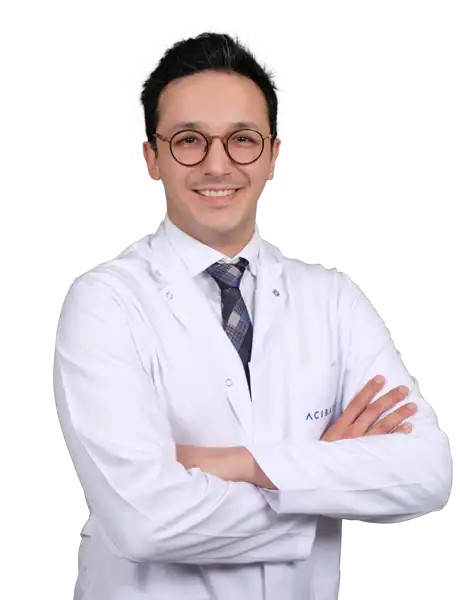
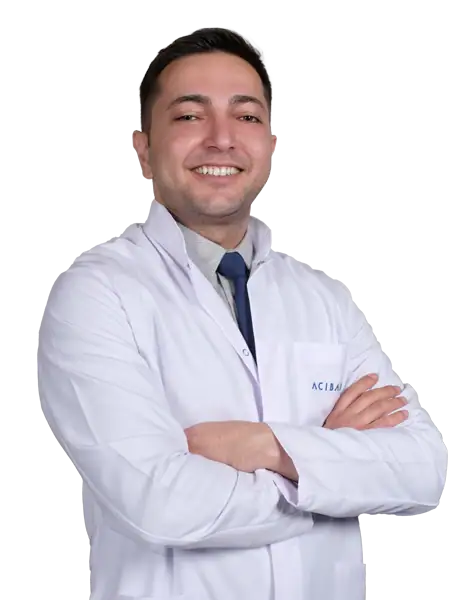
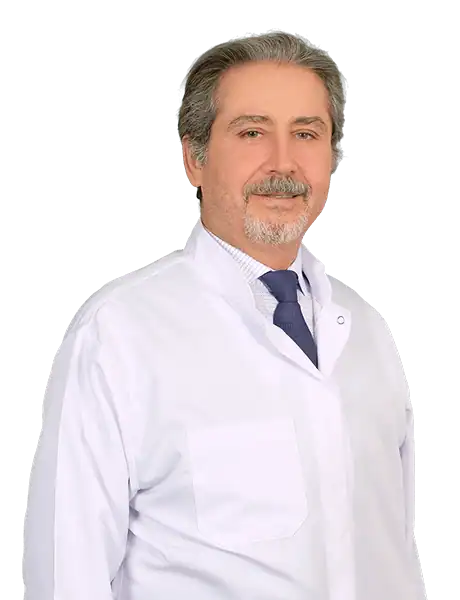
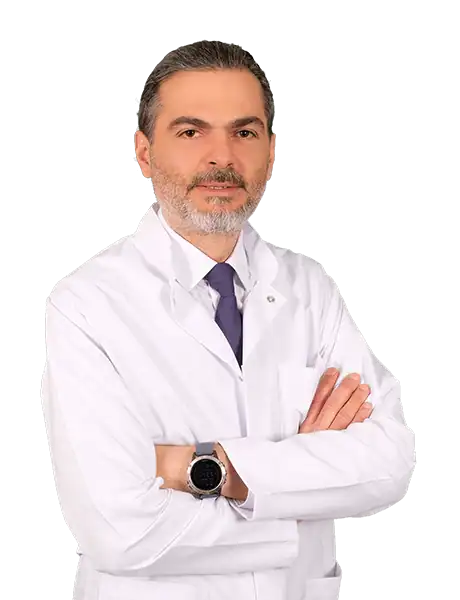
Doctors Performing This Treatment


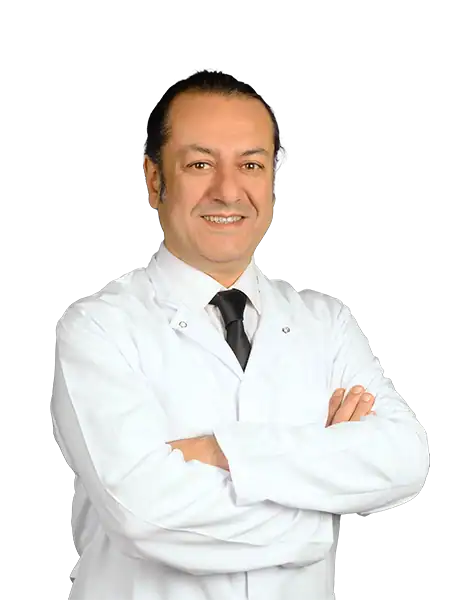
Aesthetic Plastic & Reconstructive Surgery
Prof. Mehmet Veli Karaaltın, MD


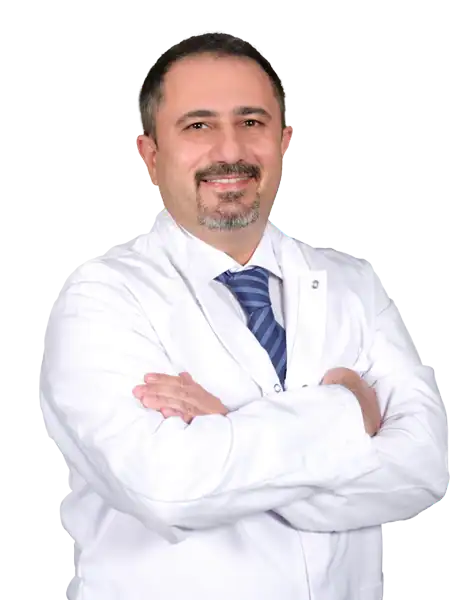
Aesthetic Plastic & Reconstructive Surgery
Assoc. Prof. Erdem Güven, MD

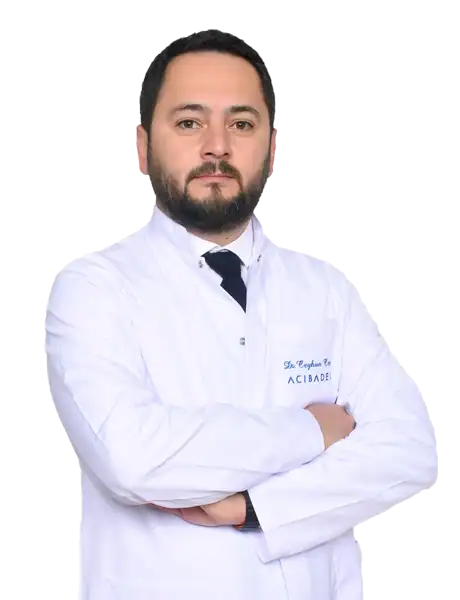
Aesthetic Plastic & Reconstructive Surgery
Assoc. Prof. Ahmet Küçükçelebi, MD
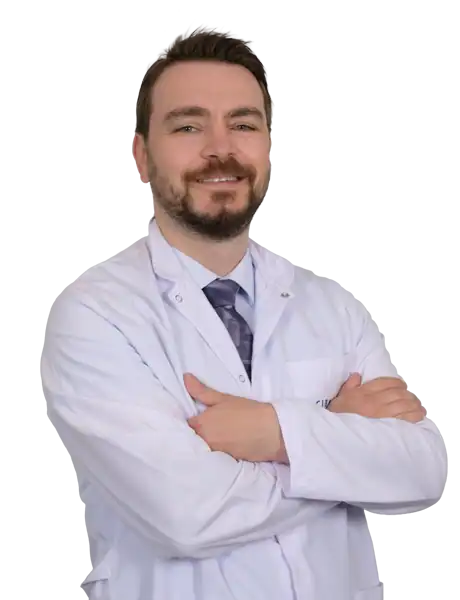
Aesthetic Plastic & Reconstructive Surgery
Assoc. Prof. Mehmet Altıparmak, MD

Aesthetic Plastic & Reconstructive Surgery