

Acromegaly
Acromegaly is a hormonal disorder usually caused by a pituitary adenoma producing excess growth hormone. Treatment may include surgery, medication, and radiotherapy to control hormone levels and symptoms.
Quick answer
Acromegaly is a hormonal disorder caused by excess growth hormone, most often from a pituitary adenoma, leading to gradual enlargement of the hands, feet, and facial features as well as other systemic symptoms. In Turkey, Acibadem treats acromegaly through endocrine evaluation and pituitary-focused care, typically using surgery to remove the tumor when appropriate, with medication and radiotherapy used to control…
Acromegaly Care: Understanding the Diagnosis and the Decisions Ahead
Being told you may have acromegaly can be unsettling, especially because the condition often develops slowly and may not be recognized for years. Many people first notice that rings no longer fit, shoe size has increased, facial features have changed, or headaches and fatigue have become harder to ignore. Others are diagnosed after evaluation for high blood pressure, diabetes, sleep apnea, joint pain, carpal tunnel syndrome, or changes in vision. By the time acromegaly is identified, patients often have lived with symptoms for a long period without a clear explanation.
Acromegaly is a hormonal disorder most often caused by a noncancerous tumor of the pituitary gland, called a pituitary adenoma. This tumor produces too much growth hormone. In adults, excess growth hormone leads to increased production of insulin-like growth factor 1, known as IGF-1, which affects bones, soft tissues, metabolism, the heart, the respiratory system, and many other parts of the body. The changes are usually gradual, but the medical effects can be significant if hormone levels remain uncontrolled.
Treatment matters because acromegaly is not only about appearance or physical changes. It can increase the risk of cardiovascular disease, diabetes, sleep-related breathing problems, colon polyps, joint damage, and reduced quality of life. The good news is that acromegaly is a treatable condition. With accurate diagnosis, experienced pituitary care, and a personalized plan that may include surgery, medication, and sometimes radiotherapy, many patients can achieve meaningful hormone control, improvement in symptoms, and protection from long-term complications.
For international patients, the decision may feel even more complex. You may be comparing treatment options in different countries, seeking a second opinion, or looking for a center experienced in pituitary disorders. At Acibadem, acromegaly care is planned through collaboration among endocrinology, neurosurgery, neuroradiology, radiation oncology, ophthalmology, cardiology, and other specialties when needed. This team-based approach is important because successful care depends not only on removing or controlling a pituitary tumor, but also on managing the whole-body effects of excess growth hormone.
What Acromegaly Treatment Is
Acromegaly treatment is a structured medical plan designed to reduce growth hormone and IGF-1 levels, control or remove the pituitary adenoma, relieve pressure-related symptoms, and reduce the risk of complications. The main treatment options are pituitary surgery, medical therapy, and radiotherapy. The right sequence depends on the size and location of the tumor, hormone levels, symptoms, whether the tumor affects vision, prior treatments, and the patient’s overall health.
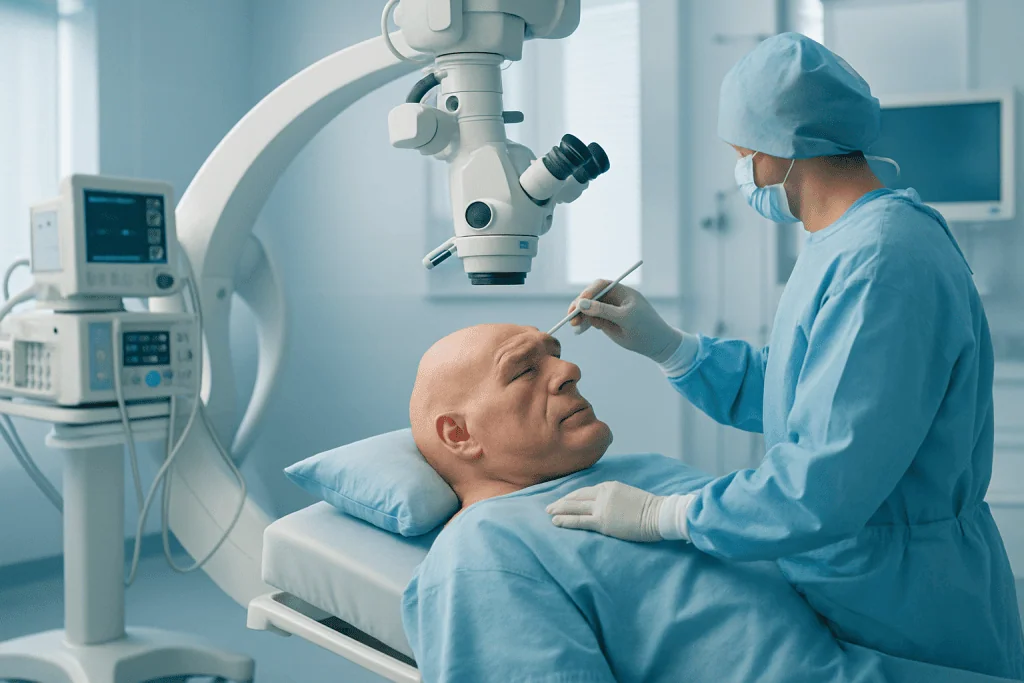
For many patients, the first-line treatment is surgery to remove the pituitary adenoma. This is usually performed through the nose using an endoscopic transsphenoidal approach. The surgeon reaches the pituitary gland through the nasal passages and sphenoid sinus, avoiding an external incision in most cases. The aim is to remove as much of the tumor as safely possible while protecting normal pituitary function and nearby structures, especially the optic nerves and major blood vessels.
Medication may be used when surgery is not appropriate, when hormone levels remain elevated after surgery, or in selected cases before surgery to help control symptoms or reduce tumor activity. Drugs used for acromegaly can reduce growth hormone release, block the action of growth hormone, or stimulate receptors that suppress hormone production in some tumors. Treatment is individualized and monitored with blood tests and imaging.
Radiotherapy may be considered when surgery and medication do not provide adequate control, or when a residual tumor continues to grow or produce hormone. Modern radiation techniques aim to focus treatment on the tumor while limiting exposure to surrounding brain structures. Because the effect of radiotherapy on hormone levels can take time, patients usually continue careful endocrine follow-up and may need medication during the interval.
In practical terms, acromegaly treatment is not a single appointment or one isolated procedure. It is a care pathway. It begins with confirming the diagnosis, understanding the anatomy of the pituitary tumor, evaluating the impact on the body, choosing the best initial therapy, monitoring hormone response, and adjusting treatment over time. A good plan also addresses sleep apnea, blood pressure, glucose metabolism, joint symptoms, colon health, fertility concerns, and pituitary hormone balance.
Who May Need Acromegaly Treatment
People may need evaluation and treatment for acromegaly when they have symptoms suggestive of excess growth hormone, abnormal blood tests, or imaging showing a pituitary tumor. Because acromegaly usually progresses slowly, the signs can be subtle at first. Patients may compare older photographs and notice changes in facial shape, jaw prominence, spacing between teeth, enlargement of the nose or lips, or thickening of the hands and feet. These changes often occur over years and may be recognized by family members before the patient notices them.
Common symptoms include enlarged hands and feet, increased sweating, oily skin, headaches, fatigue, snoring or sleep apnea, joint pain, back pain, numbness or tingling in the hands, and reduced exercise tolerance. Some patients develop high blood pressure, abnormal blood sugar, diabetes, heart enlargement, menstrual changes, reduced libido, erectile dysfunction, or infertility. If the pituitary adenoma is large enough to press on nearby nerves, it may cause vision changes, especially loss of peripheral vision.
Diagnosis usually begins with blood testing. IGF-1 is the most useful screening test because it reflects average growth hormone activity over time. If IGF-1 is elevated for the patient’s age and sex, an oral glucose tolerance test may be performed. In people without acromegaly, growth hormone levels typically fall after drinking a glucose solution. In acromegaly, growth hormone may fail to suppress appropriately. Additional pituitary hormone tests are often needed to assess whether the tumor is affecting other hormone systems.
Magnetic resonance imaging of the pituitary gland is used to locate the adenoma and define its size, position, and relationship to the optic apparatus, cavernous sinus, and surrounding structures. Imaging helps determine whether surgery is likely to remove the tumor completely or whether additional treatment may be needed. A formal eye examination, including visual field testing, may be recommended if the tumor is near the optic nerves or optic chiasm.
Many patients are referred to a pituitary center after years of unexplained symptoms, after a routine laboratory abnormality, or after a pituitary lesion is found incidentally on brain imaging performed for headaches or another reason. Others seek a second opinion because their hormone levels remain elevated after previous surgery or medication. Each of these situations requires careful reassessment, because the best treatment plan depends on both the tumor and the patient’s broader endocrine and medical profile.
Conditions and Indications Addressed by Acromegaly Treatment
Acromegaly treatment addresses the underlying excess of growth hormone and IGF-1, as well as the complications that can develop when those hormone levels remain high. The most common indication is a growth hormone-producing pituitary adenoma. These tumors are usually benign, but they can cause significant medical problems through hormone overproduction and, when large, through pressure on nearby structures.
Treatment is also indicated for persistent or recurrent acromegaly after previous pituitary surgery. In some patients, a small amount of tumor remains in an area that is difficult to access surgically, such as the cavernous sinus. In others, hormone levels improve after surgery but do not normalize, requiring medication or radiotherapy. Repeat surgery may be considered in selected cases, particularly if residual tumor is visible and accessible, but this decision requires detailed review by an experienced pituitary team.
Medical therapy may be especially important for patients who are not candidates for surgery because of medical risk, tumor anatomy, patient preference, or prior treatment history. It may also be used to manage residual disease, reduce symptoms, and lower IGF-1 levels. In some situations, preoperative medication may be considered to improve severe soft-tissue swelling, sleep apnea, heart strain, or metabolic control before anesthesia and surgery.
Radiotherapy may be used for progressive residual tumor, persistent hormone excess despite surgery and medication, or tumors that cannot be fully removed without unacceptable risk. The choice of radiation approach depends on tumor size, proximity to the optic pathways, prior radiation exposure, and the urgency of control. Patients who receive radiotherapy need long-term endocrine monitoring because pituitary hormone deficiencies can develop over time.
Acromegaly care also addresses associated conditions, including hypertension, diabetes or insulin resistance, sleep apnea, colon polyps, thyroid nodules, cardiomyopathy, arthritis, carpal tunnel syndrome, and pituitary hormone deficiencies. Managing these issues is part of effective treatment, not an afterthought. For example, improvement in growth hormone levels may help metabolic and soft-tissue symptoms, but joint changes or sleep apnea may still need targeted care.
How Acromegaly Treatment Is Performed
Preparation and Diagnostic Planning
The treatment pathway begins with a detailed assessment. This usually includes review of previous medical records, laboratory results, MRI images, medication history, and symptoms. For international patients, it is often possible to review key documents before travel so that the initial consultation is more productive. If tests were performed elsewhere, they may be repeated or supplemented to confirm the diagnosis using the laboratory standards and clinical context of the treating team.
Blood testing typically includes IGF-1, growth hormone response testing when needed, and evaluation of other pituitary hormones such as cortisol, thyroid function, prolactin, gonadal hormones, and sometimes antidiuretic hormone-related parameters. Because the pituitary gland controls multiple endocrine systems, the team must understand whether the tumor is causing hormone excess, hormone deficiency, or both.
High-resolution pituitary MRI is central to planning. Detailed imaging helps the neurosurgeon evaluate the tumor’s boundaries and its relationship to the carotid arteries, optic structures, sphenoid sinus, and cavernous sinus. If there are visual concerns, ophthalmologic assessment and formal visual field testing are performed. Depending on the patient’s symptoms and medical history, evaluation may also include cardiology testing, sleep studies, colonoscopy planning, glucose assessment, and anesthesiology review.
Pituitary Surgery
When surgery is recommended, the most common procedure is endoscopic transsphenoidal pituitary surgery. Under general anesthesia, the neurosurgical team accesses the pituitary region through the nostril and sphenoid sinus. A thin endoscope provides magnified visualization of the surgical field. Specialized instruments are used to remove the adenoma while preserving normal pituitary tissue whenever possible.
The main goals are to reduce or normalize growth hormone and IGF-1 levels, relieve pressure on the optic apparatus if present, obtain tissue confirmation, and preserve neurological and endocrine function. Surgery may take a few hours, although duration varies according to tumor size, anatomy, extension into surrounding areas, and whether the patient has had previous pituitary surgery. Some small adenomas can be removed completely, while larger or invasive tumors may require combined treatment after surgery.
Modern pituitary surgery relies on careful imaging, endoscopic visualization, microsurgical technique, neuronavigation in selected cases, and close coordination with anesthesia and endocrinology. Intraoperative decision-making is highly individualized. The surgeon must balance the desire for complete tumor removal with the need to protect the cavernous sinus, carotid arteries, optic pathways, and normal pituitary gland.
Medication-Based Treatment
Medication can play several roles in acromegaly care. Somatostatin receptor ligands can reduce growth hormone secretion in many patients and may also help control tumor growth. Growth hormone receptor antagonists can block the effect of growth hormone at the tissue level and reduce IGF-1. Dopamine agonists may be useful in selected patients, particularly when hormone elevation is mild or when the tumor has certain biochemical characteristics. The choice of medication depends on hormone levels, tumor behavior, prior response, side effects, patient preference, and practical issues such as injection schedule or monitoring needs.
Medical therapy requires follow-up. Doctors monitor IGF-1 and growth hormone levels, assess symptoms, review glucose metabolism and liver function when relevant, and repeat MRI at intervals. Doses may be adjusted gradually. Some patients use medication for a limited period before or after surgery, while others require long-term therapy to maintain biochemical control.
Radiotherapy
Radiotherapy is considered when residual tumor or hormone activity persists despite other treatments, or when tumor anatomy makes complete surgical removal difficult. Focused radiation techniques can treat the tumor region while reducing dose to nearby structures. In some cases, a highly focused single-session or few-session approach may be appropriate; in others, fractionated radiotherapy over multiple sessions is safer, particularly when the tumor is close to the optic pathways.
The effect of radiotherapy on hormone levels is usually gradual. It may take months or years for full endocrine benefit to appear. Because of this, patients often continue medication and regular blood testing after radiation. Long-term follow-up is essential to monitor tumor control and detect any pituitary hormone deficiencies that may require replacement therapy.
Hospital Stay and Early Recovery
After pituitary surgery, many patients spend a short period in the hospital for observation. The team monitors neurological status, vision if relevant, fluid balance, sodium levels, urine output, and pituitary hormone function. Temporary nasal congestion, mild headache, fatigue, and a reduced sense of smell can occur. Patients receive instructions about nasal care, activity restrictions, medications, warning signs, and follow-up blood tests.
Recovery time varies. Many patients resume light daily activities within a couple of weeks after uncomplicated endoscopic pituitary surgery, while full recovery may take longer depending on fatigue, hormone changes, tumor complexity, and other medical conditions. Patients treated with medication alone usually do not have surgical recovery, but they need time for dose adjustment and symptom monitoring. After radiotherapy, most people continue normal activities, though fatigue and long-term endocrine monitoring are important considerations.
Why Acting Early Matters
Acromegaly often develops quietly, but untreated hormone excess can continue to affect the body. Early evaluation and treatment can reduce the duration of exposure to high growth hormone and IGF-1, which is important for the heart, metabolism, joints, breathing, and overall health. The sooner hormone levels are controlled, the better the opportunity to reduce progression of complications.
Delay can allow a pituitary adenoma to enlarge, increasing the risk of vision problems or making surgery more complex. Large tumors may grow into areas where complete removal is difficult, such as the cavernous sinus. In these cases, patients may need multiple treatments to control the disease. Earlier treatment may also limit the development or worsening of diabetes, hypertension, sleep apnea, and cardiomyopathy.
Some changes caused by acromegaly improve after successful treatment, especially soft-tissue swelling, sweating, headaches, and some metabolic abnormalities. Other effects, such as established joint degeneration or bony enlargement, may be less reversible. This is one reason prompt diagnosis and expert treatment planning are important. Acting early is not only about treating today’s symptoms; it is about protecting long-term function and reducing preventable risk.
Benefits of Acromegaly Treatment
The benefits of treatment vary by patient, tumor characteristics, and the degree of hormone control achieved, but the main goals are consistent: safer hormone levels, symptom relief, tumor control, and long-term risk reduction.
| Benefit | What It Means for You |
|---|---|
| Hormone control | Lower growth hormone and IGF-1 levels can reduce the ongoing effects of acromegaly on tissues, metabolism, and organs. |
| Relief of pressure symptoms | If the tumor is pressing on the optic pathways or nearby structures, treatment may improve or stabilize vision, headaches, and related symptoms. |
| Reduced long-term health risks | Effective control may help reduce risks linked with heart disease, diabetes, sleep apnea, and other complications associated with active acromegaly. |
| Improved daily function | Patients may experience less sweating, soft-tissue swelling, fatigue, snoring, hand numbness, and discomfort, depending on the severity and duration of disease. |
| Personalized long-term monitoring | Regular follow-up allows the team to detect residual disease, adjust medication, and manage pituitary hormone changes or associated conditions. |
Recovery Timeline After Acromegaly Treatment
Recovery depends on whether the main treatment is surgery, medication, radiotherapy, or a combination, but many patients follow a general pattern of early monitoring, gradual return to activity, and long-term endocrine follow-up.
| Time Period | What Patients Can Expect |
|---|---|
| Day 1 | After pituitary surgery, patients are monitored closely for neurological status, vision, urine output, sodium balance, and early pituitary hormone function. Medication-only treatment may begin with education about dosing and side effects. |
| First Week | Fatigue, nasal congestion, mild headache, and activity restrictions are common after surgery. Blood tests may be used to assess early hormone response and detect fluid or electrolyte changes. |
| First Month | Many patients gradually return to routine activities. Follow-up visits review symptoms, pathology results, hormone levels, and whether additional medication or imaging is needed. |
| Three to Six Months | IGF-1 and growth hormone levels are reassessed, and MRI may be scheduled depending on the treatment plan. Medication doses may be adjusted if hormone levels remain elevated. |
| Longer Term | Patients continue periodic endocrine follow-up, imaging when appropriate, screening for associated conditions, and monitoring for recurrence or pituitary hormone deficiencies. |
What Influences Outcomes and a Good Result
The outcome of acromegaly treatment depends on several factors. Tumor size is one of the most important. Small pituitary microadenomas that are well-defined and confined to the gland are generally more likely to be fully removed surgically than large macroadenomas that extend into surrounding structures. Invasion into the cavernous sinus can make complete surgical removal difficult because of the nearby carotid artery and cranial nerves.
Baseline hormone levels also matter. Very high growth hormone and IGF-1 levels may indicate a more active tumor and can influence the likelihood of biochemical remission after surgery. The pattern of tumor receptor expression may affect response to certain medications. For this reason, pathology and biochemical follow-up after surgery can help refine the long-term plan.
The experience of the pituitary surgery team is another key factor. Pituitary operations require detailed knowledge of skull base anatomy, endocrine disease, and the balance between removing tumor and preserving function. A coordinated team can also recognize and manage complications early, such as cerebrospinal fluid leak, diabetes insipidus, low cortisol, sodium imbalance, or changes in vision. These issues are uncommon but clinically important.
Long-term follow-up strongly influences the quality of the result. Acromegaly can persist even when symptoms improve, and recurrence can occur after an initial good response. Regular IGF-1 testing, growth hormone assessment when needed, MRI surveillance, and evaluation of associated conditions allow the care team to adjust treatment before complications progress. Patients also benefit from coordinated management of sleep apnea, cardiovascular risk, glucose metabolism, colon screening, thyroid nodules, and musculoskeletal problems.
A good result is not defined only by a scan or a single blood test. It includes biochemical control, stable or reduced tumor size, preserved pituitary function whenever possible, improved symptoms, reduced risk of long-term complications, and a treatment plan the patient can realistically follow. For international patients, this also means clear communication, accessible medical records, and a follow-up plan that can be coordinated with physicians in the patient’s home country when appropriate.
Why International Patients Choose Acibadem for Acromegaly Care
International patients with acromegaly often seek care at Acibadem because pituitary disorders require a combination of precise diagnosis, experienced surgical judgment, endocrine expertise, and long-term planning. Acibadem hospitals are JCI-accredited and provide care within an organized hospital environment where complex cases can be reviewed across specialties. For acromegaly, this multidisciplinary model is particularly valuable because the disease affects both the pituitary gland and the body as a whole.
Patients may be evaluated by endocrinologists who focus on hormone diagnosis and long-term biochemical control, neurosurgeons experienced in pituitary and skull base surgery, neuroradiologists who interpret dedicated pituitary imaging, and radiation oncology specialists when radiotherapy is part of the plan. Ophthalmology, cardiology, pulmonology, gastroenterology, reproductive medicine, and rehabilitation specialists may also be involved depending on symptoms and associated conditions. This coordinated approach supports a treatment plan that is individualized rather than based on one modality alone.
Acibadem uses modern diagnostic pathways for pituitary disease, including advanced MRI protocols, comprehensive endocrine laboratory assessment, visual field testing when needed, and careful evaluation of medical risks before anesthesia. Surgical planning may incorporate endoscopic visualization, image-guided navigation in selected cases, and microsurgical techniques designed to help surgeons work within a small and anatomically sensitive area. When medication or radiotherapy is needed, treatment is selected according to international evidence-based protocols and the patient’s disease behavior.
For patients traveling from abroad, the medical experience also depends on coordination. Acibadem International supports patients with appointment planning, medical record transfer, translation and interpretation in multiple languages, hospital admission guidance, and coordination of follow-up information. This is especially important for acromegaly, where care may continue after the patient returns home. Clear discharge summaries, laboratory recommendations, medication plans, and follow-up schedules help patients remain connected to their care pathway.
Another important reason patients seek a second opinion at Acibadem is the complexity of decision-making. Not every pituitary adenoma should be treated in the same way. Some patients need prompt surgery because of vision compromise. Others may need medication before or after surgery. Some have residual disease after previous treatment and require detailed review of whether repeat surgery, medication adjustment, or radiotherapy is most appropriate. A careful second opinion can clarify diagnosis, review tumor anatomy, and outline realistic options.
The goal is to provide care that is medically rigorous and personally attentive. International patients are often far from home, navigating a new health system while coping with a rare endocrine disease. A clear explanation of the diagnosis, the expected sequence of treatment, possible risks, recovery needs, and long-term monitoring can make the process more manageable. At Acibadem, acromegaly care is structured around both the technical demands of pituitary treatment and the practical realities of receiving medical care abroad.
Taking the Next Step
Acromegaly is a complex condition, but it is one for which careful treatment can make a meaningful difference. If you have been newly diagnosed, have a pituitary adenoma producing excess growth hormone, or have persistent symptoms after previous treatment, a specialized review can help define the most appropriate next step. The best plan may involve surgery, medication, radiotherapy, or a combination, but it should always be based on your hormone results, MRI findings, symptoms, overall health, and personal priorities.
For many patients, seeking expert evaluation brings clarity after months or years of uncertainty. It can explain why symptoms developed, whether the tumor is affecting vision or other pituitary hormones, how urgently treatment is needed, and what recovery may involve. It can also help identify associated conditions that should be treated alongside the pituitary disorder.
If you are considering treatment abroad, you may request a consultation or second opinion with Acibadem to review your medical records, imaging, laboratory results, and previous treatments. A coordinated pituitary care team can help you understand your options and prepare for a treatment pathway that continues beyond the first procedure or appointment.
This information is general and is not a substitute for professional medical advice. Diagnosis and treatment decisions should always be made with a qualified physician who can evaluate your individual medical condition.
Preparation
- Patients usually need blood tests for growth hormone and IGF-1 levels, pituitary MRI, and assessment of heart, metabolic, and sleep-related risks. An endocrinologist and neurosurgeon review the best treatment plan, which may include medication before or after surgery. Patients should share all medicines, prior imaging, and medical history before treatment.
Aftercare
- Follow-up includes repeat hormone testing, pituitary imaging, and monitoring for diabetes, blood pressure, sleep apnea, and joint symptoms. If surgery is performed, patients need wound and nasal care instructions, activity restrictions, and endocrinology follow-up. Long-term surveillance is important because hormone levels can recur or require ongoing medication.
Turkey vs UK, Germany & USA
Acromegaly treatment costs vary because care may involve pituitary surgery, hormone-lowering medication, radiotherapy, and long-term monitoring. Comparing destinations can help international patients understand how hospital quality, specialist expertise, logistics, and package inclusions affect the overall experience.
For acromegaly, the main cost and experience differences between countries usually relate to pituitary team expertise, hospital setting, diagnostic work-up, medication planning, and international patient services.
| Factor | Turkey | UK | Germany | USA |
|---|---|---|---|---|
| Care setting | Private hospitals with international patient pathways; JCI-accredited options are available. | Public and private routes; private care may offer more direct scheduling. | Public and private university or specialist hospitals; structured referral pathways. | Private and academic medical centers; insurance and network status strongly influence access. |
| Pituitary specialist team | Cost depends on neurosurgeon, endocrinologist, radiologist, and radiation oncology involvement. | Multidisciplinary pituitary care is available; fees vary by consultant and hospital route. | Specialist centers commonly coordinate endocrinology, neurosurgery, imaging, and radiotherapy. | Highly specialized teams are available; overall bills can vary widely by provider and insurer. |
| Waiting time experience | Private scheduling may be arranged relatively quickly after records review. | Public waiting times can vary; private care may reduce delays. | Timing depends on referral pathway, center capacity, and required pre-treatment testing. | Timing can be fast in private systems, but authorization and insurance approvals may affect planning. |
| Diagnostics and follow-up | Packages may combine MRI review, hormone testing, specialist consultations, surgery planning, and follow-up coordination. | Diagnostics may be billed separately depending on public or private pathway. | Work-up is often protocol-based; imaging, laboratory testing, and consultations may be itemized. | Itemized billing is common; imaging, laboratory testing, facility fees, and physician fees may be separate. |
| Medication and radiotherapy planning | Final cost changes if long-term injections, tablets, or radiosurgery are needed after surgery. | Medication access and funding route can affect overall expense and timing. | Medication and radiotherapy plans are typically specialist-led and may be billed separately. | Drug costs and insurance coverage can be major cost drivers. |
| Travel and language logistics | International departments may assist with translation, scheduling, airport transfers, and hotel coordination. | Travel support varies by hospital; English-speaking care is standard. | Interpreter support may be needed for some patients; international offices are available in many centers. | English-speaking care is standard; travel and accommodation costs are usually separate. |
What affects your final cost
- Whether treatment includes surgery, medication, radiotherapy, or a combination.
- The size and location of the pituitary adenoma and whether it affects nearby structures.
- The need for advanced imaging, hormone panels, visual field testing, and anesthetic assessment.
- Surgeon, endocrinologist, hospital, and accreditation factors such as JCI status.
- Length of hospital stay, intensive monitoring needs, and recovery requirements.
- Whether international patient services, translation, transfers, accommodation, and follow-up coordination are included.
Compare your options
Acromegaly treatment is individualized and may combine several approaches to control growth hormone activity, manage the pituitary tumor, and reduce symptoms. Suitability is decided by a specialist after clinical assessment, hormone testing, and imaging review.
| Option | What it is | Typical use | Key considerations |
|---|---|---|---|
| Transsphenoidal pituitary surgery | Removal of the pituitary adenoma through the nasal route using microsurgical or endoscopic techniques. | Often considered when the tumor can be safely accessed and is the main source of excess growth hormone. | Requires an experienced pituitary neurosurgeon and careful endocrine follow-up; additional treatment may still be needed. |
| Somatostatin analogue therapy | Medication that helps reduce growth hormone release and may shrink some pituitary tumors. | Used when surgery is not suitable, before surgery in selected cases, or when hormone levels remain elevated after surgery. | Usually requires ongoing injections and monitoring of hormone response, side effects, and imaging findings. |
| Growth hormone receptor antagonist therapy | Medication that blocks the action of growth hormone in body tissues. | Used when hormone activity remains uncontrolled despite other treatments or when a targeted medical approach is preferred. | Requires regular laboratory monitoring and specialist supervision; it controls hormone effects rather than directly removing the tumor. |
| Dopamine agonist therapy | Oral medication that may lower hormone levels in selected patients. | Considered for milder biochemical activity or when the adenoma also produces prolactin. | Response varies, so endocrinology review and repeated testing are important. |
| Radiotherapy or stereotactic radiosurgery | Focused radiation treatment aimed at controlling residual or recurrent pituitary tumor tissue. | Used when surgery and medication do not fully control disease or when residual tumor growth is a concern. | Hormone improvement may take time; long-term pituitary function monitoring is needed. |
| Long-term monitoring and supportive care | Regular endocrine review, imaging, symptom assessment, and management of related conditions. | Needed for most patients because acromegaly can affect the heart, joints, sleep, metabolism, and quality of life. | Follow-up plans influence total cost and should be discussed before travel when possible. |
Trusted care for international patients
General information only — not medical or financial advice. Final costs depend on the factors above and your individual case; request a free, personalised quote.
Doctors Performing This Treatment
Prof. Dr. Akin Sabanci
Neurosurgery
Prof. Dr. Ali Kurtsoy
Neurosurgery
Prof. Dr. Altay Bedük
Neurosurgery
Prof. Dr. Aytekin Akyüz
Neurology
Prof. Dr. Ayşe Sağduyu Kocaman
Neurology
Prof. Dr. Deniz Konya (m)
Neurosurgery
Prof. Dr. Dilaver Kaya
Neurology
Prof. Dr. Elif Ilgaz Aydınlar
Neurology
Prof. Dr. Erkin Sönmez
Neurosurgery
Prof. Dr. Gökhan Bozkurt
Neurosurgery
Prof. Dr. Hakan Murat Göksel
Neurosurgery
Prof. Dr. Hakan Seçkin
Neurosurgery
Prof. Dr. Halit Çavuşoğlu
Neurosurgery
Prof. Dr. Hatem Hakan Selçuk
Interventional Neuroradiology
Prof. Dr. Hüseyin Hayrı Kertmen
Neurosurgery
Prof. Dr. Kamil Kadir Topalkara
Neurology
Prof. Dr. Kayihan Uluç
Neurology
Prof. Dr. Kağan Tun
Neurosurgery
Prof. Dr. Kenan Koç
Neurosurgery
Prof. Dr. Koray Özduman
Neurosurgery
Prof. Dr. Mehmet Zafer Berkman
Neurosurgery
Prof. Dr. Melih Bozkurt
Neurosurgery
Prof. Dr. Memet Özek
Neurosurgery
Prof. Dr. Müfit Kalelioğlu
NeurosurgeryMedical Units
Available at These Hospitals












Frequently Asked Questions
What affects the cost of acromegaly treatment?
Cost depends on the treatment plan, tumor characteristics, required imaging and hormone tests, surgeon and hospital factors, medication needs, radiotherapy requirements, length of stay, and follow-up arrangements. A personalised quote is only possible after specialist review of medical records.
How can I get a personalised quote from Acibadem?
You can request a complimentary consultation by sharing recent MRI reports, hormone test results, visual field results if available, previous treatment details, and a summary of current symptoms. The international patient team can help coordinate review by the relevant specialists.
Is surgery always included in the treatment package?
Not always. Some patients are best managed with surgery, while others may need medication, radiotherapy, or a combined plan. The final recommendation is made by a pituitary specialist team after reviewing imaging, hormone levels, general health, and treatment goals.
What is typically included in an international patient package?
Packages may include specialist consultations, selected diagnostic tests, hospital stay, the planned procedure if needed, standard nursing care, translation support, and care coordination. Medication, extended stay, additional tests, radiotherapy, and hotel or travel services may be included or billed separately depending on the plan.
Will I need follow-up after returning home?
Yes. Acromegaly usually requires long-term hormone monitoring, imaging review, and assessment of related health issues. Acibadem can advise on follow-up timing and can coordinate with your local endocrinologist where appropriate.