Blood Clots in Cycle: An Evidence-Based Guide for Patients

Small blood clots during a period can be normal, especially on heavier flow days. Large, frequent, or repeated clots may be a sign of heavy menstrual bleeding or an underlying condition.
Key Takeaways
- Small blood clots during a period can be normal, especially on heavier flow days.
- Large, frequent, or repeated clots may be a sign of heavy menstrual bleeding or an underlying condition.
- Common causes include fibroids, adenomyosis, hormonal changes, miscarriage, and bleeding disorders.
- Doctors may use a pelvic exam, blood tests, ultrasound, and sometimes further procedures to find the cause.
- Urgent care is important for severe bleeding, fainting, pregnancy-related bleeding, or symptoms of anemia.
Blood clots in cycle are often related to menstrual flow and are commonly harmless, especially when they are small and appear during heavier days of a period. However, frequent, large, or painful clots can sometimes point to heavy bleeding, hormonal imbalance, fibroids, or another gynecologic condition that deserves medical review.
What blood clots in cycle usually mean
Blood clots in cycle usually mean that menstrual blood has collected in the uterus or vagina long enough to thicken before leaving the body. Small, dark red or bright red clots can be a normal part of menstruation, especially during the heaviest flow days. In many cases, they reflect the body’s natural process of shedding the uterine lining rather than a dangerous blood clot in a vein.
Menstrual clots are different from clots linked to deep vein thrombosis or stroke. A period clot contains blood, tissue, and proteins from the lining of the uterus. The body normally releases substances that help keep menstrual blood flowing, but when bleeding is heavier, these substances may not work quickly enough and clots become more visible.
Even so, not all period clots should be ignored. Clots that are larger than a coin, occur often, come with severe cramping, or are part of very heavy bleeding may suggest a health issue. The pattern matters more than a single episode, so changes from a person’s usual cycle are often the most useful clue.
What is normal and what may be abnormal
A small number of clots during a menstrual period can be within the normal range. Many people notice them on the first one to three days of their cycle, when the flow tends to be strongest. These clots are often dark red, jelly-like, and pass without significant discomfort beyond usual menstrual cramps.
Clots may be considered more concerning when they are consistently large, appear with bleeding that soaks through pads or tampons very quickly, or are associated with dizziness, weakness, shortness of breath, or fatigue. These symptoms can suggest significant blood loss and, over time, iron deficiency anemia.
It can help to think about the whole menstrual picture rather than clotting alone. Warning signs include periods lasting longer than usual, bleeding between periods, pelvic pressure, pain that is worsening, or cycle changes after a previously stable pattern. These clues can guide a doctor toward problems such as uterine fibroids or another cause of abnormal uterine bleeding.
- Often normal: small clots on heavy days, mild cramping, regular cycle pattern
- Worth medical review: repeated large clots, flooding, severe pain, fatigue, irregular bleeding, or new symptoms
- Urgent assessment: fainting, signs of severe blood loss, or bleeding during a possible pregnancy
Common causes and risk factors

The most common reason for blood clots in cycle is simply heavier menstrual bleeding. When the uterine lining sheds more quickly, blood may pool and clot before it leaves the body. Hormonal imbalance can contribute, particularly when estrogen and progesterone levels are out of balance and cause the lining to build up more than usual.
Structural conditions in the uterus are another important cause. Fibroids, polyps, and adenomyosis can all increase bleeding and clot formation. Some people also have clotting or bleeding disorders that make periods unusually heavy from a young age. Thyroid conditions, use of certain medications, and the approach of perimenopause may also change menstrual flow.
Pregnancy-related events should also be considered if there is any chance of pregnancy. Bleeding with clots can occur in miscarriage and other conditions that require prompt assessment. Endometriosis may lead to painful periods and abnormal bleeding in some people, and doctors sometimes evaluate for related problems such as endometriosis when the history suggests it.
Risk factors for heavier bleeding include a family history of fibroids or bleeding disorders, obesity, age-related hormonal changes, and long-standing irregular cycles. A person’s medical history, including contraception use and previous pregnancies, helps clarify the likely cause.
Symptoms that can accompany period clots
Menstrual clots may appear alongside symptoms that are still compatible with a routine period, such as lower abdominal cramping, backache, bloating, and fatigue. However, accompanying symptoms can also help distinguish a normal heavy day from a problem that needs evaluation.
Heavy menstrual bleeding may show up as soaking through menstrual products in a short time, needing to wake at night to change protection, or passing multiple large clots. Some people notice pelvic fullness or pressure, which can happen with fibroids. Others describe bleeding between periods or after sex, which is not typical of a standard menstrual cycle.
Symptoms of anemia deserve particular attention. These include unusual tiredness, paleness, headaches, dizziness, reduced exercise tolerance, or a rapid heartbeat. If these occur with ongoing heavy periods and clots, a blood test may be needed to check iron levels and overall blood count.
- Common associated symptoms: cramps, back pain, bloating, heavier flow days
- Possible warning symptoms: severe pain, very heavy bleeding, irregular bleeding, pelvic pressure
- Possible anemia symptoms: fatigue, dizziness, shortness of breath, weakness, palpitations
How doctors diagnose the cause
Diagnosis starts with a detailed history. A doctor will ask about cycle length, bleeding duration, clot size and frequency, pain, contraception, pregnancy possibility, and any family history of bleeding disorders. Keeping a record of symptoms over two or three cycles can be very helpful, including how often pads or tampons are changed.
A physical and pelvic examination may follow, depending on symptoms and age. Blood tests can check for anemia, pregnancy, thyroid disorders, and clotting problems. These tests help identify whether heavy bleeding is affecting overall health and whether an underlying medical condition could be contributing.
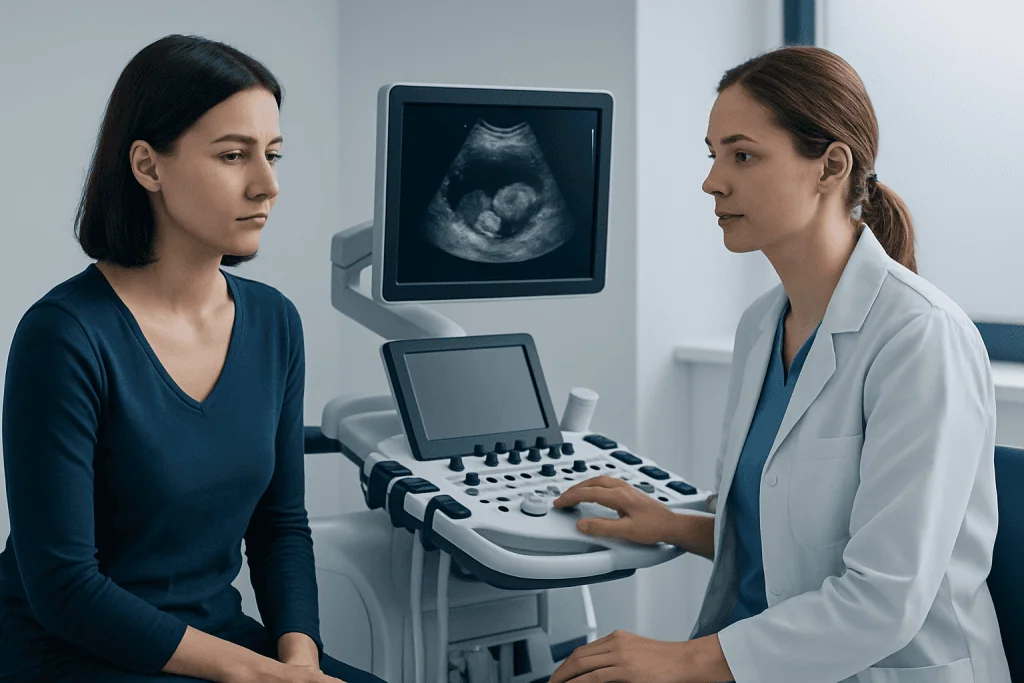
Imaging is often used when doctors suspect a structural cause. A pelvic ultrasound is commonly the first test because it can show fibroids, polyps, or signs of adenomyosis. In selected cases, further evaluation may include hysteroscopy or tissue sampling of the uterine lining. If symptoms suggest a condition such as an ovarian cyst, imaging may also help rule out other pelvic causes of pain or bleeding.
The goal of diagnosis is not only to explain clotting, but also to determine whether treatment is needed and what type is most suitable. Age, fertility goals, symptom severity, and the exact cause all influence the next steps.
Treatment options and how they are chosen
Treatment depends on the cause, the amount of bleeding, the person’s age, and whether future pregnancy is desired. If the clots are small and periods are otherwise normal, no treatment may be needed beyond observation. When bleeding is heavy or disruptive, doctors may recommend medical treatment to reduce flow, relieve pain, or correct hormonal imbalance.
Hormonal treatments are commonly used for heavy periods linked to cycle irregularity or uterine lining overgrowth. Non-hormonal medicines may also help reduce menstrual blood loss in some people. If anemia is present, iron replacement may be advised. These options are individualized, and a gynecologist can explain the expected benefits and side effects.
When fibroids, polyps, or adenomyosis are driving symptoms, procedural treatment may be discussed. Depending on the condition, options may include hysteroscopy to look inside the uterus and treat certain problems, or myomectomy if fibroids need to be removed while preserving the uterus. For some patients with ongoing heavy bleeding who do not plan future pregnancy, endometrial ablation may be considered.
Persistent, severe, or complex cases are usually managed by a gynecologist. Near the end of the care pathway, some patients may benefit from multidisciplinary review. Acibadem International’s multidisciplinary specialists and JCI-accredited hospitals diagnose and treat gynecologic causes of abnormal bleeding for international patients when advanced evaluation or procedures are needed.
Self-care, tracking, and prevention
Not every cause of blood clots in cycle can be prevented, but symptom tracking and general health measures can make management easier. Recording cycle dates, flow level, clot size, pain, and any bleeding between periods helps show whether there is a pattern. This information is often more useful than trying to remember symptoms months later.
People with heavy periods may benefit from discussing iron intake with a doctor, especially if they feel tired or lightheaded. Staying hydrated, using heat for cramps, and resting when needed can also improve comfort during heavier days. Over-the-counter pain relief may help some people, but it should be used according to medical advice, especially if there is heavy bleeding or another health condition.
Prevention mainly means addressing the underlying cause early. Regular gynecologic care can help identify fibroids, hormonal problems, or bleeding disorders before symptoms become more disruptive. Medical review is especially worthwhile when periods change suddenly, become much heavier, or start interfering with work, school, sleep, or daily life.
When to seek medical care
Medical care is appropriate if blood clots in cycle are happening regularly and are larger than usual, or if the bleeding is clearly heavier than a person’s normal pattern. A doctor should also be consulted for periods that last much longer than usual, severe menstrual pain, bleeding between periods, or pelvic pressure.
More urgent care is needed for signs of substantial blood loss, such as fainting, severe dizziness, chest discomfort, shortness of breath, or a racing heartbeat. Prompt assessment is also important if there is any chance of pregnancy and bleeding with clots occurs, because this can signal miscarriage or another pregnancy-related problem.
People should not wait if symptoms of anemia are developing, including marked fatigue, weakness, or pale skin. Early evaluation can help prevent complications and identify treatable causes before they worsen.
Frequently asked questions
Are blood clots in cycle normal?
Small clots during a period can be normal, especially on the heaviest flow days. They usually reflect menstrual blood and tissue leaving the uterus. If clots are large, frequent, or part of very heavy bleeding, a medical review is sensible.
What size of period clot is concerning?
There is no single cutoff that applies to everyone, but clots larger than a coin or clots that appear repeatedly may deserve attention. The overall pattern matters most, including how heavy the bleeding is and whether there is severe pain or fatigue. A doctor can help decide whether testing is needed.
Can fibroids cause blood clots in cycle?
Yes. Uterine fibroids are a common cause of heavy periods, and heavier bleeding makes menstrual clots more likely. Fibroids may also cause pelvic pressure, longer periods, or more intense cramping.
Do blood clots in cycle mean miscarriage?
Not usually, because menstrual clots are common during some normal periods. However, if there is a chance of pregnancy, bleeding with clots should be assessed promptly. Pregnancy-related bleeding needs medical evaluation to identify the cause.
How do doctors test heavy periods with clots?
Doctors often begin with questions about the menstrual pattern and a review of symptoms. Blood tests may check for anemia, pregnancy, thyroid problems, or bleeding disorders. A pelvic ultrasound is commonly used to look for fibroids, polyps, or other uterine causes.
Can anemia happen from heavy periods with clots?
Yes. Ongoing heavy menstrual bleeding can lower iron stores and eventually cause iron deficiency anemia. Symptoms may include tiredness, dizziness, weakness, headaches, or shortness of breath, and these should be discussed with a doctor.
This article is for general information only and is not a substitute for professional medical advice. Please consult a qualified doctor about your individual situation.
Explore treatments in Turkey — costs, top hospitals & a free quote
JCI-accredited · board-certified surgeons · reply within 24h
Add us as a Preferred Source to see more of our trusted health content across Google Search, AI Overviews and Discover.

More from the Health Library

Lung Abscess: An Evidence-Based Guide for Patients

Antidepressants: What Patients Need to Know

Lupus Life Expectancy: An Evidence-Based Guide for Patients

Knee Is Hurting on the Inside of Knee: A Complete Medical Overview

Hydrosalpinx: A Complete Medical Overview