

Fecal Incontinence
Fecal incontinence treatment helps control accidental stool leakage through lifestyle changes, medication, pelvic floor therapy, biofeedback, or surgery when needed after specialist evaluation.
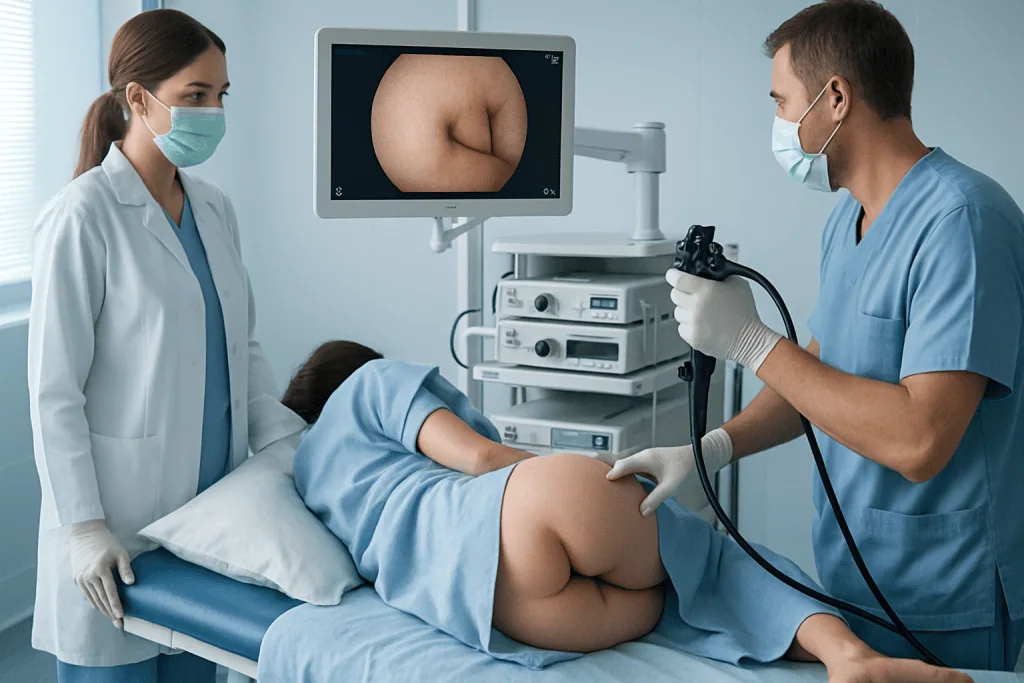
Quick answer
Fecal incontinence treatment aims to restore bowel control and reduce accidental stool leakage by addressing the underlying cause with conservative therapies or surgery when needed. At Acibadem in Turkey, care begins with specialist assessment and may include dietary and lifestyle measures, medicines, pelvic floor rehabilitation, biofeedback, and selected surgical procedures.
When Accidental Stool Leakage Begins to Affect Daily Life
Fecal incontinence can be physically uncomfortable, emotionally distressing, and difficult to discuss. Many people delay seeking care because they feel embarrassed, assume it is an unavoidable part of aging, or worry that the only option will be surgery. In reality, accidental stool leakage is a medical condition with many possible causes, and treatment is often highly individualized. For many patients, meaningful improvement can be achieved through careful diagnosis, bowel habit management, pelvic floor rehabilitation, medication, or minimally invasive interventions. Surgery is considered only when it is appropriate for the underlying problem.
International patients often search for treatment abroad when symptoms begin to limit work, travel, intimacy, exercise, or social life. The concern is not only leakage itself, but also the constant planning around bathrooms, clothing, meals, and unexpected episodes. Some patients experience urgency and cannot reach a toilet in time. Others have passive leakage without realizing it. Some notice staining after a bowel movement, while others have more significant loss of stool or gas control. These differences matter because each pattern may point to a different mechanism and a different treatment plan.
Fecal incontinence is not a single disease. It is a symptom that may involve the anal sphincter muscles, pelvic floor nerves, rectal sensation, stool consistency, bowel motility, previous childbirth injuries, prior pelvic or anal surgery, inflammatory bowel disease, radiation effects, neurologic conditions, or a combination of factors. Effective care begins with understanding why leakage is happening. A precise evaluation can help avoid unnecessary procedures and identify treatments that fit the patient’s anatomy, lifestyle, and medical history.
At a specialized center, the goal is not only to stop or reduce leakage episodes. The broader aim is to restore confidence, protect skin health, improve bowel predictability, and help patients return to daily routines with less anxiety. Treatment matters because untreated fecal incontinence can lead to social withdrawal, skin irritation, urinary symptoms, recurrent infections, falls in older adults rushing to the toilet, and a significant decline in quality of life. With appropriate specialist evaluation, many patients find that their condition is more treatable than they expected.
What Fecal Incontinence Treatment Is
Fecal incontinence treatment is a structured medical approach to improving control of stool and gas leakage. It may include dietary adjustments, bowel habit training, medication, pelvic floor physical therapy, biofeedback, management of diarrhea or constipation, treatment of rectal or anal disease, injectable or neuromodulation therapies in selected cases, and surgery when there is a correctable structural problem. The treatment is chosen after a detailed assessment by specialists who understand both bowel function and pelvic floor mechanics.
The first priority is to define the type of incontinence. Urge incontinence occurs when a person feels a strong need to pass stool but cannot hold it long enough to reach the toilet. Passive incontinence occurs when stool leaks without warning or awareness, often suggesting reduced anal sphincter tone, impaired sensation, or nerve-related dysfunction. Seepage may occur after bowel movements and can be related to incomplete emptying, hemorrhoids, rectal prolapse, anal scarring, or stool consistency. Some patients have leakage mainly with loose stool, while others leak despite normal stool consistency.
Treatment is usually stepwise. Conservative therapies are often started first because they can be effective, low risk, and compatible with travel or home-based routines. These may include increasing or adjusting fiber intake, treating diarrhea, addressing constipation with overflow leakage, reviewing medications that affect stool consistency, and learning bowel emptying techniques. Pelvic floor therapy and biofeedback can help patients strengthen the external anal sphincter, improve coordination, and recognize rectal filling earlier. For patients whose symptoms are related to sphincter injury, rectal prolapse, fistula, severe hemorrhoidal disease, or advanced pelvic floor disorders, procedural or surgical options may be discussed.
A modern fecal incontinence treatment program is not limited to one intervention. It combines diagnostic precision with personalized care. The plan may involve colorectal surgeons, gastroenterologists, pelvic floor physiotherapists, radiologists, nutrition specialists, continence nurses, and when needed, urology, gynecology, neurology, or oncology specialists. This multidisciplinary approach is particularly important for complex cases, including patients with previous childbirth trauma, inflammatory bowel disease, cancer treatment history, neurologic disease, or multiple prior operations.
Who May Need Treatment for Fecal Incontinence
Anyone who has repeated accidental leakage of stool, mucus, or gas that affects daily life may benefit from specialist evaluation. Even occasional episodes can be important if they are new, worsening, or associated with urgency, bleeding, pain, weight loss, diarrhea, constipation, or a change in bowel habits. Fecal incontinence can affect adults of any age, although it is more common in older adults and in people who have experienced childbirth-related pelvic floor injury.
Common symptoms include leakage of liquid or solid stool, inability to control gas, stool staining in underwear, urgency after meals, difficulty reaching the toilet in time, the need to wear pads, fear of eating before leaving home, and a sense of incomplete bowel emptying. Some patients also report anal pain, irritation, itching, skin breakdown, or recurrent urinary symptoms. Others may have constipation with episodes of sudden loose leakage, which can happen when hard stool blocks the rectum and liquid stool passes around it.
Diagnosis begins with a careful conversation. A specialist will ask when symptoms started, how often leakage occurs, whether it is associated with urgency or lack of awareness, what the stool consistency is like, and whether childbirth, surgery, radiation, neurologic disease, diabetes, inflammatory bowel disease, or pelvic organ prolapse may be relevant. Patients may be asked to keep a bowel diary to record stool frequency, urgency, diet, medications, and leakage episodes.
A physical examination is often essential. It may include inspection of the anal area, assessment of sphincter tone, evaluation for hemorrhoids, fissures, fistulas, prolapse, rectocele, scarring, or skin irritation, and sometimes a digital rectal examination. Depending on the findings, further tests may be recommended. These can include anorectal manometry to measure sphincter pressure and rectal sensation, endoanal ultrasound or pelvic imaging to assess sphincter structure, defecography to evaluate pelvic floor movement and prolapse, colonoscopy when bleeding or bowel changes require investigation, and stool or blood tests when infection, inflammation, or malabsorption is suspected.
Patients may need treatment when fecal incontinence interferes with work, travel, prayer, exercise, sleep, sexual activity, caregiving, or social confidence. Evaluation is especially important when leakage is new, rapidly worsening, associated with rectal bleeding, occurring after pelvic surgery or childbirth, or accompanied by unexplained weight loss or persistent diarrhea. Specialist assessment helps identify whether the problem is functional, structural, neurologic, inflammatory, or mixed.
Conditions and Indications Addressed by Fecal Incontinence Treatment
Fecal incontinence treatment may address a wide range of underlying conditions. In some patients, the main issue is stool consistency. Loose stool is harder to control than formed stool, so chronic diarrhea from irritable bowel syndrome, infections, bile acid diarrhea, food intolerance, inflammatory bowel disease, or medication side effects can contribute to leakage. In these cases, improving stool form may substantially reduce symptoms.
Constipation can also cause incontinence. When stool remains in the rectum, it can stretch the rectal wall, reduce sensation, and cause overflow leakage. Patients may feel they are having diarrhea, while the underlying issue is actually retained stool. Treatment may include bowel retraining, hydration, fiber selection, osmotic laxatives, suppositories, enemas, or evaluation for pelvic floor dyssynergia, depending on the situation.
Anal sphincter injury is another important indication. Damage may occur during vaginal delivery, especially with forceps delivery, large babies, prolonged labor, or severe perineal tears. Symptoms may appear soon after childbirth or many years later as tissues and nerves change with age. Sphincter injury can also occur after anal surgery, trauma, fistula treatment, or pelvic operations. When a defined sphincter defect is present and symptoms are significant, surgical repair may be considered after specialist evaluation.
Pelvic floor disorders can also cause fecal incontinence. Rectal prolapse, internal intussusception, rectocele, enterocele, and pelvic organ prolapse may interfere with normal rectal emptying and continence. Some patients have incomplete evacuation followed by seepage. Others have urgency or difficulty distinguishing gas from stool. These conditions may require pelvic floor therapy, bowel management, or surgery, depending on severity and anatomy.
Neurologic conditions may reduce sensation, coordination, or sphincter strength. Diabetes, spinal cord injury, stroke, multiple sclerosis, Parkinson’s disease, peripheral neuropathy, and previous pelvic radiation can all affect bowel control. Treatment in these cases often focuses on predictable bowel routines, stool consistency, pelvic floor training when possible, skin protection, and selected advanced therapies.
Fecal incontinence treatment may also be indicated after colorectal cancer treatment, inflammatory bowel disease surgery, anal fistula procedures, or radiation therapy. These patients often require coordinated care because bowel control may be influenced by scarring, altered rectal capacity, urgency, inflammation, or prior reconstruction. A careful review of previous medical records and operative reports is particularly valuable for international patients seeking a second opinion.
How Fecal Incontinence Treatment Is Performed Step by Step
Preparation and Specialist Evaluation
Treatment begins before any procedure is considered. The first step is a comprehensive consultation, including symptom history, medical history, childbirth and surgical history, medication review, and quality-of-life concerns. Patients are encouraged to describe symptoms openly, including urgency, passive leakage, gas control, pad use, stool consistency, and triggers such as meals, caffeine, stress, or travel. This information guides testing and treatment selection.
Preparation may include a bowel diary, stool form tracking, and a review of diet and medications. Some patients benefit from bringing previous colonoscopy reports, imaging, surgical notes, childbirth injury documentation, pathology reports, or radiation records. For international patients, sharing medical records in advance can help the clinical team plan the consultation, identify necessary tests, and reduce duplicated investigations when possible.
Diagnostic testing is tailored to the patient. Anorectal manometry can measure resting and squeeze pressures, rectal sensation, and coordination during simulated defecation. Endoanal ultrasound can show whether the internal or external anal sphincter is intact or injured. Pelvic MRI or dynamic defecography may help evaluate pelvic floor descent, rectal prolapse, rectocele, or incomplete emptying. Colonoscopy may be recommended if symptoms suggest inflammation, polyps, cancer, or other bowel disease. The choice of tests depends on age, symptoms, risk factors, and prior evaluations.
Conservative and Medical Treatment
Many patients begin with conservative treatment. This does not mean symptoms are mild or unimportant; it means that bowel control often improves when stool consistency, bowel timing, and pelvic floor coordination are optimized. Dietary changes may include adjusting fiber type and amount, identifying foods that worsen urgency, moderating caffeine or alcohol, and improving hydration. The goal is usually a formed, predictable stool that is easier to control.
Medication may be used to treat diarrhea, urgency, constipation, inflammation, or bile acid-related symptoms. For some patients, anti-diarrheal medicines can slow bowel transit and improve stool form. Others may need laxatives or bowel-emptying regimens to prevent overflow leakage. If infection, inflammatory bowel disease, microscopic colitis, malabsorption, or medication-related diarrhea is suspected, the underlying cause must be treated rather than only suppressing symptoms.
Skin care is also part of treatment. Repeated leakage can cause irritation, itching, pain, and breakdown. Barrier creams, gentle cleansing, moisture control, and appropriate pads or protective garments may be recommended while the main treatment plan takes effect. These measures can improve comfort and reduce secondary complications.
Pelvic Floor Therapy and Biofeedback
Pelvic floor rehabilitation is a central treatment option for many patients. It is not simply “doing Kegels.” A trained therapist evaluates muscle strength, endurance, timing, coordination, and awareness. Therapy may include targeted exercises for the anal sphincter and pelvic floor, urge suppression techniques, breathing and relaxation strategies, bowel emptying posture, and education about how the pelvic floor works during continence and defecation.
Biofeedback can help patients understand and improve muscle control. During biofeedback sessions, sensors may measure sphincter activity or rectal sensation and display information in a way the patient can use. This can teach patients to contract the correct muscles, sustain a squeeze, respond earlier to rectal filling, and coordinate relaxation during bowel movements. Biofeedback is particularly helpful when symptoms are related to reduced sensation, weak squeeze, urgency, or poor coordination.
The number of sessions varies. Some patients notice improvement within weeks, while others need a longer program and ongoing home exercises. The best results generally occur when therapy is guided by accurate diagnosis and the patient practices consistently between appointments.
Procedural and Surgical Options When Needed
If conservative treatment is not enough, additional options may be considered. The choice depends on the cause of incontinence, the condition of the sphincter muscles, rectal function, prior surgery, and overall health. Some patients may be candidates for injectable bulking therapies to improve closure in selected forms of passive leakage. Others may benefit from neuromodulation techniques that influence nerve signaling between the pelvic floor, rectum, and brain. These approaches require careful selection and follow-up.
When a clear sphincter defect is present, particularly after obstetric injury or trauma, sphincter repair may be discussed. In this operation, the damaged ends of the sphincter muscle are identified and repaired to improve the anal closure mechanism. Outcomes vary based on the age of the injury, nerve function, stool consistency, tissue quality, and associated pelvic floor problems. Surgery is usually considered after imaging confirms the anatomy and after the patient understands both expected benefits and limitations.
For rectal prolapse or significant pelvic floor structural disorders, surgery may focus on correcting the prolapse or restoring pelvic support. Treating the prolapse can improve leakage for some patients, especially when the prolapse interferes with sphincter closure or rectal emptying. In complex cases, the surgical plan may be reviewed by a multidisciplinary board or specialist team, particularly if prior operations, inflammatory bowel disease, cancer treatment, or multiple pelvic conditions are involved.
In rare and severe cases where other treatments are not appropriate or have not provided sufficient control, a stoma may be considered. This is usually reserved for patients with disabling symptoms, severe tissue damage, complex neurologic disease, or major quality-of-life impairment. For selected patients, a stoma can offer reliable bowel control, but it requires thorough counseling and support.
Technology Used in Evaluation and Treatment
Modern fecal incontinence care uses technology to identify the mechanism of leakage and guide the treatment plan. Pressure-based testing helps evaluate sphincter strength and rectal sensation. Ultrasound and pelvic imaging can show muscle defects, scarring, prolapse, and pelvic floor movement. Endoscopic evaluation may be used to examine the colon and rectum when symptoms suggest inflammation, bleeding, or structural disease. In therapy, biofeedback systems help patients see or hear muscle activity so they can train more effectively. In surgery, minimally invasive approaches may be used in selected pelvic floor and rectal prolapse procedures, depending on the anatomy and clinical indication.
Typical Duration and Recovery
The duration of treatment depends on the chosen approach. A diagnostic consultation and testing may be completed over a short planned visit, although some tests require scheduling and preparation. Conservative medical treatment may begin immediately and be adjusted over several weeks. Pelvic floor therapy often requires a series of sessions and a home program. Procedural therapies may be performed as day procedures or short-stay interventions in selected cases. Surgical recovery varies widely according to the operation, from a relatively short recovery after minor procedures to several weeks after sphincter repair or prolapse surgery.
Recovery is best understood as a gradual process. Even after surgery, bowel control also depends on stool consistency, muscle training, nerve function, and habits. Follow-up allows the team to adjust medication, diet, exercises, wound care, and activity levels. For international patients, the care plan should include instructions for travel, warning signs, and coordination with physicians at home when longer-term follow-up is needed.
Why Acting Early Matters and the Risks of Delay
Fecal incontinence is often progressive when the underlying cause is not addressed. Delaying care can allow symptoms to become more frequent and more disruptive. Loose stools may worsen skin irritation and urgency. Constipation with overflow can stretch the rectum and make sensation worse. Pelvic floor weakness may become more difficult to retrain if patients reduce activity, avoid eating normally, or develop anxiety around bowel movements.
Early evaluation is also important because fecal incontinence can be a sign of another condition that needs treatment. New leakage with rectal bleeding, persistent diarrhea, unexplained anemia, weight loss, or a major change in bowel habits should not be ignored. In some patients, symptoms may be related to inflammatory bowel disease, infection, prolapse, nerve injury, medication effects, or colorectal disease. Identifying these problems early can improve treatment options and reduce complications.
Delay can also affect quality of life. Many patients begin to avoid travel, restaurants, work meetings, exercise, and social events. They may plan their entire day around bathroom access or stop leaving home for long periods. This emotional burden can be significant, but it is also treatable. Earlier care can help patients regain routines before avoidance patterns become deeply established.
For patients who may need surgery, timely assessment helps define anatomy while treatment choices are still broad. For example, a sphincter injury, rectal prolapse, or pelvic floor disorder may be more effectively managed when tissue condition, nerve function, and general health are carefully evaluated before severe deterioration occurs. Acting early does not always mean having an operation; it means understanding the cause and choosing the least invasive effective pathway.
Potential Benefits of Fecal Incontinence Treatment
The benefits of treatment depend on the cause and severity of symptoms, but patients commonly seek improvement in the following areas.
| Benefit | What It Means for You |
|---|---|
| Better stool control | Fewer leakage episodes, improved ability to delay bowel movements, and greater confidence in daily activities. |
| More predictable bowel habits | A structured plan for diet, medication, bowel timing, and emptying can reduce sudden urgency and uncertainty. |
| Improved pelvic floor function | Therapy and biofeedback may help strengthen the anal sphincter, improve coordination, and increase awareness of rectal filling. |
| Reduced skin irritation | Less leakage and better skin protection can decrease itching, soreness, odor concerns, and inflammation around the anus. |
| Treatment of underlying causes | Conditions such as diarrhea, constipation, prolapse, sphincter injury, inflammation, or medication effects can be identified and managed directly. |
| Greater social and travel confidence | Many patients feel more comfortable working, exercising, attending events, and traveling when symptoms become more manageable. |
Recovery Timeline After Fecal Incontinence Treatment
Recovery varies according to whether treatment involves lifestyle measures, medication, therapy, a procedure, or surgery, but the following timeline offers a general guide.
| Time Period | What Patients Can Expect |
|---|---|
| Day 1 | After consultation, patients may receive an initial plan for diet, bowel diary, medications, skin care, or testing. After minor procedures, most patients receive instructions for activity, hygiene, and warning signs. |
| First Week | Medication and stool consistency adjustments may begin to show early effects. Patients starting pelvic floor therapy learn foundational exercises and bowel strategies. After surgery, discomfort, swelling, and activity limits are expected. |
| First Month | Many patients have clearer patterns in their bowel diary and can refine treatment. Pelvic floor therapy may begin producing measurable improvements. Surgical patients usually attend follow-up and gradually increase activity as advised. |
| Two to Three Months | Conservative and therapy-based treatment plans are often reassessed. Patients may continue home exercises, medication adjustments, or further testing if symptoms remain significant. |
| Longer Term | Maintaining results may require ongoing attention to stool consistency, pelvic floor exercises, diet, and follow-up. Patients with complex conditions may need coordinated long-term care with specialists at home. |
Factors That Influence Outcomes and a Good Result
Outcomes in fecal incontinence treatment depend on several interacting factors. One of the most important is the cause of leakage. A patient whose symptoms are mainly related to loose stool may respond well to dietary and medical management, while a patient with a major sphincter defect, rectal prolapse, or neurologic condition may require a different plan. Accurate diagnosis is therefore central to a good result.
Stool consistency strongly influences control. Even a healthy anal sphincter has difficulty holding frequent liquid stool. For this reason, many treatment plans focus on achieving formed, predictable bowel movements. Conversely, overly hard stool and constipation can worsen incomplete emptying and overflow leakage. A good plan balances stool form, frequency, and ease of evacuation.
Anal sphincter structure and nerve function also matter. Imaging may show whether the internal or external sphincter is intact, thinned, scarred, or torn. Manometry may show whether pressures are reduced and whether rectal sensation is normal, increased, or diminished. Nerve-related weakness or impaired sensation can affect how much improvement is possible with repair alone and may make therapy or neuromodulation more relevant.
Pelvic floor coordination is another key factor. Some patients have adequate strength but poor timing. They may push when they should relax, or they may be unable to contract quickly during urgency. Biofeedback and specialized therapy can be valuable in these cases because they train function, not just strength. Patient participation is important; home practice and adherence to the bowel plan often influence results.
Age, general health, diabetes, obesity, mobility, cognition, medications, prior radiation, inflammatory bowel disease, and previous pelvic or anal operations can all affect treatment selection and recovery. For women, childbirth history and associated pelvic organ prolapse may influence the plan. For men, prior prostate, rectal, or pelvic surgery may be relevant. For patients with cancer treatment history, tissue quality and rectal capacity may require careful evaluation.
A good result is not defined only by complete absence of symptoms. For some patients, success may mean fewer accidents, more time to reach the toilet, less pad use, improved sleep, less skin irritation, or confidence to travel again. Setting realistic goals with the medical team helps patients understand what each treatment can reasonably achieve and when additional steps should be considered.
Why International Patients Choose Acibadem for Fecal Incontinence Care
International patients considering treatment abroad often want more than a single appointment. They need a reliable diagnostic pathway, experienced specialists, careful communication, and support navigating care in another country. Acibadem Hospitals in Turkey are JCI-accredited and provide care through multidisciplinary clinical structures, with access to colorectal surgery, gastroenterology, radiology, pelvic floor rehabilitation, anesthesia, nursing, and related specialties when needed.
For fecal incontinence, this coordinated approach is particularly important because the most effective treatment depends on identifying the mechanism behind the symptom. A patient may need evaluation for sphincter injury, rectal prolapse, inflammatory bowel disease, constipation with overflow, neurologic dysfunction, or post-surgical changes. In complex cases, findings may be reviewed by specialist teams or multidisciplinary boards so that treatment decisions reflect anatomy, function, previous medical history, and patient priorities.
Acibadem’s hospitals use modern diagnostic pathways that may include anorectal function testing, endoscopic evaluation, ultrasound, pelvic imaging, laboratory assessment, and specialized physical therapy evaluation, depending on the patient’s needs. Technology is used to support clinical judgment: to measure sphincter strength, assess rectal sensation, visualize muscle injury, evaluate pelvic floor movement, and guide therapy or surgical planning. The focus is on choosing tests that answer relevant clinical questions rather than performing investigations without purpose.
For patients traveling from the United States, Europe, the Middle East, or other regions, international patient services can help coordinate appointments, medical record transfer, interpretation, travel-related planning, and communication in more than 20 languages. This support can be especially valuable for a condition that requires detailed discussion of symptoms, bowel habits, prior procedures, and personal concerns. Clear communication helps patients participate in decisions with dignity and confidence.
Personalized treatment planning is central. Some patients may come for a second opinion after years of symptoms or after being told that nothing can be done. Others may have been advised to consider surgery and want confirmation that the recommendation matches their diagnosis. Some may need a short, focused evaluation with a plan they can continue at home. Others may require a procedure or operation with follow-up coordination. The care pathway is adapted to the patient’s clinical condition, travel schedule, and long-term needs.
Experienced physicians are important not only for performing procedures, but also for knowing when not to operate. Fecal incontinence can be worsened by inappropriate treatment if the underlying cause is misunderstood. A careful specialist evaluation can distinguish between diarrhea-driven urgency, sphincter injury, rectal prolapse, pelvic floor dyssynergia, overflow leakage, and neurologic dysfunction. This distinction allows treatment to be more targeted and helps patients avoid unnecessary or poorly matched interventions.
Choosing care abroad is a significant decision. Patients often weigh medical expertise, hospital accreditation, technology, language support, travel logistics, and continuity of care after returning home. At Acibadem, the international care model is designed to support these needs while keeping the medical decision-making centered on evidence-based protocols and individualized clinical judgment.
Moving Forward With Specialist Evaluation
Fecal incontinence is a sensitive condition, but it is also a medical problem that deserves careful attention and respectful care. If you are experiencing accidental stool leakage, urgency, staining, or loss of gas control, a specialist evaluation can help identify the cause and outline practical treatment options. Many patients benefit from conservative measures, medication, pelvic floor therapy, or biofeedback. Others may need procedural or surgical care for a defined structural problem. The right path begins with understanding the mechanism of your symptoms.
If you are considering treatment abroad, you may wish to request a consultation or second opinion with your medical records, previous test results, and a description of your symptoms. A coordinated review can help determine which evaluations are needed, whether travel for treatment is appropriate, and what recovery and follow-up may involve. With a personalized plan, fecal incontinence can often be managed in a way that improves comfort, confidence, and daily independence.
This information is general and is not a substitute for professional medical advice. Diagnosis and treatment decisions should be made with a qualified healthcare professional who can evaluate your individual condition.
Preparation
- Assessment may include a medical history, bowel diary, physical examination, and tests such as anorectal manometry, ultrasound, or colonoscopy when indicated. Patients may be asked to adjust medications, follow bowel preparation instructions for certain tests, and share prior surgery or childbirth history.
Aftercare
- Aftercare often includes dietary guidance, bowel habit training, pelvic floor exercises, and prescribed medications or devices. Follow-up visits monitor symptom control and treatment response, while surgical cases may require wound care, activity limits, and a longer recovery plan.
Turkey vs UK, Germany & USA
Fecal incontinence treatment costs vary because care may include diagnostics, pelvic floor therapy, medication, biofeedback, or surgery depending on the cause and severity. Comparing countries can help international patients understand practical differences in access, package structure, and care coordination.
The overall experience depends on how assessment, therapy, hospital services, travel support, and follow-up are organised.
| Factor | Turkey | UK | Germany | USA |
|---|---|---|---|---|
| Price drivers | Usually influenced by specialist assessment, diagnostic tests, therapy sessions, surgical complexity, hospital category, and package inclusions. | Private care costs vary by consultant, hospital, diagnostics, and therapy access; public pathways may involve referral steps. | Costs depend on clinic type, diagnostic workup, specialist fees, rehabilitation needs, and whether inpatient care is required. | Costs are often highly itemised and influenced by insurance network status, facility fees, diagnostics, anaesthesia, and rehabilitation. |
| Hospital and specialist factors | International hospitals may offer colorectal surgery, gastroenterology, pelvic floor rehabilitation, and coordinated multilingual patient services. | Access may be through colorectal, gastroenterology, continence, or pelvic health services, with private and public pathways differing. | Care is commonly organised through specialist clinics or hospital departments with structured diagnostics and rehabilitation planning. | Care may involve several providers, including colorectal surgeons, gastroenterologists, pelvic floor therapists, and insurance coordinators. |
| Accreditation and quality | Some hospitals, including JCI-accredited centres, use international patient pathways and standardised quality processes. | Quality oversight and clinical governance are well established, with hospital choice varying between public and private settings. | Hospitals generally follow national quality and specialist training standards, with accreditation varying by facility. | Accreditation and quality reporting vary by hospital, network, and state, so patients often compare facility credentials carefully. |
| Typical waiting times | Appointments and combined diagnostics may often be coordinated for international patients, depending on availability and clinical urgency. | Public referral pathways may involve waiting; private access can be faster depending on consultant and facility availability. | Timing varies by region, hospital capacity, referral requirements, and whether the case is elective or urgent. | Access may be prompt in private settings, but scheduling can depend on insurance approval, provider availability, and facility capacity. |
| Travel and language logistics | International patient teams may assist with scheduling, translation, airport transfers, accommodation guidance, and medical reports. | Language support and travel coordination vary by provider; international patients may need to organise logistics separately. | Interpreter support may be available in larger centres, but travel and administrative coordination can vary. | Language and travel support depend on the hospital system; insurance and billing communication may require extra coordination. |
| Typical package inclusions | Packages may include specialist consultation, selected diagnostics, treatment planning, hospital services if needed, interpreter support, and follow-up guidance. | Private packages may include consultation and selected tests, while therapy, imaging, and procedures may be billed separately. | Packages may be structured around diagnostics, hospital stay if required, and rehabilitation planning, with inclusions confirmed in advance. | Packages are less common; consultation, facility, imaging, anaesthesia, therapy, and follow-up may be billed separately. |
What affects your final cost
- Cause of fecal incontinence, such as muscle injury, nerve dysfunction, bowel disease, or post-surgical changes.
- Need for diagnostic tests such as anorectal assessment, imaging, endoscopy, or stool and bowel function evaluation.
- Whether treatment is non-surgical, therapy-based, device-based, or surgical.
- Number and intensity of pelvic floor therapy or biofeedback sessions required.
- Hospital stay, anaesthesia, operating room use, and implants or devices if recommended.
- Interpreter services, travel arrangements, accommodation, and follow-up method.
Compare your options
Fecal incontinence can have several causes, so treatment is usually planned after specialist evaluation. Suitability for any option is decided by a colorectal surgeon, gastroenterologist, or pelvic floor specialist.
| Option | What it is | Typical use | Key considerations |
|---|---|---|---|
| Lifestyle and bowel habit changes | Adjustments to diet, fluid intake, toileting routine, skin care, and trigger management. | Often used as an initial approach, especially for mild leakage, urgency, or stool consistency problems. | Requires patient participation and monitoring; results depend on the underlying cause and consistency of follow-up. |
| Medication | Medicines may be used to improve stool consistency, reduce urgency, or manage diarrhoea or constipation. | Useful when leakage is linked to loose stool, bowel frequency, or irregular bowel habits. | Medication choice should consider other health conditions, current medicines, and the risk of constipation or side effects. |
| Pelvic floor physiotherapy | Guided exercises and training to improve pelvic floor strength, coordination, and awareness. | Commonly used for weakness, post-childbirth changes, or reduced control without major structural damage. | Progress depends on correct technique, regular practice, and specialist supervision. |
| Biofeedback therapy | A training method using feedback from sensors to help improve muscle control and rectal sensation. | Often considered when coordination, sensation, or muscle response needs targeted retraining. | Usually requires repeated sessions and active participation; not all patients respond in the same way. |
| Injectable bulking treatment | A minimally invasive procedure that places material near the anal canal to improve closure in selected cases. | May be considered for certain patients with passive leakage and suitable anatomy. | Effectiveness varies, and repeat treatment or another approach may be needed if symptoms persist. |
| Sacral nerve stimulation | A device-based treatment that modulates nerves involved in bowel control. | May be used for selected patients with persistent symptoms after conservative treatment. | Requires specialist assessment, device planning, and long-term follow-up; suitability depends on test response and medical history. |
| Sphincter repair or colorectal surgery | Surgical repair or reconstruction may be used when there is a defined structural defect or complex anorectal problem. | Considered when imaging and examination show muscle injury or other surgically correctable causes. | Recovery time, anaesthesia, hospital stay, and expected benefit vary; risks and alternatives should be discussed in detail. |
| Stoma formation | A surgical option that diverts stool through an opening in the abdomen into a collection appliance. | Reserved for severe, complex, or treatment-resistant cases where quality of life is significantly affected. | This is a major decision requiring counselling, stoma care education, and long-term support. |
Trusted care for international patients
General information only — not medical or financial advice. Final costs depend on the factors above and your individual case; request a free, personalised quote.
Doctors Performing This Treatment

Prof. Dr. Abdullah Zorluoğlu
General Surgery
Prof. Dr. Ahmet Alponat
General Surgery
Prof. Dr. Ali Akyüz
General Surgery
Prof. Dr. Alper Celal Akcan
General Surgery
Prof. Dr. Aykut Soyder
General Surgery
Prof. Dr. Bilgi Baca
General Surgery
Prof. Dr. Can Küçük
General Surgery
Prof. Dr. Cihan Uras
General Surgery
Prof. Dr. Cihan Yıldırır
General Surgery
Prof. Dr. Fatih Ata Genç
General Surgery
Prof. Dr. Fatih Aydoğan
General Surgery
Prof. Dr. Fikret Aksoy
General Surgery
Prof. Dr. Güralp Onur Ceyhan
General Surgery
Prof. Dr. Hilal Ünal
General Surgery
Prof. Dr. M. Sinan Ersin
General Surgery
Prof. Dr. Melih Paksoy
General Surgery
Prof. Dr. Mert Erkan
General Surgery
Prof. Dr. Metin Ertem
General Surgery
Prof. Dr. Metin Keskin
General Surgery
Prof. Dr. Metin Çakmakçı
General Surgery
Prof. Dr. Murat Gönenç
General Surgery
Prof. Dr. Murat Kemal Atahan
General Surgery
Prof. Dr. Murat Kılıç
General Surgery
Prof. Dr. Nihat Yavuz
General SurgeryMedical Units
Available at These Hospitals












Frequently Asked Questions
What affects the cost of fecal incontinence treatment?
Cost depends on the cause of leakage, diagnostic tests required, whether treatment is conservative or surgical, hospital stay, anaesthesia, implants or devices if used, therapy sessions, and travel-related services. A specialist evaluation is needed before a personalised plan can be prepared.
How can I get a personalised quote from Acibadem?
You can request a free consultation and share your medical history, previous test results, medications, and any imaging or endoscopy reports. The international patient team can then help coordinate specialist review and provide a personalised estimate based on the recommended care plan.
Is surgery always needed for fecal incontinence?
No. Many patients are first assessed for lifestyle changes, medication, pelvic floor physiotherapy, or biofeedback. Surgery or device-based treatment is considered only when appropriate after specialist examination and diagnostic assessment.
Will the quote include pelvic floor therapy or follow-up?
Inclusions vary by treatment plan. Some packages may include consultation, selected tests, treatment, interpreter support, and follow-up guidance, while therapy sessions or additional investigations may be listed separately. The written estimate should be reviewed carefully before travel.
Do I need tests before choosing a treatment option?
Often yes. The specialist may recommend anorectal assessment, imaging, endoscopy, or bowel function tests to identify the cause of leakage. These results help determine whether conservative care, biofeedback, device-based therapy, or surgery is suitable.