Understanding Asherman’s Disease: A Complete Patient Guide

Asherman's disease refers to scar tissue inside the uterus, also called intrauterine adhesions. It often develops after procedures involving the uterus, especially after pregnancy-related surgery or infection.
Key Takeaways
- Asherman's disease refers to scar tissue inside the uterus, also called intrauterine adhesions.
- It often develops after procedures involving the uterus, especially after pregnancy-related surgery or infection.
- Common signs include lighter or missing periods, infertility, recurrent miscarriage, and cyclical pelvic pain.
- Diagnosis usually involves imaging and direct viewing of the uterine cavity with hysteroscopy.
- Treatment commonly uses hysteroscopic surgery to remove scar tissue and improve the shape of the uterine cavity.
- Early evaluation is important for people with menstrual changes or fertility concerns after uterine procedures.
Asherman's disease is a condition in which scar tissue forms inside the uterus, partly or completely joining the uterine walls. It can lead to lighter periods, absent periods, pelvic pain, trouble becoming pregnant, or repeated pregnancy loss, but diagnosis and treatment are available.
Overview: what Asherman's disease means
Asherman’s disease is a condition in which bands of scar tissue form inside the uterus. These scars are called intrauterine adhesions. They may be thin and limited to a small area, or they may be dense and widespread enough to narrow or block parts of the uterine cavity.
The condition most often develops after the inner lining of the uterus has been injured. This may happen after a procedure such as dilation and curettage (D&C), surgery for retained pregnancy tissue, cesarean delivery in some cases, or treatment of uterine problems. Infections of the uterus can also contribute, although they are a less common cause in many settings.
Asherman’s disease can affect menstruation, pelvic comfort, and fertility. Some people notice very light periods or no periods at all, while others mainly discover the problem during evaluation for infertility or repeated miscarriages. The condition can vary widely in severity, which is one reason symptoms differ from person to person.
It is helpful to know that Asherman’s disease is not the same as every fertility or menstrual disorder. Other uterine conditions, hormone imbalances, and disorders such as uterine fibroids can cause overlapping symptoms. A careful evaluation helps clarify the cause and guide the right treatment plan.
Symptoms and how they may appear
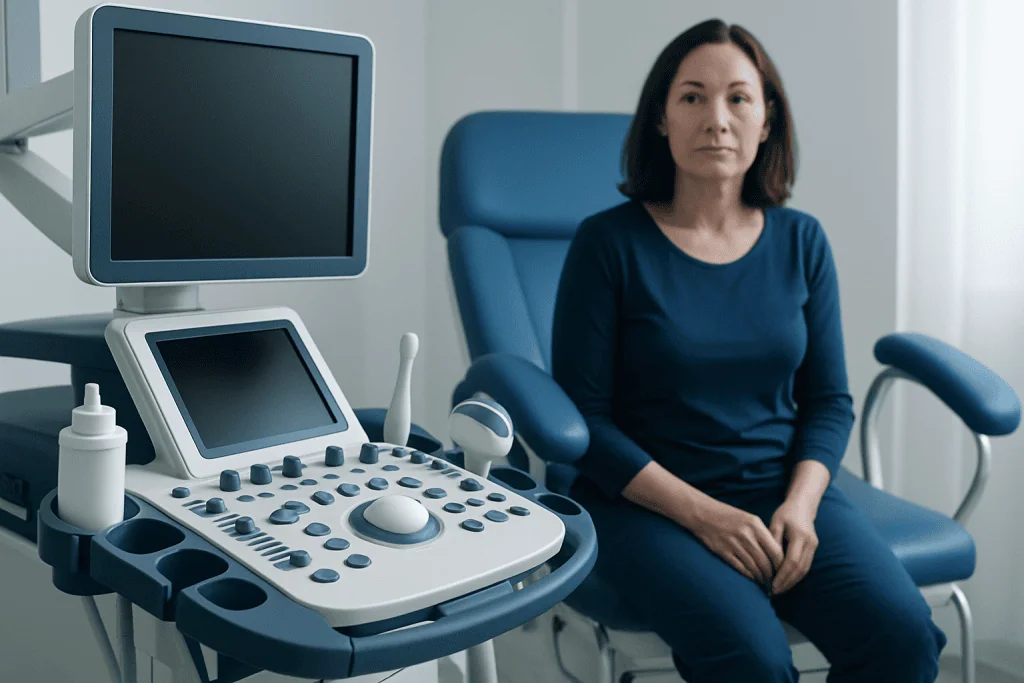
Symptoms of Asherman’s disease depend on how much scar tissue is present and where it is located. Some people have no clear symptoms at first. Others notice changes soon after a uterine procedure or after a pregnancy-related event.
Common symptoms can include:
- Very light menstrual periods
- Periods that stop completely
- Pelvic pain or cramping, sometimes occurring at the time a period would be expected
- Difficulty becoming pregnant
- Repeated miscarriage
- Bleeding pattern changes after uterine surgery or treatment
One important point is that absent or lighter periods do not always mean the ovaries have stopped working. In Asherman’s disease, the hormonal cycle may still continue, but scar tissue may prevent normal shedding or flow of menstrual blood. This can explain why some people feel monthly cramping despite little or no bleeding.
Because symptoms can be subtle, the condition may not be recognized right away. Anyone who develops menstrual changes, fertility problems, or recurrent pregnancy loss after a uterine procedure should discuss these symptoms with a gynecologist.
Causes and risk factors
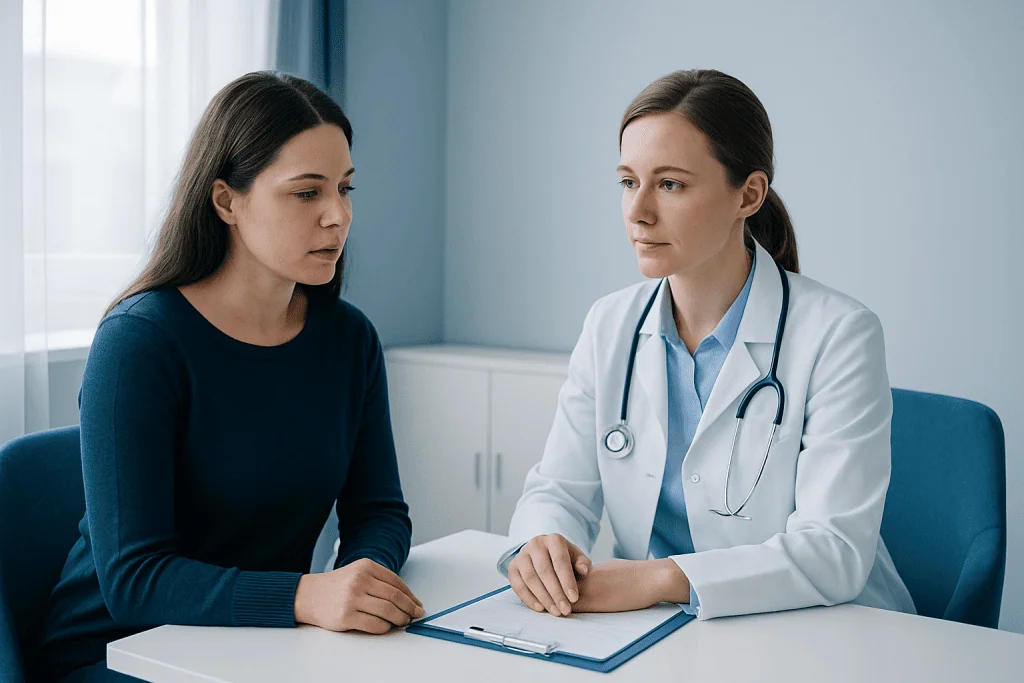
Asherman’s disease usually results from injury to the endometrium, the lining inside the uterus. The most common risk factor is a procedure involving the uterine cavity, especially after pregnancy, when the uterine lining may be more vulnerable. For example, adhesions may form after a D&C performed for miscarriage, retained placenta, or postpartum bleeding.
Other possible causes include hysteroscopic or open uterine surgery, removal of fibroids, treatment of heavy bleeding, cesarean-related uterine interventions, or infections that inflame the uterine lining. In some regions, genital tuberculosis remains an important cause of intrauterine scarring.
Risk may be higher when there have been repeated uterine procedures, infection, or significant trauma to the uterine lining. However, not everyone with these risk factors develops adhesions, and some cases are only detected when fertility is being evaluated.
Doctors also consider other explanations for similar symptoms, such as hormonal disorders, congenital uterine differences, endometriosis, or blockage of menstrual flow for another reason. Identifying the true cause matters because treatment differs depending on the underlying problem.
How doctors diagnose Asherman's disease
Diagnosis starts with a medical history and pelvic evaluation. A doctor will ask about menstrual changes, miscarriages, fertility goals, prior uterine surgery, pregnancy-related procedures, and any history of infection. This history often provides the first clues.
Imaging tests may be used to look at the shape of the uterine cavity. These can include transvaginal ultrasound, saline infusion sonography, or hysterosalpingography, an X-ray test in which dye outlines the uterus and fallopian tubes. These tests can suggest adhesions, but they may not show the full extent in every case.
The most definitive test is hysteroscopy. In this procedure, a thin camera is passed through the cervix into the uterus so the doctor can directly examine the cavity. Hysteroscopy can confirm the diagnosis, show how severe the adhesions are, and often allow treatment during the same session through hysteroscopy.
When infertility is part of the concern, the evaluation may also include a broader review of reproductive health. That can involve ovulation assessment, semen analysis, and imaging of the tubes and uterus. In some situations, referral for fertility treatment may be discussed after the uterine cavity has been addressed.
Treatment options and recovery
The main treatment for Asherman’s disease is hysteroscopic adhesiolysis, a procedure in which scar tissue is carefully cut or removed under direct vision. The goal is to reopen the uterine cavity, restore a more normal shape, and improve menstrual function and fertility potential where possible. Treatment planning depends on how extensive the adhesions are and whether pregnancy is desired.
After surgery, doctors may recommend steps to reduce the chance of scars reforming while the lining heals. Depending on the case, this may include temporary placement of a small device inside the uterus, hormone therapy to support endometrial healing, and follow-up imaging or repeat hysteroscopy. Recovery plans are individualized.
Outcomes vary. Many people notice improved menstrual flow after treatment, and some are able to conceive afterward. However, severe adhesions can be more challenging to treat, and repeat procedures are sometimes needed. A specialist can explain the expected outlook based on the extent of scarring and overall reproductive health.
If fertility remains difficult after treatment, further care may involve a reproductive endocrinologist or fertility specialist. For some patients, options such as in vitro fertilization may become part of the plan, but this decision depends on age, ovarian reserve, tubal status, sperm factors, and the condition of the uterine lining.
Prevention and self-care after uterine procedures
Asherman’s disease cannot always be prevented, but risk may be reduced by careful management of uterine procedures and prompt treatment of infection. When a procedure is needed, doctors aim to use the safest technique for the situation and avoid unnecessary trauma to the uterine lining.
Patients can support their care by keeping records of prior pregnancies, miscarriages, procedures, and menstrual changes. This information can be very useful if symptoms develop later. Seeking follow-up after significant bleeding, infection, or an unexpected change in periods is also important.
Self-care does not remove scar tissue, but it can help with recovery and early recognition. Helpful steps include attending follow-up visits, taking prescribed medicines exactly as directed, avoiding anything the doctor advises against during healing, and reporting pain, fever, heavy bleeding, or absent periods after a uterine procedure.
For people trying to conceive, emotional support can be just as important as medical treatment. Changes in menstruation and fertility can be stressful. Speaking with a gynecologist, fertility specialist, or counselor may help patients understand options and feel more supported during treatment.
When to seek medical care
Medical evaluation is recommended if periods become much lighter, stop unexpectedly, or are accompanied by monthly cramping with little bleeding, especially after miscarriage treatment, childbirth-related procedures, or uterine surgery. The same is true for new difficulty getting pregnant or recurrent pregnancy loss.
Urgent care is needed for severe pelvic pain, heavy bleeding, fever, fainting, or signs of infection after a procedure. These symptoms do not always mean Asherman’s disease, but they should not be ignored.
Because diagnosis often requires specialized imaging or hysteroscopy, seeing a gynecologist with experience in uterine cavity disorders can be helpful. In more complex cases, multidisciplinary evaluation may be recommended. Acibadem International’s multidisciplinary specialists and JCI-accredited hospitals diagnose and treat conditions affecting the uterus and fertility for international patients.
Early care may improve the chance of identifying the problem before long-term complications develop. Patients who suspect adhesions should seek individualized medical advice rather than trying to self-diagnose based on menstrual changes alone.
Frequently asked questions
Is Asherman's disease the same as Asherman syndrome?
These terms are often used interchangeably. Both generally refer to scar tissue inside the uterus, also called intrauterine adhesions. Some clinicians prefer one term over the other, but for patients they usually describe the same condition.
Can Asherman's disease cause infertility?
Yes, it can affect fertility by changing the shape of the uterine cavity or interfering with implantation and normal menstrual function. The impact depends on how much scar tissue is present and where it is located. Many people benefit from evaluation and treatment by a gynecologist or fertility specialist.
Will periods always stop with Asherman's disease?
No. Some people have no periods, while others have lighter periods than usual or only subtle changes. A few may have fairly normal bleeding despite adhesions, which is why the condition can sometimes go unnoticed until fertility problems appear.
How is Asherman's disease confirmed?
Doctors often use imaging tests to suspect the diagnosis, but hysteroscopy is usually the best way to confirm it. Hysteroscopy allows direct viewing of the inside of the uterus. It can also help assess severity and sometimes treat the adhesions during the same procedure.
Can Asherman's disease come back after treatment?
It can recur, especially when adhesions are extensive or dense. This is why follow-up care is important after treatment. A doctor may recommend repeat imaging or another hysteroscopy to check how the uterine cavity is healing.
Is pregnancy possible after treatment for Asherman's disease?
Pregnancy is possible for many patients after successful treatment, but outcomes vary. Fertility depends not only on the adhesions but also on age, ovarian function, sperm factors, and overall uterine health. A specialist can explain the likely outlook in an individual case.
References
- American College of Obstetricians and Gynecologists
- American Society for Reproductive Medicine
- National Institute for Health and Care Excellence
- World Health Organization
This article is for general information only and is not a substitute for professional medical advice. Please consult a qualified doctor about your individual situation.
Explore treatments in Turkey — costs, top hospitals & a free quote
JCI-accredited · board-certified surgeons · reply within 24h
Add us as a Preferred Source to see more of our trusted health content across Google Search, AI Overviews and Discover.

More from the Health Library


Related Specialists

Prof. Dr. Atakan Yeşil
Gastroenterology
Prof. Dr. Ömer Yalçın
Pathology
Dr. Ömercan Yağız Öksüz
Aesthetic Plastic & Reconstructive Surgery
Assoc. Prof. Dr. Aylin Önder Dirican
Gynecology & Obstetrics