

Neurophysiology
Neurophysiology uses tests such as EEG, EMG and evoked potentials to assess brain, nerve and muscle function. It helps diagnose neurological disorders and guide treatment planning.

Quick answer
Neurophysiology is the assessment of brain, nerve, and muscle function using tests such as EEG, EMG, and evoked potentials to help diagnose neurological disorders and guide treatment planning. At Acibadem in Turkey, these examinations are performed by neurology teams to investigate symptoms, support diagnosis, and inform follow-up care or treatment decisions.
Understanding Neurophysiology from the Patient’s Perspective
When symptoms involve the brain, nerves, spinal cord or muscles, uncertainty can be one of the most difficult parts of the experience. A person may have a first seizure, unexplained fainting episodes, persistent numbness, muscle weakness, tremor, tingling, pain that travels down an arm or leg, or changes in awareness that family members notice before the patient does. Many international patients arrive with imaging reports, laboratory tests or previous consultations, yet still do not have a clear explanation for what is happening.
Neurophysiology helps answer these questions by studying how the nervous system functions in real time. While MRI, CT and ultrasound show structure, neurophysiological tests assess electrical activity and communication within the brain, nerves and muscles. This functional information can be essential when symptoms are intermittent, when imaging does not fully explain the clinical picture, or when treatment decisions depend on identifying the exact level and pattern of nerve involvement.
For patients considering care abroad, the decision is not only medical. It involves trust, timing, language, travel planning and confidence that the evaluation will be coordinated carefully. At Acibadem, neurophysiology is approached as part of a broader neurological assessment, not as an isolated test. Results are interpreted in the context of the patient’s history, neurological examination, imaging, laboratory findings and, when needed, input from related specialties such as neurosurgery, orthopedics, physical medicine and rehabilitation, pediatrics, oncology or intensive care medicine.
The goal is to reach a precise diagnosis, guide treatment planning and help patients understand the next step with clarity. Neurophysiology may confirm a suspected disorder, exclude certain conditions, monitor disease activity, assess response to treatment, or support surgical planning. In many cases, it provides the evidence needed to move from uncertainty to a more structured care plan.
What Neurophysiology Is
Clinical neurophysiology is a medical field that evaluates the electrical and functional activity of the nervous system. It includes several diagnostic tests used to assess the brain, peripheral nerves, nerve roots, spinal cord pathways, neuromuscular junction and muscles. The most commonly used tests include electroencephalography, electromyography, nerve conduction studies and evoked potentials.
Electroencephalography, or EEG, records the brain’s electrical activity through small sensors placed on the scalp. It is especially useful in evaluating seizures, epilepsy, episodes of altered awareness, unexplained loss of consciousness, encephalopathy and certain sleep-related or developmental concerns. EEG does not deliver electricity into the brain; it records naturally occurring brain activity.
Electromyography, or EMG, evaluates the electrical activity of muscles. It is usually performed together with nerve conduction studies, which measure how quickly and effectively electrical signals travel through peripheral nerves. These tests help identify nerve damage, nerve compression, muscle disease, motor neuron disorders, neuromuscular junction disorders and nerve root irritation from spinal conditions.
Evoked potentials measure how the brain, spinal cord or nerves respond to specific sensory stimulation. Visual evoked potentials assess pathways related to vision, auditory evoked potentials assess hearing-related brainstem pathways, and somatosensory evoked potentials assess signal transmission from the limbs through the spinal cord to the brain. These tests may be used when symptoms suggest problems in pathways that are not fully visible on routine imaging or when the physician needs objective information about nervous system conduction.
Neurophysiology tests are generally low-risk and do not involve ionizing radiation. Some are entirely noninvasive, such as EEG and many evoked potential tests. EMG includes the use of a very fine needle electrode in selected muscles, which may cause brief discomfort but is typically well tolerated. The physician chooses the appropriate test or combination of tests based on the patient’s symptoms and diagnostic question.
Who May Need Neurophysiology Testing
Neurophysiology may be recommended when symptoms suggest abnormal function in the brain, nerves or muscles. Patients are often referred by neurologists, neurosurgeons, orthopedic spine specialists, rehabilitation physicians, pediatric neurologists, rheumatologists, oncologists or intensive care teams. In some cases, the test is requested after imaging has shown an abnormality. In others, neurophysiology is used because imaging is normal but the patient’s symptoms remain concerning.
Patients with possible seizures may need EEG if they have episodes of staring, confusion, unusual movements, sudden falls, loss of consciousness, unexplained nocturnal events or memory gaps. Family descriptions and videos of episodes can be useful because many events occur outside the clinic. EEG can help determine whether symptoms are related to epileptic activity, another neurological condition, fainting, sleep disorders or non-epileptic events.
Patients with numbness, tingling, burning pain, weakness or loss of sensation may need EMG and nerve conduction studies. These symptoms can be caused by peripheral neuropathy, carpal tunnel syndrome, ulnar nerve entrapment, cervical or lumbar radiculopathy, diabetic nerve damage, inflammatory neuropathies, traumatic nerve injury or medication-related nerve toxicity. The pattern of findings helps determine whether the problem is in a single nerve, multiple nerves, a nerve root, the neuromuscular junction or the muscle itself.
Muscle cramps, twitching, fatigue, drooping eyelids, difficulty swallowing or progressive weakness may lead to evaluation for neuromuscular disorders. EMG can help distinguish muscle disease from nerve disease and may support the diagnosis of conditions such as myopathy, motor neuron disease or disorders of neuromuscular transmission. In these situations, the test findings must be interpreted carefully alongside examination findings, blood tests, imaging and sometimes genetic or immunological testing.
Evoked potentials may be considered when patients have visual symptoms, hearing-related neurological concerns, sensory pathway symptoms, spinal cord disease or suspected demyelinating disorders. They can also be used in selected surgical settings to monitor nervous system function during procedures where the spinal cord, brain pathways or major nerves may be at risk.
Before neurophysiology testing, the physician reviews the patient’s medical history, medications, prior imaging, laboratory results and the exact nature of symptoms. Diagnosis is rarely based on a single test alone. The value of neurophysiology lies in combining objective electrical data with clinical expertise to create a more complete neurological picture.
Conditions and Indications Neurophysiology Helps Address
Neurophysiology supports diagnosis and treatment planning across a broad range of neurological and neuromuscular conditions. It is often used when the physician needs to localize the problem, understand its severity, determine whether it is active or chronic, and decide whether medical, surgical, rehabilitative or monitoring strategies are most appropriate.
In epilepsy care, EEG can help classify seizure types and epilepsy syndromes, identify focal or generalized epileptic activity, guide medication decisions and support further evaluation when surgery or advanced therapies are being considered. In patients with altered consciousness in the hospital or intensive care unit, EEG may help detect non-convulsive seizures or evaluate diffuse brain dysfunction.
For nerve compression and spine-related disorders, EMG and nerve conduction studies can clarify whether symptoms are caused by carpal tunnel syndrome, ulnar neuropathy, peroneal neuropathy, cervical radiculopathy, lumbar radiculopathy or plexus injury. This distinction matters because treatment may range from splinting and medication to injections, rehabilitation or surgery.
Peripheral neuropathy is another common indication. Neurophysiology can help characterize neuropathy as primarily affecting sensory nerves, motor nerves or both, and can suggest whether damage involves the nerve fiber itself or the insulating myelin around it. This information helps guide further testing for diabetes, vitamin deficiencies, immune-mediated neuropathies, infections, inherited neuropathies, toxic causes or cancer-related nerve involvement.
Neuromuscular disorders may require EMG to help evaluate myopathies, inflammatory muscle disease, myasthenia gravis, motor neuron disorders and other conditions that affect muscle activation. In children, neurophysiology can support evaluation of developmental concerns, suspected epilepsy, neuromuscular weakness or inherited nerve and muscle disorders, using protocols adapted to the child’s age and comfort.
Evoked potentials may contribute to the assessment of optic nerve disease, brainstem pathway disorders, spinal cord pathway involvement and selected demyelinating diseases. They are also valuable when symptoms are difficult to measure objectively or when the physician needs to compare function over time.
In surgical and hospital settings, neurophysiological monitoring may be used during selected brain, spine, vascular or complex orthopedic procedures. The aim is to provide the surgical team with real-time information about nervous system pathways, helping them respond promptly if functional changes appear during the operation.
How Neurophysiology Testing Is Performed
The process begins with a focused clinical review. The physician or neurophysiology team confirms the reason for the test, reviews relevant medical history and explains what the patient can expect. International patients are often asked to bring or send prior reports, imaging files, medication lists, operation notes and previous EEG or EMG results if available. This helps avoid unnecessary repetition and allows the team to select the most useful protocol.
Preparation depends on the test. For EEG, patients are usually asked to arrive with clean, dry hair without heavy oils, gels or sprays. In some cases, sleep deprivation may be requested because tiredness can increase the chance of recording certain abnormalities. Patients should not stop anti-seizure medications unless specifically instructed by their physician. For EMG and nerve conduction studies, the skin should be clean and free of lotion. Blood thinners, implanted devices, bleeding disorders or infection risk should be discussed before the test. For evoked potentials, glasses, hearing devices or relevant medical information may be needed depending on the pathway being assessed.
During an EEG, small electrodes are placed on the scalp using a conductive gel or paste. The patient usually lies or sits comfortably while the recording is made. The test may include resting with eyes open and closed, deep breathing for a short period, flashing light stimulation, drowsiness or sleep recording, depending on the indication. In some patients, prolonged video EEG monitoring is recommended. This records brain activity and behavior at the same time, which is helpful when episodes need to be captured and analyzed.
During nerve conduction studies, small surface electrodes are placed on the skin. A brief electrical stimulus is delivered to a nerve, and the response is recorded from another point along the nerve or from a muscle. The sensation can feel like a quick tapping or tingling. The physician measures speed, amplitude and timing of responses. These values provide information about nerve function and the type of nerve involvement.
During EMG, the physician inserts a very fine needle electrode into selected muscles. The muscle is evaluated at rest and during gentle contraction. The number and location of muscles tested depend on the symptoms and the diagnostic question. The patient may feel brief discomfort during needle insertion or muscle activation, but the test is usually completed without sedation because patient participation is important for accurate interpretation.
During evoked potential testing, the patient receives a specific stimulus while electrodes record nervous system responses. For visual evoked potentials, the patient may watch a changing checkerboard pattern or flashing light. For auditory evoked potentials, clicking sounds are delivered through earphones. For somatosensory evoked potentials, mild electrical stimulation is applied to a nerve in the wrist or ankle. The recorded signals are analyzed for timing and strength, helping physicians assess whether conduction through the pathway is normal or delayed.
The technology used in neurophysiology includes sensitive digital recording systems, surface and needle electrodes, signal amplifiers, synchronized video when needed, computerized analysis and safety features that allow accurate measurement of small electrical signals. The value of the technology lies not only in recording data but in filtering artifacts, comparing responses with appropriate reference values, and allowing experienced physicians to interpret patterns in relation to the patient’s symptoms.
Test duration varies. A routine EEG may take less than an hour, while sleep-deprived or prolonged video EEG monitoring may take several hours or longer. EMG and nerve conduction studies often take between thirty minutes and two hours, depending on the complexity and number of areas examined. Evoked potential tests are commonly completed within a similar outpatient timeframe. When neurophysiological monitoring is used during surgery, it continues for the relevant parts of the procedure.
After most tests, patients can usually return to normal activities right away. After EMG, mild muscle soreness or small bruising can occur at needle sites and typically resolves quickly. EEG paste may need to be washed from the hair. If a seizure occurs during monitored testing or if sedation was used for a special circumstance, the team gives individualized instructions. Results are reviewed by physicians trained in neurophysiology and communicated to the referring doctor or integrated into a broader consultation.
Why Acting Early Matters
Neurological symptoms can change over time. Some conditions are stable or benign, while others may progress if diagnosis is delayed. Early neurophysiology testing can help identify treatable problems before they lead to avoidable complications, prolonged pain, repeated emergency visits or loss of function.
In suspected epilepsy, timely EEG evaluation can support appropriate treatment and safety planning. Untreated seizures may increase the risk of injury, driving-related danger, work limitations and recurrent episodes. While a normal EEG does not always exclude epilepsy, an abnormal study can provide important evidence that shapes medication choice and further evaluation.
In nerve compression, early diagnosis can be particularly important. Mild carpal tunnel syndrome or radiculopathy may respond to conservative treatment, but prolonged compression can lead to persistent numbness, muscle wasting or weakness. EMG and nerve conduction studies help determine whether the nerve is irritated, demyelinated, axonally damaged or recovering.
For inflammatory neuropathies, neuromuscular junction disorders and certain muscle diseases, a delay in diagnosis may postpone treatments that could improve strength, swallowing, breathing or mobility. In patients with cancer, diabetes, autoimmune disease or prior surgery, neurophysiology can clarify whether symptoms are related to the underlying disease, treatment side effects or a separate neurological condition.
Acting early does not mean rushing into unnecessary procedures. It means obtaining the right information at the right time. A carefully selected neurophysiology test can prevent misdiagnosis, reduce repeated testing and help the care team choose a treatment pathway based on evidence rather than uncertainty.
Benefits of Neurophysiology Testing
The main benefits of neurophysiology come from its ability to provide objective functional information that complements the clinical examination and imaging findings.
| Benefit | What It Means for You |
|---|---|
| Functional assessment of the nervous system | Neurophysiology shows how the brain, nerves and muscles are working, not only how they look on imaging. |
| More precise localization | Testing can help determine whether symptoms come from the brain, spinal cord, nerve root, peripheral nerve, neuromuscular junction or muscle. |
| Support for treatment planning | Results may guide medication choices, rehabilitation plans, surgical decisions or the need for additional investigations. |
| Monitoring over time | Repeat studies can help assess progression, recovery or response to treatment in selected conditions. |
| Low-risk diagnostic pathway | Most tests are outpatient procedures, do not use ionizing radiation and allow patients to resume normal activities quickly. |
Recovery Timeline After Neurophysiology Testing
Recovery is usually brief, although the experience differs depending on whether the patient has EEG, EMG, nerve conduction studies, evoked potentials or prolonged monitoring.
| Time Period | What Patients Can Expect |
|---|---|
| Day 1 | Most patients leave shortly after outpatient testing. Hair washing may be needed after EEG. Mild tingling after nerve stimulation or soreness after EMG can occur. |
| First Week | Any EMG-related tenderness or small bruising usually improves. Patients can generally continue work, travel and daily routines unless their underlying condition requires restrictions. |
| First Month | The care team reviews results in context and may recommend medication changes, rehabilitation, imaging, laboratory testing, surgical consultation or follow-up neurophysiology if needed. |
| Longer Term | Patients with chronic or progressive disorders may use neurophysiology as part of ongoing monitoring, especially when symptoms change or treatment response needs assessment. |
Factors That Influence Results and a Good Outcome
A good neurophysiology result depends on more than the recording itself. The most useful studies begin with a clear clinical question. For example, the question may be whether a patient’s hand numbness is caused by carpal tunnel syndrome, cervical radiculopathy or a generalized neuropathy. It may be whether a nocturnal event is epileptic, whether weakness reflects nerve or muscle disease, or whether spinal cord pathways are affected. The test protocol should be designed around that question.
The timing of testing can influence findings. Some nerve injuries may not show their full pattern immediately after trauma and may need follow-up evaluation. Epileptic activity may not appear during a short routine EEG, especially if episodes are infrequent; in such cases, sleep-deprived EEG or prolonged video EEG may provide additional information. Muscle and nerve disorders may evolve, and repeat testing can be useful when symptoms change.
Patient factors also matter. Age, temperature of the limbs, medications, metabolic conditions, cooperation during the test and prior surgeries can affect results. For EEG, sleep, drowsiness, recent seizures and medications may influence recordings. For EMG and nerve conduction studies, diabetes, thyroid disease, kidney disease, vitamin deficiencies, chemotherapy exposure and occupational repetitive strain may all be relevant. The interpreting physician considers these variables rather than relying on numbers alone.
Technical quality is essential. Accurate electrode placement, appropriate stimulation, careful artifact control and correct selection of nerves and muscles all contribute to reliable results. Equally important is interpretation by physicians experienced in recognizing patterns of neurological disease. A technically normal test can still be clinically meaningful, and an abnormal result must be interpreted in relation to the patient rather than in isolation.
The best outcome is a result that helps the patient and physician make a clearer decision. Sometimes that means confirming a diagnosis. Sometimes it means ruling out a serious disorder, identifying a milder condition, documenting recovery, or deciding that additional evaluation is needed. In complex cases, neurophysiology becomes one part of a multidisciplinary decision process.
Why International Patients Choose Acibadem for Neurophysiology
International patients often seek neurophysiology at Acibadem when they need a careful diagnostic assessment, a second opinion, or coordinated care for symptoms that have not yet been fully explained. Acibadem Hospitals are JCI-accredited, and neurological services are organized with attention to clinical quality, patient safety and continuity of care. For patients traveling from abroad, this structure can make a meaningful difference because diagnostic findings often need to be connected quickly to the next medical decision.
Neurophysiology at Acibadem is integrated with broader neurological and multidisciplinary care. Depending on the patient’s condition, findings may be reviewed with neurologists, neurosurgeons, orthopedic spine specialists, physical medicine and rehabilitation physicians, pediatric specialists, radiologists, oncologists or intensive care teams. In complex neurological conditions, specialist boards and multidisciplinary discussions can help align diagnosis, imaging, functional testing and treatment planning.
The diagnostic pathway is individualized. A patient with suspected epilepsy may need routine EEG, sleep-deprived EEG or video EEG monitoring depending on the frequency and nature of events. A patient with limb numbness may need a focused entrapment neuropathy study or a broader neuropathy evaluation. A patient with weakness may require EMG protocols that distinguish nerve, muscle and neuromuscular junction disorders. The plan is shaped by the clinical question rather than by a one-size-fits-all approach.
Modern neurophysiology laboratories use sensitive recording systems, digital analysis, synchronized video when appropriate, and protocols designed to support accurate interpretation. These technologies help physicians capture subtle electrical signals, reduce interference, compare findings with accepted reference values and document results clearly. However, technology is only one component. The clinical experience of the physician interpreting the study remains central, especially in complex or borderline cases.
For international patients, communication and logistics are part of the medical experience. Acibadem International provides support in more than 20 languages, assisting with appointment coordination, medical record transfer, interpretation, travel-related planning and communication between the patient and care team. This is particularly important for neurophysiology because prior reports, medication lists, imaging and symptom descriptions often influence which test is selected and how results are interpreted.
Patients who come for a second opinion may benefit from having previous EEG, EMG, imaging or laboratory results reviewed alongside new testing when appropriate. The aim is not to repeat tests unnecessarily but to build a coherent diagnostic picture. When treatment is required, patients can be directed to the relevant specialty within the same healthcare group, whether that involves epilepsy management, spine care, neuromuscular treatment, rehabilitation, pain management or surgical consultation.
Acibadem’s approach is evidence-based and aligned with international clinical standards. Treatment recommendations are made according to the patient’s diagnosis, disease severity, medical history, personal goals and travel considerations. For some patients, neurophysiology provides reassurance and a plan for monitoring. For others, it becomes the key step that leads to medication, rehabilitation, surgery or more specialized neurological care.
Moving Forward with Clarity
Symptoms involving the nervous system can feel unpredictable and unsettling, especially when previous tests have not provided a clear answer. Neurophysiology offers a way to examine how the brain, nerves and muscles are functioning and to connect those findings to a practical care plan. It can help clarify whether symptoms are related to epilepsy, nerve compression, neuropathy, muscle disease, spinal pathways or another neurological condition.
If you are considering evaluation abroad, a well-organized neurophysiology consultation can help you understand what testing is appropriate, how long it may take, and what the results could mean for treatment. Acibadem’s teams can review available medical records, coordinate appointments and support patients who need a diagnostic visit, a second opinion or ongoing neurological care.
To learn more, you may request a consultation or share your medical records for review. A physician can advise which neurophysiology tests are most relevant for your symptoms and how the results may guide the next step in your care.
This information is general and is not a substitute for professional medical advice. Diagnosis and treatment decisions should be made with a qualified physician who can evaluate your individual medical situation.
Preparation
- Your doctor will review your symptoms, medications and previous test results before the examination. You may be asked to avoid caffeine, hair products or certain medicines depending on the test type. Wear comfortable clothing and inform the team if you have a pacemaker, implanted device or bleeding disorder.
Aftercare
- Most patients can leave immediately after neurophysiology testing and resume daily activities. Mild skin irritation from electrodes or brief muscle soreness after EMG may occur and usually resolves quickly. Your results are interpreted by specialists and shared with your doctor for diagnosis and treatment planning.
Turkey vs UK, Germany & USA
Neurophysiology testing is used to assess brain, nerve and muscle function through tests such as EEG, EMG and evoked potentials. Costs and patient experience vary by country, hospital setting, test complexity and whether the service is arranged as part of an international patient package.
The comparison below highlights practical factors that may influence the overall cost and experience of arranging neurophysiology tests abroad or locally.
| Factor | Turkey | UK | Germany | USA |
|---|---|---|---|---|
| Price drivers | Private hospital pricing, test type, specialist review and package inclusions can affect the quote. | Costs vary between public pathways and private clinics; private testing may add consultation and reporting fees. | Pricing depends on hospital status, specialist involvement, test complexity and whether additional diagnostics are needed. | Costs are often influenced by facility fees, physician fees, insurance arrangements and separate billing for related services. |
| Hospital and specialist factors | International hospitals may offer neurology teams, neurophysiology laboratories and coordinated appointments. | Care may be delivered through neurology departments, private hospitals or diagnostic centres with variable access routes. | University hospitals and specialist centres are commonly involved in complex neurological assessment. | Testing may be performed in hospital systems, academic centres or private neurology practices with differing billing structures. |
| Accreditation and quality | Some hospitals serving international patients hold JCI accreditation and use structured reporting pathways. | Quality is supported by national regulation and professional standards across public and private providers. | Hospitals follow national quality systems, with specialist centres often managing complex neurological cases. | Accreditation and quality frameworks vary by hospital network and diagnostic facility. |
| Waiting and scheduling | Private scheduling may allow coordinated testing and consultation during the same travel period, depending on availability. | Public pathways may involve referral queues; private appointments may offer more flexible scheduling. | Scheduling depends on specialist availability, referral route and test complexity. | Access may be fast in private settings, but coordination can vary by insurance approval and provider availability. |
| Travel and language logistics | International patient departments may help with interpreters, transfers, appointment planning and medical records. | Travel support is usually arranged independently unless using a private international service. | Language support may be available in larger centres, but arrangements differ between providers. | International support is available in some major centres, while travel and accommodation are often arranged separately. |
| Typical package inclusions | Packages may include specialist consultation, selected tests, written report, interpreter support and care coordination. | Private packages may include the test and report, while consultations and follow-up may be billed separately. | Packages may include diagnostic testing and specialist review, with add-ons depending on clinical need. | Services are often itemised, with separate charges for facility use, professional interpretation and follow-up visits. |
What affects your final cost
- The type of neurophysiology test required, such as EEG, EMG, nerve conduction study or evoked potentials.
- Whether more than one test is needed during the same assessment pathway.
- The need for a neurologist consultation, report interpretation or treatment planning appointment.
- Hospital category, laboratory technology, accreditation status and specialist expertise.
- Whether additional investigations, medication review or follow-up appointments are recommended.
- Travel, accommodation, interpreter support and international patient coordination services.
Compare your options
Neurophysiology includes several diagnostic options, and the most appropriate test depends on symptoms, examination findings and the suspected condition. Suitability is decided by a specialist after clinical assessment.
| Option | What it is | Typical use | Key considerations |
|---|---|---|---|
| EEG | A recording of electrical activity from the brain using sensors placed on the scalp. | Often used in the assessment of seizures, epilepsy, altered awareness and some sleep-related or encephalopathic conditions. | The result must be interpreted with symptoms and medical history; a normal result does not always exclude a neurological condition. |
| EMG | A test that evaluates electrical activity in selected muscles. | Used to investigate muscle disorders, nerve root problems and conditions affecting the connection between nerves and muscles. | It may cause temporary discomfort, and the choice of muscles tested depends on the clinical question. |
| Nerve conduction study | A test that measures how well electrical signals travel through peripheral nerves. | Commonly used for numbness, tingling, weakness, carpal tunnel syndrome, neuropathy and nerve injury assessment. | It is often performed with EMG to provide a fuller picture of nerve and muscle function. |
| Evoked potentials | Tests that measure nervous system responses to visual, auditory or sensory stimulation. | Used to assess pathways involving vision, hearing, sensation and spinal cord function in selected neurological conditions. | Results may support diagnosis but are usually interpreted alongside imaging, examination and other tests. |
| Intraoperative neurophysiological monitoring | Monitoring of nerve and spinal cord function during selected operations. | Used in some spine, brain, nerve and complex surgical procedures to support surgical decision-making. | Availability and suitability depend on the planned operation, surgical team and monitoring protocol. |
Trusted care for international patients
General information only — not medical or financial advice. Final costs depend on the factors above and your individual case; request a free, personalised quote.
Doctors Performing This Treatment

Prof. Dr. Akin Sabanci
Neurosurgery
Prof. Dr. Ali Kurtsoy
Neurosurgery
Prof. Dr. Altay Bedük
Neurosurgery
Prof. Dr. Aytekin Akyüz
Neurology
Prof. Dr. Ayşe Sağduyu Kocaman
Neurology
Prof. Dr. Deniz Konya (m)
Neurosurgery
Prof. Dr. Dilaver Kaya
Neurology
Prof. Dr. Elif Ilgaz Aydınlar
Neurology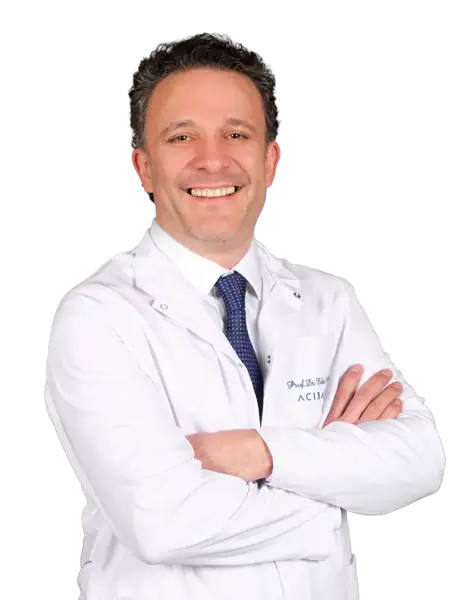
Prof. Dr. Erkin Sönmez
Neurosurgery
Prof. Dr. Gökhan Bozkurt
Neurosurgery
Prof. Dr. Hakan Murat Göksel
Neurosurgery
Prof. Dr. Hakan Seçkin
Neurosurgery
Prof. Dr. Halit Çavuşoğlu
Neurosurgery
Prof. Dr. Hatem Hakan Selçuk
Interventional Neuroradiology
Prof. Dr. Hüseyin Hayrı Kertmen
Neurosurgery
Prof. Dr. Kamil Kadir Topalkara
Neurology
Prof. Dr. Kayihan Uluç
Neurology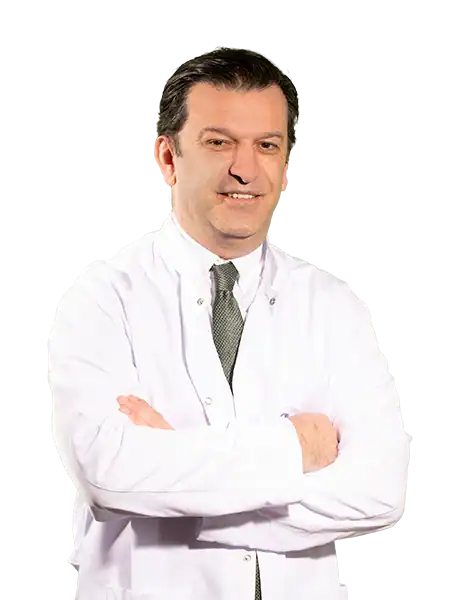
Prof. Dr. Kağan Tun
Neurosurgery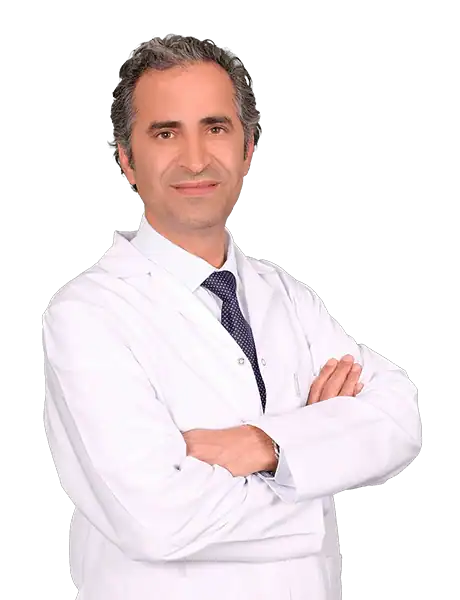
Prof. Dr. Kenan Koç
Neurosurgery
Prof. Dr. Koray Özduman
Neurosurgery
Prof. Dr. Mehmet Zafer Berkman
Neurosurgery
Prof. Dr. Melih Bozkurt
Neurosurgery
Prof. Dr. Memet Özek
Neurosurgery
Prof. Dr. Müfit Kalelioğlu
NeurosurgeryMedical Units
Available at These Hospitals












Frequently Asked Questions
What affects the cost of neurophysiology testing?
The final cost depends on the test type, the number of tests required, specialist consultation, report interpretation, hospital setting and whether international patient services such as translation or transfers are included. A personalised quote is recommended because the clinical pathway differs for each patient.
How can I get a personalised quote from Acibadem?
You can request a free consultation and share your symptoms, previous reports, medication list and any prior test results. The medical team can review your information and recommend the appropriate neurophysiology tests before preparing a personalised quote.
Is neurophysiology testing usually done as a package?
For international patients, a package may include the selected test, specialist review, written report, interpreter support and appointment coordination. The exact inclusions should be confirmed in advance because additional consultations or investigations may be recommended after assessment.
Will I need more than one neurophysiology test?
Some patients need only one test, while others may benefit from combined testing such as nerve conduction study with EMG or EEG with further neurological evaluation. The specialist decides what is suitable based on symptoms and examination findings.
Are travel and accommodation included in the medical cost?
Travel and accommodation are usually separate from the medical fee unless a specific package states otherwise. International patient teams can often help coordinate logistics, but it is important to confirm what is included before travelling.
Is the lowest quote always the best option?
Not necessarily. Patients should consider the hospital setting, specialist expertise, test quality, reporting standards, accreditation, communication support and follow-up planning as well as cost. This information is general and is not medical or financial advice.