Dressler’s Disease: Delayed Pericarditis After Heart Injury

Dressler's disease is immune-related inflammation of the sac around the heart, appearing weeks to months after a heart attack, heart surgery, or other cardiac injury. Typical signs are sharp chest pain that eases when sitting forward, low-grade fever, and breathlessness. New chest pain after a cardiac event needs prompt medical assessment.
Key Takeaways
- Dressler's disease is a form of pericarditis that develops after injury to heart tissue.
- Symptoms often begin weeks to months after a heart attack, cardiac procedure, or chest injury.
- Chest pain that changes with breathing or position, fever, fatigue, and shortness of breath can occur.
- Doctors use symptoms, examination, blood tests, ECG, and echocardiography while excluding other causes of chest pain.
- Anti-inflammatory medicines and colchicine are commonly used; follow-up helps detect fluid around the heart or recurrence.
You had a heart attack or heart surgery a few weeks ago. Recovery was going fine. Then the chest pain comes back — sharp this time, worse when you lie down. It is unsettling, and it deserves a phone call.
One possible explanation is Dressler’s disease, also called Dressler syndrome: a delayed inflammation of the sac around the heart that can follow a heart attack, heart surgery, or other cardiac injury. It is treatable. But new chest pain or breathlessness after a cardiac event should always be assessed promptly, so that more urgent causes can be ruled out first.
Overview: What Is Dressler's Disease?
Your heart sits inside a thin, two-layered sac called the pericardium. In Dressler’s disease, that sac becomes inflamed after heart tissue has been damaged — most classically after a heart attack. The condition is also known as Dressler syndrome or post-myocardial infarction syndrome, and it belongs to a broader group called post-cardiac injury syndromes.
Symptoms typically appear after a delay of several weeks to a few months. This timing helps distinguish Dressler’s disease from early pericarditis, which may develop within days of a heart attack because of direct local inflammation. Dressler’s disease is thought to result from an immune response triggered by injured heart tissue rather than from a new blockage in a coronary artery.
Because heart attacks are now treated quickly, with blocked arteries reopened early, Dressler’s disease is far less common than it once was. It still happens, though, and it remains worth considering when symptoms appear after a cardiac event. Chest discomfort after a heart attack or procedure can come from several different things, so this is not something to diagnose yourself.
Symptoms and How They May Feel
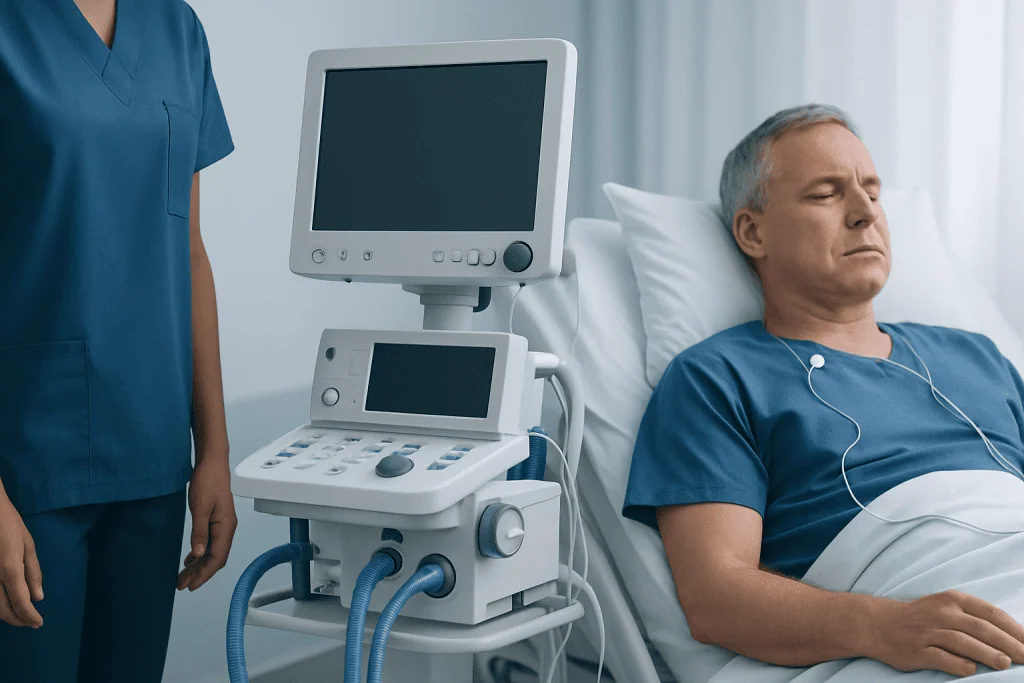
The most typical symptom is sharp, stabbing, or aching chest pain caused by inflammation of the pericardium. The pain may worsen with a deep breath, cough, or lying flat, and may ease when the person sits up and leans forward. This pattern can suggest pericardial inflammation, but it is not enough on its own to confirm the diagnosis.
Other possible symptoms include low-grade fever, unusual tiredness, a dry cough, palpitations, and shortness of breath. Some people feel breathless because pain makes deep breathing uncomfortable. Breathlessness may also develop if inflammation causes fluid to collect around the heart, called a pericardial effusion, or around the lungs.
Symptoms can range from mild to more noticeable and may develop gradually. A person recovering from a heart attack or heart surgery may understandably feel fatigued, so a change in symptoms matters: new chest pain, a returning fever, worsening breathlessness, or declining exercise tolerance should be discussed with a clinician.
- Chest pain that is worse when lying down or breathing deeply
- Fever or a flu-like feeling without another clear cause
- Shortness of breath, cough, or reduced ability to be active
- Fatigue, weakness, or a fast heartbeat
Why It Happens and Who May Be Affected

Dressler’s disease is believed to be an immune-mediated condition. After heart tissue is injured, the immune system may react to proteins released from the damaged cells. This can lead to inflammation of the pericardium and, in some cases, the pleura, the lining around the lungs. It is not contagious, and nothing you did or did not do brought it on.
A heart attack is the best-known trigger, especially when it causes a larger area of heart muscle injury. The syndrome can also occur after heart surgery, catheter-based cardiac procedures, implantation of cardiac devices, chest trauma, or other injury involving the heart or pericardium. In these situations, clinicians may use the broader term post-cardiac injury syndrome.
There is no reliable way to say who will get it. A recent cardiac event is the main factor, yet most people who go through a heart attack or a cardiac procedure never develop Dressler’s disease. Ongoing follow-up after a cardiac event helps the care team identify concerning symptoms early and separate expected recovery symptoms from complications.
How Doctors Diagnose It
There is no single test that proves Dressler’s disease. Diagnosis is based on the timing of symptoms after a cardiac injury, the clinical pattern, examination findings, and test results. The doctor will also carefully exclude other conditions that may cause chest pain or breathlessness, including recurrent heart attack, pulmonary embolism, pneumonia, heart failure, infection, and medication-related problems.
During examination, a clinician may hear a pericardial friction rub, a characteristic scratching sound caused by inflamed layers of the pericardium moving against each other. This finding can be helpful but is not always present. Blood tests may show raised markers of inflammation, such as C-reactive protein, and can help evaluate heart injury, infection, kidney function, and other possible explanations.
An electrocardiogram (ECG) may show changes consistent with pericarditis, although findings can vary. Echocardiography, an ultrasound scan of the heart, is particularly useful for checking heart function and identifying fluid around the heart. A chest X-ray or advanced imaging such as cardiac magnetic resonance imaging may occasionally be needed when the diagnosis remains uncertain or complications are suspected.
Treatment and Recovery
Treatment aims to reduce inflammation, control pain, prevent recurrence, and monitor for fluid around the heart. A cardiologist or treating physician will tailor treatment to the person’s recent heart event, other health conditions, kidney function, bleeding risk, and current medicines. One thing to be careful about: after a heart attack or surgery, do not start over-the-counter painkillers on your own without asking first.
Anti-inflammatory medicines are usually the first treatment. After a recent heart attack, aspirin is often preferred because it fits with post-heart-attack care; other nonsteroidal anti-inflammatory drugs may be considered in selected circumstances. Colchicine is commonly added because it can improve symptom control and reduce the chance of recurrent pericarditis. A stomach-protecting medicine may be prescribed when appropriate.
Corticosteroids are generally reserved for people who cannot use or do not respond to first-line treatment, or who have a specific reason for them. They can be effective but may increase the likelihood of recurrence when used early or withdrawn too quickly. Symptoms often improve with treatment, but medicines should be taken and reduced only according to the clinician’s plan.
You may be asked back for repeat blood tests or another echocardiogram, simply to confirm that the inflammation and any fluid are settling. Rarely, a large or fast-growing pericardial effusion can affect how well the heart fills and pumps. That needs urgent hospital assessment and may need to be drained.
Self-Care, Activity and Follow-Up
Resting from strenuous physical activity during active inflammation is usually advised. The appropriate duration depends on symptoms, inflammation markers, heart function, the original cardiac condition, and the person’s usual activity level. A doctor can advise when it is safe to return gradually to work, exercise, cardiac rehabilitation, travel, or sports.
Keep taking the medicines prescribed for your underlying heart condition unless your doctor specifically changes them. This may include antiplatelet medicines, cholesterol-lowering treatment, blood pressure medicines, or other therapies after a heart attack. Stopping these medicines independently can increase cardiovascular risk.
Keeping a simple record of temperature, chest pain, breathlessness, medication use, and activity tolerance can be useful at follow-up visits. It is also helpful to ask the care team which symptoms should prompt a same-day call and whether any planned blood tests or imaging are needed. A heart-healthy recovery plan, including smoking cessation when relevant, balanced eating, and gradual clinician-approved activity, supports overall cardiovascular health but does not replace anti-inflammatory treatment when Dressler’s disease is present.
When to Seek Medical Care
Anyone who develops new chest pain, shortness of breath, fever, or palpitations after a heart attack, heart surgery, or cardiac procedure should contact their healthcare team promptly. These symptoms may be due to Dressler’s disease, but they can also signal other conditions that need different treatment. Early assessment is the safest approach.
Emergency medical care is needed for severe, persistent, crushing, or pressure-like chest pain; fainting or near-fainting; marked difficulty breathing; confusion; blue or gray lips; or a sudden feeling of extreme weakness. These symptoms may indicate a serious heart or lung problem and should not be attributed to recovery without urgent evaluation.
The good news is that with the right diagnosis, treatment and monitoring, most people recover well from Dressler’s disease. At Acibadem International, our specialists and JCI-accredited hospitals assess and treat cardiac inflammatory conditions for international patients, working alongside your wider heart recovery plan.
Frequently asked questions
Is Dressler's disease the same as pericarditis?
Dressler's disease is a specific type of pericarditis that develops after injury to the heart, often after a heart attack or cardiac procedure. Pericarditis can also occur for other reasons, including viral illness, autoimmune disease, kidney disease, or sometimes without an identified cause.
How long after a heart attack can Dressler's disease occur?
It most often develops weeks to months after a heart attack or other cardiac injury. Symptoms that arise within the first few days after a heart attack may instead be related to early post-infarction pericarditis. A clinician should assess chest symptoms at any point during recovery.
Can Dressler's disease cause a heart attack?
Dressler's disease does not usually cause a heart attack because it primarily affects the lining around the heart rather than the coronary arteries. However, its chest pain can resemble heart attack symptoms, and a new heart attack must be excluded before assuming the cause is pericarditis.
Is Dressler's disease life-threatening?
Most cases respond well to anti-inflammatory treatment and careful follow-up. In uncommon cases, a significant fluid collection around the heart can interfere with heart function and requires urgent treatment. This is why worsening breathlessness, fainting, or severe chest symptoms need immediate medical assessment.
Can Dressler's disease come back after treatment?
Recurrence is possible, particularly if inflammation has not fully settled or treatment is stopped too early. Colchicine and a clinician-guided course of anti-inflammatory treatment can reduce this risk for many people. Follow-up helps ensure treatment is adjusted safely.
Should a person exercise while recovering from Dressler's disease?
Strenuous exercise is usually avoided while there is active chest pain or evidence of inflammation. The care team can recommend a gradual return to activity once symptoms, tests, and the person's overall cardiac recovery indicate it is safe. Cardiac rehabilitation guidance may be useful after a heart attack or procedure.
This article is for general information only and is not a substitute for professional medical advice. Please consult a qualified doctor about your individual situation.
Heart care in Turkey — expert evaluation and treatment
7 JCI-accredited hospitals · board-certified surgeons · reply within 24h
Add us as a Preferred Source to see more of our trusted health content across Google Search, AI Overviews and Discover.

Medically reviewed by the Acıbadem International Medical Board — August 24, 2026
See our medical review board →
References (1)
- Pericarditis - Cleveland Clinic — my.clevelandclinic.org
Cardiology Department
Diagnosis and treatment of heart and vascular conditions, from prevention to advanced interventional procedures.
93 specialists in this unitCardiovascular Surgery Specialists at Acibadem



Related Treatments
Related Conditions
More from the Health Library

Repatha Lowers LDL Cholesterol by Blocking PCSK9

Orthopnea Means Breathlessness When Lying Flat

The Left Atrial Appendage and Why It Matters in Stroke Risk

Irbesartan Lowers Blood Pressure and Can Protect the Kidneys

Amlodipine Lowers Blood Pressure and Helps Prevent Angina