

Scoliosis Surgery
Scoliosis surgery straightens and stabilizes a curved spine using implants and spinal fusion, helping improve balance, reduce progression, and relieve symptoms in suitable children and adults.
Quick answer
Scoliosis surgery corrects and stabilizes abnormal spinal curvature using implants such as rods and screws, usually combined with spinal fusion. At Acibadem in Turkey, multidisciplinary spine teams assess each patient and plan surgery to improve alignment, limit curve progression, and support safe recovery.
Considering Scoliosis Surgery: A Decision About Balance, Function and the Future
Learning that you or your child may need scoliosis surgery can bring understandable concern. The questions are often immediate: Is surgery truly necessary? Will the spine be straight afterward? What are the risks? How long will recovery take, and what will life be like after treatment?
Scoliosis is more than a curve seen on an X-ray. In some people, it remains mild and does not interfere with daily life. In others, the curve continues to progress, affects posture and balance, causes pain or fatigue, or, in more severe cases, reduces the space available for the lungs and other organs. The purpose of surgery is not to create a perfectly straight spine. It is to correct the deformity as safely as possible, stabilize the spine, improve overall alignment, and reduce the likelihood of further progression.
For children and adolescents, the decision often centers on a curve that is growing despite observation or bracing. For adults, surgery may be considered when scoliosis is associated with persistent pain, nerve compression, difficulty standing upright, worsening imbalance, or loss of independence despite appropriate nonsurgical care. Every decision is individual. The size and flexibility of the curve, skeletal maturity, symptoms, neurological findings, overall health, and personal goals all matter.
At Acibadem, scoliosis care is planned by orthopedic spine surgeons working with specialists in pediatric orthopedics, neurosurgery when needed, anesthesiology, rehabilitation, radiology, pulmonology, cardiology, and other disciplines relevant to the patient. This structured approach helps ensure that surgery is recommended for the right reason, at the right time, and with a treatment plan that reflects the individual rather than the X-ray alone.
What Is Scoliosis Surgery?
Scoliosis surgery is an operation designed to correct and stabilize an abnormal sideways curvature and rotation of the spine. The most established operation is spinal fusion with instrumented correction. During this procedure, the surgeon carefully realigns selected parts of the spine using implants such as screws, hooks, rods, or wires, then places bone graft material so that the treated vertebrae gradually heal together into one solid, stable segment.
Although people often describe the operation as “straightening the spine,” the surgical goal is more precise. Surgeons aim to improve three-dimensional spinal alignment while preserving safety and appropriate balance. A spine with scoliosis may curve from side to side, rotate through the chest or waist, and shift forward or backward. Correction planning therefore considers the head, shoulders, rib cage, pelvis, and legs—not simply the degree of curvature visible on one image.
Most scoliosis fusion procedures are performed through an incision along the back, called a posterior approach. Depending on the type and location of the curve, age of the patient, prior operations, stiffness of the spine, and need for nerve decompression, other approaches or combined techniques may be considered. In selected younger children with significant remaining growth, growth-friendly systems may be used to manage the curve while allowing continued spinal growth. Certain carefully selected adolescents may be evaluated for non-fusion approaches, but these are not appropriate for every curve and require detailed assessment.
Fusion is a permanent change to the treated spinal levels. However, the unfused sections of the spine continue to move. The extent of fusion is selected with care: the aim is to include the levels necessary for durable correction while preserving as much natural mobility as can safely be maintained.
Who May Need Scoliosis Surgery?
Surgery is not the first treatment for every person with scoliosis. Many mild curves can be monitored with periodic clinical examinations and standing spinal X-rays. Bracing may help slow progression in some growing children and adolescents. Physical therapy, exercise programs, medication, activity modification, and targeted pain treatment may help adults manage symptoms. Surgery is usually considered when these approaches cannot adequately address a progressive curve, significant deformity, pain, nerve symptoms, or loss of function.
In children and teenagers, scoliosis may first be noticed as uneven shoulders, a prominent shoulder blade, an uneven waist, a hip that appears higher than the other, or a rib prominence when bending forward. Most adolescent idiopathic scoliosis is not painful. A painful curve, sudden progression, weakness, numbness, or changes in walking may prompt additional investigation to exclude another underlying cause.
Adults may develop scoliosis earlier in life or develop it later due to age-related disc and joint degeneration. Common concerns include lower back pain, pain into the buttock or leg, numbness or tingling, fatigue when standing, a forward-stooped posture, or the feeling of leaning to one side. Some people find that they can walk only a limited distance before discomfort or leg symptoms force them to sit down. These symptoms may result from scoliosis itself, narrowing around spinal nerves, arthritis, disc degeneration, or a combination of factors.
Diagnosis begins with a detailed history and examination. The specialist assesses posture, shoulder and pelvic level, gait, leg length, flexibility, strength, sensation, reflexes, and signs of nerve compression. Full-length standing X-rays are essential because they show the spine under normal weight-bearing conditions and allow the curvature and overall balance to be measured. Side-bending images may help assess flexibility. MRI is often used when there are neurological symptoms, unusual pain, a rapidly changing curve, or concern about spinal cord or nerve abnormalities. CT imaging may be useful for detailed bone anatomy and surgical planning.
A patient may be considered for surgery when a curve is large enough to have a meaningful risk of progression, when progression is documented over time, or when symptoms substantially affect health and daily activities. The decision is never based on a single measurement alone. A young person with a growing curve may face different considerations from an adult with a moderate curve but severe spinal stenosis and disabling leg pain.
Conditions and Indications Scoliosis Surgery Can Address
Scoliosis surgery may be used for several forms of spinal deformity. The surgical strategy differs according to the cause of the curve, the patient’s age, skeletal maturity, medical history, and the structures involved.
- Adolescent idiopathic scoliosis: the most common form in teenagers, diagnosed when no specific underlying cause is identified. Surgery may be discussed when a significant curve progresses despite observation or bracing, particularly in a patient who still has substantial growth remaining.
- Adult idiopathic scoliosis: a curve that began earlier in life and persists or progresses in adulthood. Treatment may be considered for worsening deformity, pain, imbalance, or reduced function.
- Adult degenerative scoliosis: a curve that develops or worsens as discs, joints, and supporting structures change over time. Nerve compression and spinal narrowing are common contributors to leg pain, numbness, or walking limitation.
- Congenital scoliosis: scoliosis caused by vertebrae that formed differently before birth. Management may require early and highly individualized planning because the natural history can vary widely.
- Neuromuscular scoliosis: spinal curvature associated with conditions that affect muscles or the nervous system. Surgical planning includes careful assessment of respiratory function, nutritional status, mobility, seating needs, and caregiver goals.
- Syndromic scoliosis: scoliosis associated with certain genetic or connective-tissue conditions. These patients may need specialized evaluation of bone quality, heart and lung health, and tissue characteristics before surgery.
- Revision deformity surgery: surgery for a prior fusion that has not healed as intended, implants that need reassessment, adjacent spinal degeneration, recurrent imbalance, or a residual or progressive deformity.
Not every person with one of these diagnoses will need an operation. The indication for surgery is established through careful comparison of the likely benefits, the natural course of the condition, the limitations of nonsurgical treatment, and the individual risks of a complex spinal procedure.
How Scoliosis Surgery Is Performed
Preoperative evaluation and planning
Preparation begins well before the day of surgery. Patients undergo comprehensive imaging to understand the curve in three dimensions and evaluate spinal balance. The care team reviews prior treatments, medications, allergies, previous operations, and relevant medical conditions. Blood tests and, when indicated, heart or lung evaluations help the anesthesia team prepare safely. For patients with complex deformity, specialists may request additional imaging or consultations to clarify anatomy and manage medical risks.
Planning is highly individualized. The surgeon determines which vertebrae should be included in the correction, where stable alignment can be achieved, whether nerves need decompression, and whether additional release procedures are needed to improve flexibility. Modern digital planning tools can assist the team in mapping implant placement and correction strategy before the operation. For children and families, this planning conversation also includes school, sports, future growth, and the practical support needed during recovery.
Patients may be advised to optimize nutrition, physical conditioning, sleep, and control of chronic conditions before surgery. Smoking and nicotine exposure can impair bone healing and substantially increase complications after fusion; stopping is an important part of preparation. Certain medications, including blood-thinning medicines and some anti-inflammatory drugs, may need to be adjusted under medical guidance.
During the operation
Scoliosis surgery is performed under general anesthesia. The patient is positioned carefully to protect the face, chest, abdomen, arms, and pressure points throughout the procedure. In many cases, the surgeon reaches the spine through an incision in the back. The length of the incision and the number of levels treated depend on the curve pattern and surgical plan.
After exposing the relevant spinal structures, implants are placed at selected vertebrae. Pedicle screws are commonly used because they provide secure points of fixation for rods that guide correction. The surgeon shapes and positions the rods gradually, applying controlled forces to reduce the curve and rotation while restoring balanced alignment. The correction is performed in a measured way, with constant attention to the spinal cord and nerve roots.
Advanced intraoperative imaging and navigation systems may support accurate implant placement, especially where anatomy is complex or prior surgery has altered normal landmarks. Low-dose imaging methods may also be used before and after surgery to evaluate alignment while limiting unnecessary radiation exposure where appropriate. These technologies are aids to surgical judgment; they do not replace the experience of the surgeon or the importance of detailed preoperative planning.
During correction, neurophysiological monitoring can assess the function of the spinal cord and nerves in real time. Changes in monitored signals allow the team to pause, investigate, and modify the procedure if needed. Blood conservation strategies, including careful anesthetic management and techniques that reduce blood loss, are often used in longer deformity operations.
Once the desired alignment and stability have been achieved, the surgeon prepares the bone surfaces and places bone graft material to support fusion. Over the following months, the graft heals and links the treated vertebrae. The incision is then closed, and the patient is transferred to a monitored recovery area.
How long does scoliosis surgery take?
Operating time varies considerably. A straightforward adolescent spinal fusion may take several hours, while complex adult deformity correction, revision surgery, or surgery involving multiple approaches can take longer. The anticipated duration should be discussed directly with the surgical team, as it depends on the curve, the number of levels treated, the need for decompression or osteotomies, and the patient’s individual anatomy.
Early hospital recovery
After surgery, pain control, safe movement, breathing exercises, circulation, hydration, and early mobilization are central priorities. Patients are encouraged to begin sitting, standing, and walking with assistance as soon as it is clinically appropriate. A physical therapist helps patients learn safe methods for getting in and out of bed, walking, climbing stairs, and protecting the healing spine during daily activities.
Hospital stay varies by age, procedure complexity, pain control, mobility, and medical needs. Some patients may require a higher level of monitoring immediately after surgery, particularly after extensive reconstruction or when significant medical conditions are present. Before discharge, the team confirms that pain is manageable with an appropriate plan, wound care instructions are understood, mobility is safe, and follow-up arrangements are in place.
Why Acting Early Can Matter
Timing matters in scoliosis, but early treatment does not always mean immediate surgery. For many patients, the right early action is accurate diagnosis, regular monitoring, or bracing during growth. The value of early specialist evaluation is that it provides a clear baseline and helps identify whether a curve is stable, progressing, flexible, or associated with another condition that needs attention.
When a substantial curve continues to progress, delaying assessment may allow the deformity to become more rigid and more difficult to correct. In growing children, curves can change more rapidly during periods of accelerated growth. Larger thoracic curves may also alter rib cage shape and, in severe cases, affect pulmonary function. The concern is not simply appearance; it is the long-term relationship between spinal alignment, chest development, physical function, and quality of life.
In adults, the consequences of delay may be different. Degenerative changes can narrow the spaces around spinal nerves, leading to more persistent leg pain, numbness, weakness, or reduced walking tolerance. Progressive imbalance can make standing and daily tasks increasingly exhausting. Although not every adult curve worsens quickly, persistent symptoms or a noticeable change in posture deserve expert evaluation rather than prolonged self-management.
There are also risks in operating too early or treating a curve that does not require surgery. Fusion affects mobility in the treated levels and carries meaningful surgical risks. This is why thoughtful surveillance and a clear indication are important. A specialist spine team can help patients understand whether observation remains reasonable, whether nonsurgical treatment is appropriate, or whether surgery now offers the best balance of benefit and risk.
Potential Benefits of Scoliosis Surgery
Benefits vary according to the underlying condition, symptoms, and goals of treatment, but surgery may offer the following advantages for appropriately selected patients.
| Benefit | What It Means for You |
|---|---|
| Improved spinal alignment | The curve, rotation, and trunk imbalance may be reduced, helping the head, shoulders, rib cage, and pelvis sit in a more balanced position. |
| Reduced risk of further progression | Fusion stabilizes the treated part of the spine, which can reduce the likelihood that the corrected curve will continue to worsen. |
| Relief of nerve-related symptoms | When surgery includes decompression for narrowed nerve spaces, leg pain, numbness, or walking limitation may improve, although recovery depends on the duration and severity of nerve involvement. |
| Better standing and walking tolerance | For adults with spinal imbalance, restoring alignment may reduce the muscular effort required to stand upright and move through daily life. |
| Improved body symmetry | Correction may lessen shoulder, waist, rib, or pelvic asymmetry. The degree of visible change depends on the curve and individual anatomy. |
| Greater confidence in activity | After healing and rehabilitation, many patients return to school, work, travel, exercise, and recreational activities with a more stable spine and clearer activity guidance. |
Recovery After Scoliosis Surgery: What to Expect Over Time
Recovery is gradual. The following timeline is a general guide; the pace of healing and activity progression is tailored to the type of operation and the patient’s health, age, and rehabilitation needs.
| Time Period | What Patients Can Expect |
|---|---|
| Day 1 | Close monitoring, pain management, breathing exercises, and assisted movement begin. Many patients start sitting or standing when medically appropriate, with support from the clinical team. |
| First Week | Walking distance gradually increases. The focus is on safe mobility, nutrition, bowel function, wound care, and learning how to manage everyday movements without excessive bending, twisting, or lifting. |
| First Month | Fatigue is common, especially after a major fusion. Patients continue short, frequent walks and follow restrictions on lifting and high-impact activity. Follow-up visits assess the incision, alignment, symptoms, and recovery progress. |
| First Three Months | Comfort, endurance, and independence usually improve steadily. Many children return to school with accommodations, and many adults resume selected work duties according to the physical demands of their role and their surgeon’s guidance. |
| Six Months to One Year | Bone fusion continues to mature. Activity is advanced gradually based on imaging, clinical recovery, and the surgeon’s recommendations. Return to sports or strenuous exercise requires individualized clearance. |
| Longer Term | Most patients continue with normal daily movement and maintain regular follow-up as advised. A balanced exercise routine, healthy weight, and avoidance of nicotine support long-term spinal health. |
What Influences Outcomes and a Good Result?
A good outcome from scoliosis surgery is not defined by an X-ray alone. It includes appropriate correction, stable alignment, safe healing, relief or improvement of the symptoms the operation was intended to address, and a return to meaningful daily life. Expectations should be realistic: surgery can substantially improve alignment and stability, but it cannot always eliminate all pain, reverse longstanding nerve damage, or create complete symmetry.
Several factors influence results. The type, size, flexibility, and location of the curve are important. In general, a flexible curve may be easier to correct than a very rigid deformity, though each case is different. The patient’s age and remaining growth potential influence both the timing and technique of surgery. Adults may have additional challenges, such as disc degeneration, arthritis, osteoporosis, previous spinal surgery, or medical conditions affecting healing.
Bone health is particularly important for successful fusion. Low bone density can affect implant fixation and the ability of the spine to heal into a solid fusion. When indicated, bone density assessment and treatment may be part of the preoperative pathway. Nutritional status, diabetes management, anemia, and cardiovascular or pulmonary health are also considered carefully.
Smoking, vaping, and other nicotine exposure increase the risk of wound problems and nonunion, meaning the fusion does not heal fully. Following the postoperative plan, attending scheduled reviews, walking regularly as instructed, and avoiding restricted activities all contribute to recovery. For children and adolescents, family involvement is essential in supporting medication schedules, school planning, activity restrictions, and emotional adjustment.
As with any major surgery, scoliosis correction carries risks. These can include infection, bleeding, blood clots, anesthesia-related complications, implant-related problems, delayed wound healing, nonunion, persistent or recurrent pain, loss of correction, and the need for additional surgery. Injury to the spinal cord or nerves is uncommon but serious, which is why detailed planning, precise surgical technique, and intraoperative neurological monitoring are important components of care. Your surgeon should discuss the risks that are particularly relevant to your condition and the steps used to reduce them.
Why International Patients Choose Acibadem for Scoliosis Care
International patients considering scoliosis surgery need more than a surgical appointment. They need a clear evaluation, coordinated communication, reliable planning, and support that continues after they return home. Acibadem Hospitals bring orthopedic and spine specialists together with the wider expertise needed for complex spinal deformity care, including pediatric services for younger patients and medical specialties that may be involved in adult or syndromic cases.
Cases that require complex decision-making can be reviewed through multidisciplinary specialist boards. This allows surgeons, radiologists, anesthesiologists, rehabilitation clinicians, and other relevant physicians to consider imaging findings, curve progression, symptoms, medical risks, and treatment alternatives together. The result is a more considered recommendation, particularly when surgery is not the only reasonable option.
Care pathways are based on modern diagnostic methods and international, evidence-based treatment protocols. Full-length spinal imaging, cross-sectional imaging when indicated, digital surgical planning, image guidance, and intraoperative neurological monitoring may all contribute to safer and more precise treatment. The exact technologies used are selected according to the patient’s anatomy and procedure, rather than applied as a routine substitute for clinical judgment.
Acibadem’s JCI-accredited hospitals follow structured standards for patient safety, infection prevention, medication management, and quality processes. For an international patient, these systems are especially meaningful during a major procedure: they support consistent communication between teams from preoperative assessment through inpatient recovery and discharge planning.
Dedicated international patient services can assist with appointment coordination, medical document review, language support in more than 20 languages, travel-related planning, and communication with the clinical team. Before traveling, patients can share imaging and records for preliminary review where appropriate. Following treatment, the team can help organize medical reports, imaging records, medication information, and follow-up guidance for the physician at home.
For patients seeking a second opinion, the focus is not on directing everyone toward surgery. A careful second opinion can confirm whether an operation is indicated, clarify the urgency of treatment, explain alternative approaches, and help patients understand the expected benefits and limitations of a proposed plan. This can be particularly valuable when a patient has been offered extensive fusion surgery, has undergone prior spine surgery, or is uncertain whether symptoms are coming from scoliosis itself or associated nerve compression.
Taking the Next Step With Confidence
Scoliosis surgery is a significant decision, but it should not be made in uncertainty. A thorough evaluation can clarify what the curve means for your health now, how it may change over time, and whether surgery offers meaningful advantages over continued observation or nonsurgical treatment.
At Acibadem, the goal is to provide a clear, individualized recommendation grounded in specialist assessment, detailed planning, and supportive care for patients traveling from abroad. You may request a consultation or a second opinion to review your imaging, symptoms, previous treatments, and the options most appropriate for your circumstances.
This information is for general educational purposes and is not a substitute for professional medical advice, diagnosis, or treatment. Decisions about scoliosis surgery should be made with a qualified spine specialist who has reviewed your individual condition.
Preparation
- Patients undergo a detailed orthopedic and spine assessment, including physical examination and imaging to measure spinal curvature and plan correction. Blood tests, anesthesia evaluation, and a review of medications are completed before surgery. Smoking cessation and nutritional optimization may be recommended to support healing.
Aftercare
- Pain management, early assisted movement, breathing exercises, and physical therapy begin during the hospital stay. Follow-up visits and imaging monitor healing and spinal alignment. Patients should avoid bending, twisting, heavy lifting, and high-impact activities until cleared by their spine surgeon.
Turkey vs UK, Germany & USA
Scoliosis surgery costs and the overall treatment experience vary according to the type and complexity of the spinal curve, the planned procedure, hospital setting, and recovery needs. A personalised assessment is needed to determine suitability and provide an individual treatment plan and quote.
International comparisons should consider more than the procedure itself, including specialist expertise, implant selection, hospital services, rehabilitation planning, and travel-related arrangements.
| Factor | Turkey | UK | Germany | USA |
|---|---|---|---|---|
| Care pathway | Private hospitals may coordinate assessment, surgery, inpatient care, and international patient support. | Care may be through public or private pathways; timing can depend on referral and service availability. | Public and private hospital pathways are available, with planning influenced by insurer or self-pay arrangements. | Care is commonly delivered through private hospital systems and insurance networks. |
| Surgeon and hospital factors | Costs can reflect the spinal surgeon's experience, multidisciplinary team, hospital facilities, and complex-spine capability. | Fees and access can vary by consultant, hospital type, and funding route. | Costs vary by hospital, specialist team, technology, and funding arrangements. | Charges can vary widely by hospital system, surgeon, insurance coverage, and network status. |
| Implants and surgical complexity | Final cost depends on curve severity, number of spinal levels treated, implant system, imaging, and monitoring needs. | These clinical factors similarly influence private treatment charges and care planning. | Implant choice, surgical approach, and complexity are important cost drivers. | Implants, operating-room resources, specialist services, and coverage terms can substantially affect billing. |
| Accreditation and quality | International patients may seek hospitals with recognised quality standards, including JCI accreditation where available. | Hospitals are subject to national regulatory and quality frameworks. | Hospitals operate within national quality and regulatory systems; international accreditation may also be available. | Hospitals are subject to accreditation and regulatory requirements, which vary by facility and state. |
| Waiting and scheduling | Private international pathways may allow scheduling after clinical review, subject to surgeon and operating-room availability. | Waiting can vary between public and private routes, region, clinical priority, and capacity. | Scheduling depends on hospital capacity, clinical priority, and administrative arrangements. | Timing depends on specialist availability, insurance authorisation, hospital capacity, and clinical urgency. |
| Travel and language logistics | International patient teams may help with medical records, interpreters, transfers, accommodation guidance, and follow-up coordination. | International visitors need to arrange travel, accommodation, records, and communication support where needed. | Travel planning and language support may be required for patients who do not speak German. | Travel, accommodation, insurance approvals, and local support can add to planning needs for overseas patients. |
| Typical package scope | A tailored package may include preoperative assessment, surgery, implants, hospital stay, standard medications, and planned follow-up; inclusions should be confirmed in writing. | Private quotes may separate consultant, hospital, implant, imaging, anaesthesia, and postoperative services. | Quotes may be structured by hospital, surgeon, implants, diagnostics, and rehabilitation requirements. | Estimates may involve separate hospital, surgeon, anaesthesia, implant, imaging, and insurance-related components. |
What affects your final cost
- Type, severity, and flexibility of the spinal curve.
- Whether surgery is for a child, adolescent, or adult and whether there have been previous spinal procedures.
- Number of spinal levels requiring correction and fusion.
- Surgical approach, implant system, intraoperative monitoring, and possible need for intensive care.
- Preoperative imaging, laboratory tests, specialist consultations, and treatment of other health conditions.
- Length of hospital stay, rehabilitation requirements, follow-up care, travel, and accommodation arrangements.
Compare your options
Scoliosis management ranges from observation to surgery, depending on the cause and pattern of the curve, growth remaining, symptoms, progression risk, and overall health. Suitability is decided by a spine specialist after clinical assessment and imaging.
| Option | What it is | Typical use | Key considerations |
|---|---|---|---|
| Observation and monitoring | Regular clinical reviews and imaging to monitor the spinal curve over time. | Small or stable curves, particularly when symptoms are limited or progression risk is low. | Follow-up timing depends on age, growth, curve pattern, and changes in symptoms. |
| Physiotherapy and exercise-based care | Individually planned exercises to support posture, strength, movement, and symptom management. | May be used for symptom relief, functional support, or alongside monitoring and other treatments. | It may improve function and comfort but does not replace specialist assessment for a progressing curve. |
| Bracing | A custom spinal brace worn to help limit curve progression during growth. | Often considered for selected growing children or adolescents with curves at risk of worsening. | Effectiveness depends on curve characteristics, growth stage, fit, and adherence to the prescribed plan. |
| Pain and symptom management | Non-surgical measures such as medication guidance, activity modification, physiotherapy, or targeted treatments. | Adults with pain, stiffness, or nerve-related symptoms, and patients not currently suitable for surgery. | The cause of pain should be evaluated, especially if there is weakness, numbness, or changes in balance. |
| Spinal fusion with instrumentation | Surgery that corrects and stabilises the spine using rods, screws, hooks where appropriate, bone graft material, and fusion. | Selected progressive, severe, unbalanced, or symptomatic curves when non-surgical management is insufficient. | Recovery involves hospital care, activity restrictions, rehabilitation, and long-term follow-up. Risks and expected correction should be discussed individually. |
| Growth-friendly scoliosis surgery | Techniques designed to control a curve while allowing continued spinal growth in selected young children. | Early-onset scoliosis in carefully selected patients. | May require planned adjustments, monitoring, or additional procedures as the child grows. |
| Motion-preserving approaches | Selected procedures intended to correct a curve without a conventional fusion in appropriate candidates. | Only for specific curve types and carefully assessed patients. | Not suitable for every scoliosis pattern; age, skeletal maturity, flexibility, and long-term follow-up needs are important. |
Trusted care for international patients
General information only — not medical or financial advice. Final costs depend on the factors above and your individual case; request a free, personalised quote.
Doctors Performing This Treatment

Prof. Dr. Ahmet Alanay
Orthopedic Surgery & Traumatology
Prof. Dr. Alper Kaya
Orthopedic Surgery & Traumatology
Prof. Dr. Arel Gereli
Orthopedic Surgery & Traumatology
Prof. Dr. Ata Can Atalar
Orthopedic Surgery & Traumatology
Prof. Dr. Aziz Kaya Alturfan
Orthopedic Surgery & Traumatology
Prof. Dr. Barış Kocaoğlu
Orthopedic Surgery & Traumatology
Prof. Dr. Burak Akan
Orthopedic Surgery & Traumatology
Prof. Dr. Cihangir Tetik
Orthopedic Surgery & Traumatology
Prof. Dr. Emre Toğrul
Orthopedic Surgery & Traumatology
Prof. Dr. Erhan Serin
Orthopedic Surgery & Traumatology
Prof. Dr. Fatih Dikici
Orthopedic Surgery & Traumatology
Prof. Dr. Gökşel Dikmen
Orthopedic Surgery & Traumatology
Prof. Dr. Gündüz Tezeren
Orthopedic Surgery & Traumatology
Prof. Dr. Hakan Turan Çift
Orthopedic Surgery & Traumatology
Prof. Dr. Harzem Özger
Orthopedic Surgery & Traumatology
Prof. Dr. Hüseyin Bayram
Orthopedic Surgery & Traumatology
Prof. Dr. Kaan Erler
Orthopedic Surgery & Traumatology
Prof. Dr. Kahraman Öztürk
Orthopedic Surgery & Traumatology
Prof. Dr. Kerem Bilsel
Orthopedic Surgery & Traumatology
Prof. Dr. Kerim Sarıyılmaz
Orthopedic Surgery & Traumatology
Prof. Dr. Korhan Özkan
Orthopedic Surgery & Traumatology
Prof. Dr. Levent Eralp
Orthopedic Surgery & Traumatology
Prof. Dr. M. Nadir Şener
Orthopedic Surgery & Traumatology
Prof. Dr. Mahir Gülşen
Orthopedic Surgery & TraumatologyAvailable at These Hospitals
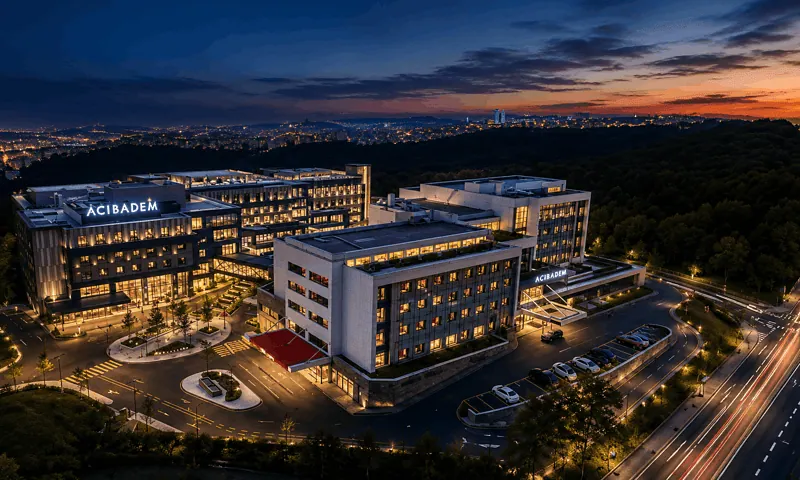



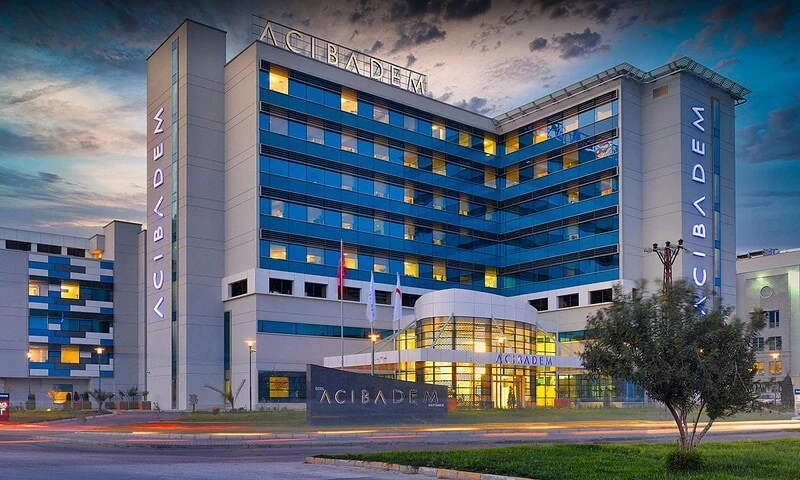




Technologies Used
Frequently Asked Questions
When is scoliosis surgery recommended?
Scoliosis surgery may be recommended when a spinal curve is severe, continues to progress, causes significant pain or imbalance, affects breathing, or does not respond adequately to observation, bracing, or other non-surgical care. The decision is not based on curve size alone. Acibadem Orthopedics and Spine specialists assess X-rays, symptoms, age, growth potential, neurological findings, and daily function to create a personalized treatment plan.
What type of surgery is used to correct scoliosis?
The most common procedure is spinal fusion, in which the surgeon straightens and stabilizes the spine using rods, screws, hooks, or wires while bone graft promotes fusion between selected vertebrae. Some patients may be candidates for growth-friendly techniques or vertebral body tethering, depending on age, curve pattern, and skeletal maturity. Your surgeon will explain which approach is appropriate and why it is recommended for your individual spine.
How long does scoliosis surgery take?
Scoliosis surgery commonly takes several hours, although the exact duration depends on the number of spinal levels treated, the complexity and stiffness of the curve, previous surgery, and the technique used. Patients receive general anesthesia and are closely monitored throughout the procedure. In many cases, advanced neuromonitoring is used to check nerve function during correction. Your surgical team can provide an estimated operating time after reviewing detailed imaging.
Is scoliosis surgery painful and how is pain controlled?
It is normal to have discomfort after scoliosis surgery, especially during the first days, but pain is managed with a carefully planned combination of medications. This may include intravenous pain relief initially, followed by oral medicines, muscle relaxants, and non-medication approaches such as positioning and guided movement. The team monitors pain regularly and adjusts treatment as needed. Early mobilization with physiotherapy can also support comfort and recovery.
How long is the recovery after scoliosis surgery?
Recovery occurs in stages. Most patients begin sitting, standing, and walking with support within the first few days, while return to school, office work, or other light activities may take several weeks. More physically demanding activities and sports usually require a longer recovery period and surgeon approval. Bone fusion continues for months. Acibadem specialists provide individualized rehabilitation guidance based on the procedure, age, overall health, and activity goals.
What are the risks of scoliosis surgery?
Like any major spine operation, scoliosis surgery has potential risks, including bleeding, infection, blood clots, wound problems, nerve injury, implant-related issues, incomplete fusion, persistent pain, and the possible need for further treatment. Serious complications are uncommon but should be discussed clearly before surgery. Careful preoperative planning, experienced spine teams, anesthesia assessment, imaging, and neurological monitoring help reduce risk. Your surgeon will explain the risks relevant to your condition.
Will I be able to bend and move after spinal fusion for scoliosis?
Most patients retain useful everyday movement after scoliosis fusion because not every vertebra is usually fused. The amount of flexibility preserved depends mainly on which spinal segments require treatment, especially whether the lower lumbar spine is included. Activities such as walking, sitting, traveling, and many recreational pursuits are generally possible after recovery. Your surgeon can discuss expected mobility using your imaging and explain how the planned fusion levels may affect movement.
How long do international patients need to stay in Turkey for scoliosis surgery?
International patients generally need to remain in Turkey for hospital recovery, early follow-up visits, wound assessment, and confirmation that they can travel safely. The total stay varies according to the surgical complexity, recovery progress, age, and travel distance. Before departure, the care team reviews mobility, pain control, medications, and flight-related precautions. Acibadem can help coordinate appointments and provide medical documentation for travel planning.
What tests are needed before scoliosis surgery?
Preoperative assessment commonly includes standing full-spine X-rays, and may include MRI or CT scans when more anatomical detail is needed. Blood tests, anesthesia evaluation, lung or heart testing when indicated, and a review of current medications are also important. Children and adults may require different assessments. Acibadem specialists use these results to plan the safest surgical approach, select appropriate implants, and identify factors that may influence recovery.
How much does scoliosis surgery cost in Turkey?
The cost of scoliosis surgery in Turkey varies considerably because treatment may involve different fusion levels, implant systems, imaging, monitoring, hospital stay length, intensive care needs, rehabilitation, and the patient's medical condition. A meaningful estimate requires review of spinal imaging and a surgeon's treatment recommendation. Acibadem can provide a personalized cost plan after assessment and clarify what services are included, helping international patients plan their care and travel appropriately.
What usually affects the cost of scoliosis surgery?
The final cost is influenced by the curve type and complexity, number of spinal levels treated, surgical technique, implants, surgeon and hospital team, preoperative testing, length of stay, rehabilitation needs, and travel arrangements. A specialist review is needed for an accurate personalised quote.
What may be included in a scoliosis surgery package in Turkey?
Package contents vary by patient and hospital. They may include preoperative assessments, surgery, implants, anaesthesia, hospital stay, standard inpatient medicines, and planned follow-up. Ask for written confirmation of what is included and whether travel, accommodation, additional tests, rehabilitation, or treatment of unexpected complications are separate.
How can I get a personalised quote for scoliosis surgery?
You can request a free consultation and share recent spine imaging, radiology reports, medical history, previous treatment details, and current symptoms. The clinical team can review whether further assessment is needed before preparing an individual treatment plan and estimate.
Will I need to stay in Turkey after scoliosis surgery?
Patients typically need time for inpatient recovery and a postoperative review before international travel is considered. The appropriate duration depends on the procedure, recovery progress, travel distance, and the surgeon's advice. Your care team can provide a tailored travel plan.
Is scoliosis surgery suitable for every spinal curve?
No. Many curves can be monitored or managed without surgery. Surgery may be considered when a curve is progressing, causes imbalance or significant symptoms, affects function, or has features that make non-surgical care less appropriate. A spine specialist determines suitability.
What information should I bring to a scoliosis consultation?
Bring recent standing spine X-rays or other imaging, radiology reports, prior clinic notes, details of braces or previous treatment, medication lists, allergy information, and a summary of symptoms. For children, growth history and previous paediatric assessments can also be helpful.