

Spinal Cord Stimulation
Spinal cord stimulation is an implantable pain-management treatment that delivers mild electrical pulses to reduce chronic neuropathic pain when conservative therapies have not provided adequate relief.

Quick answer
Spinal cord stimulation is an implantable pain-management treatment that uses mild electrical pulses to help reduce chronic neuropathic pain when other therapies have not provided sufficient relief. At Acibadem in Turkey, specialists assess suitability, may use a temporary trial, and implant the stimulation system when appropriate.
When Chronic Nerve Pain Continues Despite Treatment
Living with chronic pain can gradually narrow a person’s world. Sleep may become disrupted, work and family responsibilities may feel harder to manage, and activities that once seemed routine can require careful planning. For people with persistent neuropathic pain—pain caused by irritation or injury to the nerves—there is often an additional frustration: imaging, medications, injections, physical therapy, or even previous spine surgery may not have brought enough relief.
Spinal cord stimulation is an advanced pain-management option for carefully selected patients whose pain has remained significant despite appropriate conservative care. It is not a treatment that simply “turns off” pain, nor is it appropriate for every type of back, leg, or nerve pain. Instead, it is an implantable therapy designed to change the way pain signals are processed before they reach the brain.
Patients often have understandable questions before considering a spinal cord stimulator. Will it help my particular type of pain? Does it mean I need another operation? What happens if the treatment does not feel right for me? How long will I need to stay in Turkey? A defining feature of spinal cord stimulation is that most candidates first undergo a temporary trial. This allows the patient and clinical team to evaluate whether stimulation provides meaningful benefit before a permanent system is implanted.
At Acibadem, spinal cord stimulation is approached as part of a broader spine and pain-care pathway. The goal is to understand the source and character of pain, confirm that no other treatment is more appropriate, and create a plan based on the patient’s symptoms, anatomy, previous treatments, functional goals, and overall health.
What Is Spinal Cord Stimulation?
Spinal cord stimulation, often called SCS, is a neuromodulation treatment for chronic pain. It uses a small implanted system to deliver controlled electrical pulses near the spinal cord. These pulses are intended to modify pain signaling within the nervous system, reducing the perception of pain for selected patients.
The system usually has three main components: thin insulated wires called leads, a small implanted pulse generator that produces electrical stimulation, and an external controller that allows the patient and clinical team to adjust the program within prescribed settings. Depending on the type of system and the patient’s needs, the device may be rechargeable or designed with a long-life battery.
The leads are placed in the epidural space, the area just outside the protective covering of the spinal cord. They do not enter the spinal cord itself. The pulse generator is typically positioned beneath the skin in the lower back, upper buttock, or abdominal area, depending on body shape, lifestyle, and surgical planning.
Some forms of stimulation produce a gentle tingling sensation, known as paresthesia, in the area where pain is usually felt. Other programming approaches may reduce pain without a noticeable tingling sensation. The most suitable stimulation pattern is individualized during the trial and programming process.
Spinal cord stimulation does not correct every structural cause of pain. For example, if a patient has progressive weakness, spinal cord compression, an unstable fracture, infection, or a surgically correctable condition that is causing neurological deterioration, those problems require urgent or targeted assessment first. SCS is most often considered when pain has a neuropathic component and remains persistent after appropriate evaluation and treatment.
Who May Be Considered for Spinal Cord Stimulation?
A patient may be considered for spinal cord stimulation when pain has persisted for months or longer, significantly affects daily life, and has not responded adequately to well-directed nonsurgical treatment. Candidates often describe burning, electric, shooting, stabbing, tingling, numb, or hypersensitive pain. The pain may travel from the lower back into one or both legs, from the neck into an arm, or affect a limb after nerve injury or surgery.
Symptoms alone do not determine whether SCS is appropriate. A detailed assessment is essential because chronic pain can have several overlapping causes. The evaluation may include a review of previous imaging and surgical records, a neurological examination, medication history, pain diagrams, and discussion of how symptoms affect walking, sleep, mood, work, and independence. New magnetic resonance imaging, computed tomography, X-rays, or nerve studies may be recommended when clinically indicated.
For patients with persistent pain after spine surgery, the clinical team carefully considers whether there is a treatable mechanical problem, such as recurrent disc herniation, significant spinal narrowing, instability, or hardware-related complication. If another operation is unlikely to improve the pain or carries disproportionate risk, neuromodulation may become a reasonable option.
A psychological or behavioral health assessment is also commonly part of the preparation process. This is not a judgment about whether pain is “real.” Chronic pain affects the nervous system, sleep, stress response, mood, and coping capacity. The assessment helps identify factors that may influence treatment engagement and supports realistic expectations. Successful spinal cord stimulation requires active participation in the trial, device programming, recovery, and long-term follow-up.
In general, patients may be considered when they have:
- Chronic neuropathic pain that has remained disabling despite appropriate medication, rehabilitation, injections, or prior interventions.
- Persistent leg pain, arm pain, or limb pain that is more prominent than purely mechanical back or neck pain.
- Pain after one or more spine operations when further corrective surgery is not expected to offer a clear advantage.
- Complex regional pain syndrome or another chronic nerve pain syndrome evaluated by an experienced pain specialist.
- Painful diabetic neuropathy or selected peripheral neuropathies, when symptoms and medical history fit an evidence-based indication.
- A successful temporary stimulation trial demonstrating meaningful pain reduction and/or improved function.
Patients with active infection, untreated bleeding disorders, unstable medical conditions, certain untreated psychiatric conditions, or an inability to safely manage an implanted device may need treatment of these issues before proceeding. Pregnancy, the use of blood-thinning medication, and the presence of other implanted electronic devices require individualized planning.
Conditions and Indications Spinal Cord Stimulation May Address
Spinal cord stimulation is primarily used for chronic neuropathic pain. Neuropathic pain arises when nerves send abnormal signals because of nerve injury, inflammation, compression, or altered pain processing. It differs from ordinary muscle soreness or acute pain after an injury, although many patients experience a combination of neuropathic and mechanical pain.
One of the most common reasons for referral is persistent spinal pain syndrome, previously often called failed back surgery syndrome. This term does not mean that a surgery was performed incorrectly. Rather, it describes ongoing pain after a spine operation despite technically appropriate treatment. Scar tissue around nerve roots, permanent nerve injury, recurrent symptoms, or complex changes in pain signaling can all contribute.
Other potential indications include complex regional pain syndrome, a condition that can cause severe burning pain, swelling, skin temperature changes, altered color, and sensitivity in an arm or leg. SCS may also be considered for certain forms of chronic radicular pain, which is pain traveling along a nerve root into the arm or leg, especially when decompression or other corrective treatment is not indicated.
For some patients with painful diabetic neuropathy, spinal cord stimulation may be part of a broader plan that also includes careful blood glucose management, foot protection, medication review, and vascular assessment when needed. The suitability of SCS for neuropathy depends on the pattern of pain, neurological findings, general health, and the availability of other effective treatment options.
Less commonly, specialized pain teams may evaluate spinal cord stimulation for selected chronic pain conditions involving peripheral nerve injury or circulation-related pain. These decisions require careful individual assessment and should be based on the underlying cause, symptom pattern, and current clinical evidence.
How Spinal Cord Stimulation Is Performed
Comprehensive assessment and treatment planning
The process begins with a consultation involving a pain management physician, spine specialist, neurosurgeon, orthopedic spine surgeon, or other relevant clinician. The team reviews the history of pain, previous procedures, medications, imaging, and functional limitations. When a patient is traveling internationally, records can often be reviewed in advance to help determine whether an in-person assessment and trial may be appropriate.
At Acibadem, complex cases may be discussed through multidisciplinary specialist boards that bring together spine surgery, pain medicine, neurology, rehabilitation, radiology, psychology or psychiatry, and other disciplines when needed. This is particularly valuable for patients with prior spine surgery, multiple pain generators, diabetes, osteoporosis, or significant medical conditions.
Before a procedure, patients may undergo blood testing and pre-anesthesia evaluation. Medications that affect bleeding, including certain anticoagulants and antiplatelet drugs, must be reviewed carefully. Any changes should be made only under the guidance of the prescribing physician and procedural team. If there are signs of infection, including dental, urinary, skin, or systemic infection, the procedure may need to be postponed until it is treated.
The temporary stimulation trial
For most patients, the first procedural stage is a trial rather than a permanent implant. The trial is an important safeguard because it provides real-life information about whether stimulation helps the patient’s pain and function.
During the trial, the patient lies on a procedure table, usually under local anesthetic with light sedation when appropriate. Using live X-ray guidance, the physician places one or more temporary leads into the epidural space through a needle or small incision. The leads are positioned at the level most likely to influence the painful area. The external portion of the leads is connected to a temporary stimulator worn outside the body.
Patients may be awake enough during part of the procedure to provide feedback, depending on the stimulation approach and anesthetic plan. Imaging guidance helps the physician place leads accurately and minimize unnecessary tissue disruption. The procedure commonly takes about one to two hours, though timing varies according to anatomy, prior surgery, lead type, and the complexity of placement.
The trial generally lasts several days and may extend to about a week, according to the clinical plan. During this time, patients track pain levels, sleep, walking tolerance, medication use, and their ability to complete meaningful activities. A successful trial is not judged only by a number on a pain scale. Improvement in function, reduced reliance on pain medication when medically appropriate, better sleep, or the ability to participate in rehabilitation may be equally important.
Patients must keep the trial dressing dry and avoid bending, twisting, heavy lifting, or sudden stretching that could move the temporary leads. At the end of the trial, the leads are removed in clinic or as directed. If the benefit is substantial and consistent with the patient’s goals, the team may discuss permanent implantation.
Permanent implantation
The permanent implant is usually performed after a successful trial and a final review of benefits, risks, and expectations. It may be completed under monitored anesthesia care or general anesthesia, depending on the type of leads, patient preference, medical factors, and surgical plan.
There are different lead designs. Percutaneous leads are inserted through a needle and are less invasive. Paddle leads require a small surgical opening in the spine and may be selected when more secure positioning, particular coverage patterns, or prior surgical anatomy makes them preferable. The choice is made by the treating specialist based on the individual case.
Once the leads are positioned, they are connected through an extension to the implanted pulse generator. The generator is placed in a carefully chosen pocket beneath the skin. The incisions are closed, covered with dressings, and the device is programmed after surgery or at an early follow-up visit.
Most permanent implant procedures take several hours, although the exact duration depends on the lead type and complexity of surgery. Some patients return home the same day, while others stay overnight for observation, pain control, mobility assessment, or management of medical conditions.
Technology used during treatment
Modern spinal cord stimulation relies on precise imaging, programmable electrical stimulation, and patient-controlled systems. Fluoroscopic X-ray imaging is commonly used during lead placement to guide the procedure. Advanced programming platforms allow the clinical team to tailor stimulation settings to the patient’s pain distribution and response over time.
Depending on the system selected, stimulation may be delivered continuously, intermittently, at different frequencies, or in patterned signals intended to target specific pain pathways. Some systems provide traditional paresthesia-based stimulation, while others use programming that may not create a tingling sensation. The appropriate technology is determined by clinical indication, anatomy, lifestyle, and response during the trial.
Remote programming capabilities may allow certain adjustments to be made efficiently after the patient returns home, where clinically appropriate and permitted. However, spinal cord stimulation is not a “set and forget” treatment. Regular follow-up remains important so settings, medications, rehabilitation, and any emerging symptoms can be reviewed.
Immediately after the procedure
After implantation, patients are monitored as the anesthetic wears off. Mild soreness around the incision and generator pocket is common. The team provides instructions for wound care, activity restrictions, showering, driving, and medication use. The first programming session may occur before discharge or shortly afterward.
For international patients, travel planning is individualized. Patients should not plan long-haul travel immediately after implantation without clearance from their treating physician. The team considers wound healing, risk of blood clots, comfort while sitting, the need for early programming, and the availability of appropriate follow-up before recommending travel.
Why Early Evaluation Matters and What Can Happen if Pain Is Left Untreated
Not every episode of back, neck, or limb pain requires spinal cord stimulation. Many patients improve with time, exercise-based rehabilitation, medications, or targeted treatment of the underlying cause. However, chronic neuropathic pain that remains uncontrolled deserves timely specialist assessment.
When pain persists, the nervous system can become increasingly sensitized. This may make pain feel more widespread, less predictable, and more difficult to manage. Prolonged pain can also lead to reduced activity, muscle deconditioning, impaired balance, disturbed sleep, anxiety, depression, social withdrawal, and loss of confidence in movement. These effects are not signs of weakness; they are common consequences of living with an ongoing pain condition.
Delay may also matter when symptoms suggest a more urgent spinal problem. New or progressive weakness, loss of coordination, bowel or bladder changes, numbness in the saddle area, fever with back pain, unexplained weight loss, or pain after significant trauma should be assessed promptly. Spinal cord stimulation is not a substitute for urgent diagnosis and treatment of these conditions.
For appropriate candidates, earlier referral to a specialist pain or spine team may help prevent years of repeated, low-value interventions. The aim is not to rush a patient toward an implant, but to identify the right treatment at the right stage of care.
Potential Benefits of Spinal Cord Stimulation
When patient selection, lead placement, programming, and follow-up are well matched, spinal cord stimulation may offer several practical benefits.
| Benefit | What It Means for You |
|---|---|
| Reduced neuropathic pain | Many appropriately selected patients experience a meaningful reduction in burning, shooting, electric, or radiating pain that has not responded sufficiently to other treatments. |
| Improved daily function | Less pain may make walking, sitting, sleeping, traveling, participating in rehabilitation, and completing household or work activities more manageable. |
| A reversible trial before permanent implantation | The temporary trial provides an opportunity to assess real-life benefit before making a decision about a permanent device. |
| Adjustable therapy | Stimulation settings can be refined over time as symptoms, activity levels, and pain patterns change. |
| Potential reduction in medication burden | Some patients may be able to reduce certain pain medicines under medical supervision, although medication changes should always be gradual and individualized. |
| Part of a broader recovery plan | SCS can support rehabilitation, sleep improvement, movement confidence, and self-management rather than replacing these important aspects of care. |
Results vary. A successful outcome is often defined by meaningful improvement in pain and function rather than complete elimination of symptoms. Patients generally do best when they enter treatment with clear goals, such as walking farther, sleeping more consistently, returning to specific daily activities, or reducing pain-related limitations.
Recovery Timeline After Spinal Cord Stimulation
Recovery differs depending on whether a patient has a temporary trial, percutaneous permanent implant, or surgical paddle lead placement. The following timeline is a general guide.
| Time Period | What Patients Can Expect |
|---|---|
| Day 1 | After a permanent implant, patients may have tenderness at the incision and generator-pocket sites. Walking short distances is usually encouraged when safe. Instructions focus on pain control, wound protection, and avoiding sudden movements. |
| First Week | Incisions begin healing. Most patients limit bending, twisting, lifting, stretching, and strenuous activity to reduce the chance of lead movement. Early device programming or adjustments may take place. |
| Weeks 2 to 6 | Activity is increased gradually under clinical guidance. Wound checks and programming reviews help confirm comfort and treatment response. Some patients begin or resume structured rehabilitation when cleared. |
| First Month | Many patients are returning to a broader range of light daily activities, although recovery may be slower after paddle lead surgery or in patients with complex medical needs. Device settings may still require refinement. |
| Longer Term | Ongoing follow-up focuses on sustained pain control, functional progress, device use, battery management, and any changes in symptoms. Periodic programming adjustments are common and expected. |
Patients should contact their care team promptly if they develop fever, increasing redness or drainage from an incision, severe new headache, sudden loss of stimulation benefit, worsening weakness, new numbness, or symptoms that raise concern for infection or neurological change. These symptoms do not always indicate a serious complication, but they should be assessed without delay.
What Influences Outcomes and a Good Result?
Spinal cord stimulation is supported by clinical evidence for selected chronic neuropathic pain conditions, but outcomes are individual. A favorable result depends on more than the procedure itself. Accurate diagnosis, appropriate indication, thoughtful lead placement, effective programming, and continued engagement with rehabilitation all matter.
The temporary trial is one of the strongest predictors of whether permanent stimulation may be useful. A trial that provides consistent improvement in pain and meaningful daily activity is encouraging. Equally important is whether the patient finds the therapy comfortable, manageable, and compatible with normal routines.
Patients with pain that is clearly neuropathic and localized to a pattern that can be targeted by stimulation may be more likely to benefit than those whose symptoms are mainly due to untreated mechanical instability or widespread pain from several unrelated causes. Smoking cessation, diabetes management, nutrition, sleep support, and physical conditioning can also influence wound healing and recovery.
Expectations deserve careful attention. Spinal cord stimulation is usually intended to reduce pain and improve function, not to eliminate every sensation of discomfort. It may take several programming sessions to identify the settings that work best. Over time, pain patterns can change, and the device may need adjustment.
Like any implant procedure, SCS carries risks. These include bleeding, infection, allergic reaction, spinal fluid leak and headache, discomfort at the generator site, lead migration, hardware malfunction, loss of effective stimulation, and the possible need for revision or removal. Rarely, neurological injury can occur. The treating team discusses these risks in detail and explains how they are minimized through careful screening, sterile technique, imaging guidance, and postoperative monitoring.
Patients should also tell all future healthcare providers that they have an implanted neurostimulation device. Certain imaging studies, medical procedures, security screening processes, and surgical equipment may require special precautions. Device-specific guidance is provided after implantation.
Spinal Cord Stimulation Care for International Patients at Acibadem
For patients considering treatment away from home, confidence often begins with clarity: understanding why a procedure is recommended, who will be involved, what recovery requires, and how follow-up will continue after travel. Acibadem’s spine and pain-management pathways are designed to support this level of informed decision-making.
Care begins with a personalized review rather than an assumption that an implant is the next step. Experienced physicians assess imaging, operative reports, pain history, neurological findings, and treatment goals. When a case is complex, multidisciplinary specialist input can help determine whether spinal cord stimulation, revision spine surgery, rehabilitation, medication optimization, or another intervention is the most appropriate direction.
Acibadem hospitals include JCI-accredited facilities and bring together orthopedic spine specialists, neurosurgeons, pain medicine physicians, neurologists, anesthesiologists, radiologists, rehabilitation professionals, and behavioral health teams where required. This collaborative structure is especially relevant for chronic pain, where the source of symptoms may not be explained by a single scan or diagnosis.
Modern diagnostic pathways and image-guided procedural techniques support precise assessment and treatment planning. Technology is used to improve visualization, guide lead placement, support detailed device programming, and monitor recovery—not as a substitute for clinical judgment. Each patient’s anatomy, prior surgery, health profile, and response during the trial guide the final plan.
Acibadem International patient services can assist patients traveling from the United States and other countries with record review, appointment coordination, interpreter support in more than 20 languages, travel-related planning, and communication throughout the treatment journey. Before return travel, the team can provide medical documentation, medication guidance, wound-care instructions, and recommendations for continued follow-up with physicians at home.
For many international patients, the value of this approach is continuity. Chronic pain treatment does not end when a procedure is completed. Device programming, recovery guidance, activity progression, and communication with local clinicians all contribute to safe, durable care.
Taking the Next Step
Considering spinal cord stimulation can feel like a significant decision, particularly after a long period of pain or previous treatments that have not delivered the improvement you hoped for. A careful evaluation can clarify whether your symptoms fit a condition that may respond to neuromodulation and whether a temporary trial is appropriate.
You may request a consultation or second opinion with Acibadem’s spine and pain specialists to review your medical history, imaging, prior procedures, and treatment options. The purpose is to help you make an informed decision grounded in your diagnosis, goals, and daily life.
This information is intended for general educational purposes and is not a substitute for professional medical advice, diagnosis, or treatment. A qualified healthcare professional should evaluate individual symptoms and medical circumstances.
Preparation
- Patients undergo a pain, neurological and spine assessment to confirm whether spinal cord stimulation is appropriate. Imaging, medication review and preoperative tests may be requested. Blood-thinning medicines may need adjustment under the guidance of the treating team.
Aftercare
- Keep the incision clean and dry, and follow instructions for wound checks and device programming appointments. Avoid bending, twisting, lifting heavy objects and strenuous activity during early healing. Contact the care team promptly for fever, increasing redness, drainage or new neurological symptoms.
Turkey vs UK, Germany & USA
Spinal cord stimulation costs and care pathways vary by country, hospital setting, device type, and the complexity of each patient’s pain condition. A specialist assessment and, where appropriate, a trial stimulation period help determine suitability and provide the basis for a personalised treatment plan and quote.
Costs for spinal cord stimulation reflect the implanted system, trial and permanent procedures, specialist expertise, hospital services, follow-up programming, and the level of travel support required.
| Factor | Turkey | UK | Germany | USA |
|---|---|---|---|---|
| Care setting and payment route | Private international hospitals commonly offer self-pay packages. | Care may be accessed through public or private pathways; private self-pay options vary. | Public and private insurance pathways may influence access and billing. | Insurance coverage, deductibles, network status, and self-pay arrangements can affect billing. |
| Device and procedure planning | Device selection, trial approach, and implant complexity influence the plan. | Device availability and local commissioning or private provider policies may affect access. | Device choice and insurer approval processes may affect planning. | Device contracts, insurance authorisation, and facility arrangements may affect planning. |
| Hospital and specialist factors | Costs may reflect the pain, neurosurgery, or spine team, operating facilities, and aftercare services. | Provider type, specialist availability, and hospital setting can influence the patient experience. | Hospital category, specialist team, and regional arrangements can influence costs and access. | Surgeon, anaesthesia, facility, and separate professional fees may be billed individually. |
| Accreditation and quality processes | International patients may seek hospitals with recognised quality standards, including JCI accreditation where available. | Hospitals operate within national regulatory and quality frameworks. | Hospitals operate within national regulatory and quality frameworks. | Hospitals operate within national regulatory and quality frameworks; accreditation may vary by facility. |
| Waiting time considerations | Private international scheduling may allow coordinated assessment, treatment, and follow-up planning. | Waiting times can vary between public and private pathways and by region. | Waiting times can vary by region, insurer pathway, and specialist availability. | Timing can depend on insurance authorisation, provider availability, and local demand. |
| Travel and language support | International patient coordinators, interpreters, transfers, and accommodation support may be available. | English-speaking care may simplify communication for many international visitors; travel arrangements remain the patient's responsibility. | International services may be available, but language support and travel planning should be confirmed. | English-speaking care is widely available; travel distances and accommodation needs can be significant. |
| What a package may include | May include consultations, investigations, hospital care, implant procedure, and coordination; inclusions should be confirmed in writing. | Private estimates may include hospital and surgeon services, but exclusions should be checked carefully. | Estimates may combine hospital and medical services differently depending on the provider and payer. | Quotes may separate hospital, specialist, anaesthesia, device, and follow-up charges. |
What affects your final cost
- The cause, location, and complexity of chronic pain, including previous spine procedures.
- Whether a temporary stimulation trial is recommended before permanent implantation.
- The type of spinal cord stimulation system, including rechargeability, programming features, and lead design.
- Required imaging, laboratory tests, anaesthesia, hospital stay, and management of other health conditions.
- Specialist consultations, device programming visits, rehabilitation, and the follow-up plan after returning home.
- Travel, accommodation, interpreter support, and whether the quoted plan includes any additional services.
Compare your options
Spinal cord stimulation is one option within multidisciplinary chronic pain management. The most appropriate approach depends on the pain diagnosis, previous treatments, imaging findings, general health, and response to a trial where indicated; suitability is decided by a specialist.
| Option | What it is | Typical use | Key considerations |
|---|---|---|---|
| Conservative pain management | A structured plan that may include medicines, physical therapy, activity modification, and psychological pain support. | Often used as an initial approach for chronic pain or alongside other treatments. | Benefits and side effects vary by treatment; progress usually requires regular review and active participation. |
| Interventional pain procedures | Image-guided injections, nerve blocks, radiofrequency procedures, or other targeted techniques. | May be considered when a specific pain generator or nerve pathway is suspected. | Relief may be temporary or variable; the choice depends on the pain source and clinical assessment. |
| Spinal cord stimulation | An implanted system that sends mild electrical pulses near the spinal cord to modulate pain signals. | May be considered for selected chronic neuropathic pain when appropriate conservative treatments have not provided adequate relief. | A trial may be used before permanent implantation. It requires a procedure, device programming, follow-up, and awareness of possible surgical or device-related risks. |
| Dorsal root ganglion stimulation | A related neuromodulation technique targeting the dorsal root ganglion, a structure involved in sensory signalling. | May be considered for selected focal neuropathic pain patterns. | Availability and suitability vary. Lead placement and programming require specialist expertise. |
| Intrathecal drug delivery | An implanted pump that delivers medication into the fluid around the spinal cord. | May be considered for selected severe pain cases when other approaches are unsuitable or insufficient. | Requires ongoing pump refills, monitoring, and careful management of medication-related and device-related risks. |
| Further spine or nerve surgery | Surgery aimed at treating a structural cause of pain, such as compression or instability, when present. | Considered when clinical findings and imaging show a surgically correctable problem. | It is not appropriate for every chronic pain condition; expected benefits should be discussed with a spine specialist. |
Trusted care for international patients
General information only — not medical or financial advice. Final costs depend on the factors above and your individual case; request a free, personalised quote.
Doctors Performing This Treatment

Prof. Dr. Ahmet Alanay
Orthopedic Surgery & Traumatology
Prof. Dr. Alper Kaya
Orthopedic Surgery & Traumatology
Prof. Dr. Arel Gereli
Orthopedic Surgery & Traumatology
Prof. Dr. Ata Can Atalar
Orthopedic Surgery & Traumatology
Prof. Dr. Aziz Kaya Alturfan
Orthopedic Surgery & Traumatology
Prof. Dr. Barış Kocaoğlu
Orthopedic Surgery & Traumatology
Prof. Dr. Burak Akan
Orthopedic Surgery & Traumatology
Prof. Dr. Cihangir Tetik
Orthopedic Surgery & Traumatology
Prof. Dr. Emre Toğrul
Orthopedic Surgery & Traumatology
Prof. Dr. Erhan Serin
Orthopedic Surgery & Traumatology
Prof. Dr. Fatih Dikici
Orthopedic Surgery & Traumatology
Prof. Dr. Gökşel Dikmen
Orthopedic Surgery & Traumatology
Prof. Dr. Gündüz Tezeren
Orthopedic Surgery & Traumatology
Prof. Dr. Hakan Turan Çift
Orthopedic Surgery & Traumatology
Prof. Dr. Harzem Özger
Orthopedic Surgery & Traumatology
Prof. Dr. Hüseyin Bayram
Orthopedic Surgery & Traumatology
Prof. Dr. Kaan Erler
Orthopedic Surgery & Traumatology
Prof. Dr. Kahraman Öztürk
Orthopedic Surgery & Traumatology
Prof. Dr. Kerem Bilsel
Orthopedic Surgery & Traumatology
Prof. Dr. Kerim Sarıyılmaz
Orthopedic Surgery & Traumatology
Prof. Dr. Korhan Özkan
Orthopedic Surgery & Traumatology
Prof. Dr. Levent Eralp
Orthopedic Surgery & Traumatology
Prof. Dr. M. Nadir Şener
Orthopedic Surgery & Traumatology
Prof. Dr. Mahir Gülşen
Orthopedic Surgery & TraumatologyAvailable at These Hospitals




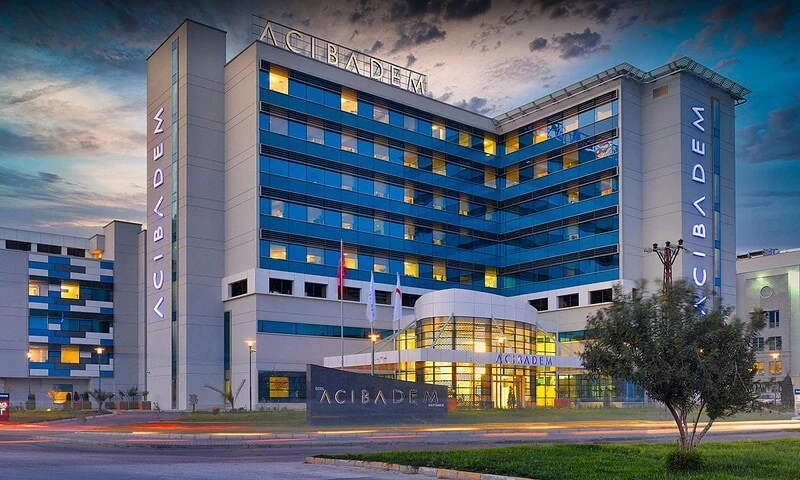
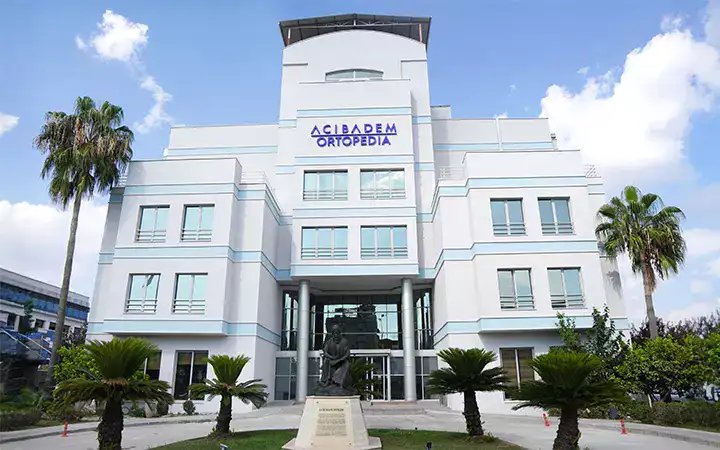





Diseases This Treats
Frequently Asked Questions
What is spinal cord stimulation and how does it work?
Spinal cord stimulation is a pain-management treatment that uses a small implanted device to send mild electrical signals to nerves near the spinal cord. These signals can modify how pain messages are perceived by the brain. It is most often considered for long-lasting neuropathic pain that has not improved sufficiently with medication, physiotherapy, injections, or previous surgery. Acibadem spine and pain specialists assess the source of pain and whether stimulation is appropriate for each patient.
What conditions can spinal cord stimulation help treat?
Spinal cord stimulation may be considered for selected patients with chronic nerve-related pain, including persistent pain after spinal surgery, sciatica-related leg pain, complex regional pain syndrome, painful diabetic neuropathy, and certain circulation-related limb pain conditions. It does not correct every structural spinal problem, such as severe instability or nerve compression requiring surgery. A detailed examination, imaging review, and pain assessment are needed to determine whether the treatment matches your diagnosis.
Am I a candidate for spinal cord stimulation?
You may be a candidate if you have chronic pain, particularly burning, tingling, shooting, or electric-shock-like pain, that continues despite appropriate non-surgical or surgical care. Candidates should have a clearly evaluated pain condition, realistic expectations, and the ability to participate in follow-up care. Active infection, untreated bleeding disorders, or certain psychological and medical conditions may require treatment or further evaluation first. Acibadem specialists provide a personalized assessment before recommending a trial.
Do I need a trial before permanent spinal cord stimulator implantation?
In many cases, yes. A temporary spinal cord stimulation trial is commonly performed before permanent implantation. Thin electrodes are placed through a needle, usually under imaging guidance, and connected to an external stimulator for several days. During this period, you record changes in pain, sleep, mobility, and daily activities. If the trial provides meaningful improvement and you are comfortable using the system, your specialist may discuss permanent implantation. The trial helps support an informed treatment decision.
Is spinal cord stimulation surgery painful and is anesthesia used?
The procedure is designed to be as comfortable as possible. A trial may be performed with local anesthesia and sedation, while permanent implantation can involve sedation, local anesthesia, or general anesthesia depending on the technique and your health needs. You may have temporary soreness around the incision or implant pocket afterward. Your care team will explain pain-control options, fasting instructions, medications to pause, and what to expect on the day of treatment.
Where is the spinal cord stimulator implanted?
The stimulation leads are positioned in the epidural space near the spinal cord, usually in the middle or lower back depending on the pain location. A small pulse generator, similar in concept to a pacemaker battery, is placed under the skin, commonly in the upper buttock, lower back, or abdomen. The exact placement is planned to allow comfort, secure positioning, and practical charging when a rechargeable device is selected.
What are the risks and side effects of spinal cord stimulation?
As with any implant procedure, spinal cord stimulation has potential risks. These can include infection, bleeding, headache from fluid leakage, discomfort at the generator site, lead movement, hardware malfunction, or inadequate pain relief. Rarely, neurological complications may occur. Some patients feel tingling with certain stimulation settings, although newer systems may offer options that are not felt as tingling. Careful patient selection, sterile technique, and follow-up help reduce risks and identify concerns early.
How long is recovery after spinal cord stimulator implantation?
Recovery varies according to the type of implant, your general health, and whether additional spine treatment is needed. Many patients go home the same day or after a short hospital stay. For the first several weeks, you may need to avoid heavy lifting, repeated bending, twisting, and strenuous exercise while tissues heal and the leads stabilize. Your specialist will provide individualized wound-care, activity, travel, and follow-up instructions, including when programming adjustments can be made.
Can I have an MRI with a spinal cord stimulator?
Some modern spinal cord stimulation systems are designed to be MRI-conditional, meaning MRI may be possible only under specific manufacturer instructions and scanning conditions. Other systems may have restrictions. Before any MRI, CT scan, surgery, or medical procedure, tell the healthcare team that you have an implanted stimulator and provide device information. Acibadem specialists can help select an appropriate system and explain future imaging considerations based on your medical needs.
How long does a spinal cord stimulator battery last and can it be replaced?
Battery life depends on the device type, stimulation settings, and daily use. Rechargeable systems can last for many years when charged regularly, while non-rechargeable generators eventually need replacement through a minor surgical procedure. The leads may remain in place if they are functioning well. Your clinician and device representative will teach you how to use the controller, adjust approved settings, and recharge the system if needed. Regular follow-up helps optimize comfort and battery performance.
What most affects the cost of spinal cord stimulation?
The main factors include the need for a trial, the type of implanted device, the complexity of lead placement, hospital and anaesthesia services, investigations, specialist fees, and the required follow-up and programming plan. Travel and accommodation can also affect the overall budget for international patients.
Does a spinal cord stimulation quote usually include the device?
This depends on the provider and treatment plan. Ask whether the quote includes the trial system if needed, the permanent implant, leads, operating room services, anaesthesia, hospital care, programming, follow-up visits, medicines, and any potential additional tests.
Why might I need a trial before permanent spinal cord stimulation?
A temporary trial can help assess whether stimulation provides meaningful pain relief and functional benefit before a permanent system is implanted. Not every patient is suitable for a trial, and the decision is made by the treating specialist.
Can I receive follow-up care after returning home?
Follow-up needs should be planned before travel. Device programming, wound review, and longer-term pain management may require visits with the implanting team or coordination with an appropriately qualified clinician in your home country.
How can I get a personalised quote for spinal cord stimulation in Turkey?
A personalised estimate requires review of your medical history, pain diagnosis, previous treatments, imaging if available, current medications, and travel needs. You can request a free consultation with an international patient team to discuss suitability, expected inclusions, and a tailored quote.