Can You Still Have a Heart Attack Even with Pacemaker? Causes, Explanations, and Next Steps

A pacemaker helps manage slow or irregular heart rhythms; it does not remove plaque or unblock coronary arteries. Chest discomfort in a person with a pacemaker is often caused by non-cardiac conditions, but it should not be self-diagnosed.
Key Takeaways
- A pacemaker helps manage slow or irregular heart rhythms; it does not remove plaque or unblock coronary arteries.
- Chest discomfort in a person with a pacemaker is often caused by non-cardiac conditions, but it should not be self-diagnosed.
- Heart attack symptoms may include pressure in the chest, shortness of breath, sweating, nausea, dizziness, or pain spreading to the arm, jaw, back, or upper stomach.
- Doctors distinguish between a heart attack, a pacemaker-related issue, and other causes using an ECG, blood tests, pacemaker interrogation, and sometimes imaging.
- Emergency evaluation is needed for symptoms that are severe, persistent, worsening, or associated with fainting, breathlessness, or sweating.
Yes, a person can still have a heart attack with a pacemaker because a pacemaker regulates certain abnormal heart rhythms but does not prevent blocked coronary arteries. Many brief sensations near a pacemaker or in the chest are not a heart attack, but new, persistent, or severe symptoms should be assessed promptly.
Can a person have a heart attack with a pacemaker?
Yes. A person can still have a heart attack even with a pacemaker. A pacemaker is designed to treat certain electrical problems of the heart, most commonly a heartbeat that is too slow or pauses unexpectedly. It sends small electrical signals to help maintain an appropriate rhythm, but it does not directly treat narrowing or blockage in the coronary arteries.
A heart attack, also called myocardial infarction, occurs when blood flow to part of the heart muscle is suddenly reduced or blocked, usually because of a blood clot forming on coronary artery plaque. This is a circulation problem rather than primarily an electrical one. A pacemaker may keep the heartbeat regular during an illness, but it cannot prevent every coronary blockage or eliminate the risk factors that contribute to one.
It is reassuring that not every flutter, brief chest twinge, pulling sensation around the implant site, or episode of indigestion means a heart attack. Muscle strain, reflux, anxiety, lung conditions, and device-site discomfort can all cause symptoms in the chest. However, a person with a pacemaker should take new or unexplained chest symptoms seriously and seek professional advice rather than assuming the device is the cause.
What a pacemaker does—and does not—protect against
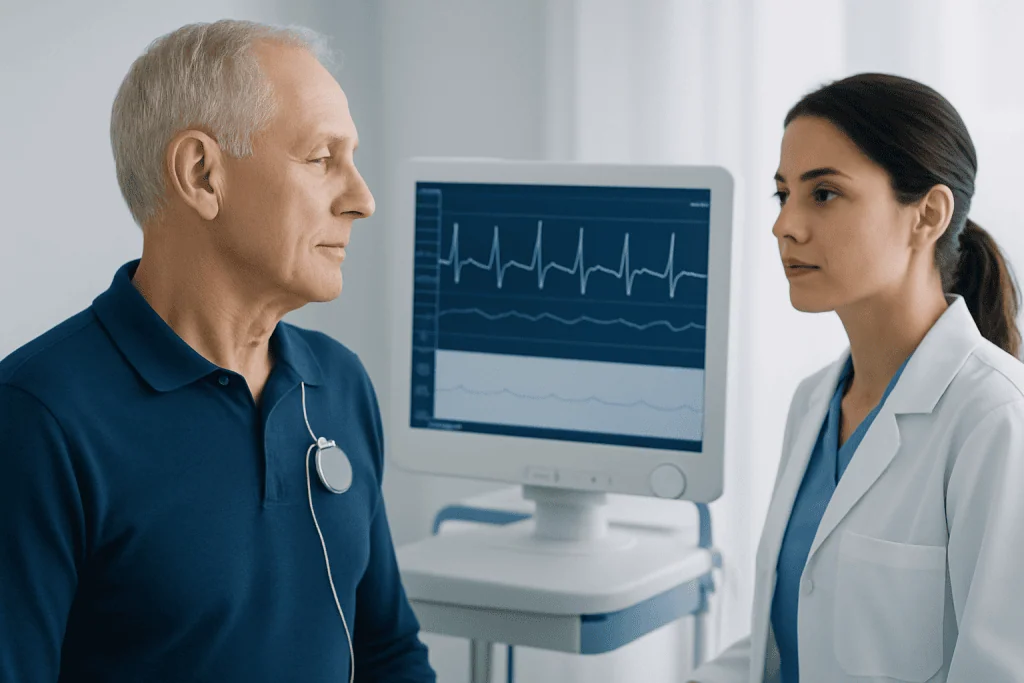
The heart relies on electrical signals to coordinate each heartbeat. A pacemaker is implanted under the skin, usually below the collarbone, with one or more leads positioned in the heart in many device types. It can sense the heart’s natural rhythm and provide stimulation when the heart rate is too slow or when electrical conduction is unreliable.
Pacemakers may be used for conditions such as sinus node dysfunction, heart block, or selected rhythm-related symptoms. They can improve symptoms such as fatigue, dizziness, or fainting that result from an overly slow heartbeat. Some people also have specialized pacing devices as part of treatment for heart failure, depending on their individual cardiac condition.
Coronary artery disease is different. It develops when fatty deposits build up in the arteries that supply the heart muscle. A pacemaker does not dissolve these deposits, lower cholesterol, control blood pressure, or stop a clot from forming. For this reason, prevention and treatment of coronary artery disease remain important even after pacemaker implantation.
Having a pacemaker can also make it important to assess symptoms carefully. The device may prevent a dangerously slow pulse, but it cannot reliably signal whether chest discomfort comes from reduced blood flow to the heart. New symptoms therefore deserve evaluation in their own right.
Symptoms that may need medical assessment

Heart attack symptoms vary from person to person. The most recognized symptom is pressure, tightness, squeezing, heaviness, or pain in the center or left side of the chest. The discomfort may last several minutes, return repeatedly, or begin during physical exertion and improve with rest. It can also spread to one or both arms, the shoulders, neck, jaw, back, or upper abdomen.
Some people, particularly older adults, women, and people with diabetes, may have less typical symptoms. These can include unexplained shortness of breath, unusual tiredness, nausea or vomiting, cold sweating, light-headedness, or a sudden sense of feeling unwell. A heart attack is not always associated with dramatic chest pain.
Symptoms that may be related to the pacemaker itself can include persistent hiccups or twitching near the chest or abdomen, a return of fainting or dizziness, palpitations, swelling or discomfort at the implant site, redness, warmth, drainage, or fever. These findings do not automatically mean an emergency, but they should be discussed promptly with the cardiac team because they may indicate a lead, battery, rhythm, or infection-related concern.
It is also possible for chest discomfort to come from causes outside the heart, including acid reflux, strained chest muscles, respiratory infections, or inflammation. A clinician can consider these possibilities only after assessing for urgent cardiac causes when appropriate.
Why a heart attack can occur after pacemaker implantation
The risk of a heart attack depends mainly on the health of the coronary arteries and a person’s overall cardiovascular risk profile, not on whether they have a pacemaker. Risk can be higher with smoking, diabetes, high blood pressure, high cholesterol, chronic kidney disease, excess body weight, physical inactivity, older age, and a personal or family history of cardiovascular disease.
Some people receive a pacemaker because they already have underlying heart disease. Others have a rhythm disorder without significant coronary artery disease. In either situation, coronary artery narrowing can develop or progress over time. Taking prescribed medicines and attending follow-up appointments remain important parts of protecting heart health.
A heart attack can sometimes trigger rhythm disturbances, including a slow rhythm or heart block. In this situation, a pacemaker may be needed during or after treatment, but the pacemaker itself is not the treatment for the blocked artery. Restoring blood flow may require medicines and, in selected cases, procedures such as coronary angiography and treatment of the narrowed artery.
Rarely, symptoms soon after implantation may relate to the procedure rather than a heart attack. For example, pain, breathlessness, or weakness could be due to a complication that needs urgent assessment. The timing of symptoms, their nature, and clinical testing help doctors identify the cause safely.
How doctors check chest symptoms in someone with a pacemaker
Assessment begins with a focused history. A clinician will ask when symptoms began, what they feel like, whether they happen with exercise or at rest, how long they last, and whether there are associated symptoms such as breathlessness, sweating, nausea, palpitations, or fainting. They will also review medical conditions, medicines, pacemaker information, and previous heart test results.
An electrocardiogram (ECG) is usually performed promptly when a heart attack is suspected. Paced rhythms can change the appearance of an ECG, which may make interpretation more complex, but clinicians use established methods alongside symptoms and other findings. Blood tests that measure cardiac troponin can help identify heart muscle injury, often with repeat testing over time.
The pacemaker can be checked through device interrogation. This painless test reviews battery status, leads, pacing function, stored rhythm events, and other technical information. Depending on the situation, doctors may also recommend a chest X-ray, echocardiogram, exercise or imaging-based stress testing, CT coronary imaging, or invasive coronary angiography.
These tests do not merely look for one explanation. They help separate a possible heart attack from device malfunction, arrhythmia, heart failure, lung disease, gastrointestinal problems, or musculoskeletal pain. Accurate diagnosis guides treatment and helps avoid unnecessary worry.
Treatment and longer-term heart protection
If testing suggests a heart attack or unstable reduction in blood flow to the heart, treatment is time-sensitive and depends on the type of event and the person’s overall condition. Care may include medicines to reduce clotting and strain on the heart, close monitoring, and procedures to restore blood flow when indicated. A pacemaker is checked as part of care, but treatment focuses on the blocked coronary artery and protecting heart muscle.
For people with coronary artery disease, long-term management commonly includes attention to blood pressure, cholesterol, blood sugar, smoking cessation, physical activity, nutrition, sleep, and prescribed medicines. The exact plan should be individualized by a cardiologist, especially for people who have more than one heart condition or take medications that affect heart rhythm or blood clotting.
Regular pacemaker follow-up is also essential. Many devices can be reviewed remotely between in-person appointments, depending on the model and care plan. Patients should carry their device identification card, tell healthcare professionals about the pacemaker before procedures, and follow the device clinic’s instructions about activity and monitoring.
At Acibadem International, multidisciplinary cardiology specialists in JCI-accredited hospitals can evaluate pacemaker-related symptoms and coronary conditions for international patients, coordinating diagnostic testing and individualized care when needed.
When to seek medical care
Emergency medical care is needed for chest pressure, squeezing, or pain that is severe, lasts more than a few minutes, returns, or occurs with shortness of breath, cold sweating, nausea, fainting, marked weakness, or pain spreading to the arm, jaw, back, or upper abdomen. A person should call local emergency services rather than drive themselves. It is safer not to wait to see whether symptoms pass.
Urgent medical advice is also appropriate for new palpitations with dizziness, repeated near-fainting, a noticeably slow or irregular pulse, worsening breathlessness, or a sudden fall in exercise tolerance. These symptoms may arise from a heart rhythm problem, a pacemaker issue, or another medical condition and require assessment.
The pacemaker clinic or doctor should be contacted promptly for redness, heat, increasing pain, swelling, fluid leakage, or skin breakdown over the implant site, especially if fever is present. Persistent twitching, hiccups, or a change in symptoms previously controlled by pacing also warrants a device review.
For mild, brief symptoms that have completely resolved and have no warning signs, a person should still mention them at the next appropriate medical contact, particularly if they recur. Keeping a note of timing, activity, symptoms, and any available home blood pressure or heart-rate readings can help the clinical team.
Frequently asked questions
Can a pacemaker prevent a heart attack?
No. A pacemaker helps correct certain slow or abnormal heart rhythms, while a heart attack is usually caused by a blockage in a coronary artery. Managing blood pressure, cholesterol, diabetes, smoking, and other cardiovascular risks remains important.
Can a heart attack damage a pacemaker?
A heart attack does not usually damage the pacemaker device itself. However, damage to heart muscle can affect the heart's rhythm or pacing needs, so the device may be checked during evaluation and follow-up.
Does chest pain near a pacemaker mean the device has failed?
Not necessarily. Chest discomfort can be caused by many conditions, including muscle strain, reflux, anxiety, coronary artery disease, or a device-related issue. New, persistent, or concerning pain should be assessed rather than attributed to the pacemaker without testing.
What does a heart attack feel like with a pacemaker?
Symptoms can be the same as in people without a pacemaker, including chest pressure, breathlessness, sweating, nausea, or discomfort spreading to the arm, jaw, or back. Some people have less typical symptoms, such as unusual fatigue or indigestion-like discomfort.
Can a pacemaker detect a heart attack?
A pacemaker can record certain heart rhythm events, but it is not designed to diagnose every heart attack. Doctors use symptoms, an ECG, blood tests such as troponin, device interrogation, and sometimes imaging to make the diagnosis.
Should someone with a pacemaker take aspirin for chest pain?
A person should follow their clinician's individualized instructions regarding aspirin or other medicines. Because aspirin may not be safe for everyone, it should not replace urgent emergency assessment for possible heart attack symptoms.
This article is for general information only and is not a substitute for professional medical advice. Please consult a qualified doctor about your individual situation.
Heart care in Turkey — expert evaluation and treatment
JCI-accredited · board-certified surgeons · reply within 24h
Add us as a Preferred Source to see more of our trusted health content across Google Search, AI Overviews and Discover.
Check your numbers in seconds
BMI, calories, due date, blood pressure and 30+ more clinical calculators — free, instant, doctor-reviewed ranges.

More from the Health Library

How Long Do Broken Ribs Take to Heal? Here Is What the Evidence Says

STD Symptoms Explained: Common Triggers and Red Flags

Does a UTI Affect Period? Causes, Explanations, and Next Steps

Do Rabies Make Animals Go Agressive? Here Is What the Evidence Says
What Big Vein Slants Across Front Forehead? A Doctor-Reviewed Answer