Motor Neuron Disease: Early Signs That Should Not Be Ignored

Motor neuron disease affects motor neurons, which carry messages from the brain and spinal cord to voluntary muscles. Early signs may include progressive weakness, muscle twitching, stiffness, clumsiness, speech changes, or swallowing difficulty.
Key Takeaways
- Motor neuron disease affects motor neurons, which carry messages from the brain and spinal cord to voluntary muscles.
- Early signs may include progressive weakness, muscle twitching, stiffness, clumsiness, speech changes, or swallowing difficulty.
- There is no single test for MND; diagnosis involves a neurological examination and tests to rule out other causes.
- Multidisciplinary care can help manage symptoms, maintain independence, support nutrition and breathing, and improve quality of life.
- New or worsening weakness, trouble swallowing, or breathing symptoms need timely medical evaluation.
Motor neuron disease (MND) is a group of uncommon neurological conditions that gradually affect the nerve cells controlling voluntary muscles. Early symptoms can be subtle and vary between people, so persistent or progressive weakness, speech changes, or swallowing difficulty should be assessed by a qualified clinician.
Overview of Motor Neuron Disease
Motor neuron disease (MND) describes a group of neurological conditions that damage motor neurons. These are specialized nerve cells in the brain and spinal cord that send signals to voluntary muscles, including muscles used for walking, using the hands, speaking, swallowing, and breathing. As these nerve cells become affected, muscles may gradually weaken, stiffen, or lose bulk.
Amyotrophic lateral sclerosis (ALS) is the most common form of MND in many parts of the world. Other forms include progressive muscular atrophy, primary lateral sclerosis, and progressive bulbar palsy. These conditions can overlap, and symptoms may change over time. MND does not usually affect sensation, so numbness and tingling are not typical primary features, although they can occur for unrelated reasons.
MND is not contagious, and it is not caused by ordinary physical activity, a minor injury, or stress. The pace and pattern of symptoms differ widely among individuals. An early assessment is valuable because several more common and sometimes treatable conditions can resemble MND, and appropriate support can begin as soon as it is needed.
Early Signs and Symptoms That Should Not Be Ignored
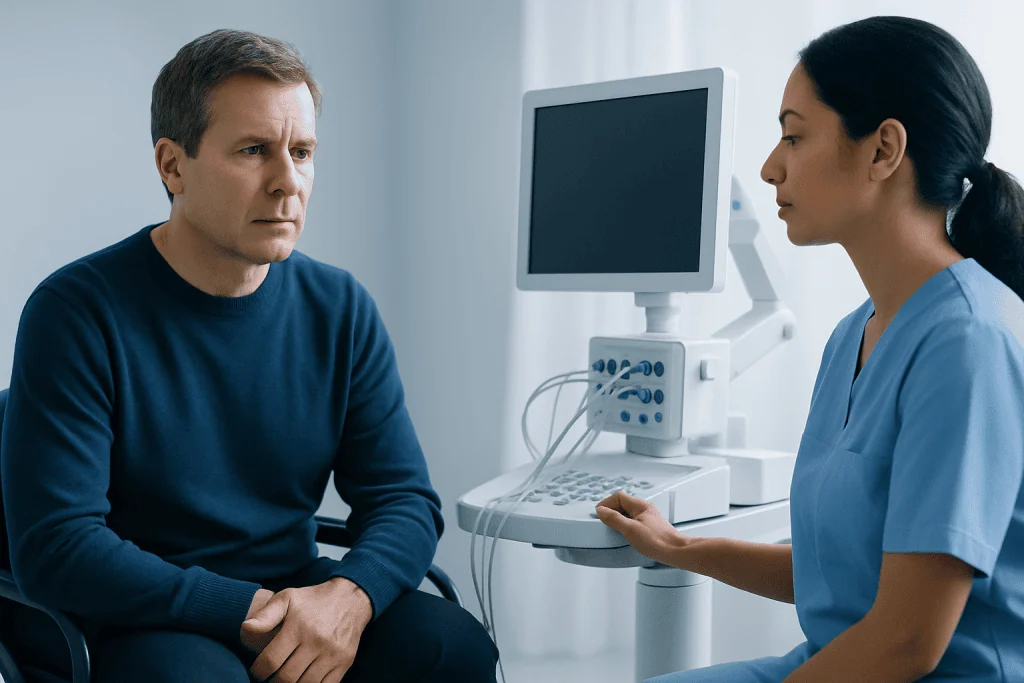
Early signs of motor neuron disease are often mild and may initially affect only one hand, one foot, the face, or the throat muscles. A key feature is that symptoms tend to be progressive: they persist and gradually become more noticeable rather than fully resolving. Weakness may be more apparent during everyday tasks, such as turning a key, fastening buttons, lifting the front of a foot while walking, opening containers, or raising an arm.
Possible early symptoms include muscle twitching, known as fasciculations; cramps; stiffness; slowed or awkward movements; and reduced coordination caused by weakness. Some people notice muscle wasting, particularly in the hands or shoulders. Twitching alone is common and often harmless, but twitching accompanied by progressive weakness, loss of muscle bulk, or changes in function should be discussed with a doctor.
When muscles involved in speech and swallowing are affected, early changes can include slurred speech, a quieter or more nasal voice, coughing during meals, difficulty managing saliva, or taking longer to chew and swallow. Others first notice shortness of breath when lying flat, disturbed sleep, morning headaches, or daytime tiredness, which may indicate weakened breathing muscles and require prompt medical attention.
- Persistent weakness in an arm, hand, leg, or foot
- Frequent tripping, falls, or difficulty with fine hand tasks
- Muscle twitching or cramps together with weakness or muscle wasting
- Increasing stiffness, tightness, or exaggerated reflexes
- Speech, chewing, swallowing, or saliva-management changes
- Unexplained breathlessness, especially when lying down
Causes and Risk Factors

For most people with MND, the exact cause is not known. Researchers believe that the condition develops through a complex interaction of biological, genetic, and environmental factors. MND is generally considered a neurodegenerative condition, meaning that the affected motor neurons progressively lose their ability to function.
Most cases occur without a known family history. However, a smaller proportion are inherited and may be linked to changes in certain genes. A clinician may recommend genetic counselling and, where appropriate, genetic testing when there is a strong family history of MND, certain forms of frontotemporal dementia, or a known disease-causing genetic variant in the family.
Age is a recognized risk factor, with MND more often diagnosed in later adulthood, although it can occur at younger ages. Having a risk factor does not mean a person will develop MND, and many people diagnosed with the condition have no identifiable risk factor. It is important to avoid self-blame: current evidence does not support attributing MND to a single lifestyle choice or everyday activity.
How Motor Neuron Disease Is Diagnosed
There is no single blood test or scan that can independently confirm motor neuron disease. Diagnosis is made by a neurologist using a detailed medical history, a neurological examination, and evidence about how symptoms are changing over time. The clinician will assess strength, reflexes, muscle tone, coordination, speech, swallowing, and breathing, while also looking for signs that suggest another explanation.
Tests are often used to support the assessment and exclude conditions that can cause similar symptoms. Electromyography (EMG) and nerve conduction studies assess the electrical activity of muscles and nerves. Blood tests may look for metabolic, inflammatory, nutritional, hormonal, or infectious causes of weakness. MRI scans of the brain or spine can help identify structural conditions, such as spinal cord compression.
Depending on the presentation, the care team may also arrange tests of lung function, swallowing, nutrition, cognition, or communication. Reaching a diagnosis can take time because early symptoms may be non-specific and clinicians must carefully exclude other conditions. Follow-up assessments are sometimes an important part of the diagnostic process.
Treatment Options and Supportive Care
Although there is currently no cure for most forms of MND, treatment can make a meaningful difference to comfort, function, safety, and quality of life. Care is usually coordinated by a neurologist and a multidisciplinary team that may include specialist nurses, physiotherapists, occupational therapists, speech and language therapists, dietitians, respiratory specialists, psychologists, and palliative care professionals.
Some medicines may help slow progression in selected forms of MND or manage particular symptoms, such as muscle cramps, stiffness, excess saliva, pain, emotional expression changes, or sleep difficulties. The choice of medicine depends on the individual’s symptoms, general health, and local clinical guidance. A doctor should review all medications, including supplements, to reduce the risk of unwanted interactions.
Rehabilitation and assistive technology are central to care. Physiotherapy can support safe movement, comfort, posture, and gentle activity. Occupational therapy can suggest equipment and practical adaptations for home and work. Speech and language therapy can provide communication strategies and, when needed, voice-banking or communication devices. Dietetic and swallowing support can help maintain adequate nutrition and reduce choking risk.
Breathing assessments are performed regularly when needed. Non-invasive ventilation may support breathing for some people, particularly during sleep. Decisions about feeding support, respiratory care, mobility aids, and future care preferences are personal and should be made gradually with clear information, family support where desired, and the guidance of an experienced clinical team.
Daily Living, Self-Care, and Emotional Support
Living with a progressive neurological condition can bring practical and emotional challenges. People with MND may benefit from planning ahead while continuing activities that are important and realistic for them. Energy conservation, fall-prevention measures, home adaptations, and mobility support can help preserve independence and reduce strain.
Regular, gentle movement may support flexibility and comfort when tailored by a physiotherapist. Strenuous exercise that causes prolonged exhaustion, pain, or excessive muscle soreness should be avoided unless a clinician has specifically advised otherwise. Maintaining hydration, addressing constipation early, following swallowing advice, and monitoring unintended weight loss are also important parts of day-to-day care.
Emotional support matters for both the person with MND and those close to them. Counselling, support groups, social work services, and specialist nurses can help with adjustment, communication, work and financial questions, and care planning. Symptoms such as persistent low mood, anxiety, or sleep disruption deserve professional attention and can often be treated.
When to See a Doctor
A person should arrange a medical appointment if they develop unexplained weakness that lasts or worsens over days to weeks, especially if it affects daily activities. Other reasons for assessment include repeated tripping, loss of hand dexterity, muscle wasting, persistent twitching with weakness, progressive speech changes, or new swallowing difficulties. These symptoms do not necessarily mean MND, but they should not be ignored.
Urgent medical advice is needed for severe or rapidly worsening breathlessness, choking that does not resolve, inability to swallow fluids, repeated aspiration, or sudden major weakness. Sudden weakness on one side of the body, facial drooping, or new difficulty speaking may be signs of stroke and should be treated as an emergency.
A neurologist can help determine the cause of concerning symptoms and explain the next steps. Acibadem International’s multidisciplinary specialists and JCI-accredited hospitals provide diagnostic assessment and coordinated treatment support for international patients with neuromuscular conditions.
Frequently asked questions
What is usually the first sign of motor neuron disease?
There is no single first symptom. Many people first notice progressive weakness or clumsiness in one hand, arm, foot, or leg, while others notice speech or swallowing changes. The pattern varies, but symptoms generally persist and become more noticeable over time.
Can muscle twitching mean motor neuron disease?
Muscle twitching is common and often occurs for benign reasons, including fatigue, stress, exercise, or stimulant use. It is more concerning when it occurs alongside progressive weakness, muscle wasting, stiffness, or a decline in everyday function. A doctor can assess persistent or worrying symptoms.
Does motor neuron disease cause pain or numbness?
MND primarily affects the nerves controlling movement, so sensation is often preserved. Numbness and tingling are not typical core symptoms and may point to another condition. Pain can occur secondarily because of muscle cramps, stiffness, reduced mobility, or changes in posture.
How quickly does motor neuron disease progress?
Progression varies substantially between individuals and between types of MND. Some people experience relatively gradual change over years, while others have a faster course. A specialist can provide more individualized information only after reviewing the type of symptoms and their progression.
Can motor neuron disease be cured?
There is currently no cure for most forms of motor neuron disease. However, medications, rehabilitation, respiratory support, nutrition care, communication tools, and symptom management can improve comfort, safety, and quality of life. Ongoing specialist follow-up helps ensure care changes with a person’s needs.
Is motor neuron disease inherited?
Most cases are not inherited and occur without a known family history. A smaller number are linked to genetic changes that can be passed through families. Genetic counselling may be helpful when there is a family history of MND or related neurological conditions.
This article is for general information only and is not a substitute for professional medical advice. Please consult a qualified doctor about your individual situation.
Motor Neuron Disease in Turkey — costs, top hospitals & a free quote
JCI-accredited · board-certified surgeons · reply within 24h
Add us as a Preferred Source to see more of our trusted health content across Google Search, AI Overviews and Discover.

Physical Medicine & Rehabilitation
Restoring movement and function after injury, surgery or neurological conditions.
152 specialists in this unitMore from the Health Library

Early Symptoms of Neuromuscular Disease: Weakness, Falls, Cramps, and Fatigue

Numbness and Tingling: When Symptoms Suggest a Neuromuscular Disorder

Can Neuromuscular Disease Be Cured? Treatment Goals and Realistic Outcomes

Neuromuscular Disorders: Early Warning Signs and When to See a Doctor

Post-Viral Nerve Weakness: How Neuromuscular Disorders Are Diagnosed