Pectoral Augmentation
Pectoral augmentation enhances chest contour and volume using custom implants or fat grafting. It is commonly chosen by men seeking a more defined, balanced upper body shape.

Quick answer
Pectoral augmentation is surgery that enhances the size, projection and symmetry of the male chest. It usually involves solid silicone implants placed beneath the pectoralis major muscle through a small incision, often in the armpit; fat grafting can be used instead or alongside. The operation takes a few hours under anaesthesia, and strenuous upper-body exercise is paused for several weeks to months afterwards.
What Is Pectoral Augmentation?
Pectoral augmentation is a surgical procedure that increases the size, projection and symmetry of the male chest. It is most often performed with solid silicone pectoral implants placed beneath the pectoralis major muscle or within a carefully planned pocket under the muscle’s fascia; in selected patients, fat grafting is used instead or as well, adding softer volume with your own tissue. The procedure is intended for men whose chest remains flat, underdeveloped or noticeably uneven despite consistent training, and for men whose chest contour has changed after injury, significant weight change or previous surgery.
It helps to be clear about what this operation does not do. It does not build strength, and it does not change how the muscle works — an implant adds shape, not function. It is elective surgery, performed under anaesthesia, and it changes the visible contour of the chest rather than the muscle itself. For the right patient, that change can be meaningful: a chest that looks more proportionate against the shoulders and arms, and an upper body that reads as balanced in clothing and out of it. But the result depends on planning as much as on the operation. Where the pectoralis major begins and ends, how the chest curves towards the sternum, and how the lower chest line meets the upper abdomen all determine what looks natural on your frame. A well-planned procedure is not about adding volume; it is about creating proportion while preserving masculine chest anatomy and movement.
Are pectoral implants the same as breast implants?
No. Pectoral implants and breast implants are different devices designed for different results. A pectoral implant is solid and firm, shaped to create the appearance of developed muscle. Breast implants are typically filled with silicone gel or saline and are designed to create soft tissue fullness — a different feel, a different shape and a different surgical plan. The dimensions of a pectoral implant are chosen to sit within the borders of the pectoralis major, whereas breast implants are planned around the breast footprint. If you are actually researching implant surgery for the breast rather than the chest muscle, the breast augmentation page describes that procedure, its planning and its recovery in detail.
What are pectoral implants made of?
Pectoral implants are solid silicone devices shaped to resemble the contour of a developed pectoralis major muscle. Because they are solid rather than filled with gel or liquid, they cannot leak or deflate. They come in a range of widths, thicknesses and projections, and they can be customised to your chest wall measurements when a standard shape does not fit well. Implant selection weighs your chest width, the thickness of the soft tissue that will cover the device, your level of physical activity and the degree of enhancement you want. Solid silicone is a long-established implant material in aesthetic surgery; it is the same family of material used in facial augmentation and cheek augmentation, where firm, anatomically shaped implants are also used to build stable, defined contour over bone and muscle.
What is fat grafting to the chest?
Fat grafting, sometimes called fat transfer, uses your own fat, taken from another area of the body — commonly the abdomen or flanks — through liposuction. After processing, the fat is injected into targeted areas of the chest in small amounts to improve contour. It is useful for subtle enhancement, for blending the edges of an implant so the transition looks smooth, and for correcting mild volume differences between the two sides. It has real limits, and it is fair to state them plainly. Some of the transferred fat is naturally absorbed by the body over time, so the volume that survives is less than the volume injected. Fat cannot match the projection or muscular definition of an implant, particularly in lean patients — who, as it happens, often have the least donor fat available. In some cases a staged second session is discussed from the outset.
Can implants and fat grafting be combined?
Yes, and for some chests the combination is the most honest answer. The implant provides structural projection that fat cannot deliver; the fat softens transitions, refines edges in thin-skinned areas and fine-tunes asymmetry. Whether you need one method or both is not decided from photographs or preference alone — it follows from an examination of your tissue thickness, chest wall shape and goals.
Why Men Consider Chest Enhancement
The chest is closely tied to how the upper body looks in clothing, how balanced the torso appears and how confident a man feels in social, athletic or professional settings. When the pectoral muscles remain underdeveloped despite years of consistent exercise, the frustration is real and often has a structural explanation: genetics, muscle insertion patterns, body fat distribution or the natural shape of the rib cage can limit how much visible chest projection training produces. Some men are lean and muscular everywhere else and still carry a flat chest profile that feels out of proportion with their shoulders and arms.
Others come to this surgery for different reasons. One side of the chest may have developed less than the other. A congenital difference, an injury, a burn, previous surgery or major weight loss may have changed the contour of the chest wall. In these situations the concern is more than cosmetic — it can shape posture, clothing choices, self-image and the way a person experiences their body every day. The decision to look into surgery is usually a considered one, made after other routes have been tried.
If you are researching this procedure, your questions are probably practical: Will the result look natural? Will the implant feel comfortable? How long is recovery? How do I know the plan fits my anatomy rather than a one-size-fits-all ideal? These are exactly the right questions. The procedure requires careful evaluation of the chest wall, muscle structure, skin thickness, shoulder width, body fat distribution and your own goals — and a plan built on someone else’s photographs is a plan built on the wrong anatomy.
Who Is a Good Candidate?
A good candidate for pectoral augmentation wants a more developed chest contour and holds realistic expectations about what surgery can achieve. Many candidates are physically active and have already put serious time into resistance training without the chest responding as hoped. Others are correcting an asymmetry or a contour change they have lived with for years. What unites suitable candidates is less their starting point than their situation: stable general health, a reasonably consistent body weight, and the ability to follow activity restrictions during recovery.
Candidacy also means accepting how results develop. Swelling and tissue settling take time, and the final appearance emerges gradually over months, not days. Patients who need the outcome to be visible immediately, or who expect the implant to substitute for training, tend to be disappointed — and a responsible surgeon will say so before surgery rather than after.
Some situations call for more evaluation before proceeding. Active infection, uncontrolled chronic disease, a medical condition that raises surgical risk, or expectations that no operation can meet may mean additional work-up, a modified plan or a recommendation not to operate. That recommendation is not a failure of the consultation; it is the consultation doing its job.
Is there an age limit for pectoral implants?
There is no fixed upper age cut-off for pectoral implants; general health, tissue quality and fitness for anaesthesia matter more than the number on your passport. At the other end, this is an adult procedure — the chest wall should be fully developed before any implant is planned, and a surgeon will want to see a stable, mature anatomy rather than one still changing.
What happens at the evaluation?
The evaluation is a structured medical assessment, not a sales meeting. The surgeon reviews your medical and surgical history, current medications, allergies, smoking status, exercise routine and aesthetic goals. The physical examination assesses chest symmetry, pectoral muscle position, skin quality and thickness, nipple position, rib cage shape, shoulder width and any existing scars. Standardised photographs are usually taken for planning and comparison. In some cases — a history of congenital difference, trauma, previous chest surgery or significant asymmetry — imaging studies are recommended to understand the anatomy beneath the surface before any pocket is planned. The output of all this is specific: a recommendation for implants, fat grafting, a combination, staged treatment or no surgery at all.
Conditions and Indications This Surgery Can Address
This is primarily a contouring procedure, but the underlying indication varies widely, and the indication drives the technique. Understanding why you want the surgery is the first step towards choosing between implants, fat grafting or both.
Inadequate pectoral volume despite exercise. Some men build strength but not the visible projection they want. Muscle insertion patterns, rib cage shape and fat distribution are not negotiable through training. For these patients, a pectoral implant can create a more defined upper chest outline while preserving the look of a masculine torso.
Asymmetry. Mild differences between the two sides of the chest are close to universal. More noticeable asymmetry can affect how clothing fits and how comfortable you feel without a shirt. The difference may sit in the muscle itself, the rib cage, the nipple position or the soft tissue thickness — often in more than one of these at once. Surgery can reduce the difference, but perfect symmetry is not a realistic surgical goal, because human anatomy is naturally variable on both sides. A surgeon who promises mirror-image results is promising something anatomy does not allow.
Congenital chest differences. Some men are born with underdevelopment of the pectoral region on one side — Poland syndrome is the best-known example, where part or all of the pectoral muscle is absent. These cases sit between cosmetic and reconstructive surgery: the planning is reconstructive in character even when the goal includes appearance, and it may involve collaboration between plastic, reconstructive and other specialists depending on the anatomy involved.
Contour changes after trauma or treatment. Injury, burns, tumour treatment or previous operations can leave the chest wall irregular or deflated. These chests often carry scar tissue, which makes pocket planning more demanding and the pre-operative assessment more detailed.
Changes after major weight loss. Significant weight loss can leave the upper chest looking flat or deflated, sometimes with loose skin. If skin laxity is present, augmentation alone may not be the right answer; the surgeon will discuss whether additional skin or body contouring is needed, based on skin elasticity, scar trade-offs and the degree of laxity. Similarly, some men who present asking about implants are better served by first addressing gynecomastia or excess tissue — the correct sequence matters more than the fastest one.
How the Surgery Is Performed
The operation begins well before the operating theatre. You and your surgeon define the goal in practical terms: more projection, better upper chest definition, improved symmetry, a stronger transition from chest to shoulder. The surgeon then tests that goal against your anatomy. A natural-looking outcome comes from choosing the right size and shape for your chest wall — not the largest implant the pocket will hold. If the requested result and the anatomy do not match, that conversation happens now, honestly, rather than in the mirror later.
Preparation includes medical assessment, laboratory tests where appropriate and anaesthesia planning. Your surgeon reviews everything you take — prescription medication, over-the-counter products and supplements — and gives you specific instructions about what to pause and when; those decisions belong to the treating doctor, not to a checklist. If you smoke, you will be asked to stop well in advance, because smoking impairs healing. You should also arrange help for the early recovery period, since arm movement is deliberately limited at first.
When implants are used, the operation typically follows this sequence:
- Anaesthesia. The procedure is performed under anaesthesia with continuous modern monitoring throughout.
- Incision. Small incisions are most commonly placed in the armpit region, where the scar settles into a natural crease, or in another discreet location chosen for your anatomy and plan.
- Pocket creation. Through the incision, the surgeon creates a pocket beneath the pectoralis major muscle or under its fascia, sized precisely to the implant’s dimensions — a pocket that is too large lets the implant move; one that is too tight distorts it.
- Implant placement. The implant is positioned to align with the natural borders of the pectoral muscle, so the chest appears enhanced rather than artificial.
- Symmetry check. Position, projection and symmetry are checked and adjusted before anything is closed.
- Closure. The incisions are closed, dressings are applied and, in most cases, a compression garment is fitted.
When fat grafting is part of the plan, fat is first collected from donor sites such as the abdomen or flanks using liposuction, then processed and injected into specific areas of the chest in small, controlled amounts. This can refine contour, soften the transition around an implant or improve symmetry. Because a portion of transferred fat is absorbed over time, your surgeon will set expectations honestly and tell you in advance if a staged second session is likely in your case.
How long does chest implant surgery take?
Many of these procedures are completed within a few hours, but operative time is individualised. Implants alone, fat grafting alone, a combined procedure and revision surgery all take different amounts of theatre time, and revision cases with scar tissue take the longest. Depending on the plan, the anaesthesia used and your medical needs, you may return to your accommodation after a period of monitoring or stay in hospital overnight.
What technology supports the procedure?
The technology used in this surgery serves planning and safety rather than spectacle. Pre-operative imaging or digital planning tools can help assess chest proportions and asymmetry before an incision is made. Modern anaesthesia monitoring manages comfort and safety during the operation. Precise surgical instruments allow controlled pocket creation and careful tissue handling, and advanced liposuction systems support fat harvesting when grafting is included. None of it replaces surgical judgement; all of it makes the plan more anatomical and the recovery more predictable.
Recovery After Chest Implant Surgery
Expect the early days to feel tight. Swelling, pressure, bruising and discomfort are normal in the first phase, and pain is usually managed with medication prescribed by your surgical team, improving progressively from there. Arm movement is limited at first to protect the implant pocket and the incisions — this is deliberate, not optional. You will receive detailed instructions covering sleeping position, showering, wound care, walking and when to resume work and exercise. Most patients are walking the same day or the day after surgery, which supports circulation and lowers the risk of complications. Desk-based work is often possible after the first stage of recovery, depending on how you feel and on the nature of your work. Chest training waits considerably longer.
| Time Period | What to Expect |
|---|---|
| Day 1 | You are monitored after anaesthesia. Tightness, pressure, swelling and mild to moderate discomfort are common. Walking is usually encouraged; arm movement stays limited. |
| First week | Bruising and swelling are expected. You wear the recommended garment or dressings and avoid lifting, stretching, pushing and sudden upper-body movements. |
| First month | Daily activities feel more comfortable, though chest tightness can persist. Light activity increases gradually; upper-body exercise remains restricted until your surgeon clears it. |
| Two to three months | Swelling keeps improving, the implant position stabilises and the contour looks more natural. A gradual return to structured training is discussed if healing is on track. |
| Longer term | The final contour becomes clear as tissues settle. A stable weight and sensible training habits help preserve the appearance of the result. |
How do you wear a compression garment after chest implant surgery?
You wear it exactly as your surgeon directs — usually continuously through the early weeks, removed only as instructed for showering or wound checks. The garment should feel snug and supportive, not painful; it should never cause numbness in the arms or restrict your breathing, and if it does, the fit needs adjusting rather than tolerating. Its job is specific: it supports the implant pocket while tissues heal around the device, limits swelling and helps prevent fluid collecting in the surgical space. Because the garment is doing structural work in those first weeks, improvising your own schedule — looser here, skipped nights there — undermines the result you paid for. The timing for reducing and stopping garment use is decided at your follow-up appointments, based on how your chest is actually healing rather than on a generic calendar.
When can you go back to the gym after pec implants?
Walking starts almost immediately, but chest training does not. Light, lower-body activity typically returns gradually through the first month as your surgeon advises. Upper-body training, heavy lifting, swimming and chest exercises require a longer pause and resume only when the surgeon confirms that healing is adequate — commonly a conversation around the two-to-three-month mark, individualised to you. Returning early is one of the most avoidable ways to compromise an otherwise good result: early strain on the pectoralis can shift the implant, increase swelling and stress healing tissue.
Benefits of Chest Enhancement Surgery
What the procedure can realistically deliver depends on your goal, your anatomy and the plan built around both. These are the improvements patients most commonly seek — and can reasonably expect when the plan fits the chest.
| Benefit | What It Means for You |
|---|---|
| Improved chest projection | A flatter or underdeveloped chest can appear more defined and proportionate, especially in relation to the shoulders and arms. |
| Better upper-body balance | Enhancement helps the chest fit more naturally with an athletic or structured torso shape. |
| Reduced asymmetry | Differences between the right and left chest can often be reduced through implant selection, custom planning, fat grafting or combined techniques. |
| A masculine contour | Pectoral implants are designed to mimic muscular shape — firm and defined rather than soft and full. |
| A tailored plan | The procedure can use implants, fat transfer or both, matched to the degree of enhancement wanted and your tissue characteristics. |
| Durable structural enhancement | Implants provide long-lasting volume, while fat grafting offers softer refinement in carefully selected areas. |
What Influences the Outcome?
Outcomes start with patient selection. The best candidates understand that surgery enhances contour, not strength; they are in stable health, near a consistent weight, and prepared to follow restrictions after surgery. Smoking, uncontrolled medical conditions and a premature return to strenuous activity all raise the risk of delayed healing and complications — none of these is negotiable by enthusiasm.
Anatomy matters just as much. Chest width, rib cage shape, pectoral muscle size, skin thickness, nipple position and shoulder proportions all influence what will look natural. A broad chest may need a different implant shape than a narrow one. A very lean patient needs careful planning to avoid visible implant edges; a patient with more soft tissue needs a different approach to achieve definition at all.
Implant selection is one of the most consequential decisions in the whole process. The device must match the natural borders of the pectoralis major and your overall physique. Oversizing raises the risk of an unnatural appearance, discomfort, implant visibility and position problems — and it is the mistake most visible to everyone else. Conservative, anatomically matched planning consistently produces a more refined result than aggressive enlargement.
Technique matters too. Accurate pocket creation, careful tissue handling, controlled bleeding and symmetrical placement reduce complication risk and support a balanced contour. Where fat grafting is used, how the fat is harvested, processed and injected influences how much volume survives. In revision or reconstructive cases, scar tissue and previous surgery add complexity that experience must manage.
Finally, your own behaviour in recovery shapes the result: wearing the compression garment as directed, avoiding heavy lifting and chest training until cleared, and attending follow-up appointments are part of the treatment plan, not extras.
What are the risks of pectoral augmentation?
As with any surgery, this operation carries risks, and you should hear them plainly before consenting. They include bleeding, infection, fluid collection, visible scarring, changes in sensation, asymmetry, implant malposition, discomfort, contour irregularity and the possibility of revision surgery. Fat grafting adds its own list: partial fat absorption, areas of firmness or unevenness. Serious complications are uncommon when the procedure is planned and performed appropriately, but uncommon is not the same as impossible, and informed consent means discussing all of it clearly in advance.
How long do pectoral implants last?
Solid silicone pectoral implants are durable devices without a fixed expiry date. Because they contain no gel or fluid, they cannot rupture in the way a filled implant can, and many are never routinely exchanged. That said, “durable” does not mean “maintenance-free forever”: revision surgery may be chosen or needed over the years for position change, a shift in personal preference, or contour changes that come with ageing and weight fluctuation. Sensible long-term care is simple — keep a stable weight, follow training guidance, and have any change in the feel or position of the chest assessed rather than ignored.
How can you tell if a man has pec implants?
Usually, with a well-planned implant, you can’t — and that is the point. An implant sized and positioned to follow the natural borders of the pectoralis major, with adequate soft tissue coverage, reads as a developed chest rather than a device. The giveaways come from poor planning: visible or palpable implant edges in a lean chest, projection out of proportion with the shoulders and arms, fullness extending beyond where the muscle anatomically sits, or a chest that keeps its shape unnaturally when the rest of the body moves. This is worth knowing before surgery, not after, because it is the strongest argument for conservative, anatomy-led sizing.
Why does the pectoral muscle feel tight or contract after chest implant surgery?
Early tightness is expected: the pectoralis major is being asked to stretch over a new device, and it responds with tension, occasional spasm and a sensation of pressure that eases as the muscle adapts over weeks. Because the implant sits beneath a working muscle, some movement or firming of the chest when you flex is also normal — the same mechanism applies to any implant placed under the pectoralis, including sub-pectoral breast implants, which is why patients of both procedures describe similar sensations. Separate from this normal adaptation, the body forms a capsule of scar tissue around any implant; if that capsule tightens excessively — a recognised complication called capsular contracture — the chest can feel progressively firm or distorted rather than progressively better. Tightness that worsens over time instead of easing is something to raise with your surgical team at a follow-up review, where it can be examined properly.
How Much Do Pec Implants Cost?
There is no single price for pec implants, because the cost reflects a set of individual clinical decisions rather than a fixed product on a shelf. What moves the figure, in any country, is fairly consistent: whether the implant is a standard shape or custom-made to your measurements; whether the plan is implants alone, fat grafting alone or a combined procedure; the type of anaesthesia and the length of theatre time; whether you go home after monitoring or stay in hospital; the experience of the surgeon and the standards of the facility; and, for revision cases, the added complexity of operating around scar tissue. Two practical cautions serve you better than any number. First, a meaningful quotation follows a proper assessment of your chest — a price offered from photographs alone is pricing a procedure that has not actually been planned. Second, when comparing quotations, compare what they contain: pre-operative testing, the implant itself, anaesthesia, hospital time, garments and follow-up care are included in some offers and billed separately in others.
Why Timing Matters
This is elective surgery, so it is rarely urgent in the way treatment for an acute illness is. Timing still matters. Many men live for years with chest asymmetry, congenital underdevelopment or dissatisfaction despite disciplined training before learning what is actually achievable for their anatomy. A structured evaluation replaces guesswork with information, which is the only sound basis for a decision like this.
For congenital or post-traumatic chest differences, delay can occasionally add complexity: compensating posture becomes habit, and in some reconstructive situations scar tissue or prior surgical changes become harder to work with over time, though this varies widely from person to person. A timely assessment identifies whether imaging, specialist review or staged correction is needed before anything is scheduled.
The more serious risk of delay is where uncertainty pushes people instead. Injectable fillers, silicone injections and so-called enhancement substances not designed or licensed for pectoral use can cause infection, migration, scarring and deformity — and corrective surgery after them is difficult, sometimes incompletely so. Any chest enhancement performed outside a qualified medical setting should be a hard no, regardless of price or promise.
There is also a quieter risk: spending years calibrating expectations against online images of other men’s bodies. The operation should be designed around your chest wall, your muscle borders and your proportions — not a photograph of someone else’s. A structured surgical evaluation defines what is possible for you, what the trade-offs are, and whether the best plan involves implants, fat grafting, other body contouring or no surgery at all.
Chest Implant Surgery at Acibadem
Choosing where to have this surgery involves more than choosing a surgeon. It means choosing the environment around the operation: anaesthesia evaluation, sterile operating theatres, emergency preparedness, appropriate monitoring and structured post-operative care. Cosmetic surgery is still surgery, and a hospital-based setting matters most precisely when something does not go to plan — and particularly for patients with medical history, revision needs or complex anatomy.
At Acibadem, the procedure is planned by physicians who evaluate anatomy and aesthetics together. In straightforward cases, the consultation centres on implant selection, incision planning and recovery expectations. In complex ones — congenital chest differences, previous trauma, prior surgery — multidisciplinary input reviews the safest and most appropriate approach, so the plan accounts for function, tissue quality and long-term comfort rather than appearance alone. Depending on your situation, evaluation may include detailed examination, medical testing, imaging where needed and photographic analysis of symmetry and proportion; in theatre, monitoring, refined instruments and carefully selected implant or grafting techniques support precision. The technology serves the plan — it does not replace surgical judgement.
Planning is individual because chests are. Two patients may both ask for a more defined chest: one is best served by a solid silicone implant sized for projection, another by fat grafting to correct subtle asymmetry, a third by a combined approach — or by addressing gynecomastia, excess skin or overall body contour first. The recommendation follows medical and anatomical assessment, not photographs alone. And because the care sits inside a broader hospital system, a concern picked up in pre-operative testing can be evaluated in a coordinated way rather than left hanging.
Making the Decision
The most useful preparation you can do is to get specific about what bothers you and what you expect surgery to change. A good consultation, wherever you have it, should cover all of the following before any date is discussed:
- Which technique fits your anatomy — implant, fat grafting or both — and why the alternative was ruled out.
- The implant shape and size logic for your chest wall, not a catalogue default.
- Incision placement, expected scars and how they typically mature.
- The realistic degree of symmetry correction possible for your particular asymmetry.
- The risks that apply to you specifically, and what revision would involve if it were ever needed.
- The recovery restrictions in concrete terms: garment schedule, work, travel and when chest training resumes.
Treat clear, unhurried answers to those questions as the real measure of quality — more than any gallery. Pectoral augmentation done well is quiet work: a chest that finally matches the effort you have put into the rest of your body, built on your own anatomy rather than an ideal borrowed from someone else’s. The result develops over months as swelling settles, and the men most satisfied with it are usually the ones who chose proportion over size and a thorough plan over a fast one.
Preparation
- Before surgery, a plastic surgeon evaluates chest anatomy, goals, medical history, and implant or fat transfer suitability. Patients may need blood tests and anesthesia assessment, and should stop smoking and certain blood-thinning medicines as advised.
Aftercare
- After surgery, swelling, tightness, and mild discomfort are expected and managed with prescribed medication. A compression garment may be recommended, and strenuous exercise or chest training is usually avoided for several weeks until cleared by the surgeon.
Turkey vs UK, Germany & USA
Pectoral augmentation enhances chest shape and volume using implants, fat grafting, or a tailored combination. Costs and patient experience vary by technique, surgeon planning, hospital setting, and the level of international patient support included.
When comparing destinations, consider not only the procedure fee but also what is included before, during, and after surgery.
| Factor | Turkey | UK | Germany | USA |
|---|---|---|---|---|
| Cost structure | Often offered as an international package including key hospital and coordination services. | Commonly self-pay in private care, with consultant, hospital, and anaesthesia items listed separately. | Often itemised with separate clinical and hospital components. | Frequently itemised, with notable variation by city, facility, surgeon, and anaesthesia provider. |
| Surgeon and planning factors | Cost may vary with surgeon experience, implant selection, fat grafting needs, and custom planning. | Consultant reputation, clinic location, and complexity of the chest contouring plan influence fees. | Specialist experience, hospital category, and preoperative diagnostic requirements may affect cost. | Surgeon profile, practice setting, implant choice, and facility arrangements are major price drivers. |
| Hospital quality and accreditation | International patients can choose hospitals with recognised quality systems, including JCI-accredited facilities. | Private hospitals and clinics operate under national regulatory frameworks and local quality standards. | Hospitals follow national quality and safety regulations, with structured clinical pathways. | Accredited surgical centres and hospitals are available, with standards varying by provider and state. |
| Waiting time and scheduling | Private international scheduling may offer flexible appointment coordination depending on medical suitability. | Private care may offer planned scheduling, while public pathways are usually not relevant for cosmetic cases. | Scheduling depends on specialist availability, facility capacity, and required assessments. | Scheduling varies widely by region, surgeon demand, and facility availability. |
| Travel and language logistics | International patient departments may assist with translation, airport transfers, hotel coordination, and appointments. | Travel needs are lower for local patients; international patients usually arrange accommodation and logistics separately. | Interpreter support may be available, but arrangements can differ by hospital or clinic. | International patients may need to coordinate travel, lodging, insurance documents, and follow-up arrangements independently. |
| Package inclusions | Packages may include consultation, hospital stay, surgery, anaesthesia, standard tests, medications, garments, and follow-up checks. | Inclusions vary; garments, tests, medications, and follow-up may be billed separately. | Package scope varies; diagnostics, overnight care, and follow-up should be confirmed in advance. | Quotes may separate surgeon fee, facility fee, anaesthesia, implants, garments, tests, and aftercare. |
What affects your final cost
- Choice between pectoral implants, fat grafting, or a combined approach.
- Use of standard or custom implants and the complexity of chest anatomy.
- Surgeon experience, hospital accreditation, and anaesthesia requirements.
- Need for liposuction, fat harvesting, revision surgery, or asymmetry correction.
- Length of hospital observation, medications, compression garments, and follow-up plan.
- Travel, accommodation, interpreter support, and medical coordination services.
Compare your options
Pectoral augmentation options differ in how they add volume, shape, and definition. Suitability is decided by a specialist after examining anatomy, skin quality, goals, and overall health.
| Option | What it is | Typical use | Key considerations |
|---|---|---|---|
| Pectoral implants | Solid silicone implants placed to enhance the appearance of the chest muscles. | Often used for men seeking a more defined and structured upper chest contour. | Requires careful implant sizing and pocket placement; recovery, scarring, implant position, and long-term follow-up should be discussed. |
| Custom pectoral implants | Implants designed to better match individual chest anatomy and contour goals. | May be considered for asymmetry, congenital chest differences, previous injury, or highly specific aesthetic goals. | Planning and production can be more complex; suitability depends on anatomy, expectations, and surgeon assessment. |
| Fat grafting | Fat is removed from another area by liposuction, processed, and injected into the chest. | Used for softer volume enhancement, contour refinement, or correction of mild unevenness. | Final volume can vary because some transferred fat may not persist; adequate donor fat and realistic expectations are important. |
| Hybrid augmentation | A combination of pectoral implants and fat grafting. | May be used when structure from implants and softer contour blending from fat transfer are both desired. | Can involve more planning and additional operative steps; recovery and cost depend on the combined treatment plan. |
| Revision or corrective surgery | Surgery to adjust previous implants, improve contour, or address asymmetry or scarring. | Used when a prior result needs refinement or when implant position, shape, or comfort requires reassessment. | Usually more complex than a primary procedure; imaging, previous records, and detailed examination may be needed. |
General information only — not medical or financial advice. Final costs depend on the factors above and your individual case; request a free, personalised quote.
Frequently Asked Questions
What affects the cost of pectoral augmentation?
The main factors are the chosen technique, implant type, need for fat grafting or liposuction, surgeon experience, hospital setting, anaesthesia, tests, garments, follow-up care, and travel support. A personalised quote can be prepared after a medical review.
How can I get a personalised quote from Acibadem?
You can request a free consultation and share your goals, medical history, chest photos if requested, and any previous surgery details. A specialist team can then advise on suitability and provide a tailored treatment plan and quote.
Are implants or fat grafting usually more suitable for chest enhancement?
Implants are commonly chosen for more structured definition, while fat grafting may be used for softer contouring or refinement. The right option depends on anatomy, donor fat availability, skin quality, and expectations, and must be decided by a specialist.
What is typically included in an international patient package?
Package contents vary, but may include medical consultation, surgery, anaesthesia, hospital services, standard tests, medications, compression garments, translation support, transfers, and follow-up appointments. Always confirm inclusions before booking.
Does a higher cost always mean a better result?
Not necessarily. Cost should be considered alongside surgeon expertise, hospital accreditation, safety standards, communication quality, aftercare, and whether the treatment plan is appropriate for your anatomy and goals.
Is pectoral augmentation covered by insurance?
Cosmetic pectoral augmentation is usually self-funded. Coverage may differ if reconstruction is medically indicated, so patients should check directly with their insurer and obtain written confirmation when relevant.
Medically reviewed by the Acıbadem International Medical Board — September 1, 2026
See our medical review board →
Update history
- PublishedJune 8, 2026
- Medical review approvedSeptember 1, 2026
- Last content updateSeptember 1, 2026
References1
- Pectoral implant augmentation – published research — pubmed.ncbi.nlm.nih.gov
Trusted care for international patients
Doctors Performing This Treatment

Prof. Dr. Hakan Ağır
Aesthetic Plastic & Reconstructive Surgery
Prof. Dr. Şükrü Yazar
Aesthetic Plastic & Reconstructive Surgery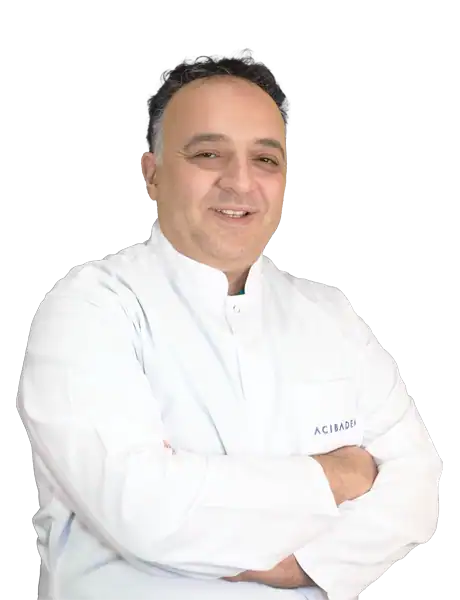
Prof. Dr. Mehmet Veli Karaaltın
Aesthetic Plastic & Reconstructive Surgery
Prof. Dr. Bülent Saçak
Aesthetic Plastic & Reconstructive Surgery
Prof. Dr. Ersin Ülkür
Aesthetic Plastic & Reconstructive Surgery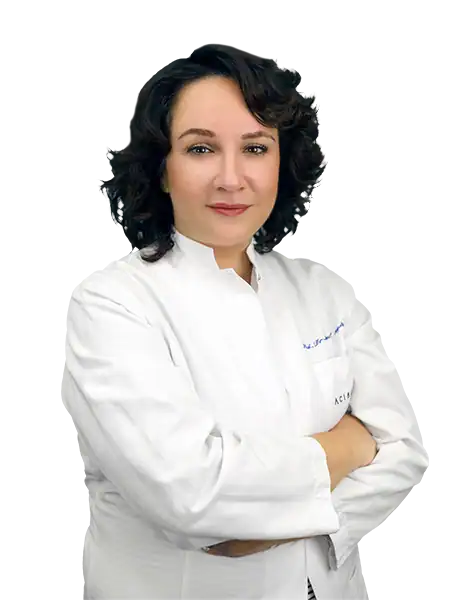
Prof. Dr. Çiğdem Ünal Gülmeden
Aesthetic Plastic & Reconstructive Surgery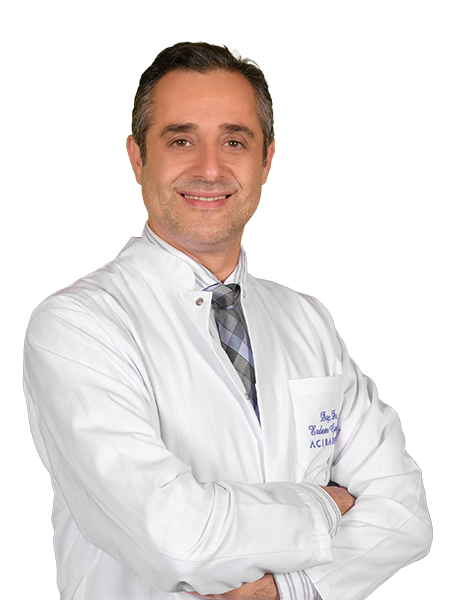
Assoc. Prof. Dr. Erdem Güven
Aesthetic Plastic & Reconstructive Surgery
Assoc. Prof. Dr. Ahmet Küçükçelebi
Aesthetic Plastic & Reconstructive Surgery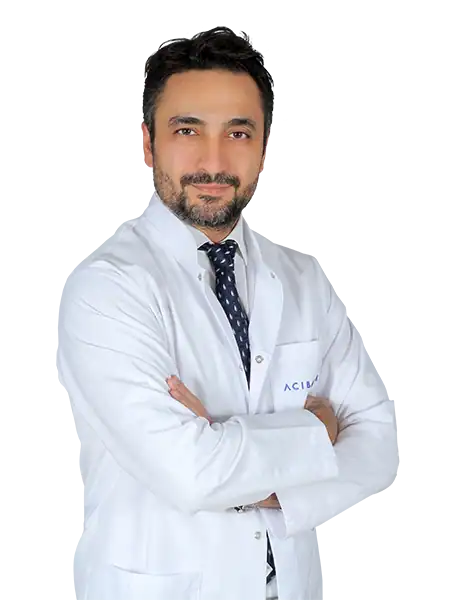
Assoc. Prof. Dr. Mehmet Altıparmak
Aesthetic Plastic & Reconstructive Surgery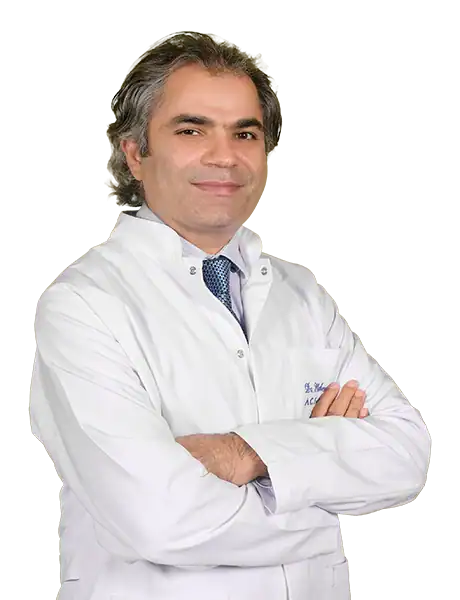
Assoc. Prof. Dr. Mehmet Sağır
Aesthetic Plastic & Reconstructive Surgery
Asst. Prof. Dr. Berkhan Yılmaz
Aesthetic Plastic & Reconstructive Surgery
Dr. Ayşe İrem İskenderoğlu
Aesthetic Plastic & Reconstructive Surgery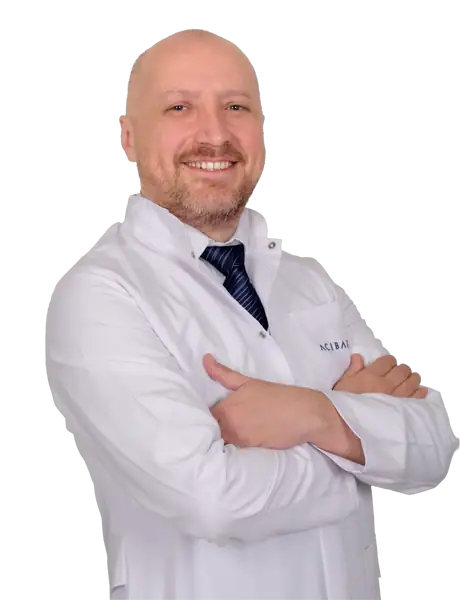
Dr. Şenol Durukan
Aesthetic Plastic & Reconstructive Surgery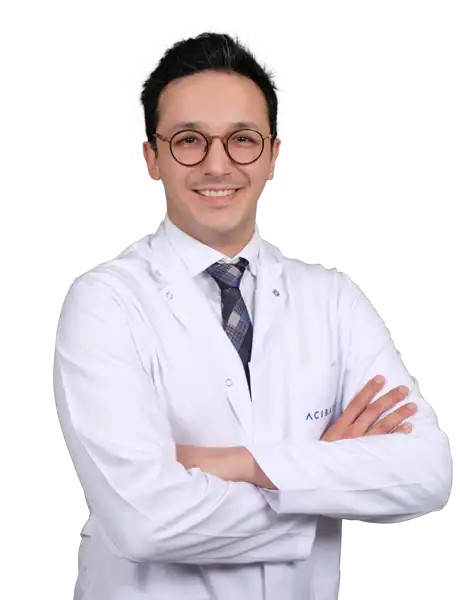
Dr. Serkan Tokgönül
Aesthetic Plastic & Reconstructive Surgery
Dr. Münür Selçuk Kendir
Aesthetic Plastic & Reconstructive Surgery
Dr. Nargız Ibrahımlı
Aesthetic Plastic & Reconstructive Surgery
Dr. Okan Acicbe
Aesthetic Plastic & Reconstructive Surgery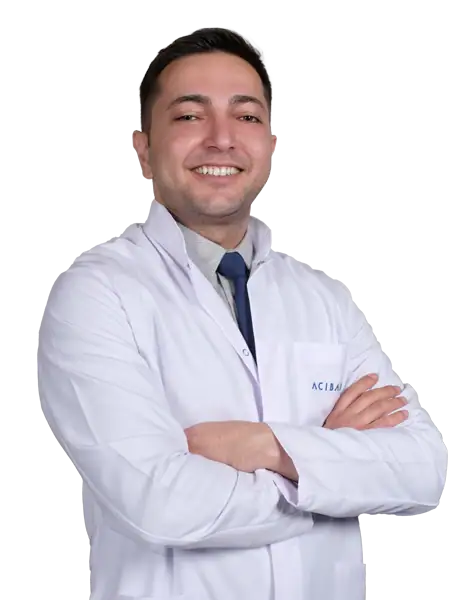
Dr. Turgut Furkan Kuybulu
Aesthetic Plastic & Reconstructive Surgery
Dr. Nuri Soysal
Aesthetic Plastic & Reconstructive Surgery
Dr. Nezail Demirciler
Aesthetic Plastic & Reconstructive Surgery
Dr. Mithat Ulay
Aesthetic Plastic & Reconstructive Surgery
Dr. Mahmut Özyılmaz
Aesthetic Plastic & Reconstructive Surgery
Dr. Umut Özbebit (m)
Aesthetic Plastic & Reconstructive Surgery
Dr. Cem Öz
Aesthetic Plastic & Reconstructive SurgeryMedical Units
Available at These Hospitals