Suture Suspension Lift
Suture suspension lift is a minimally invasive facial rejuvenation procedure that uses special threads to lift sagging tissues. It can improve facial contours with shorter downtime than traditional facelift surgery.

Quick answer
A suture suspension lift, often called a thread lift, is a minimally invasive procedure that places barbed or coned facial sutures under the skin to lift mildly sagging cheeks, jowls, brows or jawline tissue. The threads are inserted through small entry points under local anaesthetic, usually as an outpatient treatment. Recovery is shorter than facelift surgery, but the effect is more modest and not permanent.
Suture Suspension Lift: How Facial Sutures Lift Mild to Moderate Sagging
A suture suspension lift — often called a thread lift — is a minimally invasive procedure that places specially designed facial sutures under the skin to lift tissue that has begun to sag. Each thread carries small barbs, cones or anchoring points that grip the soft tissue; once in position, the thread is gently tensioned to reposition the cheeks, jowls, brow or jawline. It is intended for adults with mild to moderate facial laxity who do not need, or do not yet want, a surgical facelift.
Facial ageing is usually noticed gradually. The cheeks look less lifted, the jawline softens, the area around the mouth becomes heavier, or the neck starts to lose definition. For many people these changes do not feel significant enough to justify surgery, but they are visible enough to affect confidence, photographs, or the way the face reflects energy and mood. The suture suspension lift exists for exactly this in-between stage.
Be clear about what the procedure is not. It does not remove loose skin. It does not reposition the deeper structural layers of the face the way surgery does. It does not stop the ageing process. Its role is narrower and more specific: to restore support in selected areas where mild to moderate laxity has developed, through small entry points rather than surgical incisions, with a shorter recovery than a facelift.
If you are researching this treatment, your questions are usually practical. Will it look natural? How long does the improvement last? What does the procedure and the recovery actually feel like? Is it safer or more appropriate than surgery for your degree of sagging? You will also want clarity about who assesses you, how the plan is made, and what follow-up looks like afterwards.
At Acibadem, a suture suspension lift is treated as a medical procedure, not a retail product. It requires careful facial analysis, accurate patient selection, sterile technique and realistic planning. Sometimes it is performed alone. Sometimes it forms part of a broader plan alongside skin quality treatments, volume restoration, eyelid procedures or surgery. The deciding factor is your anatomy and your goal — not the popularity of the technique.
What Is a Suture Suspension Lift?
A suture suspension lift is a procedure in which medical-grade threads are inserted beneath the skin to lift and support areas of facial laxity. The threads are engineered with small barbs, cones or anchoring structures that engage the underlying soft tissue. Once positioned along a planned pathway, each suture is adjusted to create a controlled lifting effect in a specific direction — what physicians call the lifting vector.
The procedure is performed through small entry points rather than long incisions. Depending on the plan, the threads may be absorbable or, less commonly, longer-lasting non-absorbable materials. Absorbable threads break down gradually over time, and the body’s healing response may build collagen around them. That collagen response can contribute to tissue firmness and texture, but the visible lift comes primarily from the mechanical repositioning of soft tissue — a point worth understanding, because it explains both the strength and the limits of the technique.
Common treatment areas include the cheeks, midface, jawline, jowls, eyebrows, lower face and sometimes the upper neck. A well-planned suture suspension lift can restore a more lifted contour, reduce early jowling, improve cheek support and refine facial balance. The outcome should be subtle and proportional, with natural movement and expression preserved.
Because every face ages differently, the phrase “thread lift” can mislead if it suggests one standard technique. In experienced hands, the procedure is customised: the number of threads, the direction of lift, the depth of placement and the entry points are all planned around your anatomy and the correction you actually need. That planning is where both safety and aesthetics are decided.
Is a thread lift the same as a suture suspension lift?
Yes — the two names describe the same category of procedure. “Thread lift” is the everyday term; “suture suspension” is the more precise clinical description, because it names the mechanism: sutures that suspend descended tissue in a higher position. You will also see branded versions of the technique marketed under their own names, which is covered further down this page.
How is a suture suspension lift different from a facelift?
A facelift is surgery; a suture suspension lift is not. A traditional facelift (rhytidectomy) involves surgical dissection, repositioning of the deeper facial layers, removal of excess skin, and incisions usually placed around the ears and hairline. A suture lift removes no significant excess skin and cannot match the degree or durability of surgical correction. Its advantage is proportionality: for mild to moderate sagging, it offers a meaningful lift with less intervention and less downtime. For advanced laxity, it is simply the wrong tool.
Which Facial Sutures Are Used in a Suspension Lift?
The facial sutures used in suspension lifting are not the fine stitches used to close a cut or a surgical wound — they are structural threads designed to carry the weight of soft tissue. This distinction matters, because many people searching for information about facial sutures are thinking of wound repair. Wound-closure sutures hold skin edges together while a laceration heals. Suspension sutures do something different: they hold repositioned tissue in a lifted position while the body stabilises around it.
A suspension suture is typically a thread with barbs cut into its surface, cones threaded along its length, or fixed anchoring points at intervals. These features let the thread grip fibrous soft tissue along its whole pathway instead of relying on a single knot. The design determines how much lift the thread can hold, how it feels under the skin, and how it behaves as it is absorbed.
Most modern suspension threads are absorbable, made from polymers with an established history in medicine — polydioxanone (PDO), poly-L-lactic acid (PLLA) and polycaprolactone (PCL) are the materials you will encounter most often. They differ in how quickly they break down and in how much collagen response they tend to stimulate. Non-absorbable materials such as polypropylene are used less commonly; they persist in the tissue, which some techniques rely on, but permanence also means any problem with the thread persists with it.
No single material is objectively superior. The choice depends on the area being treated, the weight of the tissue, your skin thickness, and whether the plan prioritises a stronger initial lift or a longer collagen-building effect. This is a decision your physician makes from examination, not a menu you should feel pressed to choose from.
Which sutures are best for the face?
For lifting purposes, there is no universal “best” — absorbable barbed or coned threads are the most widely used because they combine a reliable mechanical lift with the safety of gradual absorption. Heavier tissue, such as a fuller lower face, may need stronger or more numerous threads; thinner skin may need finer threads placed deeper to avoid visibility. A physician who examines your face before naming a thread type is behaving correctly. One who names the product before the examination is not.
What kind of stitches do they use on your face during a thread lift?
During a suture suspension lift, the “stitches” are barbed or coned threads introduced under the skin with a fine cannula or needle — there are usually no visible stitches on the skin surface and nothing to remove from the entry points. If your question is about the stitches used to repair a facial cut, that is a separate topic: wound closure uses very fine, smooth sutures chosen to minimise scarring, and it belongs to a different clinical setting than the elective lifting procedure described on this page.
MyEllevate and Other Branded Suture Suspension Techniques
MyEllevate is a branded suture suspension technique used mainly along the jawline and under the chin, in which an illuminated device guides the placement of a running suture to support the tissue of the upper neck. You will see the name written several ways online — MyEllevate, myelevate, and my elevate all refer to the same method. It is one of several trademarked systems built on the same underlying principle as any suture suspension: engineered threads repositioning and supporting soft tissue.
Location-tagged searches such as myellevate boca raton usually point to individual clinics in the United States that license that specific brand. This is worth understanding as a patient: brand names describe a delivery system and a marketing arrangement, not a guarantee of outcome. The result you get depends far more on the assessment, the placement plan and the operator’s judgment than on whose logo is on the packaging.
Other named systems use cones rather than barbs — Silhouette-style coned sutures are a well-known example, marketed for the treatment of facial ageing. Cones, barbs and anchored designs each grip tissue differently, and each suits certain areas and tissue types better than others. At consultation, ask what the chosen thread is designed to do in your specific face, rather than which brand it is. A clear answer to that question tells you more about the physician than any product name can.
Who Is a Good Candidate for a Suture Suspension Lift?
A suture suspension lift suits adults who have early to moderate facial sagging but do not require, or do not wish to undergo, more extensive facelift surgery. Many candidates are in their late 30s to 60s, but age alone is not the deciding factor. Skin quality, facial structure, degree of laxity, medical history and expectations matter more than the number on your passport.
Typical concerns that bring people to this treatment include sagging cheeks, early jowls, a less defined jawline, mild drooping of the outer eyebrows, heaviness around the nasolabial folds, or a tired look despite good general health. Some notice these changes after weight loss, pregnancy or hormonal shifts; others have well-maintained skin but feel the underlying tissue has started to descend. The two situations look similar in the mirror but may need different plans.
Assessment begins with a clinical facial examination. The physician evaluates skin thickness, elasticity, facial fat distribution, bone support, asymmetry, previous procedures and the direction of tissue descent. The consultation should also cover medical conditions, current medications, allergies, scarring history, smoking, and any previous aesthetic treatments — fillers, botulinum toxin, laser work or surgery — because all of these affect thread placement and healing.
A good candidate generally has:
- Mild to moderate laxity, with enough tissue support for threads to hold properly.
- Reasonable skin elasticity, without severe redundancy or very heavy facial tissues.
- Realistic expectations — a visible lift, not a surgical facelift result.
- Stable general health, with no active skin infection in the treatment area.
Patients with significant sun damage, very thin skin, uncontrolled medical conditions, bleeding disorders or certain autoimmune conditions may need additional evaluation or a different approach altogether. A responsible clinic decides on suitability, not on procedure preference. If a thread lift is unlikely to meet your goal, the honest answer is a recommendation for something else — or for waiting.
Concerns a Suture Suspension Lift Can Address
Suture suspension lifting is used for facial rejuvenation rather than treatment of disease. Its purpose is to improve the position and support of soft tissue that has descended with ageing or volume loss. When laxity is mild to moderate, several specific concerns respond well.
Midface descent. As cheek tissue loses support, the face reads flatter and more tired, and the transition between lower eyelid and cheek becomes less smooth. Carefully placed sutures can elevate the cheek region and restore a more supported midface contour.
Early jowls and jawline softening. When tissue gathers along the jawline, the lower face looks heavier. A suture suspension lift can move this tissue upward and backward to create a cleaner line — but pronounced jowls generally need surgical lifting for substantial correction, and it is better to hear that at consultation than to discover it afterwards.
Mild eyebrow descent. Thread techniques can produce a subtle elevation of the outer brow, easing the heaviness that gathers around the upper eyelids. Significant brow droop, excess eyelid skin or any obstruction of vision needs a different evaluation — a surgical brow lift or eyelid assessment may be more appropriate.
Lower face laxity. Heaviness around the mouth and marionette lines may improve when tissue is lifted along the correct vector, softening the downward pull that ages facial expression. Deep folds caused mainly by volume loss or skin quality changes usually need complementary treatments rather than threads alone.
Neck contour concerns. In carefully chosen patients with mild laxity, suture suspension of the upper neck or under-chin area can give modest improvement. Where there is significant banding, loose skin or fat accumulation, a surgical neck lift, liposuction or another procedure is likely the better answer.
Combined ageing changes. Many faces show descent, volume loss and skin quality change together. In these cases threads may reposition tissue while injectables restore volume, skin treatments improve texture, and energy-based devices address tightening — a coordinated facial rejuvenation plan rather than a single fix. The right combination depends on your anatomy, not on a package.
How a Suture Suspension Lift Is Performed
The process starts with a detailed consultation. The physician listens to your goals, examines your facial anatomy, reviews your medical history and explains what the procedure can and cannot achieve. Photographs are usually taken for planning and documentation. The physician may gently reposition your skin and soft tissue during the examination to demonstrate possible lifting vectors and show you how much correction is realistic — a useful reality check before any decision is made.
Before treatment you receive individual preparation guidance. Your physician reviews your full medication and supplement list and tells you whether anything needs adjusting beforehand; that judgement always belongs to the treating doctor. You will typically be advised on smoking, and treatment is postponed if there is active infection, skin irritation, or a recent dental or facial procedure that could increase inflammation in the area.
On the day, the sequence usually runs as follows:
- 1. Marking. The treatment areas, entry points and lifting vectors are marked while you sit or stand, because facial tissue shifts when you lie down. Planning in the upright position reflects how your face actually hangs.
- 2. Skin preparation. The skin is cleansed thoroughly with antiseptic solution and sterile technique is used throughout to reduce infection risk.
- 3. Anaesthesia. Local anaesthetic is placed at the entry points and along the planned thread pathways. Depending on the extent of treatment and your medical assessment, mild sedation may be added.
- 4. Thread insertion. The sutures are introduced beneath the skin through small puncture sites using fine cannulas or needles, advanced along the planned pathway at a controlled depth.
- 5. Tensioning. Each thread is gently adjusted to elevate the target tissue in the planned direction. The step is repeated thread by thread until the intended correction is reached.
- 6. Checking. The physician assesses symmetry, facial movement and skin contour with you, before anything is finalised.
- 7. Finishing. Thread ends are trimmed beneath the skin. Entry points may be covered with tiny dressings; there are usually no skin stitches to remove.
- 8. Observation and instructions. After a short observation period, you leave with written aftercare guidance.
Placement depth is one of the technical keys to the whole procedure. Threads must sit deep enough to engage supportive soft tissue and stay invisible, yet not so deep that the lifting effect is lost. Getting this right for each area — cheek, jowl, brow, neck — is experience-dependent, which is why the operator matters more than the product.
The technology involved serves precision rather than spectacle. Standardised clinical photography supports planning and before-and-after comparison. Good lighting and magnification help the physician judge symmetry and contour during placement. Sterile instruments, fine cannulas, purpose-designed thread materials and controlled local anaesthetic delivery all contribute to accurate placement. In selected cases, imaging or skin analysis systems help evaluate tissue quality or plan complementary treatments, but the core procedure remains anatomy-guided and physician-dependent.
Most suture suspension lifts are outpatient procedures. Duration varies with the number of areas treated, the type and number of sutures, and whether other treatments are combined in the same visit. Many sessions take under a few hours from preparation to completion, but allow enough time for consultation, marking, anaesthesia, the procedure itself and early observation afterwards. Plan the day around it, not between meetings.
Recovery After a Suture Suspension Lift
Recovery is typically shorter than after facelift surgery, but it is not nothing. Swelling, bruising, tenderness, tightness, dimpling or mild asymmetry can all occur in the early healing period. Some patients feel pulling sensations when smiling, chewing or turning the head; these usually ease as the tissue settles around the threads. You will normally be advised to sleep on your back with your head elevated, avoid vigorous facial massage, limit wide mouth opening, pause strenuous exercise for a period, and follow specific guidance on skincare, shaving, makeup and dental visits.
| Time Period | What Patients Can Expect |
|---|---|
| Day 1 | Mild swelling, tightness, tenderness or a pulling sensation is common. Small dressings may cover the entry points. Rest, keep the head elevated, and follow medication and skincare instructions from your treating team. |
| First Week | Bruising and swelling may be visible. Avoid strenuous exercise, facial massage, exaggerated facial movements and sleeping on the treated areas. |
| First Month | The tissue gradually settles. Minor dimpling, tightness or asymmetry often improves. Most patients resume normal routines as advised by their physician. |
| Longer Term | The lifting effect looks more natural as healing progresses. Longevity depends on thread type, skin quality, facial structure, lifestyle and the ongoing ageing process. |
How long does a suture suspension lift last?
The improvement is temporary, and its duration varies from person to person. It depends on the thread material and how quickly it absorbs, your skin quality and tissue weight, your facial structure, lifestyle factors such as sun exposure and smoking, and the simple fact that ageing continues. Absorbable threads break down over time; the mechanical lift softens gradually rather than disappearing overnight, and the collagen built around the threads contributes some lasting firmness. Many patients choose repeat or complementary procedures over time to maintain support. Anyone quoting you a fixed number of years is guessing.
What does recovery actually feel like?
Most patients describe tightness and a pulling awareness rather than sharp discomfort — the face feels held, especially when chewing, yawning or smiling widely in the first days. Tenderness along the thread pathways is normal, as is a firm or slightly lumpy feel under the skin that smooths out as tissue settles. Any medication for the recovery period is decided and prescribed by your treating doctor. Your written aftercare instructions explain which sensations are expected and which changes should be reviewed by the medical team.
Why Acting Early Matters
Facial ageing is progressive. Skin elasticity decreases, collagen changes, facial fat pads shift, ligaments loosen, and bone support gradually alters. When laxity is still mild to moderate, minimally invasive techniques have a better chance of producing a natural result, because there is enough tissue quality left to work with. Wait until sagging is advanced, and a suture suspension lift becomes less useful — at that point surgical correction is usually the more honest recommendation.
Acting early does not mean rushing into treatment. It means being evaluated at a stage when more options are open. A timely assessment can determine whether your concern is driven mainly by tissue descent, volume loss, skin laxity, muscle activity, or a combination — and this distinction matters, because each cause needs a different solution. Adding volume to the wrong area can make heaviness worse; lifting alone will not correct hollowness or skin texture.
Delaying also breeds unrealistic expectations. If changes have advanced while you waited, a minimally invasive procedure may no longer deliver what you are hoping for. A suture suspension lift has firm limits: it does not remove loose skin, it does not replace the deeper structural work of a neck and face lift, and it does not halt ageing. A skilled assessment helps you choose the right level of intervention at the right time — including the option of doing nothing yet.
There are practical reasons to plan ahead, too. Work commitments, social events and healing time all need space in the calendar. Even though downtime is shorter than surgery, bruising and swelling can be visible for days to weeks. Booking treatment too close to a major event creates avoidable stress; an earlier consultation lets you and the physician design a schedule that respects both healing and your obligations.
Benefits of a Suture Suspension Lift
The benefits below are real, but each one is conditional on selection and technique. Read them in relation to your own anatomy, degree of sagging and expectations — not as promises.
| Benefit | What It Means for You |
|---|---|
| Minimally invasive lifting | Threads are placed through small entry points to reposition selected facial tissues without the longer incisions used in traditional facelift surgery. |
| Shorter recovery than surgery | Many patients return to light activities relatively soon, although swelling, bruising and tightness should be expected during early healing. |
| Natural facial contour improvement | When well planned, the procedure can refine the cheeks, jawline, brows or lower face while preserving normal expression and facial identity. |
| Customisable treatment areas | The number, direction and placement of threads are adapted to your anatomy and the areas that matter most to you. |
| Can complement other treatments | Suture lifting may be combined with skin, injectable or surgical treatments when a broader rejuvenation plan is medically appropriate. |
| Outpatient procedure | Most patients do not require hospital admission, which makes the treatment easier to plan for those with limited time away from home. |
Limits and Possible Complications
An honest page names the downsides. Beyond the expected swelling, bruising and tightness of early healing, suture suspension lifting carries its own specific issues. Dimpling or puckering of the skin can appear where a thread grips superficially; it often settles as tissue relaxes, and sometimes it needs adjustment. Facial sutures placed too superficially can be visible or palpable, particularly in thin skin. Temporary asymmetry is common while swelling resolves — and some degree of asymmetry is natural in every face.
Less common problems include infection at an entry point, thread migration or extrusion, prolonged tenderness along a thread pathway, and temporary irritation of small sensory nerves causing numbness or altered sensation. Most issues resolve with time or minor intervention; occasionally a thread must be repositioned or removed. Absorbable materials have the advantage here — a problem thread eventually disappears — which is one reason they dominate modern practice.
The other limit is the ceiling of the technique itself. A suture suspension lift cannot correct significant skin excess, heavy jowls, marked neck banding or advanced descent. Choosing it for those problems produces disappointment, not a bad procedure — a mismatch between tool and task. This is why the assessment matters more than the treatment.
Factors That Influence a Good Result
The quality of the result depends on much more than the threads. Patient selection comes first. Suspension lifting works best with mild to moderate laxity, reasonable skin elasticity and facial tissue that is not excessively heavy. Severe skin redundancy, deep folds or advanced jowling point towards surgical lifting or a combined approach instead.
Facial anatomy matters. Strong underlying bone support, balanced proportions and healthy soft tissue help create a pleasing contour. Thin skin reveals irregularities more easily; very thick or heavy tissue is harder to lift and hold. Previous fillers, scar tissue, surgery or trauma all affect thread placement — discuss them openly at consultation, because they change the plan.
The physician’s technical judgment is central. The lifting vector must move the face in a natural direction: overcorrection looks artificial, undercorrection disappoints. Correct placement depth reduces the risk of visibility, dimpling and thread-related discomfort. Symmetry is assessed continuously during the procedure, but perfect symmetry is not a realistic biological target — natural faces are inherently asymmetric, and chasing perfection produces stranger results than accepting balance.
Skin quality shapes both the appearance and the durability of the lift. Significant sun damage, poor elasticity or smoking-related changes make outcomes less predictable. Your physician may recommend skincare optimisation, energy-based skin treatments or other procedures before or after threads to improve the overall result. Sun protection, weight stability and stopping smoking all support better healing and a longer-lasting improvement — decisions in your hands, not the clinic’s.
Aftercare is the final factor you control. Follow the guidance on activity, sleep position, facial movement, skincare and follow-up visits. Early pressure, massage or vigorous activity can shift thread position before the tissue has stabilised. Clear written instructions on what is normal during healing — and what needs medical review — are part of a properly run pathway, not an optional extra.
Above all, keep expectations calibrated. A suture suspension lift can deliver a refreshed, better-supported appearance. It cannot recreate the result of more extensive surgery. Satisfaction is highest when the procedure is chosen for the right concern, performed conservatively, and placed inside a longer-term plan for facial ageing rather than treated as a one-off event.
Alternatives and Complementary Treatments
A suture suspension lift sits in the middle of a spectrum of options, and understanding its neighbours on that spectrum helps you judge whether it is genuinely the right choice for your face.
Surgical lifting. A facelift, neck lift or brow lift repositions the deeper structural layers of the face and removes excess skin. Surgery involves more recovery and more intervention, but for advanced laxity it remains the reference standard — no thread technique reaches the same depth of correction or holds heavy, redundant tissue as reliably.
Injectable treatments. Dermal fillers restore lost volume and support; botulinum toxin softens the muscle activity behind certain lines. Neither lifts descended tissue the way a suspension suture does. Where the main problem is hollowness or dynamic wrinkling rather than descent, injectables alone may serve you better than threads — and combining the two without a clear diagnosis risks a heavy, overfilled look.
Energy-based skin tightening. Ultrasound, radiofrequency and laser devices stimulate collagen and can improve skin firmness and texture. They act on skin quality rather than tissue position, which makes them a complement to lifting rather than a substitute for it. Patients with mild laxity and good tissue position sometimes need only this category.
Waiting. Doing nothing yet is a legitimate clinical recommendation. If your degree of change does not bother you enough to accept downtime and cost of any kind, or if your concern is driven by a temporary factor such as recent weight change, a considered pause is often wiser than an eager procedure.
Can a suture suspension lift be combined with other treatments?
Yes — when it is medically appropriate, threads are often planned alongside volume restoration, skin quality treatments or, in staged plans, surgery. The sequencing matters: some combinations are performed in the same visit, while others are separated to let tissue settle and to judge each treatment’s effect honestly. The order and timing should come from clinical assessment of your face, not from a pre-set package.
Questions Worth Asking Before You Decide
A good consultation should leave you with clear answers, not glossy reassurance. Useful questions include:
- Is my degree of laxity actually suitable for threads, or would you recommend something else if I asked you to choose freely?
- Which thread material and design are you proposing for my face, and why that one rather than another?
- What direction of lift are you planning, and can you show me on my own face what the realistic correction looks like?
- What will the early healing period involve for me specifically, given my skin and my history?
- What happens if a thread becomes visible, uncomfortable or needs removal?
- How does this procedure fit into a longer-term plan as my face continues to age?
The pattern of the answers matters as much as their content. A physician who welcomes these questions, examines before recommending, and names the limits of the technique unprompted is showing you the judgment that ultimately determines your result.
A Measured View of the Suture Suspension Lift
A suture suspension lift is a genuinely useful option for the right face at the right stage: mild to moderate sagging, reasonable skin quality, realistic expectations. It can lift the cheeks, refine the jawline, soften early jowls and restore support to the brow or upper neck, with a shorter recovery than surgery. It cannot remove loose skin, match the depth of a facelift, or hold back ageing indefinitely — and any description that suggests otherwise is selling, not informing. The strongest predictor of a good outcome is not the thread. It is the quality of the assessment that decided whether you needed one at all.
Preparation
- A plastic surgery consultation evaluates facial anatomy, skin quality, expectations, and suitability for a suture suspension lift. Patients may be asked to stop blood-thinning medications or supplements if medically appropriate. Smoking and alcohol should be avoided before the procedure to support healing.
Aftercare
- Mild swelling, bruising, tightness, or tenderness can occur for several days. Patients should avoid strenuous exercise, facial massage, excessive chewing, and sleeping face down during early recovery. Follow-up visits help assess healing and thread position.
Turkey vs UK, Germany & USA
Suture suspension lift costs vary by patient goals, thread type, treatment area, and the clinic team involved. Comparing destinations can help international patients understand how medical, travel, and service factors influence the overall experience.
The total cost and patient experience depend on the treatment plan, clinic standards, surgeon expertise, and what is included in the international patient package.
| Factor | Turkey | UK | Germany | USA |
|---|---|---|---|---|
| Cost structure | Often offered through bundled international patient packages, with consultation, procedure, and support services grouped together. | Usually priced through private clinics, with consultation, procedure, and aftercare often billed separately. | Typically itemised, with costs influenced by clinic setting, specialist fees, and follow-up arrangements. | Often highly itemised, with facility, clinician, anaesthesia, and follow-up fees commonly separated. |
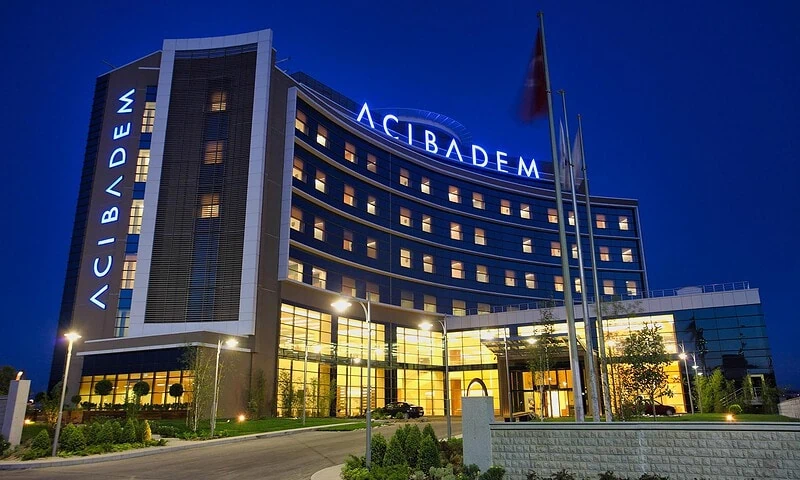
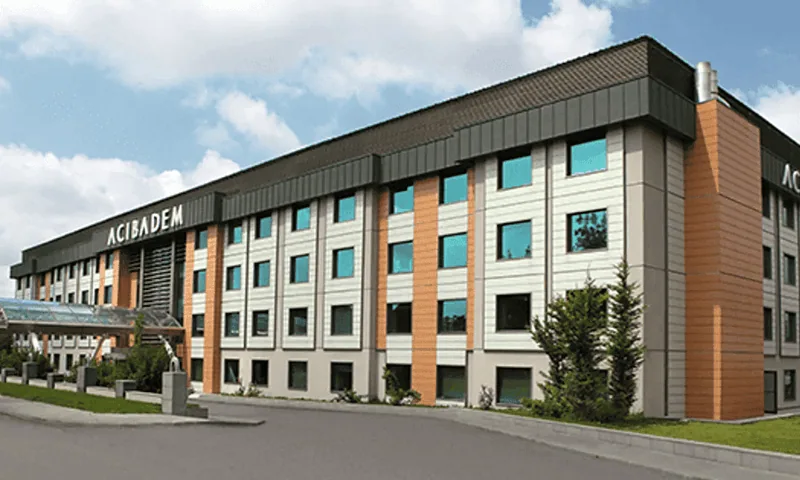
| Hospital and clinic factors | International hospitals and aesthetic clinics may provide coordinated care pathways, including JCI-accredited settings such as Acibadem. | Care may be delivered in private clinics or hospital outpatient settings, depending on provider and complexity. | Specialist private clinics and hospital-based services are available, with structured medical documentation and protocols. | Wide range of providers, from boutique aesthetic clinics to hospital-affiliated practices, with variable service models. |
| Specialist experience | Cost is influenced by the plastic surgeon or aesthetic physician’s training, facial anatomy expertise, and experience with thread techniques. | Provider reputation, private practice location, and experience with non-surgical facial rejuvenation affect pricing. | Specialist credentials, clinic location, and treatment planning style are key price drivers. | Provider demand, metropolitan location, and aesthetic subspecialty experience can strongly affect overall cost. |
| Waiting times | International patient departments may help arrange consultations and procedure dates in a planned travel window. | Private care may offer shorter access than public pathways, depending on clinic availability. | Private appointments are generally scheduled according to clinic capacity and specialist availability. | Access depends on provider demand, location, and consultation availability. |
| Travel and language logistics | International patient teams commonly assist with airport transfers, hotel coordination, translation, and appointment planning. | Travel logistics are usually arranged by the patient, though some private clinics support visitors. | Some clinics provide multilingual coordination, while travel and accommodation are often arranged separately. | International support varies by provider; travel and accommodation are commonly organised independently. |
| Typical package inclusions | May include medical consultation, procedure, local transfers, interpreter support, and planned follow-up guidance. | Often includes consultation and procedure, with aftercare terms depending on the clinic. | May include specialist assessment and procedure, while additional services can be separate. | Usually includes selected clinical services only, with additional fees depending on the practice model. |
What affects your final cost
- Degree of facial sagging and areas to be treated
- Type, brand, and quantity of threads required
- Whether local anaesthesia, sedation, or additional comfort measures are used
- Specialist experience and clinic or hospital setting
- Combination with other treatments such as fillers, skin treatments, or energy-based procedures
- Pre-procedure assessment, aftercare visits, and revision policy
- Travel, accommodation, interpreter support, and airport transfer arrangements
Compare your options
Suture suspension lift is not a single fixed procedure; the technique is selected according to facial anatomy, skin quality, ageing pattern, and expectations. Suitability is decided by a specialist after an in-person or online assessment.
| Option | What it is | Typical use | Key considerations |
|---|---|---|---|
| Absorbable thread lift | Biocompatible threads are placed under the skin to reposition soft tissue and encourage a gradual tissue response. | Mild to moderate sagging of the cheeks, jawline, brows, or neck in selected patients. | Results are more subtle than surgery and depend on skin quality, tissue weight, and correct thread placement. |
| Barbed or cone suspension threads | Threads designed with anchoring structures to provide mechanical lift and support. | Facial contour improvement where lifting and repositioning are the main goals. | Technique and vector planning are important; swelling, bruising, dimpling, or asymmetry can occur temporarily. |
| Combination treatment | Thread lifting combined with options such as fillers, skin boosters, toxin treatments, or resurfacing procedures. | Patients who need both lifting and skin quality or volume improvement. | May improve overall harmony, but also changes cost, treatment time, recovery planning, and follow-up needs. |
| Energy-based skin tightening | Non-surgical devices use heat or focused energy to stimulate tightening without placing threads. | Early laxity, skin texture concerns, or patients not ready for threads or surgery. | Lift is usually gradual and modest; several factors affect response, including skin thickness and laxity. |
| Surgical facelift or neck lift | An operative procedure that repositions deeper facial tissues and removes excess skin where appropriate. | More advanced sagging, significant jowls, or neck laxity not adequately corrected by threads. | Involves a longer recovery and a different risk profile; it may be more suitable when non-surgical lift would be insufficient. |
General information only — not medical or financial advice. Final costs depend on the factors above and your individual case; request a free, personalised quote.
Frequently Asked Questions
What affects the cost of a suture suspension lift?
Cost depends on the areas treated, thread type, the complexity of lifting vectors, specialist experience, clinic setting, anaesthesia needs, and whether other rejuvenation treatments are combined. Travel and support services can also affect the total package.
How can I get a personalised quote from Acibadem?
You can request a free consultation by sharing facial photos, medical history, previous aesthetic treatments, and your goals. A specialist review is needed before a personalised treatment plan and quote can be prepared.
Is a suture suspension lift cheaper than a surgical facelift?
It is generally less invasive and may involve fewer facility and recovery requirements, but the right choice is not based on cost alone. A specialist should assess whether threads can achieve your goals or whether surgery would be more appropriate.
What is usually included in an international patient package?
Packages may include consultation, the planned procedure, interpreter support, airport transfers, accommodation coordination, and follow-up guidance. Inclusions vary by treatment plan, so they should be confirmed in writing before travel.
Can the quote change after consultation?
Yes. The final plan may change after clinical assessment if the specialist recommends different thread types, additional treatment areas, combination procedures, or a different approach for safety and realistic results.
Medically reviewed by the Acıbadem International Medical Board — September 1, 2026
See our medical review board →
Update history
- PublishedJune 8, 2026
- Medical review approvedSeptember 1, 2026
- Last content updateSeptember 1, 2026
Trusted care for international patients
Doctors Performing This Treatment

Prof. Dr. Hakan Ağır
Aesthetic Plastic & Reconstructive Surgery
Prof. Dr. Şükrü Yazar
Aesthetic Plastic & Reconstructive Surgery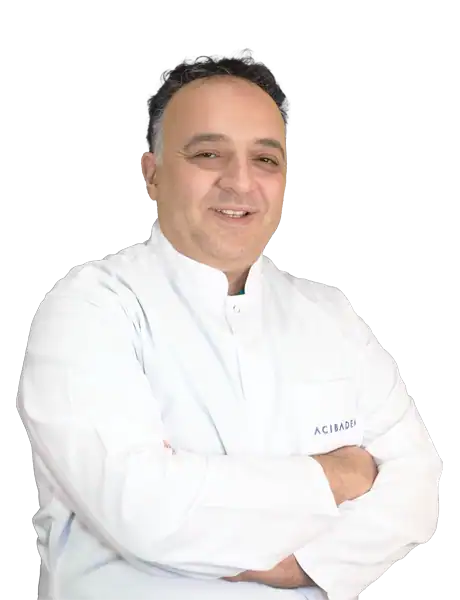
Prof. Dr. Mehmet Veli Karaaltın
Aesthetic Plastic & Reconstructive Surgery
Prof. Dr. Bülent Saçak
Aesthetic Plastic & Reconstructive Surgery
Prof. Dr. Ersin Ülkür
Aesthetic Plastic & Reconstructive Surgery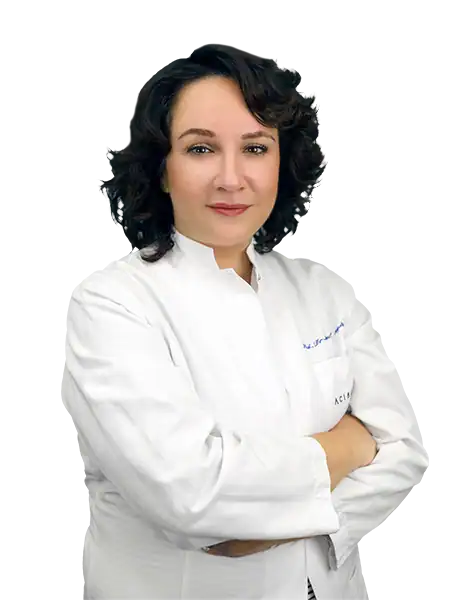
Prof. Dr. Çiğdem Ünal Gülmeden
Aesthetic Plastic & Reconstructive Surgery
Assoc. Prof. Dr. Erdem Güven
Aesthetic Plastic & Reconstructive Surgery
Assoc. Prof. Dr. Ahmet Küçükçelebi
Aesthetic Plastic & Reconstructive Surgery
Assoc. Prof. Dr. Mehmet Altıparmak
Aesthetic Plastic & Reconstructive Surgery
Assoc. Prof. Dr. Mehmet Sağır
Aesthetic Plastic & Reconstructive Surgery
Asst. Prof. Dr. Berkhan Yılmaz
Aesthetic Plastic & Reconstructive Surgery
Dr. Ayşe İrem İskenderoğlu
Aesthetic Plastic & Reconstructive Surgery
Dr. Şenol Durukan
Aesthetic Plastic & Reconstructive Surgery
Dr. Serkan Tokgönül
Aesthetic Plastic & Reconstructive Surgery
Dr. Münür Selçuk Kendir
Aesthetic Plastic & Reconstructive Surgery
Dr. Nargız Ibrahımlı
Aesthetic Plastic & Reconstructive Surgery
Dr. Okan Acicbe
Aesthetic Plastic & Reconstructive Surgery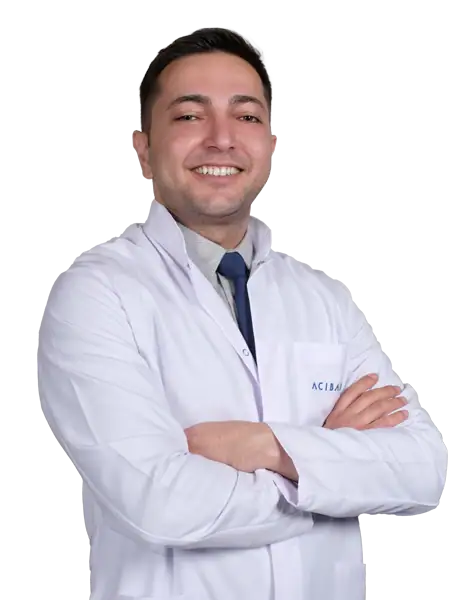
Dr. Turgut Furkan Kuybulu
Aesthetic Plastic & Reconstructive Surgery
Dr. Nuri Soysal
Aesthetic Plastic & Reconstructive Surgery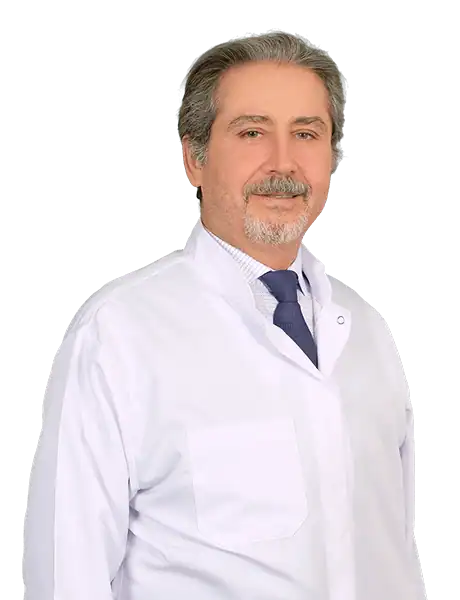
Dr. Nezail Demirciler
Aesthetic Plastic & Reconstructive Surgery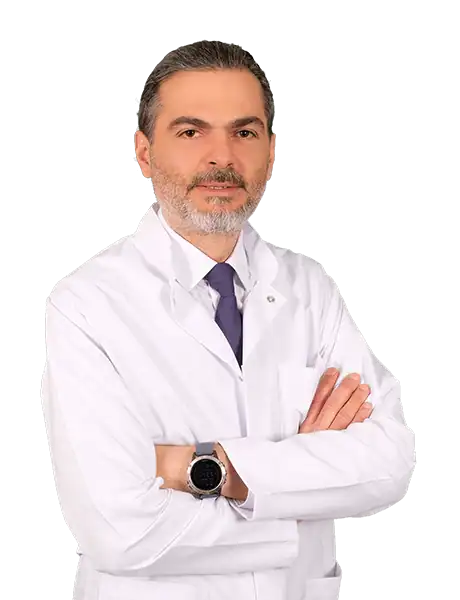
Dr. Mithat Ulay
Aesthetic Plastic & Reconstructive Surgery
Dr. Mahmut Özyılmaz
Aesthetic Plastic & Reconstructive Surgery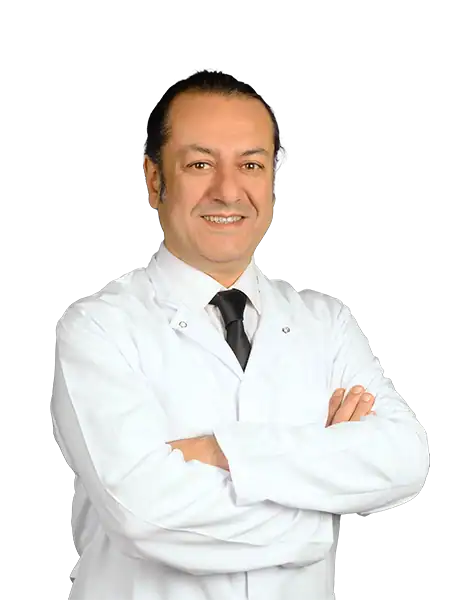
Dr. Umut Özbebit (m)
Aesthetic Plastic & Reconstructive Surgery
Dr. Cem Öz
Aesthetic Plastic & Reconstructive SurgeryMedical Units
Available at These Hospitals