

Varicocele Treatment
Varicocele treatment repairs enlarged scrotal veins that may cause testicular pain, shrinkage, or male infertility. Care focuses on improving comfort, semen parameters, and reproductive outcomes.

Quick answer
Varicocele treatment repairs enlarged veins in the scrotum to relieve pain, protect testicular function, and improve fertility when the condition affects semen quality or causes symptoms. At Acibadem in Turkey, evaluation guides treatment choice, which may include microsurgical varicocelectomy or image-guided embolization depending on the vein pattern, symptoms, and reproductive goals.
When Varicocele Affects Comfort, Fertility or Testicular Health
A varicocele is a common condition, but the decision to treat it can feel deeply personal. Many men first learn they have a varicocele during an infertility evaluation. Others notice a dull ache, heaviness in the scrotum, visible enlarged veins, or a difference in testicular size. Some have no symptoms at all, yet are told that the condition may be affecting sperm production or hormone function.
These concerns can raise difficult questions: Will this affect my ability to have children? Is the pain likely to get worse? Do I need surgery? How long will recovery take? Can treatment improve semen results? For international patients considering care abroad, there are additional worries about diagnosis, language, travel, follow-up and choosing the right medical team.
Varicocele treatment focuses on correcting abnormal blood flow in enlarged scrotal veins. When carefully selected and performed by experienced specialists, treatment may reduce discomfort, help preserve testicular function and improve semen parameters in men whose fertility is affected. The goal is not simply to repair a vein, but to understand the whole clinical picture: symptoms, examination findings, ultrasound results, semen analysis, hormone levels, reproductive goals and the health of both partners.
At Acibadem, evaluation and treatment are planned with this broader view. Urologists, andrologists, radiologists, reproductive medicine specialists and other clinicians may be involved when needed, especially for men seeking fertility care. This multidisciplinary approach helps ensure that treatment decisions are based on evidence, not assumptions, and that every patient receives a plan appropriate to his age, symptoms, fertility goals and medical history.
What Varicocele Treatment Is
A varicocele is an enlargement of the veins within the scrotum, most often on the left side. These veins are part of the pampiniform plexus, a network that helps regulate testicular temperature. Normally, one-way valves in the veins help blood flow upward from the testicle toward the abdomen. When these valves do not function well, blood can pool and cause the veins to stretch and enlarge.
Varicocele treatment is designed to stop this abnormal backflow and redirect blood through healthy veins. By closing or tying off the affected veins, pressure in the scrotal venous system is reduced. Over time, this may improve the testicular environment, reduce pain and support better sperm production in selected patients.
There are two main categories of treatment. The first is surgical repair, often called varicocelectomy. This can be performed using microsurgical, open, laparoscopic or other surgical approaches. The microsurgical subinguinal or inguinal approach is commonly used in specialized centers because it allows the surgeon to identify and preserve important structures, including the artery and lymphatic channels, while treating the abnormal veins.
The second category is percutaneous embolization, performed by an interventional radiologist. In this method, a thin catheter is guided through a vein, usually from the groin or neck, to reach the abnormal testicular vein. The vein is then blocked using medical materials that stop reflux. Not every patient is a candidate for embolization, and not every varicocele is best treated this way. The choice depends on anatomy, symptoms, previous surgery, fertility goals and specialist assessment.
In clinical practice, varicocele repair is most often considered when a man has a palpable varicocele and abnormal semen parameters, persistent scrotal discomfort attributed to the varicocele, or testicular growth concerns in adolescents. Treatment is individualized; not all varicoceles require intervention.
Who May Need Varicocele Treatment
Many varicoceles are discovered during a physical examination. A physician may feel enlarged veins above the testicle, sometimes described as having a “bag of worms” texture. The veins may become more noticeable when standing, straining or during the Valsalva maneuver, and may decrease when lying down.
Symptoms vary. Some men have a dull, dragging ache that worsens after standing for long periods, exercising or at the end of the day. Others notice scrotal heaviness, visible veins or a difference in testicular size. In men trying to conceive, the first sign may be an abnormal semen analysis showing reduced sperm count, motility or morphology. Occasionally, blood tests may show changes in reproductive hormones, particularly when testicular function is affected.
Diagnosis begins with a careful medical history and physical examination by a urologist or andrologist. The physician will ask about pain, fertility plans, duration of trying to conceive, prior pregnancies, previous surgeries, infections, medications, lifestyle factors and any known reproductive issues in the partner. This context is important because male fertility is rarely assessed in isolation.
Scrotal Doppler ultrasound is commonly used to confirm the diagnosis, evaluate vein diameter and reflux, measure testicular volume and rule out other causes of scrotal symptoms. In fertility evaluations, semen analysis is essential and is usually repeated because sperm parameters can vary over time. Hormonal testing may be recommended in selected cases, particularly if sperm counts are very low, testicular volume is reduced or there are signs of endocrine involvement.
Patient situations that may lead to treatment include infertility with a clinically significant varicocele, persistent pain despite conservative care, progressive testicular shrinkage, recurrence after previous repair or a varicocele found during evaluation for low testosterone or impaired testicular function. In adolescents, the decision is especially careful and may focus on testicular growth, symptoms and long-term reproductive potential.
Conditions and Indications Varicocele Treatment Addresses
Varicocele treatment may be considered for several related clinical concerns. The strongest indication is typically a palpable varicocele in a man with abnormal semen parameters and infertility, particularly when the female partner’s evaluation does not fully explain the difficulty conceiving or when assisted reproductive treatment may be improved by optimizing sperm quality.
Another common indication is chronic scrotal pain believed to be caused by the varicocele. This pain is usually dull or aching rather than sharp. It may improve when lying down and worsen with activity, heat or prolonged standing. Before recommending intervention, physicians usually consider other causes of scrotal pain, such as infection, hernia, hydrocele, testicular mass, nerve-related pain or musculoskeletal conditions.
Varicocele treatment may also be discussed when there is testicular atrophy or impaired testicular development, especially in adolescents and young adults. A significant difference in testicular volume can suggest that the varicocele is affecting growth. In these patients, careful monitoring and timely intervention may help protect future reproductive function.
In some men, varicocele is associated with changes in testosterone production. Treatment is not performed solely to raise testosterone in most cases, but endocrine function may be part of the overall assessment. Men with low sperm production, reduced testicular size or symptoms of low testosterone may need a more detailed hormonal evaluation.
Recurrent varicocele after previous repair is another indication for specialist review. Recurrent or persistent varicoceles require careful imaging and review of the original treatment approach. The next step may be microsurgical repair, embolization or observation, depending on symptoms, fertility goals and anatomy.
It is equally important to recognize when treatment may not be necessary. Small varicoceles found only on ultrasound, with no symptoms and normal semen parameters, often do not require intervention. The decision should be based on clinical significance, not imaging findings alone.
How Varicocele Treatment Is Performed
Preparation and Evaluation Before Treatment
Before treatment, the medical team confirms that the varicocele is clinically relevant and that repair is likely to address the patient’s main concern. For a man seeking fertility improvement, this includes physical examination, at least one semen analysis and often repeat testing. Hormone studies may be added when sperm counts are very low or testicular function appears reduced. If a couple is trying to conceive, evaluation of the female partner is also important, because timing and treatment choices may depend on both partners’ reproductive health.
For men with pain, preparation includes confirming that symptoms are consistent with varicocele-related discomfort. Conservative measures such as scrotal support, anti-inflammatory medication when appropriate, limiting prolonged standing or modifying exercise may be tried first. If pain persists and other causes are excluded, repair may be considered.
Patients traveling internationally are guided through medical document collection before arrival whenever possible. Previous ultrasound reports, semen analyses, hormone tests, operative notes and fertility treatment records are reviewed. This allows the team to plan consultations efficiently and determine whether additional testing is needed after arrival.
Before a procedure, patients receive instructions about fasting, medications, anesthesia assessment and travel timing. Blood-thinning medications and certain supplements may need to be adjusted under physician guidance. The care team also discusses expectations for recovery, sexual activity, exercise, work and follow-up semen testing.
Microsurgical Varicocelectomy
Microsurgical varicocelectomy is a commonly preferred surgical method for clinically significant varicocele. It is usually performed through a small incision in the groin or upper scrotal region. With magnification, the surgeon identifies the enlarged veins and carefully ligates them while preserving the testicular artery, lymphatic channels and vas deferens.
The use of magnification is important because the structures in this area are small and close together. Preserving lymphatic channels helps reduce the risk of fluid collection around the testicle, known as hydrocele. Preserving the artery protects blood supply to the testicle. Doppler assessment may be used during surgery to help identify arterial flow.
The procedure is usually performed under general or regional anesthesia, depending on the patient’s condition and the anesthesiologist’s recommendation. Many patients are discharged the same day or after a short hospital observation period, though this varies by clinical situation and travel plans.
Laparoscopic or Other Surgical Approaches
In selected patients, a laparoscopic approach may be considered. This involves small abdominal incisions through which instruments and a camera are inserted. The abnormal veins are treated higher in the abdomen. Laparoscopy may be relevant in specific anatomic situations, bilateral varicoceles or prior surgery, but it is not the default choice for every patient.
Open non-microsurgical approaches are less commonly favored in many specialized settings because magnification provides greater precision. However, the best technique depends on the surgeon’s assessment, patient anatomy, previous treatment and available expertise.
Percutaneous Embolization
Embolization is a minimally invasive radiology procedure. A catheter is inserted into a vein and guided using imaging to the affected testicular vein. Contrast imaging helps map venous anatomy and reflux. The abnormal vein is then blocked using coils, plugs, sclerosants or other medical materials chosen by the interventional radiologist.
Embolization avoids a surgical incision in the scrotal or groin area and may be useful for recurrent varicocele or for patients who are better suited to a radiologic approach. However, venous anatomy can make the procedure difficult or incomplete in some cases. The medical team explains these factors before recommending a route.
Technology Used During Diagnosis and Treatment
Modern varicocele care relies on precise imaging and careful intraoperative or interventional guidance. Scrotal Doppler ultrasound helps assess venous reflux, testicular volume and other scrotal conditions. Laboratory systems support semen analysis and hormonal evaluation. During microsurgery, optical magnification and fine instruments allow detailed identification of veins, arteries and lymphatics. In embolization, real-time imaging guides catheter placement and confirms treatment of abnormal venous channels.
The value of these technologies lies not in complexity, but in accuracy. They help clinicians choose the correct patients for treatment, reduce avoidable risk and tailor care to the individual anatomy and reproductive goal.
Typical Duration and Immediate Recovery
The procedure time varies according to the technique, whether one or both sides are treated, the patient’s anatomy and any previous surgery. Many varicocele repairs are completed within a short operative session, followed by recovery monitoring. Patients are usually able to walk the same day. Mild discomfort, bruising or swelling can occur and is typically managed with prescribed medication, scrotal support and activity modification.
Most men return to desk-based work within several days, depending on the procedure and how they feel. Strenuous exercise, heavy lifting and sexual activity are usually restricted for a short period, as advised by the treating physician. For fertility-related treatment, semen improvement is not immediate because sperm production takes time. Follow-up semen analyses are often planned over several months to assess changes.
Why Acting Early Matters and the Risks of Delay
Not every varicocele needs urgent treatment. However, when a varicocele is causing pain, testicular shrinkage or abnormal semen parameters, delaying evaluation can prolong symptoms and may allow ongoing stress on testicular function. The testicle is sensitive to temperature, pressure and oxygenation changes. Varicoceles may disrupt this environment, contributing to impaired sperm production in susceptible men.
For couples trying to conceive, time is an important medical factor. Age, ovarian reserve, duration of infertility and prior fertility treatment all influence planning. A timely male evaluation can prevent months or years of focusing only on the female partner when a treatable male factor is present. In some couples, varicocele repair may improve semen quality enough to support natural conception. In others, it may improve the quality or quantity of sperm available for assisted reproductive techniques. The appropriate path depends on the couple’s full assessment.
For adolescents and young adults, progressive testicular size difference deserves careful attention. Early specialist review can determine whether monitoring is sufficient or whether treatment may help protect future function. For men with pain, waiting may lead to continued limitations in exercise, work or daily comfort, although pain outcomes depend on correct diagnosis and patient selection.
Delay can also increase anxiety. A clear diagnosis and treatment plan often help patients make better decisions, even when the recommendation is observation rather than intervention. The key is not rushing into a procedure, but obtaining expert assessment at the right time.
Potential Benefits of Varicocele Treatment
For appropriately selected patients, varicocele treatment may offer several meaningful benefits related to comfort, fertility and long-term testicular health.
| Benefit | What It Means for You |
|---|---|
| Improved scrotal comfort | Men with typical varicocele-related aching or heaviness may experience reduced pain after repair, especially when other causes of pain have been excluded. |
| Better semen parameters | Sperm count, movement or shape may improve over time in selected men, which can support natural conception or fertility treatment planning. |
| Protection of testicular function | Treating a clinically significant varicocele may help reduce ongoing stress on the affected testicle, particularly when there is size difference or functional concern. |
| More complete fertility planning | Repair may be part of a broader reproductive strategy that considers both partners, timing, semen results and assisted reproduction options if needed. |
| Low-impact recovery for many patients | Many men resume light daily activities within days, although full exercise and fertility follow-up take longer. |
Recovery Timeline After Varicocele Treatment
Recovery varies by procedure type, general health, whether one or both sides are treated and the reason for treatment, but many patients follow a pattern similar to the timeline below.
| Time Period | What Patients Can Expect |
|---|---|
| Day 1 | Most patients walk the same day. Mild discomfort, scrotal support, icing when recommended and prescribed pain control are common. A responsible adult may be needed after anesthesia. |
| First Week | Swelling or bruising may be present. Many patients return to light work, while avoiding heavy lifting, intense exercise and sexual activity until cleared by the physician. |
| First Month | Discomfort usually continues to improve. Gradual return to normal activity is typical. Follow-up is used to check healing and address any concerns. |
| Three to Six Months | For fertility patients, semen analysis may begin to show changes because sperm production occurs in cycles. More than one test may be needed to understand the trend. |
| Longer Term | Pain relief, semen changes and reproductive outcomes are monitored according to the patient’s goals. Some couples may continue natural conception attempts, while others may combine care with reproductive medicine. |
Factors That Influence Outcomes and a Good Result
The outcome of varicocele treatment depends on multiple factors. One of the most important is patient selection. Men with a palpable varicocele, abnormal semen parameters and otherwise reasonable reproductive potential are more likely to benefit than men with very small ultrasound-only varicoceles and normal semen results. For pain, outcomes are generally better when the pain pattern is typical for varicocele and other causes have been carefully excluded.
The duration of infertility, female partner factors and age of both partners are central to fertility planning. If the female partner has reduced ovarian reserve or another time-sensitive condition, the couple may need a coordinated strategy that includes reproductive medicine rather than waiting many months after varicocele repair alone. In other cases, repair may be a reasonable first step before assisted reproduction.
Baseline semen quality also matters. Some men have mild to moderate abnormalities that may improve enough to change reproductive options. Others have severe sperm production impairment due to genetic, hormonal or testicular causes that are not fully explained by the varicocele. In these cases, repair may still be considered, but expectations must be realistic and additional testing may be needed.
Surgical technique and experience influence recurrence, hydrocele risk and preservation of important structures. Microsurgical approaches are often valued because they allow precise identification of veins, arteries and lymphatics. In embolization, success depends on venous anatomy, imaging quality and the ability to fully block refluxing channels. For recurrent cases, reviewing prior operative details is especially important.
General health and lifestyle may also affect sperm quality and recovery. Smoking, anabolic steroid use, excessive heat exposure, obesity, untreated infections, certain medications and uncontrolled chronic disease can all influence reproductive function. A high-quality varicocele plan often includes guidance on these modifiable factors.
A good result should be defined before treatment. For one patient, the goal may be pain relief and return to exercise. For another, it may be improved semen parameters before fertility treatment. For an adolescent, it may be stabilization or recovery of testicular growth. Clear goals help the patient and physician assess progress appropriately.
Why International Patients Choose Acibadem for Varicocele Care
International patients considering varicocele treatment often want more than a procedure. They need an accurate diagnosis, a physician who understands fertility and men’s health, a hospital environment that meets international standards and a care team that can coordinate appointments, language support and follow-up across borders.
Acibadem hospitals are JCI-accredited and care is delivered through structured clinical pathways that reflect international, evidence-based practice. For varicocele, this means evaluation is not limited to a brief examination. The team may review ultrasound findings, semen analysis, hormone tests, prior treatments, reproductive goals and partner-related factors. When fertility is the concern, urology and reproductive medicine can work together so that repair is considered within the larger context of conception planning.
Experienced urologists and andrologically focused specialists are central to decision-making. They assess whether a varicocele is clinically significant, which treatment method is most appropriate and what the patient can reasonably expect. If embolization is being considered, interventional radiology expertise may be involved. When semen abnormalities are severe, additional male infertility evaluation may be recommended before deciding on repair.
Advanced diagnostic and procedural technology supports this careful planning. Doppler ultrasound helps confirm reflux and measure testicular volume. Laboratory testing provides objective fertility and hormonal information. Microsurgical magnification supports precise repair. Image-guided techniques allow selected patients to be treated without traditional surgical exposure. These tools are used to guide decisions, reduce uncertainty and match the treatment to the patient’s anatomy and goals.
For patients traveling from the United States, Europe, the Middle East or other regions, Acibadem International provides dedicated patient services in more than 20 languages. These services may include medical record coordination, appointment scheduling, interpretation, hospital admission support and assistance with travel-related planning. This is particularly important for fertility patients, whose timelines may involve semen testing, partner evaluation or coordination with assisted reproductive treatments.
Personalization is essential. A young man with left-sided pain, a couple with two years of infertility, an adolescent with testicular size difference and a patient with recurrent varicocele after prior surgery all require different planning. At Acibadem, treatment recommendations are shaped by the patient’s medical findings, priorities and practical travel needs. The objective is to provide clear medical reasoning, careful technique and appropriate follow-up, rather than a one-size-fits-all recommendation.
Taking the Next Step
Varicocele is common, but its impact is individual. For some men, observation is enough. For others, treatment can be an important step toward better comfort, improved semen parameters or protection of testicular function. The most important first step is a reliable diagnosis and a thoughtful discussion with a specialist who can connect the findings to your symptoms, fertility goals and overall health.
If you have been told you have a varicocele, are experiencing scrotal discomfort, have abnormal semen analysis results or would like a second opinion before surgery, Acibadem can review your case and help you understand your options. International patients can share existing records before traveling so that the care team can advise on the most appropriate evaluation pathway.
This information is general and is not a substitute for professional medical advice. Diagnosis and treatment decisions should always be made with a qualified physician after an individual medical evaluation.
Preparation
- A urologist evaluates symptoms, physical findings, semen analysis, and scrotal ultrasound results. Blood tests and anesthesia assessment may be requested before surgery. Patients are usually asked to stop blood-thinning medicines when medically appropriate and fast before anesthesia.
Aftercare
- Mild swelling, bruising, or discomfort is common and usually improves with rest, scrotal support, and prescribed pain relief. Heavy lifting, strenuous exercise, and sexual activity are typically avoided for a short period. Follow-up visits may include wound checks and repeat semen analysis after several months.
Turkey vs UK, Germany & USA
Varicocele treatment costs and the care experience can vary by country, hospital model, technique, and whether the goal is pain relief, fertility improvement, or both. A specialist evaluation is needed to decide which approach is appropriate and what should be included in a personalised quote.
This comparison highlights practical factors that can influence the total cost and patient experience for international patients considering varicocele care.
| Factor | Turkey | UK | Germany | USA |
|---|---|---|---|---|
| Cost structure | Private care may be offered as a bundled international package, depending on the hospital and technique. | Private care is usually itemised; public access may involve referral pathways and waiting lists. | Private and insured pathways are often structured and itemised by consultation, diagnostics, procedure, and hospital fees. | Costs can vary widely by provider, facility fees, anaesthesia, and insurance network status. |
| Hospital and surgeon factors | Fees depend on the urologist or andrologist, hospital category, operating room resources, and fertility-focused services. | Costs may reflect consultant fees, private hospital charges, and diagnostic testing. | Costs may reflect specialist credentials, hospital setting, and whether fertility diagnostics are coordinated. | Surgeon, facility, anaesthesia, imaging, and laboratory billing may be separate. |
| Accreditation and quality | Some hospitals are JCI-accredited and have international patient departments supporting care coordination. | Quality oversight depends on public or private provider systems and local regulation. | Hospitals follow national quality and safety requirements; international accreditation varies by provider. | Accreditation and quality reporting vary by hospital, surgical center, and health system. |
| Waiting times | Private scheduling may be arranged around travel plans after medical review. | Public pathways may involve waiting; private appointments may be faster depending on availability. | Scheduling depends on specialist availability and whether additional fertility testing is needed. | Scheduling can be prompt in private systems, but insurance approval and provider availability may affect timing. |
| Travel and language logistics | International patient teams may assist with medical records, interpreters, airport transfer, and accommodation guidance. | Language support varies by hospital; travel planning is usually arranged independently. | Interpreter support may be available in larger hospitals but should be confirmed in advance. | Interpreter and travel support vary widely and may not be included in medical billing. |
| Typical package contents | May include specialist consultation, ultrasound review, surgery or embolization coordination, hospital stay if needed, medications, and follow-up guidance. | Private packages may include selected items, while diagnostics, anaesthesia, and follow-up can be billed separately. | Packages may be less common; estimates often separate diagnostics, procedure, and hospital services. | Quotes may be fragmented across surgeon, facility, anaesthesia, imaging, and laboratory providers. |
What affects your final cost
- Whether treatment is for pain, testicular changes, fertility concerns, or combined indications.
- The chosen technique, such as microsurgical repair, laparoscopic repair, or embolization.
- Whether one or both sides require treatment.
- Need for Doppler ultrasound, semen analysis, hormone tests, or fertility consultation.
- Hospital setting, anaesthesia plan, and expected recovery support.
- Medication, follow-up, translation, travel coordination, and any additional fertility services.
Compare your options
Varicocele management depends on symptoms, examination findings, semen parameters, fertility goals, and imaging results. Suitability for any option is decided by a urology or andrology specialist.
| Option | What it is | Typical use | Key considerations |
|---|---|---|---|
| Observation and follow-up | Monitoring symptoms, testicular size, and semen parameters without immediate intervention. | May be considered when symptoms are mild, fertility is not currently affected, or findings are borderline. | Requires specialist review and follow-up testing; symptoms or fertility goals may change the plan. |
| Microsurgical varicocelectomy | Surgical repair using magnification to tie or divide enlarged veins while preserving important structures. | Commonly used for symptomatic varicocele or fertility-related indications when surgery is appropriate. | Surgeon experience, operating microscope availability, anaesthesia, and recovery planning affect both care and cost. |
| Laparoscopic varicocele repair | Keyhole surgery to treat the enlarged veins through small abdominal incisions. | May be considered in selected cases, including when anatomy or surgeon preference supports this approach. | Requires general anaesthesia in many settings and may have different recovery and facility requirements. |
| Percutaneous embolization | A minimally invasive radiology procedure that blocks abnormal veins from inside the blood vessels. | May be considered for selected patients, including some recurrent cases or those who prefer a non-surgical route. | Depends on vascular anatomy, interventional radiology expertise, imaging resources, and material costs. |
| Fertility-focused combined care | Varicocele treatment coordinated with semen analysis, hormonal assessment, and reproductive medicine advice. | Used when male infertility is a main concern or when a couple is planning conception support. | May include additional consultations and tests; reproductive outcomes depend on multiple male and female factors. |
Trusted care for international patients
General information only — not medical or financial advice. Final costs depend on the factors above and your individual case; request a free, personalised quote.
Doctors Performing This Treatment

Prof. Dr. A. Bülent Oktay
Urology
Prof. Dr. Ali Rıza Kural
Urology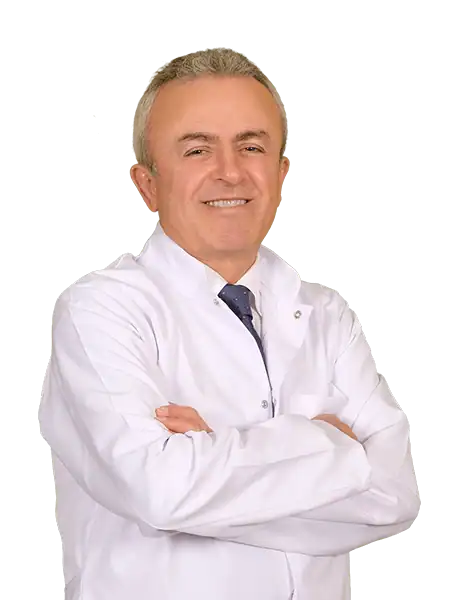
Prof. Dr. Ali Tekin
Urology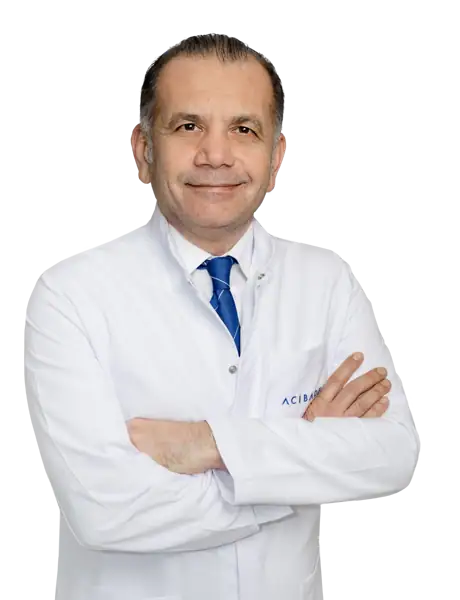
Prof. Dr. Burak Turna
Urology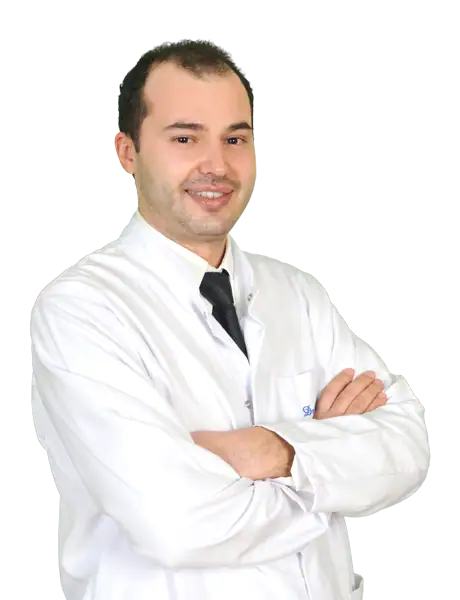
Prof. Dr. Burak Çıtamak
Urology
Prof. Dr. Burak Özkan
Urology
Prof. Dr. Bülent Soyupak
Urology
Prof. Dr. Can Öbek
Urology
Prof. Dr. Cem Akbal
Urology
Prof. Dr. Engin Kaya
Urology
Prof. Dr. Enis Rauf Coşkuner
Urology
Prof. Dr. Fuat Demirel
Urology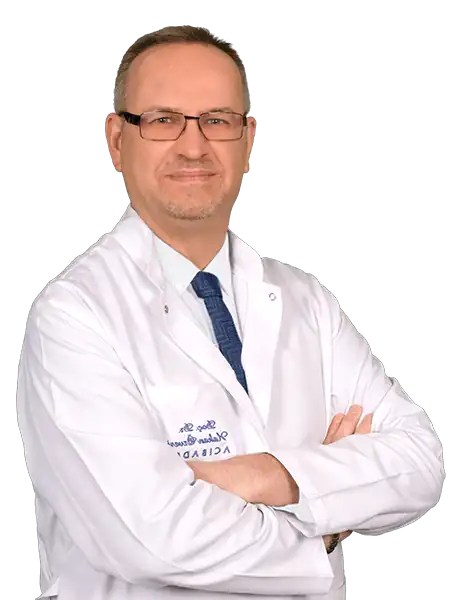
Prof. Dr. Hakan Özveri
Urology
Prof. Dr. Hamdi Karakayalı
General Surgery
Prof. Dr. K. Fehmi Narter
Urology
Prof. Dr. Levent Türkeri
Urology
Prof. Dr. Lütfi Tunç
Urology
Prof. Dr. Murat Şamlı
Urology
Prof. Dr. Mustafa Sofikerim
Urology
Prof. Dr. Mustafa Uğur Altuğ
Urology
Prof. Dr. Ramazan Yavuz Akman
Urology
Prof. Dr. Sinan Zeren
Urology
Prof. Dr. Veli Yalçın
Urology
Prof. Dr. Ömer Öge
UrologyMedical Units
Available at These Hospitals












Diseases This Treats
Frequently Asked Questions
What factors most affect the cost of varicocele treatment?
The final cost depends on the treatment technique, hospital setting, surgeon or interventional radiologist expertise, anaesthesia, diagnostic tests, whether both sides are treated, medications, and follow-up needs. Fertility-related testing or reproductive medicine consultations may also affect the quote.
How can I get a personalised quote before travelling?
You can request a free consultation by sharing medical records, previous ultrasound results, semen analysis if available, symptoms, fertility goals, and any prior treatments. The medical team can review your case and provide a personalised treatment plan and cost estimate.
Is microsurgical varicocelectomy more expensive than embolization?
Costs vary by hospital and country. Microsurgical repair may involve operating room, anaesthesia, and surgeon fees, while embolization may involve interventional radiology, imaging, and specialised materials. A specialist will advise which option is clinically suitable before cost is finalised.
Does a package usually include tests and follow-up?
Some packages include consultation, basic diagnostics, the procedure, medications, and follow-up guidance, while others separate these items. It is important to confirm exactly what is included, such as Doppler ultrasound, semen analysis, anaesthesia, hospital stay, translation, and post-treatment review.
Will varicocele treatment improve fertility outcomes?
Treatment may improve semen parameters for some patients, but results depend on the varicocele, baseline semen quality, hormone status, partner factors, age-related fertility considerations, and other medical issues. A fertility-focused specialist assessment is recommended.
Is this information medical or financial advice?
No. This is general educational information and does not replace a consultation with a qualified specialist or a formal quotation. A free consultation can help determine suitability, expected care steps, and an individual cost estimate.