Implantable Defibrillators: Preventing Dangerous Heart Rhythms
An implantable cardioverter-defibrillator, or ICD, continuously monitors heart rhythm and can deliver therapy for dangerous fast rhythms. ICDs are most often considered for people with a high risk of ventricular tachycardia, ventricular fibrillation, or sudden cardiac arrest.
Key Takeaways
- An implantable cardioverter-defibrillator, or ICD, continuously monitors heart rhythm and can deliver therapy for dangerous fast rhythms.
- ICDs are most often considered for people with a high risk of ventricular tachycardia, ventricular fibrillation, or sudden cardiac arrest.
- Implantation is usually performed under local anesthesia with sedation, and most patients need regular device checks afterward.
- Living with an ICD includes practical precautions around wound care, physical activity, driving, travel, and strong electromagnetic fields.
- A shock from an ICD should be reported to the care team; urgent help is needed if symptoms are severe, repeated, or associated with fainting or chest pain.
Implantable defibrillators are small cardiac devices that monitor the heartbeat and treat certain life-threatening rhythm problems when they occur. For selected patients, an ICD can be an important part of preventing sudden cardiac arrest and supporting safer long-term heart care.
Overview
Implantable defibrillators, also called implantable cardioverter-defibrillators or ICDs, are small medical devices placed under the skin to help protect people at risk of dangerous heart rhythms. These rhythm problems usually begin in the lower chambers of the heart, the ventricles. When the ventricles beat too fast or in a chaotic way, the heart may not pump blood effectively to the brain and body.
An ICD continuously watches the heart rhythm. If it detects certain abnormal rhythms, it can provide treatment within seconds. Depending on the rhythm, the device may deliver painless pacing impulses or a stronger shock to restore a safer heartbeat. This treatment can be lifesaving for people at risk of ventricular tachycardia or ventricular fibrillation.
Although an ICD can treat a dangerous rhythm when it occurs, it does not cure the underlying heart condition. Patients usually continue to need medical follow-up, heart medicines, lifestyle care, and treatment of related conditions such as coronary artery disease, heart failure, or inherited rhythm disorders. The decision to implant an ICD is made carefully by a cardiology team after reviewing the patient’s individual risk and overall health.
How an ICD Works
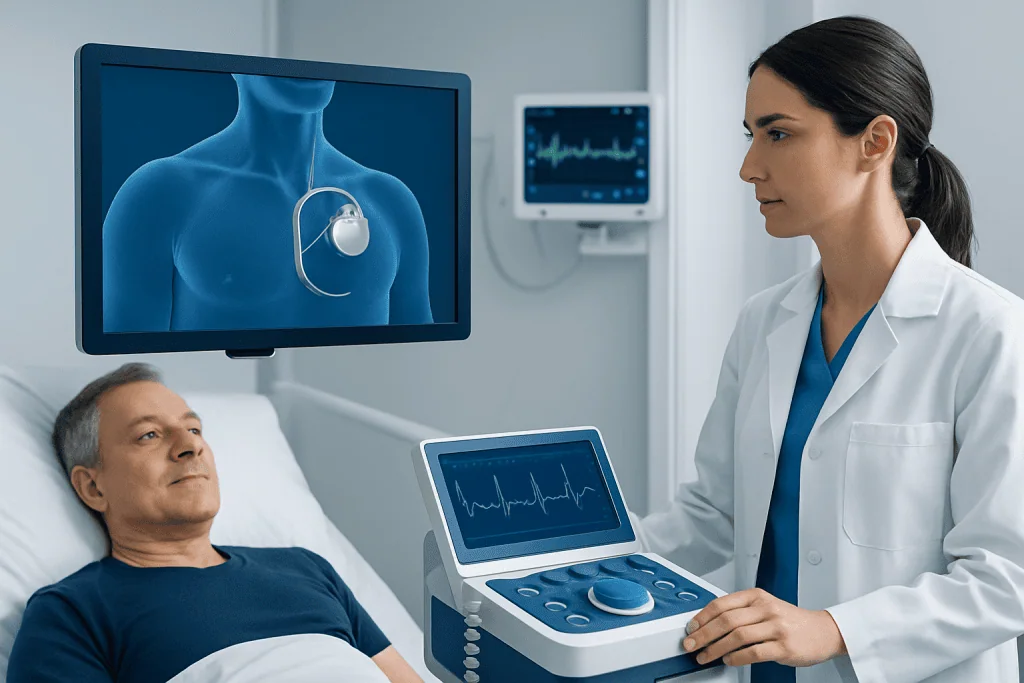
An ICD system generally has two main parts: a pulse generator and one or more leads. The pulse generator contains the battery and computer circuitry and is usually placed under the skin of the upper chest. Leads are thin insulated wires that connect the device to the heart and allow it to sense the heartbeat and deliver therapy when needed.
The device is programmed to recognize heart rates and rhythm patterns that may be dangerous. If the rhythm is too fast but organized, the ICD may first try anti-tachycardia pacing. This means it sends a series of small electrical impulses that may interrupt the abnormal rhythm without the patient feeling much. If the rhythm is very dangerous or does not respond to pacing, the ICD can deliver a defibrillation shock.
Some ICDs also provide pacemaker support if the heart beats too slowly. Others can be combined with cardiac resynchronization therapy, known as CRT-D, for certain people with heart failure and abnormal electrical timing between the heart’s chambers. The type of device depends on the patient’s diagnosis, heart function, rhythm history, anatomy, and treatment goals.
Who May Need an Implantable Defibrillator
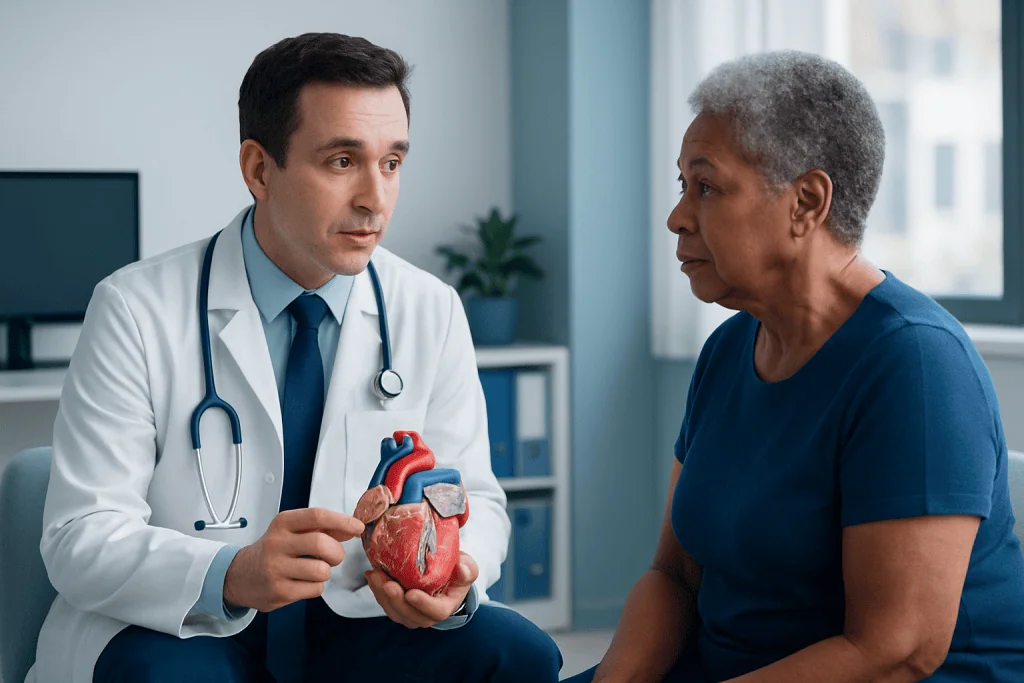
An ICD may be recommended for people who have already survived sudden cardiac arrest or have had sustained ventricular tachycardia. This is known as secondary prevention, because the device is used after a serious rhythm event has already happened. In these patients, the risk of another event may be high enough that an ICD provides important protection.
An ICD may also be considered for primary prevention, meaning before a life-threatening rhythm has occurred. This is most common in selected patients with significantly reduced pumping function of the heart, often measured as a low ejection fraction, especially when the risk remains despite appropriate medical therapy. The cardiologist will consider how long the heart function has been reduced, whether the condition may improve, and whether other treatments have been optimized.
Other groups may also be evaluated for an ICD, including some patients with inherited heart rhythm disorders, certain cardiomyopathies, or structural heart diseases associated with sudden cardiac arrest. Examples include hypertrophic cardiomyopathy, arrhythmogenic cardiomyopathy, long QT syndrome, Brugada syndrome, and some forms of congenital heart disease. Not every person with these diagnoses needs an ICD; risk assessment is individualized.
Symptoms and Warning Signs of Dangerous Heart Rhythms
Some dangerous heart rhythms occur suddenly and without warning. In other cases, a person may notice symptoms before the rhythm becomes severe. These symptoms can overlap with many other heart and non-heart conditions, so medical evaluation is important rather than assuming the cause.
Possible symptoms include palpitations, a racing or pounding heartbeat, dizziness, lightheadedness, shortness of breath, chest discomfort, unexplained fatigue, or feeling as though one may faint. A sudden loss of consciousness may suggest that the brain is not receiving enough blood flow and should always be taken seriously.
Emergency medical care is needed if a person has fainting, severe chest pain, severe shortness of breath, signs of stroke, or collapse. For someone who already has an ICD, urgent help is also appropriate after repeated shocks, a shock with ongoing symptoms, or any shock followed by feeling unwell. The ICD can treat an arrhythmia, but the medical team still needs to understand why it happened.
Causes and Risk Factors
Dangerous ventricular rhythms often occur because the heart muscle or electrical system has been damaged or is structurally abnormal. Coronary artery disease and previous heart attack are common causes because scarred heart tissue can disrupt normal electrical signals. Heart failure and cardiomyopathy can also increase risk, especially when the heart’s pumping function is reduced.
Some rhythm problems are related to inherited conditions that affect the heart’s ion channels or muscle structure. In these cases, a person may have a family history of sudden unexplained death, fainting, or known genetic heart disease. Genetic counseling and family screening may be recommended when an inherited condition is suspected.
Risk can also be influenced by inflammation of the heart muscle, significant valve disease, congenital heart conditions, electrolyte abnormalities, certain medicines, stimulant use, or untreated sleep apnea. Managing these contributors may reduce arrhythmia burden, although it may not remove the need for an ICD in higher-risk patients.
Risk assessment is not based on one factor alone. Cardiologists usually combine information from the medical history, physical examination, electrocardiogram, imaging tests, rhythm monitoring, blood tests, and sometimes specialized electrophysiology studies to determine whether an ICD is appropriate.
Diagnosis and Pre-Implant Evaluation
Before recommending an ICD, the care team evaluates both the risk of dangerous rhythm problems and the patient’s general ability to benefit from the device. This includes reviewing previous heart events, fainting episodes, hospital records, medicines, family history, and the presence of other medical conditions. The patient’s preferences and lifestyle are also part of shared decision-making.
Common tests may include an electrocardiogram, echocardiogram, ambulatory rhythm monitoring, exercise testing, cardiac magnetic resonance imaging, coronary imaging, or blood tests. In some patients, an electrophysiology study may be used to assess the heart’s electrical pathways and arrhythmia risk. The exact evaluation varies depending on the suspected cause.
The team also considers timing. For example, after a recent heart attack or a new diagnosis of heart failure, doctors may first allow time for recovery and optimization of medicines when appropriate. If heart function improves, an ICD may no longer be needed. If high risk persists, implantation may be recommended.
Implantation, Treatment Options, and Follow-Up
ICD implantation is usually performed in a cardiac procedure room or operating suite. Most procedures are done with local anesthesia to numb the area and sedation to help the patient feel comfortable. The doctor places the pulse generator under the skin, most often below the collarbone, and guides the lead or leads through a vein into the heart. Device function is checked before the incision is closed.
Some patients may be candidates for a subcutaneous ICD, which is placed under the skin with a lead that does not enter the heart or blood vessels. This option may be useful for selected people who need defibrillation protection but do not require pacing support. The choice between transvenous and subcutaneous systems depends on rhythm needs, anatomy, infection risk, age, and physician assessment.
After implantation, patients receive instructions for wound care, arm movement, activity limits, and signs of infection. Follow-up visits are needed to check the incision, review device settings, assess battery status, and identify any arrhythmia episodes. Many modern devices can also be monitored remotely, allowing the care team to receive selected device information between clinic visits.
An ICD battery typically lasts for years, but it will eventually need replacement. Replacement usually involves changing the pulse generator while keeping usable leads in place, although lead management is individualized. Regular follow-up helps plan replacement before the battery is depleted.
Living With an ICD: Prevention, Self-Care, and When to Seek Help
Most people return to many usual activities after recovery, but safe living with an ICD includes following the cardiologist’s guidance. Patients should take prescribed medicines as directed, attend device checks, and keep a record of symptoms, shocks, or changes in health. Healthy habits such as not smoking, staying physically active within medical advice, limiting alcohol if recommended, managing blood pressure, and treating diabetes or sleep apnea can support overall heart health.
Patients should ask their doctor about driving, work, exercise, and sexual activity because recommendations vary by diagnosis, local rules, and whether recent arrhythmias or shocks have occurred. Travel is often possible, but patients should carry an ICD identification card and tell airport security staff they have an implanted device. Handheld security wands should not be held over the device for long periods.
Everyday electronics such as mobile phones and household appliances are usually safe when used normally. However, strong electromagnetic fields can interfere with device function. Patients should discuss precautions for industrial equipment, welding tools, powerful magnets, MRI scanners, and certain medical procedures. Some ICD systems are MRI-conditional, but scanning must be planned with the device and cardiology teams.
Patients should contact their care team if they receive an ICD shock, notice redness or swelling at the device site, develop fever, feel new palpitations, or have worsening shortness of breath. Emergency care is needed for repeated shocks, fainting, chest pain, severe breathlessness, or symptoms that do not improve. Acibadem International’s multidisciplinary cardiology and electrophysiology teams in JCI-accredited hospitals diagnose and treat heart rhythm disorders for international patients, including ICD assessment and follow-up when appropriate.
Frequently asked questions
What is the difference between a pacemaker and an ICD?
A pacemaker mainly treats a heart rhythm that is too slow by sending small electrical impulses to keep the heartbeat regular. An ICD can also provide pacing in some cases, but its main purpose is to detect and treat dangerous fast rhythms from the ventricles. Some devices combine both functions when a patient needs them.
Does an ICD prevent all heart rhythm problems?
An ICD does not prevent every arrhythmia from starting. Instead, it monitors the heart and treats certain dangerous rhythms when they occur. Patients may still need medicines, procedures, lifestyle care, or treatment of the underlying heart condition.
What does an ICD shock feel like?
Some patients describe a defibrillation shock as a sudden jolt or thump in the chest, while others may not remember it if they fainted before the shock. Anti-tachycardia pacing may not be felt at all. Any ICD shock should be reported to the care team so the episode can be reviewed.
Can a person exercise with an ICD?
Many people with an ICD can be physically active after recovery, but the safest type and intensity of exercise depend on the heart condition and recent rhythm history. The cardiologist may recommend a gradual return to activity or supervised cardiac rehabilitation. Contact sports may be restricted because a blow to the device area can damage the system.
Are mobile phones and household electronics safe with an ICD?
Most everyday electronics are safe when used normally. Patients are often advised to keep mobile phones a short distance from the device site and avoid placing them directly over the ICD. Strong magnets and powerful electromagnetic fields require special precautions and should be discussed with the device clinic.
How often does an ICD need to be checked?
Follow-up schedules vary depending on the device type, the patient’s condition, and whether remote monitoring is used. Checks are usually more frequent soon after implantation and then continue at regular intervals. These visits help review device function, battery status, lead performance, and any arrhythmia episodes.
Can an ICD be removed or replaced?
The pulse generator is replaced when the battery approaches the end of its service life. Complete removal may be needed in selected situations, such as infection or certain lead problems, but this decision requires specialist evaluation. Patients should not stop follow-up even if they feel well, because device management is long-term care.
This article is for general information only and is not a substitute for professional medical advice. Please consult a qualified doctor about your individual situation.
Heart care in Turkey — expert evaluation and treatment
JCI-accredited · board-certified surgeons · reply within 24h
Add us as a Preferred Source to see more of our trusted health content across Google Search, AI Overviews and Discover.

Cardiology Department
Diagnosis and treatment of heart and vascular conditions, from prevention to advanced interventional procedures.
93 specialists in this unitRelated Treatments
Related Conditions
More from the Health Library

Blood Transfusion During CABG: When It Is Needed and How Safety Is Managed

Robotic-Assisted Heart Bypass Surgery: Benefits, Limits, and Patient Selection

Anemia Before CABG: Why Hemoglobin Levels Matter for Surgery

Deep Vein Thrombosis: Early Signs, Risk Factors, and Urgent Treatment

Aortic Aneurysm: How It Is Found and When Surgery Is Needed