PCOS and Fertility: Ovulation Problems and Treatment Choices

PCOS can affect fertility mainly by causing irregular or absent ovulation, which makes it harder to predict or achieve pregnancy. Diagnosis usually combines menstrual history, signs or blood tests of androgen excess, ultrasound findings, and exclusion of other hormone conditions.
Key Takeaways
- PCOS can affect fertility mainly by causing irregular or absent ovulation, which makes it harder to predict or achieve pregnancy.
- Diagnosis usually combines menstrual history, signs or blood tests of androgen excess, ultrasound findings, and exclusion of other hormone conditions.
- Lifestyle measures can support ovulation and pregnancy health, especially when insulin resistance or excess weight is present.
- Ovulation induction medicines, particularly letrozole in many guidelines, are common first-line fertility treatments for PCOS.
- IVF may be considered when ovulation induction is unsuccessful, when there are additional fertility factors, or when faster treatment is appropriate.
- A fertility plan should be individualized and monitored to reduce risks such as multiple pregnancy and ovarian hyperstimulation.
Polycystic ovary syndrome is one of the most common hormonal causes of irregular ovulation, but many people with PCOS can conceive with the right evaluation and treatment plan. Care may include lifestyle support, ovulation-inducing medicines, monitoring, or assisted reproductive treatments such as IVF.
Overview
Polycystic ovary syndrome, often called PCOS, is a common hormonal condition that can affect menstrual cycles, skin and hair changes, metabolism, and fertility. The name can be confusing because not every person with PCOS has visible ovarian cysts, and the small fluid-filled follicles seen on ultrasound are not the same as harmful cysts. PCOS is best understood as a pattern of hormone imbalance that may interfere with regular ovulation.
For fertility, the most important issue is often anovulation or oligo-ovulation, meaning ovulation happens rarely or unpredictably. Without regular release of an egg, the chance of conception in any given cycle is lower, and timing intercourse or insemination becomes more difficult. However, PCOS-related infertility is often treatable, and many patients conceive with structured care.
Treatment choices depend on age, menstrual pattern, weight and metabolic health, how long pregnancy has been attempted, previous treatments, and whether there are other fertility factors such as sperm problems or blocked fallopian tubes. A careful diagnosis helps avoid unnecessary delays and supports a safe, step-by-step plan.
How PCOS Affects Ovulation and Fertility
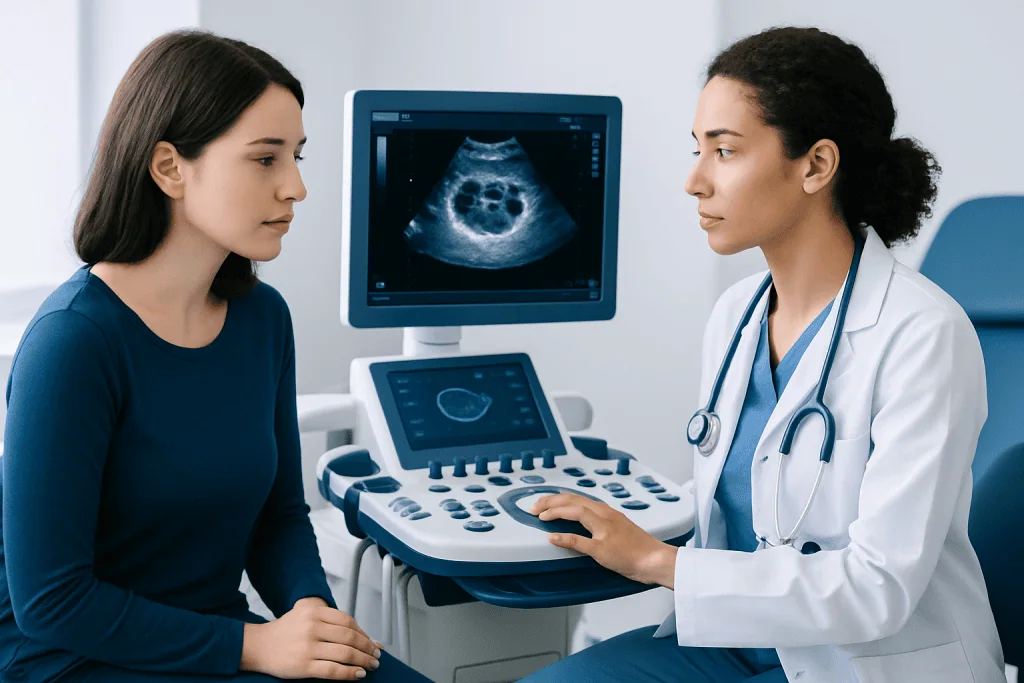
In a typical menstrual cycle, the brain and ovaries communicate through hormones that help one follicle mature and release an egg. In PCOS, this communication can become disrupted. Higher androgen levels, insulin resistance, and altered luteinizing hormone patterns may prevent a dominant follicle from developing normally, so ovulation may be delayed or absent.
Irregular cycles are a useful clue. Cycles that are consistently longer than about 35 days, very unpredictable, or absent for several months may suggest that ovulation is not occurring regularly. Some people with PCOS do ovulate occasionally, which means spontaneous pregnancy can still happen, but the timing is harder to identify.
PCOS can also influence fertility through related health factors. Insulin resistance may contribute to weight gain and higher androgen production. Excess weight, when present, can further reduce ovulation frequency, while even modest weight loss may improve cycle regularity for some patients. PCOS is also associated with a higher risk of early pregnancy complications in some individuals, so preconception care is important.
Symptoms and Signs That May Suggest PCOS
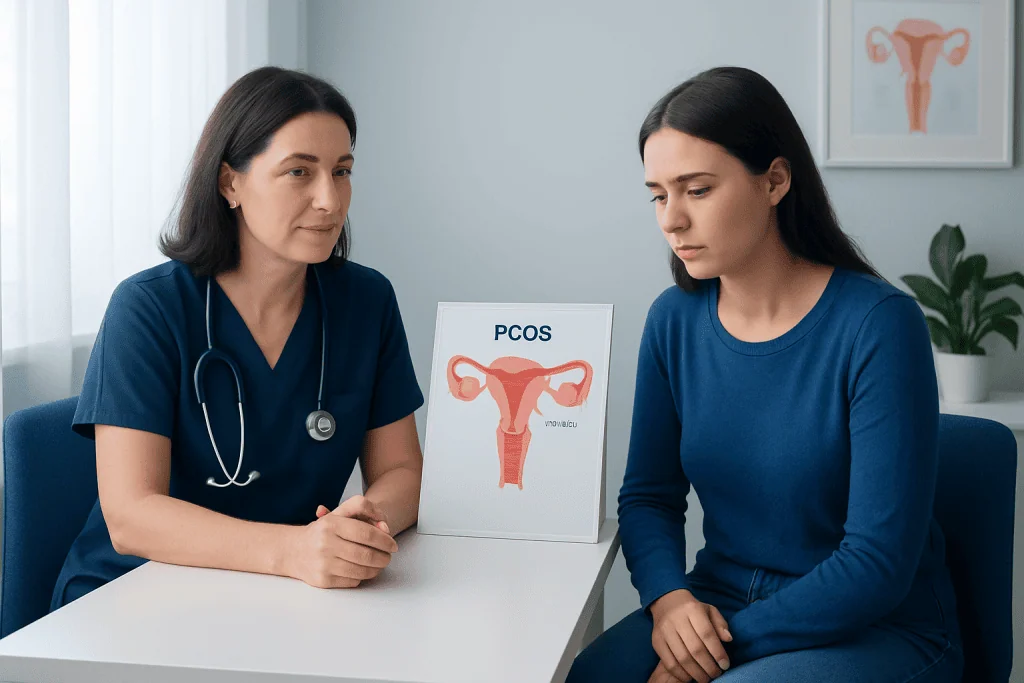
PCOS symptoms vary widely. Some patients have mild cycle changes, while others have more noticeable symptoms related to androgen excess or insulin resistance. Symptoms may begin soon after the first menstrual periods, but PCOS can also become more obvious later, especially when a person starts trying to conceive.
Common symptoms and signs include:
- Irregular, infrequent, or absent menstrual periods
- Difficulty predicting ovulation or timing intercourse
- Acne, especially persistent adult acne
- Increased facial or body hair growth, known as hirsutism
- Thinning hair on the scalp in a pattern related to androgens
- Weight gain or difficulty losing weight, although PCOS can occur at any body size
- Dark, velvety skin patches in body folds, which may be linked to insulin resistance
Having one symptom does not automatically mean a person has PCOS. Irregular periods and acne can have other causes, including thyroid disease, high prolactin levels, certain medicines, stress, intense exercise, or other endocrine conditions. A medical assessment is the safest way to identify the cause and choose appropriate treatment.
Causes and Risk Factors
The exact cause of PCOS is not fully understood. It is considered a complex condition involving genetic tendency, ovarian hormone production, insulin metabolism, and environmental influences. Family history is common, and PCOS or related features such as type 2 diabetes may be seen among close relatives.
Insulin resistance is an important factor for many patients. When the body needs more insulin to keep blood sugar controlled, higher insulin levels may stimulate the ovaries to produce more androgens. These androgens can interfere with follicle development and ovulation. Not everyone with PCOS has insulin resistance, but screening for metabolic health is often recommended.
Risk factors and associated features may include a family history of PCOS, irregular cycles since adolescence, excess body weight, gestational diabetes history, or signs of androgen excess. PCOS can also be present in people with a normal body mass index, so diagnosis should not be based on weight alone. A respectful, individualized approach is essential because symptoms and priorities differ from patient to patient.
Diagnosis and Fertility Evaluation
PCOS is usually diagnosed using a combination of clinical history, examination, blood tests, and sometimes pelvic ultrasound. Many clinicians use criteria that include two of the following after excluding other causes: irregular or absent ovulation, clinical or laboratory signs of higher androgens, and polycystic ovarian appearance on ultrasound. The details may be adjusted for adolescents and for people using hormonal contraception.
Blood tests may assess androgen levels and exclude other hormone conditions, such as thyroid disease, high prolactin, non-classic congenital adrenal hyperplasia, or rarer causes of androgen excess. Metabolic assessment may include blood glucose or HbA1c and cholesterol testing, because PCOS can be associated with insulin resistance and cardiometabolic risks. Pregnancy testing is also important if periods are missed.
When the goal is pregnancy, the evaluation should not stop at PCOS alone. A fertility specialist may also recommend a semen analysis for the partner, assessment of fallopian tube openness, review of ovarian reserve markers, and confirmation of ovulation patterns. This broader approach helps avoid treating ovulation problems while missing another factor that could affect success.
Treatment Options for Getting Pregnant
Treatment usually begins with the least invasive effective option, but the right starting point depends on the full fertility picture. If there are no major sperm or tubal problems, the first goal is often to help ovulation happen predictably. Cycle monitoring may include ultrasound scans, blood hormone tests, or urine ovulation testing, depending on the treatment plan.
Lifestyle care may be recommended before or alongside fertility medicines. For patients with excess weight, a modest weight reduction can sometimes improve ovulation and response to treatment, though weight loss is not required before every patient can receive care. Balanced nutrition, regular physical activity, adequate sleep, and treatment of insulin resistance or prediabetes can support reproductive and general health.
Ovulation induction medicines are commonly used for PCOS-related infertility. Letrozole is recommended as a first-line option in many current fertility guidelines for anovulatory PCOS, while clomiphene citrate is another established option. Metformin may be used in selected patients, especially when insulin resistance, impaired glucose tolerance, or certain metabolic concerns are present; it may also be combined with other treatments. Injectable gonadotropins can be effective but require careful monitoring because they carry a higher risk of multiple follicle development.
In vitro fertilization, or IVF, may be considered when ovulation induction has not led to pregnancy, when there are additional fertility factors, or when treatment needs to be more controlled. IVF allows eggs to be collected after ovarian stimulation and fertilized in a laboratory, with embryo transfer planned afterward. People with PCOS may be more sensitive to ovarian stimulation, so clinicians often use individualized protocols to reduce the risk of ovarian hyperstimulation syndrome and to optimize safety.
Prevention, Self-care, and Preparing for Pregnancy
PCOS itself cannot always be prevented, but its effects on health and fertility can often be managed. Self-care is not a substitute for medical treatment, yet it can improve cycle health, metabolic markers, and readiness for pregnancy. The aim is sustainable change rather than restrictive dieting or rapid weight loss.
Helpful steps may include eating regular meals with fiber-rich carbohydrates, lean proteins, healthy fats, vegetables, and fruit; engaging in both aerobic and resistance exercise as tolerated; limiting smoking and alcohol; and prioritizing sleep. Folic acid supplementation is generally recommended before pregnancy, but the right prenatal supplement should be discussed with a healthcare professional, especially if there are other medical conditions.
Patients should also review medicines and supplements with a doctor before trying to conceive. Some acne or hair-growth treatments used in PCOS are not suitable during pregnancy. Supplements marketed for PCOS, such as inositol products, may interest some patients, but evidence and product quality vary, so they should be used only after medical advice.
When to See a Doctor
A healthcare professional should be consulted if menstrual cycles are very irregular, periods stop for several months, there are signs of androgen excess, or pregnancy has not occurred after a reasonable period of trying. Many guidelines suggest earlier fertility evaluation for people over 35 or when cycles are clearly irregular, because waiting for a full year may not be helpful if ovulation is infrequent.
Medical advice is also important before starting ovulation medicines. These treatments should be prescribed and monitored by qualified clinicians to confirm the right diagnosis, reduce the risk of multiple pregnancy, and adjust treatment safely. Seek prompt care for severe pelvic pain, heavy abnormal bleeding, sudden worsening of androgen symptoms, or pregnancy symptoms with pain or bleeding.
For international patients seeking coordinated care, Acibadem International provides diagnosis and treatment for PCOS-related fertility concerns through multidisciplinary specialists in JCI-accredited hospitals. Patients should discuss their individual history, test results, and goals with a fertility specialist to choose the most appropriate next step.
Frequently asked questions
Can a person with PCOS get pregnant naturally?
Yes. Some people with PCOS ovulate from time to time and can conceive naturally, although cycles may be unpredictable. If periods are irregular or pregnancy is not occurring, a doctor can check whether ovulation is happening and recommend treatment if needed.
How does PCOS cause infertility?
PCOS most often affects fertility by disrupting ovulation. If an egg is not released regularly, there are fewer opportunities for sperm and egg to meet. Hormonal imbalance and insulin resistance can also influence cycle regularity and pregnancy health.
What is the first fertility treatment for PCOS?
For many patients with anovulatory PCOS and no major sperm or tubal problems, ovulation induction is the first medical treatment. Letrozole is commonly recommended as a first-line option in many guidelines, while clomiphene citrate and metformin may be appropriate in selected situations. The choice should be individualized and monitored.
Does weight loss always restore ovulation in PCOS?
Not always. In patients with excess weight, modest weight loss may improve ovulation and treatment response, but it is not a guaranteed cure. People with PCOS at any body size may need medical support to regulate ovulation and improve fertility chances.
When is IVF recommended for PCOS?
IVF may be recommended if ovulation induction does not lead to pregnancy, if there are additional fertility factors such as blocked tubes or significant sperm problems, or if a faster or more controlled approach is needed. PCOS patients often need carefully tailored stimulation protocols to reduce the risk of over-response.
Are irregular periods the same as not ovulating?
Irregular periods often suggest irregular ovulation, but they do not prove it in every case. Some people ovulate late, and some may bleed without ovulating. Blood tests, ultrasound monitoring, or other cycle tracking methods can help confirm what is happening.
Should PCOS be treated before pregnancy?
Preconception care is recommended. This may include checking blood sugar, thyroid function when indicated, medications, supplements, weight and nutrition goals, and other fertility factors. Optimizing health before pregnancy can support safer treatment and pregnancy planning.
This article is for general information only and is not a substitute for professional medical advice. Please consult a qualified doctor about your individual situation.
IVF & fertility treatment in Turkey — success rates and costs
JCI-accredited · board-certified surgeons · reply within 24h
Add us as a Preferred Source to see more of our trusted health content across Google Search, AI Overviews and Discover.
Check your numbers in seconds
BMI, calories, due date, blood pressure and 30+ more clinical calculators — free, instant, doctor-reviewed ranges.

Related Treatments
Related Conditions
More from the Health Library

IVF Step by Step: From Stimulation to Embryo Transfer

What Does Fertile Mean? Signs and Timing of the Most Fertile Days

Egg Retrieval in IVF: Timing, Sedation, and Recovery

IVF for Unexplained Infertility: Tests, Treatment Steps, and Expectations

PCOS and Infertility: Why Ovulation Becomes Irregular

IVF After Tubal Ligation: Options, Testing, and Success Factors
Gynecology & Obstetrics Specialists at Acibadem
Assoc. Prof. Dr. Arzu Yurci
Gynecology & Obstetrics
Dr. Asmar Hasanova
Gynecology & Obstetrics
Dr. Ayberk Çakır
Gynecology & Obstetrics
Dr. Ayfer Pepekal Kükrer
Gynecology & Obstetrics