IVF for Low Ovarian Reserve: Options, Limits, and Expectations

Low ovarian reserve affects egg quantity more than it directly measures egg quality; age remains the strongest predictor of egg quality. IVF may help by retrieving available eggs, fertilizing them in the laboratory, and selecting suitable embryos for transfer.
Key Takeaways
- Low ovarian reserve affects egg quantity more than it directly measures egg quality; age remains the strongest predictor of egg quality.
- IVF may help by retrieving available eggs, fertilizing them in the laboratory, and selecting suitable embryos for transfer.
- Some patients produce few or no eggs in a cycle, so expectations should include the possibility of cancelled cycles or multiple attempts.
- Treatment plans may include adjusted stimulation protocols, ICSI, embryo freezing, genetic testing in selected cases, or donor eggs.
- A fertility specialist can interpret AMH, antral follicle count, FSH, medical history, and partner factors together before recommending a plan.
Low ovarian reserve means the ovaries may contain fewer remaining eggs or respond less strongly to fertility medication. IVF can still be an option, but realistic planning, individualized stimulation, and careful counseling are essential.
Overview
IVF for low ovarian reserve is a fertility treatment approach for people whose ovaries are expected to produce fewer eggs during stimulation. Low ovarian reserve, also called diminished ovarian reserve, does not mean pregnancy is impossible. It means the window for using a patient’s own eggs may be narrower, and treatment planning should be timely and realistic.
Ovarian reserve refers mainly to the number of eggs remaining in the ovaries. It is usually estimated with blood tests such as anti-Müllerian hormone, or AMH, and ultrasound assessment of the antral follicle count. These tests help predict how the ovaries may respond to fertility medications, but they cannot perfectly predict whether an egg will become a healthy embryo or pregnancy.
In IVF treatment, the ovaries are stimulated with hormones so that available follicles may grow. Eggs are then collected, fertilized with sperm in the laboratory, and embryos are monitored before transfer or freezing. For patients with low ovarian reserve, the main challenge is often obtaining enough eggs and embryos to create a reasonable chance of pregnancy.
What Low Ovarian Reserve Means for IVF
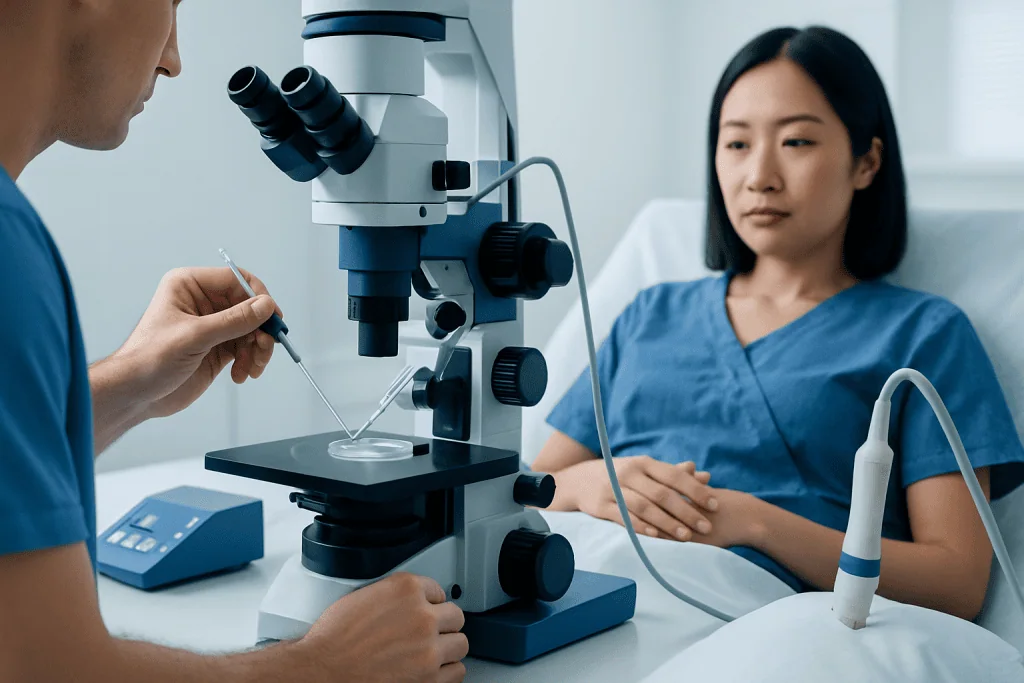
Low ovarian reserve usually means fewer eggs are available to be recruited in a given cycle. During IVF, this may lead to fewer mature eggs retrieved, fewer fertilized eggs, and fewer embryos suitable for transfer or freezing. Some cycles may produce only one egg, while others may not reach egg retrieval if the response is very low.
It is important to separate egg quantity from egg quality. AMH and antral follicle count are helpful for estimating the expected number of eggs, but they do not directly measure the genetic health of those eggs. Age is one of the strongest influences on egg quality, because the chance of chromosomal abnormalities in eggs generally increases with age.
For a younger patient with low ovarian reserve, the number of eggs may be low, but the chance that an individual egg is genetically normal may be better than in an older patient. For an older patient, both egg number and egg quality may be limiting factors. This is why fertility specialists assess ovarian reserve results together with age, menstrual history, prior IVF response, sperm factors, uterine health, and overall medical history.
Symptoms, Testing, and Diagnosis
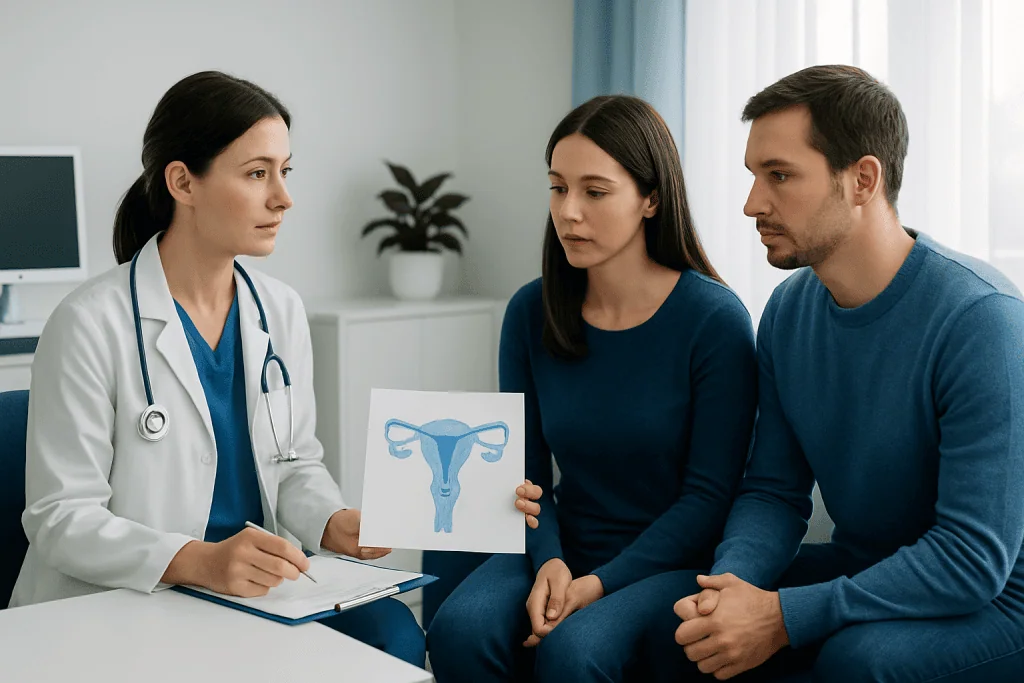
Low ovarian reserve often has no obvious symptoms. Some patients have regular periods and only discover the issue during fertility testing. Others may notice shorter menstrual cycles, missed periods, or signs that perimenopause is approaching, but these signs are not required for the diagnosis.
Common tests include AMH, follicle-stimulating hormone, or FSH, estradiol levels early in the menstrual cycle, and transvaginal ultrasound to count small resting follicles. AMH is often used because it can be checked at many points in the cycle and helps estimate ovarian response. FSH and estradiol are usually interpreted together, because a high estradiol level can sometimes mask an elevated FSH result.
A diagnosis should not be based on one number alone. Test results can vary by laboratory, age, contraceptive use, recent ovarian surgery, and other factors. A fertility specialist may repeat testing or combine results with a previous response to stimulation before advising whether IVF, fertility preservation, or another pathway is most appropriate.
Causes and Risk Factors
The most common reason for reduced ovarian reserve is natural aging. Egg number declines throughout life, and the pace of decline can vary widely from one person to another. Some people have lower reserve earlier than expected, even in their 20s or 30s.
Other possible contributors include previous ovarian surgery, endometriosis, chemotherapy or pelvic radiation, autoimmune conditions, genetic factors, smoking, and a family history of early menopause. In many cases, no clear cause is found. Having low AMH can feel discouraging, but it is a medical finding rather than a personal failure.
Low ovarian reserve may be part of a wider fertility picture. Tubal disease, uterine conditions, ovulation disorders, and male-factor infertility can also influence treatment choices. A complete evaluation for female infertility and, when relevant, semen analysis for the male partner help the care team avoid focusing on ovarian reserve alone.
IVF Treatment Options and Strategies
There is no single best IVF protocol for every patient with low ovarian reserve. Some patients may use higher-dose stimulation, while others may benefit from milder protocols designed to recruit the follicles that are available without excessive medication. The goal is not simply to use more medication, but to choose a plan that fits the patient’s ovarian response, age, safety profile, and priorities.
Doctors may adjust the timing and type of stimulation medication, use antagonist or flare protocols, consider luteal-phase stimulation in selected situations, or plan embryo freezing for later transfer. If only a small number of eggs are expected, the clinic may discuss whether to proceed with retrieval when one or two follicles develop or whether cycle cancellation is reasonable. This decision is personal and depends on age, previous results, cost, emotional burden, and the medical outlook.
Fertilization methods may also be individualized. In some cases, especially when sperm factors are present or egg numbers are very limited, intracytoplasmic sperm injection, or ICSI may be recommended to assist fertilization. ICSI does not improve egg quality, but it may reduce the chance of fertilization failure in selected situations.
Some patients consider accumulating embryos over more than one retrieval cycle before transfer. Others may discuss preimplantation genetic testing for aneuploidy, especially at older reproductive ages, although this requires enough embryos to test and is not helpful in every situation. Donor eggs may be discussed when the likelihood of pregnancy with the patient’s own eggs is very low or after repeated unsuccessful cycles.
Limits and Realistic Expectations
IVF can improve the efficiency of trying to conceive, but it cannot create more eggs than the ovaries are able to provide in that cycle. Patients with low ovarian reserve may need to prepare for a lower number of retrieved eggs, fewer embryos, and sometimes no embryo available for transfer. This possibility should be explained clearly before treatment begins.
Success depends on several factors, especially age and embryo quality. A very low AMH result does not mean pregnancy cannot happen, but it may mean fewer opportunities in each IVF cycle. Conversely, a normal or high AMH result does not guarantee pregnancy, because embryo development, uterine receptivity, sperm quality, and chance all play roles.
Emotional expectations are as important as medical expectations. Some patients prefer an aggressive approach with multiple retrieval attempts, while others may choose one carefully planned cycle before reassessing. Clear milestones can help: how many cycles to try, whether to freeze embryos, when to consider donor eggs, and what level of response would lead to changing the plan.
Prevention, Self-Care, and Planning Ahead
There is no proven way to reverse ovarian aging or restore ovarian reserve once it has declined. However, general health measures can support fertility treatment and pregnancy preparation. These include avoiding smoking, moderating alcohol, maintaining a healthy weight when possible, managing chronic conditions, reviewing medications with a doctor, and taking folic acid or prenatal vitamins as advised.
Patients who are not ready to become pregnant but are concerned about declining reserve may ask about fertility preservation. Egg freezing is generally more effective when done at younger ages and before the reserve becomes very low. For some patients, embryo freezing may be an option if sperm is available and personal circumstances support it.
Supplements such as coenzyme Q10, vitamin D, or DHEA are sometimes discussed in fertility care, but evidence varies, and they are not suitable for everyone. Patients should not start hormones or supplements without medical guidance, especially if they have thyroid disease, autoimmune conditions, cancer history, clotting risks, or are already taking prescription medicines.
When to See a Fertility Specialist
A fertility consultation is appropriate if a person has been trying to conceive for 12 months before age 35, for 6 months at age 35 or older, or sooner if there are known risk factors such as irregular periods, previous ovarian surgery, endometriosis, chemotherapy, or a family history of early menopause. Anyone with a low AMH or low antral follicle count should consider timely specialist advice, even if they are not ready for immediate IVF.
Patients should seek care promptly if periods stop unexpectedly, cycles become much shorter, or fertility testing suggests a rapid decline in ovarian reserve. A specialist can explain whether infertility evaluation and treatment should include IVF, intrauterine insemination, fertility preservation, donor eggs, or additional testing.
For international patients, Acibadem International’s multidisciplinary specialists and JCI-accredited hospitals can evaluate and treat low ovarian reserve and related fertility concerns. The most helpful consultation is one that provides individualized probabilities, explains limits without pressure, and supports the patient or couple in making informed choices.
Frequently asked questions
Can IVF work with low ovarian reserve?
Yes, IVF can work for some patients with low ovarian reserve, especially if usable eggs and embryos can be obtained. The chance of success depends strongly on age, egg quality, sperm factors, and previous response to stimulation. A fertility specialist can give a more individualized estimate after testing.
Does low AMH mean poor egg quality?
Low AMH mainly suggests a lower expected number of eggs, not necessarily poor egg quality. Egg quality is influenced most strongly by age, although individual variation exists. A person with low AMH may still produce a healthy embryo, but there may be fewer chances per cycle.
Is high-dose stimulation always better for low ovarian reserve?
Not always. Higher medication doses may help some patients recruit available follicles, but they do not create new follicles or improve egg quality. Some patients respond similarly to milder stimulation, so the protocol should be individualized.
How many eggs are needed for IVF to be worthwhile?
There is no single minimum number that applies to everyone. Some pregnancies occur after retrieval of one or two eggs, but the probability is usually lower when egg numbers are low. The decision to proceed should consider age, prior cycles, emotional readiness, cost, and the patient’s goals.
Should patients with low ovarian reserve consider donor eggs?
Donor eggs may be discussed when ovarian response is repeatedly very low, when embryo quality is consistently poor, or when age-related egg factors make success with own eggs unlikely. This is a personal decision and should be made after careful counseling. Some patients try IVF with their own eggs first, while others choose donor eggs earlier.
Can lifestyle changes improve ovarian reserve?
Lifestyle changes cannot usually increase ovarian reserve or reverse ovarian aging. However, avoiding smoking, optimizing general health, managing chronic conditions, and preparing for pregnancy can support overall fertility care. Any supplements or medications should be discussed with a doctor before use.
References
- European Society of Human Reproduction and Embryology
- American Society for Reproductive Medicine
- National Institute for Health and Care Excellence
- Royal College of Obstetricians and Gynaecologists
- World Health Organization
This article is for general information only and is not a substitute for professional medical advice. Please consult a qualified doctor about your individual situation.
IVF & fertility treatment in Turkey — success rates and costs
JCI-accredited · board-certified surgeons · reply within 24h
Add us as a Preferred Source to see more of our trusted health content across Google Search, AI Overviews and Discover.
Check your numbers in seconds
BMI, calories, due date, blood pressure and 30+ more clinical calculators — free, instant, doctor-reviewed ranges.

Related Treatments
Related Conditions
More from the Health Library



Related Specialists

Prof. Dr. Bülent Tıraş
Gynecology & Obstetrics
Prof. Dr. Mete Güngör
Gynecology & Obstetrics
Prof. Dr. Faruk Suat Dede
Gynecology & Obstetrics
Prof. Dr. Tansu Küçük
Gynecology & Obstetrics