Migraine in Women: Hormones, Pregnancy, and Treatment Planning

Hormonal changes, especially estrogen withdrawal before menstruation, can trigger migraine attacks in some women. Migraine often improves during pregnancy for many patients, but treatment choices require careful review before conception and during breastfeeding.
Key Takeaways
- Hormonal changes, especially estrogen withdrawal before menstruation, can trigger migraine attacks in some women.
- Migraine often improves during pregnancy for many patients, but treatment choices require careful review before conception and during breastfeeding.
- Migraine with aura needs special attention when considering estrogen-containing contraception because vascular risk can be higher in some patients.
- A headache diary helps identify patterns, triggers, medication overuse, and the best timing for preventive strategies.
- Sudden, severe, new, or neurologically unusual headaches should be assessed promptly by a qualified doctor.
Migraine in women can change across menstruation, pregnancy, postpartum recovery, and menopause because estrogen shifts affect the nervous system. A personalized plan can help reduce attacks, choose safer medicines, and prepare for life stages when treatment needs may change.
Overview
Migraine is a neurological disorder that causes recurrent attacks of head pain and other symptoms, such as nausea, light sensitivity, sound sensitivity, and difficulty concentrating. In women, migraine is often closely linked with hormonal changes. This does not mean the pain is psychological or something a person should simply tolerate; migraine involves changes in brain networks, blood vessels, and pain-processing pathways.
Many women notice migraine patterns around menstruation, pregnancy, the postpartum period, perimenopause, or menopause. These patterns can be frustrating, but they can also provide useful information. When a clinician understands when attacks occur and how they respond to treatment, it becomes easier to build a plan that fits the patient’s health goals and life stage.
Care for migraine usually includes both acute treatment for attacks and preventive strategies to reduce frequency or severity. For women who may become pregnant, are pregnant, or are breastfeeding, planning is especially important because some medicines are preferred while others may need to be avoided or changed under medical supervision.
Why Migraine Is More Common in Women
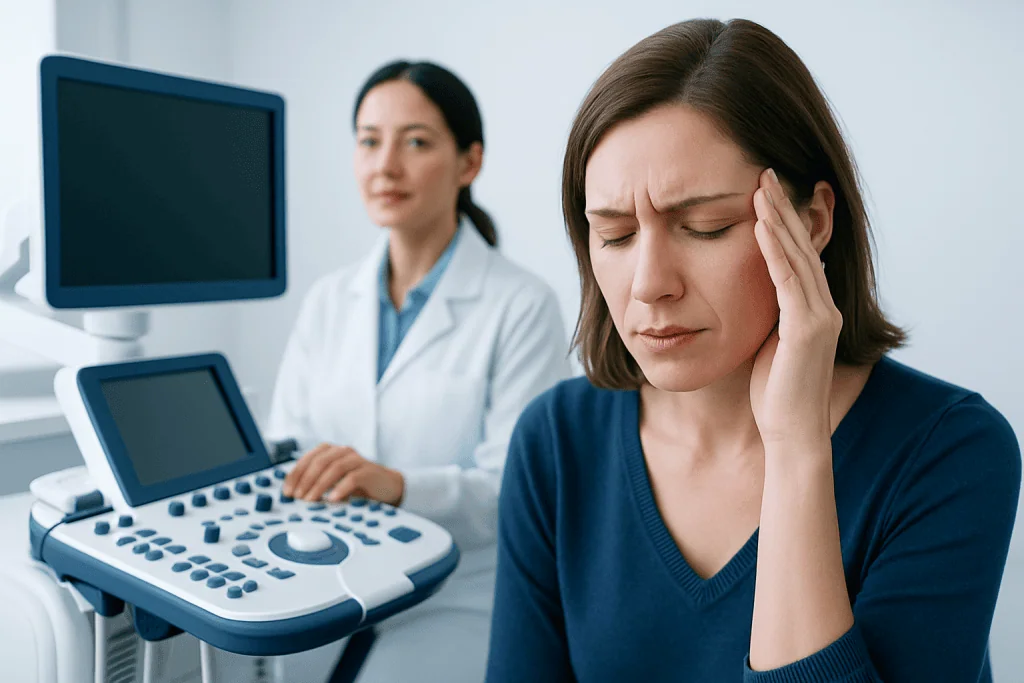
Before puberty, migraine affects boys and girls at similar rates. After puberty, migraine becomes more common in women, and hormones are one important reason. Estrogen can influence brain chemicals involved in pain signaling, including serotonin and other pathways that affect nerve sensitivity. When estrogen levels fall quickly, such as just before a menstrual period, some women become more vulnerable to migraine attacks.
Hormones are not the only factor. Sleep disruption, stress, skipped meals, dehydration, neck tension, certain foods or alcohol, weather changes, and medication overuse can all contribute. In many women, a hormonal shift lowers the threshold for migraine, while other triggers help start the attack.
The pattern can vary widely. Some women have attacks only around menstruation, while others have migraine throughout the month with a noticeable increase before or during their period. A few have migraine with aura, which may include temporary visual symptoms, tingling, speech difficulty, or other neurological symptoms before the headache phase. Aura should always be described clearly to a clinician because it can influence treatment and contraception decisions.
Symptoms and Migraine Patterns in Women

A migraine attack may include several phases. Some people experience a prodrome hours or a day before the headache, with yawning, food cravings, mood changes, neck stiffness, or fatigue. Aura, when present, usually develops gradually and resolves within about an hour. The headache phase often causes throbbing or pulsating pain, commonly on one side, although it can affect both sides. Movement may worsen the pain, and nausea, vomiting, and sensitivity to light, sound, or smell are common.
Menstrual migraine typically occurs from about two days before menstruation to the first few days of bleeding. These attacks may be longer, more intense, or less responsive to usual medicines than attacks at other times. They can interfere with work, family responsibilities, sleep, and emotional well-being, so it is appropriate to seek medical help rather than waiting for symptoms to become disabling.
Keeping a headache diary for at least two or three menstrual cycles can be very helpful. Useful details include:
- The date and time each headache starts and ends
- Menstrual cycle day, pregnancy status, or hormone therapy changes
- Pain location, severity, aura symptoms, nausea, and sensitivities
- Medicines taken and how well they worked
- Sleep, meals, hydration, stress, alcohol, and other possible triggers
Hormones, Contraception, Pregnancy, and Menopause
Hormonal contraception can affect migraine in different ways. Some women improve with more stable hormone levels, while others worsen, especially during hormone-free intervals. Migraine with aura requires particular caution when considering estrogen-containing contraception because it may increase the risk of stroke in some women, especially if other risk factors are present, such as smoking, high blood pressure, clotting disorders, or older age. A doctor can help choose an option that fits the patient’s migraine pattern and overall risk profile.
Pregnancy often changes migraine. Many women, especially those with menstrual migraine, improve during the second and third trimesters when estrogen levels are more stable. Others continue to have attacks, and a smaller group may have new or worsening headaches. Because not all headache in pregnancy is migraine, new, severe, or unusual headaches during pregnancy should be assessed carefully to exclude conditions such as high blood pressure disorders, infection, blood clots, or other neurological problems.
The postpartum period can bring sleep deprivation, stress, dehydration, missed meals, and a sudden fall in estrogen, all of which can trigger migraine. Breastfeeding also affects medication choices. Women planning pregnancy, currently pregnant, or breastfeeding should review both prescription and over-the-counter medicines with a clinician before use, including supplements and herbal products.
During perimenopause, fluctuating estrogen levels can make migraine less predictable. Some women experience worsening attacks for several years before menopause. After menopause, migraine often improves, but this is not universal. Decisions about menopausal hormone therapy should consider migraine type, aura history, vascular risk factors, and the reason hormone therapy is being considered.
Diagnosis and Treatment Planning
Migraine is usually diagnosed through a detailed medical history and neurological examination. A clinician asks about attack frequency, duration, symptoms, aura, menstrual timing, pregnancy plans, other health conditions, and medicine use. Brain imaging is not required for every patient with typical migraine, but it may be recommended if symptoms are new, unusual, rapidly changing, or associated with abnormal examination findings.
A good treatment plan has two parts. Acute treatment aims to stop or reduce an attack once it begins. Preventive treatment aims to reduce how often attacks happen, how severe they are, or how long they last. The best plan depends on attack frequency, disability, other medical conditions, pregnancy considerations, and patient preference.
Acute options may include simple pain relievers, anti-nausea medicines, migraine-specific treatments, or other therapies selected by a doctor. Preventive options may include certain blood pressure medicines, antidepressant-type medicines, anti-seizure medicines, botulinum toxin for chronic migraine, calcitonin gene-related peptide pathway therapies, or non-drug approaches. Not every medicine is suitable during pregnancy or for every patient, so individualized advice is important.
Patients with frequent, disabling, or hormonally complex attacks may benefit from specialized headache medicine care. A specialist can review whether short-term prevention around menstruation, continuous prevention, contraception adjustment, sleep support, or additional testing is appropriate.
Self-Care, Prevention, and Lifestyle Strategies
Lifestyle changes cannot always prevent migraine, but they can raise the threshold for attacks and make treatment more effective. Regular sleep, consistent meals, hydration, gentle physical activity, and stress-management habits can reduce vulnerability. The goal is not perfection; it is to create steady routines that support the nervous system.
Sleep is especially important for women with migraine. Both too little and too much sleep can trigger attacks, and postpartum sleep disruption can be a major challenge. If insomnia, snoring, restless legs, or severe daytime sleepiness is present, evaluation through neurological sleep medicine may be helpful because untreated sleep disorders can worsen headaches.
Self-care strategies that may help include:
- Taking acute medicine early in the attack, as directed by a clinician
- Avoiding frequent use of pain relievers to reduce the risk of medication-overuse headache
- Eating regularly, especially during busy workdays or postpartum recovery
- Limiting alcohol if it is a personal trigger
- Using relaxation breathing, mindfulness, or gentle stretching for stress and muscle tension
- Preparing a pregnancy or travel migraine plan before symptoms become urgent
Supplements such as magnesium, riboflavin, or coenzyme Q10 are sometimes discussed for migraine prevention, but they are not suitable for everyone and should be reviewed with a doctor, particularly during pregnancy, breastfeeding, kidney disease, or when taking other medicines.
When to See a Doctor
A woman should seek medical advice if headaches are frequent, disabling, changing in pattern, or requiring pain medicine often. Consultation is also important before pregnancy, during pregnancy, while breastfeeding, or when starting or changing hormonal contraception or menopausal hormone therapy. A clinician can help balance migraine control with safety, fertility plans, and other health needs.
Urgent medical assessment is recommended for a sudden severe headache, a new headache during pregnancy or soon after delivery, headache with fever or stiff neck, headache after head injury, or headache with weakness, confusion, fainting, vision loss, seizure, or speech difficulty. These symptoms do not always mean a serious condition is present, but they need prompt evaluation.
Visual symptoms can be part of migraine aura, but new, prolonged, or one-sided vision loss should be assessed carefully. In some cases, neuro-ophthalmology evaluation may be appropriate to distinguish migraine-related symptoms from eye or optic nerve conditions.
Acibadem International’s multidisciplinary specialists and JCI-accredited hospitals diagnose and treat migraine and related neurological conditions for international patients. Patients should work with a qualified doctor to create a plan that fits their medical history, medications, and life stage.
Frequently asked questions
Why do migraines happen around menstruation?
Menstrual migraine is often linked to a drop in estrogen just before bleeding starts. This hormonal shift can make the nervous system more sensitive to other triggers such as poor sleep, stress, missed meals, or dehydration. A headache diary can help confirm whether attacks follow a menstrual pattern.
Can migraine improve during pregnancy?
Many women experience fewer migraine attacks during pregnancy, especially in the second and third trimesters. However, some continue to have migraine or develop new headaches. Any new, severe, or unusual headache during pregnancy should be discussed with a doctor.
Are migraine medicines safe in pregnancy?
Some migraine treatments may be used in pregnancy when a clinician considers them appropriate, while others should be avoided or stopped before conception. Safety depends on the medicine, trimester, dose, medical history, and pregnancy risk factors. Women should not start, stop, or change migraine medication during pregnancy without medical guidance.
Does migraine with aura affect birth control choices?
Migraine with aura can influence contraception planning because estrogen-containing methods may increase vascular risk in some women. The overall risk depends on age, smoking, blood pressure, clotting history, and other factors. A doctor can help choose a safer and effective contraceptive option.
What is medication-overuse headache?
Medication-overuse headache can occur when pain-relief or migraine medicines are used too often over time. It may make headaches more frequent and harder to treat. Patients who need acute medicines frequently should ask a doctor about preventive treatment and a safer rescue plan.
Can menopause cure migraine?
Migraine often improves after menopause, particularly when attacks were strongly linked to menstruation. However, some women continue to have migraine, and perimenopause can temporarily worsen symptoms because hormone levels fluctuate. Treatment can be adjusted during this transition.
References
- World Health Organization
- American Migraine Foundation
- International Headache Society
- American College of Obstetricians and Gynecologists
- National Institute for Health and Care Excellence
This article is for general information only and is not a substitute for professional medical advice. Please consult a qualified doctor about your individual situation.
Migraine in Turkey — costs, top hospitals & a free quote
JCI-accredited · board-certified surgeons · reply within 24h
Add us as a Preferred Source to see more of our trusted health content across Google Search, AI Overviews and Discover.
Check your numbers in seconds
BMI, calories, due date, blood pressure and 30+ more clinical calculators — free, instant, doctor-reviewed ranges.

Neurology
Diagnosis and treatment of disorders of the brain, spinal cord, nerves and muscles.
51 specialists in this unit