Thyroid and Prolactin Testing Before IVF: Why Hormone Balance Matters

Thyroid hormones help regulate ovulation, menstrual cycles, implantation and early fetal development. Prolactin is important for breast milk production, but elevated levels outside pregnancy can disrupt ovulation and fertility.
Key Takeaways
- Thyroid hormones help regulate ovulation, menstrual cycles, implantation and early fetal development.
- Prolactin is important for breast milk production, but elevated levels outside pregnancy can disrupt ovulation and fertility.
- Testing usually involves simple blood tests, most often TSH, free T4 and prolactin, with additional tests when needed.
- Abnormal thyroid or prolactin results do not automatically mean IVF must be cancelled, but they may require treatment or monitoring.
- Medication, repeat testing and coordination between fertility and endocrine specialists can help optimize hormone balance before embryo transfer.
Thyroid and prolactin testing before IVF helps fertility teams identify hormone imbalances that may interfere with ovulation, embryo transfer or early pregnancy. When abnormalities are found, many can be managed before treatment continues, supporting a safer and more personalized IVF plan.
Overview: Why Hormone Balance Matters Before IVF
In vitro fertilization is a carefully timed process. Ovarian stimulation, egg retrieval, fertilization, embryo development and embryo transfer all depend on coordinated signals between the brain, ovaries, uterus and hormone-producing glands. For this reason, thyroid and prolactin testing before IVF is often included in the pre-treatment evaluation, especially for patients with irregular periods, known endocrine conditions, previous pregnancy loss or unexplained infertility.
The thyroid gland, located in the neck, produces hormones that influence metabolism, menstrual regularity, ovulation and early pregnancy development. Prolactin is produced by the pituitary gland in the brain and is best known for its role in breast milk production. When prolactin is elevated outside pregnancy or breastfeeding, it can interfere with the reproductive hormones needed for ovulation.
Testing these hormones is not meant to create worry. It is a practical way to identify correctable factors before or during fertility treatment. In many cases, thyroid dysfunction or raised prolactin can be managed with medication, follow-up blood tests and specialist care, allowing a patient to continue a personalized path through IVF treatment.
How the Thyroid Affects Fertility and Early Pregnancy
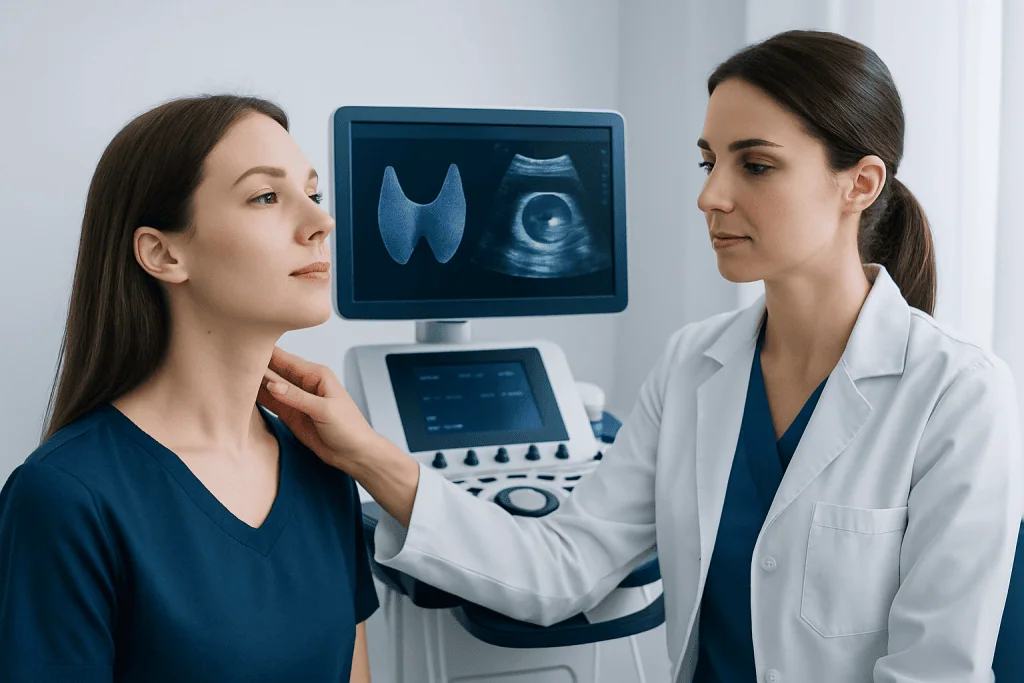
Thyroid hormones interact closely with the reproductive system. When thyroid hormone levels are too low, known as hypothyroidism, menstrual cycles may become longer, ovulation may be less predictable and the uterine lining may not respond as expected. When thyroid hormone levels are too high, known as hyperthyroidism, cycles may also become irregular and general health may be affected.
During the earliest weeks of pregnancy, before the baby’s own thyroid gland is fully functioning, the developing pregnancy relies on maternal thyroid hormones. This is why fertility specialists pay close attention to thyroid status before embryo transfer and in early pregnancy. Even mild thyroid imbalance may be discussed in the context of IVF, particularly if there are thyroid antibodies, a history of miscarriage or symptoms suggestive of thyroid disease.
The most common initial test is thyroid-stimulating hormone, or TSH. TSH is produced by the pituitary gland and tells the thyroid how hard to work. If TSH is abnormal, doctors may check free T4, sometimes free T3 and, in selected cases, thyroid antibodies such as thyroid peroxidase antibodies. The goal is not simply to achieve a number on a laboratory report, but to support overall endocrine stability during fertility care.
How Prolactin Can Influence Ovulation and IVF Planning

Prolactin normally rises during pregnancy and after birth to support breastfeeding. Outside these situations, a persistently high prolactin level, called hyperprolactinemia, may suppress the brain signals that stimulate the ovaries. This can lead to irregular ovulation, absent periods, shorter luteal phases or difficulty conceiving naturally.
In IVF, ovarian stimulation medications can often help eggs develop even when ovulation has been irregular. However, untreated high prolactin may still be relevant because it can reflect an underlying pituitary or thyroid condition and may affect the hormonal environment around implantation. For patients being evaluated for female infertility, prolactin is therefore commonly checked when cycles are irregular, periods have stopped, nipple discharge occurs or unexplained infertility is being investigated.
Prolactin can be temporarily increased by stress, recent exercise, poor sleep, breast stimulation, certain medications and even the discomfort of a blood draw. Because of this, a single mildly elevated result is often repeated under more controlled conditions before treatment decisions are made. Persistently high levels may require additional assessment, including review of medicines, thyroid testing and sometimes imaging of the pituitary gland.
What Tests Are Usually Done Before IVF?
Before IVF, the fertility team may request a panel of blood tests to evaluate ovarian reserve, infection status, general health and reproductive hormones. Thyroid and prolactin testing are part of this broader picture. These tests are usually simple blood samples, and they can often be done on the same day as other pre-IVF investigations.
Common hormone tests related to thyroid and prolactin assessment include:
- TSH: the main screening test for thyroid function.
- Free T4: a thyroid hormone level that helps interpret abnormal TSH results.
- Thyroid antibodies: sometimes checked when autoimmune thyroid disease is suspected or there is a relevant history.
- Prolactin: measured to identify possible hyperprolactinemia.
- Repeat prolactin or macroprolactin testing: used in selected cases to confirm whether the result is clinically significant.
Timing and preparation may vary by clinic. Prolactin is often measured in the morning, ideally when the patient is rested, because levels can fluctuate. Patients should tell their doctor about all prescription medicines, supplements and herbal products, as some antidepressants, antipsychotics, blood pressure medicines, anti-nausea medicines and hormonal treatments can influence prolactin or thyroid results.
Understanding Abnormal Results
An abnormal hormone result should be interpreted in context. Laboratory reference ranges, pregnancy planning targets, symptoms, medical history and the planned IVF timeline all matter. A mildly high TSH, for example, may be managed differently in a patient with thyroid antibodies or previous pregnancy loss than in someone without additional risk factors. Similarly, a mildly raised prolactin may be repeated before any diagnosis is made.
Hypothyroidism may be associated with fatigue, cold sensitivity, constipation, dry skin, weight changes or heavy periods, but some patients have no symptoms. Hyperthyroidism may cause palpitations, heat intolerance, tremor, anxiety, weight loss or lighter periods. High prolactin may cause irregular periods, reduced libido, vaginal dryness or milky nipple discharge, but it can also be found incidentally during fertility testing.
Doctors also consider whether one hormone problem is causing another. For example, untreated hypothyroidism can raise prolactin levels because of changes in pituitary signaling. In that situation, treating the thyroid disorder may help prolactin return toward normal. This is one reason coordinated interpretation by fertility and endocrine specialists is valuable when investigating infertility.
Treatment Options Before and During IVF
Treatment depends on the specific diagnosis, the degree of abnormality and the patient’s fertility plan. For hypothyroidism, doctors commonly prescribe thyroid hormone replacement and monitor TSH at intervals. For hyperthyroidism, treatment may involve antithyroid medication, specialist endocrine care and careful planning before pregnancy. Medication choices and timing should always be individualized, especially when pregnancy is planned.
When prolactin is persistently elevated, the first step is often to identify the cause. If a medication is contributing, the prescribing doctor may consider alternatives when safe and appropriate. If a pituitary prolactin-producing growth, called a prolactinoma, is suspected or confirmed, dopamine agonist medicines may be used under medical supervision. These treatments can lower prolactin and may help restore more regular reproductive hormone signaling.
In some cases, IVF can proceed while hormones are being monitored; in others, the fertility team may recommend stabilizing thyroid or prolactin levels before embryo transfer. This decision is individualized and may differ between ovarian stimulation, egg retrieval and transfer. For patients with polycystic ovary syndrome, irregular cycles or overlapping endocrine concerns, evaluation may also include related conditions such as polycystic ovary syndrome.
Prevention, Self-Care and When to See a Doctor
Not all thyroid or prolactin problems can be prevented, but patients can support accurate testing and safer treatment by sharing a complete medical history. This includes previous thyroid disease, pituitary problems, pregnancy loss, menstrual changes, breast symptoms, fertility treatments, current medicines and family history of autoimmune or endocrine disease. Patients should not stop prescribed medicines on their own before fertility treatment, as sudden changes may be harmful.
Healthy sleep, balanced nutrition, stress-reduction strategies and consistent follow-up appointments can support general wellbeing during IVF, although lifestyle measures alone do not correct many endocrine disorders. Iodine intake, thyroid supplements and herbal products should be discussed with a clinician, because too much or too little of certain nutrients may affect thyroid function. Patients already taking thyroid medication should ask how and when to take it around other supplements, especially iron or calcium, which can affect absorption.
A doctor should be consulted if periods are absent or highly irregular, there is unexpected nipple discharge, symptoms of thyroid dysfunction appear, a previous thyroid or pituitary condition is known, or IVF has been delayed because of hormone results. Acibadem International’s multidisciplinary specialists and JCI-accredited hospitals diagnose and treat endocrine and fertility-related conditions for international patients, including coordinated assessment before assisted reproduction.
Frequently asked questions
Why are thyroid tests done before IVF?
Thyroid tests are done because thyroid hormones influence ovulation, menstrual regularity, implantation and early pregnancy development. The most common screening test is TSH, often followed by free T4 if the result is abnormal. Identifying thyroid imbalance before embryo transfer allows the care team to treat or monitor it appropriately.
Can high prolactin affect IVF success?
High prolactin can interfere with the reproductive hormone signals needed for regular ovulation and may indicate an underlying thyroid, medication-related or pituitary issue. IVF medications can sometimes overcome ovulation problems, but persistently elevated prolactin still deserves evaluation. Treatment depends on the cause and the overall fertility plan.
Does an abnormal TSH mean IVF must be postponed?
Not always. A mildly abnormal TSH may lead to repeat testing, additional thyroid hormone tests or medication while the IVF plan continues. In some situations, especially before embryo transfer, the doctor may recommend stabilizing thyroid levels first to support early pregnancy.
Should prolactin be repeated if it is only slightly high?
Yes, doctors often repeat a mildly elevated prolactin result because prolactin can rise temporarily with stress, exercise, poor sleep, breast stimulation or the blood draw itself. A repeat morning sample under calm conditions may give a clearer picture. Persistent elevation is more likely to require further assessment.
What symptoms may suggest thyroid or prolactin problems?
Thyroid imbalance may cause fatigue, weight changes, heat or cold intolerance, palpitations, constipation, tremor or menstrual changes, although some people have no symptoms. High prolactin may cause irregular or absent periods, reduced libido, vaginal dryness or milky nipple discharge. Any of these symptoms should be discussed with a qualified doctor.
Can thyroid or prolactin problems be treated before pregnancy?
Many thyroid and prolactin disorders can be treated or monitored effectively before pregnancy. Treatment may include thyroid hormone replacement, medicines for overactive thyroid disease, review of contributing medications or prolactin-lowering therapy when appropriate. The safest approach is individualized care by fertility and endocrine specialists.
This article is for general information only and is not a substitute for professional medical advice. Please consult a qualified doctor about your individual situation.
IVF & fertility treatment in Turkey — success rates and costs
JCI-accredited · board-certified surgeons · reply within 24h
Add us as a Preferred Source to see more of our trusted health content across Google Search, AI Overviews and Discover.
Check your numbers in seconds
BMI, calories, due date, blood pressure and 30+ more clinical calculators — free, instant, doctor-reviewed ranges.

Related Treatments
Related Conditions
More from the Health Library

When IVF Fails More Than Once: What Recurrent Failure May Mean

Tubal Factor Infertility: Blocked Fallopian Tubes and IVF Options

IVF After Tubal Ligation: Fertility Options Without Reversal Surgery

Hysteroscopy Before IVF: When the Uterus Needs a Closer Look

IVF for Same-Sex Female Couples: Donor Sperm, Testing, and Treatment Steps

Artificial Fertilisation Explained: Types, Candidates, and Success Factors
Gynecology & Obstetrics Specialists at Acibadem
Assoc. Prof. Dr. Alpay Yılmaz
Gynecologic Oncology
Dr. Alper Koçak
Gynecology & Obstetrics
Assoc. Prof. Dr. Arzu Yurci
Gynecology & Obstetrics
Dr. Asmar Hasanova
Gynecology & Obstetrics