Artificial Fertilisation Explained: Types, Candidates, and Success Factors

Artificial fertilisation includes several methods, such as insemination, IVF, and ICSI. Treatment choice depends on the underlying fertility problem, age, test results, and previous pregnancy history.
Key Takeaways
- Artificial fertilisation includes several methods, such as insemination, IVF, and ICSI.
- Treatment choice depends on the underlying fertility problem, age, test results, and previous pregnancy history.
- Success rates vary and are influenced by egg quality, sperm quality, uterine health, and embryo development.
- A full medical evaluation helps identify treatable causes before or alongside fertility treatment.
- Healthy lifestyle habits and timely specialist care can improve the chance of a successful pregnancy.
Artificial fertilisation is a group of fertility treatments that help sperm and egg meet to achieve pregnancy. The best approach depends on the cause of infertility, the age and health of both partners, and how long pregnancy has been difficult to achieve.
Overview of artificial fertilisation
Artificial fertilisation refers to medical methods used to help pregnancy happen when natural conception is difficult. In simple terms, these treatments either help sperm reach the egg more effectively or bring sperm and egg together outside the body before an embryo is placed in the uterus. It is one part of assisted reproductive medicine and may be recommended for couples, single individuals, or others building a family with specialist guidance.
The term can include several different techniques. These range from insemination procedures, in which prepared sperm is placed into the reproductive tract, to IVF treatment, where eggs are collected, fertilised in a laboratory, and one or more embryos are transferred to the uterus. In some situations, a more targeted laboratory method such as ICSI is used, especially when sperm-related factors are present.
Artificial fertilisation is not a single treatment for everyone. The most suitable option depends on the reason pregnancy has not occurred, how long fertility has been a concern, the age of the person providing eggs, ovarian reserve, sperm quality, uterine health, and whether there have been previous miscarriages or unsuccessful treatments. A fertility specialist helps match the treatment plan to these factors.
Who may be a candidate

Artificial fertilisation may be considered when pregnancy has not happened after a period of regular unprotected intercourse, or sooner if there is a known fertility issue. Common reasons include ovulation disorders, reduced sperm count or movement, blocked or damaged fallopian tubes, endometriosis, unexplained infertility, or age-related decline in egg quantity and quality.
It may also be helpful when there are medical conditions that affect reproductive function. Examples include menstrual problems such as amenorrhea, reduced ovarian function such as premature ovarian insufficiency, or structural uterine differences such as uterine septum. Some people seek treatment after repeated pregnancy loss, after cancer treatment affecting fertility, or when donor sperm or donor eggs are part of the plan.
Not every person with fertility concerns will need advanced treatment right away. Some benefit first from lifestyle changes, treatment of hormone imbalances, surgery for certain anatomical problems, or medications that support ovulation. A careful assessment is important because identifying the exact cause can prevent unnecessary procedures and improve the chance of success.
Types of artificial fertilisation

The main types of artificial fertilisation differ in how much medical support is used. Intrauterine insemination, often called IUI, is one of the simpler options. During this treatment, sperm is collected, washed, and concentrated in the laboratory, then placed into the uterus around the time of ovulation. It may be used for mild male factor infertility, unexplained infertility, cervical factors, or when donor sperm is used.
In vitro fertilisation, or IVF, is a more advanced process. Ovaries are stimulated to mature multiple eggs, the eggs are retrieved in a minor procedure, and fertilisation takes place in the laboratory. The resulting embryos are monitored, and one or more may later be transferred to the uterus. This is often used when fallopian tubes are blocked, when age is a major factor, or when earlier treatments have not worked.
ICSI is a specialised form of IVF in which a single sperm is injected directly into an egg. This can be helpful when sperm count is very low, sperm movement is poor, or previous fertilisation rates have been low. Some centres may also offer other methods, including GIFT, though it is used less often today than IVF-based approaches. Fertility specialists explain the benefits, limits, and expected steps of each option before treatment begins.
How doctors evaluate fertility before treatment
Before artificial fertilisation starts, doctors usually carry out a full fertility evaluation. This helps confirm whether treatment is needed, identify the cause of infertility, and select the safest and most effective method. The assessment often includes a detailed medical history, menstrual and ovulation history, prior pregnancies, medications, surgeries, family history, and lifestyle factors such as smoking, alcohol use, body weight, and exercise habits.
For the person providing eggs, testing may include blood tests for hormone levels, ovarian reserve testing, and ultrasound imaging of the ovaries and uterus. Doctors may also check whether the fallopian tubes are open and whether the uterine cavity has fibroids, polyps, or other changes that could affect implantation. For the person providing sperm, semen analysis is a key test and may be repeated if needed.
Additional investigations are sometimes recommended. These may include thyroid testing, genetic screening in selected cases, infection screening, or evaluation of conditions affecting fertility such as polycystic ovary syndrome or female infertility. The goal is not only to diagnose infertility but also to improve treatment timing and reduce avoidable risks.
Success factors and what affects the chances of pregnancy
Success with artificial fertilisation depends on many factors, and age is one of the most important. In general, younger eggs have a higher chance of developing into healthy embryos. As age increases, egg quality and quantity tend to decline, which can reduce fertilisation, implantation, and pregnancy rates. This is why early assessment is often helpful when pregnancy has been delayed.
The cause of infertility also matters. Outcomes may differ if the main issue is sperm quality, ovulation problems, blocked tubes, uterine abnormalities, endometriosis, or unexplained infertility. Uterine health, embryo quality, and the presence of certain medical conditions can all influence implantation and pregnancy progression. Previous reproductive history, including prior miscarriages or failed cycles, also helps doctors estimate the likely benefit of one treatment over another.
Lifestyle and general health can affect results as well. Smoking, obesity, being significantly underweight, poor sleep, high stress, and uncontrolled medical conditions may lower the chance of success. While stress alone does not directly cause infertility, emotional strain is common during treatment and deserves support. Fertility teams often advise balanced nutrition, exercise, limiting alcohol, and managing chronic health conditions to support overall reproductive health.
It is important to remember that success may take more than one cycle, and outcomes can vary widely between individuals. Doctors usually discuss realistic expectations before treatment starts. This includes the chance of pregnancy, the possibility of cycle cancellation, the risk of miscarriage, and the chance of multiple pregnancy depending on the method used and the number of embryos transferred.
Treatment steps, risks, and possible side effects
The steps in treatment depend on the technique. In insemination cycles, medications may or may not be used to support ovulation, followed by timing ovulation closely and placing prepared sperm into the uterus. In IVF, the process usually includes ovarian stimulation, monitoring with blood tests and ultrasound, egg retrieval, fertilisation, embryo culture, and embryo transfer. Some embryos may be frozen for future use if appropriate.
Most fertility treatments are well established, but no procedure is completely risk free. Medication side effects can include bloating, mood changes, and mild discomfort. A less common but important complication is ovarian hyperstimulation syndrome, in which the ovaries respond too strongly to stimulation. Fertility teams monitor closely to reduce this risk and adjust treatment when needed.
There are also pregnancy-related considerations. Some treatments can increase the likelihood of multiple pregnancy, especially if more than one embryo is transferred or if stimulation leads to release of several eggs. There is also a background risk of miscarriage, and rare complications such as ectopic pregnancy may still occur. Patients should receive clear counselling about benefits, risks, and alternatives before starting.
Care is usually provided by a multidisciplinary team that may include reproductive endocrinologists, embryologists, urologists, genetic specialists, and mental health professionals. Near the end of the treatment journey, ongoing pregnancy care becomes important as well. For international patients, Acibadem International’s multidisciplinary specialists and JCI-accredited hospitals diagnose and treat fertility conditions using modern reproductive medicine approaches.
Self-care, preparation, and emotional support
Preparing for artificial fertilisation often starts before the first procedure. Doctors may advise reaching a healthy weight, stopping smoking, reducing alcohol, reviewing medications, and starting prenatal vitamins such as folic acid if pregnancy is planned. Good control of conditions like diabetes or thyroid disease can also support safer treatment and pregnancy.
Practical preparation matters too. Fertility treatment involves appointments, timing, and sometimes difficult decisions, so many people find it helpful to keep a calendar, ask questions in advance, and discuss expectations together with their partner or support person. Understanding the treatment timeline can reduce uncertainty and make the process feel more manageable.
Emotional wellbeing deserves attention throughout the process. It is normal to feel hopeful, anxious, disappointed, or overwhelmed at different stages. Counselling, support groups, and honest conversations with the care team can help. Patients may also benefit from asking in advance what the next step would be if the first cycle is unsuccessful, as this creates a clearer plan and can reduce stress.
When to see a doctor
A medical review is recommended if pregnancy has not happened after 12 months of regular unprotected intercourse for most couples, or after 6 months if the woman is aged 35 or older. Earlier assessment is also sensible if menstrual cycles are absent or very irregular, if there is known low sperm quality, a history of pelvic surgery, chemotherapy, severe pelvic pain, or repeated miscarriage.
People should also seek care if they have symptoms suggesting an underlying reproductive condition. These may include very painful periods, heavy bleeding, symptoms of hormone imbalance, past pelvic infection, or concerns about ovarian or uterine problems. Conditions such as pelvic inflammatory disease can affect fertility and may need prompt treatment.
Urgent medical attention is needed for severe pelvic pain, fainting, heavy bleeding, or pain with a positive pregnancy test, because these symptoms can signal complications that should not wait. In all cases, timely specialist advice helps patients understand their options and make informed, personalized decisions about family building.
Frequently asked questions
What is the difference between artificial fertilisation and IVF?
Artificial fertilisation is a broad term that includes several fertility treatments designed to help sperm and egg meet. IVF is one specific type of artificial fertilisation in which eggs are fertilised in a laboratory before an embryo is transferred to the uterus.
Who is the best candidate for artificial fertilisation?
The best candidate depends on the cause of infertility, age, reproductive history, and overall health. People with ovulation problems, mild sperm factors, blocked tubes, unexplained infertility, or age-related fertility decline may benefit, but the exact treatment should be chosen after specialist evaluation.
How successful is artificial fertilisation?
Success varies widely from person to person and depends on factors such as age, egg quality, sperm quality, uterine health, and the type of treatment used. A fertility specialist can provide a more individualized estimate after testing, rather than relying on general averages.
Is artificial fertilisation painful?
Many parts of treatment cause only mild discomfort, though the experience depends on the procedure. Insemination is usually brief and similar to a gynecologic exam, while IVF involves injections, monitoring, and egg retrieval, which may cause temporary bloating or cramping.
Are there risks with artificial fertilisation?
Yes, but most risks are known and can be managed with close medical supervision. These may include medication side effects, multiple pregnancy, ovarian hyperstimulation, miscarriage, or rare complications such as ectopic pregnancy.
Can lifestyle changes improve fertility treatment outcomes?
Healthy habits can support overall fertility and pregnancy health. Stopping smoking, maintaining a healthy weight, limiting alcohol, managing chronic conditions, and following medical advice may improve readiness for treatment and, in some cases, outcomes.
References
- World Health Organization
- American Society for Reproductive Medicine
- European Society of Human Reproduction and Embryology
- Centers for Disease Control and Prevention
- National Institute for Health and Care Excellence
This article is for general information only and is not a substitute for professional medical advice. Please consult a qualified doctor about your individual situation.
Artificial Fertilisation in Turkey — costs, top hospitals & a free quote
JCI-accredited · board-certified surgeons · reply within 24h
Add us as a Preferred Source to see more of our trusted health content across Google Search, AI Overviews and Discover.
Check your numbers in seconds
BMI, calories, due date, blood pressure and 30+ more clinical calculators — free, instant, doctor-reviewed ranges.

IVF & Reproductive Health
Assisted reproduction and fertility treatments tailored to each couple.
Related Treatments
Related Conditions
More from the Health Library



Related Specialists
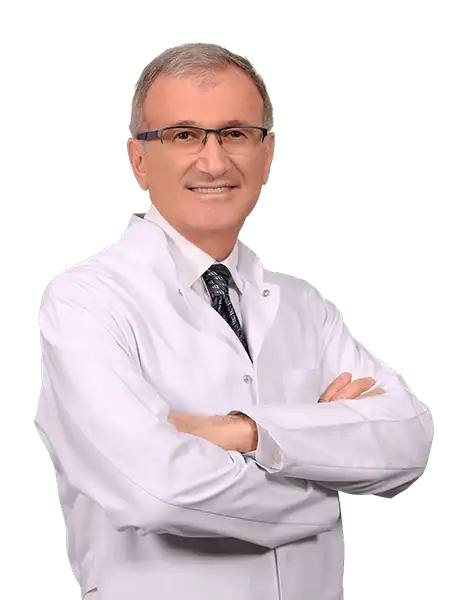
Prof. Dr. Mehmet Cihat Ünlü
Gynecology & Obstetrics
Prof. Dr. Mete Güngör
Gynecology & Obstetrics
Prof. Dr. Bülent Tıraş
Gynecology & Obstetrics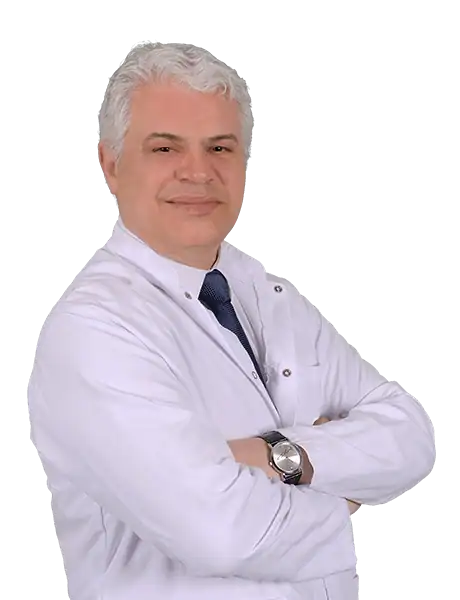
Prof. Dr. Tansu Küçük
Gynecology & Obstetrics