Uterine Polyps Before IVF: Hysteroscopy, Timing, and Implantation Impact

Uterine polyps are common, usually noncancerous overgrowths of the endometrial lining. Before IVF, polyps are important because they may affect implantation, embryo transfer planning, or bleeding patterns.
Key Takeaways
- Uterine polyps are common, usually noncancerous overgrowths of the endometrial lining.
- Before IVF, polyps are important because they may affect implantation, embryo transfer planning, or bleeding patterns.
- Hysteroscopy is both a diagnostic and treatment method, allowing direct visualization and removal of most polyps.
- The timing of embryo transfer after polyp removal depends on the size and number of polyps, uterine healing, and the IVF plan.
- Not every small polyp requires immediate treatment, but fertility specialists often recommend removal before embryo transfer when a polyp is clearly seen.
Uterine polyps are usually benign growths in the lining of the uterus, but they can interfere with embryo implantation in some people undergoing IVF. Diagnosis and removal with hysteroscopy may help create a healthier uterine environment before embryo transfer.
Overview: What Are Uterine Polyps Before IVF?
Uterine polyps, also called endometrial polyps, are localized overgrowths of the tissue that lines the inside of the uterus. They may be small and flat, or they may attach to the uterine wall by a narrow stalk. Most are benign, and many cause no symptoms, but they are clinically important in fertility care because embryo implantation occurs in the endometrium.
When uterine polyps are found before in vitro fertilization, the key question is whether they may reduce the chance of implantation or increase the risk of cycle cancellation or delayed embryo transfer. A polyp can sometimes act like a small space-occupying lesion inside the uterine cavity. It may also be associated with local inflammation, altered blood flow, or changes in how receptive the endometrium is to an embryo.
For patients planning IVF treatment, a careful evaluation of the uterine cavity is an important part of preparation. A healthy embryo and a receptive uterine lining both matter. If a polyp is suspected, the fertility team may recommend further imaging or hysteroscopy to confirm the finding and decide whether removal is appropriate before embryo transfer.
Symptoms and How Polyps Are Often Found
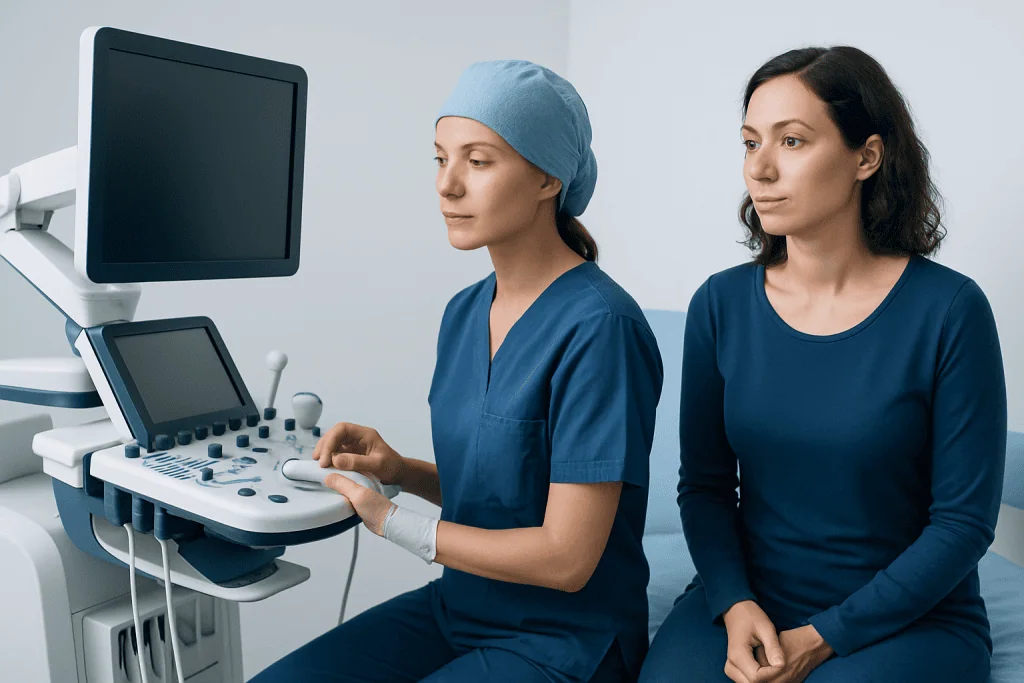
Many uterine polyps are discovered during fertility testing rather than because they cause obvious symptoms. They may be seen on a transvaginal ultrasound, saline infusion sonography, or hysteroscopy performed as part of an infertility workup. Some patients are surprised to learn they have a polyp despite having regular cycles and no pelvic pain.
When symptoms occur, they are usually related to bleeding patterns. These may include spotting between periods, heavier menstrual bleeding, bleeding after intercourse, or irregular bleeding during fertility medication cycles. In some people, a polyp may be associated with repeated implantation failure or difficulty conceiving, although infertility is usually multifactorial.
Symptoms alone cannot reliably confirm or exclude a uterine polyp. Fibroids, hormonal changes, adenomyosis, endometrial thickening, and other conditions can produce similar bleeding changes. This is why imaging and, when needed, direct visualization with hysteroscopy are used to make a clear diagnosis.
Causes and Risk Factors
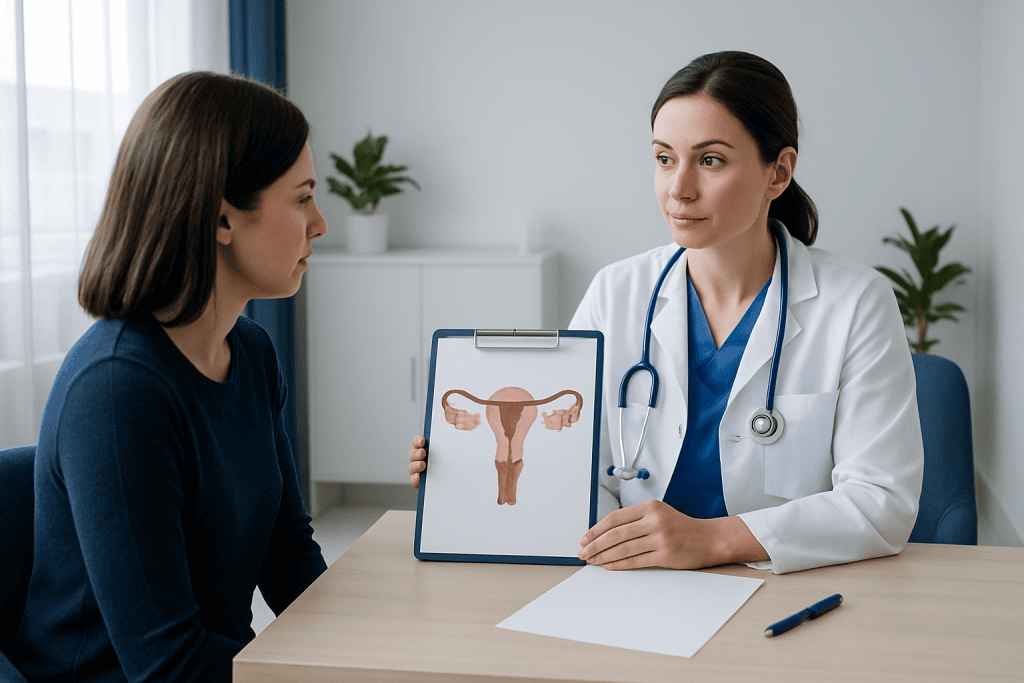
The exact reason uterine polyps form is not always known. They are considered estrogen-sensitive, meaning they may grow in response to hormonal stimulation of the endometrium. Polyps can occur during reproductive years, especially in people undergoing evaluation for infertility, and may also occur after menopause.
Risk factors may include increasing age, a history of abnormal uterine bleeding, obesity, high blood pressure, and certain medications that affect estrogen signaling. Some people develop polyps without any identifiable risk factor. Having a polyp does not mean a person did anything wrong, and it does not necessarily mean IVF cannot proceed.
In fertility care, polyps are assessed in the context of the whole clinical picture. Factors such as ovulation patterns, ovarian reserve, sperm parameters, tubal status, previous pregnancy history, and embryo quality all influence treatment planning. For patients being evaluated for female infertility, identifying and addressing uterine cavity findings is one part of a broader approach.
Diagnosis: Ultrasound, Saline Sonography, and Hysteroscopy
Transvaginal ultrasound is often the first test used to evaluate the uterus. A polyp may appear as a focal thickening or a small mass within the endometrial cavity. However, ultrasound findings can be less clear at certain points in the menstrual cycle, especially if the endometrium is thick or if there is bleeding.
Saline infusion sonography, also called sonohysterography, can improve detection. During this test, sterile fluid is gently placed into the uterine cavity while ultrasound images are taken. The fluid outlines the inner cavity, making polyps, fibroids that project inward, adhesions, or other abnormalities easier to see.
Hysteroscopy is considered a highly accurate method because it allows the doctor to look directly inside the uterus using a thin camera passed through the cervix. It can be diagnostic, therapeutic, or both. If a polyp is confirmed, it can often be removed during the same procedure and sent for pathology examination to confirm its benign nature and rule out uncommon abnormal changes.
Hysteroscopy and Polyp Removal Before IVF
Hysteroscopic polypectomy is the standard procedure for removing most uterine polyps. It is usually performed through the vagina and cervix, without abdominal incisions. Depending on the clinic, patient needs, and complexity of the case, it may be done with local anesthesia, sedation, or general anesthesia.
During the procedure, the uterine cavity is gently expanded with fluid so the specialist can see clearly. Small instruments are used to remove the polyp from its base. Removing the base is important because it may reduce the chance of regrowth. The tissue is typically examined by a pathologist, which is a routine safety step.
Most patients return home the same day. Mild cramping or light bleeding for a short period can occur. The doctor may advise avoiding intercourse, tampons, swimming, or strenuous activity for a limited time, depending on the procedure and local protocol. Patients should follow their own medical team’s instructions because recovery advice can vary.
For fertility planning, the goal is not simply to remove a visible polyp but to optimize the uterine cavity before embryo transfer. In some cases, hysteroscopy also identifies other findings, such as adhesions or a uterine septum, that may influence the treatment plan.
Timing: When Can IVF or Embryo Transfer Proceed?
The timing of IVF after polyp removal depends on where the patient is in the treatment cycle. If a polyp is discovered before ovarian stimulation begins, the fertility team may remove it first and then proceed in a later cycle. If it is discovered during stimulation, eggs may still be retrieved, embryos may be created and frozen, and transfer may be postponed until after the uterus has healed.
Many clinics prefer to wait at least one menstrual cycle after hysteroscopic polypectomy before embryo transfer, but the exact timing is individualized. Factors include the size and number of polyps, the amount of endometrial tissue treated, bleeding after the procedure, pathology results, and whether the transfer will be fresh or frozen. A follow-up ultrasound or hysteroscopic check may be recommended if there were multiple polyps or if the cavity was difficult to assess.
In modern IVF practice, frozen embryo transfer can provide flexibility. If a polyp is found unexpectedly, embryos can often be cryopreserved while the uterine cavity is treated. This helps avoid transferring an embryo into a cavity that may not be optimal.
Patients undergoing broader infertility treatment should ask their specialist how polyp removal fits into their full timeline, including stimulation, egg retrieval, embryo development, genetic testing if planned, and transfer preparation. Clear planning can reduce uncertainty and help patients understand why a delay may sometimes be recommended.
Impact on Implantation and IVF Outcomes
Research suggests that uterine polyps may negatively affect implantation in some patients, particularly when they are located in the uterine cavity where an embryo would implant. The mechanism is not fully understood, but possible explanations include mechanical interference, altered uterine contractions, local inflammation, and changes in endometrial receptivity.
Removal of polyps before embryo transfer is commonly recommended when a definite polyp is seen, especially if it is moderate or large, multiple, associated with abnormal bleeding, or located near the expected implantation area. Some evidence suggests that removing polyps may improve pregnancy rates in selected infertility patients, although outcomes depend on many factors beyond the uterus, including age, embryo quality, ovarian reserve, and sperm health.
Very small polyps may be managed differently from larger ones. Some clinicians may monitor tiny suspected polyps, especially if they are uncertain on imaging or if delaying treatment may not be beneficial. Others may recommend removal before transfer to minimize avoidable uterine factors. This decision should be individualized, balancing the potential benefit of treatment with the timing and burden of an additional procedure.
Prevention, Self-Care, and When to See a Doctor
There is no guaranteed way to prevent uterine polyps. However, maintaining general reproductive health, attending recommended gynecologic checkups, and reporting abnormal bleeding can help polyps be identified early. Patients planning IVF should complete recommended uterine cavity assessment before embryo transfer, especially if they have a history of irregular bleeding, recurrent pregnancy loss, or previous implantation failure.
After hysteroscopy, self-care usually focuses on rest, hydration, and following procedure-specific instructions. Patients should contact their doctor if they develop heavy bleeding, fever, increasing pelvic pain, foul-smelling discharge, or symptoms that feel unusual for their recovery. These symptoms are not common, but prompt medical advice is appropriate.
A doctor should also be consulted if periods become significantly heavier, spotting occurs between cycles, or bleeding appears after intercourse. In fertility treatment, patients should inform the IVF team about any new bleeding before starting medication or before embryo transfer, because the uterine lining may need reassessment.
Acibadem International’s multidisciplinary specialists and JCI-accredited hospitals evaluate and treat uterine cavity conditions for international patients, including those preparing for IVF. A coordinated approach can help align diagnosis, hysteroscopic treatment, pathology review, and fertility planning in a safe sequence.
Frequently asked questions
Can uterine polyps stop implantation during IVF?
Uterine polyps may reduce implantation chances in some patients, especially if they project into the uterine cavity. They can potentially interfere with the area where an embryo attaches or affect the local endometrial environment. However, IVF success depends on many factors, so a polyp is only one part of the assessment.
Should every uterine polyp be removed before embryo transfer?
Many fertility specialists recommend removing a clearly diagnosed polyp before embryo transfer, particularly if it is moderate or large, multiple, or associated with bleeding. Very small or uncertain findings may be managed individually. The decision should be made with a fertility specialist who can consider imaging, symptoms, embryo plans, and timing.
Is hysteroscopy painful?
Discomfort varies depending on the type of hysteroscopy, the instruments used, and whether anesthesia or sedation is provided. Some patients feel period-like cramping, while others have little discomfort. The medical team will explain pain-control options before the procedure.
How soon after polyp removal can embryo transfer happen?
The timing is individualized, but many clinics wait until the uterus has healed and at least one menstrual cycle has passed. If the polyp was large, multiple, or associated with other findings, the doctor may recommend follow-up imaging before transfer. The pathology report may also be reviewed before proceeding.
Can polyps come back after removal?
Yes, uterine polyps can recur, although many patients do not develop another polyp soon after treatment. Recurrence risk may be higher in people with ongoing hormonal or endometrial factors. If symptoms return or IVF is delayed for a long period, repeat uterine assessment may be considered.
Can IVF stimulation medications cause polyps to grow?
IVF stimulation increases estrogen levels temporarily, and polyps are estrogen-sensitive, but it is not always possible to say whether a polyp developed because of stimulation or was already present. This is one reason many clinics assess the uterine cavity before embryo transfer. If a polyp is found during a cycle, embryos may be frozen and transfer delayed until after treatment.
This article is for general information only and is not a substitute for professional medical advice. Please consult a qualified doctor about your individual situation.
IVF & fertility treatment in Turkey — success rates and costs
JCI-accredited · board-certified surgeons · reply within 24h
Add us as a Preferred Source to see more of our trusted health content across Google Search, AI Overviews and Discover.
Check your numbers in seconds
BMI, calories, due date, blood pressure and 30+ more clinical calculators — free, instant, doctor-reviewed ranges.

Related Treatments
Related Conditions
More from the Health Library

Preimplantation Genetic Testing: PGT-A and PGT-M Explained

IVF Cost in Turkey: What Is Included and What Can Change the Price

IVF Cost in Turkey: What Affects the Total Price?

When Is IVF With Donor Eggs Recommended?

PCOS and Infertility: Why Ovulation Becomes Irregular
Egg Freezing Before IVF: When It Makes Sense and What to Expect
Gynecology & Obstetrics Specialists at Acibadem

Dr. A. Ezgi Sancaklı
Gynecology & Obstetrics
Prof. Dr. A. Taner Usta
Gynecology & Obstetrics
Prof. Dr. Ahmet Cem Batukan
Gynecology & Obstetrics
Prof. Dr. Ahmet Tayyar
Gynecology & Obstetrics