

IVF Cost in Turkey: What Is Included and What Can Change the Price

The quoted IVF price may include consultations, monitoring scans, egg collection, laboratory fertilization, embryo culture, and embryo transfer, but every clinic package should be checked in writing. Medication, advanced laboratory techniques, genetic testing, embryo freezing, and repeat procedures are common reasons the total cost may change.
Key Takeaways
- The quoted IVF price may include consultations, monitoring scans, egg collection, laboratory fertilization, embryo culture, and embryo transfer, but every clinic package should be checked in writing.
- Medication, advanced laboratory techniques, genetic testing, embryo freezing, and repeat procedures are common reasons the total cost may change.
- A complete fertility evaluation is important before comparing prices because age, ovarian reserve, sperm quality, and previous treatment history can alter the treatment plan.
- Patients traveling to Turkey should consider travel, accommodation, translation, time away from work, and follow-up care in their overall budget.
- A transparent clinic should explain legal requirements, success-rate reporting, risks, cancellation policies, and which services are optional.
IVF cost in Turkey can vary because treatment is individualized to the couple’s medical needs, laboratory methods, medication plan, and travel arrangements. Understanding what is included in a clinic package helps patients compare quotes safely and avoid unexpected expenses.
Overview: Why IVF Cost in Turkey Varies
IVF cost in Turkey is not a single fixed medical fee. It usually reflects a complete treatment pathway that may include fertility assessment, ovarian stimulation, monitoring, egg retrieval, laboratory fertilization, embryo culture, and embryo transfer. The final amount can change because each patient’s medical history, test results, and treatment goals are different.
Turkey is a frequent destination for international fertility care because many centers provide modern embryology laboratories, experienced fertility teams, and coordinated services for travelers. However, patients should compare more than the headline price. A low package fee may not include medication, extra laboratory techniques, embryo freezing, or later follow-up.
IVF is also regulated by national laws and clinic protocols. Patients should ask early about eligibility, required documents, and which reproductive services are permitted. A clear, itemized estimate from the fertility clinic is the safest way to understand what is included and what may be charged separately.
What Is Usually Included in an IVF Package

Many IVF packages are built around one fresh treatment cycle. This often means the services needed from the start of ovarian stimulation through embryo transfer. The exact contents vary between clinics, so patients should request a written list rather than assuming that all IVF-related steps are covered.
A typical package may include the fertility specialist consultation, ultrasound monitoring during stimulation, egg retrieval, sperm preparation, standard laboratory fertilization, embryo culture, and fresh embryo transfer. Some clinics also include basic blood tests or anesthesia for egg retrieval, while others bill these separately. Translation support and patient coordination may be included for international patients, but this should also be confirmed.
Items to clarify before starting treatment include:
- Initial consultation and review of previous test results
- Baseline ultrasound and hormone blood tests
- Ovarian stimulation monitoring appointments
- Egg retrieval and anesthesia or sedation fees
- Sperm preparation and standard IVF laboratory work
- Embryo culture duration and embryo transfer
- Pregnancy blood test and early follow-up plan
Patients considering IVF treatment should ask whether the package is for one cycle only and what happens if the cycle is postponed, canceled, or changed for medical reasons. This is especially important if ovarian response is lower or higher than expected.
Costs That May Not Be Included

The most common reason the total IVF cost changes is that some services are not part of the basic package. Medication is one of the largest variable costs because stimulation drugs differ according to age, ovarian reserve, body response, and the protocol chosen by the doctor. Some patients need fewer medicines, while others need higher doses or additional injections to help control ovulation timing.
Advanced laboratory services may also be billed separately. These can include intracytoplasmic sperm injection, extended embryo culture to the blastocyst stage, assisted hatching, embryo freezing, storage fees, and preimplantation genetic testing where medically indicated and legally permitted. Not every add-on is necessary for every patient, and a responsible clinic should explain the expected benefit, limitations, and evidence behind each option.
Additional possible costs include repeat blood tests, infectious disease screening, sperm freezing, surgical sperm retrieval for certain male-factor cases, medication for the luteal phase after transfer, and treatment for conditions found during evaluation. If a frozen embryo transfer is planned later, that is usually a separate cycle with its own monitoring, medication, thawing, and transfer fees.
Travel-related expenses are outside the medical package. Patients should budget for flights, accommodation, local transportation, meals, time away from work, and possible schedule changes if the ovaries respond more slowly or quickly than predicted.
Medical Factors That Can Change the Treatment Plan
Before estimating a realistic IVF cost, the fertility team needs to understand why pregnancy has not occurred or why IVF is being considered. Evaluation may include hormone tests, ultrasound assessment of the ovaries and uterus, semen analysis, infectious disease screening, and review of previous pregnancies or treatments. The cause of infertility strongly affects the recommended approach.
Female age and ovarian reserve are important because they influence medication dose, expected egg number, embryo development, and the likelihood of needing more than one cycle. Conditions such as endometriosis, fibroids, blocked fallopian tubes, polycystic ovary syndrome, or previous pelvic surgery may require additional assessment or treatment before embryo transfer. Patients with female infertility may therefore receive different protocols even if the basic IVF package looks similar.
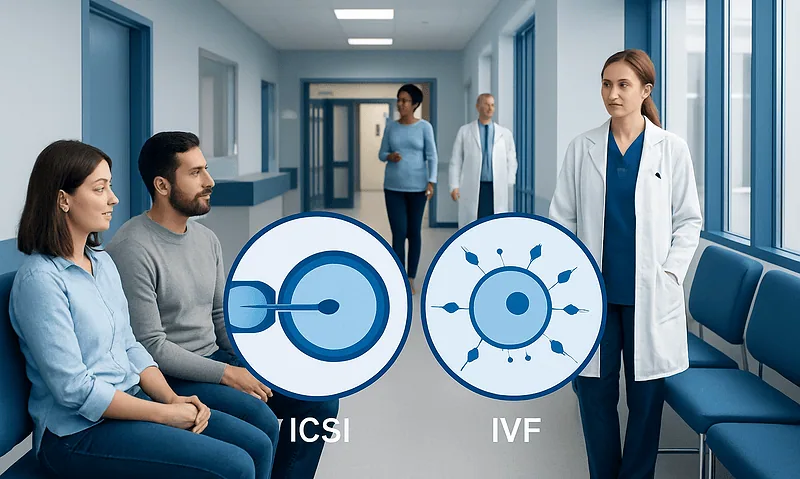
Male-factor infertility can also change costs. If sperm count, movement, or shape is significantly reduced, the embryology team may recommend ICSI instead of standard IVF fertilization. In some cases, a urologist may be involved, and sperm may need to be retrieved directly from the testicle or epididymis, which is usually a separate procedure.
Previous IVF history matters as well. Couples who have had repeated failed cycles, poor embryo development, recurrent pregnancy loss, or complex genetic concerns may need a more detailed plan. This can include additional investigations and a careful discussion of which add-ons are medically justified.
How Clinics Build an IVF Quote
A reliable IVF quote should be personalized after the clinic reviews recent medical records. Patients may be asked to provide hormone results, ultrasound findings, semen analysis, previous IVF reports, operative notes, and medication history. If these are not current, the clinic may advise repeating tests in Turkey or in the patient’s home country before confirming the plan.
The quote should separate essential treatment from optional or conditional services. Essential items are those needed to complete the recommended cycle. Conditional items are used only if the medical situation requires them, such as additional monitoring, ICSI, freezing all embryos, or treating ovarian hyperstimulation risk. Optional items should be clearly explained, including why they are suggested and whether they are supported by evidence for that patient’s situation.
Patients should also ask how the clinic handles cancellations. A cycle may be stopped before egg retrieval if the ovaries do not respond adequately, if hormone levels suggest an unsafe response, or if another medical issue arises. The financial policy for canceled or converted cycles should be explained before medication begins.
For international patients, the quote should also clarify communication before arrival, required length of stay, appointment schedule, language support, and how follow-up is coordinated after the patient returns home. Written clarity helps patients compare clinics fairly and plan with less stress.
Legal, Ethical, and Safety Considerations in Turkey
Fertility treatment is both medical and legally regulated. In Turkey, patients should expect clinics to follow national rules regarding who may receive treatment and which reproductive techniques are permitted. Because regulations can affect eligibility and available options, international patients should confirm requirements directly with the clinic before making travel plans.
Patients should also understand that donor eggs, donor sperm, embryo donation, and surrogacy are not permitted within Turkish IVF practice. This is an important difference from some other countries and may influence whether Turkey is an appropriate destination for a particular couple. Clinics should provide clear information about consent forms, identification documents, and legal documentation required before treatment begins.
Safety is also part of cost transparency. IVF medication can occasionally cause side effects, and ovarian stimulation needs careful monitoring to reduce the risk of complications such as ovarian hyperstimulation syndrome. Egg retrieval is usually a short procedure, but it still requires appropriate anesthesia care, sterile technique, and post-procedure observation.
Patients should ask how the clinic reports success rates, how embryos are identified and stored, what laboratory quality systems are in place, and how emergencies are managed. A lower price should not come at the expense of safe monitoring, experienced laboratory practice, or clear medical communication.
Budgeting for Travel and Follow-Up Care
People traveling for IVF should think of the budget as a medical and travel plan together. The stimulation phase usually requires repeated ultrasound scans and blood tests, and the timing of egg retrieval can change depending on ovarian response. This means patients may need flexible travel dates rather than a very tight itinerary.
Some patients start medication in their home country and travel to Turkey closer to egg retrieval, while others complete the whole stimulation process at the clinic. The best option depends on medical safety, local access to monitoring, and the fertility doctor’s protocol. If monitoring is shared between countries, patients should make sure both teams can communicate quickly and use comparable test information.
Patients should also plan for what happens after embryo transfer. Pregnancy testing may be done in Turkey or after returning home, and early pregnancy follow-up may involve a local obstetrician or fertility specialist. If the cycle does not result in pregnancy, a follow-up consultation can review embryo quality, laboratory results, medication response, and next steps.
Near the end of planning, patients may wish to compare not only price but also continuity of care. Acibadem International’s multidisciplinary specialists and JCI-accredited hospitals diagnose and treat fertility conditions for international patients, with coordinated support for assessment, treatment planning, and follow-up.
Questions to Ask Before Choosing an IVF Clinic
Asking practical questions before committing to treatment can prevent misunderstanding. A clinic should be willing to provide an itemized estimate, explain the medical reason for recommended procedures, and describe what is optional. Patients should feel comfortable asking for clarification before paying a deposit or booking travel.
Useful questions include:
- What exactly is included in the IVF package?
- Are stimulation medications included or billed separately?
- Is ICSI included only when medically needed, or is it routine?
- Are embryo freezing and storage included, and for how long?
- What happens financially if the cycle is canceled before egg retrieval?
- How many days should international patients plan to stay?
- Who can patients contact after returning home?
Patients should also ask about clinic accreditation, laboratory procedures, embryo identification systems, infection control, and emergency support. For success rates, it is important to compare information by age group and treatment type, not just overall figures. No clinic can guarantee pregnancy, and ethical counseling should present both benefits and limits of treatment.
A thoughtful decision balances medical quality, legal eligibility, transparent pricing, communication, and the patient’s emotional comfort with the team. IVF can involve uncertainty, but careful planning helps patients approach treatment with realistic expectations and greater confidence.
Frequently asked questions
What is usually included in IVF cost in Turkey?
A typical IVF package may include consultations, ultrasound monitoring, egg retrieval, sperm preparation, laboratory fertilization, embryo culture, and embryo transfer. However, packages differ between clinics, so patients should request a written itemized quote. Medication, embryo freezing, ICSI, and genetic testing may or may not be included.
Why can the final IVF price be higher than the first quote?
The final price can rise if the patient needs more medication, additional monitoring, ICSI, embryo freezing, surgical sperm retrieval, or another procedure not included in the basic package. Medical findings during treatment can also change the plan. This is why patients should ask which costs are fixed, optional, or conditional.
Are IVF medications included in the package?
Some clinics include certain medicines, while many bill stimulation medications separately. The amount and type of medication vary according to ovarian reserve, age, weight, response to stimulation, and the doctor’s protocol. Patients should ask for an estimated medication range before treatment begins.
Is ICSI always needed with IVF?
ICSI is commonly recommended when there is male-factor infertility or previous fertilization problems. It may not be necessary for every couple, especially if sperm parameters are normal and standard IVF is appropriate. The fertility specialist and embryology team should explain why ICSI is or is not recommended.
Can international patients complete IVF in one trip to Turkey?
Many patients can complete a fresh IVF cycle in one visit, but the length of stay depends on the stimulation response and clinic protocol. Some patients begin monitoring at home and travel later, while others complete all monitoring in Turkey. Flexible travel planning is important because egg retrieval timing cannot be predicted exactly in advance.
Are donor eggs, donor sperm, or surrogacy available in Turkey?
Donor eggs, donor sperm, embryo donation, and surrogacy are not permitted in Turkish IVF practice. Patients who need these options should discuss legal alternatives with qualified professionals in jurisdictions where they are allowed. It is important to confirm eligibility before arranging travel.
How should patients compare IVF clinics beyond price?
Patients should compare what is included, the experience of the fertility and embryology team, laboratory quality systems, legal guidance, communication, and follow-up support. Success rates should be reviewed by age group and treatment type rather than as a single overall number. A transparent clinic will explain both the potential benefits and the limitations of treatment.
This article is for general information only and is not a substitute for professional medical advice. Please consult a qualified doctor about your individual situation.
IVF & fertility treatment in Turkey — success rates and costs
JCI-accredited · board-certified surgeons · reply within 24h
Add us as a Preferred Source to see more of our trusted health content across Google Search, AI Overviews and Discover.
Check your numbers in seconds
BMI, calories, due date, blood pressure and 30+ more clinical calculators — free, instant, doctor-reviewed ranges.

Related Treatments
Related Conditions
More from the Health Library

Poor Embryo Development in IVF: What It Can Mean for the Next Cycle

Time-Lapse Embryo Monitoring in IVF: Benefits, Limits, and Patient Selection

Fertility Specialist vs Infertile Doctor: When to See a Clinic

Tubal Factor Infertility: Blocked Fallopian Tubes and IVF Options

When Is IVF a Good Next Step After Failed IUI?
ICSI vs IVF: Which Fertilisation Approach May Be Recommended?
Gynecology & Obstetrics Specialists at Acibadem

Dr. C. Elif Erol
Gynecology & Obstetrics
Dr. Çağlar Yazıcıoğlu
Gynecology & Obstetrics
Dr. Canan Genim Erdem
Gynecology & Obstetrics
Dr. Cavide Ali
Gynecology & Obstetrics