Fertility Specialist vs Infertile Doctor: When to See a Clinic

A fertility specialist is usually an obstetrician-gynecologist with advanced training in reproductive endocrinology and infertility. Evaluation is recommended after 12 months of trying if under 35, or after 6 months if 35 or older.
Key Takeaways
- A fertility specialist is usually an obstetrician-gynecologist with advanced training in reproductive endocrinology and infertility.
- Evaluation is recommended after 12 months of trying if under 35, or after 6 months if 35 or older.
- Earlier assessment is important for irregular periods, known reproductive conditions, male factor concerns, or recurrent pregnancy loss.
- Fertility clinics assess both partners because conception problems can involve female factors, male factors, both, or remain unexplained.
- Treatment may range from lifestyle changes and ovulation support to insemination, IVF, and ICSI depending on the cause.
A fertility specialist and an infertility doctor both evaluate and treat problems with conception, but a fertility clinic offers coordinated testing, diagnosis, and advanced reproductive care in one place. Knowing when to seek help can shorten delays, identify treatable causes, and improve planning for pregnancy.
Overview: What Is the Difference?
The phrase “infertile doctor” is not a medical term, but many people use it to mean a doctor who helps when pregnancy is not happening as expected. In practice, this may include a general gynecologist, a urologist, an andrologist, or a fertility specialist. A fertility specialist is typically a physician with focused training in reproductive endocrinology and infertility, which includes diagnosing hormone-related, ovulatory, tubal, uterine, and male-factor causes of infertility.
A fertility clinic usually brings these services together in one setting. This can include detailed history-taking, hormone tests, ultrasound, semen analysis, imaging of the uterus and fallopian tubes, and access to advanced treatments such as insemination, IVF treatment, and ICSI. For many patients, this coordinated approach helps reduce delays between testing and treatment.
It is also important to remember that infertility is common and not a personal failure. Difficulty conceiving can relate to egg quality, ovulation, sperm health, the uterus, the fallopian tubes, age, medical conditions, or a combination of factors. A clinic’s role is to look systematically for the cause and guide the next steps in a clear, supportive way.
When to See a Fertility Clinic
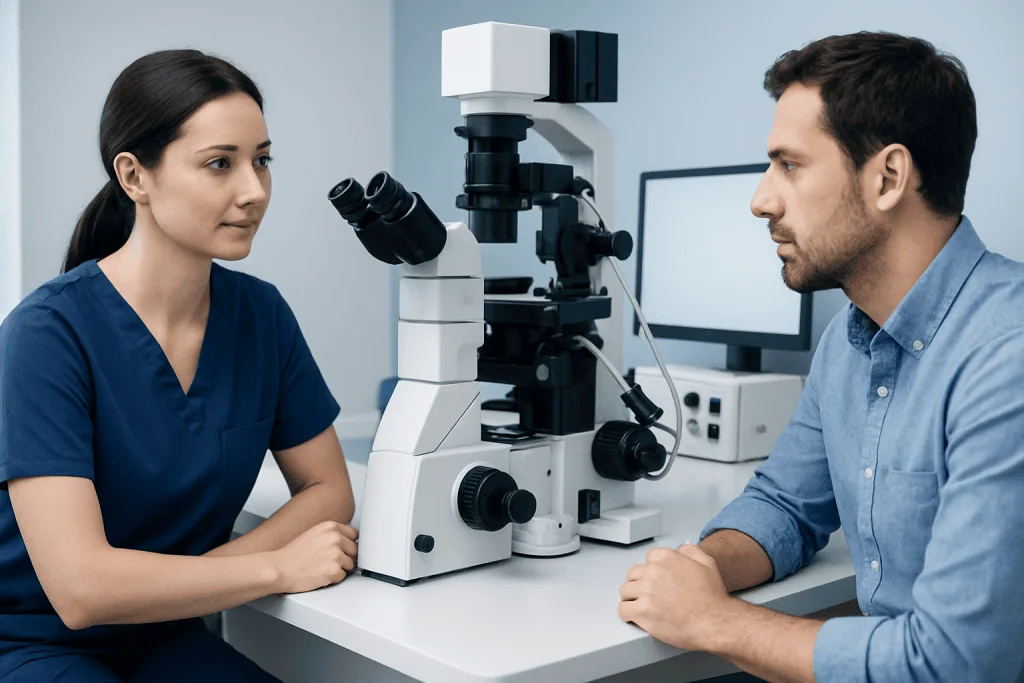
In general, a couple or individual should consider fertility evaluation after 12 months of regular unprotected intercourse without pregnancy if the female partner is younger than 35. If the female partner is 35 or older, assessment is usually advised after 6 months. This earlier timing reflects the natural age-related decline in egg quantity and quality.
Some people should seek help sooner rather than waiting. Earlier evaluation is appropriate for very irregular or absent periods, known ovulation problems, pelvic infections, previous surgery involving the pelvis or testicles, severe menstrual pain, endometriosis, a history of cancer treatment, or concern about sperm count or sexual function. A history of recurrent pregnancy loss is also a reason to consult a specialist early.
Fertility care can also be appropriate before trying to conceive. This includes people who want to discuss age-related fertility decline, preserve fertility before medical treatment, plan pregnancy with a chronic health condition, or understand how conditions such as polycystic ovary syndrome may affect ovulation and conception. Seeing a specialist early does not always mean advanced treatment will be needed; sometimes it simply provides reassurance and a practical plan.
Symptoms and Signs That Warrant Assessment
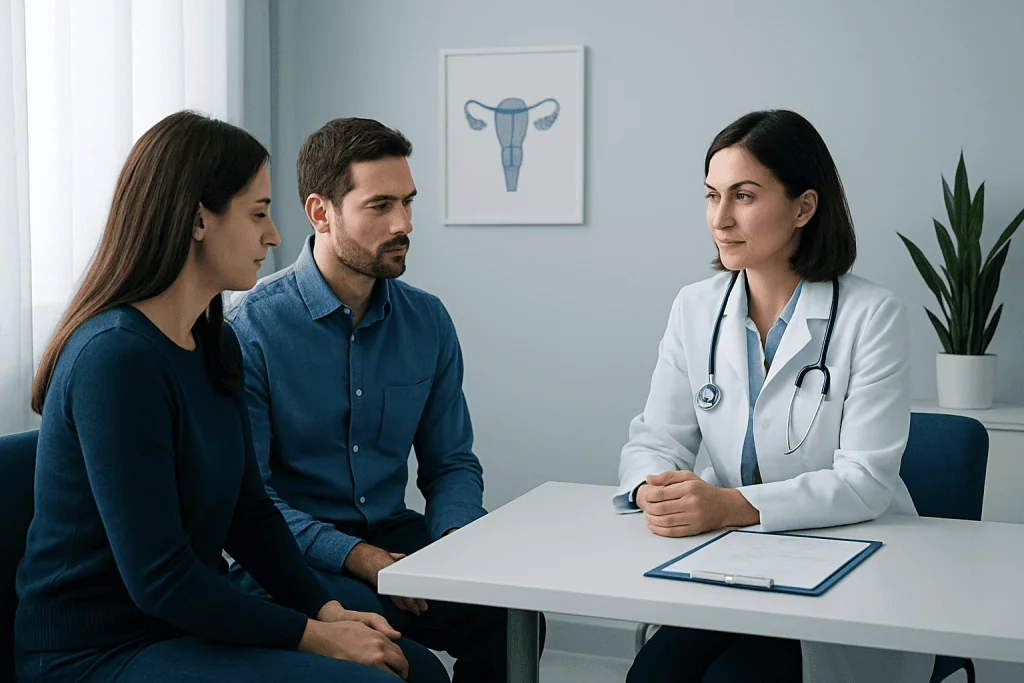
The most common sign is simply not becoming pregnant within the expected timeframe. However, other symptoms can suggest an underlying cause. In women, these may include irregular cycles, no periods, very painful periods, unusually heavy bleeding, pelvic pain, pain during intercourse, or symptoms of hormonal imbalance such as acne, excess hair growth, or unexplained weight changes.
Some uterine or pelvic conditions can affect fertility even when symptoms are mild. Examples include fibroids, endometriosis, scarring after infection, or structural differences such as a uterine septum. Conditions affecting the ovaries, including ovarian cysts, may also require evaluation depending on the type and the overall clinical picture.
For men, warning signs can include testicular pain or swelling, past undescended testicles, difficulty with erection or ejaculation, low libido, previous groin surgery, or known low testosterone. Many men with fertility problems have no obvious symptoms, which is why semen analysis is a standard part of the assessment rather than an optional step.
- Irregular or absent menstrual periods
- Trying for 6 to 12 months without pregnancy
- Severe pelvic pain or history of pelvic infection
- Two or more pregnancy losses
- Known sperm problems or sexual dysfunction
- Previous cancer treatment or pelvic/testicular surgery
Causes and Risk Factors
Infertility can involve female factors, male factors, both partners, or remain unexplained after testing. Female causes commonly include ovulation disorders, age-related decline in ovarian reserve, blocked or damaged fallopian tubes, endometriosis, uterine abnormalities, and hormonal conditions. Some people may have diminished egg supply because of age, prior ovarian surgery, genetic factors, or conditions such as premature ovarian insufficiency.
Male-factor infertility may relate to low sperm count, poor movement, abnormal shape, obstruction, hormone problems, varicocele, infection, or genetic conditions. Lifestyle factors can also contribute on either side, including smoking, excess alcohol, obesity, extreme exercise, poor sleep, significant stress, and exposure to heat or certain environmental toxins. Age affects fertility in both sexes, although the effect is generally more pronounced and earlier in women.
Past medical history also matters. Pelvic inflammatory disease, sexually transmitted infections, uncontrolled thyroid disease, diabetes, autoimmune disease, and some medications can all influence fertility. A history of pelvic inflammatory disease may increase the risk of tubal damage, while uterine cavity problems such as endometrial polyps can interfere with implantation in some cases. This is why a full medical review is an important part of specialist care.
How a Fertility Specialist Makes the Diagnosis
A fertility evaluation usually starts with a detailed history for both partners. The doctor asks about cycle patterns, prior pregnancies, miscarriages, surgeries, infections, medications, family history, and lifestyle. Timing and frequency of intercourse may also be discussed because simple timing issues can sometimes contribute. A physical examination may be recommended depending on the history.
Common tests for women include blood tests to assess hormones and ovarian reserve, pelvic ultrasound, and tests to confirm ovulation. Imaging may be used to check the uterus and whether the fallopian tubes are open. If symptoms suggest a specific condition, additional investigations may be recommended. In some situations, referral for broader infertility care helps connect diagnosis with treatment planning.
For men, semen analysis is usually one of the first and most important tests. Depending on results, hormone tests, scrotal ultrasound, genetic testing, or evaluation by a urologist may be needed. The goal is not only to identify a diagnosis, but also to understand which options are realistic, safe, and most likely to fit the patient’s age, health, and family-building goals.
Treatment Options at a Fertility Clinic
Treatment depends on the cause, age, how long pregnancy has been delayed, and personal preferences. Some people need only cycle tracking, lifestyle changes, treatment of thyroid or hormone imbalance, or medication to support ovulation. Others may benefit from surgery to correct a structural problem in the uterus or to treat endometriosis or tubal issues when appropriate.
When timing or sperm delivery is a concern, artificial fertilisation techniques may be discussed. Intrauterine insemination can be useful in selected cases, such as mild male-factor infertility, certain ovulation disorders, or unexplained infertility. IVF may be recommended when tubes are blocked, ovarian reserve is reduced, male-factor infertility is significant, or previous simpler treatments have not worked.
ICSI is a laboratory technique often used during IVF when sperm number or movement is severely affected, or when prior fertilization problems have occurred. In every case, treatment decisions should follow a careful discussion of expected benefits, limitations, possible side effects, emotional impact, and the chance that more than one approach may be tried over time. A good clinic aims to make this process understandable rather than overwhelming.
Preparing for a Visit and Supporting Fertility
Before the appointment, it helps to gather information about menstrual cycles, prior test results, surgeries, medications, supplements, and any previous pregnancies or losses. If possible, both partners should attend at least one early visit. Fertility is a shared issue, and seeing both sides of the picture from the start often leads to a more complete and efficient plan.
Self-care can support fertility, although it does not replace medical evaluation when pregnancy is delayed. Helpful steps include maintaining a healthy weight, stopping smoking, limiting alcohol, taking folic acid before pregnancy, staying physically active, sleeping well, and managing chronic conditions such as diabetes or thyroid disease. Men may also be advised to reduce excessive heat exposure to the testes and avoid anabolic steroids.
Patients may want to ask practical questions such as: What tests are needed first? Should both partners be evaluated now? Is there a likely diagnosis already? What treatment options fit this situation? How long should each step be tried? Near the end of the care pathway, some international patients choose centers such as Acibadem International, where multidisciplinary specialists in JCI-accredited hospitals diagnose and treat fertility conditions with coordinated support.
When to Seek Prompt Medical Advice
Most fertility concerns are not emergencies, but some situations need timely medical attention. Severe pelvic pain, fever, heavy bleeding, sudden testicular pain, or signs of ectopic pregnancy require urgent assessment. Anyone with a positive pregnancy test and one-sided pelvic pain, dizziness, or bleeding should seek care immediately because these symptoms can be serious.
Prompt specialist review is also sensible when there is a known condition that can affect fertility, such as absent periods, severe endometriosis symptoms, previous chemotherapy, or a history of repeated miscarriages. Earlier referral may preserve options and reduce unnecessary waiting, especially when age is a factor.
If there is uncertainty about whether to wait, it is reasonable to ask a primary care doctor or gynecologist for guidance. A fertility clinic visit does not commit a patient to treatment. In many cases, it is simply the best way to obtain a clear explanation, realistic timeline, and individualized next steps.
Frequently asked questions
Is a fertility specialist the same as an infertility doctor?
They are often used to mean similar things, but they are not always exactly the same. A fertility specialist usually has advanced training in reproductive endocrinology and infertility, while a general gynecologist or other doctor may also evaluate fertility problems and refer to a clinic when needed.
How long should someone try before seeing a fertility clinic?
Most guidelines suggest seeking evaluation after 12 months of regular unprotected intercourse if under age 35. If age 35 or older, it is usually recommended after 6 months, and sooner if there are irregular periods, known medical issues, or prior pregnancy losses.
Should both partners be tested for infertility?
Yes. Fertility problems can involve female factors, male factors, both, or remain unexplained. Testing both partners early usually saves time and helps create the most appropriate treatment plan.
What happens at the first fertility clinic appointment?
The first visit usually includes a detailed medical history, discussion of menstrual cycles and timing, and review of past pregnancies, surgeries, and medications. The doctor may arrange blood tests, ultrasound, semen analysis, and other investigations depending on the situation.
Does going to a fertility clinic mean IVF will be necessary?
No. Many people are treated with lifestyle changes, ovulation support, treatment of hormone problems, or insemination before IVF is considered. The right option depends on the diagnosis, age, and how long conception has been delayed.
Can irregular periods be a sign of infertility?
Irregular periods can be a sign of ovulation problems, which may make conception more difficult. They do not always mean infertility, but they are a good reason to seek medical advice, especially if pregnancy is being planned.
This article is for general information only and is not a substitute for professional medical advice. Please consult a qualified doctor about your individual situation.
IVF & fertility treatment in Turkey — success rates and costs
JCI-accredited · board-certified surgeons · reply within 24h
Add us as a Preferred Source to see more of our trusted health content across Google Search, AI Overviews and Discover.
Check your numbers in seconds
BMI, calories, due date, blood pressure and 30+ more clinical calculators — free, instant, doctor-reviewed ranges.

Related Treatments
Related Conditions
More from the Health Library

IVF After Tubal Ligation: Is Treatment Still Possible?

Egg Freezing Before IVF: When Fertility Preservation Fits the Treatment Plan

When IVF Fails More Than Once: What Recurrent Failure May Mean

IVF With Diminished Ovarian Reserve: How Doctors Tailor Stimulation Plans

When Is a Lady Fertile? How the Fertile Window Really Works

Painful Periods and Fertility: When Symptoms May Need Medical Attention
Gynecology & Obstetrics Specialists at Acibadem

Prof. Dr. Cem Demirel
Gynecology & Obstetrics
Prof. Dr. Cem Fıçıcıoğlu
Gynecology & Obstetrics
Dr. Cem Öncüloğlu
Gynecology & Obstetrics
Dr. Cemile Alçay
Gynecology & Obstetrics