When Is a Lady Fertile? How the Fertile Window Really Works

The fertile window is usually the five days before ovulation plus the day of ovulation. Pregnancy is most likely when intercourse happens in the days leading up to ovulation.
Key Takeaways
- The fertile window is usually the five days before ovulation plus the day of ovulation.
- Pregnancy is most likely when intercourse happens in the days leading up to ovulation.
- Ovulation timing can vary from month to month, especially with irregular cycles.
- Cervical mucus, ovulation predictor kits, and cycle tracking can help identify fertile days.
- If pregnancy does not happen after a period of trying, medical evaluation can help find treatable causes.
A woman is usually most fertile during the fertile window, which includes the five days before ovulation and the day ovulation happens. Understanding cycle timing, body signs, and common causes of irregular ovulation can help couples plan for pregnancy more confidently.
Overview: What the Fertile Window Means
The term fertile window refers to the short part of the menstrual cycle when pregnancy is possible. A woman becomes fertile in the days before ovulation because sperm can survive inside the female reproductive tract for several days. The egg, by contrast, survives for only about 12 to 24 hours after ovulation. This is why the best chance of conception is usually not after ovulation, but just before it.
In most cases, the fertile window includes the five days before ovulation and the day ovulation occurs. Some people also include the following day, but the chance of pregnancy drops quickly once the egg is no longer viable. For many couples, understanding this timing can make trying to conceive feel more structured and less confusing.
Ovulation does not always happen on day 14. That is a common idea, but real cycles vary widely. In a regular 28-day cycle, ovulation may happen around the middle of the cycle, but women with shorter, longer, or irregular cycles may ovulate earlier or later. Stress, illness, travel, weight changes, and some medical conditions can also affect timing.
How the Menstrual Cycle Affects Fertility
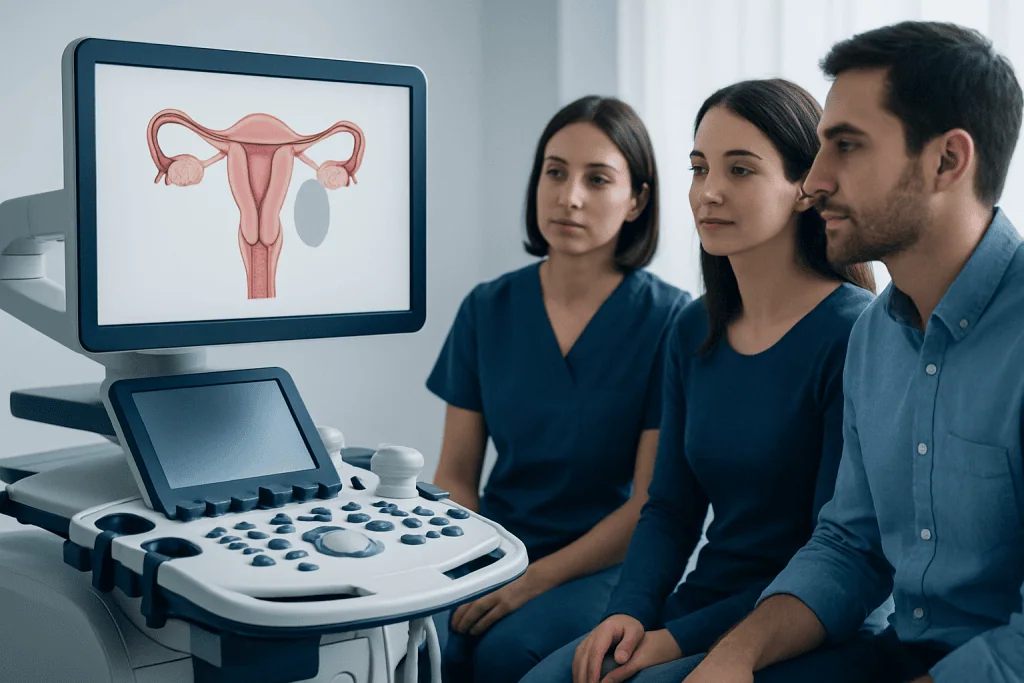
The menstrual cycle starts on the first day of a period and ends the day before the next period begins. During the first half of the cycle, hormones stimulate the ovaries and help an egg mature. The lining of the uterus also thickens in preparation for a possible pregnancy. Around mid-cycle, a surge in luteinizing hormone triggers ovulation, which is the release of an egg from the ovary.
After ovulation, the second half of the cycle begins. This phase is often more consistent in length than the first half. If the egg is fertilized, it may implant in the uterus. If not, hormone levels fall and menstruation starts. Because the timing of ovulation is the key event for fertility, a woman is most fertile in relation to ovulation rather than to a fixed calendar date.
Women with irregular periods may still ovulate, but the timing can be harder to predict. Conditions such as amenorrhea, premature ovarian insufficiency, thyroid disorders, or hormonal imbalance can reduce or stop ovulation. In some women, issues such as ovarian cysts may also affect cycle regularity depending on the cause.
When Is a Lady Most Fertile?
A woman is generally most fertile during the two to three days before ovulation and on the day of ovulation itself. This timing reflects the life span of sperm and the much shorter life span of the egg. Sperm placed in the reproductive tract before ovulation may already be waiting when the egg is released, which improves the chance of fertilization.
For a woman with a regular cycle, the fertile window can sometimes be estimated by counting backward from the next expected period. Ovulation often occurs about 14 days before the next period begins, not necessarily 14 days after the last period started. For example, if a cycle is 30 days long, ovulation may happen around day 16. If a cycle is 24 days long, it may happen closer to day 10.
Because cycle length can change, calendar estimates are only a guide. Many women find it more helpful to combine dates with body signs and ovulation testing. This can give a clearer picture of when fertility is highest in a given month.
- Highest fertility: usually the 2 days before ovulation and the day of ovulation
- Good chance of pregnancy: the 5 days leading up to ovulation
- Lower chance: after ovulation has passed
Signs of Ovulation and Fertile Days
The body often gives clues that ovulation is approaching. One of the most useful signs is cervical mucus. As estrogen rises before ovulation, cervical mucus usually becomes clearer, wetter, stretchier, and more slippery, often compared with raw egg white. This type of mucus helps sperm move more easily through the cervix.
Some women notice mild pelvic discomfort around ovulation, sometimes called ovulation pain. Others may feel bloating, breast tenderness, increased sexual desire, or a small rise in basal body temperature after ovulation. Temperature tracking can confirm that ovulation likely happened, but it does not predict it early enough on its own to identify the start of the fertile window.
Ovulation predictor kits can be especially helpful. These urine tests detect the luteinizing hormone surge that usually occurs 24 to 36 hours before ovulation. For women trying to conceive, combining cycle tracking, cervical mucus observation, and ovulation tests can improve timing. If cycles are consistently unpredictable, a doctor may assess for causes such as polycystic ovary syndrome or other ovulatory disorders.
What Can Affect the Fertile Window?
Many factors can shift or shorten the fertile window. Irregular ovulation is one of the most common reasons the fertile period is harder to predict. This may happen with polycystic ovary syndrome, significant weight loss or gain, intense exercise, emotional stress, sleep disruption, thyroid disease, or elevated prolactin levels. Age also affects fertility, mainly because egg number and quality decline over time.
Some women may have regular periods but still ovulate earlier or later than expected. Others may occasionally have a cycle without ovulation. This means that relying only on a mobile app or average cycle length can be misleading. Tracking over several months may help, but medical advice is important if there is doubt about whether ovulation is happening.
Fertility is also influenced by factors beyond ovulation. Sperm quality, the health of the fallopian tubes, the condition of the uterus, and general reproductive health all matter. Problems such as pelvic inflammatory disease can affect the fallopian tubes and reduce the chance of pregnancy even if ovulation is normal. A broader assessment of the reproductive system may be recommended when conception is delayed.
How to Track Fertility When Trying to Conceive
Tracking fertility can help couples time intercourse more effectively. A practical approach is to have intercourse every one to two days during the fertile window rather than focusing on a single “perfect” day. This can reduce pressure while increasing the chance that sperm are present when ovulation occurs.
Several methods can be used together. Calendar tracking may help estimate likely timing, especially in women with fairly regular cycles. Ovulation predictor kits can identify the hormonal surge before ovulation. Observing cervical mucus can show when the body is entering its most fertile phase. Some women also use basal body temperature charts, although these are better for confirming patterns than predicting upcoming ovulation.
If pregnancy does not happen after a reasonable period of trying, more detailed evaluation may be helpful. Depending on age, cycle history, and other factors, doctors may investigate ovulation, egg reserve, semen quality, and the uterus and tubes. In women with known cycle disorders or previous reproductive problems, care related to female infertility or broader infertility evaluation may be appropriate sooner.
When to Seek Medical Advice
It is sensible to speak with a doctor if periods are very irregular, absent, unusually painful, or extremely heavy, or if there are signs that ovulation may not be happening. Medical advice is also important if there is a history of pelvic infection, endometriosis, repeated miscarriage, or previous surgery involving the pelvis or reproductive organs. Earlier assessment is often recommended for women aged 35 or older, or for anyone who already knows there may be a fertility concern.
A fertility evaluation may include a discussion of cycle patterns, hormone blood tests, ovulation assessment, ultrasound, and sometimes tests of the uterus and fallopian tubes. Male partner testing is also important because conception depends on both partners. Identifying the reason for delayed pregnancy can often open the way to targeted and effective treatment.
Treatment depends on the cause. Some couples benefit from cycle guidance and timed intercourse, while others may need medication to support ovulation or procedures such as insemination or IVF treatment. Near the end of the care pathway, Acibadem International’s multidisciplinary specialists and JCI-accredited hospitals also diagnose and treat fertility conditions for international patients.
Frequently asked questions
How many days after a period is a woman fertile?
There is no single day that applies to everyone because ovulation timing varies from one cycle to another. In many women, fertility rises in the days leading up to ovulation, which may happen earlier or later depending on cycle length. The most accurate approach is to track ovulation signs rather than rely only on counting from the last period.
Can a woman get pregnant right after her period?
Yes, it is possible, especially if she has a short cycle or if ovulation happens early. Sperm can live in the reproductive tract for several days, so intercourse soon after a period may still lead to pregnancy if ovulation follows shortly afterward. This is why the fertile window can begin earlier than many people expect.
Is ovulation always on day 14?
No, ovulation is not always on day 14. That timing is only a rough example based on a 28-day cycle, and even then it can vary. In real life, ovulation may occur earlier or later and can shift from month to month.
What are the best signs that a woman is fertile?
Common signs include clear, slippery, stretchy cervical mucus and a positive ovulation predictor test. Some women also notice mild one-sided pelvic pain, increased libido, or body changes around ovulation. Using more than one method usually gives a more reliable picture than relying on a single sign.
How often should couples have intercourse during the fertile window?
Many specialists advise intercourse every one to two days during the fertile window. This timing helps ensure that sperm are present when the egg is released without creating unnecessary stress about one exact day. Couples should choose a pattern that feels manageable and comfortable for them.
When should someone see a doctor about fertility?
A doctor should be consulted sooner if periods are irregular, absent, or very painful, or if there is a known reproductive health issue. In general, medical advice is reasonable after 12 months of trying if under 35, or after 6 months if 35 or older. Earlier evaluation may also be helpful if there has been pelvic infection, miscarriage, or previous pelvic surgery.
References
- American College of Obstetricians and Gynecologists
- National Health Service
- Mayo Clinic
- Centers for Disease Control and Prevention
- American Society for Reproductive Medicine
This article is for general information only and is not a substitute for professional medical advice. Please consult a qualified doctor about your individual situation.
IVF & fertility treatment in Turkey — success rates and costs
JCI-accredited · board-certified surgeons · reply within 24h
Add us as a Preferred Source to see more of our trusted health content across Google Search, AI Overviews and Discover.
Check your numbers in seconds
BMI, calories, due date, blood pressure and 30+ more clinical calculators — free, instant, doctor-reviewed ranges.

Related Treatments
Related Conditions
More from the Health Library



Related Specialists

Prof. Dr. Mehmet Cihat Ünlü
Gynecology & Obstetrics
Prof. Dr. Mete Güngör
Gynecology & Obstetrics
Prof. Dr. Bülent Tıraş
Gynecology & Obstetrics
Prof. Dr. Tansu Küçük
Gynecology & Obstetrics