Endometrial Receptivity Testing in IVF: When Transfer Timing Is Reviewed

Endometrial receptivity testing evaluates gene expression in a sample of the uterine lining to estimate the timing of the implantation window. The test is usually considered only in selected IVF cases, such as repeated unsuccessful transfers with good-quality embryos, rather than before every embryo transfer.
Key Takeaways
- Endometrial receptivity testing evaluates gene expression in a sample of the uterine lining to estimate the timing of the implantation window.
- The test is usually considered only in selected IVF cases, such as repeated unsuccessful transfers with good-quality embryos, rather than before every embryo transfer.
- A result may suggest a standard, earlier, or later timing for progesterone exposure before frozen embryo transfer.
- Testing requires an endometrial biopsy in a mock or preparation cycle and may add time, cost, and mild discomfort.
- Results should be interpreted by a fertility specialist alongside embryo quality, uterine factors, hormonal preparation, age, genetics, and the couple’s full infertility history.
Endometrial receptivity testing is a laboratory test used in selected IVF situations to review whether the uterine lining appears ready for embryo transfer at the expected time. It may help some patients discuss personalized transfer timing, but it is not recommended as a routine test for everyone because evidence of benefit remains mixed.
Overview
Endometrial receptivity testing, sometimes called an endometrial receptivity assay, is a test designed to assess whether the lining of the uterus is in a receptive state for embryo implantation. In IVF, a healthy embryo must meet a well-prepared endometrium at the right time. This short period is often called the “window of implantation.”
During a standard frozen embryo transfer cycle, fertility teams time progesterone exposure carefully because progesterone helps transform the endometrium into a receptive lining. Most patients have a window of implantation that fits established timing protocols. However, in some patients, especially after repeated unsuccessful transfers, clinicians may consider whether the optimal transfer day could be earlier or later than expected.
The test is most often discussed in the context of IVF treatment when embryo transfer timing is being reviewed. It does not test embryo health, guarantee implantation, or diagnose every cause of IVF failure. Instead, it provides one piece of information that may help a fertility specialist decide whether a personalized embryo transfer schedule is reasonable.
How Endometrial Receptivity Testing Works
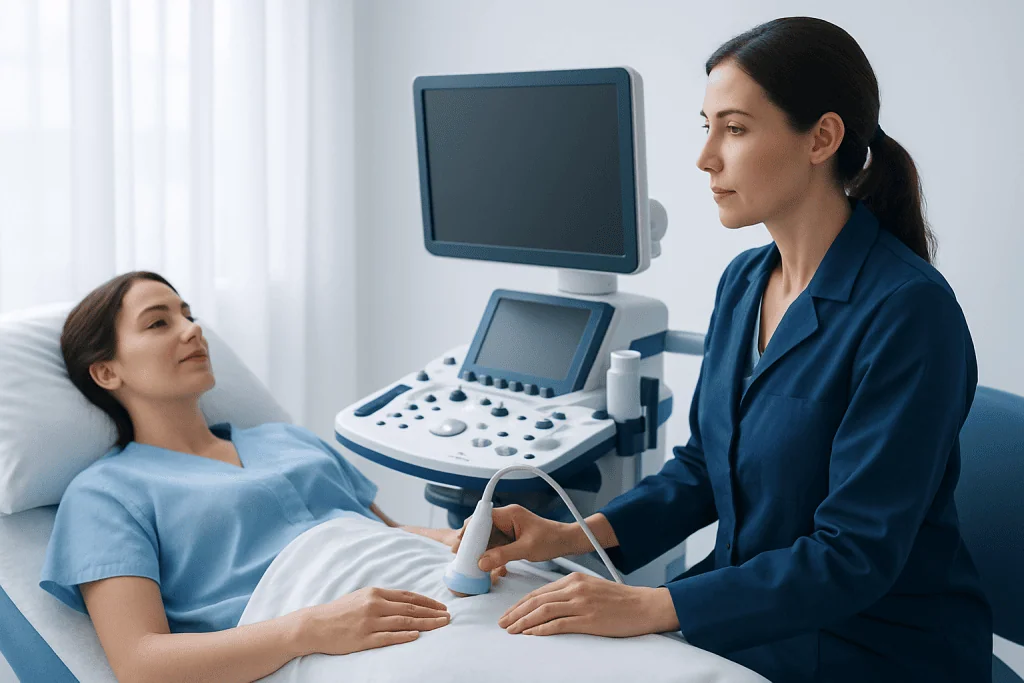
Endometrial receptivity testing is usually performed in a cycle that mimics the planned embryo transfer cycle. The patient takes estrogen and progesterone, or follows a natural or modified natural cycle, depending on the clinic’s protocol and the patient’s ovulation pattern. At the time when an embryo transfer would normally take place, a small sample of the uterine lining is collected through an endometrial biopsy.
The biopsy sample is sent to a specialized laboratory. The laboratory analyzes patterns of gene expression associated with a receptive endometrium. The result may be reported as receptive, pre-receptive, post-receptive, or sometimes non-informative, depending on the specific test used. A pre-receptive result suggests the lining may need more progesterone exposure before transfer, while a post-receptive result suggests the transfer window may have passed earlier than expected.
If the result indicates a shifted window, the fertility specialist may recommend a personalized embryo transfer in a later cycle. For example, the duration of progesterone before transfer may be adjusted. The aim is to align embryo development stage and endometrial readiness as closely as possible, while also considering embryo quality, uterine anatomy, hormone levels, and the overall treatment plan.
When Transfer Timing May Be Reviewed

Endometrial receptivity testing is not generally used as a first-line investigation for all patients starting IVF. Many embryo transfers are unsuccessful because of embryo chromosomal factors, embryo quality, age-related factors, sperm or egg factors, uterine conditions, or chance. For this reason, reviewing transfer timing is usually most relevant when other common issues have already been considered.
A fertility specialist may discuss receptivity testing in selected situations, including repeated unsuccessful embryo transfers despite good-quality embryos, previous transfer of euploid embryos after preimplantation genetic testing, or cases where the treatment history suggests timing may deserve closer evaluation. It may also be considered when standard endometrial thickness and hormone preparation appear adequate, but implantation has not occurred.
Before deciding on the test, the care team usually reviews several factors:
- Embryo stage and quality, including whether embryos are cleavage-stage or blastocyst-stage.
- Whether embryo genetic testing has been performed and what it showed.
- Uterine assessment, such as ultrasound, hysteroscopy, or saline sonography when indicated.
- Hormonal preparation, progesterone route, adherence, and blood hormone results when used.
- Other causes of infertility, including ovulation disorders, tubal disease, endometriosis, sperm factors, or unexplained infertility.
Benefits, Limits, and Current Evidence
The potential benefit of endometrial receptivity testing is that it may identify a subgroup of patients whose window of implantation appears shifted. For these patients, adjusting progesterone timing may seem logical and can provide a more individualized plan. Some patients also find value in having an additional explanation explored after difficult or repeated IVF setbacks.
However, the medical evidence is not uniform. Studies have reported mixed results, and not all research shows higher live birth rates when receptivity testing is used routinely. Many professional discussions emphasize that the test should not replace careful evaluation of embryo quality, uterine cavity problems, laboratory factors, and individualized clinical judgment.
Another important limitation is that the endometrium can vary between cycles. A biopsy result from one preparation cycle is used to guide a later transfer cycle, but no test can fully predict implantation. In addition, a receptive result does not mean pregnancy will occur, and a non-receptive result does not mean pregnancy is impossible. The result is best understood as a timing assessment, not a complete fertility diagnosis.
For these reasons, fertility specialists usually explain both the possible value and uncertainty of testing. The decision should be shared, taking into account the patient’s IVF history, emotional burden, financial considerations, available embryos, and whether test results would meaningfully change the next treatment plan.
The Procedure and What to Expect
The endometrial biopsy is a brief outpatient procedure. A speculum is placed in the vagina, similar to a cervical screening exam, and a thin catheter is gently passed through the cervix into the uterus to collect a small sample of tissue. Some patients feel cramping for a short time during or after the biopsy. Clinics may recommend simple comfort measures, but patients should follow their own doctor’s instructions.
The cycle used for testing must closely match the intended transfer cycle. If the planned embryo transfer will be in a medicated frozen embryo transfer cycle, the test cycle generally follows the same estrogen and progesterone schedule. If a natural or modified natural transfer is planned, the timing of ovulation and progesterone exposure becomes especially important.
After the biopsy, mild spotting or cramping can occur. Patients are usually advised to contact the clinic if they develop heavy bleeding, fever, severe pain, or symptoms that feel unusual. Results may take days to weeks, depending on the laboratory and clinic process. Because the biopsy cycle is not usually the embryo transfer cycle, testing may delay transfer by at least one cycle.
Treatment Planning After Results
If the result is receptive, the fertility team may continue with the standard transfer timing used in the test cycle. If the result is pre-receptive or post-receptive, the team may recommend changing the duration of progesterone before embryo transfer. This is often called personalized embryo transfer, because the transfer day is adjusted based on the test result.
Importantly, timing is only one part of IVF planning. The clinician may also review ovarian stimulation history, embryo development, semen analysis, fertilization method, uterine imaging, endocrine conditions, thyroid function when relevant, and lifestyle factors. In some cases, treatment may include approaches such as intracytoplasmic sperm injection for sperm-related fertilization issues, or additional evaluation for female infertility factors such as endometriosis, fibroids, adhesions, or ovulatory disorders.
Patients should ask how the result would change the next transfer plan before proceeding with testing. Useful questions include whether the clinic has experience applying the specific assay, whether the next cycle can replicate the test conditions, how progesterone will be monitored or administered, and what other explanations for previous implantation failure have been assessed.
Prevention, Self-Care, and Supporting the Endometrium
There is no proven lifestyle method that can precisely shift or “open” the implantation window. However, general health can support fertility treatment and reduce avoidable risks. Patients are usually encouraged to avoid smoking, limit alcohol, follow medical advice on caffeine, maintain a balanced diet, and take prescribed prenatal vitamins or folic acid as directed by their clinician.
Medication timing is especially important in frozen embryo transfer cycles. Progesterone and estrogen should be taken exactly as prescribed, because missed or delayed doses may affect endometrial preparation. Patients should tell the clinic about all medications, supplements, and medical conditions, as some may influence hormone metabolism or pregnancy planning.
Emotional self-care is also important. Repeated embryo transfer disappointment can be physically and mentally exhausting. Counseling, support groups, clear communication with the fertility team, and allowing time to review options can help patients make decisions that feel informed rather than rushed.
When to See a Fertility Specialist
Patients should speak with a fertility specialist if they have had repeated unsuccessful embryo transfers, uncertainty about frozen embryo transfer timing, known uterine conditions, irregular cycles, recurrent pregnancy loss, or questions about whether receptivity testing could change their treatment plan. A specialist can help decide whether the test is appropriate or whether other evaluations should come first.
It is also appropriate to seek a second opinion when patients have limited embryos remaining, have transferred genetically tested embryos without pregnancy, or feel unsure about the next step. A careful review may include uterine cavity assessment, embryo laboratory details, genetic considerations, hormonal preparation, and the couple’s complete reproductive history.
Acibadem International’s multidisciplinary fertility specialists and JCI-accredited hospitals evaluate and treat infertility and IVF-related concerns for international patients, including selected cases where embryo transfer timing is under review. As with any fertility decision, endometrial receptivity testing should be chosen after individualized counseling about benefits, limits, alternatives, and next steps.
Frequently asked questions
What is endometrial receptivity testing in IVF?
Endometrial receptivity testing is a biopsy-based laboratory test that evaluates whether the uterine lining appears receptive at the expected time for embryo implantation. It is mainly used to review embryo transfer timing in selected IVF cases. It does not test the embryo and cannot guarantee pregnancy.
Who may benefit from endometrial receptivity testing?
It may be considered for patients with repeated unsuccessful embryo transfers, especially when good-quality or genetically tested embryos have been transferred and other common factors have been reviewed. It is not usually recommended as a routine test for every IVF patient. A fertility specialist should decide whether the result would meaningfully change the transfer plan.
Is the endometrial biopsy painful?
Many patients describe the biopsy as brief cramping similar to period pain, while others find it more uncomfortable. The procedure is usually done in an outpatient setting and takes only a short time. Mild spotting or cramps can occur afterward, and the clinic should be contacted if symptoms are severe or unusual.
Does a receptive result mean embryo transfer will work?
No. A receptive result suggests that the endometrium matched the expected timing in that test cycle, but implantation also depends on embryo quality, genetics, uterine health, hormones, and other factors. IVF outcomes can vary even when timing appears appropriate.
What happens if the result is pre-receptive or post-receptive?
A pre-receptive result may lead the fertility team to recommend more progesterone exposure before transfer. A post-receptive result may suggest that transfer should occur earlier. The exact plan depends on the assay, the embryo stage, and whether the next cycle can closely match the test cycle.
Is endometrial receptivity testing proven to improve IVF success?
Evidence is mixed, particularly for routine use in all IVF patients. Some selected patients may receive a more personalized transfer plan, but studies have not consistently shown improved live birth rates for everyone. Patients should discuss the uncertainty, cost, timing, and alternatives with their fertility specialist.
This article is for general information only and is not a substitute for professional medical advice. Please consult a qualified doctor about your individual situation.
IVF & fertility treatment in Turkey — success rates and costs
JCI-accredited · board-certified surgeons · reply within 24h
Add us as a Preferred Source to see more of our trusted health content across Google Search, AI Overviews and Discover.
Check your numbers in seconds
BMI, calories, due date, blood pressure and 30+ more clinical calculators — free, instant, doctor-reviewed ranges.

Related Treatments
Related Conditions
More from the Health Library

IVF With Sperm Retrieval: When Surgical Sperm Collection May Be Needed

Endometrial Receptivity Testing in IVF: Evidence, Candidates, and Limits

How to Conceive: When Lifestyle Changes Help and When Treatment May Be Needed

Recurrent Pregnancy Loss: Possible Causes and Evaluation

IVF With Diminished Ovarian Reserve: How Doctors Tailor Stimulation Plans

Intrauterine Insemination (IUI): Who It Helps and What to Expect
Gynecology & Obstetrics Specialists at Acibadem

Dr. Ayşe Dişli Gürler
Gynecology & Obstetrics
Dr. Aysel Özkaynak
Gynecology & Obstetrics
Dr. Baha Celal Doğan
Gynecology & Obstetrics
Prof. Dr. Baki Erdem (m)
Gynecology & Obstetrics