Endometrial Receptivity Testing in IVF: Evidence, Candidates, and Limits

Endometrial receptivity testing examines gene activity in the uterine lining to estimate the timing of the implantation window. The test usually requires a mock embryo transfer cycle and an endometrial biopsy, so it can add time, cost, and discomfort.
Key Takeaways
- Endometrial receptivity testing examines gene activity in the uterine lining to estimate the timing of the implantation window.
- The test usually requires a mock embryo transfer cycle and an endometrial biopsy, so it can add time, cost, and discomfort.
- Research has not shown a consistent benefit for routine use in all IVF patients, including many patients having their first embryo transfer.
- It may be discussed after repeated unsuccessful transfers, especially when good-quality or chromosomally tested embryos have been used.
- A normal or adjusted result cannot guarantee implantation, because embryo quality, uterine anatomy, hormones, and general health also matter.
- Decisions about testing should be individualized with a fertility specialist who can explain likely benefits, limits, and alternatives.
Endometrial receptivity testing is designed to assess whether the uterine lining is in the optimal stage for embryo transfer during IVF. It may be considered in selected situations, but current evidence does not support using it routinely for every IVF patient.
Overview
Endometrial receptivity testing, sometimes called endometrial receptivity analysis, is a specialized test used in some IVF programs to estimate when the uterine lining is most prepared for embryo implantation. This period is often called the window of implantation. The goal is to identify whether an embryo transfer should take place at the standard time or whether the timing might need to be adjusted.
In IVF, implantation depends on several factors working together. The embryo must have the potential to develop, the uterine cavity should be healthy, and the endometrium, or uterine lining, must respond appropriately to hormones. Endometrial receptivity testing focuses only on the lining and its timing; it does not assess embryo genetics, egg quality, sperm factors, immune conditions, or all causes of infertility.
The test is most often discussed in frozen embryo transfer cycles, particularly when the timing of progesterone exposure can be carefully controlled. It is not a standard requirement for IVF treatment, and many people achieve pregnancy without it. Its value depends on a patient’s history, previous treatment results, embryo information, and the overall clinical picture.
How Endometrial Receptivity Testing Is Performed
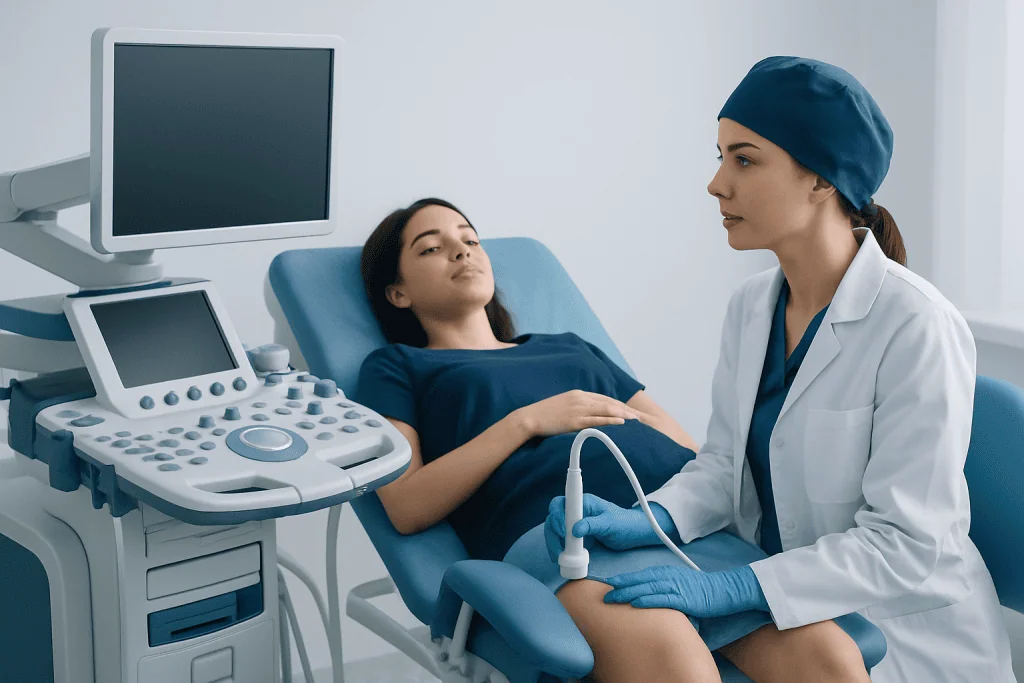
Endometrial receptivity testing is usually performed in a mock cycle that imitates the hormonal preparation planned for a future embryo transfer. In a medicated cycle, estrogen is used to build the lining, followed by progesterone to mature it. In a natural or modified natural cycle, the timing is based on ovulation and the body’s own hormone pattern. The biopsy is scheduled at the time when an embryo transfer would normally occur.
During the biopsy, a thin flexible instrument is passed through the cervix to collect a small sample of endometrial tissue. The procedure is brief and is often done in an outpatient setting. Some people feel cramping similar to menstrual cramps, and mild spotting can occur afterward. A doctor may advise avoiding intercourse, tampons, or certain medications for a short period depending on the clinic’s protocol.
The tissue sample is sent to a laboratory, where gene expression patterns are analyzed. These patterns are compared with expected receptive, pre-receptive, or post-receptive profiles. If the result suggests that the lining becomes receptive earlier or later than expected, the clinic may recommend a personalized embryo transfer schedule in a later cycle.
Because the test is performed before the actual transfer cycle, it can delay treatment by at least one cycle. It may also need to be repeated if the planned transfer protocol changes substantially, for example from a medicated cycle to a natural cycle, because endometrial timing may differ between protocols.
What the Evidence Shows

Early studies of endometrial receptivity testing suggested that some patients might have a displaced window of implantation and could benefit from personalized embryo transfer. These findings generated interest because repeated unsuccessful embryo transfers can be emotionally and physically difficult, especially when embryos appear to be good quality.
However, more recent evidence has been more cautious. Randomized trials and systematic reviews have not consistently shown that routine endometrial receptivity testing improves live birth rates for all IVF patients. In particular, broad use before a first transfer or in patients without a history of implantation problems is not generally supported by high-quality evidence.
Professional guidance tends to emphasize individualized decision-making. Many fertility specialists consider the test investigational or selectively useful rather than essential. One important reason is that implantation failure is often multifactorial. A receptive endometrium cannot compensate for an embryo that is not developmentally competent, and a good embryo may still not implant because of uterine abnormalities, hormonal factors, inflammation, or chance.
Patients should also understand which outcome is being discussed. Some tests may be associated with changes in transfer timing or implantation-related markers, but the most meaningful outcomes are ongoing pregnancy and live birth. When considering any add-on test in IVF, patients can ask whether it has been shown to improve live birth for people with a similar history.
Who Might Be a Candidate
Endometrial receptivity testing may be discussed for patients with recurrent implantation failure, particularly when several transfers of good-quality embryos have not led to pregnancy and other common explanations have been reviewed. It may also be considered after unsuccessful transfer of chromosomally tested embryos, because embryo chromosome number has already been assessed in that setting.
Before ordering the test, fertility teams usually review the whole clinical picture. This may include embryo development, ovarian response, sperm factors, uterine cavity evaluation, thyroid and prolactin status when appropriate, body weight, smoking, medication history, and conditions linked with female infertility. A hysteroscopy, saline ultrasound, or other uterine assessment may be more relevant if there is concern about polyps, fibroids affecting the cavity, adhesions, or chronic endometritis.
Situations where endometrial receptivity testing is less likely to be helpful include a first IVF cycle, unexplained failure after only one transfer, or cases where embryo quality is the main concern. It is also less informative if the planned embryo transfer protocol cannot be reproduced accurately, because the result depends on timing and hormonal conditions.
A careful conversation with the fertility specialist is important. The question is not only whether the test can provide a result, but whether that result is likely to change management in a way that improves the chance of a healthy pregnancy.
Benefits, Limits, and Possible Downsides
The potential benefit of endometrial receptivity testing is that it may identify a need to adjust progesterone exposure before embryo transfer. For a selected patient, this could lead to a personalized transfer plan, such as transferring the embryo earlier or later than the standard schedule. This can provide a sense of direction after repeated unsuccessful cycles.
The main limitation is that the test does not predict pregnancy with certainty. A receptive result does not guarantee implantation, and a non-receptive result does not mean pregnancy is impossible. Test results can also vary with cycle type, medication protocol, laboratory methods, and the exact timing of the biopsy. For this reason, results should be interpreted within the broader IVF plan rather than as a stand-alone answer.
Possible downsides include additional cost, extra clinic visits, a delay before embryo transfer, and the discomfort of biopsy. There is also a small risk of bleeding, infection, or an inadequate sample, although serious complications are uncommon. Some patients may experience anxiety if results are unclear or if different tests give different recommendations.
It is helpful to compare the test with other possible next steps. Depending on the patient’s history, a doctor may prioritize embryo genetic testing, uterine cavity evaluation, review of laboratory conditions, adjustment of stimulation or transfer protocols, treatment of endometrial inflammation, or sperm-related testing. In some cases, procedures such as ICSI may be relevant for fertilization issues, but they do not replace assessment of the endometrium.
Interpreting Results and Planning Transfer
Results are commonly reported as receptive, pre-receptive, or post-receptive. A receptive result means that the biopsy sample matched the expected gene expression pattern for the intended transfer time. A pre-receptive result suggests that the endometrium may need more progesterone exposure before transfer. A post-receptive result suggests that the optimal window may have passed earlier than expected.
If the result is non-receptive, the clinic may recommend a personalized embryo transfer in a later cycle using the same type of hormone preparation. Reproducibility is important: estrogen, progesterone route, dose schedule, and timing are usually kept as close as possible to the mock cycle. If the transfer cycle is changed significantly, the original result may be less applicable.
Patients should ask how the clinic will use the result. Useful questions include: Will the test change the transfer date? Is the result based on a medicated or natural cycle? What other causes of previous failure have been excluded? How many embryos are available? Is embryo genetic testing relevant? These questions help ensure that testing supports a clear clinical decision.
It is also important to keep expectations balanced. Personalized timing may be one part of care, but implantation remains a complex biological process. Emotional support, clear communication, and realistic planning can help patients feel more informed and less burdened by uncertainty.
When to Speak With a Fertility Specialist
A patient may wish to discuss endometrial receptivity testing if there have been repeated unsuccessful embryo transfers, especially when embryos were of good quality or chromosomally tested and the uterine cavity has been evaluated. It is also reasonable to ask about the test if a previous cycle raised concerns about lining development, progesterone timing, or repeated cycle cancellation.
Medical advice is especially important when there are additional symptoms or known conditions, such as heavy menstrual bleeding, pelvic pain, suspected endometriosis, fibroids, previous uterine surgery, recurrent pregnancy loss, or irregular cycles. These issues may require targeted evaluation before an embryo transfer plan is changed.
Patients should feel comfortable asking for a clear explanation of benefits, limitations, costs, alternatives, and the level of evidence. A qualified fertility specialist can help decide whether endometrial receptivity testing is likely to add useful information or whether another investigation should take priority.
For international patients seeking coordinated fertility care, Acibadem International’s multidisciplinary specialists and JCI-accredited hospitals diagnose and treat fertility conditions, including situations where advanced IVF planning may be needed. As with any IVF add-on, the decision to use endometrial receptivity testing should be personalized and made after careful medical counseling.
Frequently asked questions
Is endometrial receptivity testing the same as checking endometrial thickness?
No. Endometrial thickness is measured by ultrasound and shows how thick the uterine lining is. Endometrial receptivity testing analyzes gene expression in a biopsy sample to estimate whether the lining is in the right biological phase for implantation.
Does a receptive result guarantee pregnancy?
No. A receptive result means the sample matched a pattern associated with the implantation window, but pregnancy also depends on embryo competence, uterine health, hormones, and other factors. It can guide timing but cannot guarantee implantation or live birth.
Who is most likely to be offered this test?
It is most often discussed with patients who have had repeated unsuccessful embryo transfers, especially after transfer of good-quality or chromosomally tested embryos. It is not usually considered necessary before every first IVF transfer.
Is the biopsy painful?
Many patients describe the biopsy as brief cramping, similar to strong menstrual cramps. Discomfort usually settles quickly, and mild spotting may occur. The clinic can explain what to expect and whether any pain relief is appropriate.
Can the result change from one cycle to another?
The result may be influenced by the type of cycle, hormone protocol, and timing of progesterone exposure. If the later embryo transfer cycle is very different from the biopsy cycle, the result may be less reliable for planning that transfer.
Should every IVF patient have endometrial receptivity testing?
Current evidence does not support routine use for all IVF patients. The test may be considered selectively, particularly when previous transfers have failed and other common causes have been assessed. A fertility specialist can help decide whether it is likely to be useful in an individual case.
This article is for general information only and is not a substitute for professional medical advice. Please consult a qualified doctor about your individual situation.
IVF & fertility treatment in Turkey — success rates and costs
JCI-accredited · board-certified surgeons · reply within 24h
Add us as a Preferred Source to see more of our trusted health content across Google Search, AI Overviews and Discover.
Check your numbers in seconds
BMI, calories, due date, blood pressure and 30+ more clinical calculators — free, instant, doctor-reviewed ranges.

Related Treatments
Related Conditions
More from the Health Library

IVF for Endometriosis-Related Infertility

When to See a Fertility Specialist: Age, Timing, and Warning Signs

Ectopic Pregnancy: A Complete Clinical Guide for Patients

ICSI vs IVF: Which Fertility Treatment Is Used for Sperm Problems?

Embryo Donation in IVF: Who May Consider It and How the Process Works

When to See a Fertility Specialist for Infertility
Gynecology & Obstetrics Specialists at Acibadem

Dr. Ayberk Çakır
Gynecology & Obstetrics
Dr. Ayfer Pepekal Kükrer
Gynecology & Obstetrics
Assoc. Prof. Dr. Aylin Önder Dirican
Gynecology & Obstetrics
Dr. Aylin Tatlıadım
Gynecology & Obstetrics