Recurrent Pregnancy Loss: Possible Causes and Evaluation

Recurrent pregnancy loss may be related to genetic, anatomical, hormonal, immune, blood-clotting, lifestyle, or unexplained factors. Many couples who experience recurrent miscarriage can still have a successful future pregnancy, even when no specific cause is found.
Key Takeaways
- Recurrent pregnancy loss may be related to genetic, anatomical, hormonal, immune, blood-clotting, lifestyle, or unexplained factors.
- Many couples who experience recurrent miscarriage can still have a successful future pregnancy, even when no specific cause is found.
- Evaluation often includes medical history, ultrasound imaging, blood tests, and sometimes genetic testing for the pregnancy tissue or parents.
- Treatment depends on the cause and may include correcting uterine problems, managing thyroid or diabetes issues, using IVF with genetic testing in selected cases, or providing close early pregnancy care.
- Emotional support is an important part of care because repeated pregnancy loss can affect grief, anxiety, relationships, and wellbeing.
Recurrent pregnancy loss is usually defined as two or more miscarriages and can be emotionally difficult as well as medically complex. A structured evaluation can help identify treatable factors and guide planning for a future pregnancy.
Overview
Recurrent pregnancy loss, also called recurrent miscarriage, refers to repeated loss of pregnancies before the fetus can survive outside the uterus. Many medical societies begin an evaluation after two clinically recognized miscarriages, especially when the losses are consecutive or when the couple has additional risk factors. The definition can vary slightly by country and guideline, but the goal is the same: to look for possible causes that may be treatable or helpful for future planning.
Miscarriage is common, and in many single pregnancy losses the cause is a random chromosome problem in the embryo. When losses happen more than once, it is understandable for patients to worry that something is being missed. In some people, testing identifies a clear factor such as a uterine cavity abnormality, antiphospholipid syndrome, thyroid disease, or a parental chromosome rearrangement. In others, no definite cause is found, which can be frustrating but does not mean that a successful pregnancy is impossible.
A careful evaluation is best performed by a gynecologist, reproductive endocrinologist, or fertility specialist who can review the pattern of losses in detail. The timing of each miscarriage, ultrasound findings, previous births, medical conditions, medications, age, and family history all help guide the workup. The approach is individualized, because unnecessary testing can add stress and may not improve outcomes.
Symptoms and Patterns That Guide Evaluation
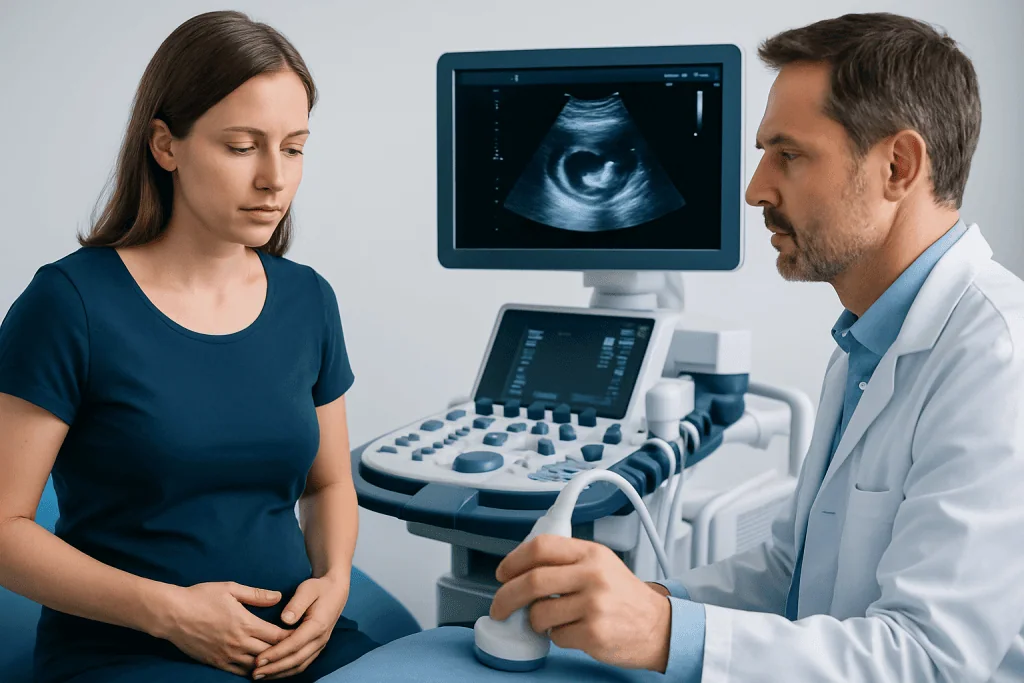
The physical symptoms of miscarriage can include vaginal bleeding, cramping, pelvic pain, passage of tissue, or loss of previously noted pregnancy symptoms. Some miscarriages are discovered during an ultrasound when the pregnancy has stopped developing, even if there has been little or no bleeding. After any pregnancy loss, patients should receive clear instructions about what to expect, warning symptoms, and follow-up care.
For recurrent pregnancy loss, the pattern of when losses occur can provide important clues. Very early losses, especially before a fetal heartbeat is seen, are often related to embryo chromosome abnormalities, though other causes are possible. Losses in the late first trimester or second trimester may raise concern for uterine anatomy, cervical insufficiency, placental problems, blood-clotting conditions, or certain medical disorders.
Doctors may ask questions such as whether the pregnancies were confirmed by ultrasound, whether fetal heartbeat was seen, whether tissue testing was performed, and whether there were complications such as fever or heavy bleeding. A history of preterm birth, stillbirth, repeated implantation failure after IVF, or congenital abnormalities in previous pregnancies may also influence which tests are recommended.
Possible Causes and Risk Factors

There is no single cause of recurrent pregnancy loss. In many cases, several small factors may overlap, and sometimes all standard tests are normal. A compassionate explanation is important: recurrent miscarriage is rarely caused by something the patient did or did not do. Routine activities such as working, exercising moderately, having sex, or experiencing ordinary stress are not considered proven causes of miscarriage.
Commonly evaluated causes and risk factors include:
- Chromosomal factors: Many miscarriages occur because the embryo has an abnormal number of chromosomes. Less commonly, one parent carries a balanced chromosome rearrangement, such as a translocation, which can increase the chance of embryos with unbalanced chromosomes.
- Uterine anatomy: A uterine septum, significant fibroids that distort the cavity, intrauterine adhesions, or some congenital uterine differences may interfere with implantation or pregnancy growth.
- Hormonal and metabolic conditions: Poorly controlled diabetes, thyroid disease, elevated prolactin, and some ovulatory disorders can contribute to pregnancy loss risk if not managed.
- Antiphospholipid syndrome: This autoimmune clotting disorder is one of the better-established treatable causes of recurrent pregnancy loss.
- Age-related factors: As maternal age increases, the chance of embryo chromosome abnormalities rises, which can increase miscarriage risk.
- Lifestyle and environmental factors: Smoking, heavy alcohol use, illicit drug use, significant underweight or obesity, and some occupational or environmental exposures may affect pregnancy outcomes.
Infections are not usually a cause of recurrent miscarriage unless there is a specific clinical situation. Similarly, inherited thrombophilia testing is not recommended for every patient in all guidelines, because its link to early recurrent miscarriage is less clear than that of antiphospholipid syndrome. The most appropriate testing depends on the individual history and local clinical guidance.
How Recurrent Pregnancy Loss Is Diagnosed
Diagnosis begins with confirming that the losses were pregnancies and understanding how each loss occurred. A clinician usually reviews menstrual history, pregnancy test dates, ultrasound records, pathology reports, previous treatments, surgical history, medical conditions, and family history. If pregnancy tissue from a miscarriage is available, chromosome testing of that tissue may help determine whether the loss was due to a random embryo chromosome abnormality.
The evaluation commonly includes imaging of the uterus. Transvaginal ultrasound can assess the uterus and ovaries, while saline infusion sonography, hysterosalpingography, 3D ultrasound, or hysteroscopy may be used to see the uterine cavity more clearly. These tests can help identify a uterine septum, polyps, fibroids affecting the cavity, adhesions, or other structural findings.
Blood tests may include thyroid function, diabetes screening when appropriate, prolactin in selected patients, and testing for antiphospholipid antibodies. Depending on the history, doctors may recommend parental karyotyping to look for balanced chromosome rearrangements. Testing is usually most useful when chosen carefully rather than performed as a broad panel without a clear reason.
A complete evaluation may not reveal a cause. This is called unexplained recurrent pregnancy loss. Although the term can feel discouraging, many people with unexplained recurrent miscarriage go on to have a healthy pregnancy, particularly with supportive care, early monitoring, and attention to modifiable health factors.
Treatment Options and Future Pregnancy Planning
Treatment depends on the findings from the evaluation. If a uterine septum, significant intrauterine adhesions, or a cavity-distorting lesion is identified, a doctor may discuss surgical correction. Hysteroscopic procedures are commonly used for conditions inside the uterine cavity, but whether surgery is appropriate depends on the type and severity of the abnormality, symptoms, fertility history, and surgical risks.
If antiphospholipid syndrome is diagnosed according to accepted criteria, treatment during pregnancy often involves medications that reduce clotting risk, prescribed and monitored by a specialist. Thyroid disease, diabetes, and other medical conditions should be optimized before conception when possible. Patients should not start aspirin, anticoagulants, hormones, or supplements for recurrent miscarriage without medical advice, because benefits and risks vary by diagnosis.
When a parental chromosome rearrangement is found, genetic counseling is important. Options may include trying naturally with early pregnancy testing, IVF with preimplantation genetic testing in selected cases, or use of donor eggs, sperm, or embryos depending on the situation and the couple’s preferences. IVF with genetic testing may also be discussed for some patients with repeated chromosome-related losses, but it is not automatically the best choice for everyone.
Early pregnancy care can be reassuring and clinically useful. This may include confirming pregnancy location, monitoring symptoms, checking selected blood tests, and performing early ultrasound at the appropriate time. Emotional support, clear communication, and continuity of care are often as important as medical treatment, because uncertainty during early pregnancy can be especially difficult after previous losses.
Prevention, Self-care, and Emotional Wellbeing
Not every miscarriage can be prevented, especially when the cause is a random chromosome abnormality. However, preconception care can improve general health and may reduce some preventable risks. Patients planning pregnancy should review medications with a doctor, manage chronic conditions, take folic acid or a prenatal vitamin as advised, and avoid smoking, heavy alcohol use, and recreational drugs.
Healthy lifestyle measures can support fertility and pregnancy health. These include balanced nutrition, regular moderate physical activity, adequate sleep, and working toward a healthy weight when recommended. Caffeine intake should be discussed with a clinician, especially if consumption is high. People with occupational chemical, radiation, or infection exposures should ask their doctor whether any precautions are needed before or during pregnancy.
The emotional impact of recurrent pregnancy loss can be profound. Grief may be felt even when a pregnancy was early, and partners may cope differently. Counseling, pregnancy loss support groups, spiritual care, or mental health support can help patients process grief and anxiety. It is also reasonable to set boundaries around social situations, announcements, or conversations that feel painful.
When to See a Doctor
Patients should seek medical care after two or more miscarriages, or sooner if they are older, have a known uterine condition, have a medical disorder such as diabetes or thyroid disease, or have had a second-trimester loss. Evaluation is also appropriate if there is a family history of chromosome rearrangements, repeated IVF pregnancy losses, or a previous baby with a chromosome condition.
Urgent medical attention is needed during or after a miscarriage if there is very heavy bleeding, fainting, severe pain, fever, foul-smelling discharge, or concern for ectopic pregnancy. An ectopic pregnancy, which implants outside the uterus, can be serious and requires prompt diagnosis and treatment. Patients with one-sided pelvic pain, shoulder-tip pain, dizziness, or heavy bleeding in early pregnancy should contact emergency services or a doctor immediately.
International patients who need coordinated evaluation can be assessed by fertility, maternal-fetal medicine, genetics, imaging, and laboratory specialists. Acibadem International’s multidisciplinary teams and JCI-accredited hospitals diagnose and treat recurrent pregnancy loss for international patients, with care plans tailored to the individual medical history. Any patient considering evaluation abroad should bring previous ultrasound reports, laboratory results, operative notes, and pregnancy loss records if available.
Frequently asked questions
How many miscarriages are considered recurrent pregnancy loss?
Many specialists begin evaluating recurrent pregnancy loss after two clinically recognized miscarriages. Some older definitions used three losses, but earlier assessment may be helpful, especially when the patient is older or there are other risk factors.
Does recurrent miscarriage mean a person cannot have a healthy pregnancy?
No. Many people with recurrent pregnancy loss eventually have a successful pregnancy, including some in whom no specific cause is found. The purpose of evaluation is to identify treatable factors and plan safer, more supportive care for the next pregnancy.
Should pregnancy tissue be tested after a miscarriage?
Testing pregnancy tissue can sometimes show whether the miscarriage was caused by a chromosome abnormality in the embryo. This information may help guide further evaluation, but testing is not always possible or necessary, and results should be interpreted by a qualified clinician.
Can IVF prevent recurrent pregnancy loss?
IVF may help in selected situations, such as certain parental chromosome rearrangements or repeated losses related to embryo chromosome abnormalities. However, IVF is not a universal solution for recurrent miscarriage, and the decision depends on age, test results, fertility history, and personal preferences.
Are blood thinners always recommended after recurrent miscarriage?
No. Blood thinners are typically recommended only for specific diagnoses, most notably antiphospholipid syndrome, and should be prescribed by a doctor. Taking aspirin or anticoagulants without a clear indication may carry risks and may not improve pregnancy outcomes.
What can be done before trying again?
A preconception visit can help review prior losses, optimize thyroid or diabetes control, assess medications, discuss folic acid or prenatal vitamins, and plan any needed testing. Emotional readiness also matters, and it is appropriate to seek counseling or support before attempting another pregnancy.
This article is for general information only and is not a substitute for professional medical advice. Please consult a qualified doctor about your individual situation.
Explore treatments in Turkey — costs, top hospitals & a free quote
JCI-accredited · board-certified surgeons · reply within 24h
Add us as a Preferred Source to see more of our trusted health content across Google Search, AI Overviews and Discover.

Related Treatments
Related Conditions
More from the Health Library

IVF With Adenomyosis: How Uterine Changes Can Affect Implantation

Unexplained Infertility and IVF: When Treatment May Be Recommended

Low Ovarian Reserve: AMH, Egg Count, and Fertility Planning

Intrauterine Insemination (IUI): Who It Helps and What to Expect

When Are You Most Fertile? Ovulation Signs and Conception Timing

Recurrent Miscarriage and IVF: Testing, PGT, and Treatment Planning
Gynecology & Obstetrics Specialists at Acibadem

Dr. Ceyda Perçinoğlu
Gynecology & Obstetrics
Dr. Cihan Deniz Keleş
Gynecology & Obstetrics
Dr. Civan Kalafat
Gynecology & Obstetrics
Dr. Deniz Genç
Gynecology & Obstetrics