Cardiac Rehabilitation After Heart Treatment: What to Expect

Cardiac rehabilitation is designed to improve recovery after heart attack, heart surgery, stent treatment, heart failure, and some rhythm problems. Programs usually include medical assessment, supervised exercise, education about heart-healthy living, and emotional support.
Key Takeaways
- Cardiac rehabilitation is designed to improve recovery after heart attack, heart surgery, stent treatment, heart failure, and some rhythm problems.
- Programs usually include medical assessment, supervised exercise, education about heart-healthy living, and emotional support.
- The plan is personalized based on the patient’s condition, treatment, fitness level, symptoms, and goals.
- Cardiac rehabilitation can help improve stamina, reduce symptoms, support medication adherence, and build confidence in daily activity.
- Patients should seek urgent medical care for chest pain, fainting, severe shortness of breath, or new palpitations during recovery.
Cardiac rehabilitation is a structured program that supports recovery after many heart conditions and treatments. It combines supervised exercise, education, risk-factor management, and emotional support to help patients return to daily life more safely and confidently.
Overview: what cardiac rehabilitation is
Cardiac rehabilitation is a medically supervised recovery program for people who have had a heart condition or heart procedure. It is not simply an exercise class. Instead, it is a structured plan that helps patients regain strength, understand their heart health, and lower the chance of future problems.
Many people join cardiac rehabilitation after a heart attack, after treatment for coronary artery disease, after a stent procedure, or after surgery such as coronary artery bypass surgery. It may also be recommended for people with heart failure, after valve procedures, or following treatment for certain rhythm disorders.
A typical program brings together cardiologists, rehabilitation physicians, nurses, physiotherapists or exercise specialists, dietitians, and sometimes psychologists. This team approach helps address physical recovery, medications, nutrition, sleep, stress, and return to work or travel.
The overall aim is to help the patient recover as fully and safely as possible. For many people, cardiac rehabilitation becomes an important bridge between hospital treatment and long-term heart-healthy living.
Who may need it after heart treatment
Cardiac rehabilitation is commonly recommended after a range of heart treatments and diagnoses. These include recovery after myocardial infarction, after stent procedures, after bypass surgery, after valve repair or replacement, and after treatment for some arrhythmias such as ablation procedures.
It can also help people whose main challenge is reduced exercise tolerance, breathlessness, or fatigue related to chronic heart disease. In these cases, rehabilitation focuses on gradual conditioning, symptom monitoring, and reducing everyday limitations.
Not everyone enters a program at the same stage. Some people begin soon after discharge from hospital, while others start weeks later once wounds have healed, medications are adjusted, or their doctor confirms it is safe to exercise.
The best candidates are not only those who are very motivated or physically fit. In fact, people who feel anxious, weak, or uncertain about activity often benefit greatly because the program provides supervision, reassurance, and practical guidance.
What to expect in a cardiac rehabilitation program

Most programs begin with an initial assessment. The care team reviews the patient’s diagnosis, recent procedures, symptoms, medications, blood pressure, heart rate, and personal goals. They may also ask about smoking, sleep, diet, stress, and any concerns about returning to daily activities.
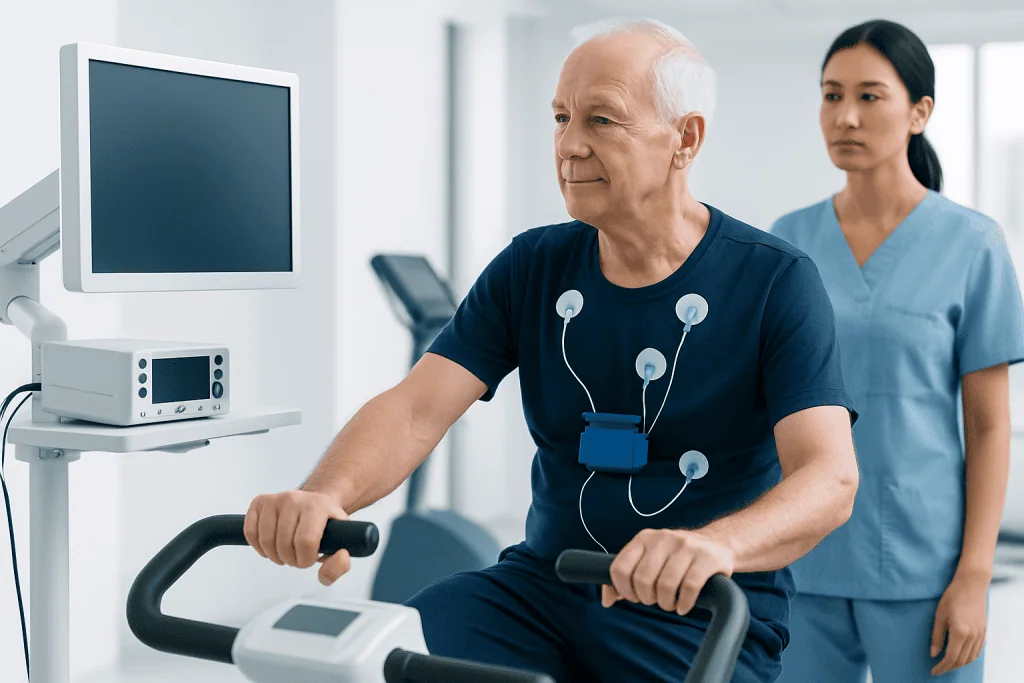
Exercise training is a central part of rehabilitation, but it is personalized. Sessions may include walking on a treadmill, cycling, light resistance training, flexibility work, and breathing exercises. Intensity is adjusted to the patient’s medical condition and progress, and staff monitor how the heart responds.
Education is another key part of care. Patients learn about heart-friendly eating, blood pressure and cholesterol control, diabetes management when relevant, safe activity levels, medication adherence, and warning signs that should not be ignored. These practical lessons can make recovery feel more manageable.
Many programs also include support for emotional wellbeing. It is common to feel low, worried, or less confident after a major heart event. Counseling, stress-management techniques, and guided discussions can help patients and families adapt to recovery with more confidence.
Benefits of cardiac rehabilitation
The benefits of cardiac rehabilitation often extend beyond physical fitness. Patients commonly notice improved stamina, easier walking or climbing stairs, better understanding of their medicines, and greater confidence in returning to ordinary tasks. This can make recovery feel more active and less uncertain.
Rehabilitation also helps patients rebuild healthy routines. A supervised setting can make it easier to start regular exercise, stop smoking, improve food choices, and monitor conditions such as high blood pressure or diabetes. These changes support long-term heart health.
Another important benefit is learning what symptoms are expected during recovery and what symptoms need medical attention. This can reduce fear around movement while still encouraging appropriate caution. Patients often feel reassured by knowing they are progressing under professional guidance.
Family members may benefit too. When relatives understand activity recommendations, medications, and dietary goals, they are often better able to support the patient in daily life. Recovery is usually smoother when it becomes a shared effort rather than an individual burden.
Exercise, lifestyle changes, and daily recovery
After heart treatment, patients often wonder how much activity is safe. In cardiac rehabilitation, activity is increased gradually. The care team usually encourages steady progress rather than pushing through fatigue or discomfort. This can help improve endurance while avoiding unnecessary strain.
Healthy daily habits are just as important as formal exercise sessions. These usually include taking medicines exactly as prescribed, attending follow-up appointments, choosing a balanced diet low in excess salt and unhealthy fats, maintaining a healthy weight, and managing conditions such as high blood pressure.
Good recovery also includes sleep, hydration, and stress management. Breathing exercises, relaxation methods, and regular routines can support both physical and emotional healing. If the patient had surgery, wound care instructions and lifting restrictions should be followed carefully until the surgical team advises otherwise.
Returning to work, driving, sexual activity, and travel may be possible within a reasonable period, but timing varies. The safest approach is to ask the rehabilitation team or cardiologist for guidance based on the individual’s treatment, symptoms, and overall progress.
- Start with short, regular activity rather than long, exhausting sessions.
- Wear comfortable clothing and supportive shoes for exercise.
- Keep a list of medications and take them consistently.
- Stop activity and seek advice if unusual symptoms appear.
Safety, monitoring, and possible concerns
Cardiac rehabilitation is designed to be safe, but careful monitoring matters. Staff usually check symptoms, heart rate, blood pressure, and sometimes heart rhythm during sessions. This helps ensure the patient is exercising within an appropriate range for their condition.
Some mild tiredness after exercise can be normal, especially early in recovery. However, symptoms such as chest pressure, severe shortness of breath, dizziness, fainting, or a racing heartbeat are not symptoms to ignore. They may signal that the exercise level, medication plan, or underlying heart condition needs review.
Patients should tell the team about any swelling, rapid weight gain, new cough, wound redness, fever, or marked change in exercise tolerance. These issues may or may not be serious, but they deserve attention. Open communication helps the team adjust the plan safely.
For international patients or those recovering after complex procedures, coordinated follow-up is especially valuable. Near the end of recovery planning, some patients choose centers such as Acibadem International, where multidisciplinary specialists in JCI-accredited hospitals evaluate ongoing needs and organize continued heart care for international patients.
When to see a doctor during recovery
Regular follow-up is an important part of cardiac recovery, even when progress seems smooth. Patients should contact their doctor if they have symptoms that are new, worsening, or different from what the rehabilitation team explained as expected during healing.
Medical review is especially important for chest pain, breathlessness at rest, fainting, new palpitations, significant leg swelling, or sudden fatigue that limits normal activity. These symptoms do not always mean an emergency, but they should be assessed promptly by a qualified clinician.
Urgent care may be needed if symptoms are severe, prolonged, or accompanied by sweating, confusion, bluish lips, or collapse. It is safer to seek help early rather than wait and hope symptoms pass. Family members should also know these warning signs.
Patients who are unsure whether a symptom is important should still ask. The purpose of rehabilitation is not only to improve fitness, but also to help the patient feel informed, supported, and confident throughout recovery.
Frequently asked questions
How soon can cardiac rehabilitation start after heart treatment?
The timing depends on the person’s condition, the type of treatment, and how stable recovery is. Some patients start soon after hospital discharge, while others begin after a few weeks once wounds have healed or medications have been adjusted. The treating cardiologist decides when it is safe.
Is cardiac rehabilitation only for people who had heart surgery?
No. Cardiac rehabilitation may be recommended after a heart attack, stent placement, heart failure treatment, valve procedures, or treatment for some abnormal heart rhythms. It can also help people with chronic heart disease improve exercise tolerance and daily function.
What happens during a typical cardiac rehab session?
A session often includes symptom review, blood pressure or heart rate checks, supervised exercise, and education about heart-healthy habits. The exercises are tailored to the patient’s condition and may include walking, cycling, stretching, or light strength work. Staff monitor progress and adjust the plan over time.
Can cardiac rehabilitation help with anxiety after a heart event?
Yes. Feeling anxious, low, or uncertain after a heart event is common. Cardiac rehabilitation often includes emotional support, stress-management advice, and reassurance through supervised recovery, which can help rebuild confidence.
What symptoms should not be ignored during rehabilitation?
Chest pain, severe shortness of breath, dizziness, fainting, or a strong racing heartbeat should be reported promptly. New swelling, rapid weight gain, or sudden worsening of exercise tolerance also deserve medical review. If symptoms are severe or persistent, urgent care may be needed.
Will cardiac rehabilitation cure heart disease?
Cardiac rehabilitation does not cure the underlying heart condition by itself. Its purpose is to support recovery, improve fitness and quality of life, and help lower future risk through exercise, education, and long-term lifestyle changes. It works best when combined with medical treatment and regular follow-up.
References
- American Heart Association
- European Society of Cardiology
- British Heart Foundation
- National Heart, Lung, and Blood Institute
- World Health Organization
This article is for general information only and is not a substitute for professional medical advice. Please consult a qualified doctor about your individual situation.
Cardiac Rehabilitation in Turkey — costs, top hospitals & a free quote
JCI-accredited · board-certified surgeons · reply within 24h
Add us as a Preferred Source to see more of our trusted health content across Google Search, AI Overviews and Discover.
Check your numbers in seconds
BMI, calories, due date, blood pressure and 30+ more clinical calculators — free, instant, doctor-reviewed ranges.

Cardiology Department
Diagnosis and treatment of heart and vascular conditions, from prevention to advanced interventional procedures.
91 specialists in this unit