Glaucoma Surgery: What It Does and When It Is Recommended
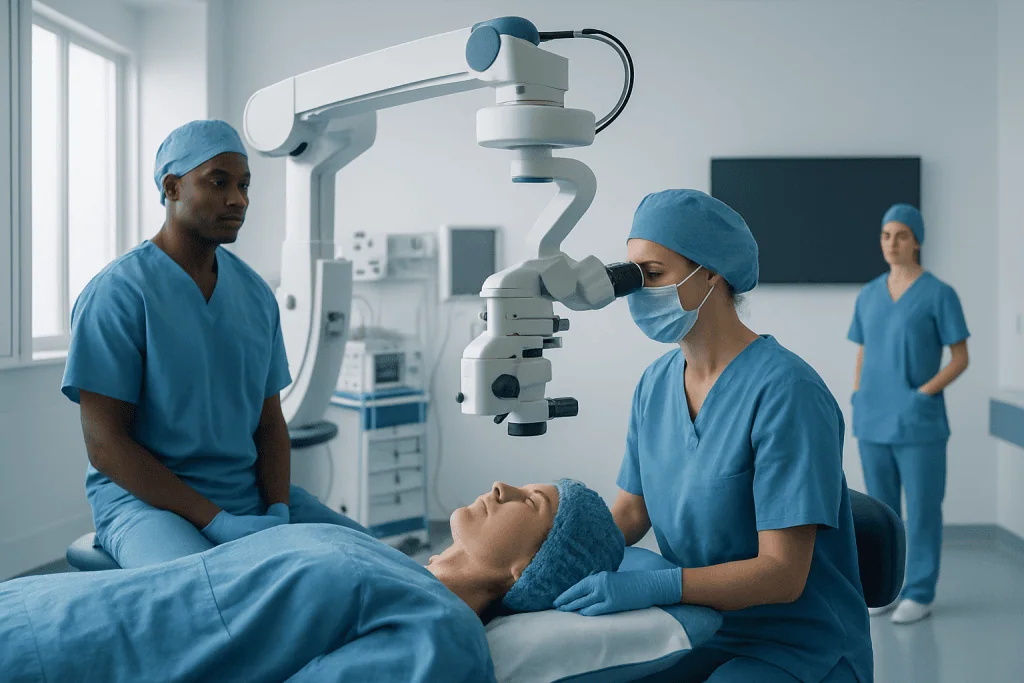
Glaucoma surgery helps lower intraocular pressure to reduce further optic nerve damage. It is usually considered when eye drops, pills, or laser treatment do not provide enough control.
Key Takeaways
- Glaucoma surgery helps lower intraocular pressure to reduce further optic nerve damage.
- It is usually considered when eye drops, pills, or laser treatment do not provide enough control.
- Several surgical options exist, including trabeculectomy, drainage devices, and minimally invasive glaucoma surgery.
- The best procedure depends on the type and severity of glaucoma, eye anatomy, and the person's overall health.
- Regular follow-up after surgery is essential because glaucoma still requires long-term monitoring.
Glaucoma surgery is used to lower pressure inside the eye when medicines or laser treatment do not control glaucoma well enough. Its goal is to protect the optic nerve and help preserve remaining vision, rather than restore vision already lost.
Overview of glaucoma surgery
Glaucoma is a group of eye conditions that can damage the optic nerve, often because pressure inside the eye becomes too high. This pressure is called intraocular pressure. When glaucoma is not controlled, the damage can gradually affect peripheral vision and later central vision. Because vision loss from glaucoma is usually irreversible, treatment focuses on slowing or stopping further damage.
Glaucoma surgery is one of the main ways to lower intraocular pressure. It may be recommended when eye drops are not enough, when medicines cause troublesome side effects, or when the disease is progressing despite treatment. Some people also need surgery because they have difficulty using drops regularly or have a form of glaucoma that requires faster pressure control.
The purpose of surgery is to improve the eye’s fluid drainage or reduce fluid production so pressure falls to a safer level. In many cases, surgery can help protect vision for years, but it does not cure glaucoma. Patients still need lifelong eye care, regular pressure checks, and monitoring of the optic nerve and visual field. A detailed eye examination is central to both planning treatment and follow-up.
When glaucoma surgery is recommended
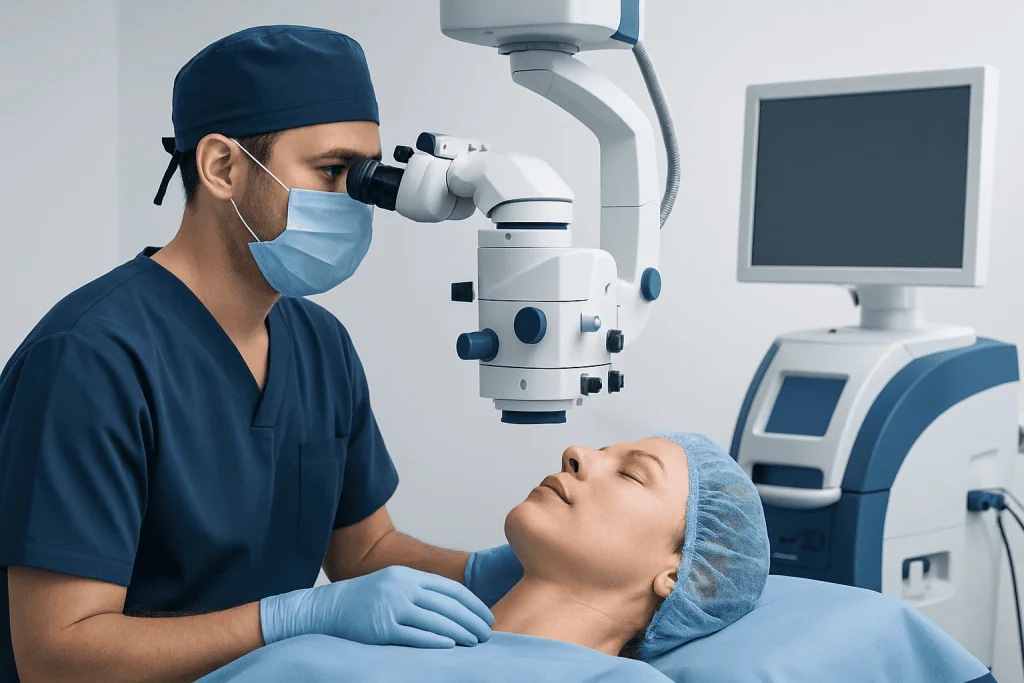
Doctors usually begin glaucoma treatment with medications, laser procedures, or both. Surgery is considered when these treatments do not lower pressure enough to meet the individual’s target pressure. The target pressure is the level thought most likely to protect the optic nerve based on the person’s disease stage and risk of progression.
Surgery may also be recommended when glaucoma is already advanced, when pressure is very high, or when vision is worsening on tests even though current treatment seems reasonable. Some forms of glaucoma, such as certain secondary glaucomas or congenital glaucoma, may require earlier surgical treatment than the more common open-angle type.
For some patients, surgery offers practical advantages. If a person cannot tolerate drops, forgets doses, has hand problems that make bottle use difficult, or needs multiple medications, surgery may help reduce treatment burden. The decision is individualized and usually follows a careful discussion of expected benefits, risks, recovery, and alternatives such as laser treatments.
Types of glaucoma surgery

There are several surgical approaches for glaucoma, and the right one depends on the type of glaucoma, how much pressure reduction is needed, and whether the eye has had previous surgery. One long-established procedure is trabeculectomy. In this operation, the surgeon creates a tiny drainage pathway so fluid can leave the eye more easily. This often lowers pressure effectively, especially when a substantial pressure reduction is needed.
Another option is a glaucoma drainage device, sometimes called a tube shunt or implant. A small tube helps direct fluid to a reservoir placed on the eye’s surface under the eyelid. Tube surgery may be used in more complex glaucoma cases, including eyes with prior operations, scarring, or certain secondary glaucomas.
Minimally invasive glaucoma surgery, often called MIGS, includes a range of newer procedures designed to reduce eye pressure with less tissue disruption and generally faster recovery. These procedures are often used in mild to moderate glaucoma and may be combined with cataract surgery when both conditions are present. In some situations, laser-based procedures such as cyclophotocoagulation may also be used to reduce fluid production inside the eye. A specialist may explain whether a more traditional operation or a minimally invasive approach offers the best balance of pressure control and safety.
How doctors decide which procedure is best
Choosing glaucoma surgery is not a one-size-fits-all decision. The ophthalmologist considers the type of glaucoma, current eye pressure, amount of optic nerve damage, visual field loss, age, general health, and whether there are other eye conditions such as cataract or retinal disease. The anatomy of the drainage angle and the condition of the eye’s tissues are also important.
Past eye surgery can affect which option is most suitable. Scar tissue from earlier procedures may make some operations less effective, while other methods may work better in previously treated eyes. The doctor also considers how low the pressure needs to be. For someone with advanced glaucoma, a larger pressure drop may be needed than for someone with early disease.
The expected benefits and possible risks are carefully weighed. Some surgeries tend to lower pressure more strongly but may require more intensive follow-up. Others may be gentler but provide a more modest pressure reduction. If vision changes raise concern about nerve-related causes beyond typical glaucoma, referral for neuro-ophthalmology assessment may sometimes be helpful as part of a broader evaluation.
What to expect before, during, and after surgery
Before surgery, the eye specialist reviews the patient’s medical history, current medications, allergies, and prior eye treatments. Measurements of eye pressure, optic nerve appearance, and visual field results help guide planning. The doctor explains how to prepare, including whether any medications should be adjusted before the procedure.
Most glaucoma surgeries are performed with local anesthesia and sedation, so the eye is numb and the person is comfortable but awake. Some procedures are done in an operating room, while certain laser procedures may be done in an outpatient setting. Depending on the technique used, surgery may take a relatively short time, but patients should expect monitoring before discharge and practical instructions for the first days at home.
After surgery, follow-up visits are especially important. The doctor checks pressure, healing, and signs of inflammation or infection. Temporary redness, blurred vision, or mild discomfort can occur, but recovery varies by procedure. Patients are often prescribed eye drops after surgery and may need to avoid heavy lifting, rubbing the eye, or strenuous activity for a period. Even when surgery is successful, glaucoma care continues long term because pressure can change over time.
Benefits, risks, and possible complications
The main benefit of glaucoma surgery is better pressure control, which can reduce the risk of further optic nerve damage. In some people, surgery also decreases dependence on daily eye drops. This can improve comfort and make treatment easier to manage, especially when multiple medications were needed before surgery.
Like all operations, glaucoma surgery has risks. These may include infection, bleeding, inflammation, eye pressure that becomes too low or remains too high, scarring that reduces the effect of the procedure, or changes in vision. Some patients may need additional office treatments, adjustments, or another surgery if the first procedure does not achieve the desired pressure control.
It is also important to understand the limits of surgery. Glaucoma surgery helps preserve remaining vision; it does not bring back vision already lost from optic nerve damage. A patient may still need glaucoma drops after surgery, though often fewer than before. Clear discussion with the eye surgeon helps set realistic expectations and supports informed decision-making.
Prevention, self-care, and ongoing monitoring
Not all glaucoma can be prevented, but early detection and consistent treatment can greatly reduce the chance of serious vision loss. People at higher risk include older adults, those with a family history of glaucoma, individuals with elevated eye pressure, and some people with diabetes, severe myopia, or long-term steroid use. Regular eye examinations are especially important because glaucoma often develops without noticeable symptoms in its early stages.
Self-care after surgery focuses on protecting the healing eye and following instructions closely. This includes using prescribed drops correctly, attending follow-up appointments, and reporting new symptoms promptly. Patients should avoid stopping medications on their own and should ask before resuming activities such as exercise, swimming, or eye makeup.
Long-term monitoring remains essential even after successful surgery. Pressure may rise again months or years later, and some people need further treatment. At Acibadem International, multidisciplinary eye specialists in JCI-accredited hospitals evaluate and treat glaucoma for international patients, including medical therapy, laser care, and eye surgery when appropriate.
When to see a doctor urgently
Anyone with glaucoma should keep routine appointments, but some symptoms require quicker medical advice. A person should contact an eye doctor promptly if they notice worsening blurred vision, increasing eye pain, significant redness, flashes, new floaters, or a sudden drop in vision after surgery. These symptoms do not always mean a serious problem, but they should be assessed without delay.
Emergency care is especially important if there is severe eye pain with nausea, headache, halos around lights, or sudden vision loss. These symptoms can occur with a rapid rise in eye pressure, such as acute angle-closure glaucoma, which needs urgent treatment. People who have had surgery should also seek help quickly if discharge, fever, or marked swelling suggests possible infection.
Even without urgent symptoms, anyone told they have suspicious optic nerve findings, high eye pressure, or possible cataracts along with glaucoma should arrange specialist follow-up. Early assessment gives the best opportunity to choose the most effective treatment plan and protect vision over time.
Frequently asked questions
Does glaucoma surgery cure glaucoma?
No. Glaucoma surgery does not cure the disease or reverse vision already lost. Its main purpose is to lower eye pressure and help protect the optic nerve from further damage.
When is glaucoma surgery usually considered?
It is usually considered when eye drops or laser treatment do not lower pressure enough, or when glaucoma continues to worsen despite treatment. It may also be recommended if medications cause side effects or are difficult to use regularly.
What is the most common glaucoma surgery?
Trabeculectomy has long been one of the most commonly performed glaucoma operations, especially when a strong pressure reduction is needed. However, minimally invasive glaucoma surgery and drainage implants are also widely used depending on the patient's condition.
Can glaucoma surgery improve vision?
In most cases, the goal is not to improve vision but to preserve the vision that remains. Some people may notice temporary blurry vision during recovery, and long-term vision depends on the stage of glaucoma and overall eye health.
Will a person still need eye drops after surgery?
Possibly. Some patients can reduce the number of glaucoma medications after surgery, while others still need drops to maintain a safe pressure. The need for medication depends on how well the eye responds and what pressure target is required.
Is glaucoma surgery painful?
The procedure itself is usually done with local anesthesia, so the eye is numb and pain is minimized. Mild discomfort, irritation, or a scratchy feeling can happen afterward, but severe pain should be reported to the doctor promptly.
References
- American Academy of Ophthalmology
- National Eye Institute
- Glaucoma Research Foundation
- National Health Service
- European Glaucoma Society
This article is for general information only and is not a substitute for professional medical advice. Please consult a qualified doctor about your individual situation.
Glaucoma Surgery in Turkey — costs, top hospitals & a free quote
JCI-accredited · board-certified surgeons · reply within 24h
Add us as a Preferred Source to see more of our trusted health content across Google Search, AI Overviews and Discover.

Ophthalmology
Comprehensive eye care from laser vision correction to retina, cornea and cataract surgery.
75 specialists in this unit