How to Get Pregnant: Medical and Lifestyle Factors That Can Help

Pregnancy is most likely when intercourse happens in the fertile window before and during ovulation. Age, ovulation problems, sperm quality, and certain health conditions can affect fertility.
Key Takeaways
- Pregnancy is most likely when intercourse happens in the fertile window before and during ovulation.
- Age, ovulation problems, sperm quality, and certain health conditions can affect fertility.
- Healthy weight, balanced nutrition, sleep, stress management, and avoiding smoking and excess alcohol can support conception.
- A medical evaluation is recommended sooner if there are irregular periods, known reproductive conditions, or male-factor concerns.
- Fertility treatments may range from ovulation support and insemination to IVF or ICSI, depending on the cause.
Learning how to get pregnant often involves a combination of timing, healthy lifestyle choices, and understanding any medical factors that may affect fertility. Many people conceive naturally, while others benefit from a fertility evaluation and personalized treatment plan.
Overview: what helps conception happen
Understanding how to get pregnant begins with knowing the basic steps of conception. Pregnancy happens when an egg is released from the ovary, sperm reaches the egg in the fallopian tube, and the resulting embryo implants in the uterus. For this process to work smoothly, ovulation, open fallopian tubes, healthy sperm, and a receptive uterine lining all play important roles.
For many couples, conception takes time even when no medical problem is present. It is normal not to become pregnant immediately. The chance of pregnancy is highest during the fertile window, which usually includes the five days before ovulation and the day of ovulation itself.
Getting pregnant is not only about timing intercourse. General health, hormone balance, age, medications, body weight, chronic conditions, and reproductive anatomy can all influence fertility. Because both partners contribute to conception, evaluation and care often consider female and male factors together.
Timing intercourse and tracking ovulation
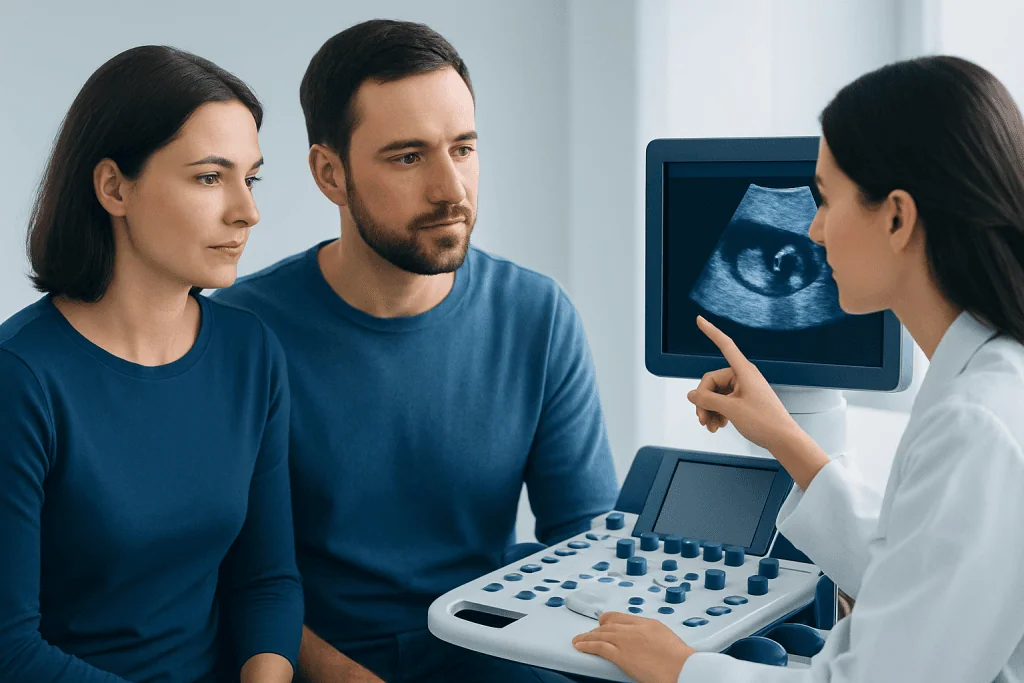
One of the most practical steps when trying to conceive is identifying the fertile window. In a typical menstrual cycle, ovulation often happens about 14 days before the next period starts, but cycle length varies from person to person. Having intercourse every one to two days during the fertile window can improve the chance of pregnancy without requiring exact timing.
Ovulation can be tracked in several ways. Home ovulation predictor kits detect the hormone surge that usually happens before the egg is released. Some people also notice physical signs such as clearer, stretchy cervical mucus, mild pelvic discomfort, or a rise in basal body temperature after ovulation.
If periods are very irregular, ovulation may be less predictable or may not happen every cycle. This can occur with hormone-related conditions such as polycystic ovary syndrome. In these situations, a doctor may help confirm whether ovulation is occurring and suggest strategies to improve cycle regularity or support egg release.
- Have intercourse regularly, especially in the 5 days before ovulation and on the day of ovulation.
- Use ovulation predictor kits if cycle timing is unclear.
- Keep a menstrual calendar or app to track cycle length and symptoms.
- Seek advice if periods are absent, very irregular, or unusually painful.
Lifestyle factors that can support fertility

Healthy lifestyle habits can support reproductive health in both women and men. Reaching and maintaining a healthy weight may help regulate hormones and ovulation, while also supporting sperm quality. Being significantly underweight or overweight can affect menstrual cycles and fertility.
Nutrition also matters. A balanced eating pattern with vegetables, fruits, whole grains, lean proteins, healthy fats, and adequate iron and folate supports overall health before pregnancy. Many doctors recommend starting a prenatal vitamin with folic acid when trying to conceive. Caffeine usually does not need to be avoided completely, but moderation is generally advised.
Smoking, vaping nicotine, recreational drug use, and heavy alcohol intake can reduce fertility and may affect pregnancy outcomes. Good sleep, regular physical activity, and stress management are also helpful. Stress alone is not usually the sole cause of infertility, but chronic stress can make the process of trying to conceive more difficult and may interfere with healthy routines.
Some couples also benefit from reviewing lubricants, workplace exposures, and medications. Certain vaginal lubricants may affect sperm movement, and some prescription or over-the-counter medicines can influence ovulation, erections, ejaculation, or hormone levels. A healthcare professional can advise whether any medication changes are needed before pregnancy.
Medical factors that may make pregnancy harder
Fertility can be affected by many medical issues, and they may involve the woman, the man, or both partners. Common female factors include problems with ovulation, reduced ovarian reserve with age, endometriosis, blocked fallopian tubes, thyroid disorders, uterine abnormalities, and conditions that affect the lining of the uterus. Some structural problems, such as a uterine septum, may interfere with implantation or increase miscarriage risk in some patients.
Menstrual patterns can offer clues. Irregular cycles, absent periods, very heavy bleeding, or severe menstrual pain may suggest an underlying issue such as hormone imbalance, fibroids, endometriosis, or amenorrhea. Infections and inflammation in the reproductive organs can also matter. For example, pelvic inflammatory disease can sometimes cause scarring in the fallopian tubes and make natural conception more difficult.
Male-factor infertility is also common and should not be overlooked. Sperm count, movement, shape, ejaculation, hormone levels, past infections, varicocele, and lifestyle habits can all affect fertility. Because male and female factors often exist together, doctors usually recommend evaluating both partners rather than focusing on only one person.
Age is another important consideration. Female fertility gradually declines over time, especially after the mid-30s, mainly because egg number and quality decrease. Male fertility also changes with age, though usually more gradually. This does not mean pregnancy is impossible, but it can affect how quickly a medical evaluation is recommended.
When to get a fertility evaluation
A fertility evaluation is usually recommended after 12 months of regular unprotected intercourse without pregnancy if the woman is under 35. If the woman is 35 or older, many doctors advise seeking help after 6 months. An earlier evaluation may be appropriate at any age if there are irregular or absent periods, known endometriosis, prior pelvic infection, recurrent miscarriage, a history of chemotherapy, testicular problems, or previous surgery involving the reproductive organs.
The evaluation often starts with a careful medical history and physical examination for both partners. Questions may cover menstrual cycles, prior pregnancies, timing of intercourse, medications, lifestyle, surgeries, sexually transmitted infections, and family history. This information helps guide which tests are most useful.
For women, tests may include blood work to assess ovulation and hormones, pelvic ultrasound, and sometimes imaging to check whether the fallopian tubes are open. For men, a semen analysis is a central first test. Depending on the findings, a doctor may recommend broader infertility evaluation and treatment to identify the cause and build a plan.
Treatment options if pregnancy does not happen naturally
Treatment depends on the cause of infertility, age, how long pregnancy has been attempted, and personal preferences. In some cases, simple steps are enough, such as improving timing, addressing thyroid problems, adjusting medications, treating infections, or supporting ovulation. If a uterine or tubal problem is present, surgical treatment may sometimes improve the chances of conception.
When ovulation is irregular, doctors may use medicines to help stimulate egg release. If sperm needs support reaching the egg, or when timing needs to be more controlled, intrauterine insemination may be suggested in selected cases. This approach is often considered for mild male-factor infertility, some ovulation problems, or unexplained infertility.
More advanced options include IVF treatment, in which eggs are collected, fertilized in a laboratory, and embryos are transferred to the uterus. In specific male-factor situations, ICSI may be used to inject a single sperm into an egg. These treatments can be helpful for blocked tubes, severe male-factor infertility, reduced ovarian reserve, or when other methods have not succeeded.
Treatment decisions are individual. A fertility specialist can explain the potential benefits, limitations, and practical steps for each option. Near the end of the care pathway, some international patients choose centers such as Acibadem International, where multidisciplinary specialists in JCI-accredited hospitals diagnose and treat fertility conditions with personalized planning.
Preconception care and self-care before pregnancy
Preparing for pregnancy is not only about becoming pregnant; it is also about supporting a healthy pregnancy from the start. A preconception visit can help review vaccines, chronic health conditions, current medications, and family history. Conditions such as diabetes, thyroid disease, high blood pressure, kidney disease, or epilepsy may need medical review before conception.
Starting folic acid before pregnancy is widely recommended because it helps reduce the risk of certain neural tube defects. Dental care, good sleep, and management of anxiety or depression can also be part of preconception health. If there has been a previous ectopic pregnancy or recurrent pregnancy loss, early medical guidance is especially important.
Self-care also includes realistic expectations. Even with good timing and healthy habits, pregnancy may take several cycles. Open communication between partners and support from a healthcare professional can make the process feel more manageable and less overwhelming.
When to see a doctor urgently or without delay
Most fertility concerns are not emergencies, but some symptoms should be assessed promptly. These include severe pelvic pain, fainting, heavy vaginal bleeding, fever, pain with a positive pregnancy test, or symptoms that suggest infection. These signs need medical attention because they can point to conditions that require timely treatment.
It is also wise to make an appointment without delay if periods are absent for several months, cycles are consistently very irregular, intercourse is painful, or there is known low sperm count or difficulty with erection or ejaculation. A history of undescended testes, pelvic surgery, cancer treatment, or repeated miscarriages also justifies early specialist input.
Seeing a doctor does not always mean that complex treatment will be needed. Often, the first step is simply understanding the cycle, checking basic tests, and identifying anything correctable. Early guidance can help couples use time effectively and move forward with more confidence.
Frequently asked questions
How long does it usually take to get pregnant?
For healthy couples, it can take several months to conceive even when no fertility problem exists. Many doctors recommend evaluation after 12 months of trying if the woman is under 35, or after 6 months if she is 35 or older.
What is the best time in the cycle to try for pregnancy?
The best time is the fertile window, usually the five days before ovulation and the day of ovulation. Having intercourse every one to two days during this time generally gives a good chance of conception.
Can irregular periods make it harder to get pregnant?
Yes, irregular periods can make ovulation harder to predict and may mean that ovulation is not happening regularly. A doctor can help identify the cause and discuss ways to support more regular ovulation.
Does age affect fertility?
Yes, age affects fertility in both women and men, although the impact is usually more significant for women. Female fertility declines over time because egg number and quality decrease, especially after the mid-30s.
Should both partners be tested for fertility problems?
Yes, fertility is a shared issue, and both partners should usually be considered in the evaluation. Male-factor infertility is common, so a semen analysis is often an important early test.
When is IVF considered?
IVF may be considered when other treatments are unlikely to work or have not been successful. It is commonly used for blocked fallopian tubes, severe male-factor infertility, some ovulation disorders, reduced ovarian reserve, or unexplained infertility.
This article is for general information only and is not a substitute for professional medical advice. Please consult a qualified doctor about your individual situation.
IVF & fertility treatment in Turkey — success rates and costs
JCI-accredited · board-certified surgeons · reply within 24h
Add us as a Preferred Source to see more of our trusted health content across Google Search, AI Overviews and Discover.
Check your numbers in seconds
BMI, calories, due date, blood pressure and 30+ more clinical calculators — free, instant, doctor-reviewed ranges.

Related Treatments
Related Conditions
More from the Health Library

Progesterone Support After IVF Transfer

Thyroid Problems and IVF: TSH Targets, Medication, and Pregnancy Planning

Embryo Transfer: Preparation, Procedure, and Aftercare
Egg Freezing Before IVF: When Fertility Preservation Fits the Treatment Plan

When to Consider IVF: Common Fertility Problems and Treatment Pathways