Gastroenterologist Near Me: How to Choose the Right GI Specialist

A gastroenterologist diagnoses and treats disorders of the digestive tract, liver, pancreas, and biliary system. The best choice depends on a person’s symptoms, medical history, and whether advanced procedures or ongoing follow-up are needed.
Key Takeaways
- A gastroenterologist diagnoses and treats disorders of the digestive tract, liver, pancreas, and biliary system.
- The best choice depends on a person’s symptoms, medical history, and whether advanced procedures or ongoing follow-up are needed.
- Important factors include board certification, experience with specific conditions, hospital resources, and communication style.
- Certain symptoms, such as bleeding, significant weight loss, trouble swallowing, or persistent abdominal pain, need prompt medical assessment.
- A prepared first visit with symptom notes, medications, and prior test results can help the specialist make an accurate plan.
Finding the right gastroenterologist involves more than choosing the closest clinic. A good match depends on symptoms, the doctor’s area of expertise, access to testing and treatment, and clear, respectful communication.
Overview: What a Gastroenterologist Does
A gastroenterologist is a doctor who specializes in the digestive system. This includes the esophagus, stomach, small intestine, colon, rectum, liver, gallbladder, bile ducts, and pancreas. People often search for a “gastroenterologist near me” when they have ongoing digestive symptoms, abnormal test results, or a condition that needs specialist follow-up.
Gastroenterologists help assess common concerns such as heartburn, bloating, abdominal pain, constipation, diarrhea, nausea, and swallowing problems. They also manage more complex disorders, including inflammatory bowel disease, liver disease, pancreatic disorders, gastrointestinal bleeding, and conditions that may require endoscopy or colonoscopy.
Choosing the right GI specialist is not only about location. Convenience matters, but expertise, diagnostic resources, and a doctor’s ability to explain findings clearly are just as important. The right specialist should help the patient feel informed, heard, and supported throughout diagnosis and treatment.
When a Person May Need a GI Specialist
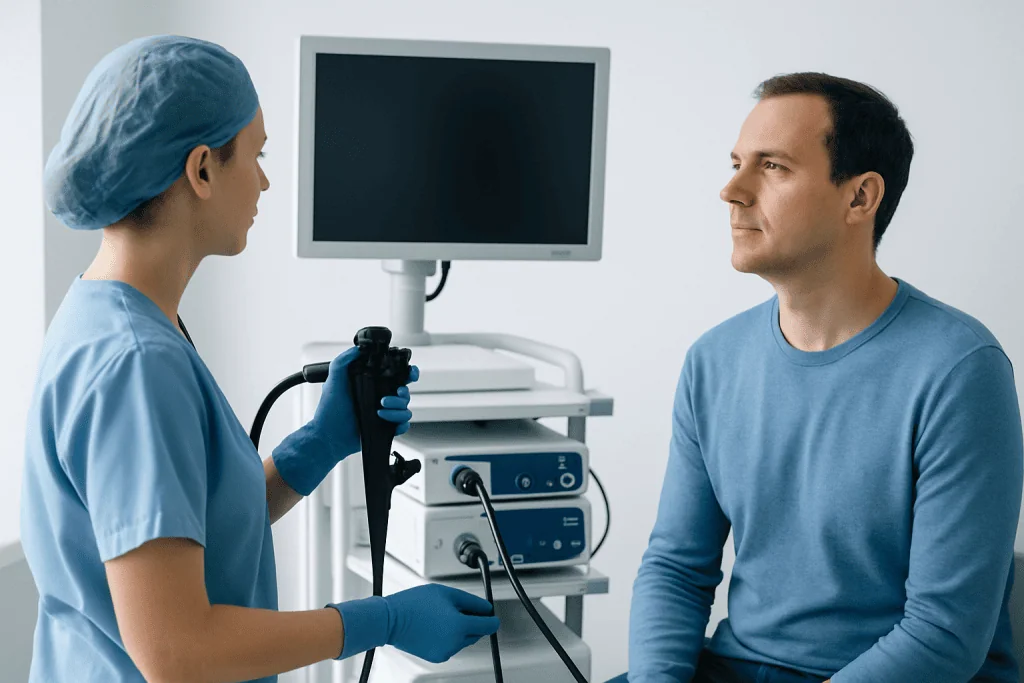
Many digestive symptoms improve with simple changes or primary care support, but some situations call for specialist evaluation. A gastroenterologist may be helpful when symptoms are persistent, recurrent, severe, or difficult to explain. This is especially true if symptoms are affecting eating, sleep, work, or overall quality of life.
Common reasons for referral include ongoing reflux, chronic constipation or diarrhea, blood in the stool, unexplained weight loss, frequent vomiting, trouble swallowing, iron deficiency, or abnormal liver tests. People may also need specialist care for known conditions such as irritable bowel syndrome, Crohn’s disease, or fatty liver disease.
Some people see a gastroenterologist for preventive care rather than symptoms. Colon cancer screening, follow-up after polyp detection, surveillance for Barrett’s esophagus, and monitoring of chronic liver or bowel disease are common examples. In these cases, it is useful to choose a doctor with experience in long-term care planning as well as procedures.
- Persistent heartburn or acid reflux
- Changes in bowel habits lasting more than a few weeks
- Abdominal pain, bloating, or unexplained nausea
- Difficulty swallowing or food getting stuck
- Blood in vomit or stool, black stools, or anemia
- Abnormal imaging or blood tests involving the liver or pancreas
How to Choose the Right Gastroenterologist

A good starting point is to consider the main reason for the visit. Some gastroenterologists focus more on general digestive complaints, while others have deeper expertise in liver disease, inflammatory bowel disease, pancreatic disorders, motility disorders, or advanced endoscopy. Matching the doctor’s experience to the patient’s main concern can make care more efficient and personalized.
Board certification, professional training, and clinical experience are important signs of qualification. It can also help to ask whether the specialist regularly manages the same type of problem. For example, a patient with long-standing reflux may benefit from a doctor familiar with Barrett esophagus evaluation, while someone with unexplained bowel symptoms may need expertise in irritable bowel syndrome care or inflammatory bowel disease assessment.
Communication style matters as much as credentials. The right gastroenterologist should listen carefully, explain possible causes in understandable language, discuss the pros and cons of tests, and invite questions. Patients often feel more confident when they understand why a colonoscopy, endoscopy, stool test, blood test, or imaging study is being recommended.
Practical factors also deserve attention. These include appointment availability, access to endoscopy units, coordination with surgeons or dietitians when needed, insurance compatibility, and the hospital’s safety and quality standards. For people traveling for care, international patient support and multidisciplinary services may also influence the decision.
Questions to Ask Before Booking or at the First Visit
Preparing a few focused questions can help patients compare options and make a more informed choice. It is reasonable to ask about the doctor’s experience with a specific symptom or condition, whether procedures are performed on site, and how urgent concerns are handled. This can give a clearer picture of how care will work in daily practice.
Patients may also want to ask how results are communicated, how often follow-up is needed, and whether dietitians, surgeons, radiologists, or hepatology specialists are involved when necessary. Digestive conditions often overlap with nutrition, imaging, pathology, and sometimes surgery, so a coordinated system can be very helpful.
It is equally important to notice how the consultation feels. A person should feel comfortable describing sensitive symptoms and confident that concerns are being taken seriously. Trust, clear explanations, and a shared decision-making approach often lead to a better long-term doctor-patient relationship.
- What conditions do you treat most often?
- Do you perform endoscopy or colonoscopy if I need one?
- What tests might help explain my symptoms?
- How quickly are urgent symptoms or abnormal results reviewed?
- Will I need long-term follow-up or lifestyle changes?
- Do you work with other specialists if my condition is complex?
Tests and Procedures a GI Specialist May Recommend
Gastroenterologists use a wide range of tests to understand digestive symptoms. The choice depends on the person’s age, medical history, family history, symptom pattern, and physical findings. In many cases, simple blood tests or stool tests are the first step, especially if infection, inflammation, anemia, celiac disease, or liver problems are being considered.
Endoscopy and colonoscopy are among the most common GI procedures. An upper endoscopy allows the doctor to examine the esophagus, stomach, and first part of the small intestine. A colonoscopy examines the large bowel and can help investigate bleeding, chronic diarrhea, polyps, or colon cancer risk. Imaging studies such as ultrasound, CT, MRI, or specialized liver scans may also be recommended.
Some patients need more specialized evaluation. For swallowing difficulty or chest discomfort related to the esophagus, testing may include motility studies and targeted assessment for achalasia and esophageal movement disorders. Others may need evaluation for liver disease, pancreatic disease, ulcers, or gastrointestinal bleeding. The right specialist should explain what each test is meant to answer and whether alternatives exist.
In general, testing should be purposeful rather than excessive. A thoughtful GI specialist will consider symptom severity, red flags, prior results, and the least invasive route to a diagnosis whenever possible.
Treatment, Follow-Up, and the Importance of a Multidisciplinary Approach
Treatment in gastroenterology depends on the diagnosis. Some conditions improve with diet changes, meal timing, hydration, stress management, or medication. Others may require endoscopic treatment, long-term monitoring, or coordinated care with colorectal surgery, hepatology, oncology, radiology, or nutrition specialists.
For example, reflux symptoms may be managed with lifestyle measures and medication, while more complex disease may need structured follow-up for reflux disease. Patients with chronic bowel inflammation may need regular monitoring, lab tests, and imaging over time. Liver conditions may involve metabolic risk management, surveillance, and specialist input if scarring or complications develop.
Follow-up is an important part of choosing the right doctor. Digestive disorders can change over time, and a doctor who provides continuity can recognize patterns, adjust treatment, and help prevent complications. This is particularly valuable for chronic disorders, recurring symptoms, or conditions that need surveillance endoscopy or colonoscopy.
Near the end of the search process, some patients may prefer a center that offers broad digestive care under one roof. Acibadem International’s multidisciplinary specialists and JCI-accredited hospitals diagnose and treat digestive conditions for international patients, which may be helpful when evaluation involves several specialties or advanced procedures.
How to Prepare for the First Gastroenterology Appointment
Bringing clear information to the first visit can make the consultation more productive. Patients should prepare a list of symptoms, when they started, what makes them better or worse, and whether they relate to meals, stress, bowel habits, or sleep. It also helps to note any recent weight changes, fever, travel, or family history of digestive disease or colon cancer.
A medication list is essential. This should include prescription drugs, over-the-counter pain relievers, antacids, laxatives, supplements, and herbal products. Prior blood tests, imaging reports, endoscopy findings, pathology results, and discharge summaries can also help the specialist avoid repeating tests unnecessarily.
If the patient feels anxious, bringing a short written timeline or a trusted companion may help. Questions can be written down in advance so nothing important is missed. Good preparation often leads to a more focused plan and a better understanding of next steps.
- Symptom diary with duration and triggers
- Current medications and supplements
- Previous test and procedure results
- Family history of bowel, liver, or pancreatic disease
- Questions about diagnosis, testing, and follow-up
When to Seek Prompt Medical Care
While many digestive symptoms are not emergencies, some should be assessed promptly. A person should not delay medical evaluation for vomiting blood, black stools, significant rectal bleeding, severe abdominal pain, jaundice, persistent vomiting, dehydration, or difficulty swallowing that is getting worse. These symptoms do not always indicate a serious problem, but they do need timely review.
Unexplained weight loss, new anemia, fever with abdominal pain, or ongoing symptoms that do not improve with initial treatment also deserve medical attention. In older adults or people with a family history of colorectal cancer, inflammatory bowel disease, or liver disease, even subtle changes may justify earlier specialist assessment.
Choosing a nearby doctor can be helpful for practical reasons, but urgent or complex symptoms may make expertise and access to hospital-based services more important than distance alone. If symptoms are severe or rapidly worsening, emergency care may be the safest first step.
Frequently asked questions
What is the difference between a gastroenterologist and a general doctor?
A general doctor manages a wide range of health concerns and often evaluates digestive symptoms first. A gastroenterologist has advanced training in diseases of the digestive tract, liver, pancreas, and related procedures such as endoscopy and colonoscopy.
Do I need a referral to see a gastroenterologist?
That depends on the healthcare system and insurance plan. Some patients can book directly, while others need a referral from a primary care doctor or another specialist.
How do I know if a gastroenterologist is right for my condition?
It helps to look at the doctor’s training, board certification, and experience with the specific problem involved. Patients should also consider whether the specialist communicates clearly, offers appropriate testing, and provides a plan that feels understandable and practical.
What symptoms should not be ignored before seeing a GI specialist?
Symptoms such as blood in the stool, black stools, vomiting blood, trouble swallowing, persistent vomiting, jaundice, severe abdominal pain, and unexplained weight loss need prompt medical attention. These symptoms may have different causes, but they should be assessed without delay.
What should I bring to my first gastroenterology appointment?
It is useful to bring a symptom timeline, a list of medications and supplements, previous test results, and details of any prior procedures. Family history and questions written in advance can also help make the visit more productive.
Can a gastroenterologist help even if tests were normal before?
Yes. Some digestive problems can be intermittent, functional, or require a different type of test to identify. A specialist can review prior results in context, look for patterns, and decide whether monitoring, lifestyle changes, or further evaluation is appropriate.
References
- National Institute of Diabetes and Digestive and Kidney Diseases
- American College of Gastroenterology
- American Gastroenterological Association
- National Health Service
- World Gastroenterology Organisation
This article is for general information only and is not a substitute for professional medical advice. Please consult a qualified doctor about your individual situation.
Persistent digestive symptoms? Get evaluated in Turkey
JCI-accredited · board-certified surgeons · reply within 24h
Add us as a Preferred Source to see more of our trusted health content across Google Search, AI Overviews and Discover.

Gastroenterology
Diagnosis and treatment of the digestive system and liver, with advanced endoscopy.
46 specialists in this unit