Coronary Angiography Recovery: How Long It Takes and What to Avoid

Most people recover from coronary angiography within 24 hours to a few days, depending on the access site and whether additional treatment was done. Mild bruising, soreness, and fatigue are common after the procedure and often improve quickly.
Key Takeaways
- Most people recover from coronary angiography within 24 hours to a few days, depending on the access site and whether additional treatment was done.
- Mild bruising, soreness, and fatigue are common after the procedure and often improve quickly.
- Heavy lifting, strenuous exercise, and driving for a short period may need to be avoided based on medical advice.
- Urgent medical review is needed for chest pain, significant bleeding, increasing swelling, or signs of poor circulation in the affected limb.
- Following instructions about medicines, hydration, wound care, and follow-up appointments supports safer healing.
Coronary angiography recovery is usually straightforward, and many people return to normal light activities within a day or two. Knowing what to expect, how long healing takes, and what to avoid can help support a smooth and safe recovery.
Overview of coronary angiography recovery
Coronary angiography is a test that allows doctors to see the blood vessels that supply the heart. It is usually done through a thin tube called a catheter, inserted through an artery in the wrist or groin. A contrast dye is used so the coronary arteries appear clearly on imaging.
Recovery from coronary angiography is often quicker than many people expect. In many cases, the procedure is performed on the same day without a long hospital stay. If the angiography is done only for diagnosis, recovery may take just a day or two. If another procedure is performed at the same time, such as coronary stent treatment, the recovery plan may be slightly different.
How long recovery takes depends on several factors, including the access site, the person’s general health, kidney function, the reason for the test, and whether any heart problem was found. People being evaluated for coronary artery disease may also receive advice about longer-term heart care beyond the immediate recovery period.
Most people feel well enough to rest at home soon after discharge, but the body still needs a short period to heal. Understanding normal symptoms and temporary restrictions can make the recovery process feel more manageable and less stressful.
How long recovery usually takes
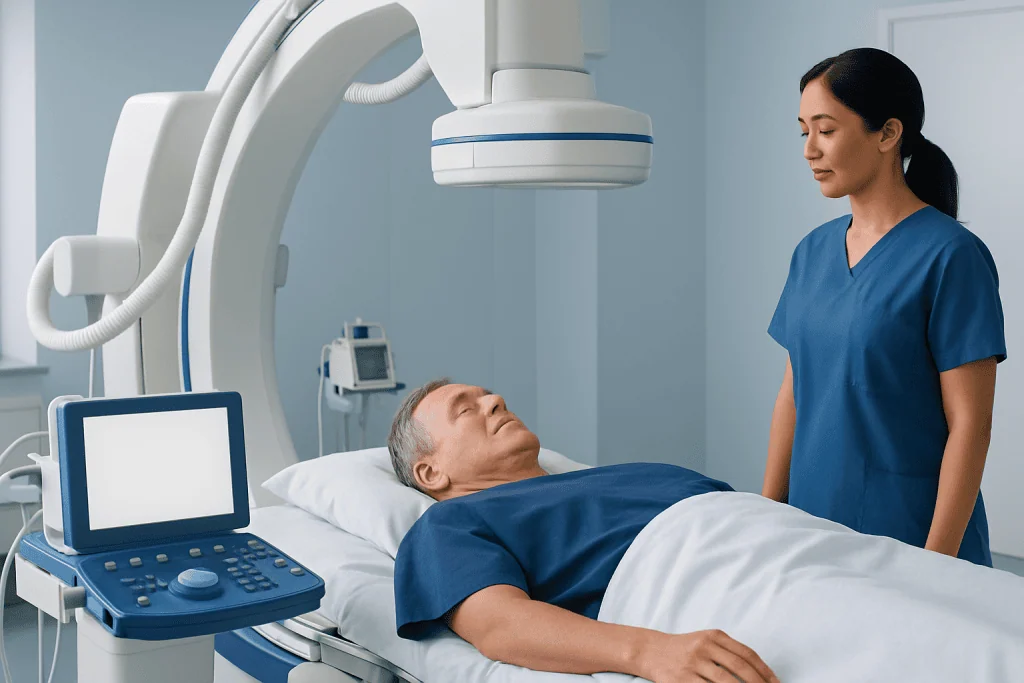
For many people, recovery after coronary angiography is brief. If the catheter was inserted through the wrist, walking and moving around often become possible sooner than with groin access. Some people resume desk work and light daily activities within 24 to 48 hours, while others need a few more days, especially if they feel tired.
When the groin artery is used, doctors may recommend more rest at first to reduce the chance of bleeding from the puncture site. The small artery opening needs time to seal, so activity restrictions may be stricter for the first day or two. Full comfort around the site can take several days, particularly if bruising develops.
If angiography leads to additional intervention, such as stent placement or referral for coronary artery bypass surgery, the recovery timeline changes because the person is recovering from more than the angiogram itself. Likewise, people with recent myocardial infarction or ongoing symptoms may need closer observation.
Even when the procedure goes smoothly, it is normal to feel somewhat tired for a day or two. Rest, fluids if advised, and careful adherence to discharge instructions usually help. The healthcare team gives the safest timeline for returning to driving, work, travel, and exercise based on the individual situation.
What is normal after the procedure

It is common to have mild tenderness, a small lump, or bruising where the catheter was inserted. These changes usually improve gradually over several days. Mild fatigue can also occur, especially after fasting, receiving sedative medicine, or spending time in the hospital.
Some people notice a warm sensation when contrast dye is injected during the procedure, but this passes quickly and does not continue into recovery. Afterward, drinking fluids may be recommended to help the body clear the contrast, unless a doctor has advised fluid restriction for another medical reason.
Temporary discomfort does not usually mean that something is wrong. Common expected symptoms may include:
- Mild soreness at the wrist or groin
- Small amounts of bruising
- A feeling of tiredness for a short time
- Minor skin sensitivity around the dressing
People who already live with heart conditions such as heart failure or stable angina may be given more individualized advice. Their doctors may recommend extra monitoring of symptoms, fluid intake, or medications during recovery.
What to avoid after coronary angiography
After coronary angiography, temporary limits are important because they help prevent bleeding from the puncture site and allow the artery to heal. Exact instructions vary, but many people are told to avoid strenuous activity, heavy lifting, and vigorous exercise for at least a short period. Pushing, pulling, or repeated bending may also need to be limited, especially after groin access.
Driving is often restricted for a short time, particularly if sedative medication was used or if the procedure followed a heart-related emergency. Alcohol may also be best avoided for the rest of the day if sedation was given. Bathing restrictions can apply as well; showers are commonly allowed after a certain point, while soaking in a tub or swimming may need to wait until the puncture site is healing well.
If the wrist was used, doctors may advise avoiding forceful gripping or heavy use of that arm for a day or two. If the groin was used, they may recommend avoiding climbing many stairs, squatting, or intense walking at first. General examples of what may need to be avoided include:
- Heavy lifting and high-intensity exercise
- Driving until cleared
- Hot baths, swimming pools, or sauna use until the site heals
- Rubbing, scratching, or pressing unnecessarily on the puncture area
- Skipping prescribed medicines or restarting blood thinners without guidance
For some people, recovery planning also includes risk-factor management such as blood pressure control, smoking cessation, and follow-up with cardiac rehabilitation or preventive cardiology services. These steps can support recovery after the test and improve long-term heart health.
Wound care, medicines, and self-care at home
Good aftercare begins with following the discharge instructions closely. The puncture site should be kept clean and dry as advised. The dressing is usually removed according to a set timeline, and the skin should be checked daily for increased redness, swelling, warmth, or bleeding.
Medicines should be taken exactly as prescribed. Some people continue their usual treatments, while others are told to hold or restart certain medicines at specific times, particularly blood thinners, diabetes medications, or drugs related to kidney function. It is important not to make these changes without medical guidance.
Simple home measures may help recovery feel easier:
- Rest for the remainder of the day after discharge
- Drink water if the doctor recommends it
- Eat light meals if nausea or fatigue is present
- Wear loose clothing that does not press on the puncture site
- Monitor for any changes in color, temperature, numbness, or swelling in the affected arm or leg
If angiography results suggest a need for further testing, doctors may recommend follow-up imaging or evaluation with services such as echocardiography or noninvasive cardiology. In some cases, longer-term treatment focuses on contributing conditions such as high blood pressure management.
Possible complications and warning signs
Serious complications after coronary angiography are uncommon, but it is still important to know the warning signs. The most common concern is bleeding or a growing collection of blood under the skin at the catheter insertion site. Immediate medical attention is needed if there is heavy bleeding, rapid swelling, or blood soaking through the dressing.
Other warning signs include chest pain, shortness of breath, fainting, new weakness, severe dizziness, or symptoms suggesting poor circulation in the arm or leg used for access. These may include unusual coldness, pale color, numbness, or increasing pain. Fever, increasing redness, or pus-like drainage can suggest infection, though this is less common.
Some people are monitored more carefully because of kidney disease, bleeding risk, diabetes, older age, or complex heart disease. Contrast dye can affect kidney function in susceptible individuals, so doctors may arrange follow-up blood tests when needed. Anyone who feels that their recovery is not following the expected course should contact their healthcare team.
Seeking help early is appropriate and reassuring. A prompt review can determine whether symptoms are part of normal healing or require treatment.
When to call a doctor and follow-up care
A doctor should be contacted if there is increasing pain, swelling, redness, bruising that is spreading significantly, or persistent oozing from the puncture site. Medical advice is also important if there is fever, reduced urine output, worsening fatigue, or difficulty taking prescribed medicines. If chest pain, shortness of breath, severe bleeding, or signs of stroke occur, emergency care is needed.
Follow-up appointments are an important part of coronary angiography recovery because the procedure often answers a larger question about heart health. The results may show normal arteries, mild disease, or significant narrowing that requires ongoing treatment. In some cases, doctors discuss medicines and lifestyle changes; in others, they may consider procedures such as heart bypass surgery if blockages are extensive.
Recovery is not only about healing the puncture site. It is also a chance to address smoking, cholesterol, blood pressure, diabetes, exercise habits, and diet. These factors strongly influence long-term cardiovascular health and can reduce the risk of future symptoms or procedures.
For people seeking care internationally, Acibadem International’s multidisciplinary specialists and JCI-accredited hospitals diagnose and treat heart conditions related to coronary angiography, while providing individualized recovery guidance and follow-up planning.
Frequently asked questions
How long does it take to recover from coronary angiography?
Many people recover within 24 hours to a few days after a diagnostic coronary angiography. Recovery can be a little longer if the groin was used for access, if there is bruising, or if another procedure was performed at the same time.
Is it normal to have bruising after a coronary angiogram?
Yes, mild bruising and soreness at the catheter site are common and usually improve over several days. However, rapidly increasing swelling, severe pain, or active bleeding should be assessed urgently.
What should be avoided after coronary angiography?
People are often advised to avoid heavy lifting, strenuous exercise, and driving for a short period, depending on the access site and any sedation used. Soaking the puncture site in a bath or pool may also need to be avoided until healing is underway.
Can a person walk after coronary angiography?
In many cases, light walking is possible fairly soon after the procedure, especially when wrist access is used. The medical team may advise extra caution and more rest if the groin artery was used.
When can normal activities and work be resumed?
Light daily activities and desk work may often resume within one to two days, but this depends on the person’s health and what was done during the procedure. Strenuous work or exercise may need to wait longer until a doctor confirms it is safe.
When should someone seek urgent help after coronary angiography?
Urgent help is needed for heavy bleeding, sudden swelling at the catheter site, chest pain, shortness of breath, fainting, or signs of poor circulation in the arm or leg. These symptoms should not be ignored, even if they appear after discharge.
This article is for general information only and is not a substitute for professional medical advice. Please consult a qualified doctor about your individual situation.
Coronary Angiography in Turkey — costs, top hospitals & a free quote
JCI-accredited · board-certified surgeons · reply within 24h
Add us as a Preferred Source to see more of our trusted health content across Google Search, AI Overviews and Discover.

Cardiology Department
Diagnosis and treatment of heart and vascular conditions, from prevention to advanced interventional procedures.
93 specialists in this unitRelated Treatments
Related Conditions
More from the Health Library

How to Choose a Heart Specialist for Complex Cardiac Surgery

Can Coronary Artery Bypass Surgery Improve Severe Angina?

Heart Bypass Surgery in Turkey: What International Patients Should Know

Heart Screening for Athletes: Detecting Hidden Cardiac Risks

Dental Clearance Before Heart Bypass Surgery: Why Oral Infections Matter