

IVF With Donor Sperm: Who May Benefit and How It Works

IVF with donor sperm may help single women, female couples, and couples facing severe male-factor infertility or inherited genetic risks. The process usually involves ovarian stimulation, egg retrieval, fertilization in the laboratory, and embryo transfer.
Key Takeaways
- IVF with donor sperm may help single women, female couples, and couples facing severe male-factor infertility or inherited genetic risks.
- The process usually involves ovarian stimulation, egg retrieval, fertilization in the laboratory, and embryo transfer.
- Donor sperm is typically screened for infections, medical history, and genetic factors according to local regulations and clinic protocols.
- Success depends on several factors, especially the age and ovarian reserve of the person providing the eggs.
- Counseling, legal guidance, and emotional preparation are important parts of treatment planning.
IVF with donor sperm is a fertility treatment option for people who cannot use a male partner’s sperm or choose to build a family without a male partner. It combines carefully screened donor sperm with in vitro fertilization to support pregnancy in a safe, structured, and closely monitored way.
Overview: What IVF With Donor Sperm Means
IVF with donor sperm is a form of assisted reproduction in which sperm from a screened donor is used to fertilize eggs in a laboratory. The resulting embryo is then transferred to the uterus with the goal of achieving pregnancy. This approach may be chosen when there is no available male partner, when a male partner has severe infertility, or when using donor sperm may lower the risk of passing on certain genetic conditions.
It is different from donor sperm insemination, in which sperm is placed into the uterus around the time of ovulation without retrieving eggs. IVF is usually more structured and more medically involved than insemination, but it may be recommended when there are additional fertility factors, such as blocked fallopian tubes, low ovarian reserve, endometriosis, or a history of unsuccessful simpler treatments. Patients may learn more about broader IVF treatment options as part of their planning.
For many people, donor sperm IVF is not only a medical decision but also a personal and emotional one. Questions about donor choice, future family conversations, privacy, and legal rules often come up early. A fertility team usually helps patients understand both the medical process and the practical issues involved so decisions can be made with clarity and confidence.
Who May Benefit From IVF With Donor Sperm
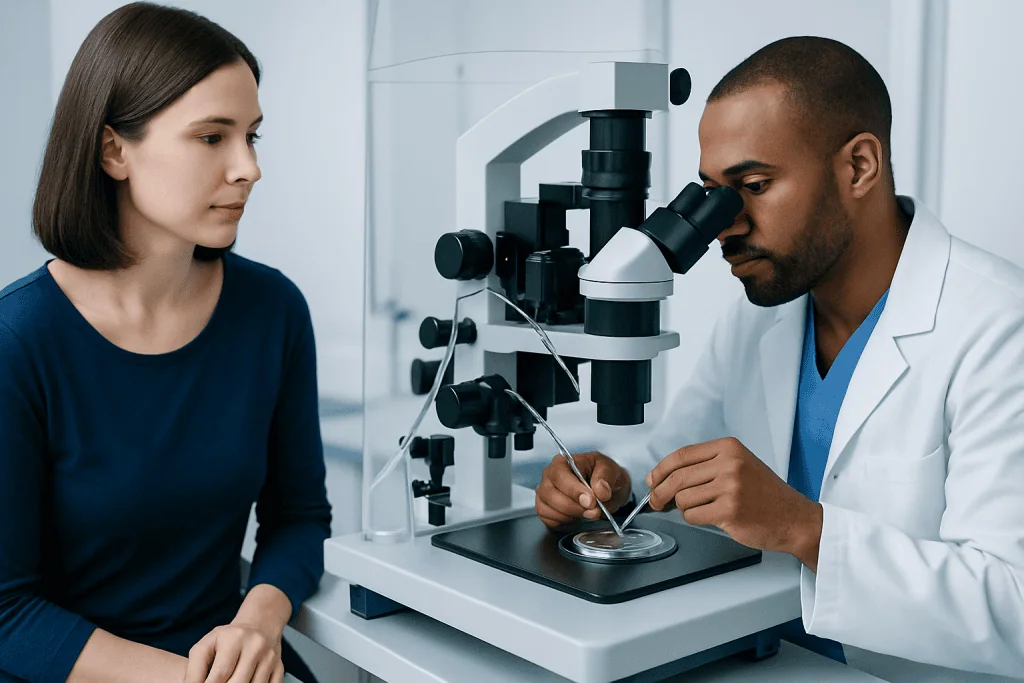
IVF with donor sperm may benefit a wide range of individuals and couples. This includes single women who want to become pregnant, female same-sex couples, and people using fertility preservation or family-building plans without a male partner. It may also be considered by couples in which the male partner has no sperm in the ejaculate, very poor sperm quality, or a condition that makes sperm use unlikely to result in pregnancy.
Another common reason is concern about inherited disease. If a male partner carries a serious genetic condition or has a family history that raises risk, donor sperm may be one possible option after genetic counseling. In some situations, a couple may first explore treatments such as ICSI or other therapies for infertility, but donor sperm becomes relevant if those options are unsuitable or unsuccessful.
IVF may be especially useful when donor sperm is needed along with treatment for another fertility issue in the egg provider. Examples include advanced maternal age, tubal damage, severe endometriosis, low ovarian reserve, or uterine concerns that require careful evaluation. Conditions such as premature ovarian insufficiency can also affect planning, although in some cases donor eggs rather than donor sperm become the main consideration.
Some patients can conceive using donor sperm through intrauterine insemination instead of IVF. However, if there are additional female fertility factors, repeated failed insemination cycles, or a need for embryo testing or cryopreservation, IVF may offer a more suitable path. Fertility specialists tailor the recommendation to the patient’s medical profile, age, reproductive goals, and preferences.
How the Process Works Step by Step

The process usually begins with an initial fertility assessment. This often includes a review of menstrual history, prior pregnancies, medical conditions, pelvic imaging, ovarian reserve testing, and blood tests for hormone levels and infectious diseases. The uterus may also be checked to look for issues that could affect implantation, such as fibroids, adhesions, or structural differences including a uterine septum.
Once a treatment plan is made, the person providing the eggs typically takes fertility medications to stimulate the ovaries so that multiple eggs can mature in one cycle. During this time, ultrasound scans and blood tests are used to monitor response and adjust treatment if needed. When the follicles are ready, the eggs are collected in a minor procedure called egg retrieval.
Donor sperm is thawed if it has been frozen, prepared in the laboratory, and used to fertilize the eggs. Fertilization may happen through standard IVF, where sperm and egg are placed together, or through ICSI, in which a single sperm is injected into an egg. The embryos are then monitored for several days as they develop in the laboratory.
After embryo development, one embryo is usually selected for transfer into the uterus, while additional suitable embryos may be frozen for future use. A pregnancy test is done about 10 to 14 days later. In many clinics, patients comparing approaches may also discuss insemination or artificial fertilisation methods before deciding which route best matches their needs.
Choosing and Screening a Sperm Donor
Sperm donors are generally screened according to national laws, professional guidance, and clinic or sperm bank protocols. Screening commonly includes a detailed personal and family medical history, infectious disease testing, and an assessment for selected genetic conditions. Semen quality is also checked to confirm that the sample meets laboratory standards for treatment use.
Donors may be anonymous, identity-release, or known, depending on local legal rules and the patient’s choice. An identity-release donor is someone whose identifying information may become available to the child later in life under certain conditions. A known donor is usually someone the recipient knows personally, but this route often requires additional legal, medical, and psychological review.
When choosing a donor, patients often consider blood group, physical characteristics, educational or personal background, and whether the donor has had previous pregnancies or donations. These details can feel very important, but fertility teams also encourage patients to focus on the bigger picture: medical suitability, realistic expectations, and what feels sustainable for their future family story.
Counseling can be especially helpful during this stage. Many people benefit from talking through how they may discuss donor conception with a future child, how each partner feels about genetic connection, and what information they want available over time. These conversations can reduce uncertainty and support informed, thoughtful decision-making.
Success Rates and Factors That Influence Outcomes
The success of IVF with donor sperm depends on several factors, but the age and egg quality of the person providing the eggs are usually among the most important. Younger age and better ovarian reserve are generally associated with higher chances of creating healthy embryos and achieving pregnancy. The quality of the uterine environment and the presence of any other reproductive conditions also matter.
Using donor sperm does not automatically guarantee success, even when sperm quality is strong. IVF outcomes are still influenced by embryo development, implantation, and overall reproductive health. For example, ovulation disorders, untreated thyroid disease, uterine abnormalities, or disorders such as pelvic inflammatory disease can affect fertility and may need attention before treatment proceeds.
Some patients may be advised to consider preimplantation genetic testing in selected situations, particularly when age-related chromosome changes are a concern. Others may benefit from freezing embryos for future use or planning treatment over more than one cycle. A fertility specialist can explain what factors are most relevant in an individual case rather than relying on general numbers alone.
It is also important to remember that emotional endurance is part of the process. Even well-planned cycles may not lead to pregnancy the first time. Clear communication with the treatment team and realistic expectations can make the journey more manageable and help patients prepare for the next step if a cycle does not succeed.
Risks, Emotional Considerations, and Legal Issues
IVF with donor sperm is generally considered safe when carried out by experienced fertility teams, but it still involves the usual risks of IVF. These may include side effects from ovarian stimulation medicines, discomfort after egg retrieval, multiple pregnancy if more than one embryo is transferred, and a small risk of ovarian hyperstimulation syndrome. There is also no guarantee that fertilization, embryo development, implantation, or pregnancy will occur.
Donor sperm itself is usually screened carefully, but no medical screening can reduce risk to zero. Clinics explain what testing is performed and what limits remain. Patients should also understand the practical implications of storage, donor availability for future sibling planning, and whether more vials from the same donor can be reserved.
The emotional side deserves equal attention. Some people feel grief related to infertility or the loss of a hoped-for genetic connection within the couple. Others feel uncertain about disclosure to family members or to a future child. Working with a counselor familiar with donor conception can help patients process these feelings in a supportive, nonjudgmental setting.
Legal rules vary widely between countries and even between regions. Areas that often require review include parental rights, donor anonymity, record access, travel for treatment, and recognition of parenthood after birth. Before treatment starts, patients should seek legal advice relevant to their location so that consent and future family arrangements are clearly understood.
Preparation, Self-Care, and Treatment Planning
Preparing for IVF with donor sperm usually involves optimizing general health before the cycle begins. Fertility specialists commonly advise stopping smoking, limiting alcohol, aiming for a healthy weight, managing stress, and beginning prenatal vitamins such as folic acid if recommended by a doctor. Good sleep, balanced nutrition, and careful management of chronic conditions can also support treatment readiness.
Medical preparation may include reviewing medications, updating vaccinations, and addressing gynecologic problems that could interfere with pregnancy. For example, ovarian function, menstrual irregularities, or conditions like female infertility may need more detailed evaluation. If symptoms suggest additional issues, such as abnormal bleeding or pain, doctors may investigate problems like endometrial polyps before proceeding.
Practical planning is helpful as well. Patients may want to think about time off work for monitoring visits, transport on the day of egg retrieval, financial planning, and whether they would prefer fresh or frozen embryo transfer if both are options. Having support from a partner, friend, or family member can make treatment days easier.
Near the end of planning, the fertility team usually reviews all consent forms, donor details, and the embryo transfer strategy. For international patients, Acibadem International’s multidisciplinary specialists in JCI-accredited hospitals diagnose and treat fertility conditions, including donor-related IVF pathways, with coordinated care designed around the individual treatment plan.
When to Speak With a Fertility Specialist
It may be time to see a fertility specialist when pregnancy has not happened after months of trying, when there is no male partner and a person wants to explore donor sperm options, or when a doctor has already identified infertility risk factors. Earlier assessment is often recommended for people over 35, those with irregular or absent periods, known tubal disease, prior pelvic infections, or a history of fertility-related surgery.
Specialist advice is also important when there is severe male-factor infertility, a need to avoid transmission of a genetic condition, or uncertainty about whether IVF or insemination is more appropriate. People with previous miscarriages, known uterine conditions, or hormone disorders may benefit from earlier review so that treatment planning is based on a complete picture of reproductive health.
Questions about donor choice, legal issues, future family disclosure, or embryo freezing are all valid reasons to schedule a consultation. A fertility team can explain the likely steps, timelines, and alternatives in a way that is specific to the patient’s situation. Early information often helps patients feel more prepared and less overwhelmed.
Anyone considering IVF with donor sperm should seek care from a qualified fertility specialist and ask about clinic experience, donor screening practices, counseling support, and applicable laws. Personalized advice matters because the most suitable path depends on age, overall health, fertility diagnosis, and family-building goals.
Frequently asked questions
Is IVF with donor sperm the same as donor insemination?
No. In donor insemination, donor sperm is placed into the uterus around ovulation without retrieving eggs. In IVF with donor sperm, eggs are collected, fertilized in a laboratory, and then an embryo is transferred to the uterus.
Who commonly uses donor sperm in IVF?
This option may be used by single women, female couples, and couples with severe male-factor infertility. It may also be considered when using a partner’s sperm could carry a significant genetic risk.
How is a sperm donor screened?
Donors are usually screened through medical and family history review, infectious disease testing, and semen analysis. Many programs also include genetic screening based on local regulations and clinic standards.
Does using donor sperm improve IVF success?
It can help when male-factor infertility is the main barrier, especially if donor sperm quality is strong. However, success still depends heavily on egg quality, age, embryo development, and the health of the uterus.
Can a child born through donor sperm IVF learn the donor’s identity later?
That depends on the laws of the country and the type of donor chosen. Some donors are anonymous, while others are identity-release, meaning identifying information may be available to the child in the future.
Is counseling recommended before treatment?
Yes. Counseling can help patients think through emotional, relational, and future parenting questions related to donor conception. It can also support decisions about disclosure, donor selection, and expectations for treatment.
This article is for general information only and is not a substitute for professional medical advice. Please consult a qualified doctor about your individual situation.
IVF & fertility treatment in Turkey — success rates and costs
JCI-accredited · board-certified surgeons · reply within 24h
Add us as a Preferred Source to see more of our trusted health content across Google Search, AI Overviews and Discover.
Check your numbers in seconds
BMI, calories, due date, blood pressure and 30+ more clinical calculators — free, instant, doctor-reviewed ranges.

Related Treatments
Related Conditions
More from the Health Library

Ovarian Stimulation in IVF: Medications, Monitoring, and Safety

Sperm DNA Fragmentation in IVF: Testing, ICSI Decisions, and Treatment Options

Day 3 vs Day 5 Embryo Transfer in IVF: How Timing Is Chosen

What Is Fertilization? How Egg and Sperm Join to Start Pregnancy

Thyroid and Prolactin Testing Before IVF: Why Hormones Matter

PCOS and Fertility: Ovulation Problems and Treatment Choices
Gynecology & Obstetrics Specialists at Acibadem
Dr. Aylin Tatlıadım
Gynecology & Obstetrics
Dr. Ayşe Dişli Gürler
Gynecology & Obstetrics
Dr. Aysel Özkaynak
Gynecology & Obstetrics
Dr. Baha Celal Doğan
Gynecology & Obstetrics