

Accessory Breast Tissue in Men: Symptoms, Diagnosis, and When Surgery May Help
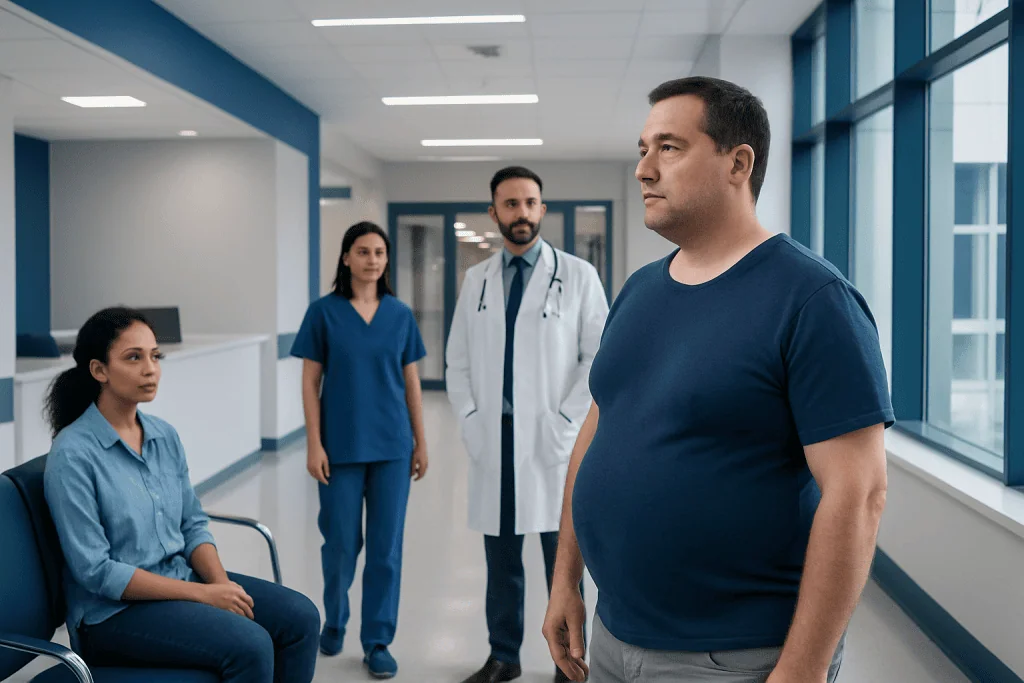
Accessory breast tissue in men is a congenital variation, meaning it develops before birth. It most often appears near the armpit and may become more noticeable with weight gain or hormonal changes.
Key Takeaways
- Accessory breast tissue in men is a congenital variation, meaning it develops before birth.
- It most often appears near the armpit and may become more noticeable with weight gain or hormonal changes.
- Diagnosis usually involves a physical exam and sometimes ultrasound or other imaging to confirm the tissue type.
- Treatment is not always necessary, but surgery may help if there is pain, swelling, or cosmetic concern.
- Any new, growing, firm, or painful lump should be assessed by a qualified doctor.
Accessory breast tissue in men is extra breast tissue that develops outside the usual chest area, most often near the armpit. It is usually harmless, but it can cause a visible bulge, discomfort, or concern about a lump, and some men choose treatment if symptoms or appearance affect daily life.
Overview
Accessory breast tissue in men refers to breast tissue that develops outside the normal breast area. It is also called ectopic or supernumerary breast tissue. This tissue forms during fetal development, when the embryonic “milk line” does not fully regress. As a result, small amounts of breast tissue can remain in other locations, most commonly near the armpit.
Although accessory breast tissue is often discussed more often in women, it can also occur in men. In many cases, it is mild and causes no symptoms. Some men notice a soft fullness, a small lump, or extra tissue in the underarm area. Others become aware of it only when the area changes with weight fluctuation, puberty, certain medications, or hormonal shifts.
Accessory breast tissue is different from general fat accumulation, though the two can look similar. It is also different from gynecomastia, which is enlargement of the usual male breast tissue on the chest. A careful evaluation helps distinguish among accessory breast tissue, fatty tissue, enlarged lymph nodes, cysts, and other causes of a lump.
Symptoms and How It May Feel
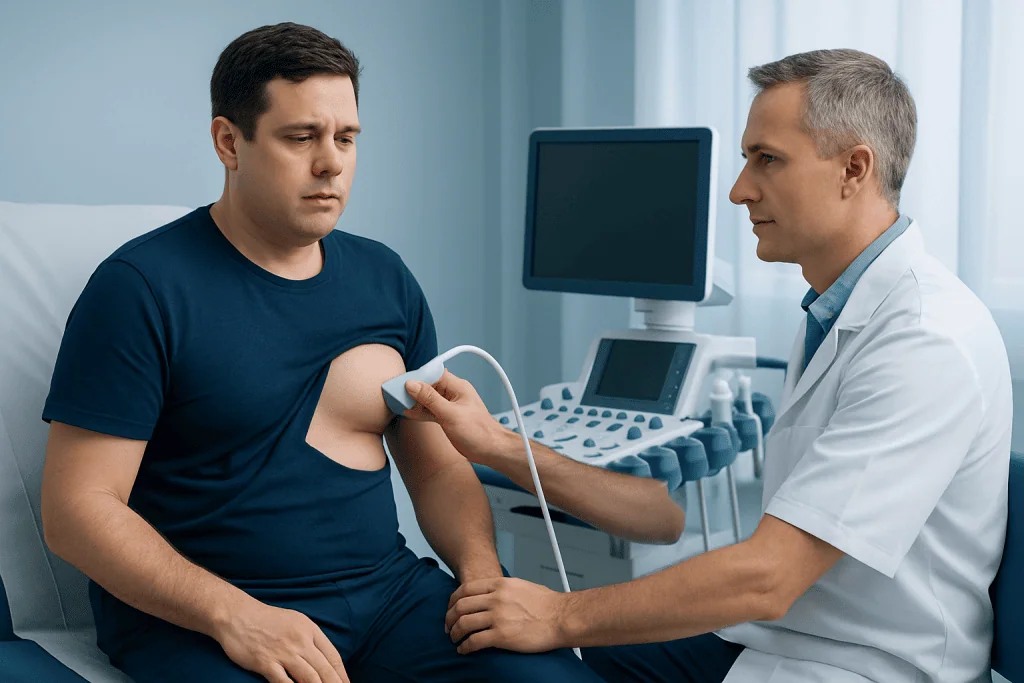
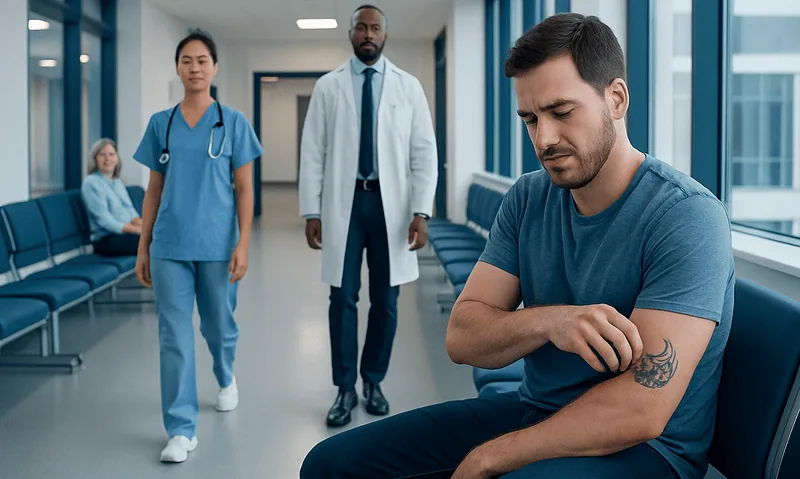
The most common sign is a localized bulge or lump, usually in the armpit region. The area may feel soft, rubbery, or slightly firm. In some men, accessory breast tissue is present on one side only, while in others it affects both sides. It may be easier to notice when raising the arms, wearing fitted clothing, or during exercise.
Some men have no discomfort at all. Others may experience tenderness, fullness, rubbing against clothing, or irritation with movement. Symptoms can become more noticeable when body weight increases or when the tissue responds to hormonal influences. This can sometimes create worry about whether the lump is something more serious.
Possible symptoms include:
- A small or moderate underarm bulge
- Soft tissue fullness outside the main chest area
- Tenderness or sensitivity to touch
- Swelling that seems to fluctuate over time
- Discomfort during exercise or arm movement
- Cosmetic concern or self-consciousness
Rarely, accessory breast tissue may develop the same benign or malignant changes that can occur in normal breast tissue. For that reason, a new change in size, texture, or pain should not be ignored, especially if the lump becomes hard, fixed, or irregular.
Causes and Risk Factors
Accessory breast tissue is not caused by an injury or infection. It is a developmental variation that begins before birth. During early fetal growth, breast-forming tissue develops along a line that runs from the armpit to the groin. Usually, most of this tissue disappears except in the chest area. When a portion remains, accessory breast tissue can develop.
This means a man may have accessory breast tissue even if he does not notice it until later in life. The tissue may become more visible over time due to body composition changes, muscle development, or hormonal influences. In many cases, it is noticed in adolescence or adulthood rather than in childhood.
Several factors can make accessory tissue easier to detect or more bothersome:
- Weight gain or increased body fat
- Puberty and normal hormonal changes
- Hormone-related conditions or medications
- Local friction from clothing or activity
- A personal tendency to develop more noticeable glandular tissue, such as with male breast enlargement
Having accessory breast tissue does not necessarily mean a man has an endocrine disorder or another illness. Still, if there are broader symptoms such as unexpected breast changes, reduced libido, testicular changes, or unexplained weight changes, a doctor may also consider hormonal or metabolic causes.
Diagnosis
Diagnosis begins with a medical history and physical examination. The doctor asks when the tissue was first noticed, whether it changes in size, and whether there is pain, redness, nipple-like skin change, or discharge. During the exam, the doctor assesses the location, texture, symmetry, and whether the tissue feels glandular, fatty, cystic, or attached to deeper structures.
Imaging may be recommended if the diagnosis is not clear or if there are concerning features. Ultrasound is often a useful first test because it can help identify whether the lump is made of fatty tissue, glandular tissue, fluid, or a lymph node. In selected cases, mammography or MRI may be considered, particularly when the lump is unusual or persistent.
Doctors may also use imaging to distinguish accessory breast tissue from other possibilities such as lipoma, cyst, inflamed glands, enlarged lymph nodes, or skin-related lesions. If the findings remain uncertain, a needle biopsy may be advised to examine the tissue more closely.
Because the underarm region can be affected by several conditions, evaluation should be individualized. Most cases are benign, but proper diagnosis is important so that men can understand whether they need reassurance, monitoring, or treatment.
Treatment Options and When Surgery May Help
Treatment depends on symptoms, appearance, and the results of the evaluation. If accessory breast tissue is small, painless, and clearly benign, no treatment may be needed. Some men prefer observation alone once they know what the lump is. Follow-up may be recommended if the area changes over time.
When the tissue causes discomfort, limits activity, or affects body image, treatment may help. Surgery is often considered if there is persistent tenderness, visible asymmetry, chafing, or anxiety about a noticeable bulge. Depending on the amount and type of tissue present, treatment may involve direct excision, liposuction, or a combination of both. In appropriate cases, doctors may discuss accessory breast treatment as a focused approach to remove the extra tissue and improve contour.
If there is overlapping chest enlargement, evaluation may also include whether treatment for gynecomastia is relevant. In some men, a broader contouring plan can be discussed, such as aesthetic breast surgery or liposuction techniques when fatty tissue contributes to the appearance. The right option depends on anatomy, skin quality, and the balance between glandular tissue and fat.
Any removed tissue is usually sent for pathological review as a standard safety step. Recovery varies by procedure, but most patients are advised to limit strenuous upper-body activity for a period of time and follow wound-care instructions closely. A qualified surgeon can explain expected scarring, contour changes, and realistic outcomes.
Prevention and Self-care
Because accessory breast tissue develops before birth, there is no guaranteed way to prevent it. However, certain self-care steps may help reduce discomfort or make the area less noticeable. Maintaining a stable, healthy weight can sometimes reduce the prominence of surrounding fat, which may improve contour even though it does not remove glandular tissue.
Comfort measures can also help in daily life. Some men find that looser clothing, softer fabrics, or reducing friction during exercise makes the area less irritated. If the tissue is tender, avoiding repeated rubbing or pressure may be useful. It is important not to repeatedly squeeze or manipulate a lump, as this can increase soreness and anxiety.
General self-care tips include:
- Monitor the area for any change in size, firmness, or tenderness
- Choose comfortable clothing for sports and daily wear
- Maintain healthy lifestyle habits and weight stability
- Seek medical review before trying cosmetic or non-medical treatments
Self-care is supportive, but it does not replace diagnosis. A doctor should assess the area before anyone assumes it is only fat or a harmless variation.
When to See a Doctor
Men should see a doctor if they notice a new lump in the armpit or chest area, especially if it persists, grows, or feels different from the surrounding tissue. Medical review is also important if there is pain, redness, warmth, skin change, nipple-like discharge, or a lump that feels firm and fixed. These features do not always mean a serious problem, but they do need proper assessment.
It is also reasonable to seek advice if the tissue causes embarrassment, affects clothing choices, or interferes with exercise and daily comfort. A consultation can clarify whether the finding is accessory breast tissue, fatty tissue, enlarged lymph nodes, or another condition. Clear diagnosis often brings reassurance and helps guide next steps.
For men considering surgery, consultation with an experienced plastic surgeon or breast specialist can help set realistic expectations about benefits, scarring, and recovery. Near the end of the care pathway, some patients may choose evaluation at centers such as Acibadem International, where multidisciplinary specialists in JCI-accredited hospitals diagnose and treat accessory breast concerns for international patients.
Prompt review is especially important for any rapidly changing lump. Early evaluation helps rule out less common causes and allows treatment to be planned appropriately if needed.
Frequently asked questions
Is accessory breast tissue in men rare?
It is less commonly discussed in men, but it does occur. Some cases are subtle and may never be diagnosed unless the tissue becomes more noticeable or causes symptoms.
Can accessory breast tissue in men go away on its own?
True accessory breast tissue usually does not disappear completely on its own. Its appearance may change with weight fluctuation or hormonal influences, but persistent glandular tissue generally remains unless it is removed.
Is accessory breast tissue the same as gynecomastia?
No. Accessory breast tissue is extra breast tissue outside the usual chest location, often near the armpit, while gynecomastia is enlargement of breast tissue in the normal chest area. A doctor can tell the difference during examination and imaging if needed.
Does every man with accessory breast tissue need surgery?
No. Surgery is usually considered only if the tissue causes pain, irritation, limited movement, or significant cosmetic concern, or if the diagnosis is uncertain. Many men do well with reassurance and observation alone.
How is accessory breast tissue diagnosed?
Diagnosis usually starts with a physical exam and medical history. Ultrasound is commonly used when the lump needs closer evaluation, and some cases may need other imaging or a biopsy.
Can accessory breast tissue become cancerous?
It is uncommon, but accessory breast tissue can develop some of the same conditions seen in normal breast tissue. That is why any new, hard, enlarging, or unusual lump should be checked by a qualified doctor.
References
- American Society of Plastic Surgeons
- National Health Service
- American College of Radiology
- Mayo Clinic
- Merck Manual Consumer Version
This article is for general information only and is not a substitute for professional medical advice. Please consult a qualified doctor about your individual situation.
Accessory Breast in Turkey — costs, top hospitals & a free quote
JCI-accredited · board-certified surgeons · reply within 24h
Add us as a Preferred Source to see more of our trusted health content across Google Search, AI Overviews and Discover.
Check your numbers in seconds
BMI, calories, due date, blood pressure and 30+ more clinical calculators — free, instant, doctor-reviewed ranges.

Plastic, Reconstructive & Aesthetic Surgery
Reconstructive and aesthetic procedures for the face and body, performed by experienced surgeons.
35 specialists in this unitRelated Treatments
Related Conditions
More from the Health Library
Related Specialists
Assoc. Prof. Dr. Erdem Güven (m)
Aesthetic Plastic & Reconstructive Surgery
Prof. Dr. Şükrü Yazar
Aesthetic Plastic & Reconstructive Surgery
Prof. Dr. Hakan Ağır
Aesthetic Plastic & Reconstructive Surgery
Prof. Dr. Bülent Saçak
Aesthetic Plastic & Reconstructive Surgery