

Breast Lift Recovery: When Can You Sleep on Your Side, Drive, and Exercise?

Most patients are advised to sleep on their back with the upper body slightly elevated early in recovery. Driving is usually delayed until prescription pain medicine is no longer needed and arm movement feels safe.
Key Takeaways
- Most patients are advised to sleep on their back with the upper body slightly elevated early in recovery.
- Driving is usually delayed until prescription pain medicine is no longer needed and arm movement feels safe.
- Exercise returns in phases, starting with light walking and progressing to more strenuous activity only after surgical clearance.
- Swelling, tightness, fatigue, and changes in breast sensation are common during healing.
- Following incision care, garment instructions, and activity limits helps support a smoother recovery.
Breast lift recovery happens gradually, with most people returning to daily activities in stages over several weeks. The exact timeline for side sleeping, driving, and exercise depends on healing, pain control, the surgical technique used, and the surgeon’s instructions.
Overview of breast lift recovery
A breast lift, also called mastopexy, reshapes and raises the breasts by removing excess skin and repositioning breast tissue and the nipple-areola complex. Recovery is usually manageable, but it requires patience because healing happens in steps. Many people feel better within the first one to two weeks, while swelling settles more gradually over the following weeks to months.
The recovery timeline is not identical for everyone. It can vary based on overall health, whether implants or another breast procedure were done at the same time, how extensive the lift was, and how the body heals. People who combine a lift with aesthetic breast surgery or breast reduction may have slightly different restrictions and timelines.
In the first days after surgery, the main priorities are rest, pain control, protecting the incisions, and avoiding pressure on the breasts. Light movement such as gentle walking is usually encouraged early to support circulation. More demanding tasks, including driving, lifting, and formal exercise, are reintroduced only when the surgeon feels it is safe.
It is also helpful to remember that recovery is not only about comfort. Following instructions carefully can reduce strain on incisions, support scar healing, and lower the chance of complications such as bleeding, delayed healing, or infection. Regular follow-up visits allow the care team to adjust advice based on the individual’s progress.
What to expect in the first days and weeks
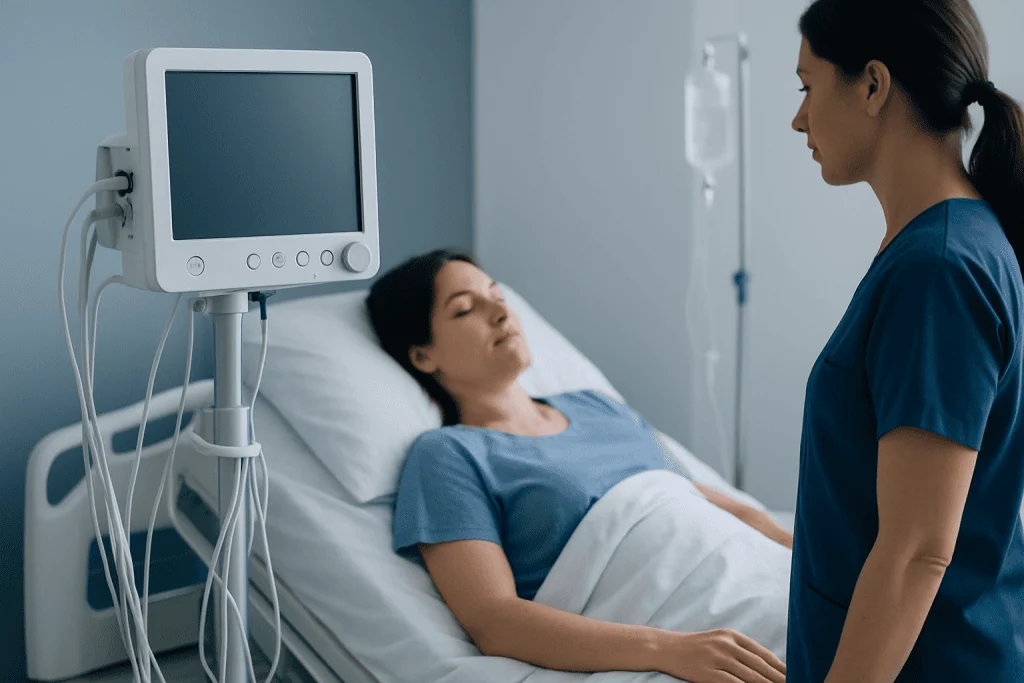
During the first several days, it is common to have soreness, tightness, swelling, bruising, and a heavy or pressured feeling in the chest. The breasts may sit higher than expected at first and can appear uneven while swelling is settling. Temporary numbness or sensitivity changes around the breasts and nipples can also occur.
Many surgeons recommend a surgical bra or supportive compression garment after the procedure. This helps limit movement, supports the tissues, and may improve comfort. Drains are not always used, but if they are, the team will explain how to care for them and when they are likely to be removed.
Fatigue is also common, even if pain is mild. The body uses energy to heal, and anesthesia can affect alertness for a short time. For this reason, the first week is usually focused on rest, short walks, hydration, balanced meals, and avoiding activities that require pushing, pulling, or lifting.
As the days pass, discomfort usually improves steadily. However, it is normal for swelling to linger for several weeks, and scars continue to mature over many months. Anyone prone to thicker scars may wish to discuss scar care with the surgeon, especially if there is a history of keloid scars.
When can someone sleep on their side after a breast lift?

Most patients are advised to sleep on their back rather than on their side or stomach in the early recovery period. Back sleeping helps avoid pressure on the healing breasts and incisions. Many surgeons suggest using pillows or a wedge pillow to keep the upper body slightly elevated, which can improve comfort and help swelling go down.
Side sleeping is often delayed for at least a few weeks, but the exact timing differs. Some patients may be allowed to transition carefully after about two to four weeks if swelling is decreasing, the incisions are healing well, and there is no pain when the breasts are gently compressed. Others may need to wait longer, especially if a larger lift or combined procedure was performed.
Stomach sleeping usually takes longer to resume because it puts direct pressure on the chest. Even after side sleeping is allowed, it may be more comfortable to use pillows for support so the body does not roll fully onto the breast. Comfort is important, but surgeon guidance should come first because feeling “mostly fine” does not always mean internal healing is complete.
People who struggle with back sleeping can prepare in advance by arranging pillows around the body, using a recliner for the first few nights, or placing a pillow under the knees to reduce lower back strain. If sleep becomes very difficult, it is reasonable to ask the surgical team for practical suggestions tailored to the procedure.
When is it safe to drive again?
Driving after a breast lift should wait until the person can react quickly, turn the steering wheel comfortably, and wear a seatbelt without significant pain. In addition, prescription pain medicine that causes drowsiness or slows reaction time should be completely stopped before driving. For many patients, this means waiting roughly one to two weeks, but the timeline varies.
It is not only pain that matters. Driving requires sudden arm and chest movements, such as checking mirrors, reversing, steering sharply, and braking. If these movements pull on the chest or feel weak, driving may not be safe yet. Short trips may be possible earlier than long drives, but only with the surgeon’s approval.
Before returning to the road, many surgeons recommend a simple self-check. The person should be able to get in and out of the car easily, fasten the seatbelt, turn the torso without sharp discomfort, and perform emergency braking motions confidently. If any of these actions are difficult, more recovery time is usually needed.
Long-distance travel may require additional planning. Taking breaks to walk, staying hydrated, and avoiding heavy luggage are sensible precautions. Anyone combining procedures such as a lift with body contouring should follow the stricter recovery instructions if activity limits differ.
When can exercise start again?
Exercise after a breast lift usually returns in stages rather than all at once. Gentle walking is commonly encouraged soon after surgery because it supports circulation and can reduce stiffness. However, walking should stay light at first, with no bouncing, power walking, or steep inclines until the surgeon confirms that healing is progressing well.
More vigorous lower-body exercise, running, weight training, yoga positions that load the upper body, and high-impact workouts are usually restricted for longer. Chest-focused or arm-intensive activity can place tension on healing tissues and incisions. Many patients are told to avoid strenuous exercise for about four to six weeks, and sometimes longer depending on the procedure.
Return to exercise often follows a pattern such as:
- Light walking in the first days after surgery
- Gradual increase in daily movement over the first one to two weeks
- Lower-impact exercise only after medical clearance
- Strength training, upper-body work, and high-impact sports later, once healing is secure
A supportive surgical or sports bra is usually important during the return to activity phase. If swelling increases, pain returns, or the incisions feel strained after exercise, that can be a sign the body needs more time. The safest approach is always to follow individualized instructions rather than a general timeline found online.
Incision care, self-care, and ways to support healing
Good aftercare can make recovery smoother and may support better scar healing. The surgical team usually gives specific instructions about showering, dressing changes, ointments, and when tape or steri-strips can be removed. It is important to keep incisions clean and dry as directed and to avoid applying products that have not been approved by the surgeon.
Smoking and nicotine exposure can slow healing by reducing blood flow, so avoiding them before and after surgery is especially important. Balanced nutrition, good hydration, and regular gentle movement also help the body recover. Protein-rich foods and adequate rest can support tissue repair during the early weeks.
Many surgeons advise avoiding underwire bras at first, as well as lifting heavy objects, raising the arms repeatedly overhead, and sleeping positions that put pressure on the chest. Sun protection matters too. Fresh scars can darken more easily with sun exposure, so keeping the area covered and following scar-care advice is helpful once the skin is healed enough.
Some people seek a lift after major weight changes or as part of broader reshaping plans that may include arm lift procedures or breast reconstruction. In these situations, detailed recovery planning is especially useful because activity limits and garment instructions may overlap.
Possible warning signs and when to contact a doctor
Most symptoms after a breast lift improve gradually, but some changes should prompt a call to the surgical team. These include fever, worsening redness, increasing swelling on one side, pus-like drainage, a bad odor from the incision area, or pain that is getting stronger instead of better. Sudden chest pain or shortness of breath requires urgent medical attention.
Patients should also reach out if a breast suddenly becomes much larger, firmer, or more painful, which could suggest bleeding or a fluid collection. Separation of the incision, darkening of the skin, or loss of nipple color should be evaluated promptly. Early review can help the team decide whether the change is part of normal healing or needs treatment.
Persistent pressure from immobility can also affect skin health during recovery, particularly in vulnerable patients, so practical positioning and regular movement matter. Although uncommon in this setting, skin damage from prolonged pressure is a known issue in medicine and is discussed in conditions such as pressure ulcers.
Near the end of recovery, many patients want reassurance about scar appearance, breast shape, or sensation changes. Follow-up appointments are a good time to ask these questions. Acibadem International’s multidisciplinary specialists in JCI-accredited hospitals diagnose and treat breast surgery patients from around the world, with aftercare plans tailored to the procedure and the individual’s healing progress.
A realistic timeline for returning to normal activities
Although every recovery is individual, a broad timeline can help set expectations. In the first week, most people focus on rest, short walks, support garments, and keeping movements gentle. During the second week, many daily tasks feel easier, but swelling and fatigue may still be present.
By around two to four weeks, some patients may be cleared for side sleeping, light work duties, and short drives if pain is controlled and arm movement is comfortable. Others may still need extra caution, particularly after combined procedures or if healing is slower. Visible swelling usually continues to improve during this period.
From about four to six weeks onward, more routine activities and light exercise are often reintroduced, with strenuous workouts and chest-loading activity delayed until the surgeon confirms that healing is secure. Scars may still look pink or firm, and the final breast shape can continue to refine over the following months.
The most important point is that recovery is not a race. A careful, staged return to sleeping positions, driving, and exercise can protect the surgical result and support comfort. Personalized advice from the operating surgeon should always guide the timeline.
Frequently asked questions
How long does breast lift recovery usually take?
Initial recovery after a breast lift often takes a few weeks, but complete healing takes longer. Swelling, scar maturation, and final breast settling can continue for several months.
When can someone sleep on their side after a breast lift?
Many patients need to sleep on their back for the first part of recovery. Side sleeping is often allowed after a few weeks, but only when the surgeon confirms that pressure on the breasts is safe.
Can someone drive a few days after breast lift surgery?
Usually not. Driving should wait until prescription pain medicine is no longer needed and the person can steer, brake, and turn comfortably without straining the chest.
When can exercise restart after mastopexy?
Light walking is commonly encouraged early, often within days. More intense exercise, especially upper-body or high-impact workouts, is usually delayed for several weeks until healing is confirmed.
Is swelling normal after a breast lift?
Yes, swelling is a normal part of recovery and may last for several weeks. It often improves gradually, and one side may heal a little differently than the other at first.
What kind of bra is usually worn after a breast lift?
Many surgeons recommend a supportive surgical bra or soft compression garment during early recovery. Underwire bras are often avoided at first because they can irritate healing tissues.
When should a doctor be called after breast lift surgery?
A doctor should be contacted if there is fever, worsening redness, increasing one-sided swelling, unusual drainage, or pain that is getting worse. Sudden shortness of breath or chest pain should be treated as urgent.
References
- American Society of Plastic Surgeons
- National Health Service
- Mayo Clinic
- U.S. Food and Drug Administration
- Cleveland Clinic
This article is for general information only and is not a substitute for professional medical advice. Please consult a qualified doctor about your individual situation.
Explore treatments in Turkey — costs, top hospitals & a free quote
JCI-accredited · board-certified surgeons · reply within 24h
Add us as a Preferred Source to see more of our trusted health content across Google Search, AI Overviews and Discover.

Plastic, Reconstructive & Aesthetic Surgery
Reconstructive and aesthetic procedures for the face and body, performed by experienced surgeons.
35 specialists in this unitRelated Treatments
Related Conditions
More from the Health Library

Related Specialists

Assoc. Prof. Dr. Erdem Güven (m)
Aesthetic Plastic & Reconstructive Surgery
Prof. Dr. Şükrü Yazar
Aesthetic Plastic & Reconstructive Surgery
Prof. Dr. Hakan Ağır
Aesthetic Plastic & Reconstructive Surgery
Prof. Dr. Bülent Saçak
Aesthetic Plastic & Reconstructive Surgery