Types of Cancer: Main Categories Explained

Cancer is not one disease but a large group of diseases with many subtypes. The main categories of cancer include carcinoma, sarcoma, leukemia, lymphoma, myeloma, melanoma, and tumors of the brain and spinal cord.
Key Takeaways
- Cancer is not one disease but a large group of diseases with many subtypes.
- The main categories of cancer include carcinoma, sarcoma, leukemia, lymphoma, myeloma, melanoma, and tumors of the brain and spinal cord.
- Doctors classify cancer by where it starts, the type of cell involved, and how abnormal the cells look under a microscope.
- Diagnosis often includes imaging, blood tests, and a biopsy to confirm the exact cancer type.
- Treatment depends on the cancer category, stage, molecular features, and the person's overall health.
Types of cancer are usually classified by the tissue or cell where they begin. Understanding the main categories can help patients and families make sense of diagnosis, testing, and treatment discussions.
Overview: What Are the Main Types of Cancer?
Cancer is a broad term for diseases in which abnormal cells grow in an uncontrolled way. These cells may invade nearby tissues and, in some cases, spread to other parts of the body. Although people often speak about cancer as one illness, there are many different types, each with its own behavior, prognosis, and treatment approach.
Doctors usually classify cancer by the place where it starts and by the type of cell that becomes abnormal. This is why lung cancer, breast cancer, blood cancer, and bone cancer are not managed in exactly the same way. Even cancers that begin in the same organ can have different subtypes based on their microscopic appearance or genetic changes.
The main categories include carcinoma, sarcoma, leukemia, lymphoma, myeloma, melanoma, and cancers of the brain and spinal cord. Learning these categories can make medical conversations easier to follow and can help patients understand why certain tests or treatments are recommended.
Carcinoma: The Most Common Cancer Category
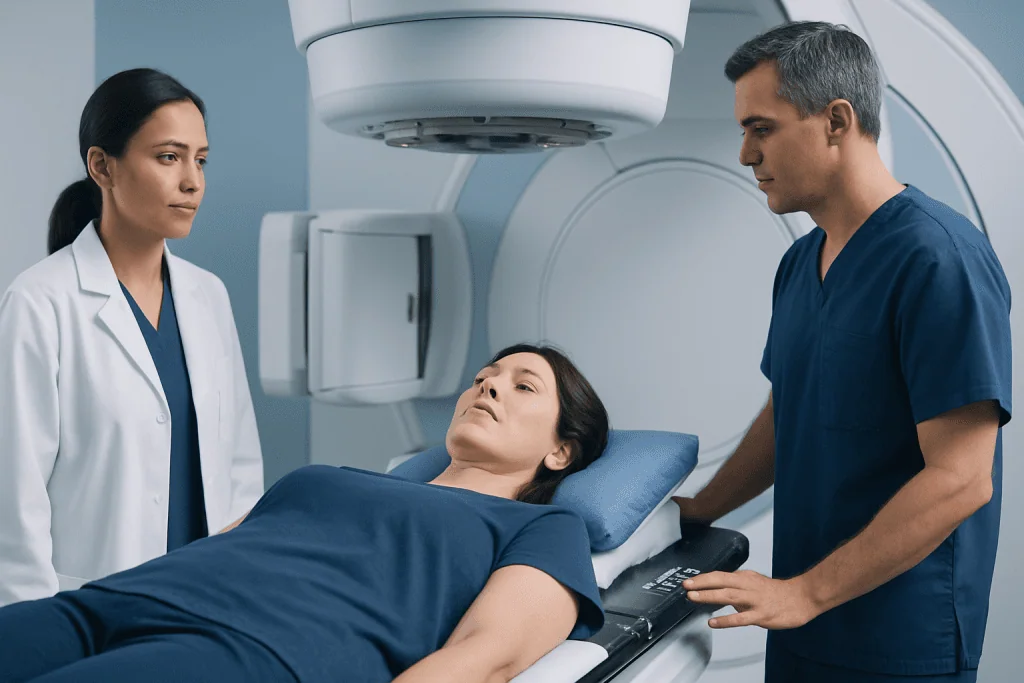
Carcinoma is the most common type of cancer. It starts in epithelial cells, which line the inside and outside surfaces of the body. These cells form the skin and the lining of organs such as the lungs, breasts, colon, prostate, pancreas, and stomach. Because epithelial tissue is found in many organs, carcinomas can arise in many parts of the body.
There are several important carcinoma subtypes. Adenocarcinoma begins in gland-forming cells and is common in the breast, colon, lung, pancreas, and prostate. Squamous cell carcinoma starts in flat, thin cells that line areas such as the skin, mouth, throat, cervix, and parts of the lungs. Basal cell carcinoma is a common skin cancer, while transitional cell carcinoma often affects the urinary system, especially the bladder.
Carcinomas may be detected through screening tests, symptoms, imaging, or biopsy. For example, breast cancer and lung cancer are both usually carcinomas, but they differ in how they are staged and treated. Management may include chemotherapy, surgery, radiation therapy, targeted therapy, immunotherapy, or a combination of these approaches.
Sarcoma, Melanoma, and Brain or Spinal Cord Tumors

Sarcoma is a less common cancer category that begins in connective or supporting tissues. This includes bone, muscle, fat, cartilage, blood vessels, tendons, and fibrous tissue. Sarcomas are divided into bone sarcomas and soft tissue sarcomas. Because these cancers can grow in many different body sites, symptoms often depend on the tumor’s location, such as swelling, pain, or a growing lump.
Melanoma develops in melanocytes, the cells that produce pigment in the skin. It can also arise, though less commonly, in the eye or other pigmented tissues. Melanoma is distinct from other skin cancers because it may behave more aggressively if not detected early. Changes in a mole’s size, shape, border, color, or new symptoms such as bleeding should be assessed by a doctor.
Brain and spinal cord tumors are another major group. These cancers are often named for the kind of cell involved, such as gliomas or meningiomas. Not all brain tumors are cancerous, but both benign and malignant tumors in the brain or spinal cord can cause serious symptoms because they affect important nearby structures. Treatment may involve brain tumor surgery, radiation, chemotherapy, or careful monitoring depending on the diagnosis.
Leukemia, Lymphoma, and Myeloma: Blood and Immune System Cancers
Some cancers do not form a solid tumor at first. Leukemia begins in blood-forming tissues, mainly the bone marrow, and leads to the production of abnormal white blood cells. These cells crowd out healthy blood cells, which may cause symptoms such as fatigue, frequent infections, easy bruising, or bleeding. Leukemia is often classified as acute or chronic, and as lymphoid or myeloid, depending on the cell involved and how quickly the disease progresses.
Lymphoma starts in the lymphatic system, which is part of the body’s immune defense. The two broad categories are Hodgkin lymphoma and non-Hodgkin lymphoma. Lymphoma may cause swollen lymph nodes, fever, night sweats, weight loss, itching, or tiredness, although some people have few symptoms early on. A biopsy of an affected lymph node or tissue is usually needed to confirm the diagnosis.
Myeloma, also called multiple myeloma, is a cancer of plasma cells, a type of white blood cell that helps produce antibodies. It can affect bones, kidneys, blood counts, and immune function. These blood and immune system cancers often require specialized testing, including blood work, bone marrow evaluation, and imaging. In some cases, treatment plans may include bone marrow transplantation along with medicines and supportive care.
How Doctors Classify Cancer More Precisely
Beyond the main category, doctors use several other features to describe a cancer accurately. One key factor is the primary site, which means where the cancer started. Even if cancer spreads, it is usually still named after its original site. For example, cancer that starts in the colon and spreads to the liver is still considered colon cancer, not liver cancer.
Another important feature is grade, which describes how abnormal the cancer cells look under a microscope. Lower-grade cancers tend to resemble normal tissue more closely, while higher-grade cancers often grow and spread more quickly. Doctors also determine the stage, which reflects the size of the cancer and whether it has spread to lymph nodes or other organs.
Modern cancer care also uses molecular and genetic testing. These tests look for changes in genes, proteins, or receptors that may guide treatment decisions. This is why two patients with the same organ-based diagnosis may receive different therapies. In some situations, specialists may recommend immunotherapy or targeted medicines based on these test results.
- Site: where the cancer began
- Cell type: the kind of cell that became cancerous
- Grade: how abnormal the cells appear
- Stage: how far the cancer has spread
- Molecular features: biomarkers that can influence treatment
Symptoms and Diagnosis Across Different Cancer Types
Symptoms vary widely depending on the type of cancer, its size, and its location. Some cancers cause a lump, pain, bleeding, or changes in skin appearance. Others may lead to fatigue, weight loss, persistent cough, bowel changes, recurrent infections, or swollen lymph nodes. Many of these symptoms can also be caused by non-cancerous conditions, so they do not automatically mean cancer is present.
Diagnosis usually begins with a medical history, physical examination, and tests based on the suspected problem. Imaging such as ultrasound, X-ray, CT, MRI, or PET scans can help locate abnormal areas. Blood tests may show signs that further investigation is needed, especially in blood-related cancers, but they usually cannot confirm the exact type on their own.
In most cases, a biopsy is the key test for diagnosis. A pathologist examines the tissue under a microscope and may perform additional laboratory studies to identify the cancer category and subtype. This detailed diagnosis helps the care team choose the most appropriate treatment plan and discuss what to expect next.
Treatment Options and What They Depend On
Cancer treatment is individualized. The best approach depends on the cancer type, stage, grade, molecular profile, symptoms, and the person’s overall health and preferences. In some cases, one treatment is enough. In others, a combination of therapies works best. The goals may be to cure the cancer, control it for as long as possible, or relieve symptoms and support quality of life.
Common treatments include surgery, radiation therapy, chemotherapy, targeted therapy, immunotherapy, hormone therapy, and stem cell or bone marrow transplantation. Solid tumors such as many carcinomas and sarcomas are often treated with surgery when feasible, sometimes followed by other therapies to lower the risk of recurrence. Blood cancers are more likely to rely on medicines and systemic treatments rather than surgery.
Supportive care is also an important part of treatment. This can include pain management, nutritional support, infection prevention, rehabilitation, and emotional support. Multidisciplinary teams help coordinate these needs. Near the end of the care pathway, patients seeking international evaluation may also consider centers such as Acibadem International, where multidisciplinary specialists in JCI-accredited hospitals diagnose and treat many cancer types.
Can Cancer Be Prevented and When Should Someone Seek Medical Advice?
Not all cancers can be prevented, but some risks can be lowered. General preventive steps include avoiding tobacco, limiting alcohol, protecting the skin from excessive sun exposure, maintaining a healthy weight, staying physically active, following recommended vaccines, and attending age-appropriate screening tests. Screening can help detect certain cancers early, sometimes before symptoms appear.
It is sensible to seek medical advice for symptoms that are persistent, unusual, or getting worse. Examples include a new lump, unexplained bleeding, a mole that changes noticeably, unexplained weight loss, prolonged fatigue, a cough that does not improve, or changes in bowel or bladder habits. Early assessment does not always lead to a cancer diagnosis, but it can help identify the cause and guide timely care.
People with a strong family history of cancer may benefit from discussing genetic counseling or earlier screening with a doctor. Anyone with questions about a new diagnosis should feel comfortable asking what type of cancer it is, where it started, what stage it is, and what treatment options are available. Clear information can make the next steps feel more manageable.
Frequently asked questions
What are the main types of cancer?
The main types of cancer are carcinoma, sarcoma, leukemia, lymphoma, myeloma, melanoma, and cancers of the brain and spinal cord. These groups are based mainly on the type of cell or tissue where the cancer starts.
What is the difference between carcinoma and sarcoma?
Carcinoma starts in epithelial cells, which line organs and body surfaces such as the skin, lungs, breast, and colon. Sarcoma starts in connective tissues such as bone, muscle, fat, cartilage, or blood vessels.
Are leukemia and lymphoma the same thing?
No, they are different categories of blood and immune system cancer. Leukemia usually begins in the bone marrow and blood-forming tissues, while lymphoma begins in the lymphatic system, often affecting lymph nodes or lymphatic organs.
Why do doctors need a biopsy to identify the cancer type?
A biopsy provides a tissue sample that can be examined under a microscope by a pathologist. This helps confirm whether cancer is present and shows the exact type, subtype, and other features that guide treatment.
Can two people with the same cancer have different treatments?
Yes. Treatment may differ based on the cancer's stage, grade, genetic features, overall health, and the person's treatment goals. This is why personalized treatment planning is an important part of cancer care.
Does a cancer type determine how serious it is?
The type of cancer is important, but it is only one part of the picture. Stage, grade, response to treatment, and the person's general health also affect outlook and treatment decisions.
References
- World Health Organization
- National Cancer Institute
- American Cancer Society
- National Health Service
- Centers for Disease Control and Prevention
This article is for general information only and is not a substitute for professional medical advice. Please consult a qualified doctor about your individual situation.
Oncology care in Turkey — second opinion and treatment plan
JCI-accredited · board-certified surgeons · reply within 24h
Add us as a Preferred Source to see more of our trusted health content across Google Search, AI Overviews and Discover.

More from the Health Library



Related Specialists

Dr. Muktedir Öreşe
Emergency Service
Prof. Dr. Mitat Bahçeci
Endocrinology
Dr. Mesil Acar
Inpatient Clinic Physicians Clinical Service
Prof. Dr. İbrahim Tuncay
Orthopedic Surgery & Traumatology