Can You Get LASIK Twice? Enhancement Surgery Explained

A second LASIK procedure is sometimes possible, but not everyone is a suitable candidate. Doctors consider corneal thickness, flap condition, prescription stability, and overall eye health before recommending enhancement.
Key Takeaways
- A second LASIK procedure is sometimes possible, but not everyone is a suitable candidate.
- Doctors consider corneal thickness, flap condition, prescription stability, and overall eye health before recommending enhancement.
- Dry eye, age-related vision changes, cataracts, and other eye conditions can affect whether repeat LASIK will help.
- A comprehensive eye examination is essential to choose the safest option, which may include LASIK enhancement, PRK, or another treatment.
- Good follow-up care and realistic expectations are important after any refractive eye procedure.
Some people can have LASIK a second time, usually as a carefully planned enhancement procedure if vision changes or the first result was incomplete. Whether it is safe and worthwhile depends on corneal thickness, healing, eye surface health, and a detailed eye examination.
Overview: Can LASIK Be Done Twice?
Yes, some patients can have LASIK again. When this happens, it is usually called a LASIK enhancement or retreatment rather than a completely separate first-time procedure. The aim is to fine-tune vision if the original treatment did not fully correct the refractive error or if vision changed over time.
LASIK enhancement surgery is not suitable for everyone. The decision depends on how much corneal tissue remains, whether the prescription has been stable, the health of the cornea and tear film, and whether the vision problem is truly due to refractive error rather than another eye condition.
For some people, the best option is not repeat LASIK. Alternatives may include updating glasses, using contact lenses, having surface laser treatment such as LASEK or PRK, or treating another eye issue that is affecting vision. A specialist can explain which path is most appropriate after a detailed assessment.
Why Vision May Change After LASIK
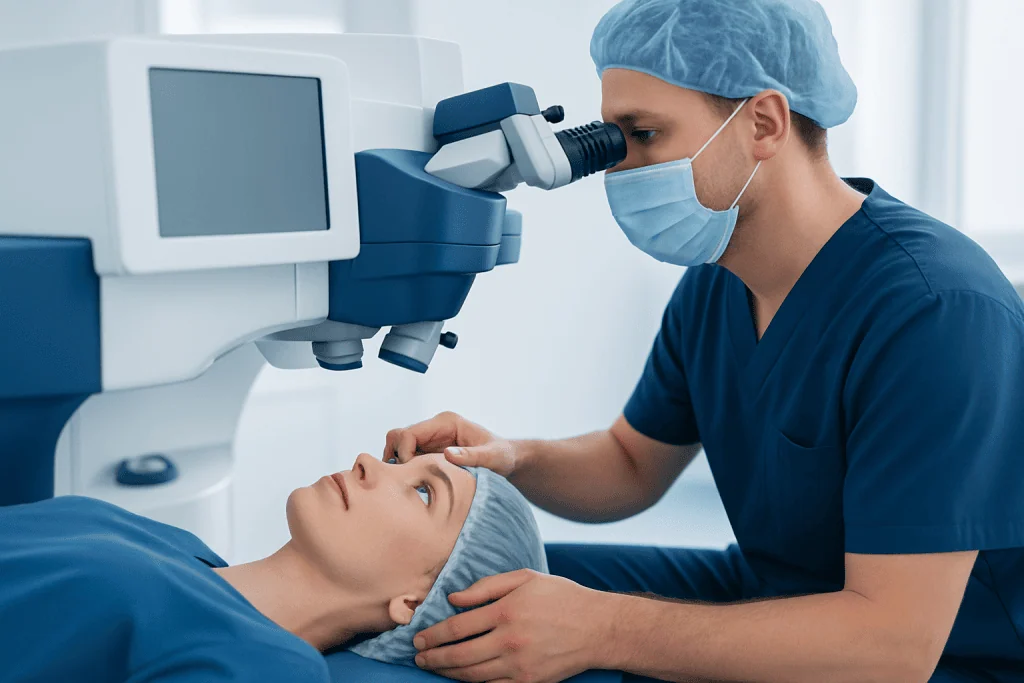
LASIK can provide long-lasting vision correction, but it does not stop the natural aging process of the eye. Some people may notice blurred distance vision months or years later because of small residual refractive error, regression of the original correction, or changes in the shape of the cornea during healing.
Vision changes after LASIK are not always a sign that the surgery failed. Presbyopia, which commonly develops with age and affects near vision, can still occur even after excellent LASIK results. A person may also develop new astigmatism, a shift in their prescription, or eye surface problems such as dryness that temporarily reduce visual clarity.
In other cases, vision may worsen because of a different eye condition entirely. Cataracts, corneal disease, retinal problems, or uncontrolled diabetes can all affect sight. This is why a thorough eye examination is essential before assuming that a second laser procedure is the right answer.
Who May Be a Candidate for LASIK Enhancement Surgery?
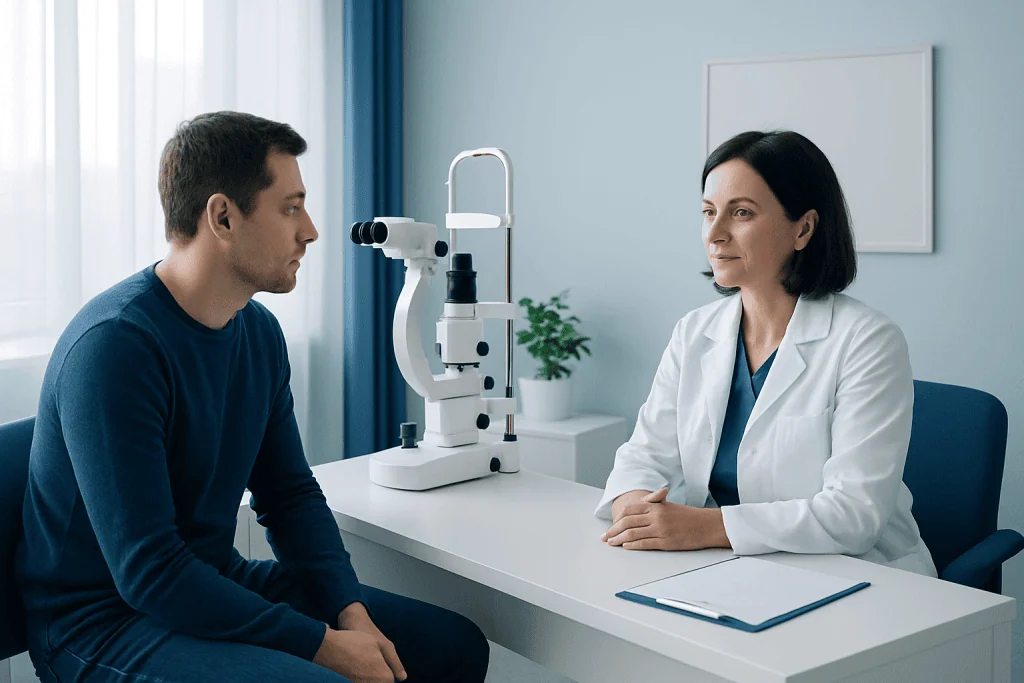
A person may be considered for LASIK enhancement surgery if they still have bothersome nearsightedness, farsightedness, or astigmatism after the first procedure and their prescription has stabilized. The original LASIK result should also be close enough to the desired target that an enhancement is likely to improve vision meaningfully.
Corneal thickness is one of the most important factors. LASIK removes tissue from the cornea, so there must still be enough structural strength to support a safe additional treatment. The surgeon also reviews the condition of the original flap, the regularity of the corneal surface, and whether there are signs of ectasia or other corneal weakness.
Overall eye health matters as well. Patients with significant dry eye, active inflammation, infection, uncontrolled autoimmune disease, or unstable blood sugar may not be ideal candidates until those issues are addressed. Sometimes the safer approach is a different procedure, such as ReLEx SMILE in selected new patients or surface-based laser correction rather than repeat flap-based treatment.
- Stable prescription for a reasonable period
- Healthy cornea with adequate remaining thickness
- No major flap complications from the first LASIK
- No untreated eye disease affecting vision
- Realistic expectations about likely improvement
When a Second LASIK Procedure May Not Be Advised
Repeat LASIK may not be recommended if the cornea is too thin or irregular, if there are signs of keratoconus or postoperative ectasia, or if the surgeon believes another laser treatment could weaken the cornea. In these cases, the risk may outweigh the potential visual benefit.
It may also be unhelpful if the main reason for blurry vision is not refractive error. For example, age-related lens changes such as cataracts can make vision cloudy, reduce contrast, and change prescription. In that setting, cataract care rather than LASIK enhancement may be the more effective treatment path.
People with ongoing dry eye symptoms may need treatment before any further surgery is considered. An unstable tear film can make measurements less reliable and can also reduce comfort and visual quality after surgery. Other reasons to postpone or avoid enhancement include pregnancy-related vision shifts, active eye infection, and certain systemic health conditions that affect healing.
How Doctors Evaluate Whether Repeat LASIK Is Safe
The assessment for possible enhancement is usually detailed and personalized. The eye doctor reviews the original LASIK history, including the preoperative prescription, the technique used, how much corneal tissue was treated, and whether there were any healing or flap issues afterward. Previous records are helpful when available.
Testing often includes refraction, corneal topography or tomography, pachymetry to measure corneal thickness, and evaluation of the tear film and ocular surface. The doctor also checks visual acuity, pupil size, corneal clarity, and the health of the retina and lens. If vision seems reduced for reasons beyond the cornea, additional imaging or specialist input may be needed.
The key question is not simply whether laser can be performed again, but whether it will safely improve the patient’s real-world vision. In some cases, specialists in cornea surgery and external eye disease help guide the decision, especially when there is scarring, irregular healing, or concern about corneal stability.
Treatment Options: LASIK Enhancement and Alternatives
If enhancement is appropriate, the surgeon may either lift the original flap or perform a surface laser treatment on top of the cornea. The choice depends on how long ago the first LASIK was done, the condition of the flap, and the anatomy of the cornea. Surface treatment such as PRK may sometimes be preferred because it avoids re-lifting an old flap.
When a flap lift is possible, the recovery may be similar to or somewhat quicker than the first LASIK experience. Surface treatments can involve more short-term discomfort and a longer visual recovery, but they may be the safer option in certain eyes. The doctor explains the expected trade-offs before treatment.
Not everyone needs another laser procedure. Some people do well with glasses for specific activities, while others are better served by treating the underlying issue causing the vision change. Depending on the findings, options may include repeat LASIK, a surface-based laser correction, other forms of eye laser treatment, or management of a separate eye condition.
Recovery, Risks, and Self-Care After Enhancement
Recovery after LASIK enhancement depends on the technique used and the health of the eye surface. Many patients notice improvement fairly quickly, but vision can fluctuate during healing. Lubricating drops, avoiding eye rubbing, and following medication instructions carefully are important parts of recovery.
The possible risks are similar to those of the first procedure, although they can vary based on flap status and corneal thickness. These may include dry eye symptoms, glare or halos, undercorrection or overcorrection, flap-related problems, infection, and visual disturbances. Serious complications are uncommon, but every additional procedure should be weighed thoughtfully against the expected benefit.
Patients should attend all scheduled follow-up visits and report persistent pain, sudden vision loss, increasing redness, or discharge promptly. Near the end of care planning, some patients may wish to discuss options with experienced centers; Acibadem International’s multidisciplinary specialists and JCI-accredited hospitals diagnose and treat eye conditions for international patients.
When to See a Doctor About Vision Changes After LASIK
Anyone with blurry vision after LASIK that affects daily life should arrange an eye review, especially if the change is new, progressive, or different from their earlier healing pattern. A professional assessment can determine whether the issue is due to residual refractive error, dry eye, age-related change, or another eye problem.
More urgent medical attention is needed for sudden loss of vision, significant pain, light sensitivity, trauma to the eye, or signs of infection such as redness and discharge. These symptoms are not typical of simple regression and should not be ignored.
Even when symptoms seem mild, it is best not to assume that another laser treatment is automatically the answer. The safest next step is a comprehensive examination and a discussion of all appropriate options, including observation, glasses, medical treatment, or surgery.
Frequently asked questions
Can you get LASIK twice years later?
Yes, some people can have LASIK enhancement years after the first procedure. The main factors are whether the cornea remains thick and healthy enough, whether the prescription is stable, and whether another eye condition is causing the blur.
How long should someone wait before considering LASIK enhancement?
Doctors usually wait until vision has stabilized after the first surgery before considering enhancement. The exact timing varies, so the surgeon decides based on healing, prescription stability, and the reason for the remaining visual problem.
Is a second LASIK procedure more risky than the first?
A second procedure can carry some additional considerations because the cornea has already been treated once. Risk depends on remaining corneal thickness, flap condition, dry eye status, and the method used for enhancement.
What if blurred vision after LASIK is caused by dry eye?
Dry eye can reduce visual clarity and may make vision fluctuate, especially later in the day. In that case, treating the dry eye first is important, and vision may improve without another laser procedure.
Can LASIK enhancement fix age-related reading vision problems?
Not always. Presbyopia is a natural age-related change in the lens and focusing system, so reading difficulty may still develop even after successful LASIK. A doctor can discuss whether reading glasses, monovision strategies, or another option may help.
What happens if repeat LASIK is not safe?
If repeat LASIK is not advised, other options may still improve vision. These can include glasses, contact lenses, PRK or another surface procedure, or treatment for conditions such as cataracts or corneal disease.
References
- American Academy of Ophthalmology
- National Eye Institute
- Royal College of Ophthalmologists
- American Society of Cataract and Refractive Surgery
This article is for general information only and is not a substitute for professional medical advice. Please consult a qualified doctor about your individual situation.
LASIK in Turkey — costs, top hospitals & a free quote
JCI-accredited · board-certified surgeons · reply within 24h
Add us as a Preferred Source to see more of our trusted health content across Google Search, AI Overviews and Discover.