

What Does a Plastic Surgeon Do and When Should You See One?

Plastic surgeons treat both reconstructive and cosmetic concerns. Their work may improve function, comfort, healing, and appearance.
Key Takeaways
- Plastic surgeons treat both reconstructive and cosmetic concerns.
- Their work may improve function, comfort, healing, and appearance.
- Common reasons to seek care include injuries, scars, burns, congenital differences, and body contour or facial concerns.
- A consultation usually includes medical history, examination, goals, and discussion of realistic options, risks, and recovery.
- Choosing a qualified, board-trained specialist is important for safety and appropriate treatment planning.
A plastic surgeon is a doctor trained to restore, reconstruct, or improve appearance and body function after injury, illness, birth differences, or age-related changes. People may see a plastic surgeon for reconstructive needs, cosmetic concerns, or expert advice about whether surgery or non-surgical treatment is the best option.
Overview: What a Plastic Surgeon Does
A plastic surgeon is a medical doctor who specializes in procedures that restore, reconstruct, or enhance parts of the body. This specialty covers a wide range of care, from repairing tissues after trauma or cancer treatment to improving body shape or facial balance for personal aesthetic reasons. The goal is not only appearance, but also function, comfort, and quality of life.
Plastic surgery is often divided into two broad areas: reconstructive surgery and cosmetic surgery. Reconstructive procedures help address problems caused by injury, burns, congenital differences, infections, or previous surgery. Cosmetic procedures focus on changing features that are otherwise healthy, based on the patient’s preferences and goals. In many cases, the same surgical principles are used in both areas.
Plastic surgeons work with skin, fat, muscle, cartilage, bone, nerves, and blood vessels. Because these structures are found throughout the body, plastic surgeons may treat the face, breasts, abdomen, hands, scalp, ears, eyelids, and other areas. They often work closely with specialists in dermatology, oncology, orthopedics, ophthalmology, ENT, and general surgery.
Reconstructive Surgery and Cosmetic Surgery: What Is the Difference?

Reconstructive surgery is performed to repair defects and improve function. This may include treatment after accidents, burns, tumor removal, chronic wounds, or birth differences present from infancy. For example, a plastic surgeon may help repair facial trauma, manage complex scarring after burns, or reconstruct part of the body after cancer treatment.
Cosmetic surgery is chosen to refine or reshape features when there is no urgent medical problem. People may seek help for concerns such as breast size, excess skin after weight loss, body contour, facial aging, or stubborn localized fat. Depending on the person’s goals, options can include procedures such as body contouring, aesthetic breast surgery, or liposuction.
Although the reasons for surgery may differ, both reconstructive and cosmetic care require careful planning, knowledge of anatomy, attention to healing, and realistic expectations. A skilled plastic surgeon considers appearance, symmetry, scarring, function, and long-term outcomes together.
Common Problems Plastic Surgeons Treat

Plastic surgeons care for many different conditions, and treatment is highly individualized. Some patients need surgery to restore movement, protect delicate structures, or close a wound properly. Others want to improve appearance after major weight loss, pregnancy, aging, or a previous operation.
Common reconstructive reasons to see a plastic surgeon include:
- Injuries to the face, hands, or soft tissues
- Burns and burn scar management
- Congenital differences such as ear, hand, or facial differences
- Scar revision, including raised or thick scars such as keloid scars
- Breast reconstruction after mastectomy or other breast surgery, including breast reconstruction
- Complex wound closure or tissue loss
Common cosmetic reasons include breast reshaping, facial rejuvenation, eyelid concerns, neck contour changes, excess skin, and body reshaping. Some people are also referred for specialized procedures involving the scalp, ears, eyelids, or intimate areas. A plastic surgeon may recommend surgery, a non-surgical treatment, or simply observation if that is the safest and most appropriate choice.
When Should Someone See a Plastic Surgeon?
A person should consider seeing a plastic surgeon when appearance changes are affecting comfort, function, healing, or confidence, and they want expert advice about available options. This does not always mean surgery is necessary. In many cases, the consultation itself is helpful because it clarifies whether a problem is medical, cosmetic, urgent, or best managed by another specialist.
It may be appropriate to seek a plastic surgery consultation after an injury, when a wound is slow to heal, when scars are painful or restrictive, or when there is tissue loss after illness or surgery. A consultation can also be useful for longstanding concerns such as prominent ears, excess breast tissue, asymmetry, loose skin, or body contour changes after major weight loss. Men with enlarged breast tissue, for example, may be evaluated for cosmetic or functional concerns related to gynecomastia.
People also commonly see a plastic surgeon before choosing elective aesthetic procedures. An experienced surgeon can explain what is realistic, what risks to consider, how recovery may affect daily life, and whether non-surgical alternatives may help first. This can support informed, confident decision-making.
What Happens During a Plastic Surgery Consultation?
A plastic surgery consultation usually begins with a conversation about the person’s medical history, symptoms, past surgeries, medications, allergies, smoking status, and treatment goals. The surgeon will ask what changes the patient hopes to achieve and why the concern matters to them. Honest discussion is important, because the best treatment plan depends on both medical safety and clear expectations.
The surgeon then performs an examination of the area involved. They may assess skin quality, tissue volume, symmetry, scars, muscle function, and healing potential. Photographs are often taken as part of the medical record and treatment planning. In some cases, imaging studies or lab tests may be needed, especially before larger operations.
At the end of the visit, the surgeon typically explains the options, expected benefits, likely scars, possible complications, recovery timeline, and limitations of treatment. This may include surgical and non-surgical choices. Patients should feel comfortable asking about the surgeon’s training, the planned setting for surgery, anesthesia, follow-up care, and when they can return to normal activities.
Treatment Options and Recovery
Treatment depends on the reason for referral, the patient’s overall health, and the desired outcome. Some conditions can be managed with dressings, scar care, compression, silicone therapy, injections, or minor office-based procedures. Others require more complex operations using local tissue rearrangement, grafts, implants, or microsurgical techniques.
For aesthetic concerns, a plastic surgeon may discuss procedures such as post-weight-loss contouring, facial reshaping, breast reduction, implant removal, or skin tightening. For reconstructive concerns, treatment may involve wound closure, scar revision, tissue repair, breast reconstruction, hand procedures, or surgery to restore shape after injury or disease. The most appropriate plan is the one that balances benefit, safety, recovery time, and long-term function.
Recovery varies greatly. Small procedures may involve only a few days of downtime, while major surgery can require weeks of healing and longer-term scar maturation. Swelling, bruising, temporary numbness, and activity restrictions are common early in recovery. Following aftercare instructions carefully can support healing and reduce the chance of complications. Patients should contact their care team promptly if they develop increasing pain, redness, fever, unexpected bleeding, or other concerning symptoms.
How to Choose the Right Plastic Surgeon
Choosing the right plastic surgeon is an important part of safe care. Patients should look for a doctor with recognized specialist training, experience in the specific procedure or condition, and access to an appropriate hospital or accredited surgical facility. The surgeon should communicate clearly, answer questions directly, and explain both benefits and risks without pressure.
It is also helpful to ask about the surgeon’s approach to planning and recovery. Good care includes careful assessment, realistic goal setting, attention to scarring and function, and structured follow-up. Patients should be cautious if they feel rushed, if complications are minimized, or if a treatment is recommended without a full medical review.
For international patients, coordinated evaluation, perioperative planning, and follow-up support can be especially valuable. Near the end of the decision process, some people choose centers with broad surgical expertise and hospital-based care. Acibadem International’s multidisciplinary specialists and JCI-accredited hospitals diagnose and treat plastic surgery conditions for international patients, with care plans tailored to individual medical needs.
When to Seek Prompt Medical Advice
Some situations call for timely assessment rather than routine scheduling. A person should seek prompt medical advice after significant facial or hand injury, a deep burn, a rapidly worsening wound, signs of infection, or sudden loss of function in an affected area. Early treatment can help protect tissues and improve healing.
People who are considering elective cosmetic surgery should also speak with a qualified doctor if they have major medical conditions, smoke, have poor wound healing, or have had prior surgery in the same area. These factors do not always prevent treatment, but they can change the safest approach and recovery plan.
Anyone experiencing emotional distress related to appearance may benefit from supportive discussion as part of treatment planning. A thoughtful plastic surgeon will consider mental well-being, body image, and expectations as part of overall care. The goal is a decision that is medically sound, personally appropriate, and made with clear understanding.
Frequently asked questions
Is a plastic surgeon only for cosmetic procedures?
No. Plastic surgeons perform both cosmetic and reconstructive procedures. They may help restore function and appearance after injury, burns, cancer treatment, birth differences, or scarring, as well as provide elective aesthetic care.
Do I need a referral to see a plastic surgeon?
That depends on the healthcare system, insurance plan, and reason for the visit. Some people are referred by another doctor for reconstructive needs, while others book a consultation directly for cosmetic concerns.
How do I know if my concern is reconstructive or cosmetic?
A reconstructive concern usually involves function, tissue loss, healing problems, or changes caused by injury, disease, or a congenital difference. A cosmetic concern generally involves changing the appearance of a healthy body area based on personal preference. A consultation can help clarify this.
What questions should I ask at a plastic surgery consultation?
It is helpful to ask about the diagnosis, treatment options, likely results, possible scars, risks, recovery time, and whether non-surgical alternatives are appropriate. Patients can also ask about the surgeon’s training, experience with the procedure, and where the treatment will be performed.
Can plastic surgeons treat scars?
Yes. Plastic surgeons often assess scars that are raised, painful, tight, or cosmetically bothersome. Treatment may include scar care, injections, laser-based approaches where available, or surgery to improve the scar’s appearance or function.
Are non-surgical treatments sometimes enough?
Yes, in some cases. Depending on the problem, a plastic surgeon may recommend observation, wound care, compression, silicone therapy, scar treatments, or lifestyle measures instead of surgery. The best option depends on the patient’s needs and goals.
References
- American Society of Plastic Surgeons
- National Health Service
- Mayo Clinic
- MedlinePlus
- British Association of Plastic, Reconstructive and Aesthetic Surgeons
This article is for general information only and is not a substitute for professional medical advice. Please consult a qualified doctor about your individual situation.
Oncology care in Turkey — second opinion and treatment plan
JCI-accredited · board-certified surgeons · reply within 24h
Add us as a Preferred Source to see more of our trusted health content across Google Search, AI Overviews and Discover.

Related Treatments
Related Conditions
More from the Health Library



Related Specialists
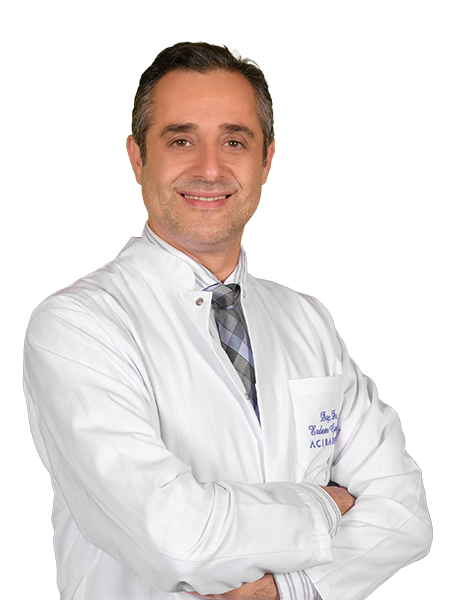
Assoc. Prof. Dr. Erdem Güven (m)
Aesthetic Plastic & Reconstructive Surgery
Prof. Dr. Şükrü Yazar
Aesthetic Plastic & Reconstructive Surgery
Prof. Dr. Hakan Ağır
Aesthetic Plastic & Reconstructive Surgery
Prof. Dr. Bülent Saçak
Aesthetic Plastic & Reconstructive Surgery