Neuromodulation for Spasticity: How Nerve Stimulation May Help
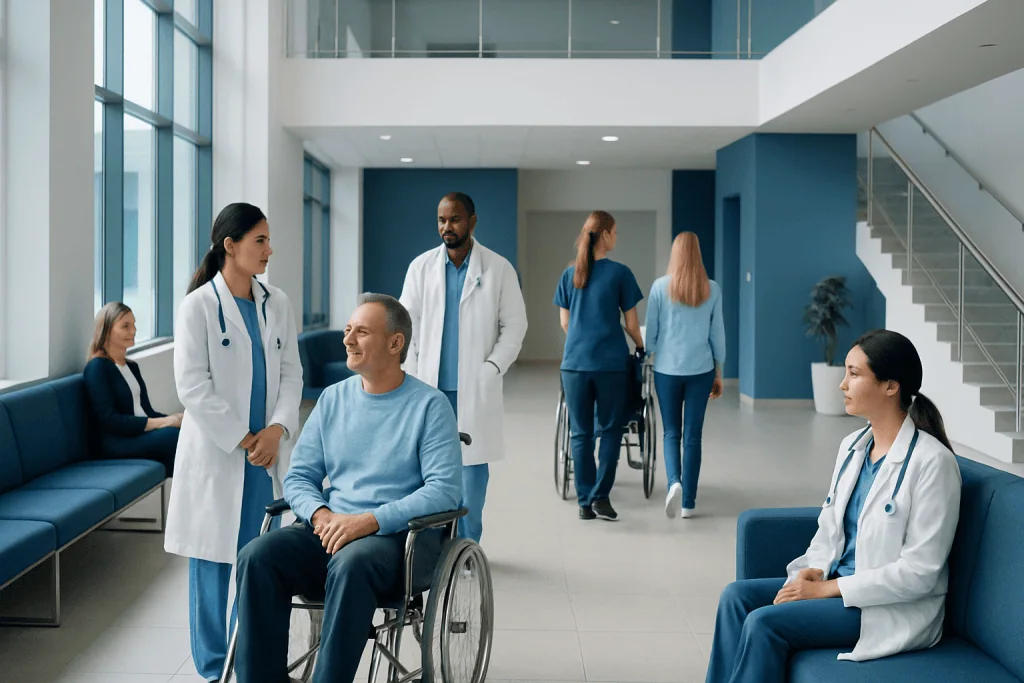
Spasticity is a form of muscle overactivity caused by damage to the brain, spinal cord, or related nerve pathways. Neuromodulation aims to improve symptoms by changing how nerve signals are transmitted or processed.
Key Takeaways
- Spasticity is a form of muscle overactivity caused by damage to the brain, spinal cord, or related nerve pathways.
- Neuromodulation aims to improve symptoms by changing how nerve signals are transmitted or processed.
- These treatments are usually considered as part of a multidisciplinary plan, not as a stand-alone cure.
- The best option depends on the cause of spasticity, symptom pattern, functional goals, and overall health.
- Evaluation by neurology and rehabilitation specialists helps determine whether nerve stimulation is appropriate.
Neuromodulation for spasticity refers to treatments that change nerve signaling to help reduce muscle stiffness, spasms, and abnormal muscle overactivity. For selected patients, it can be part of a broader care plan that also includes rehabilitation, stretching, medication, and treatment of the underlying neurological condition.
Overview
Spasticity is a movement problem in which certain muscles become stiff, tight, or overactive. It happens when injury or disease affects the parts of the nervous system that help control muscle tone and movement. People with spasticity may feel resistance when trying to move a limb, have sudden spasms, or notice that walking, dressing, hygiene, or sleep becomes harder.
Neuromodulation for spasticity describes treatments that alter nerve activity in a targeted way. Depending on the method, this may involve electrical stimulation delivered through the skin, stimulation of nerves or the spinal cord with implanted devices, or medication delivered directly to the fluid around the spinal cord to influence signaling. The goal is not simply to relax a muscle for a short time, but to improve how the nervous system regulates muscle tone.
Neuromodulation is not suitable for every patient with spasticity, and it is usually one part of a larger treatment plan. Physical therapy, stretching, splinting, oral medicines, injections, and management of triggers such as pain or infection often remain important. In selected cases, assessment in a specialist neuromodulation program can help clarify which options may be useful.
Symptoms and how spasticity affects daily life
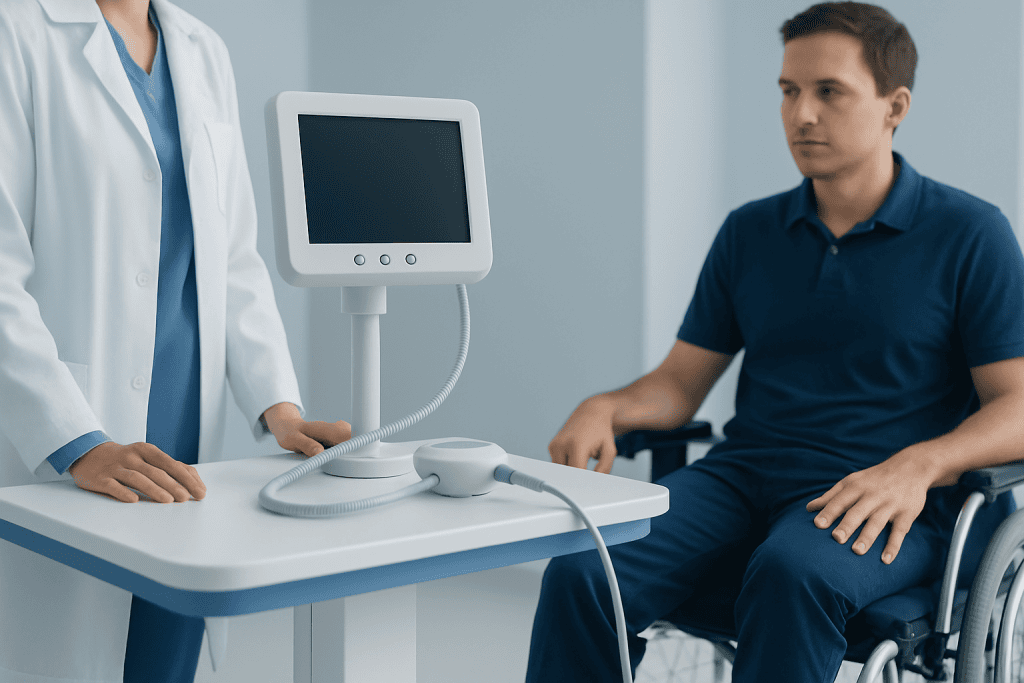
Spasticity can look different from one person to another. Some people mainly have tightness and stiffness, while others experience repeated jerking, painful cramps, or postures that pull an arm or leg into an abnormal position. Symptoms may be constant or may worsen with movement, stress, fatigue, temperature changes, or other physical triggers.
Common effects include difficulty walking, reduced balance, toe walking, scissoring of the legs, clenched fists, bent elbows, or a foot that points downward. Children and adults may also have discomfort, skin irritation from pressure, trouble with hygiene, and difficulty using braces or wheelchairs comfortably. Sleep can be disrupted when spasms happen at night.
Doctors also pay attention to how spasticity affects function. In some situations, a certain amount of muscle tone may help a person stand, transfer, or maintain posture. Because of this, treatment is personalized. The aim is usually to reduce the harmful effects of spasticity without taking away useful movement.
Causes and who may benefit from neuromodulation

Spasticity develops when the pathways that normally regulate muscle tone are damaged. This can happen after a stroke, with spinal cord injury, cerebral palsy, multiple sclerosis, traumatic brain injury, and some other neurological disorders. Less commonly, it may be related to structural problems such as syringomyelia or progressive neurological disease. The pattern of symptoms often depends on where the nervous system has been affected.
Neuromodulation may be considered when spasticity remains troublesome despite standard measures, when medicines cause unwanted side effects, or when symptoms are widespread enough that local injections alone are not enough. It may also be useful when better control of muscle tone could improve comfort, mobility, caregiving, or participation in rehabilitation.
Not every form of nerve stimulation fits every cause of spasticity. Some methods are noninvasive and used to support therapy sessions, while others require a procedure and are reserved for carefully selected patients. The decision depends on the severity of symptoms, whether spasticity is focal or generalized, and the person’s goals. Patients are often assessed by teams with expertise in movement disorders care, rehabilitation, and related neurological conditions.
How neuromodulation works
The nervous system constantly sends signals between the brain, spinal cord, nerves, and muscles. After neurological injury, these signals may become imbalanced, allowing reflexes to become overactive. Neuromodulation aims to rebalance this system by changing how those signals are generated or transmitted.
One broad approach is surface electrical stimulation, sometimes called transcutaneous stimulation. Electrodes placed on the skin deliver controlled pulses to nerves or muscles. In rehabilitation settings, this may help activate weak muscles, improve movement practice, and in some cases reduce the impact of spasticity during or after therapy. The benefit may depend on regular use and pairing the treatment with guided exercise.
Another approach involves implantable therapies. For some patients with severe, widespread spasticity, intrathecal baclofen therapy is considered a form of neuromodulation because it changes spinal signaling by delivering medicine directly around the spinal cord through an implanted pump. In selected centers, other advanced methods such as spinal cord or peripheral nerve stimulation may be evaluated. These options require specialist planning, testing, and follow-up.
Although the methods differ, the overall goal is similar: to reduce excessive muscle activity while preserving as much function as possible. Many patients also continue therapy through services such as neurophysiology evaluation and structured rehabilitation to measure response over time.
Diagnosis and treatment planning
Before recommending neuromodulation, doctors first confirm that the problem is spasticity and not another movement disorder, contracture, joint disease, or pain condition. The evaluation usually includes a neurological examination, a review of the underlying diagnosis, and an assessment of how symptoms affect walking, hand use, posture, sleep, and daily care. The team may also ask what specific goals matter most, such as easier hygiene, less pain, or improved walking.
It is important to identify factors that can worsen spasticity. These may include urinary infection, constipation, skin wounds, poorly fitting braces, pain, and emotional stress. If these triggers are not addressed, even advanced treatment may seem less effective than expected. Imaging or other tests may be needed in some cases, especially if symptoms have changed.
When neuromodulation is being considered, planning often includes trial-based assessment. For example, a team may evaluate how the patient responds to a temporary stimulation program or, in the case of intrathecal therapy, to a screening test before permanent implantation. This step helps balance potential benefits, limitations, and risks. Some patients may also be referred to interventional neurology specialists when procedural options are being explored.
Treatment options, benefits, and limitations
Neuromodulation is only one part of spasticity treatment. Many people benefit from a combination of stretching, strengthening, positioning, occupational therapy, gait training, orthotics, and oral medicines. Targeted botulinum toxin injections may help when spasticity affects a limited number of muscles. When symptoms are more generalized or resistant to standard care, advanced options may be discussed.
Potential benefits of neuromodulation include reduced stiffness, fewer spasms, improved range of motion, easier caregiving, less discomfort, and better participation in therapy. Some patients may notice gains in walking, transfers, sleep, or daily activities. However, results vary. Improvement is often gradual and may be most meaningful when measured against personal goals rather than a single symptom score.
There are also limitations. Neuromodulation does not repair the original injury to the brain or spinal cord, and it may not fully reverse long-standing contractures. Device-based therapies can require procedures, programming adjustments, maintenance, and regular follow-up. Side effects and risks depend on the technique used and should be reviewed carefully with the treating team.
For this reason, treatment works best when guided by a multidisciplinary group that may include neurologists, rehabilitation physicians, physiotherapists, occupational therapists, and when needed, specialists in pediatric neurology care or adult complex neurorehabilitation. Near the end of the evaluation process, Acibadem International’s multidisciplinary specialists in JCI-accredited hospitals may support international patients with diagnosis and treatment planning for spasticity and related neurological conditions.
Self-care, rehabilitation, and when to seek medical advice
Daily self-care remains important even when neuromodulation is part of treatment. Regular stretching, prescribed home exercises, careful positioning, and consistent use of splints or braces can help maintain comfort and mobility. Avoiding long periods in one position and staying attentive to skin care can also reduce complications.
Patients and caregivers should watch for factors that suddenly make spasticity worse. Fever, infection, pain, constipation, pressure injuries, or a new injury can all increase muscle tightness and spasms. If symptoms change quickly or become much more severe, medical review is important to look for an underlying trigger.
A doctor should also be consulted if spasticity is causing falls, pain, hygiene problems, sleep disturbance, difficulty using the hand or walking, or if it is interfering with rehabilitation goals. Urgent medical attention is needed when there is sudden weakness, new numbness, loss of bladder or bowel control, severe pain, or any other rapidly changing neurological symptom. Early evaluation can help prevent complications and improve long-term function.
Frequently asked questions
What is neuromodulation for spasticity?
Neuromodulation for spasticity refers to treatments that change nerve signaling to reduce abnormal muscle tightness and spasms. It may involve electrical stimulation techniques or, in selected cases, implanted therapies that affect spinal nerve pathways.
Can neuromodulation cure spasticity?
Neuromodulation does not usually cure the underlying neurological cause of spasticity. Its main role is to help manage symptoms, improve comfort or function, and support rehabilitation goals.
Who is a good candidate for nerve stimulation for spasticity?
A good candidate is someone whose spasticity is affecting daily life despite appropriate rehabilitation and standard treatment, or someone who cannot tolerate certain medicines well. Suitability depends on the cause of spasticity, the pattern of muscle involvement, and the person’s goals.
Is neuromodulation painful or invasive?
Some forms are noninvasive and use electrodes placed on the skin, which may cause a tingling sensation but are generally well tolerated. Other forms involve implanted devices or pumps and therefore require procedures, testing, and ongoing follow-up.
How long does it take to see results?
The timeline varies by treatment type and by the individual patient. Some people notice changes during early sessions, while others improve gradually over weeks or months as stimulation is combined with rehabilitation.
Can children receive neuromodulation for spasticity?
In some cases, yes. Children with conditions such as cerebral palsy or other neurological disorders may be assessed by pediatric specialists to determine whether a neuromodulation approach is appropriate and safe.
What other treatments are usually used with neuromodulation?
Neuromodulation is often combined with physical therapy, occupational therapy, stretching, bracing, oral medications, and sometimes injections. A combined plan usually gives the best chance of improving comfort, mobility, and day-to-day function.
References
- World Health Organization
- National Institute of Neurological Disorders and Stroke
- National Institute for Health and Care Excellence
- American Academy of Neurology
- American Academy of Physical Medicine and Rehabilitation
This article is for general information only and is not a substitute for professional medical advice. Please consult a qualified doctor about your individual situation.
Neuromodulation in Turkey — costs, top hospitals & a free quote
JCI-accredited · board-certified surgeons · reply within 24h
Add us as a Preferred Source to see more of our trusted health content across Google Search, AI Overviews and Discover.

Neurology
Diagnosis and treatment of disorders of the brain, spinal cord, nerves and muscles.
51 specialists in this unit