Esophageal Varices: How Bleeding Risk Is Assessed and Prevented
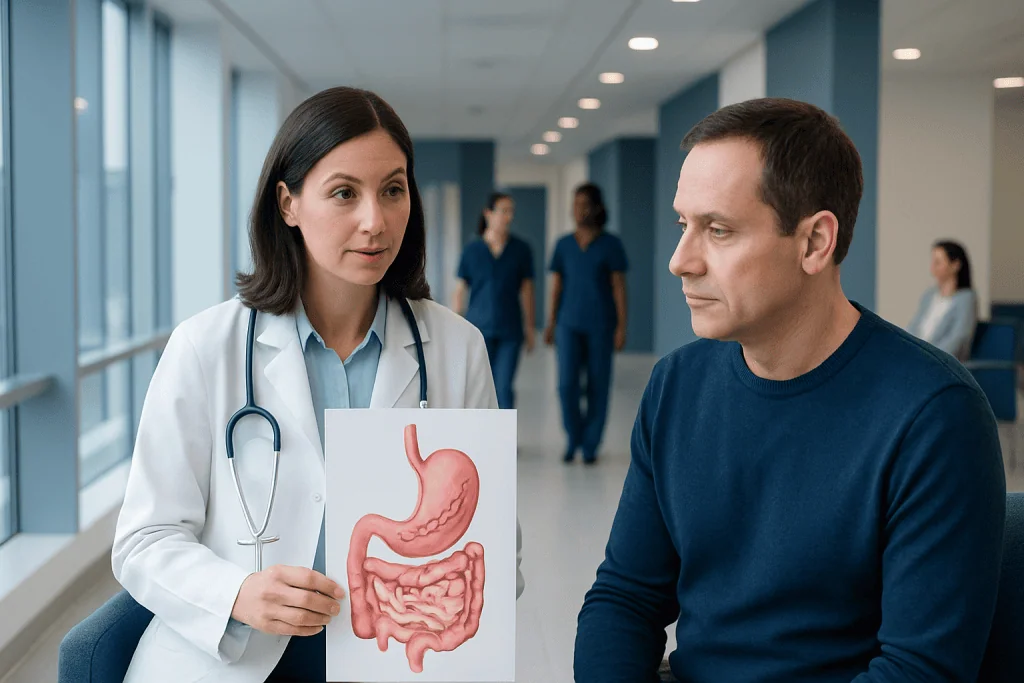
Esophageal varices usually result from portal hypertension, commonly related to cirrhosis or other chronic liver diseases. Bleeding risk is mainly assessed with upper endoscopy, along with the severity of liver disease and signs such as red wale marks on the varices.
Key Takeaways
- Esophageal varices usually result from portal hypertension, commonly related to cirrhosis or other chronic liver diseases.
- Bleeding risk is mainly assessed with upper endoscopy, along with the severity of liver disease and signs such as red wale marks on the varices.
- Non-selective beta blockers and endoscopic band ligation are the main methods used to prevent a first bleed in higher-risk patients.
- A sudden vomit of blood, black stools, dizziness, or fainting needs urgent medical attention.
- Treating the underlying liver disease and avoiding alcohol when advised are important parts of prevention and long-term care.
Esophageal varices are enlarged veins in the esophagus that can develop when pressure in the portal vein system rises, most often because of chronic liver disease. Care focuses on identifying who is at higher risk of bleeding and using proven steps such as medicines, endoscopic treatment, and management of the underlying liver condition to reduce that risk.
Overview of Esophageal Varices
Esophageal varices are enlarged, fragile veins in the lower part of the esophagus, the tube that carries food from the mouth to the stomach. They usually develop when blood flow through the liver becomes difficult, causing pressure to build up in the portal venous system. This increased pressure, called portal hypertension, forces blood to find alternate pathways, and veins in the esophagus may swell as a result.
The main concern is bleeding. Not all esophageal varices bleed, and many people feel well until they are found during testing for liver disease or related symptoms. However, when bleeding does happen, it can be serious and needs prompt medical treatment.
Most cases are linked to advanced liver scarring, especially cirrhosis, but other conditions can also raise portal pressure. These may include blood clots in the portal vein, certain liver disorders, and some long-standing inflammatory bile duct diseases. Because the risk depends on both the veins themselves and the overall health of the liver, assessment is usually individualized.
Symptoms and Warning Signs
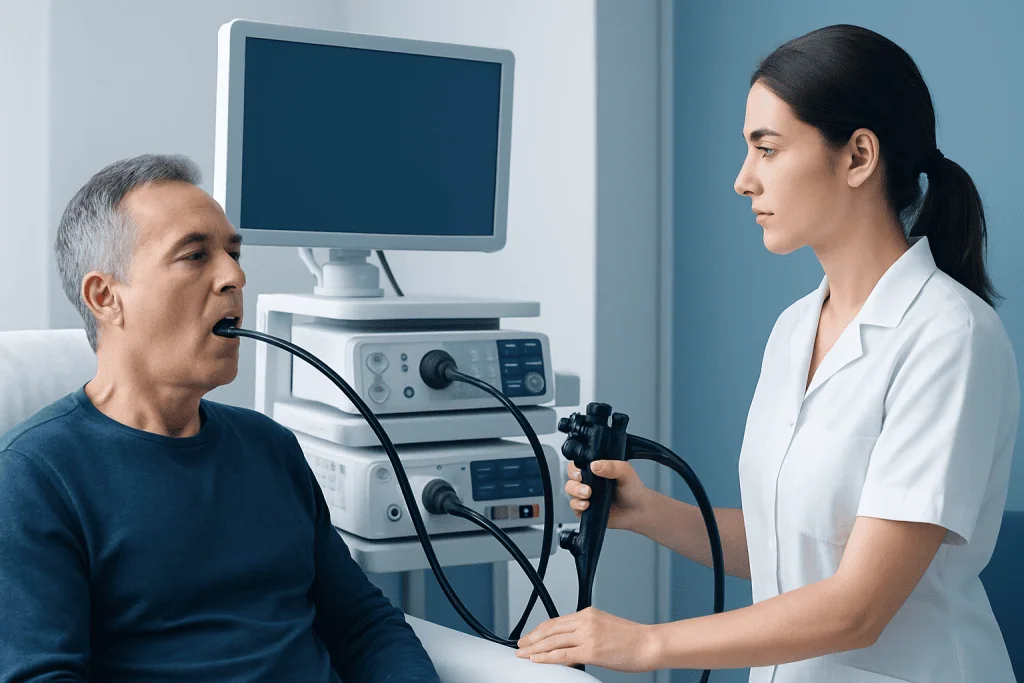
Esophageal varices themselves often do not cause day-to-day symptoms. Many people only learn they have them during an upper endoscopy performed because of chronic liver disease, anemia, or other digestive concerns. In that sense, varices can be silent until they become large or bleed.
Bleeding varices can cause sudden and noticeable symptoms. These may include vomiting blood, passing black or tarry stools, weakness, lightheadedness, fainting, rapid heartbeat, or shortness of breath. Some people may notice dark red or maroon-colored stool rather than black stool.
It is also common for people to have symptoms related to the underlying liver problem rather than the varices themselves. These can include abdominal swelling from fluid, easy bruising, jaundice, confusion, or fatigue. Conditions such as liver disease and viral hepatitis may be part of the broader picture, including chronic infections like hepatitis C.
- Varices without bleeding may cause no symptoms.
- Vomiting blood is a medical emergency.
- Black, tarry stools can be a sign of upper digestive bleeding.
- Dizziness or collapse may suggest significant blood loss.
Causes and Risk Factors
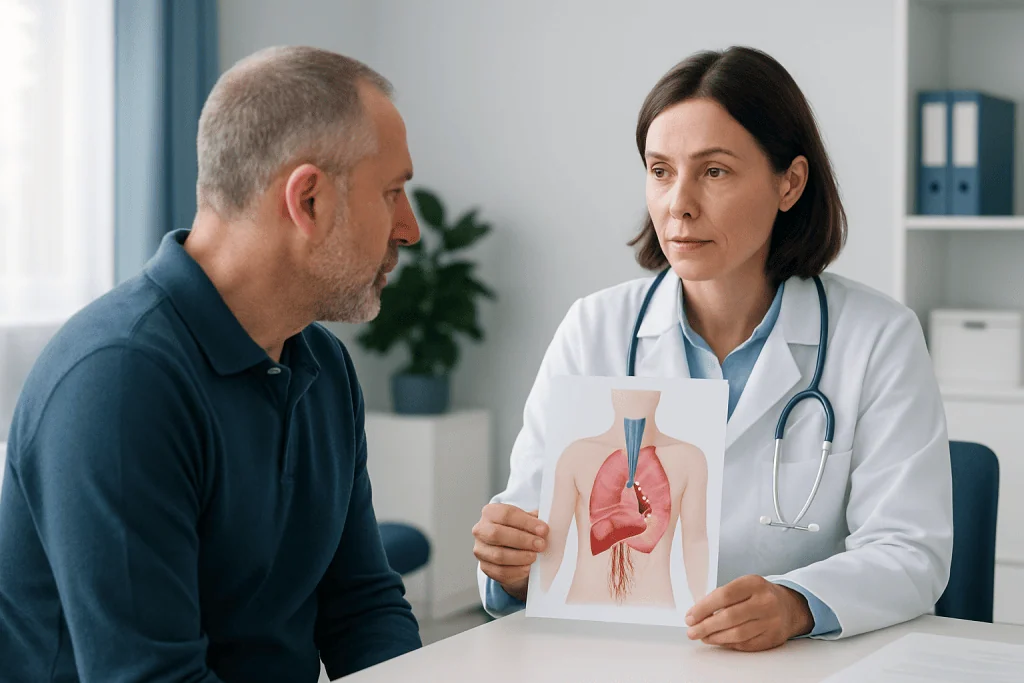
The most common cause of esophageal varices is portal hypertension due to chronic liver scarring. When healthy liver tissue is replaced by scar tissue, blood cannot move through the liver as easily. Pressure rises in the portal vein and its branches, and veins in the esophagus may enlarge in response.
Several liver conditions can lead to this process. Common examples include alcohol-related liver disease, chronic viral hepatitis, metabolic fatty liver disease, and autoimmune or inherited liver disorders. People with fatty liver disease may develop advanced scarring over time, especially when other metabolic risk factors are present. Some patients also develop portal hypertension from hepatitis or from less common causes such as portal vein thrombosis.
Bleeding risk is not the same for everyone with varices. Larger varices are more likely to bleed than very small ones. Certain endoscopic features, especially red wale marks or cherry-red spots, suggest that the vessel wall is under more strain. More severe liver dysfunction, ongoing alcohol use, and a prior variceal bleed also increase risk.
Other factors can influence overall bleeding tendency. These include infection, kidney dysfunction, low blood pressure, and advanced liver failure. For that reason, clinicians usually look at the whole person rather than at the veins alone when planning prevention.
How Bleeding Risk Is Assessed
The most important test for assessing bleeding risk is upper gastrointestinal endoscopy. During this procedure, a specialist examines the esophagus with a flexible camera to look for varices, estimate their size, and check for high-risk features such as red marks on the surface. Endoscopy is also useful because it can guide treatment decisions at the same time.
Doctors also assess the severity of the underlying liver disease. Blood tests can show how well the liver is working and whether there are signs of clotting problems, anemia, or infection. Imaging tests such as ultrasound may help evaluate the liver, portal vein, spleen, and the presence of fluid in the abdomen. In selected cases, additional tests are used to better understand portal hypertension and other causes of digestive bleeding, including gastrointestinal bleeding.
Risk stratification usually includes several questions: Are the varices small or large? Are there red wale marks? Has the patient ever bled before? How advanced is the liver disease? The answers help determine whether monitoring is enough or whether preventive treatment should start.
People with compensated liver disease and low-risk findings may need surveillance at intervals recommended by their specialist. Those with larger varices or advanced liver disease are more likely to benefit from preventive measures. Because recommendations can differ between individuals, follow-up plans should come from a qualified gastroenterologist or hepatologist.
Treatment Options to Prevent Bleeding
The main goal of treatment before any bleeding occurs is to lower the chance of a first hemorrhage. The two standard preventive approaches are non-selective beta blockers and endoscopic variceal band ligation. Non-selective beta blockers lower pressure in the portal circulation, while band ligation places small bands around varices during endoscopy so they shrink and scar down.
Which option is chosen depends on the size of the varices, bleeding risk features, the patient’s blood pressure and heart rate, other medical conditions, and personal preference. Some people are good candidates for medicine, while others may do better with banding. In certain situations, one approach may be preferred because the other is not tolerated or is unsuitable.
If bleeding has already occurred, prevention becomes even more important because the risk of another episode is higher. In this setting, doctors often use a combination of medicine and repeated endoscopic band ligation. For severe or recurrent cases related to portal hypertension, additional procedures may be considered in specialist centers.
Long-term care also means treating the cause. This may involve antiviral therapy, alcohol cessation support, weight management, or treatment for autoimmune or cholestatic liver disease. Patients may benefit from dedicated evaluation for esophageal varices and the liver disorders driving them, rather than focusing only on the veins themselves.
Prevention and Self-care
Self-care cannot remove varices, but it can support liver health and reduce avoidable risks. People with chronic liver disease are often advised to avoid alcohol completely unless their doctor tells them otherwise. Taking medicines exactly as prescribed, including beta blockers when recommended, is also important.
Regular follow-up matters because varices can change over time. A person may need repeat endoscopy based on whether varices are absent, small, or large, and on whether the underlying liver disease is stable or progressing. Vaccination, maintaining a healthy weight, and careful management of diabetes or other metabolic conditions can also support liver health.
Patients should check with their doctor before using over-the-counter pain relievers, herbal products, or supplements, because some can worsen liver injury or increase bleeding risk. They should also discuss any anti-inflammatory drugs, blood thinners, or antiplatelet medicines with their care team so risks and benefits can be balanced carefully.
- Avoid alcohol if advised.
- Keep endoscopy and liver follow-up appointments.
- Take preventive medicines consistently.
- Ask before starting supplements or non-prescription medicines.
- Seek support for the underlying liver disease, not only the varices.
When to See a Doctor
Anyone with known cirrhosis, portal hypertension, or chronic liver disease should ask whether screening for esophageal varices is needed. Many people with advanced liver disease benefit from planned surveillance even if they feel well. Early identification can allow prevention before any bleeding occurs.
Urgent medical attention is needed for vomiting blood, black stools, fainting, severe dizziness, confusion, or signs of shock. These symptoms may indicate significant internal bleeding and should not be monitored at home. It is safer to treat suspected bleeding as an emergency until a doctor confirms the cause.
People should also contact their clinician if they develop increasing abdominal swelling, worsening jaundice, new confusion, fever, or a sudden decline in general health. These may signal progression of liver disease or complications that can affect bleeding risk and overall safety.
For international patients who need specialist assessment, Acibadem International’s multidisciplinary teams in JCI-accredited hospitals diagnose and treat digestive and liver conditions, including portal hypertension and variceal disease, with coordinated gastroenterology care.
Frequently asked questions
What are esophageal varices?
Esophageal varices are enlarged veins in the lower esophagus. They usually develop because pressure builds up in the portal vein system, most often as a result of chronic liver disease and portal hypertension.
How do doctors know if esophageal varices are likely to bleed?
Doctors mainly use upper endoscopy to look at the size of the varices and whether there are high-risk signs such as red wale marks. They also consider how advanced the liver disease is and whether the person has bled before.
Can esophageal varices be prevented from bleeding?
Yes, in many people the risk can be reduced. Common preventive options include non-selective beta blockers and endoscopic band ligation, along with treatment of the underlying liver condition.
Do esophageal varices always cause symptoms?
No. Many people have no symptoms until the varices are found during testing or until bleeding occurs. That is why screening and follow-up are important in people with cirrhosis or portal hypertension.
Is bleeding from esophageal varices an emergency?
Yes. Vomiting blood, passing black stools, fainting, or severe dizziness can be signs of significant bleeding and need urgent medical care. Quick treatment is important for safety and stabilization.
Can lifestyle changes help?
Lifestyle measures can support the liver and reduce overall risk, even though they do not remove the varices directly. Avoiding alcohol when advised, attending regular follow-up, taking prescribed medicines, and discussing all medications and supplements with a doctor are helpful steps.
References
- American Association for the Study of Liver Diseases
- European Association for the Study of the Liver
- National Institute of Diabetes and Digestive and Kidney Diseases
- American College of Gastroenterology
- National Health Service
This article is for general information only and is not a substitute for professional medical advice. Please consult a qualified doctor about your individual situation.
Esophageal Varices in Turkey — costs, top hospitals & a free quote
JCI-accredited · board-certified surgeons · reply within 24h
Add us as a Preferred Source to see more of our trusted health content across Google Search, AI Overviews and Discover.
Check your numbers in seconds
BMI, calories, due date, blood pressure and 30+ more clinical calculators — free, instant, doctor-reviewed ranges.

Gastroenterology
Diagnosis and treatment of the digestive system and liver, with advanced endoscopy.
43 specialists in this unit